Sensi Vini

Sensi Vini belongs to the Tuscan winery category where family continuity, estate agriculture, and modern cellar control matter more than small-batch theatre. In Lamporecchio, the house connects vineyard cultivation dating to 1890 with a large production hub used for storage, winemaking, and bottling, with Chianti and Sangiovese anchoring the Tuscan identity.
Pearl is the En Primeur Club membership app — saves, bookings, and concierge access live there. Same editors, same standards.
- Address
- Lamporecchio, Pistoia, Italien
- Directions
- Get directions
 Saves & bookings on Pearl
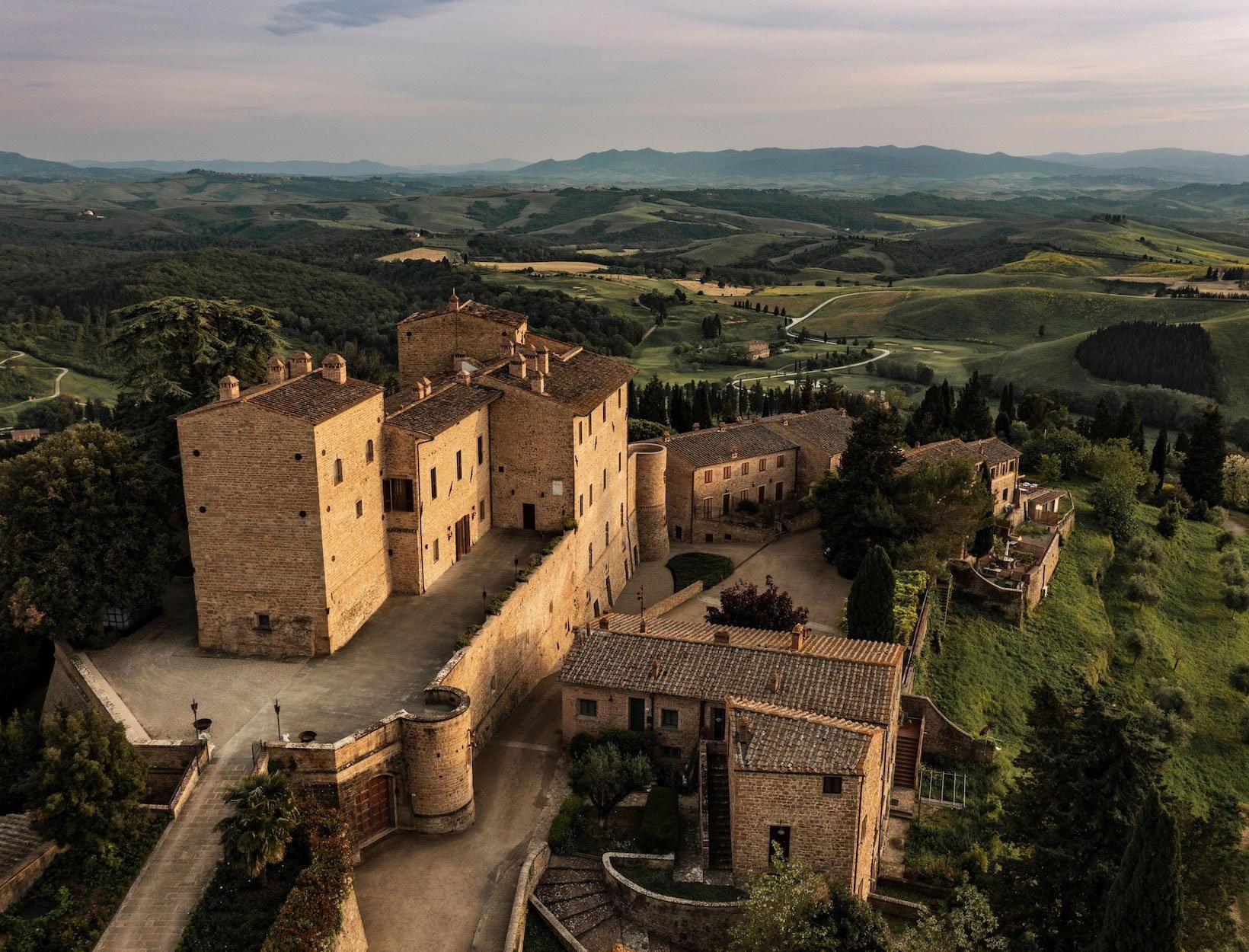
Approach Sensi Vini as a working Tuscan wine operation rather than a venue built around spectacle. The picture is a large, brand-forward winery environment in Lamporecchio, centered on storage, winemaking, and bottling. Its character is classic, rustic, elegant, quiet, and sophisticated, with the practical feel of a production site rather than a purely decorative setting. That distinction matters: the appeal is not presented as theatrical display, but as the steadier presence of a winery whose identity is tied to process, scale, and an established visual language.
A reliable way to understand the venue is through its production role. Sensi Vini is described around a modern technological plant and a respectful, balanced production ethos. Specific claims about individual grape varieties, estate holdings, founding dates, named staff, tasting formats, or visitor services are not confirmed here, so the focus should stay on the broader winery environment and its operational identity in Lamporecchio. In practical editorial terms, that means reading the venue through what is known: a Tuscan winery setting where production, storage, and bottling are central, and where the atmosphere is restrained rather than showy.
A Tuscan winery environment at scale
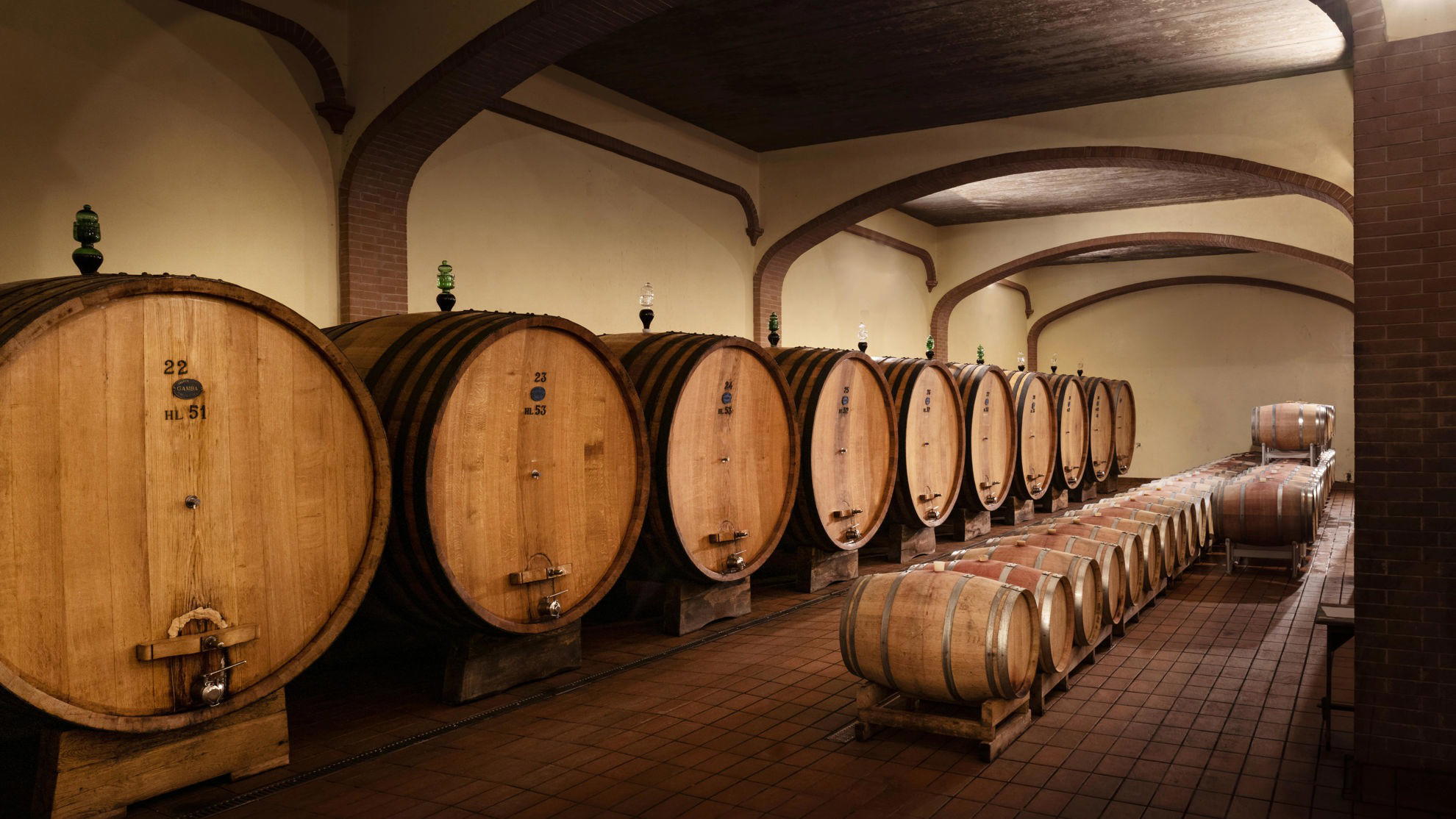
What can be said with confidence is that the venue presents as a large Tuscan winery with a brand-forward identity and a production environment built around winemaking, storage, and bottling. The emphasis is on the infrastructure and image of a winery operating at scale, rather than on a small-room, one-table, cellar-door impression.
That scale changes the expectation. Rather than reading the place as a small, intimate cellar, it is better understood as a substantial winery operation in Lamporecchio. The atmosphere is described as rustic and elegant, but also quiet and sophisticated, which suggests a setting where production infrastructure and polished presentation sit side by side. The rustic element keeps the venue within a recognizable Tuscan register, while the elegant and sophisticated notes point to a more composed, brand-conscious environment.
The production language points to balance and respect rather than to a more narrowly defined style. That combination gives the place its shape: not a generic countryside backdrop, but a winery whose identity is anchored in the act of making, holding, and bottling wine.
A large winery environment, not a boutique tasting-room fantasy
Sensi Vini is best framed as a production-led winery environment. Storage, winemaking, and bottling are central to the description, so expectations should be set around the workings of a larger Tuscan wine operation rather than around extras such as a particular tour format, food pairing program, appointment policy, or hospitality package. The venue’s confirmed character supports a more grounded reading, where the interest lies in the winery as an operating place rather than in an imagined leisure script.
The price level is listed as $$. Planning should therefore be based on the confirmed essentials: the winery is in Lamporecchio, it is a large Tuscan winery environment, and its identity is tied to production, bottling, and a modern technological plant. Those details are enough to position it clearly, but not enough to assume specific services, inclusions, or visitor rhythms without checking directly.
The tone is classic, rustic, elegant, quiet, and sophisticated. That makes the venue most useful to readers who want to understand the winery as a serious winery operation rather than as a casual bar, restaurant, or entertainment-led stop. Any more detailed itinerary should be confirmed directly before relying on it. This is especially important because the available description supports a broad sense of place and operational identity, not a fully mapped guest experience.
How to place it in a Lamporecchio wine itinerary
Lamporecchio provides the setting for the winery, and the venue’s role is clearest when placed within a wine-focused context rather than a restaurant-led plan. It can be understood as a production-oriented winery stop with a brand-forward Tuscan identity. Other dining and experience options in Lamporecchio can be considered separately, but no specific companion venues are here. For readers building a route, the key is to treat the winery as part of the area’s wine landscape, not as a substitute for a confirmed meal, tour, or tasting program.
Within a broader wine map, the winery is useful as an example of a large Tuscan winery environment that combines storage, winemaking, bottling, and modern plant technology with a balanced production ethos. For comparison, keep the focus on the winery itself or on other Lamporecchio options in general terms unless additional venue-specific facts are independently confirmed. Its value in the itinerary is therefore conceptual as much as logistical: it helps represent the more production-centered side of Tuscan wine, where scale, restraint, and operational clarity define the experience.
Recognition history
Dated appearances from independent guides and award organizations, with the underlying list record or original source where available.
Falstaff Winery - Listed
Falstaff
Continue exploring
More in Lamporecchio
Wineries in Lamporecchio
Browse all →
Bars in Lamporecchio
Browse all →
Restaurants in Lamporecchio
Browse all →
At a Glance
- Classic
- Rustic
- Elegant
- Quiet
- Sophisticated
- Wine Education
- Solo Exploration
- Special Occasion
- Estate Grounds
- Historic Building
- Design Destination
- Organic
- Sustainable
- Vineyard
- Chianti
- Sangiovese
- Ciliegiolo
- Vermentino
- Prosecco
- Still Red
- Still White
- Sparkling
- Dessert
A large, brand-forward Tuscan winery environment centered on storage, winemaking, and bottling, with a modern technological plant and a respectful, balanced production ethos.