Schrader Cellars

Schrader Cellars has operated from Napa since its first vintage in 1998, building a reputation around high-allocation Cabernet Sauvignon under winemaker Thomas Rivers Brown.
Pearl is the En Primeur Club membership app — saves, bookings, and concierge access live there. Same editors, same standards.
- Address
- 80 Grapevine Ln, Napa, CA 94558
- Phone
- +17079421540
- Website
- schradercellars.com
- Directions
- Get directions
 Saves & bookings on Pearl
Where Napa's Allocation System Meets Its Ceiling
Napa's premium Cabernet tier has a particular character: small production, long waiting lists, and bottles that trade on secondary markets at multiples of release price. Within that category, Schrader Cellars occupies a position that most collectors recognise immediately. The winery has operated in that narrow band where wine is made in quantities too small to satisfy demand but large enough to maintain a defined house style across multiple vineyard designations. That balance, rather than any single vintage or score, is what defines Schrader's place in the valley.
The address on Grapevine Lane in Napa puts the winery in a part of the valley that functions more as a production and logistics hub than a conventional tasting destination. This is not the manicured estate format of, say, Darioush or the architecturally driven experience at Artesa Vineyards and Winery. Schrader keeps the focus on what goes into the bottle, which suits a collector audience that has already made its decision before arriving.
Thomas Rivers Brown and the Winemaking Peer Group
The name Thomas Rivers Brown carries specific weight in Napa. His client list has included some of the valley's most scrutinised Cabernet programs, and his approach places him inside a generation of winemakers who treat vineyard sourcing as the primary variable. At Schrader, that means the winemaking function is less about stylistic intervention and more about accurate translation of site. The result is a set of wines that read as place-specific rather than house-style-homogenised, which is a meaningful distinction at this production level.
That credential places Schrader in a peer group that includes producers like Accendo Cellars in St. Helena and Blackbird Vineyards, where winemaker pedigree functions as a primary trust signal alongside scores and allocations. Across Napa, the wineries that operate at the allocation ceiling tend to share this characteristic: the winemaker's name is a standalone credential, not a supporting detail.
It is a score that collectors use as a confirmation rather than a discovery signal, given that Schrader's allocation list tends to move faster than most visitors can act on. The rating is most useful as a comparative anchor when evaluating Napa producers across a similar price and production range.
For context within the valley, EP Club's 4 Star Prestige tier includes producers whose reputations predate their scores. Ashes and Diamonds Winery and Clos Selene Winery operate in adjacent parts of this tier, each with distinct stylistic identities but similar collector dynamics. The shared characteristic is that availability is the primary obstacle, not quality uncertainty.
Food Pairing and the Case for Structured Tasting
The editorial angle on Schrader is most honest when it addresses the pairing question directly. Napa Cabernet at this level, particularly wines sourced from To Kalon and Beckstoffer Georges III, carries a structure that rewards deliberate pairing. The tannin weight and fruit concentration in these wines narrow the pairing range considerably: aged beef, hard cheeses with mineral character, and preparations with fat and umami depth all work in ways that lighter food formats simply cannot match.
Producers operating in Schrader's tier have increasingly formalised this through curated tasting events rather than standard drop-in experiences. The format that works well for wines at this concentration and price point is a seated, paced engagement where food is used to demonstrate range across vintages or vineyard designations rather than simply accompany a single pour. That format is common among allocation-tier Napa houses and reflects a broader shift in how the valley's leading producers think about hospitality, less as a marketing function and more as a calibration exercise for their most engaged collectors.
For visitors planning around this kind of experience, timing matters. Napa's harvest window, roughly September through November, compresses the valley's most serious tasting activity into a short calendar period. Booking outside that window, particularly in late spring, tends to offer more access and a less crowded experience at producers who do host visits.
The Broader Napa Allocation Model
Understanding Schrader requires understanding how allocation works as a distribution mechanism. Unlike retail-distributed wines, allocation-tier Napa producers manage their customer relationships directly, with mailing lists and purchase histories determining access. First-time buyers typically enter through a wait list or a direct winery visit, which is one reason tasting appointments function differently here than at a production-scale estate. The visit is partly a relationship-building exercise, partly a wine experience, and partly a practical step in the allocation process.
This model is not distinctive to Schrader. Alpha Omega Winery in Rutherford and Alexander Valley Vineyards in Geyserville operate with different production scales but share the principle that direct consumer relationships are the primary channel. At Schrader's level, the allocation relationship is tighter and the production volumes smaller, which means the visit carries more weight in the collector's decision process.
Collectors building a broader California portfolio sometimes sequence Napa alongside producers in other regions, including Adelaida Vineyards in Paso Robles, Alban Vineyards in Arroyo Grande, and Andrew Murray Vineyards in Los Olivos for Rhone-focused comparison. Outside California, the collector logic extends to producers like Adelsheim Vineyard in Newberg for Oregon Pinot, which provides a useful stylistic counterpoint to Napa's Cabernet concentration.
Planning a Visit
Schrader Cellars is located at 80 Grapevine Lane in Napa. Given the winery's allocation-tier positioning, visits are leading arranged through direct contact rather than walk-in. Visits are arranged by appointment. Prospective visitors should expect to arrange access directly with the winery.
The practical consequence is that a first visit to Schrader is more likely to come after a secondary market purchase or a referral from another collector than from a cold booking. That barrier is a feature of the allocation model rather than a hospitality shortcoming. Collectors who have already established a relationship will find the booking process direct; those starting from scratch should plan for a longer lead time.
Recognition, Side-by-Side
Comparable venues nearby, for context on price, style, and recognition.
| Venue | Cuisine | Price | Notes |
|---|---|---|---|
| Schrader CellarsThis venue — the venue you are viewing | Cabernet Sauvignon | $$$$ | Not listed |
| Darioush Winery | Cabernet Sauvignon, Chardonnay | $$$$ | Napa |
| Realm Cellars | Cabernet Sauvignon, Merlot | $$$$ | Stags Leap District |
| The Mascot | Cabernet Sauvignon, Merlot | $$$$ | Napa Valley |
| Amuse Bouche Winery | Merlot, Cabernet Franc | $$$$ | Downtown Napa |
| Macdonald | Cabernet Sauvignon, Cabernet Franc | $$$$ | Oakville |
Recognition history
Dated appearances from independent guides and award organizations, with the underlying list record or original source where available.
Falstaff Winery - Listed
Falstaff
Continue exploring
More in Napa
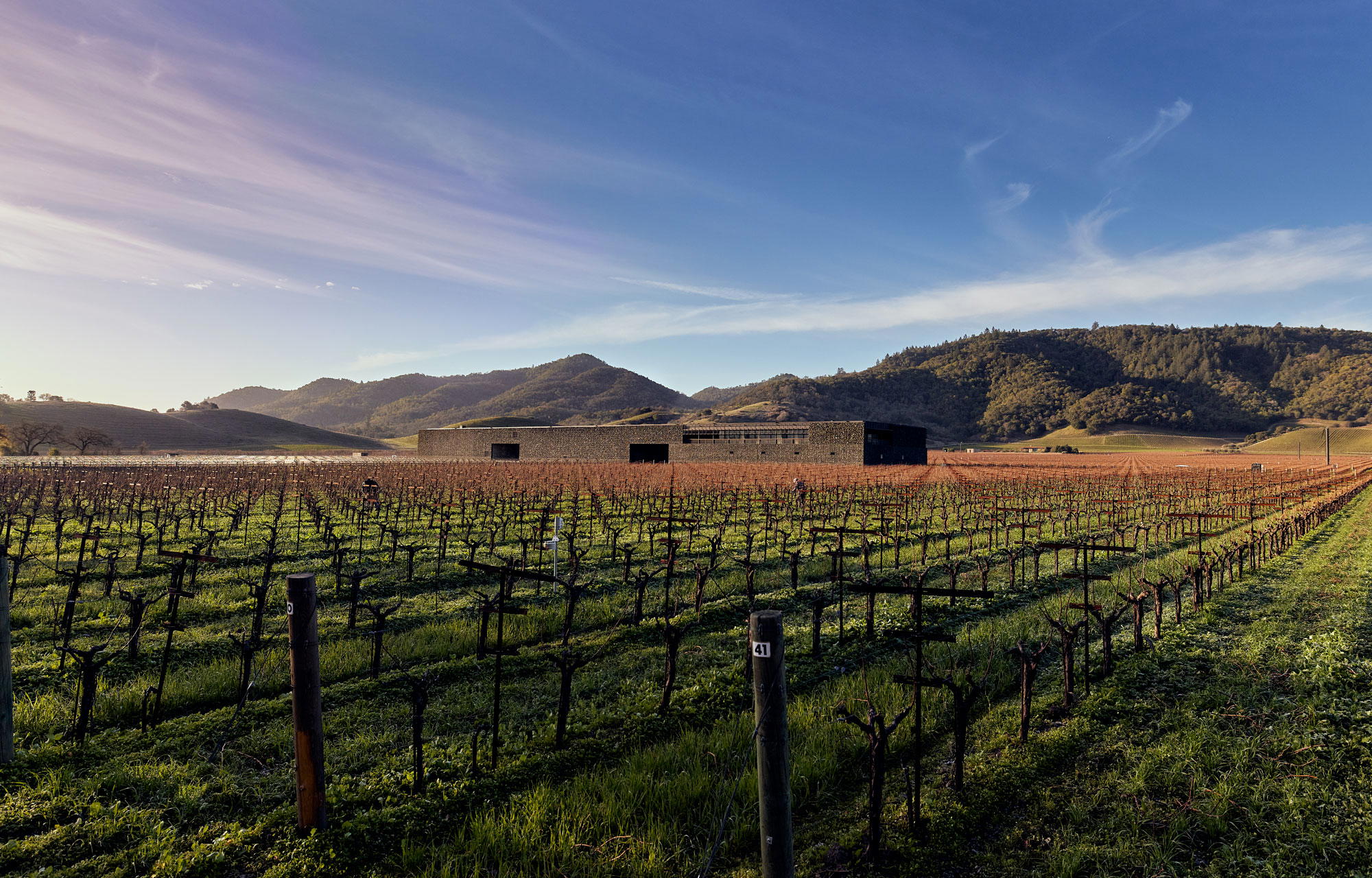
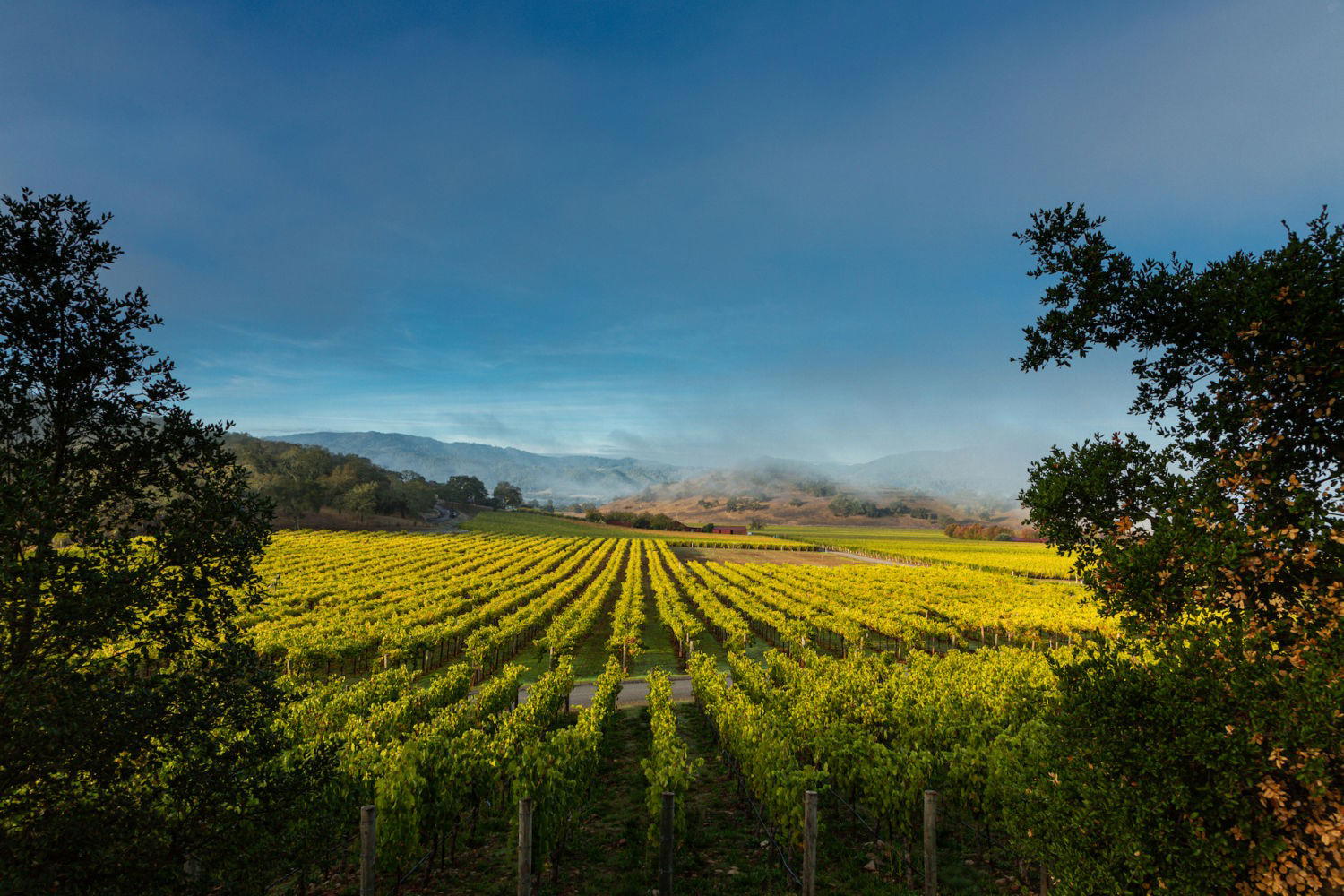
Wineries in Napa
Browse all →
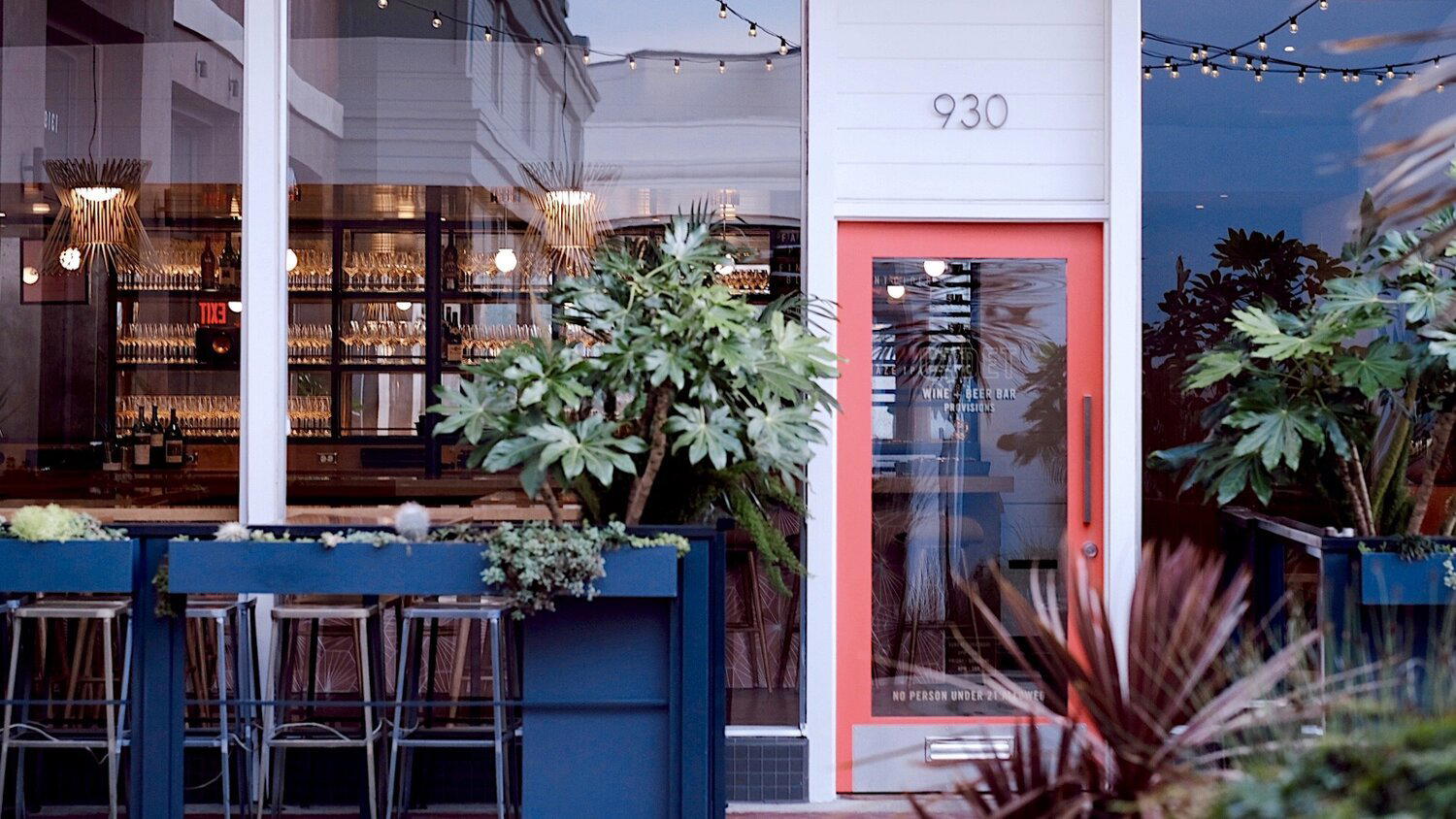
Bars in Napa
Browse all →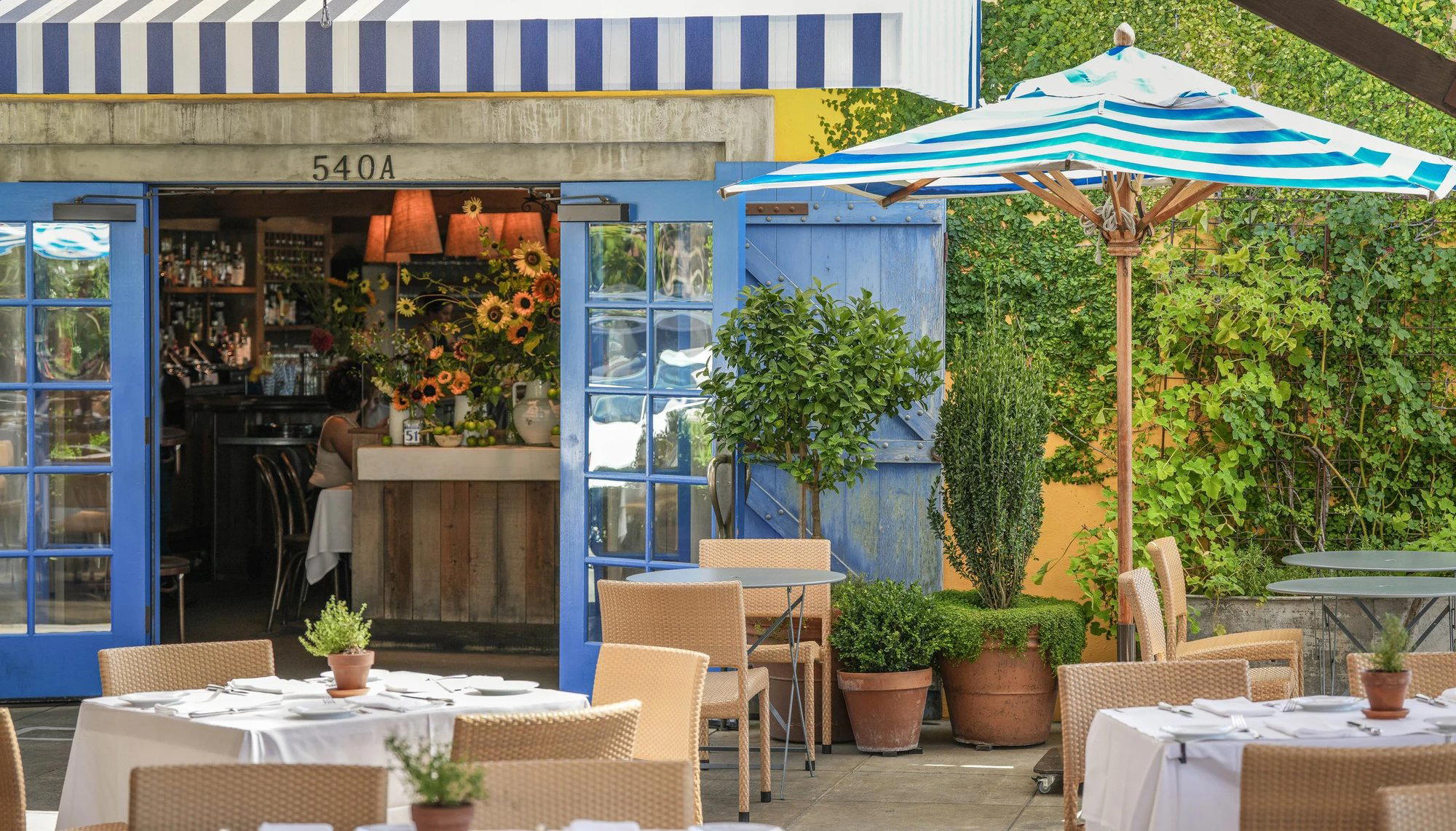
Restaurants in Napa
Browse all →
At a Glance
- Elegant
- Sophisticated
- Ornate
- Special Occasion
- Wine Education
- Vineyard Tour
- Private Tasting
- Vineyard
- Napa Valley AVA
- Cabernet Sauvignon
- Still Red
- Private Tasting
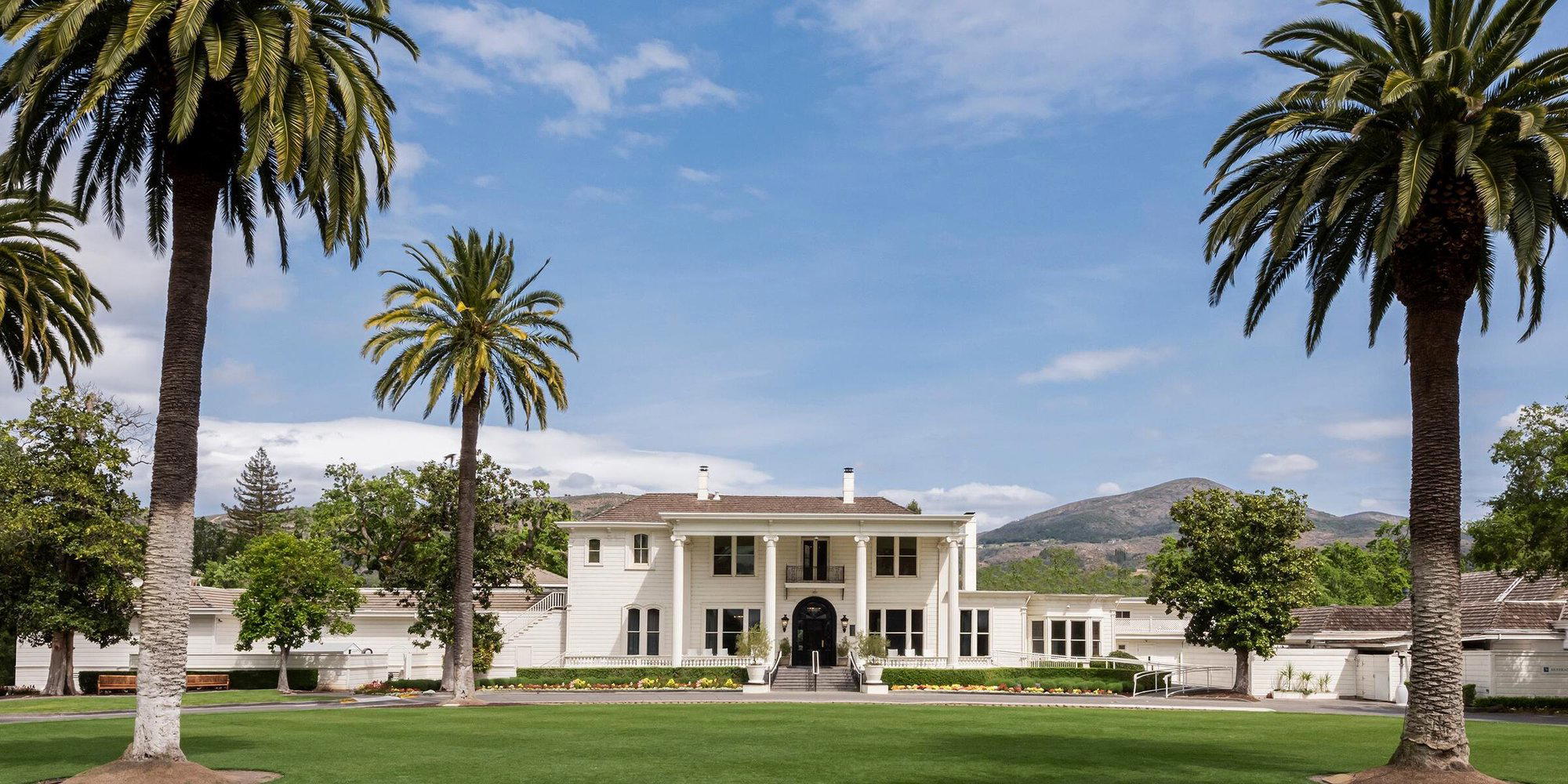
Ornate and plush with immense structure, purity of fruit, and silky tannins in an elegant, powerful setting amid historic vineyards.