Rizieri

Falstaff Winery - Listed
Rizieri is a small Langhe estate in Diano d’Alba, framed by vineyards, woods, a 19th-century farmhouse, and a newer eco-conscious cellar. Its interest lies in the terroir story: estate-grown Arneis, Dolcetto, Barbera, Merlot, and Nebbiolo, plus Nebbiolo for Barolo from the Silio cru in La Morra.

Pearl is the En Primeur Club membership app — saves, bookings, and concierge access live there. Same editors, same standards.

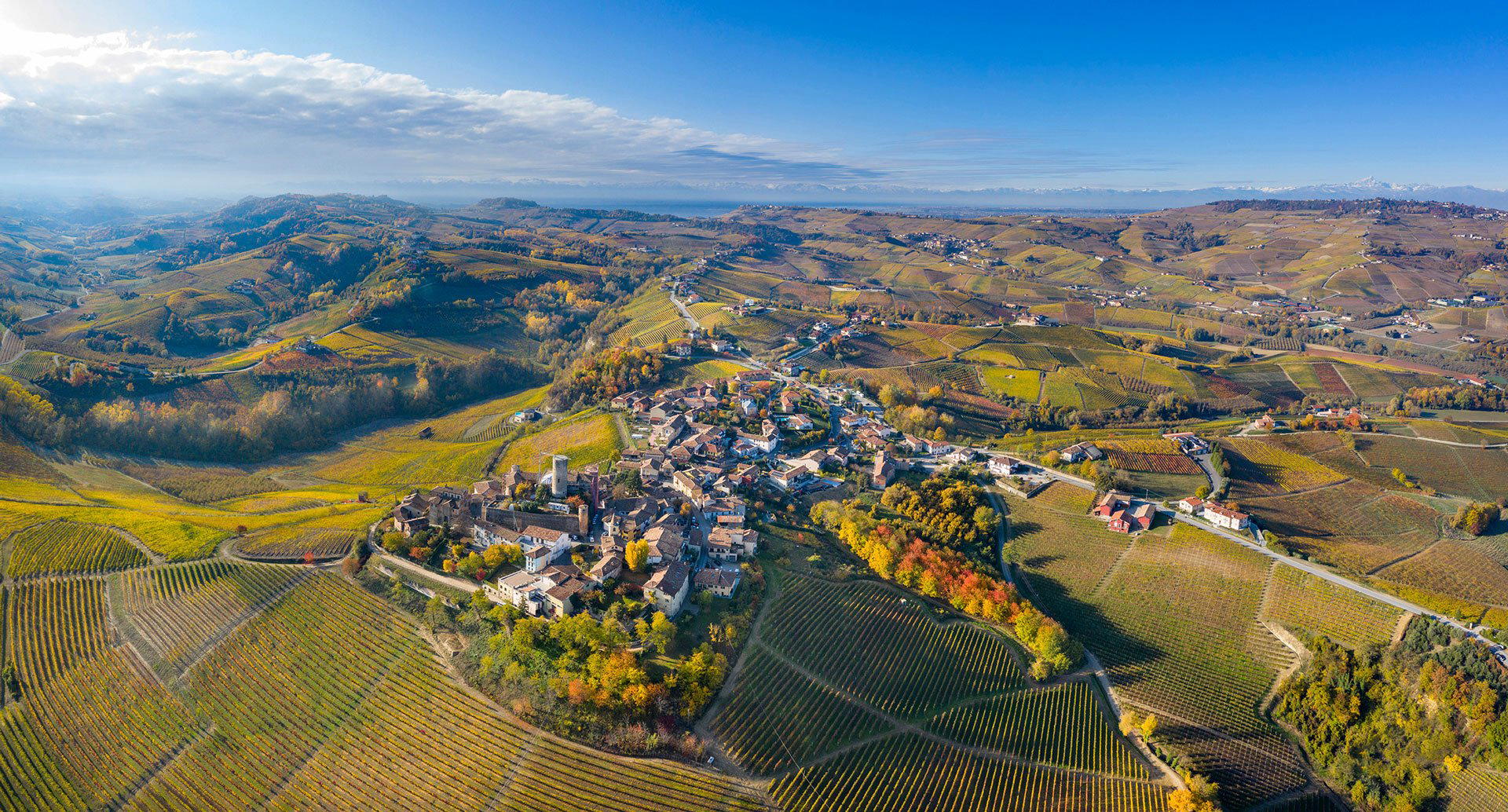
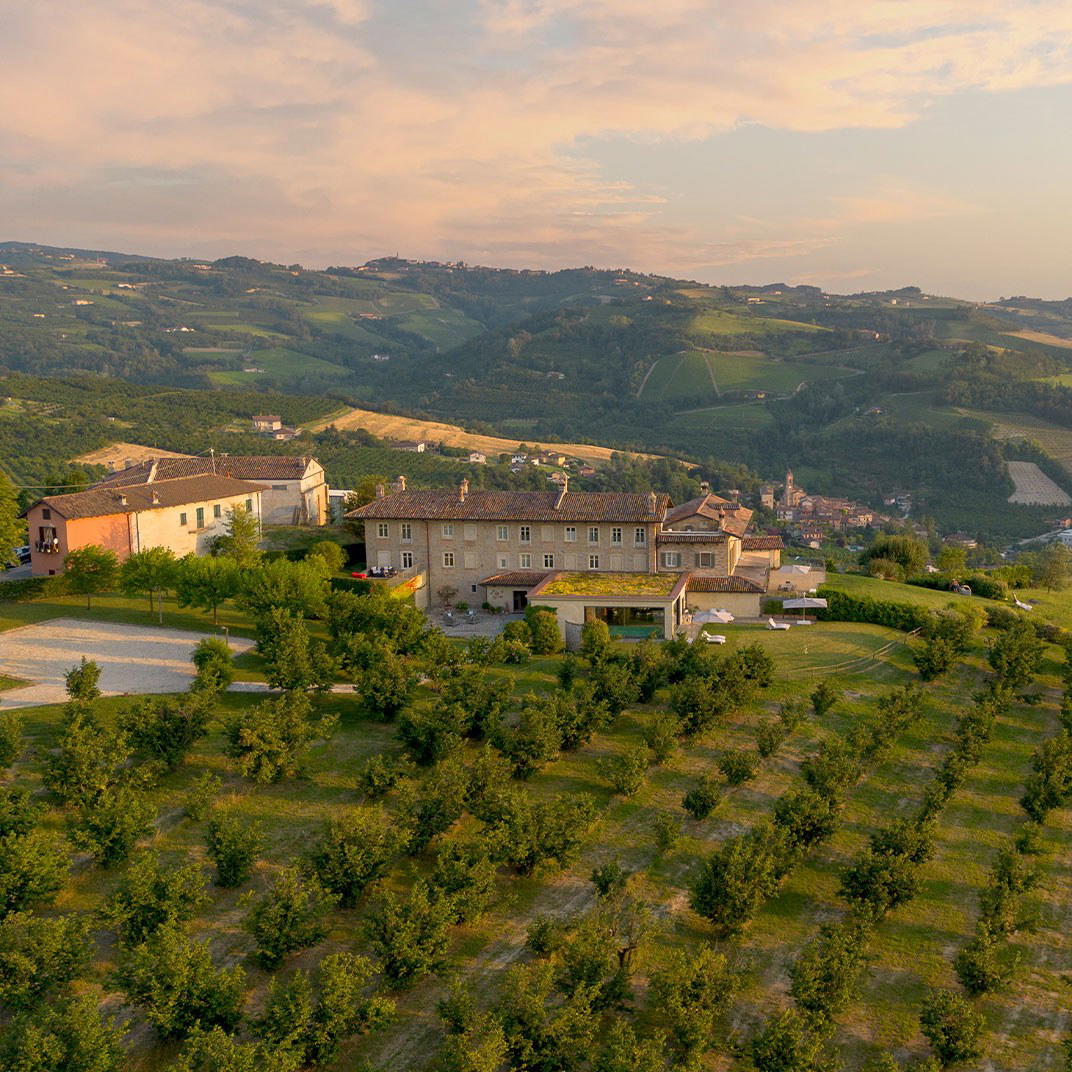
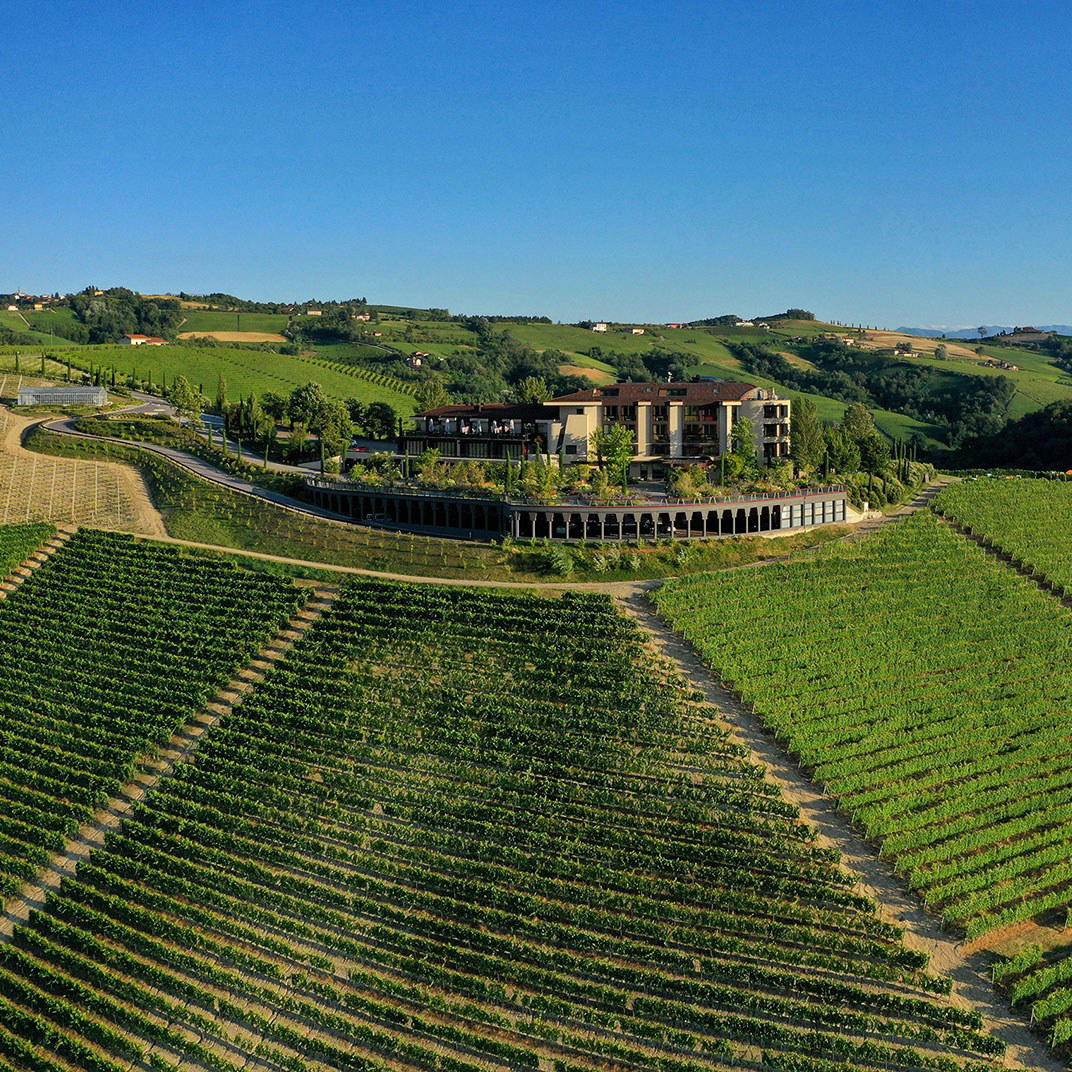
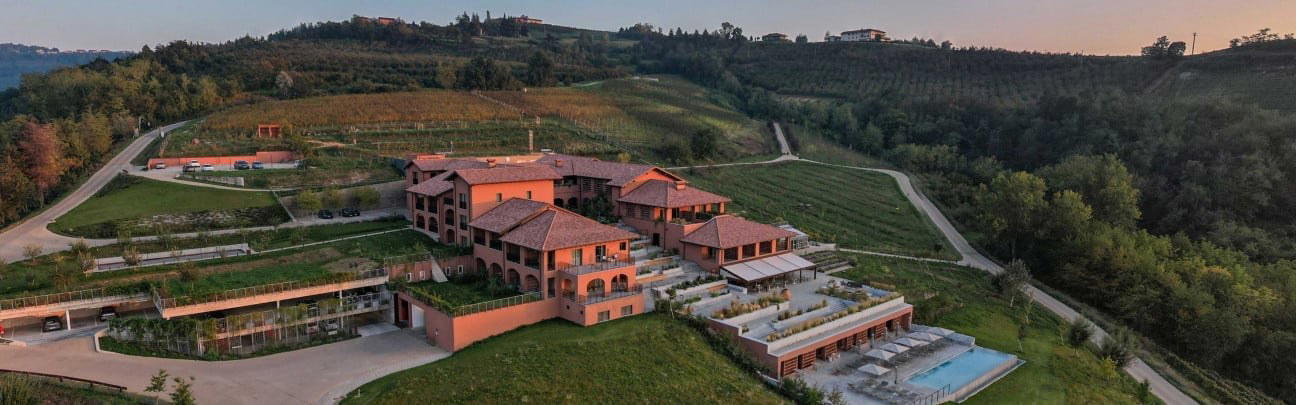
The approach to a Langhe winery is never neutral. Hills fold into one another, farmhouses interrupt the vines, and the visitor arrives already reading the land before a glass is poured. Rizieri belongs to that quieter Diano d’Alba register: a hillside estate built around vineyards, woods, a 19th-century farmhouse, and a newer eco-conscious cellar. The mood is rural rather than theatrical, with the architecture doing what good winery architecture in Piedmont should do: remind the visitor that wine here is a conversation between agricultural continuity and contemporary cellar work.
Diano d’Alba has a particular usefulness for wine travelers because it sits inside the Barolo production area while retaining its own village identity. That matters. The Langhe can be approached through grand labels and collector shorthand, but estates of this size often clarify the region better than prestige alone. Rizieri works from roughly 6.5 hectares around the property, with an additional hectare of Nebbiolo for Barolo in La Morra’s Silio cru. Those figures place the conversation at human scale, closer to field-by-field decision-making than broad regional branding.
Estate fruit, Barolo context, and the Diano d'Alba point of view
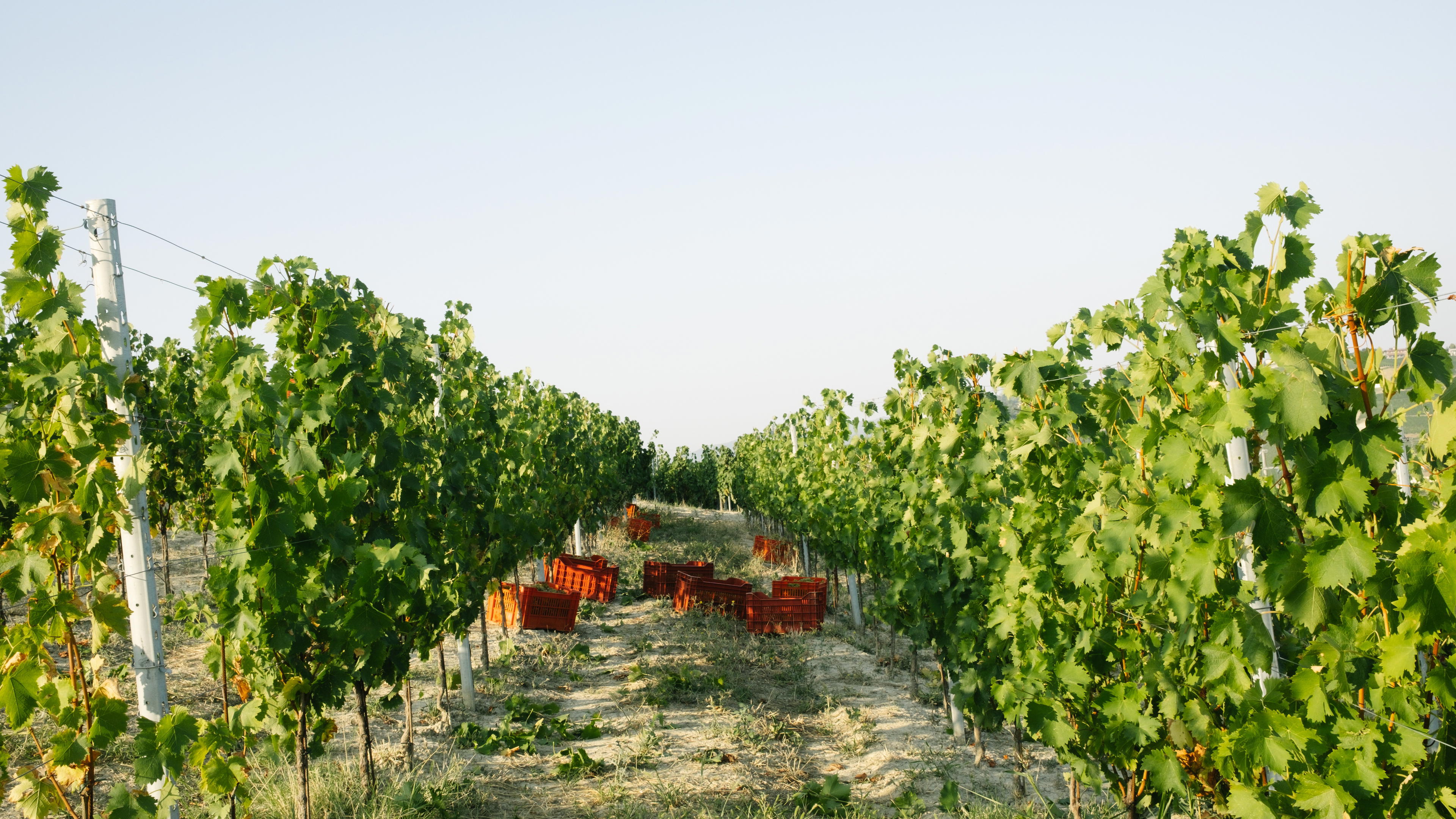
The strongest reason to pay attention here is the estate model. Rizieri grows its own vineyards, a production choice that gives the winery a tighter relationship between farming, cellar, and tasting room. In the Langhe, that control is not a decorative claim. It shapes how a producer can speak about place, especially when the range includes both everyday Piedmontese grapes and Nebbiolo tied to Barolo identity.
The varietal spread tells a concise regional story. Arneis supplies the white-wine lane, Dolcetto and Barbera carry the local red tradition, Merlot broadens the frame, and Nebbiolo anchors the serious end of the portfolio. The Silio cru reference in La Morra adds a second geographic register: Diano d’Alba as the estate base, La Morra as a named Nebbiolo source for Barolo. Without needing a long list of bottlings, the structure is clear enough. This is a Langhe producer using a compact set of grapes to map both village immediacy and appellation ambition.
That range also reflects a useful truth about Piedmont hospitality. Visitors who arrive only for Barolo often miss the grammar that makes Barolo legible: Dolcetto’s directness, Barbera’s acidity, Arneis as a counterweight to red-wine density, and the way Nebbiolo changes meaning as site and classification become more specific. A tasting at a small estate can make that hierarchy easier to understand because the wines are not floating as luxury objects; they are tied to a set of fields, a farmhouse, and a cellar built for the property’s own fruit.
A small-scale visit shaped by farmhouse, cellar, and vineyard
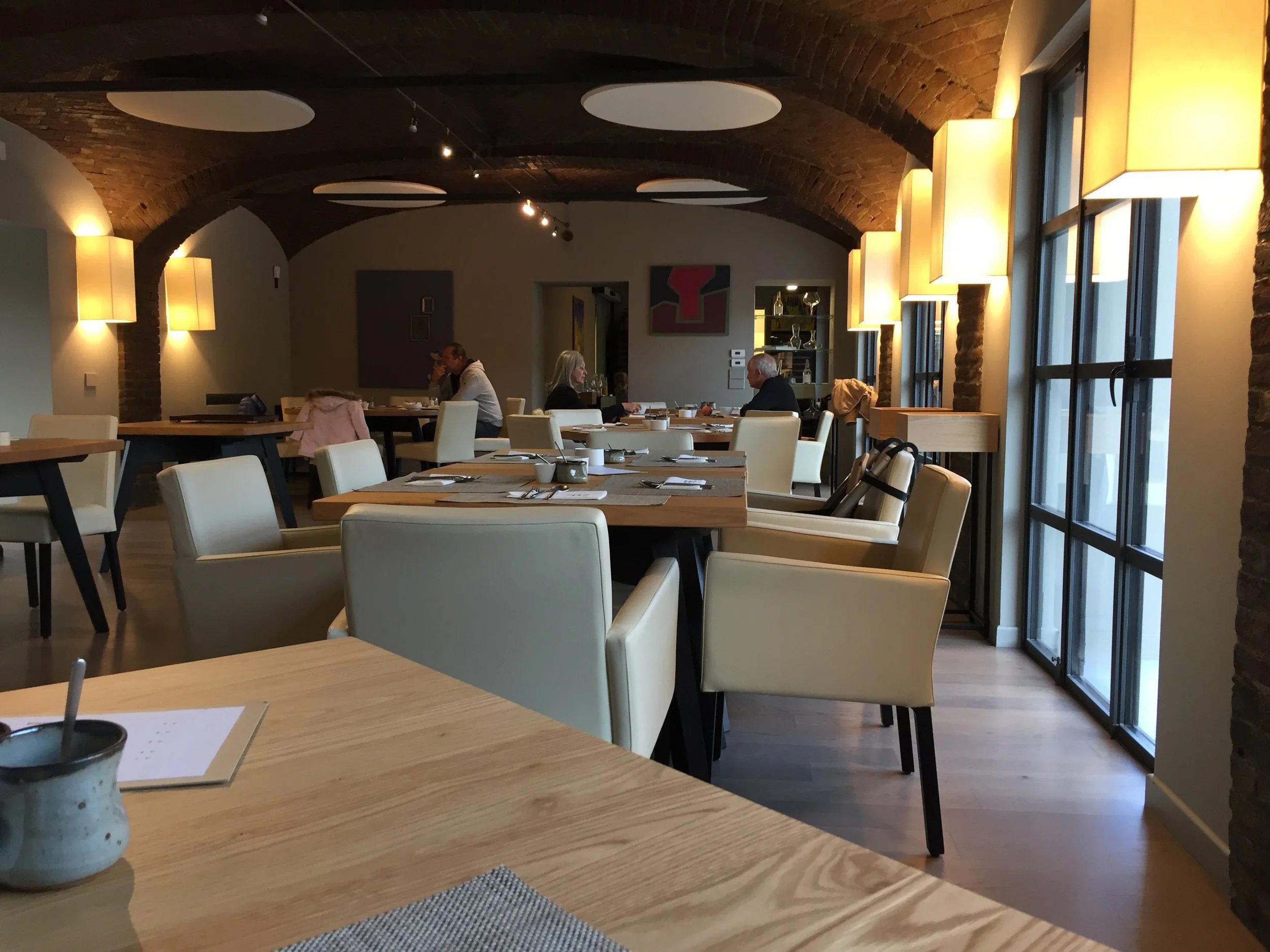
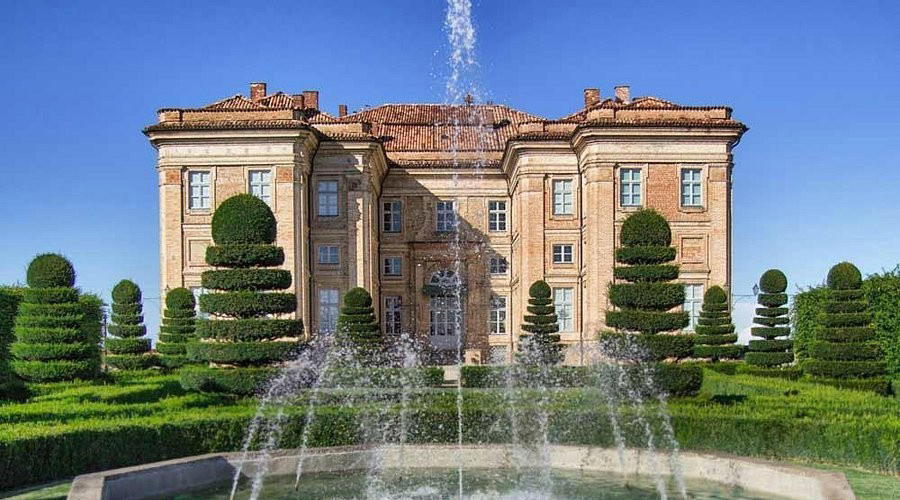
The hospitality format fits the scale. Rizieri is set up for guided tasting and vineyard-led visits rather than high-volume wine tourism. The experience is better read as educational and terroir-focused: a chance to connect Piedmontese varieties with the physical cues of the estate. The setting includes vineyard and mountain views, but the more important detail is the combination of old and new: a 19th-century farmhouse beside a recently built eco-conscious cellar. That pairing is increasingly common in serious European wine regions, where producers must preserve rural character while building cleaner, more functional production spaces.
Arturo Verrotti di Pianella has managed the project since wine became his full-time work in 2009, a useful date because it frames Rizieri as a contemporary estate rather than a dynastic museum piece. The point is not biography for its own sake. In a small winery, owner-led management can make the property’s choices more legible: vineyard ownership, controlled scale, and a portfolio that keeps the estate’s identity close to the Langhe rather than chasing a generic international template.
Sustainability claims in wine are often inflated, so the safer reading here is specific. The cellar is described as eco-conscious, and the production is estate-grown. Those are concrete signals, not a full certification story. For travelers, that distinction matters. The property’s environmental posture is visible in its building and sourcing model, while the deeper technical questions of farming regime, energy systems, or cellar protocol are not the reason to book the visit.
How to place Rizieri in a Diano d'Alba wine itinerary
Rizieri suits a traveler who wants the Langhe at a smaller tempo: vineyard context, a quiet setting, and a wine range that moves from regional staples toward Barolo. It is a strong fit for wine education, solo exploration, small group outings, and occasions where the point is conversation rather than spectacle. The price level sits in the moderate bracket, which also makes it a useful counterpoint to the more label-driven side of Piedmont wine travel.
For planning around the area, keep the itinerary focused rather than overstuffed. Diano d’Alba rewards time between stops, particularly when the subject is terroir rather than rapid tasting. EP Club’s city rails can help structure the rest of the day: see Our full Diano D Alba wineries guide, plus the companion guides to Our full Diano D Alba restaurants guide, Our full Diano D Alba hotels guide, Our full Diano D Alba bars guide, and Our full Diano D Alba experiences guide.
Nearby wine research can also build useful context across Diano d’Alba. Compare the local range through Abrigo Fratelli, Abrigo Giovanni, Alario Claudio, Bricco Maiolica, and Camparo. For a wider European cellar map beyond Piedmont, useful reference points include 3GP SRL in Treviso, 47 Anno Domini in Trebaseleghe, A Mano Wine in Noci, »der Steiner« Hans Steiner in Podersdorf am See, and & Handwein in Mannheim.
Recognition history
Dated appearances from independent guides and award organizations, with the underlying list record or original source where available.
Falstaff Winery - Listed
Falstaff
Continue exploring
More in Diano D Alba
Wineries in Diano D Alba
All wineries in Diano D Alba →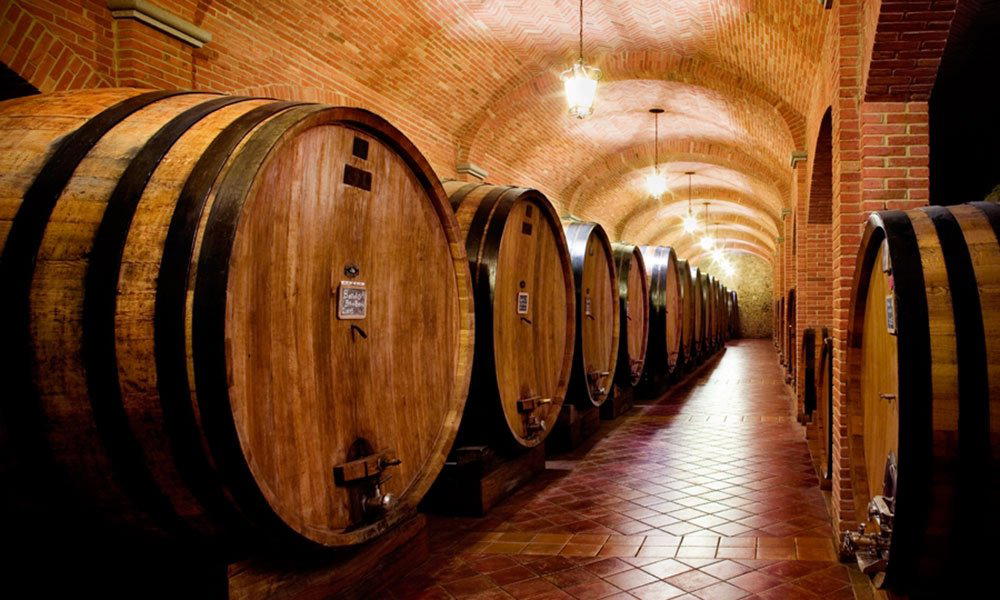
Bars in Diano D Alba
Browse all →
Details
- Scenic
- Quiet
- Elegant
- Rustic
- Intimate
- Wine Education
- Solo Exploration
- Group Outing
- Special Occasion
- Vineyard Tour
- Historic Building
- Design Destination
- Private Tasting
- Sustainable
- Vineyard
- Mountain
- Nebbiolo
- Dolcetto
- Barbera
- Arneis
- Merlot
- Still Red
- Still White
- Guided Tasting
- Vineyard Tasting
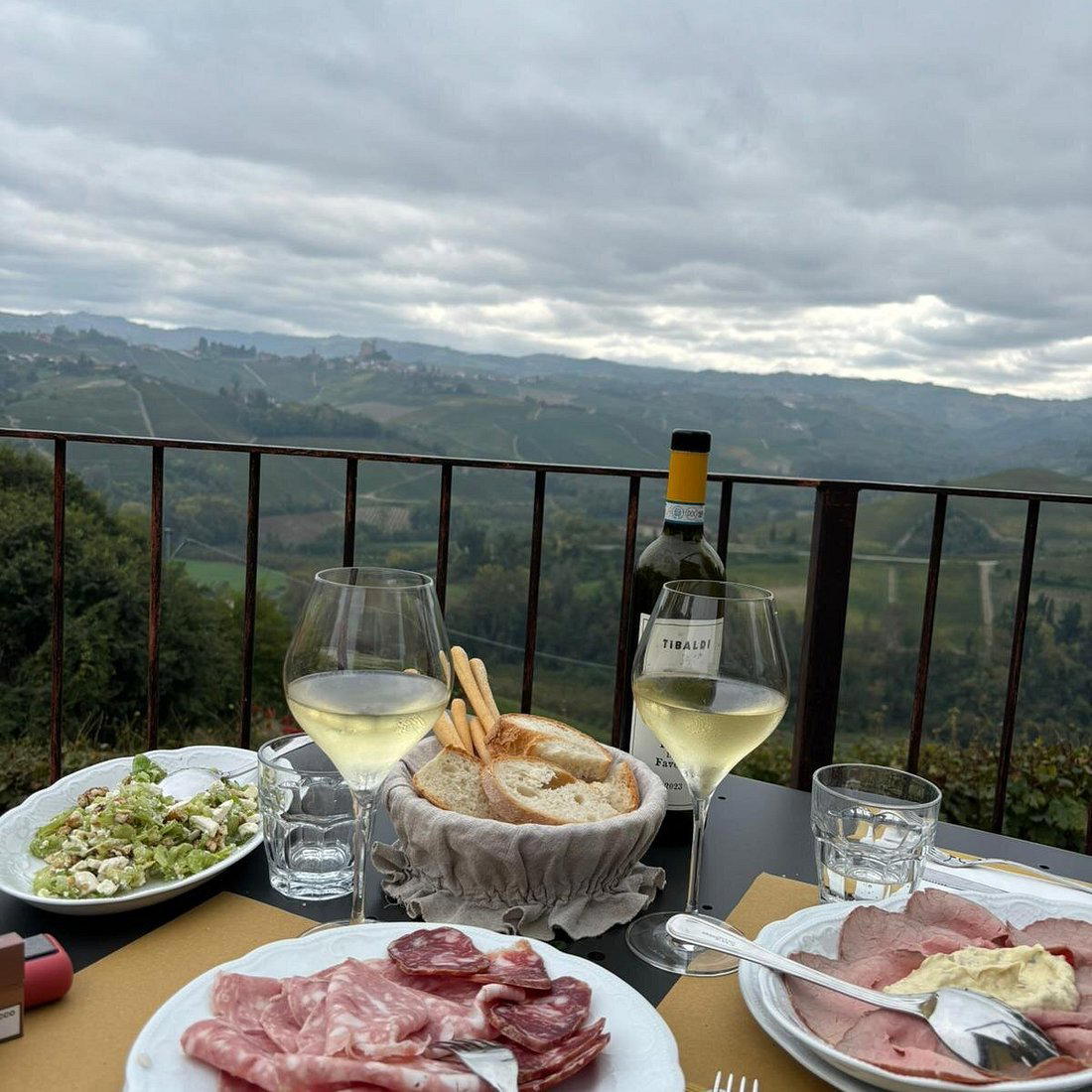
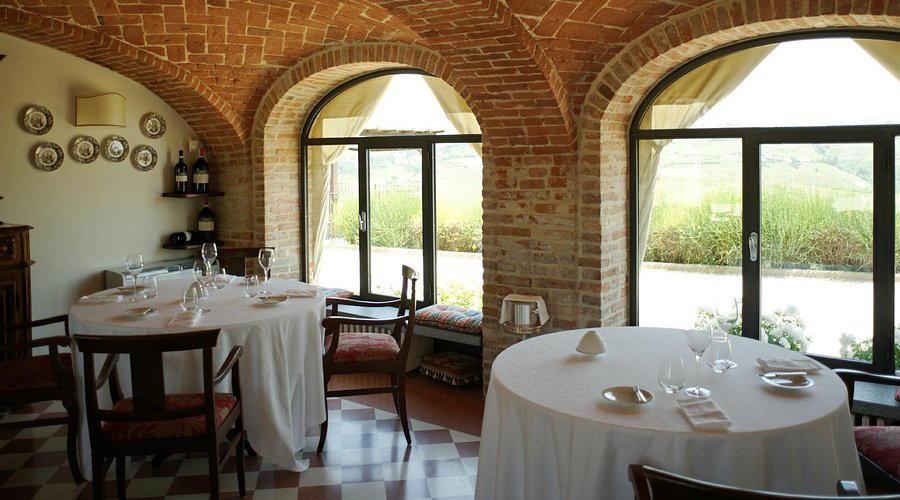
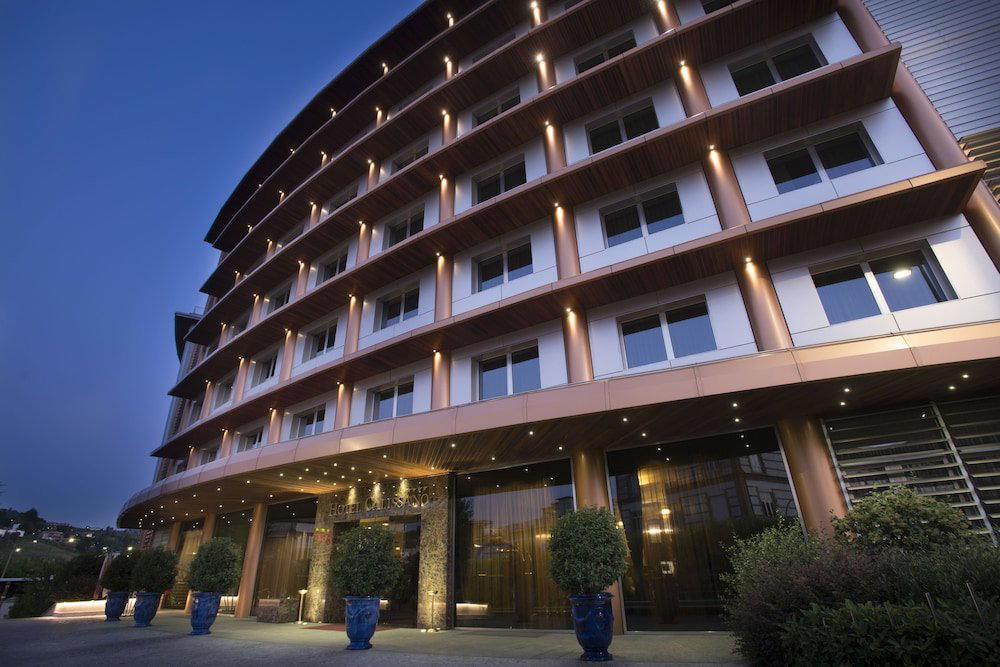
Elegant, rustic, and scenic; the winery sits among the hills of Diano d'Alba with a historic farmhouse and a newly built eco-friendly cellar, creating a calm, terroir-focused atmosphere.