Poggio al Sole

Falstaff Winery - 4 Stars
Poggio al Sole gives Barberino Tavarnelle the quieter side of Chianti Classico: hill-country views, organic farming, Sangiovese-led wines, and a small-scale tasting format rather than cellar-door spectacle. The estate suits travellers who want vineyard context with a personal tempo, set between Florence and Siena in a part of Tuscany where landscape, grape variety, and hospitality carry equal weight.

Pearl is the En Primeur Club membership app, where members save venues, book tables and use the concierge.
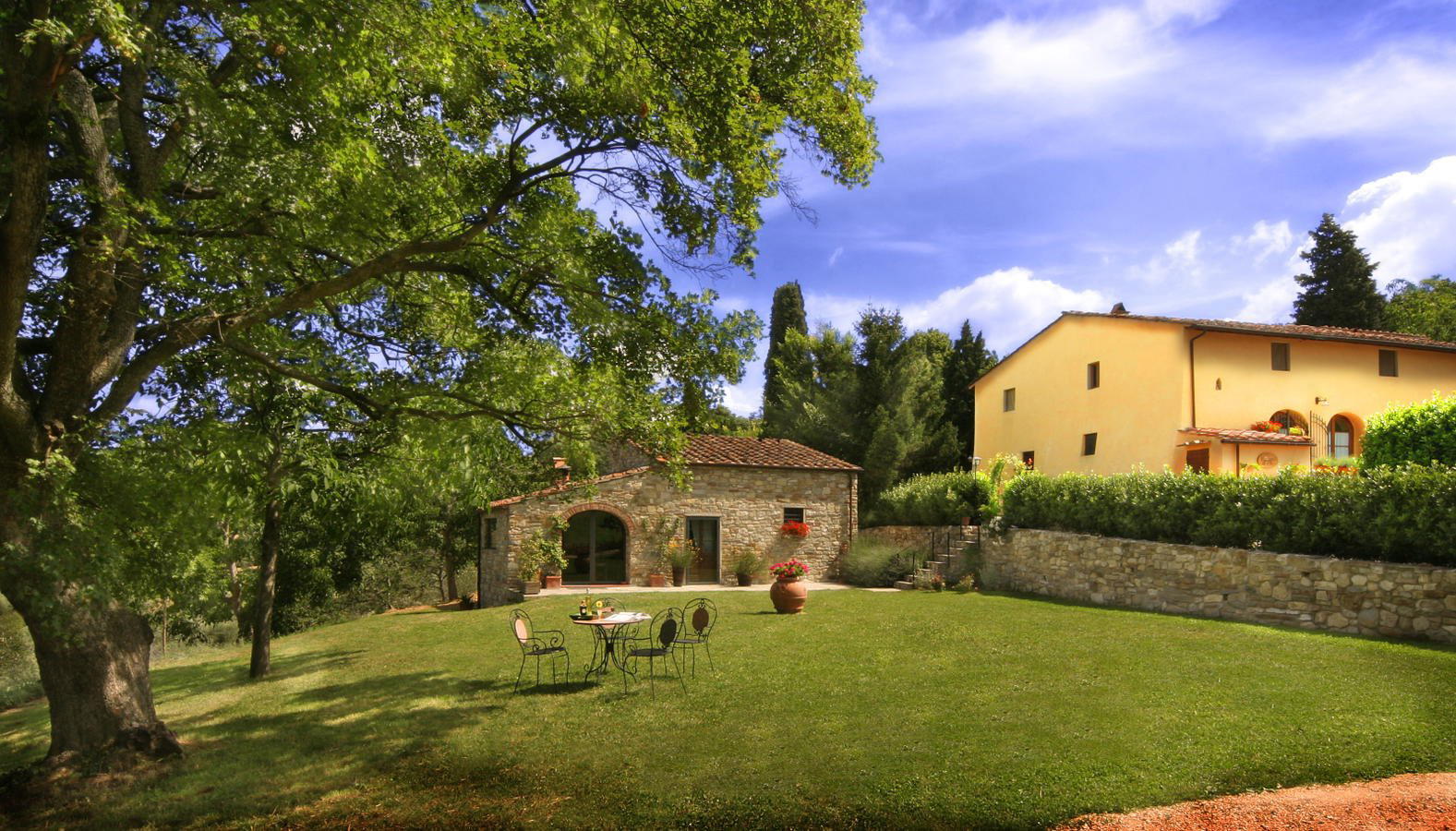
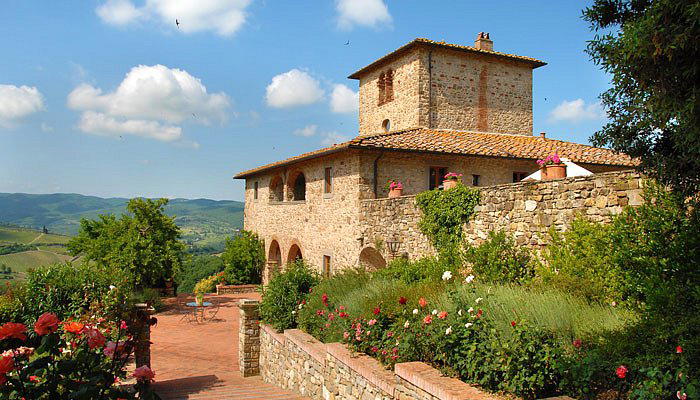
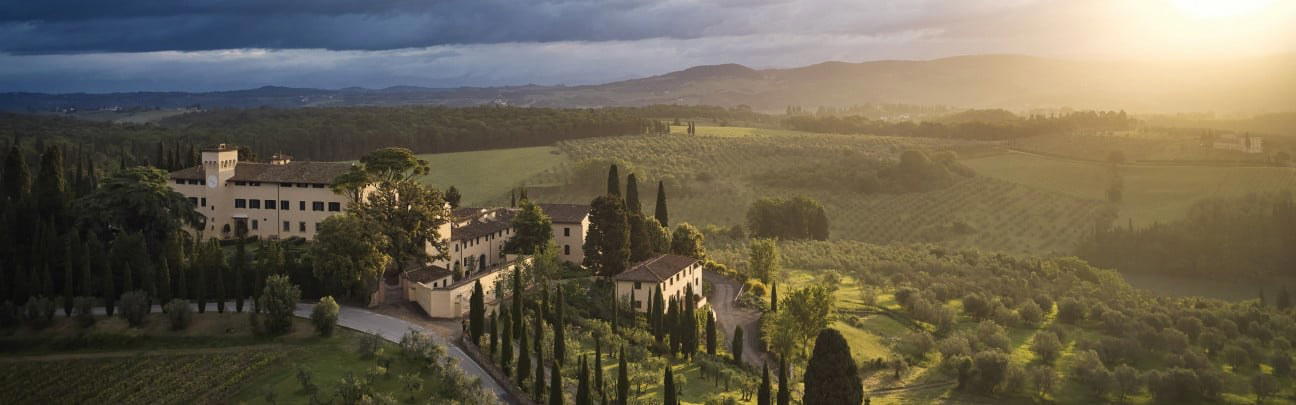
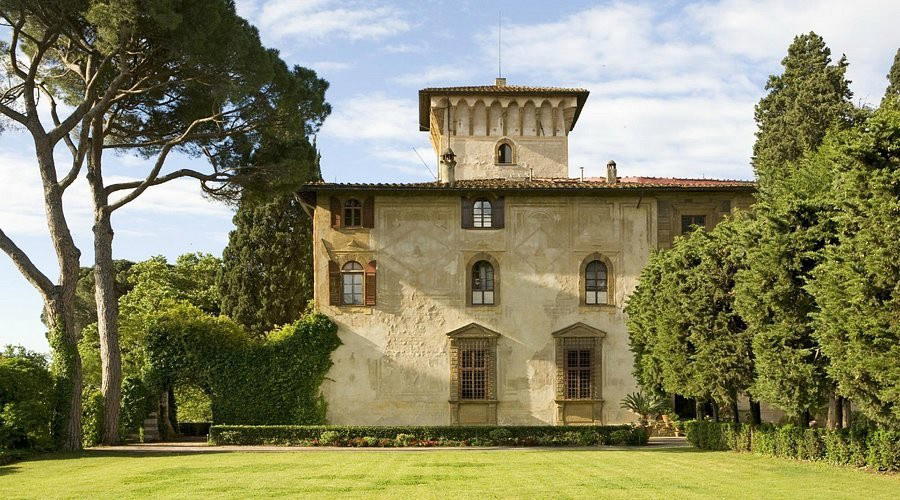
Approaching a Tuscan hilltop winery slows the pace before the first glass: olive groves, vineyard rows, stone farm buildings, and the long horizon that makes Chianti Classico shorthand for Italian wine tourism. In Barberino Tavarnelle, Poggio al Sole belongs to a quieter register. Its draw is not a high-volume tasting room or theatrical cellar circuit, but a smaller estate experience shaped by vineyard views, quiet service, and land as the central argument.
In Chianti Classico, Sangiovese is never only a grape; it tests site, season, farming, and restraint. Poggio al Sole works within the Chianti Classico DOCG and farms organically across a medium-sized family estate of about 70 hectares, with 24 to 27 hectares under vine. Varieties include Sangiovese, Canaiolo, Merlot, Cabernet Sauvignon, Chardonnay, and Bianco di Sangiovese, placing the estate inside the region’s tension between tradition and calibrated breadth. Sangiovese gives the frame; the other varieties broaden the conversation without making the visit generic.
Barberino Tavarnelle can explain place without a lecture. The rolling hills between Florence and Siena are not just postcard material; they show why wine tourism here is built around origin, patience, and agricultural rhythm. Poggio al Sole uses that grammar through a hilltop setting with vineyard, garden, and mountain views. Its identity is tied to still red, white, and rosé wines, but the site sets expectations before technical language arrives.
Organic Chianti Classico, read through the hill rather than the cellar door
The modern Tuscan winery visit often splits in two: polished, estate-branded throughput, or intimate hosting built around the ground itself. Poggio al Sole sits in the second camp. Its small-capacity positioning, quiet atmosphere, outdoor seating, terrace setting, and estate-ground format feel closer to a vineyard conversation than a production showcase.
Organic farming is the key production signal. In Chianti Classico, that is not only a sustainability claim; it shapes how visitors read the wine. Sangiovese is transparent enough to punish excess and reward clarity, especially on hillside sites where exposure, drainage, and ripening windows shape the result. The estate’s sourcing tags include organic and sustainable, and its production philosophy is organic. The tasting frame is land-led Chianti Classico, not architecture, branding, or cellar hardware.
The varietal mix reflects contemporary Tuscany. Sangiovese and Canaiolo connect the estate to the zone’s historical language, while Merlot and Cabernet Sauvignon show the regional use of international grapes as structural tools or parallel expressions. Chardonnay and Bianco di Sangiovese add a white-wine counterpoint in a region many travellers still approach through reds. Poggio al Sole lets visitors read that range without losing the Chianti Classico center of gravity.
For a wider wine day in Barberino Tavarnelle, the area’s density is the useful comparison. Nearby planning often links cellar stops such as Cantina Ripoli, Casa Emma, Castello della Paneretta, and Castello di Monsanto, while Distilleria Deta shifts the beverage lens from wine to distillation. Poggio al Sole reads differently, leaning into intimacy, vineyard outlook, and organic estate identity rather than monumentality.
A small-group tasting format with lunch, language range, and Tuscan patience
The hospitality format is clear: guided tastings, tours with tasting, small-group experiences, private tastings, and tasting with light lunch. The listed tour duration is 120 minutes, a useful Tuscan signal. Two hours lets the visit breathe when estate grounds, terrace, and vineyard context are part of the experience. This is not for travellers stacking four rushed cellar appointments into one afternoon.
The estate is set up for English, Italian, and Spanish, broadening international reach without changing scale. It is marked as good for groups, families, children, dogs, solo exploration, wine education, romantic getaways, and special occasions. That range works because the atmosphere is quiet, rustic, classic, and intimate rather than high-energy. Casual dress fits; the emphasis is vineyard time, conversation, and connecting the glass to the slope outside.
Light lunch matters because wine tourism can otherwise become tastings detached from the table. A food pairing or simple lunch gives Sangiovese its proper context. Chianti Classico is a food wine by design: acidity, tannin, and savoury structure make more sense with something to eat. Poggio al Sole’s tasting-with-light-lunch option feels regional, not merely convenient.
Logistically, the estate is visitor-facing without being open-ended. Reservations are recommended, the visit type is by reservation, parking is on site, payment can be made by cash or credit card, and shipping is available. It sits in the practical middle ground: accessible for a planned Chianti day, but not a casual drop-in bar. The price level is moderate, marked as $$, suiting a relaxed premium stop rather than a trophy appointment.
How to place it within a Barberino Tavarnelle wine itinerary
Poggio al Sole is strongest as part of a land-first itinerary through Barberino Tavarnelle, not an isolated Tuscany tick. The address places it in Barberino Tavarnelle, with the neighbourhood identified as Badia a Passignano / Tavarnelle Val di Pesa. This part of Tuscany rewards slower routing: vineyard appointments, a long lunch, and time between stops for the geography to register.
The estate’s medium size is part of the appeal. At roughly 70 hectares, with 24 to 27 hectares of vines, it is large enough to show a meaningful estate picture and small enough to keep tastings personal. Winemaker Johannes (John) Davaz adds a named craft anchor, though the broader story remains the site: organic Chianti Classico on a panoramic hilltop, expressed through Sangiovese-based wines and hospitality built around terrace, vineyard, and estate-ground context.
Travellers using Barberino Tavarnelle as a base can pair the winery with the area’s broader hospitality map. For planning beyond wine, EP Club’s city pages cover Barberino Tavarnelle restaurants, Barberino Tavarnelle hotels, Barberino Tavarnelle bars, Barberino Tavarnelle wineries, and Barberino Tavarnelle experiences. The wider European wine index can also stretch the lens from Tuscany to 3GP SRL in Treviso, 47 Anno Domini in Trebaseleghe, A Mano Wine in Noci, »der Steiner« Hans Steiner in Podersdorf am See, and & Handwein in Mannheim, but Poggio al Sole belongs firmly to the Chianti Classico idea of place first, polish second.
Recognition history
Dated appearances from independent guides and award organizations, with the underlying list record or original source where available.
Falstaff Winery - 4 Stars
Falstaff
Continue exploring
More in Barberino Tavarnelle
Wineries in Barberino Tavarnelle
All wineries in Barberino Tavarnelle →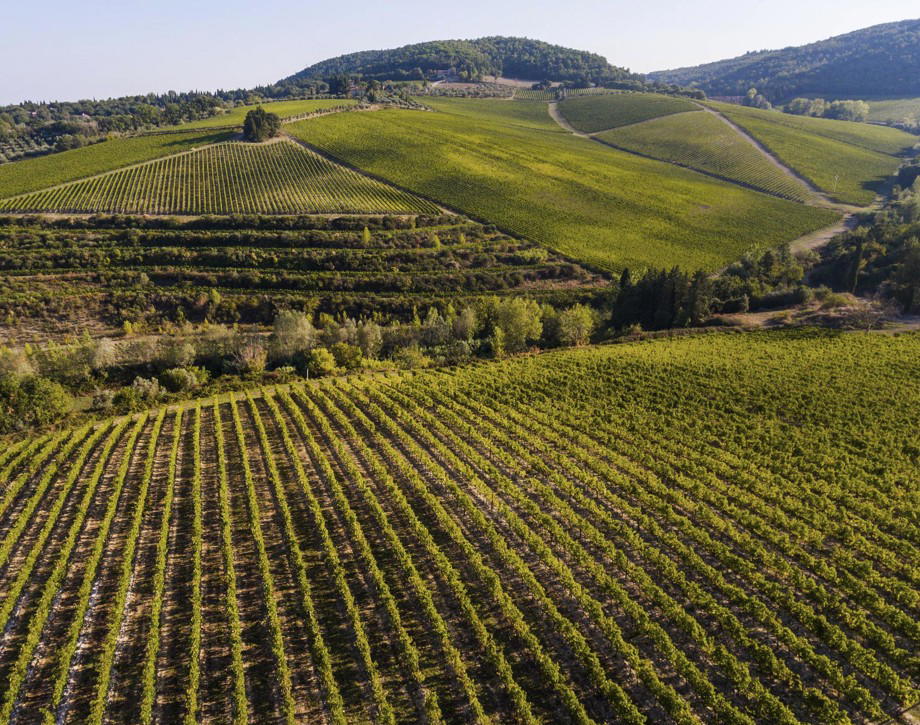
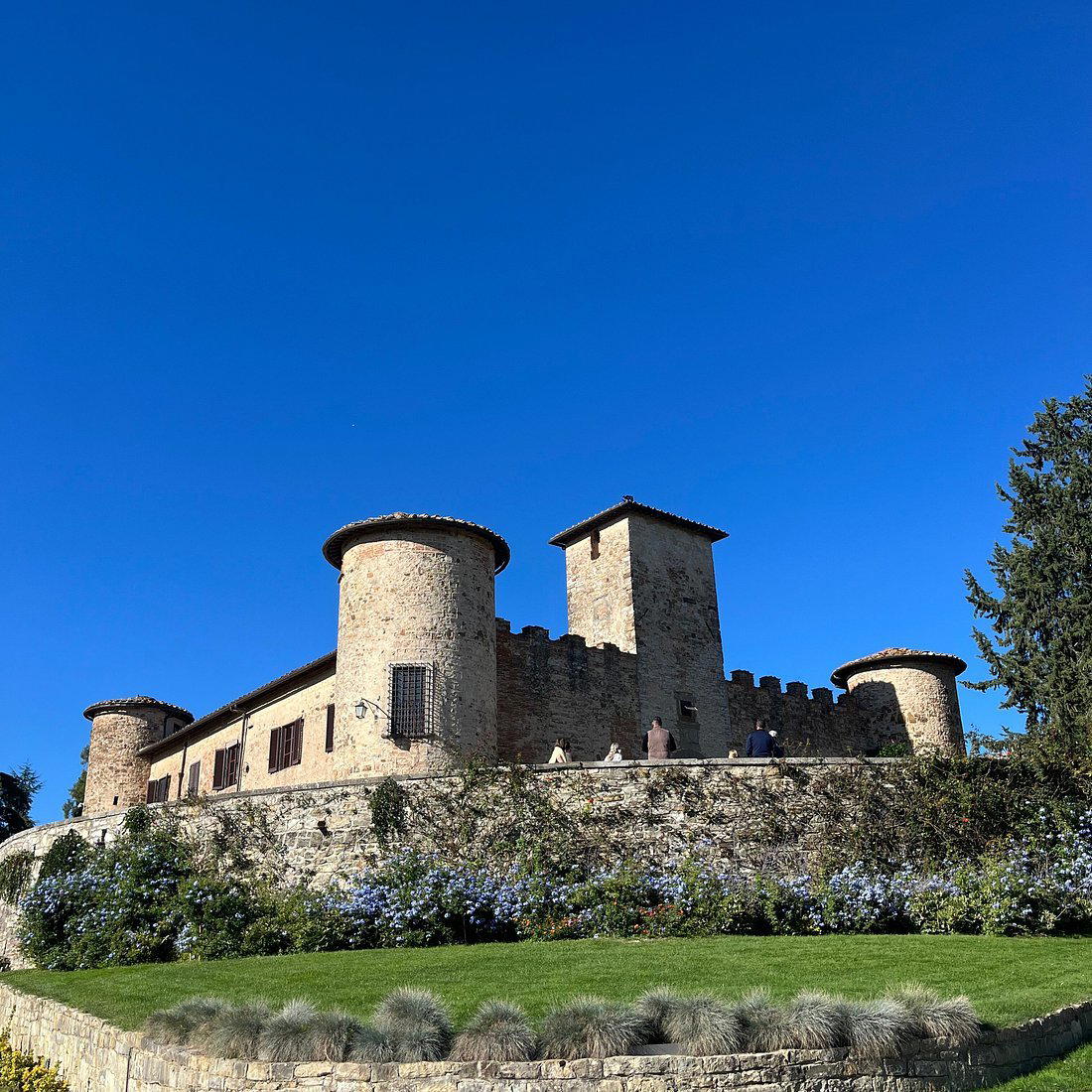
Bars in Barberino Tavarnelle
Browse all →
Restaurants in Barberino Tavarnelle
Browse all →
Details
- Scenic
- Rustic
- Romantic
- Classic
- Intimate
- Romantic Getaway
- Group Outing
- Family
- Wine Education
- Solo Exploration
- Special Occasion
- Vineyard Tour
- Estate Grounds
- Terrace
- Panoramic View
- Private Tasting
- Organic
- Sustainable
- Vineyard
- Mountain
- Garden
- Sangiovese
- Merlot
- Cabernet Sauvignon
- Canaiolo
- Chardonnay
- Bianco Di Sangiovese
- Still Red
- Still White
- Still Rosé
- Guided Tasting
- Tour With Tasting
- Tasting With Light Lunch
- Small Group Experience
- English
- Italian
- Spanish
Organic family-run Chianti Classico estate on a sun-drenched hilltop, with relaxed, personal tastings overlooking rolling Tuscan vineyards and countryside, creating a peaceful yet engaging atmosphere.