Plaisir Wine Estate
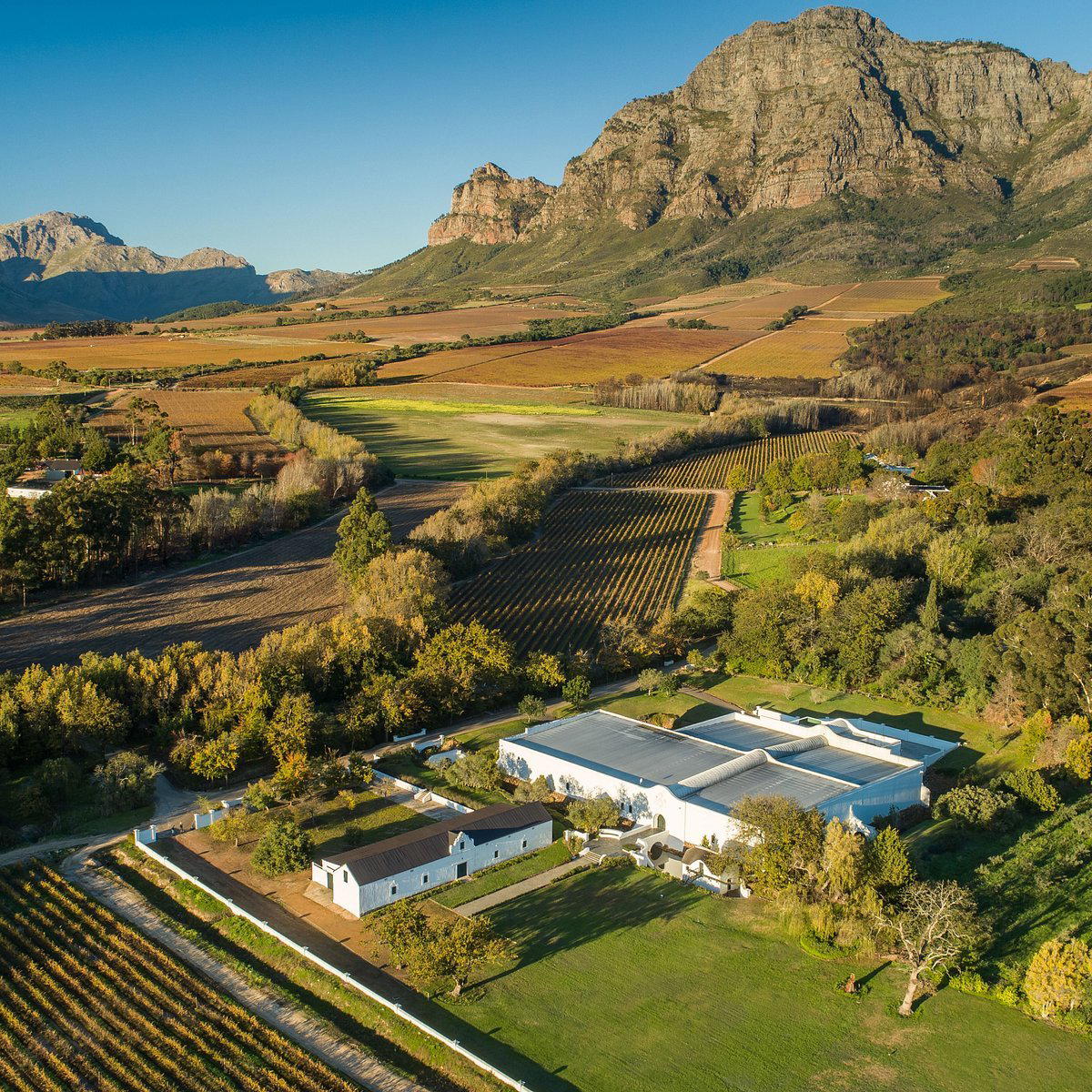
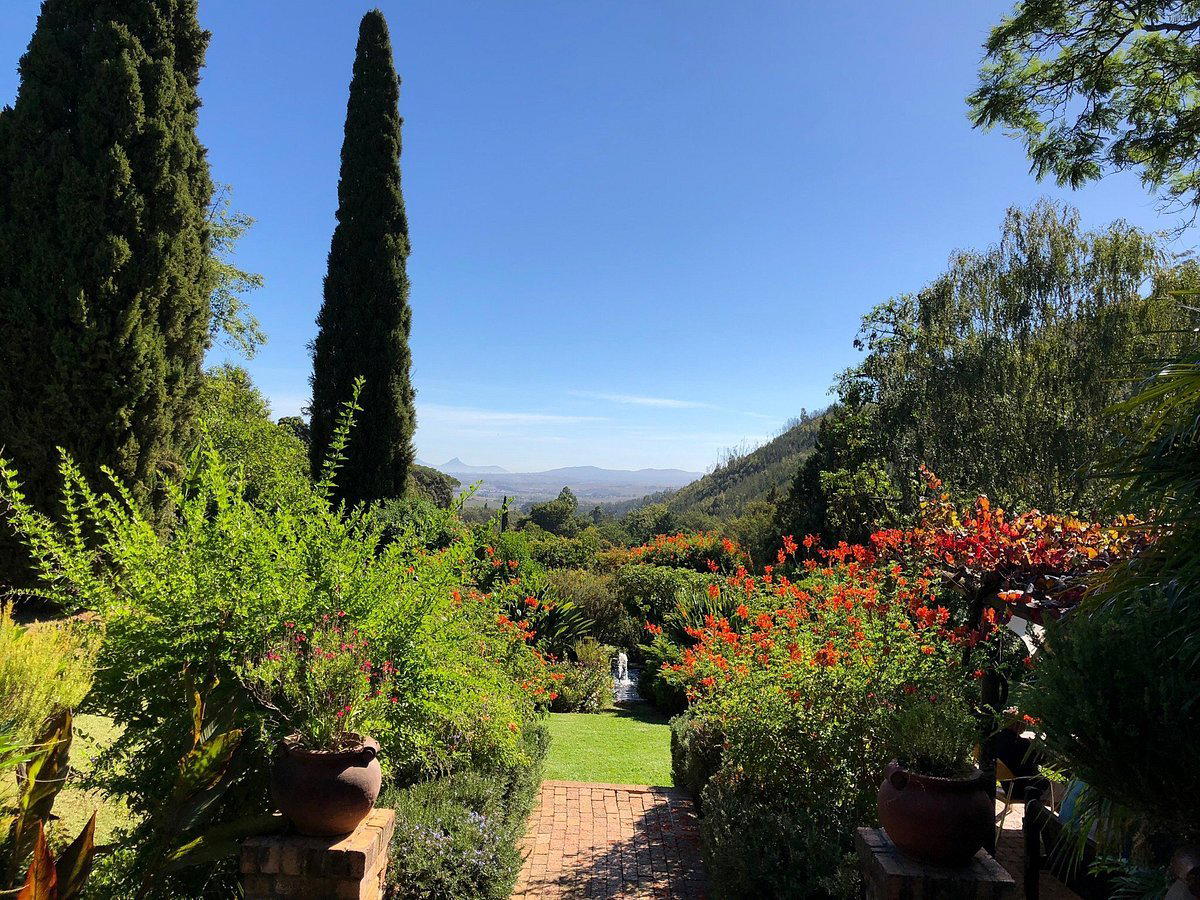
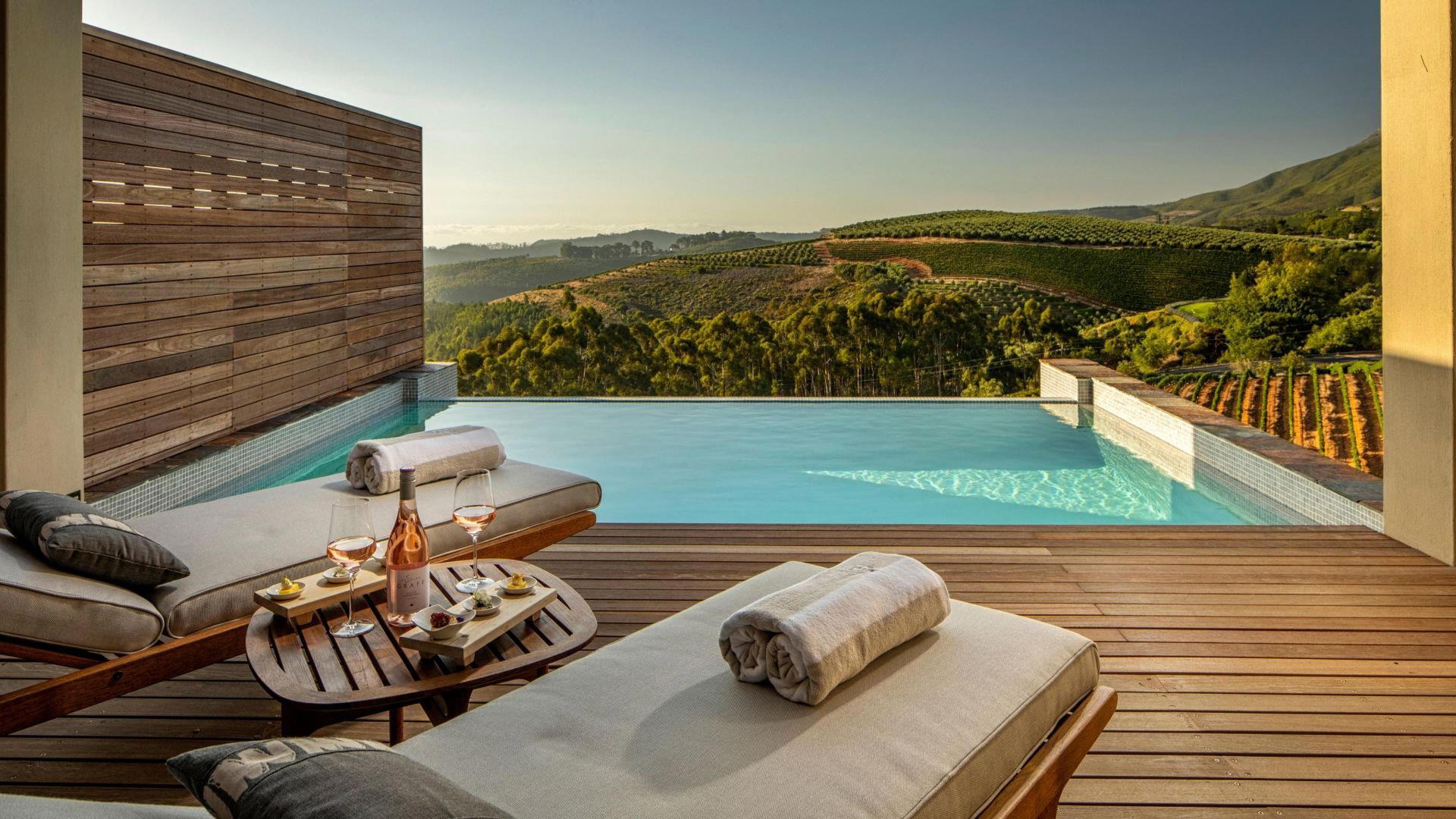
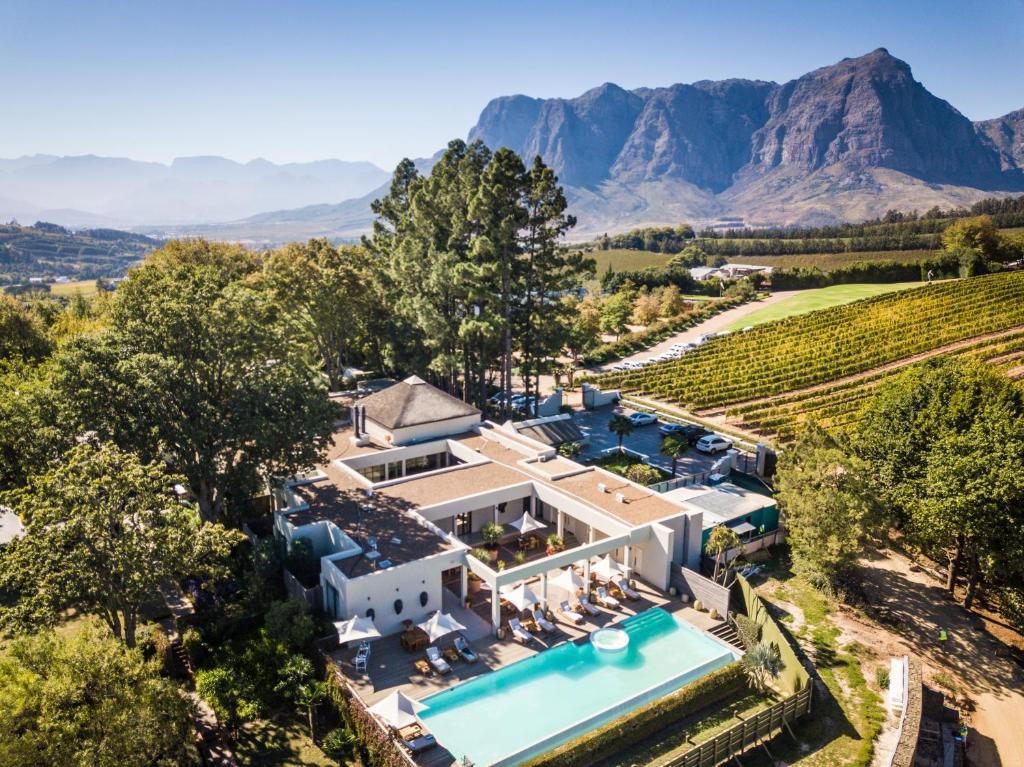
The farm's identity is rooted in the landscape between the Drakenstein and Simonsberg mountain ranges, where altitude and aspect shape wines of notable structure and restraint.

Pearl is the En Primeur Club membership app — saves, bookings, and concierge access live there. Same editors, same standards.
- Address
- R45, Simondium, 7670
- Phone
- +27 21 488 9977
- Website
- plaisir.co.za
- Directions
- Get directions
Land Before Label: How the Simondium Corridor Shapes What's in the Glass
The stretch of the R45 between Paarl and Franschhoek is one of the Western Cape's more instructive wine corridors. It sits at the point where the Drakenstein and Simonsberg ranges converge, channeling cool Atlantic air from the south and framing a valley floor whose soils shift between decomposed granite and clay-rich loams within a few kilometres. Plaisir de Merle occupies a substantial portion of that corridor near Simondium, and the farm's scale means its vineyards span meaningful variation in altitude and aspect — the kind of variation that producers elsewhere in the Cape pay considerable premiums to access on smaller footprints.
That physical reality is the foundation of everything here. Before discussing what the estate produces or how it performs against its peers, it's worth establishing that the Simondium address is not a postcode of convenience. Estates on this stretch, including Plaisir de Merle and neighbouring properties, are working with source material that the broader South African wine industry regards as among the more consequential in the Paarl appellation.
It is a credential that speaks to the programme's overall coherence, not merely one impressive release.
For comparison, the broader Paarl appellation houses producers across a wide quality spectrum. Estates such as Fairview Wine & Cheese, Val de Vie Estate, Backsberg, Glen Carlou, and KWV Wine Emporium each represent distinct positions within that range, from high-volume commercial to limited-production fine wine.
Across the Cape Winelands more broadly, properties that hold comparable recognition include Neethlingshof Estate in Stellenbosch, Vergelegen Wine Estate in Somerset West, and Creation Wines in Hermanus. These estates share a commitment to site-driven winemaking and a preference for wines that age rather than perform on immediate release.
Viticulture and the Question of Land Stewardship
Across the Cape Winelands, the conversation around viticulture has shifted materially over the past decade. Where the emphasis once fell almost exclusively on cellar technique — extraction levels, oak regimes, malolactic choices, the more substantive debate now centres on what happens in the vineyard and how the land is managed over time. Biodynamic certification, organic conversion, and integrated pest management have moved from niche credentials to genuine differentiators in the premium South African wine market.
Plaisir de Merle's farm scale positions it within a category of large Cape estates where land stewardship decisions carry real weight. A property of this size, operating across varied soil types and aspects in the Simondium corridor, has both the opportunity and the responsibility to make consequential choices about how its land is farmed. The premium segment of the Cape wine market, represented by peers like Babylonstoren in Franschhoek and Constantia Glen in Cape Town, has increasingly anchored its identity in demonstrable commitments to regenerative or low-intervention farming, and that trajectory is reshaping what discerning buyers expect from prestige-rated estates throughout the region.
The broader South African wine industry context is instructive here. Producers at the sustainable farming frontier, from the Hemel-en-Aarde corridor to the Swartland, have demonstrated that viticulture philosophy is no longer a background variable. It is increasingly the editorial through-line of a wine's identity.
Placing Plaisir de Merle in the Cape Winelands Premium Tier
South Africa's fine wine geography has consolidated around several key production areas over the past two decades, with Stellenbosch retaining the broadest critical footprint and the Franschhoek Valley cultivating a strong hospitality-led identity. Paarl has historically occupied a position that combines agricultural scale with serious production ambition, a combination that suits an estate like Plaisir de Merle, whose farm footprint implies the capacity to produce across multiple varieties and price tiers without compromising the integrity of its prestige-level range.
The Simondium address places the estate in a sub-zone that shares characteristics with both the cooler Franschhoek valley floor and the warmer granite soils of Paarl proper. That transitional positioning has historically suited Bordeaux varieties, though the Western Cape's ongoing experimentation with Rhône and Mediterranean cultivars has introduced new possibilities for estates with diverse aspects. Properties that hold Pearl Prestige recognition in this sub-zone tend to produce wines that reflect elevation and diurnal range, with structure and acidity that respond well to time in bottle.
For those building a wider picture of Cape Winelands production, the comparison set extends beyond Paarl. Graham Beck Wines in Robertson represents the kind of scaled, quality-consistent production that has earned national and international standing. Oude Molen Distillery in Grabouw illustrates how alternative production categories have found a premium footing in adjacent Cape regions. And internationally, estates like Accendo Cellars in St. Helena and Aberlour in Aberlour represent analogous commitments to place-driven production in their respective categories. The common thread across all of them is the argument that provenance, not production volume, is the primary quality signal.
Planning a Visit: What to Know Before You Go
Plaisir de Merle is located on the R45 at Simondium, 7670, placing it on one of the Cape Winelands' more scenic routes between Paarl and Franschhoek. The estate is accessible by car and sits within a reasonable distance of both towns, making it a practical inclusion in a broader Cape Winelands itinerary that might also take in the Franschhoek valley's hospitality cluster or Paarl's diverse producer range. For a broader orientation to the region's wine and dining options, the EP Club Paarl guide maps the full range of the appellation's producers and restaurants.
Reputation Context
Comparable venues nearby, for context on price, style, and recognition.
| Venue | Cuisine | Price | Awards | Notes |
|---|---|---|---|---|
| Plaisir Wine EstateThis venue — the venue you are viewing | Cabernet Sauvignon, Merlot | Not listed | Not listed | Not listed |
| Val de Vie Estate | Sauvignon Blanc, Chardonnay | $20–30 | Not listed | Paarl-Franschhoek Valley |
| Vilafonté | Cabernet Sauvignon, Merlot | $150–200 | Falstaff Winery - Listed | Paarl |
| Laborie Estate | Chardonnay, Sauvignon Blanc | $1–10 | Falstaff Winery - Listed | Paarl |
| KWV Wine Emporium | Sauvignon Blanc, Chardonnay | $1–10 | Not listed | Paarl |
| Fairview Wine & Cheese | Shiraz, Pinotage | Not listed | Falstaff Winery - Listed | Suider Paarl |
Continue exploring
More in Paarl
Wineries in Paarl
Browse all →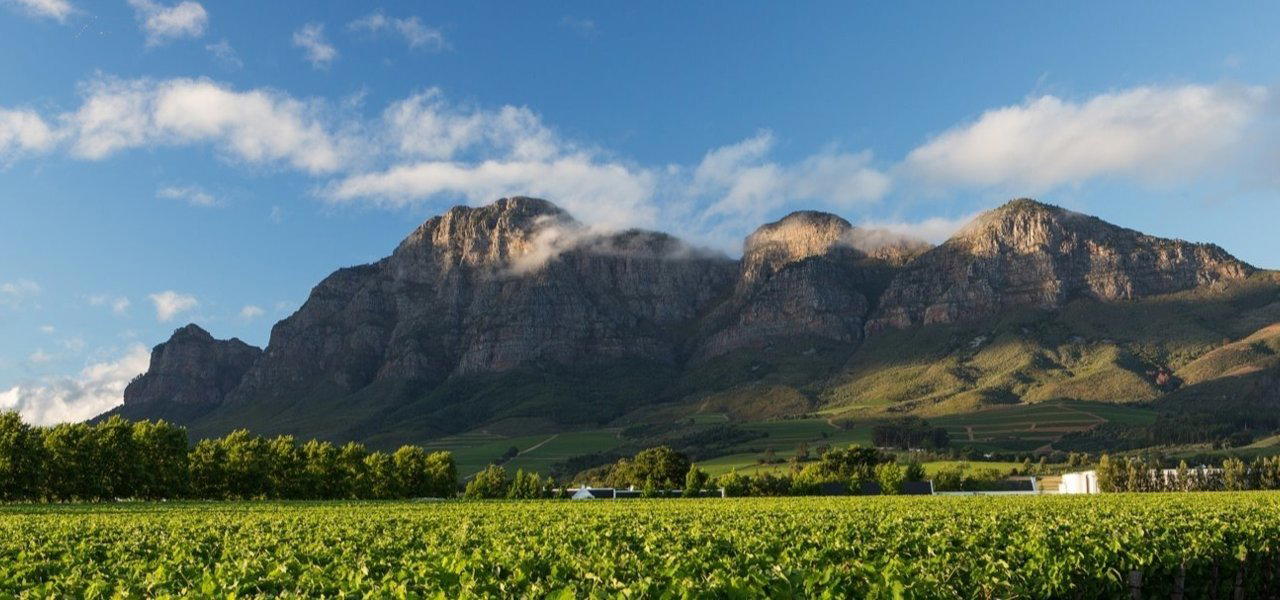
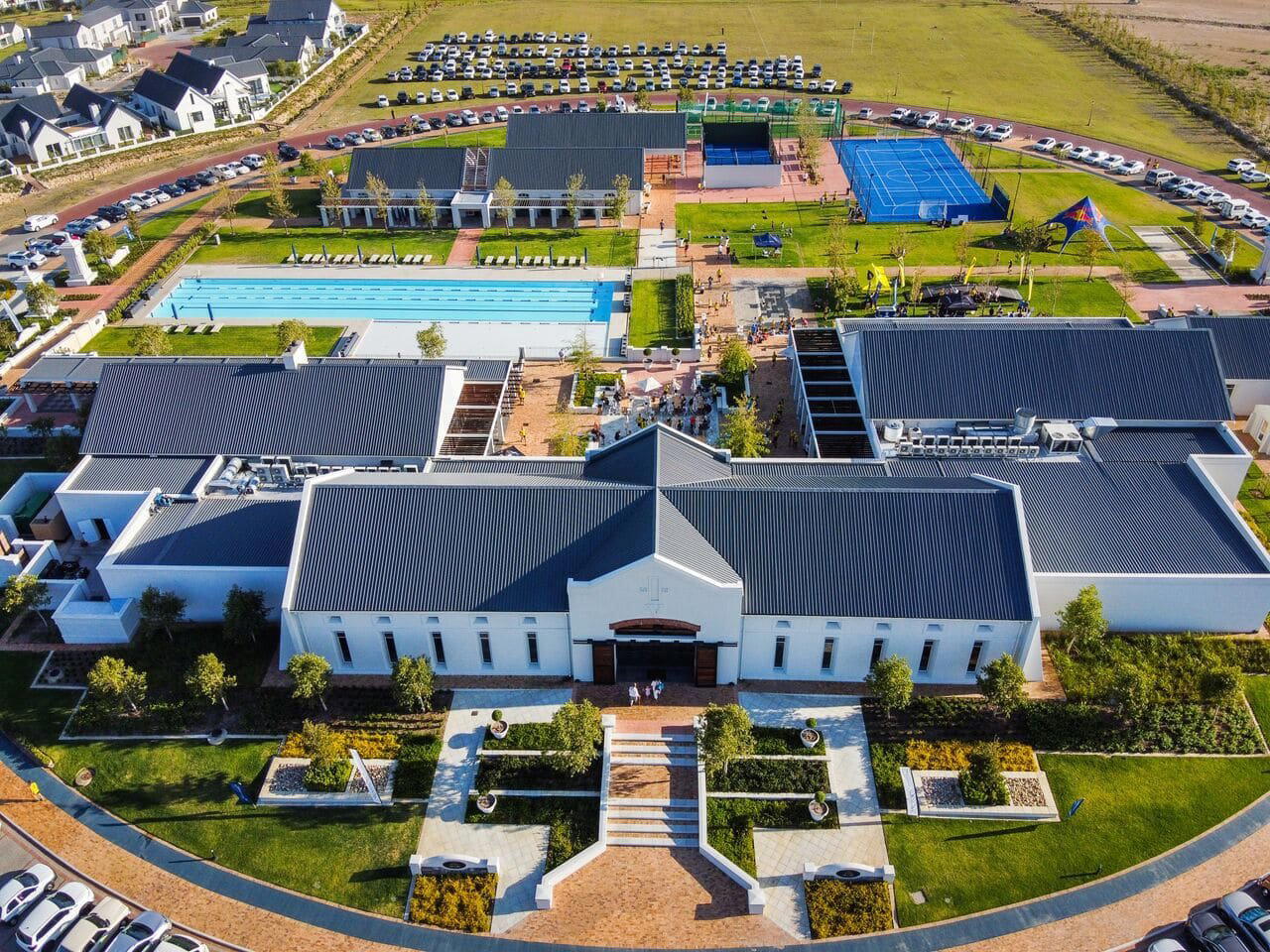
Bars in Paarl
Browse all →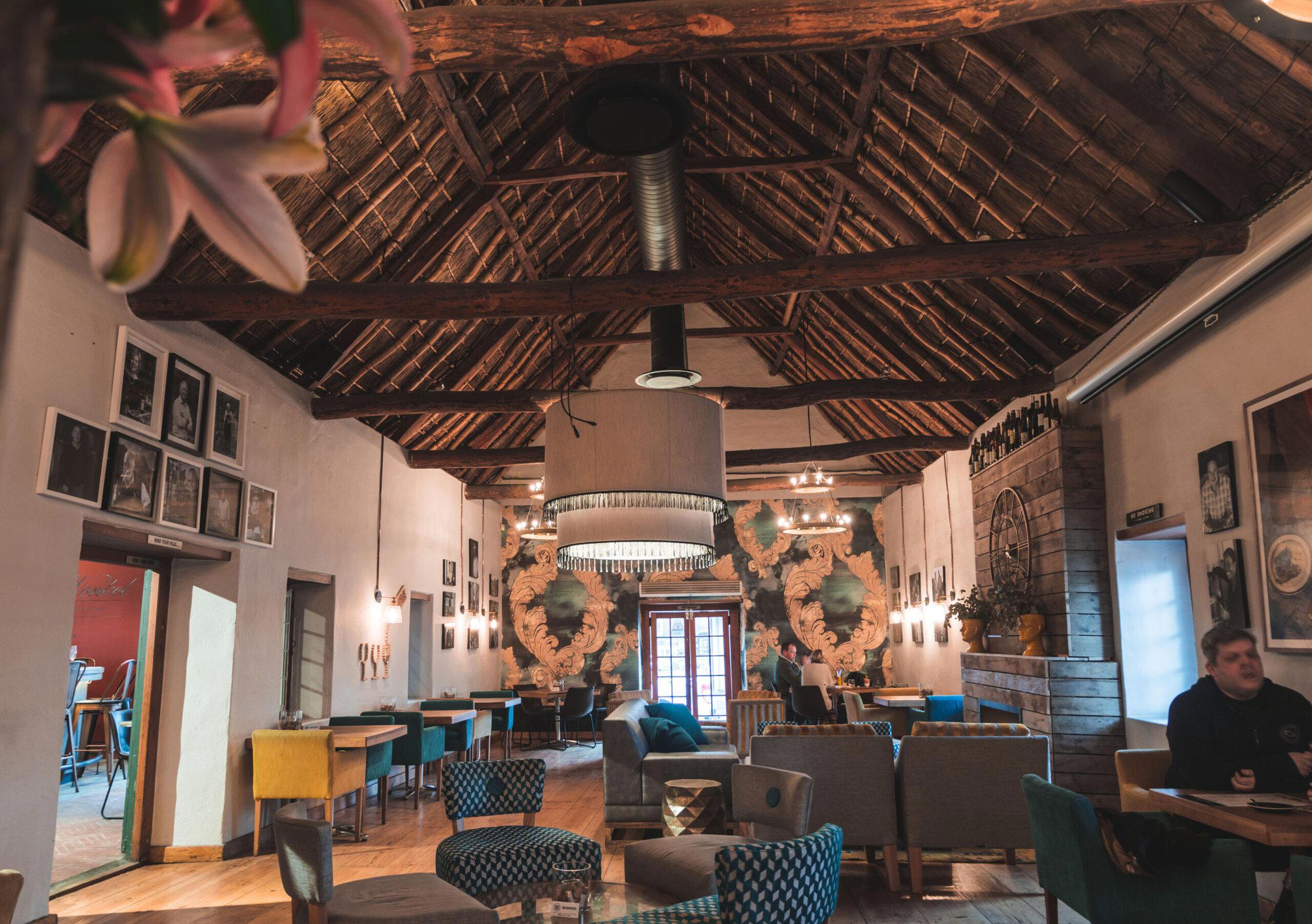
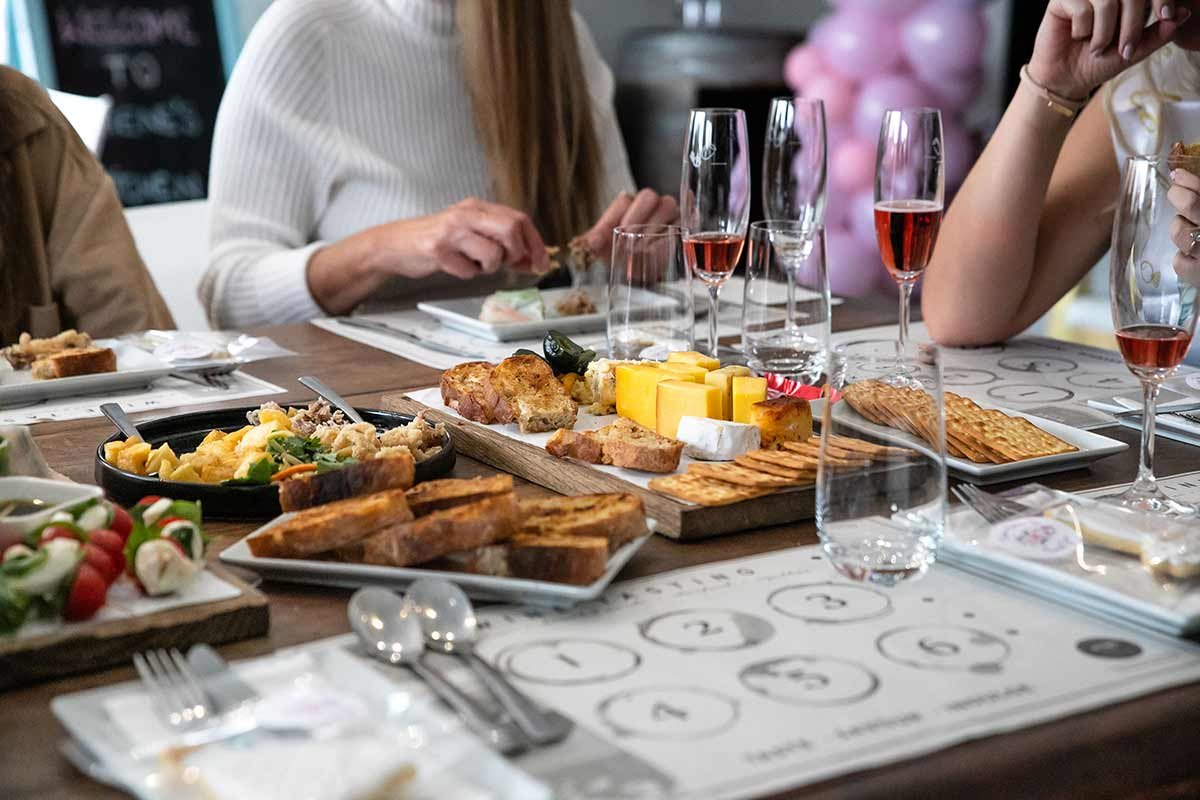
Restaurants in Paarl
Browse all →
Details
- Scenic
- Elegant
- Rustic
- Classic
- Sophisticated
- Wine Education
- Special Occasion
- Group Outing
- Vineyard Tour
- Estate Grounds
- Terrace
- Historic Building
- Panoramic View
- Sustainable
- Mountain
- Vineyard
- Garden
- Cabernet Sauvignon
- Merlot
- Chardonnay
- Shiraz
- Cabernet Franc
- Petit Verdot
- Malbec
- Still Red
- Still White
- Cave Tasting
- Private Tasting
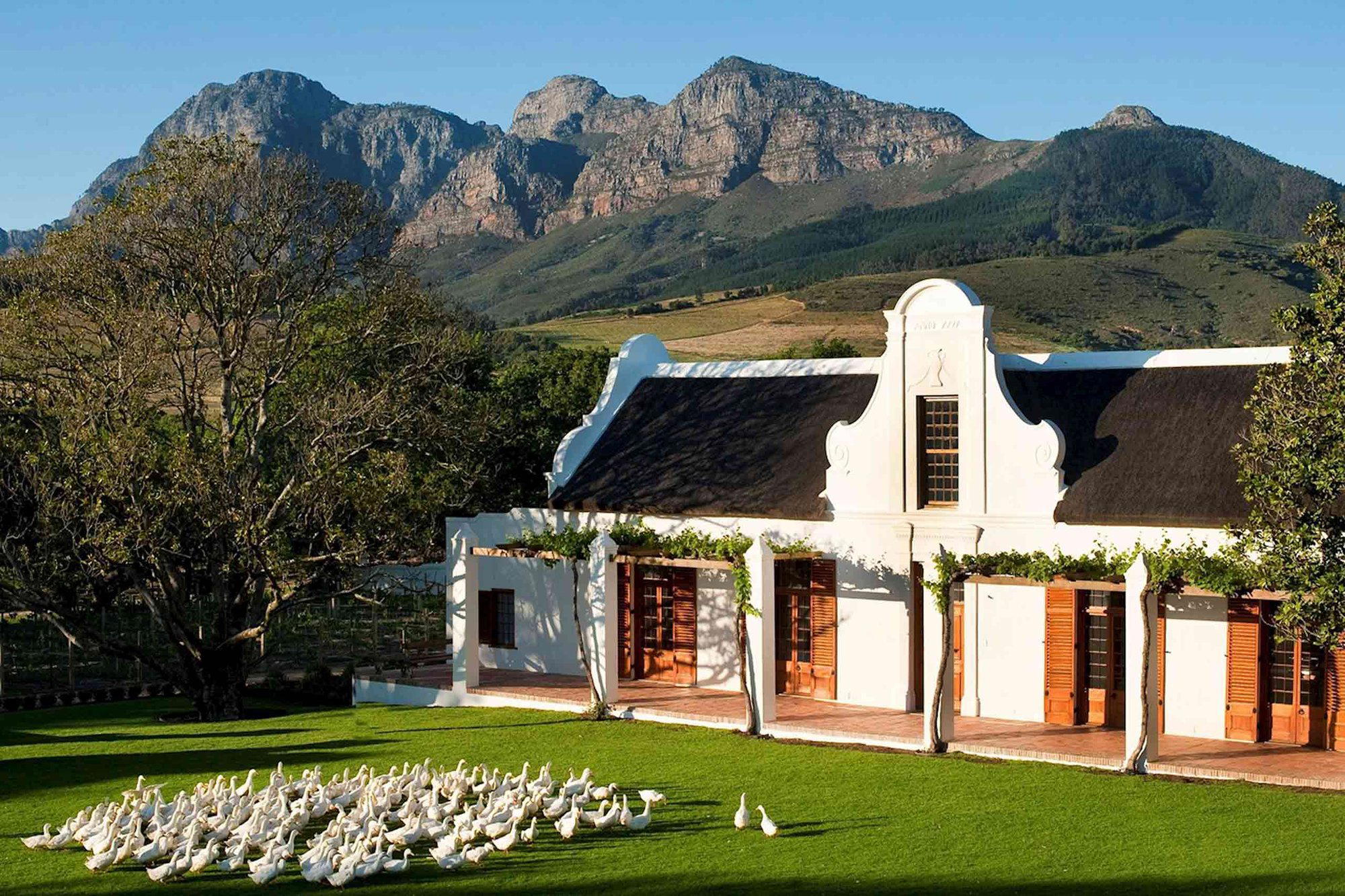
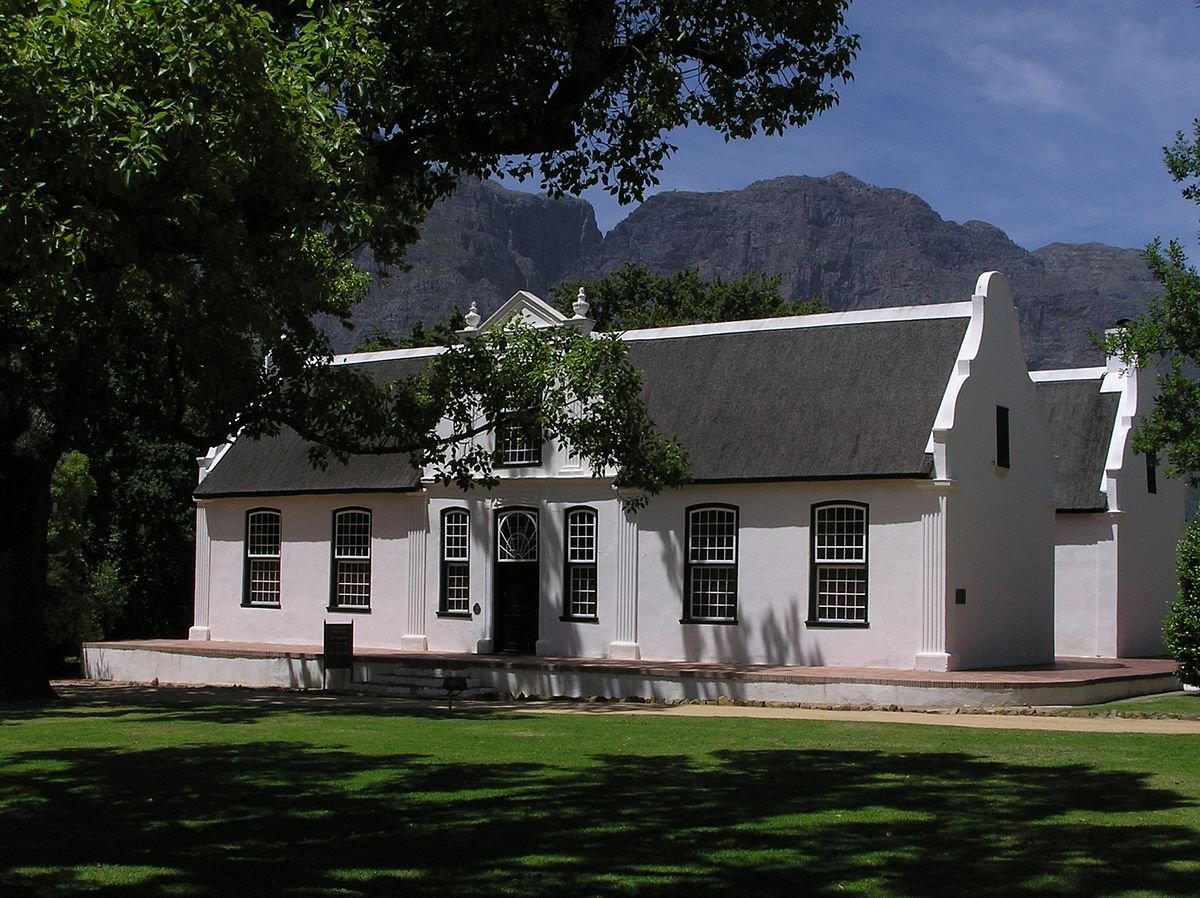
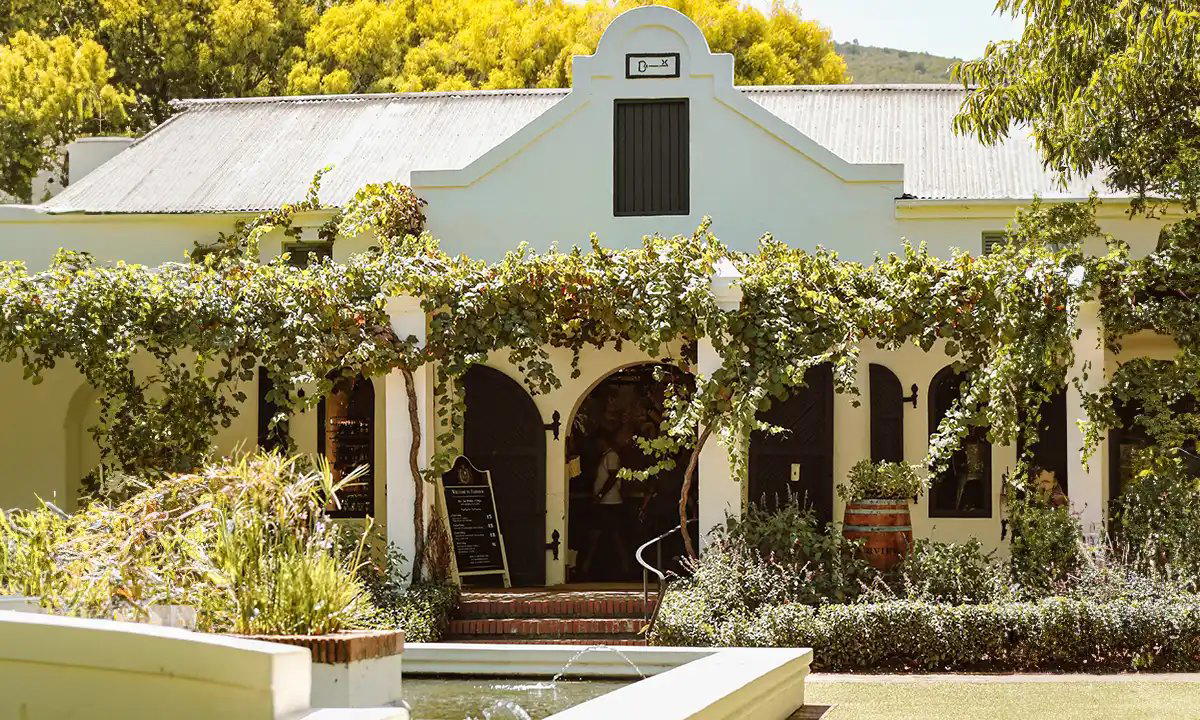
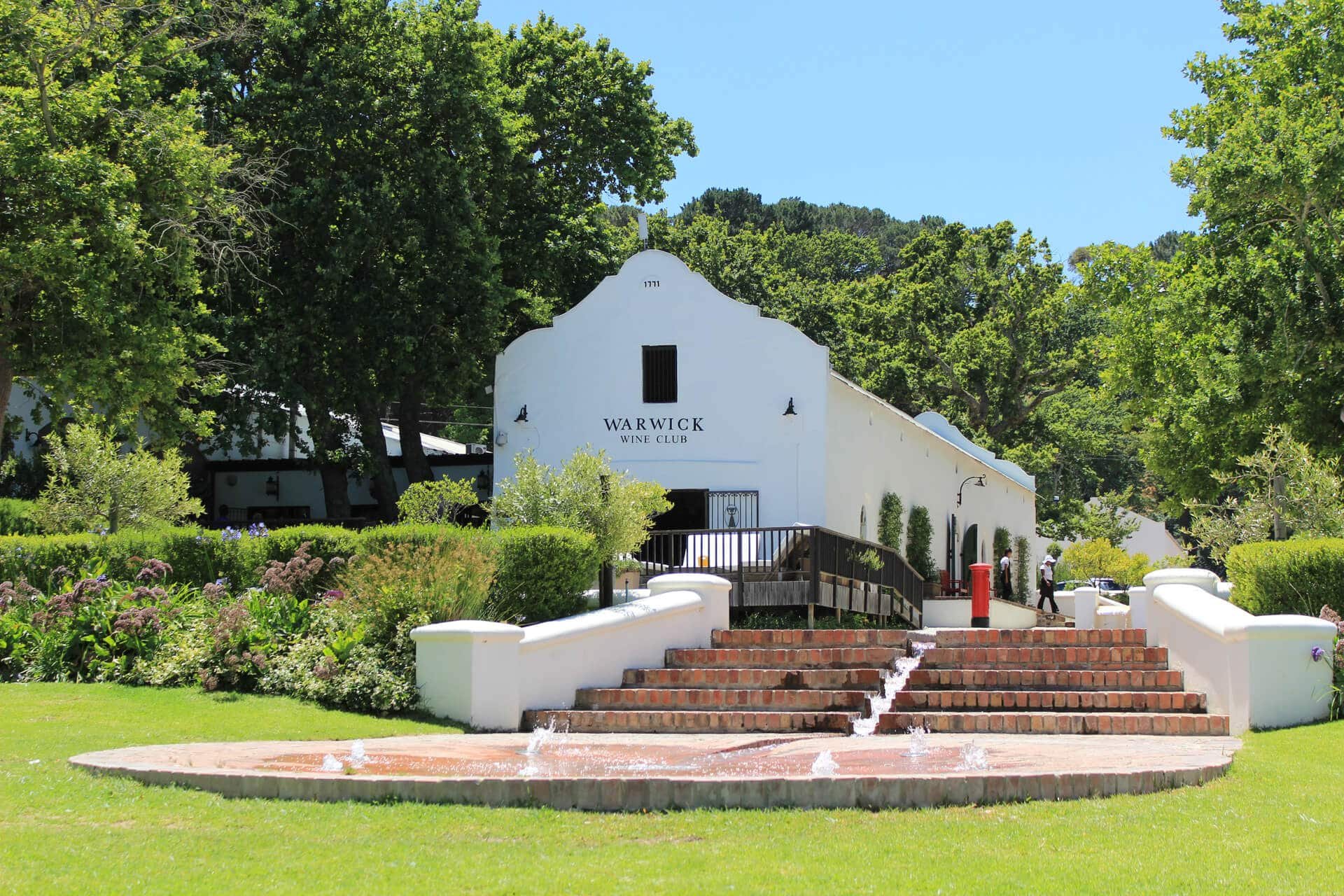
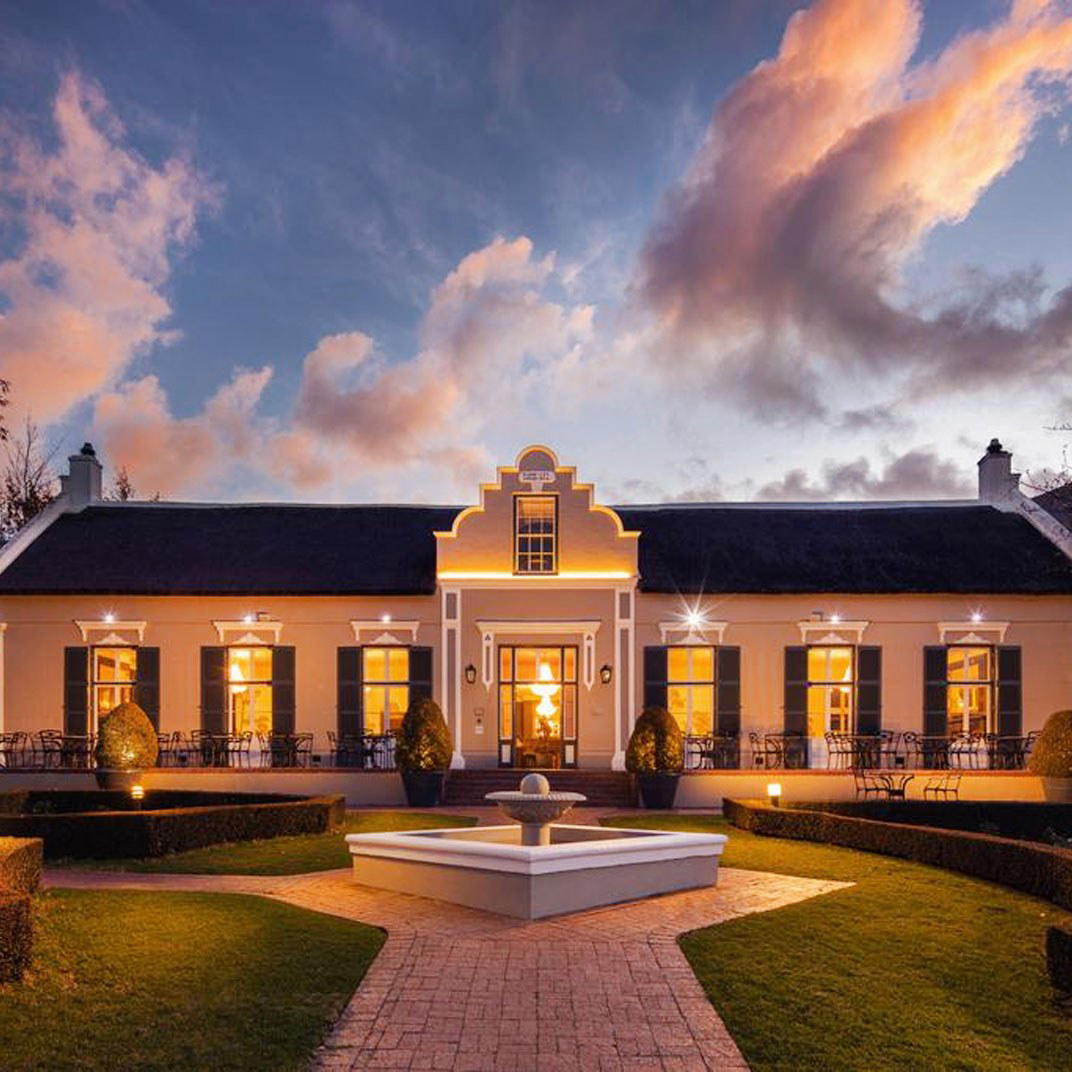
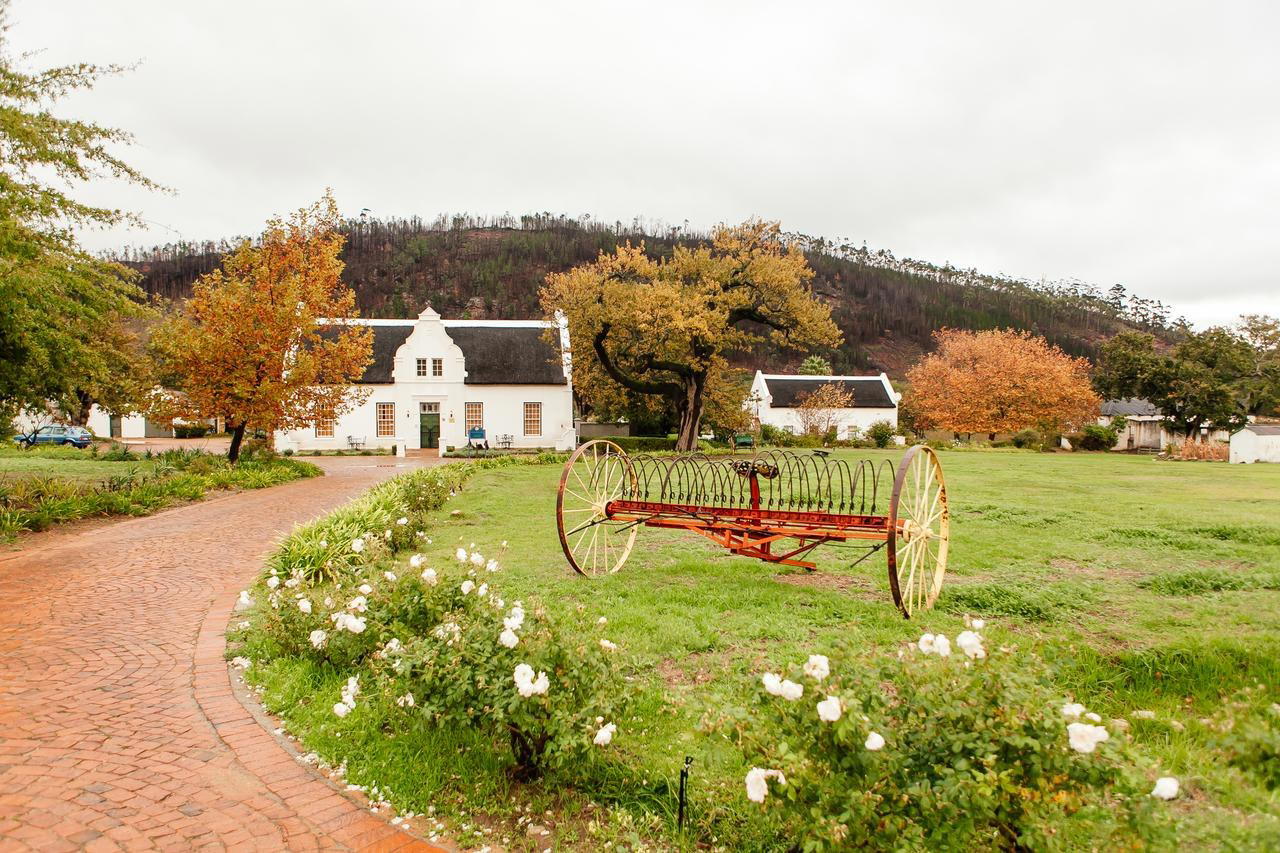
Tranquil and peaceful atmosphere under oak trees on the stoep, with stylish Cape antiques, leather chairs, and warm oriental carpets in a scenic, historic setting.