HŌSEKI



La Liste Top Restaurants · Relais Chateaux Award
Our verdict
HŌSEKI brings Japanese omakase-style cooking to Delaire Graff Estate on Stellenbosch's Helshoogte Pass, with chef Masahiro Sugiyama at the counter. Ranked #97 on Opinionated About Dining's Top Restaurants in Asia for 2025, it occupies a genuinely anomalous position in South Africa's wine country — a serious Japanese address with a track record of rising recognition across three consecutive years.

Pearl is the En Primeur Club membership app — saves, bookings, and concierge access live there. Same editors, same standards.
- Address
- Delaire Graff Estate, Helshoogte Rd, Stellenbosch, 7600, South Africa
- Phone
- +27 21 885 8160
- Hours
- Daily 12–4 PM, 6–11 PM
- Website
- delaire.co.za
- Directions
- Get directions
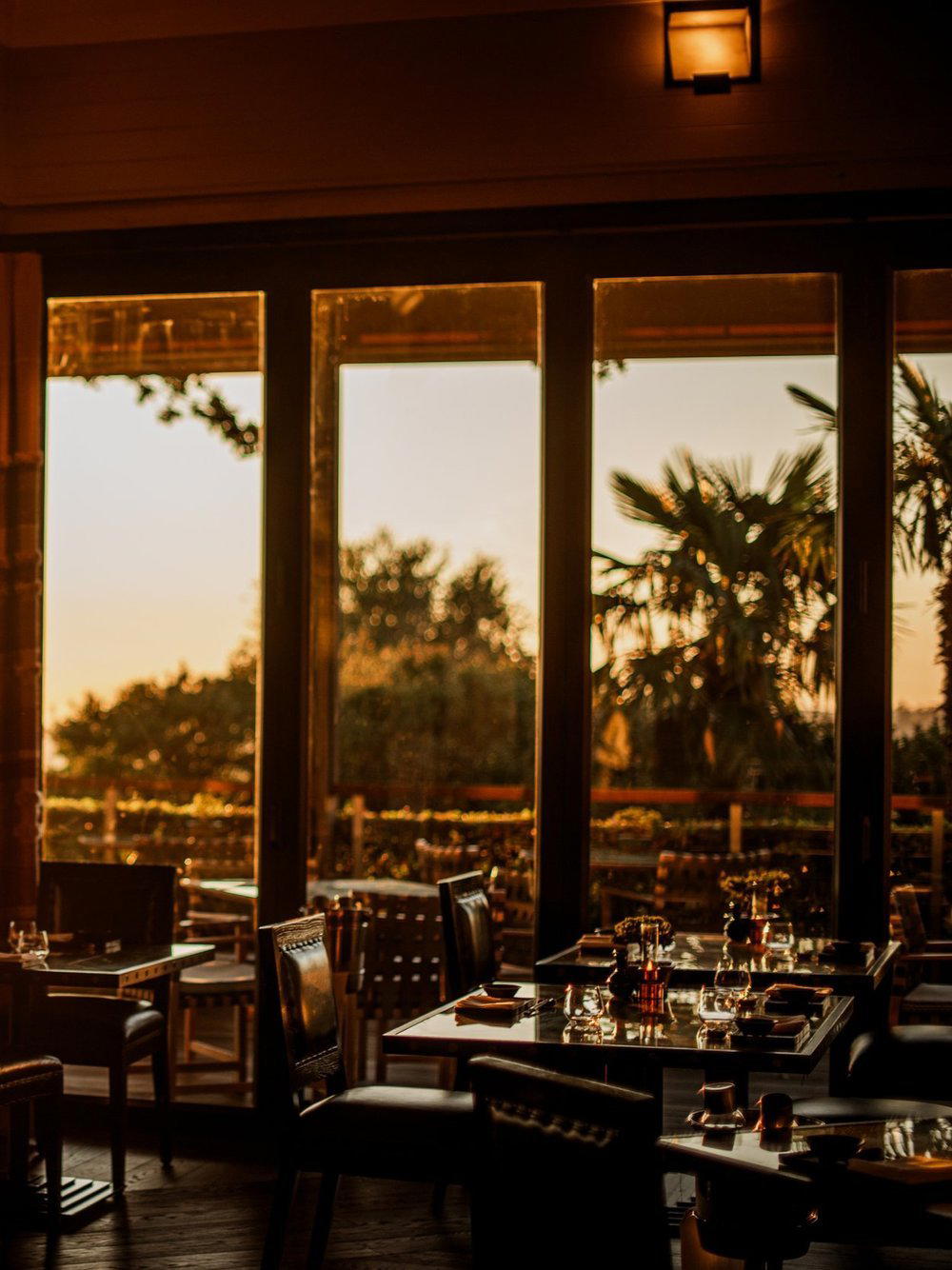
The menu
What to order
- Cape Wagyu skewers
- Tuna nigiri
- Karaage chicken
Where the Winelands Meet the Counter
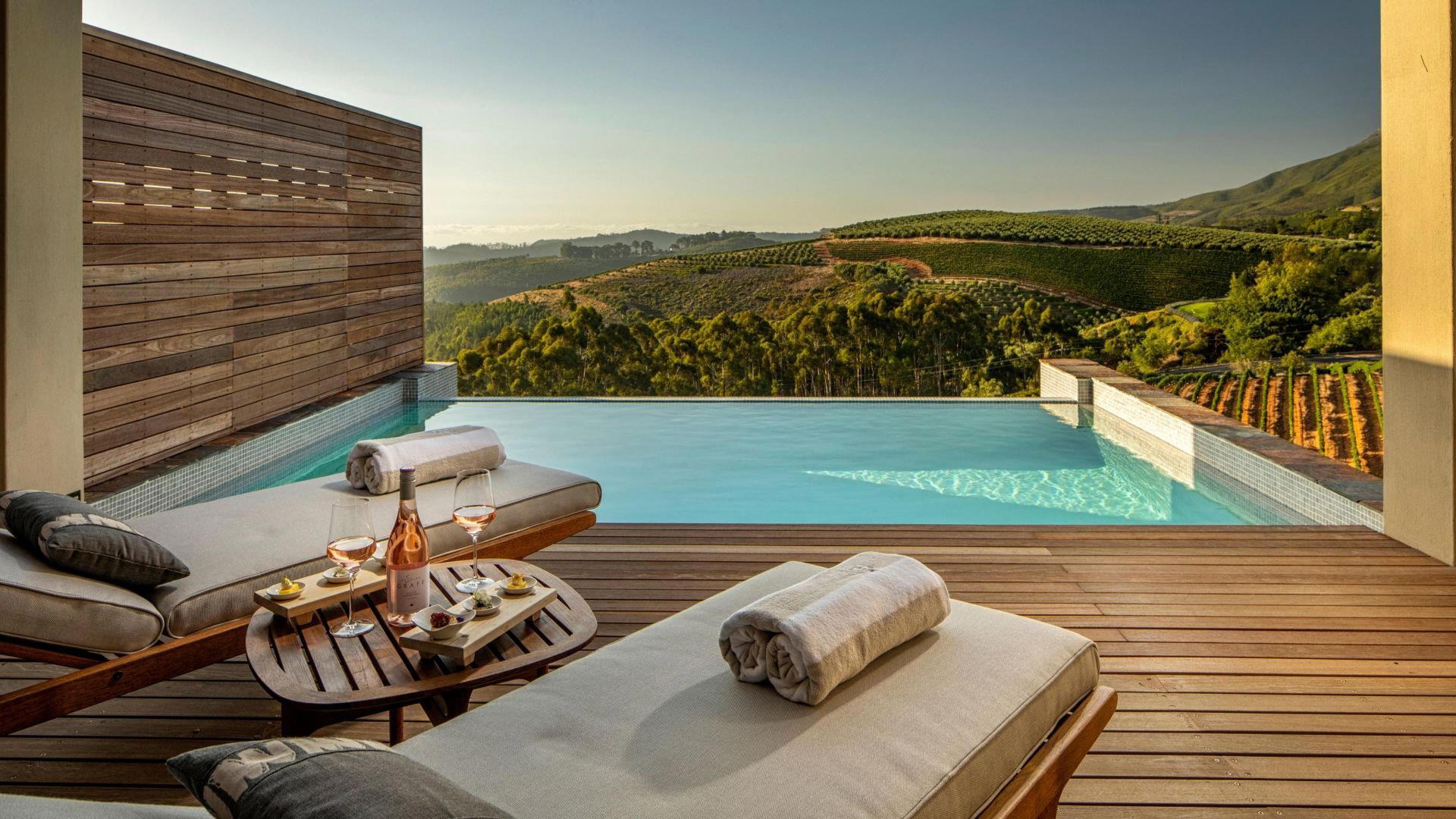
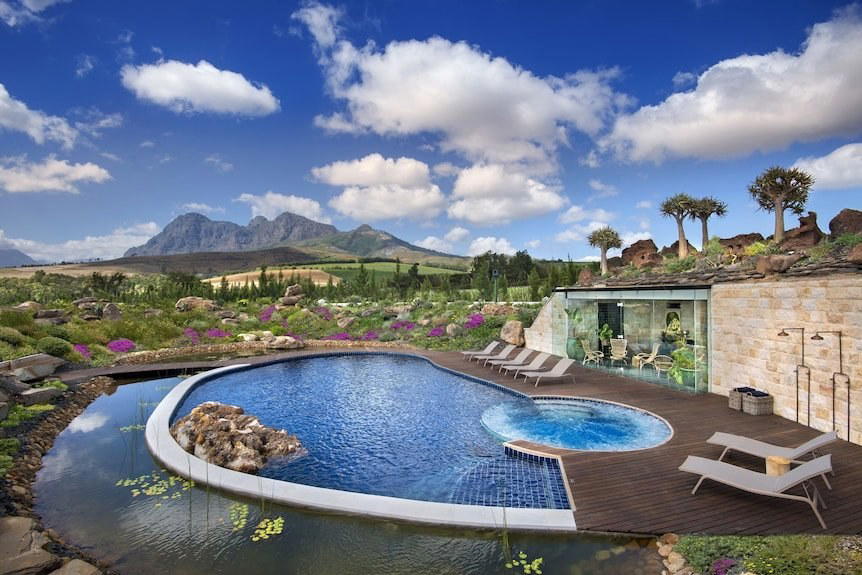
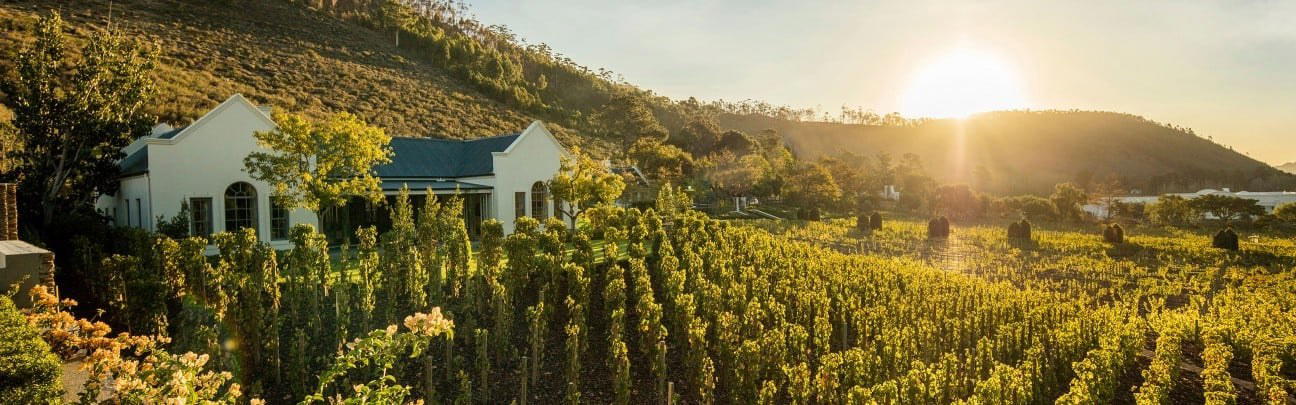
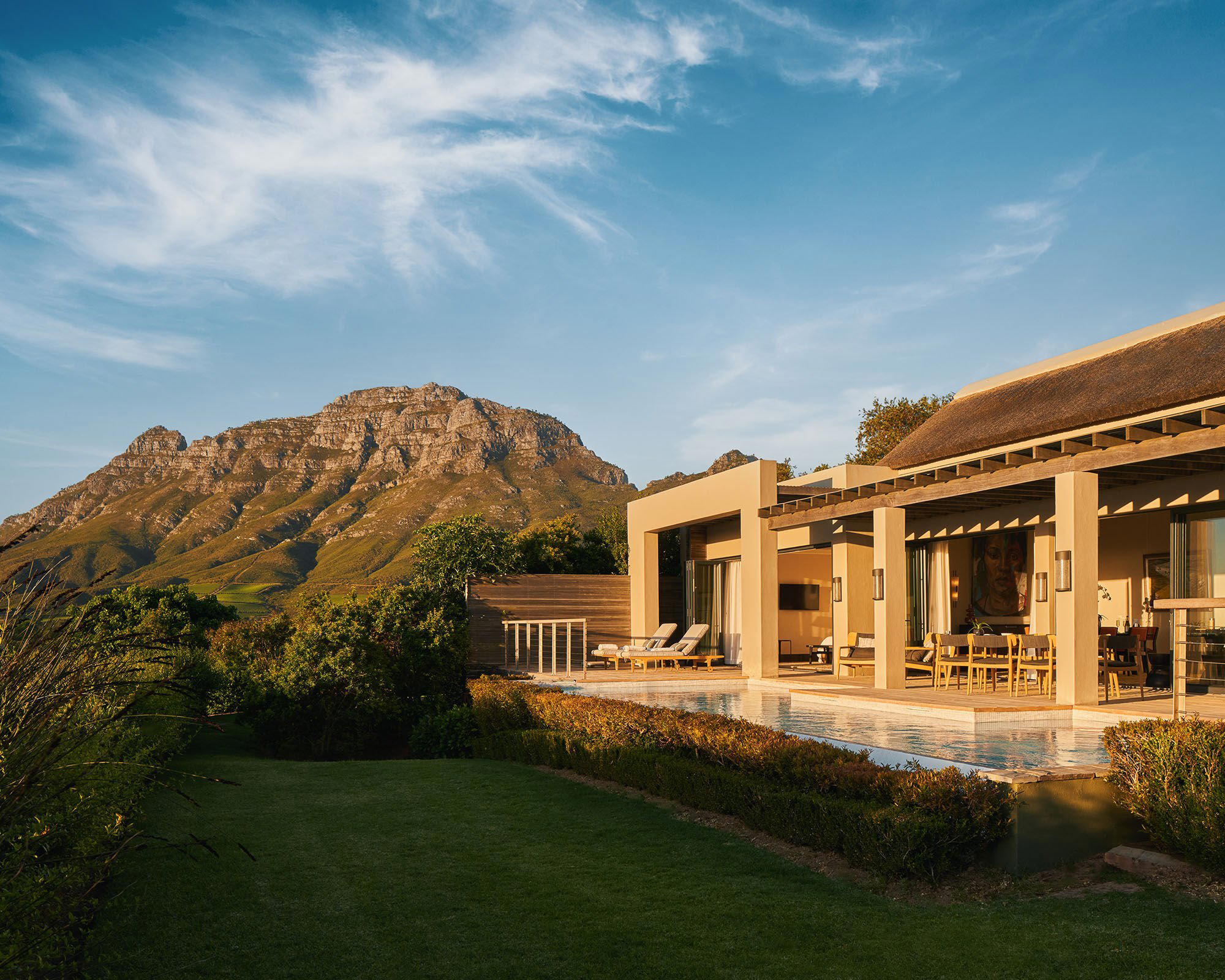
The approach to Delaire Graff Estate along Helshoogte Road already signals a particular register of hospitality — manicured terraces, art-hung galleries, and mountain views that frame the Simonsberg at every turn. Within that estate infrastructure, HŌSEKI operates as something structurally distinct from its neighbours: a Japanese kitchen on a Cape wine estate, drawing a recognition trajectory that reads more like a Tokyo restaurant's curriculum vitae than anything else currently operating in the Western Cape.
That dislocation is the point. South Africa's dining conversation has long been dominated by Cape Malay inflections, fire-led cooking, and the kind of farm-to-table shorthand that suits a wine region so well. A counter-format Japanese restaurant on the same property as Indochine at Delaire Graff Estate — itself representing a different strand of Asian-influenced cooking on the estate, is a deliberate positioning choice, and it has paid off in measurable terms.
The OAD Signal and What It Means
Opinionated About Dining's annual ranking of leading restaurants in Asia is compiled from a community of serious diners rather than a single critic's palate, which gives its trajectory data particular weight. HŌSEKI entered the OAD Asia list at Highly Recommended in 2023, moved to #111 in 2024, and reached #97 in 2025, a consistent upward line across three years. The Creative Cooking designation in the awards data adds another layer: this is not a restaurant using Japanese format as branding cover. Being ranked alongside them while based in Stellenbosch is an anomaly that demands attention.
For context, Fyn in Cape Town is the other South African address most frequently cited in conversations about Japanese-influenced fine dining in the region. HŌSEKI occupies a different lane: where Fyn blends Japanese technique with South African ingredients as an explicit hybrid project, HŌSEKI appears, based on its OAD categorisation and chef lineage, to operate closer to a Japanese idiom on its own terms.
Izakaya Spirit in a Wine Country Setting
The izakaya tradition in Japan is fundamentally about the relationship between eating and drinking as a single, unhurried act. It is not the pristine silence of a high-ceremony kaiseki room, nor the quick transactional energy of a ramen counter. The leading izakaya experience is one in which dishes arrive in a rhythm set by the kitchen rather than a timer, where the drink in your glass is expected to evolve alongside what appears on the plate, and where the room's atmosphere is warm without being theatrical.
HŌSEKI sits on an estate with one of the more considered wine programs in Stellenbosch, and the wine country context sharpens that izakaya logic considerably. Pairing Japanese cooking with South African Chenin Blanc, or watching how an estate Cabernet sits against umami-forward preparations, is a conversation you cannot have in Tokyo. The geographic remove from Japan is, paradoxically, part of what makes the eating experience here distinct: the tension between Japanese format and Cape wine list produces a kind of dialogue that a straightforwardly Japanese city address would not generate.
For guests staying at Delaire Graff Lodges & Spa, HŌSEKI provides a shift in register from an evening at the estate's other dining options. The communal, drink-forward rhythm of a well-run Japanese counter is a different proposition from a wine-paired tasting menu, and the contrast is worth planning a multi-night stay around.
Chef Masahiro Sugiyama and the Counter Format
Counter-format Japanese cooking demands a particular kind of presence from the person behind it. The guest and the chef share the same sightline; the kitchen is the room. In Tokyo, the counter format at restaurants ranked in HŌSEKI's OAD peer bracket typically involves years of apprenticeship within a named lineage, hyper-sourced produce, and a menu that changes with the season rather than the trend.
The three-year OAD trajectory is the most reliable external signal available that the kitchen's output is consistent and developing in a single direction.
Stellenbosch and Its Place in the Regional Fine Dining Map
Stellenbosch's restaurant scene has been building a tier of serious addresses across multiple categories. Rust en Vrede represents the wine-estate fine dining archetype that defined the region's ambitions for two decades. Dusk and Jordan represent a more contemporary South African cooking strand. MERTIA extends the range further. What HŌSEKI adds to that map is not another iteration of fire, ferment, or Afrikaner larder, it is a Japanese counter with enough external recognition to be taken seriously on international terms.
Visitors building a Stellenbosch itinerary should treat HŌSEKI as a distinct meal rather than an addition to a wine-tasting afternoon. The counter experience is an evening commitment. Bookings at this level of recognition in a limited-capacity format in a tourist-heavy wine region require planning; arriving without a reservation and hoping for a seat is not a reliable strategy. Check the estate's booking infrastructure before committing to travel dates. You can find further planning context in our [full Stellenbosch restaurants guide](), our [Stellenbosch hotels guide](), our [Stellenbosch wineries guide](), our [Stellenbosch bars guide](), and our Stellenbosch experiences guide.
For comparison points elsewhere in the region, Le Quartier Français in Franschhoek and Wolfgat in Paternoster both operate in the conversation about destination fine dining in the Western Cape, though neither occupies the Japanese counter category.
Planning Your Visit
FAQs
Is HŌSEKI suitable for children?
At a price point and format likely consistent with other counter-style Japanese restaurants in its OAD peer group, HŌSEKI is calibrated for guests who want to engage with the counter experience at a deliberate pace. Young children who are unlikely to sustain attention through a multi-course counter meal, or who need a flexible ordering format, will find the experience a poor match. Older, food-curious children accompanying adults who can manage the pace may be a different case, but confirming the restaurant's policy directly with the estate before booking is the appropriate first step.
What's the vibe at HŌSEKI?
Based on its OAD Creative Cooking designation, its position within a luxury estate in Stellenbosch, and the counter format implied by Japanese omakase-style service, expect a room that is intimate and focused rather than convivial or loud. The estate setting adds an ambient formality that is not typical of a Shinjuku izakaya, but the underlying logic of eating and drinking in a shared, unhurried rhythm carries through. Guests who want theatrical energy or a scene to be seen in will find the format quiet by design. Guests who want to concentrate on what arrives in front of them, and on what is in the glass beside it, will find it well suited to the purpose.
What's the must-try dish at HŌSEKI?
Specific menu items and current dishes are not held in EP Club's database for HŌSEKI, and generating dish descriptions without a verified source would be unreliable. What the OAD Creative Cooking flag does indicate is that the kitchen is not running a fixed classical template; the menu likely reflects the chef's interpretation of Japanese technique rather than a canonical form. In that context, arriving with a preference for a particular dish category is less productive than arriving prepared to follow the counter's lead, which is, in any case, how counter-format Japanese cooking is designed to be eaten. Ask the kitchen what is exceptional on the night you are there.
Frequently asked questions
Where exactly is HŌSEKI?
HŌSEKI is located at Delaire Graff Estate, Helshoogte Rd, Stellenbosch, 7600, South Africa, Stellenbosch.
Cost and Credentials
| Venue | Cuisine | Price | Awards | Notes |
|---|---|---|---|---|
| HŌSEKIThis venue — the venue you are viewing | Contemporary Japanese | $100–150 | La Liste Top Restaurants · Relais Chateaux Award | Not listed |
| Dusk | Modern Fusion Fine Dining | $150–200 | La Liste Top Restaurants · The Best Chef One Knife | South African |
| Indochine at Delaire Graff Estate | Asian Fusion | Not listed | Not listed | Not listed |
| Jordan | South African | Not listed | Not listed | Not listed |
| MERTIA | Modern South African Fusion Fine Dining | Not listed | The Best Chef One Knife | Not listed |
| Vuur | South African Open-Fire Steakhouse | $300–500 | Not listed | Not listed |
Recognition history
Dated appearances from independent guides and award organizations, with the underlying list record or original source where available.
La Liste Top Restaurants
La Liste
Relais Chateaux Award
Relais Chateaux
Opinionated About Dining Top Restaurants in Asia Ranked #97
Opinionated About Dining
Full recognition history (6 entries)
La Liste Top Restaurants
La Liste
Opinionated About Dining Top Restaurants in Asia Ranked #111
Opinionated About Dining
Opinionated About Dining Top Restaurants in Asia Highly Recommended
Opinionated About Dining
Continue exploring
More in Stellenbosch
Restaurants in Stellenbosch
Browse all →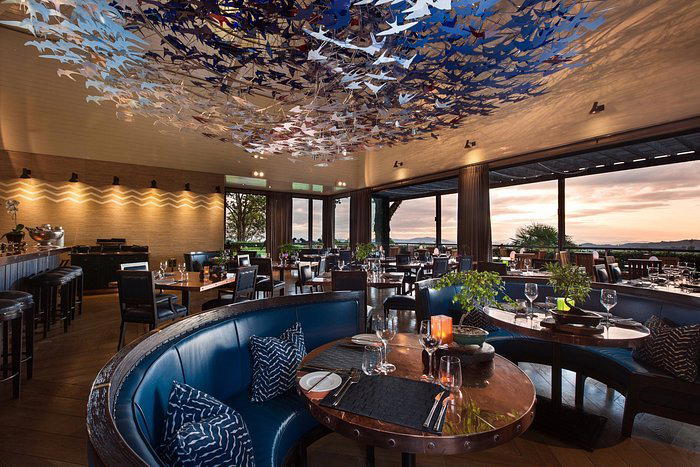
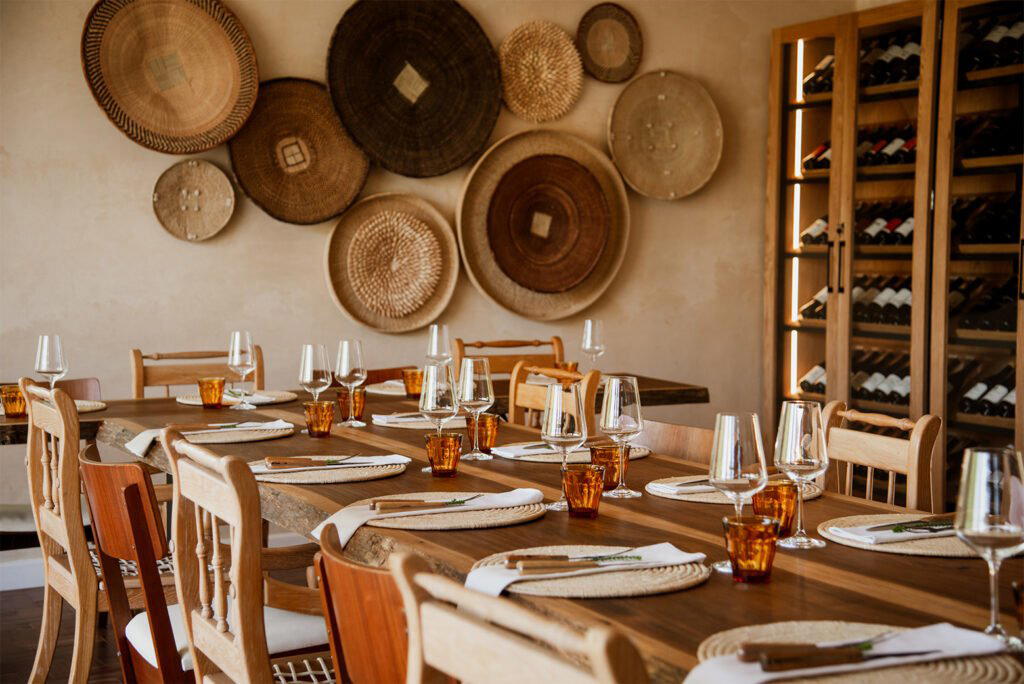
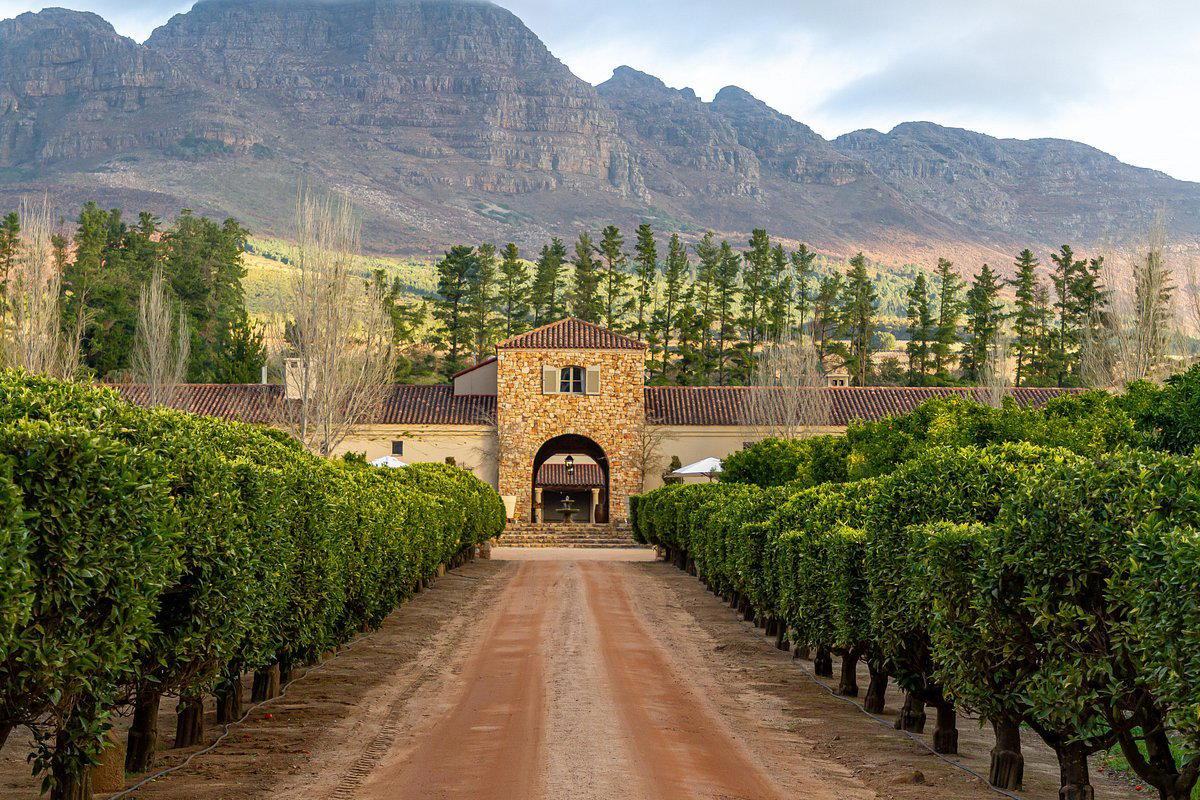
Bars in Stellenbosch
Browse all →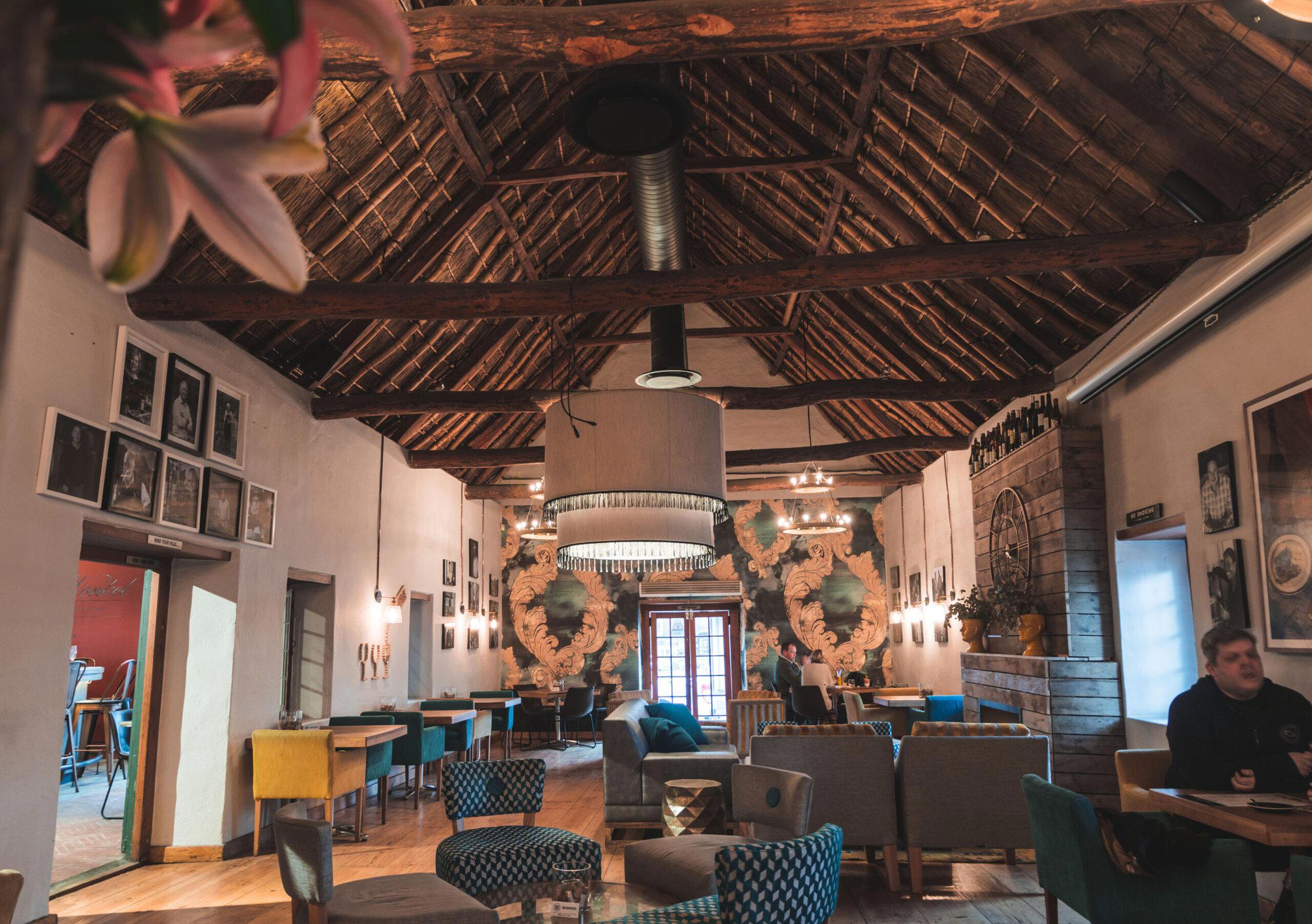
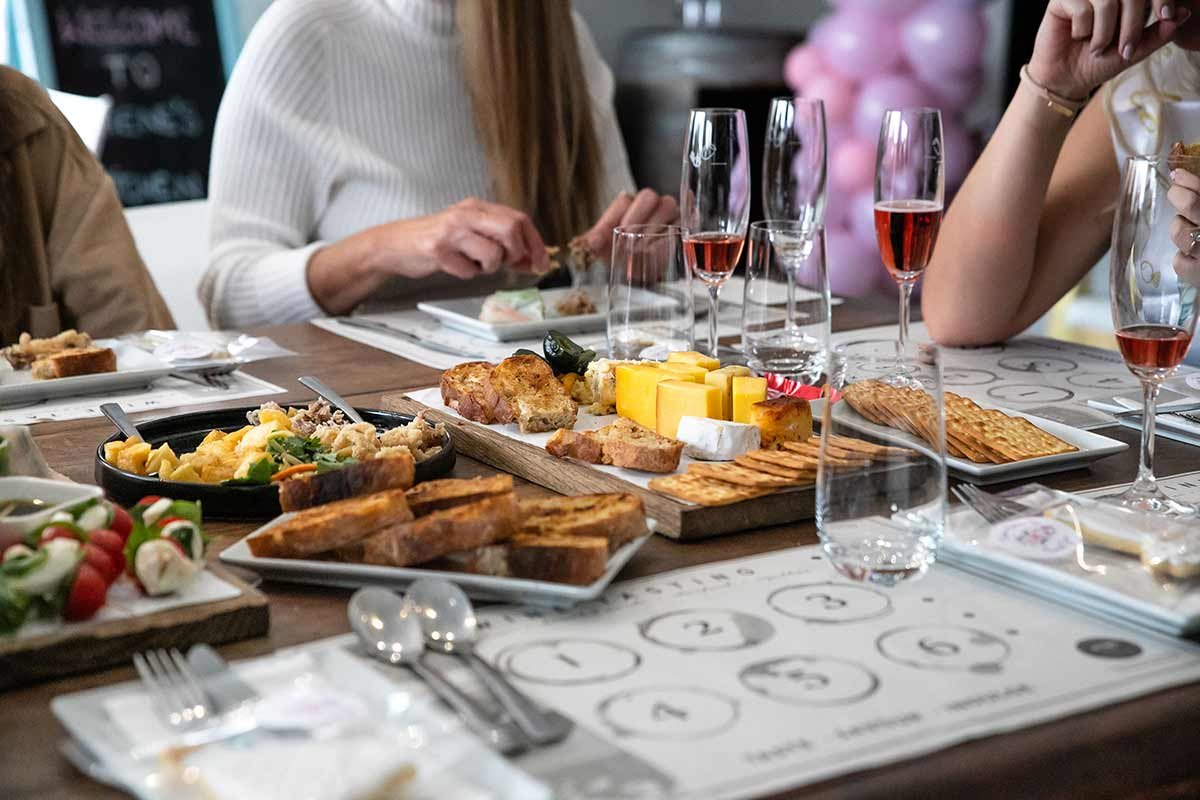
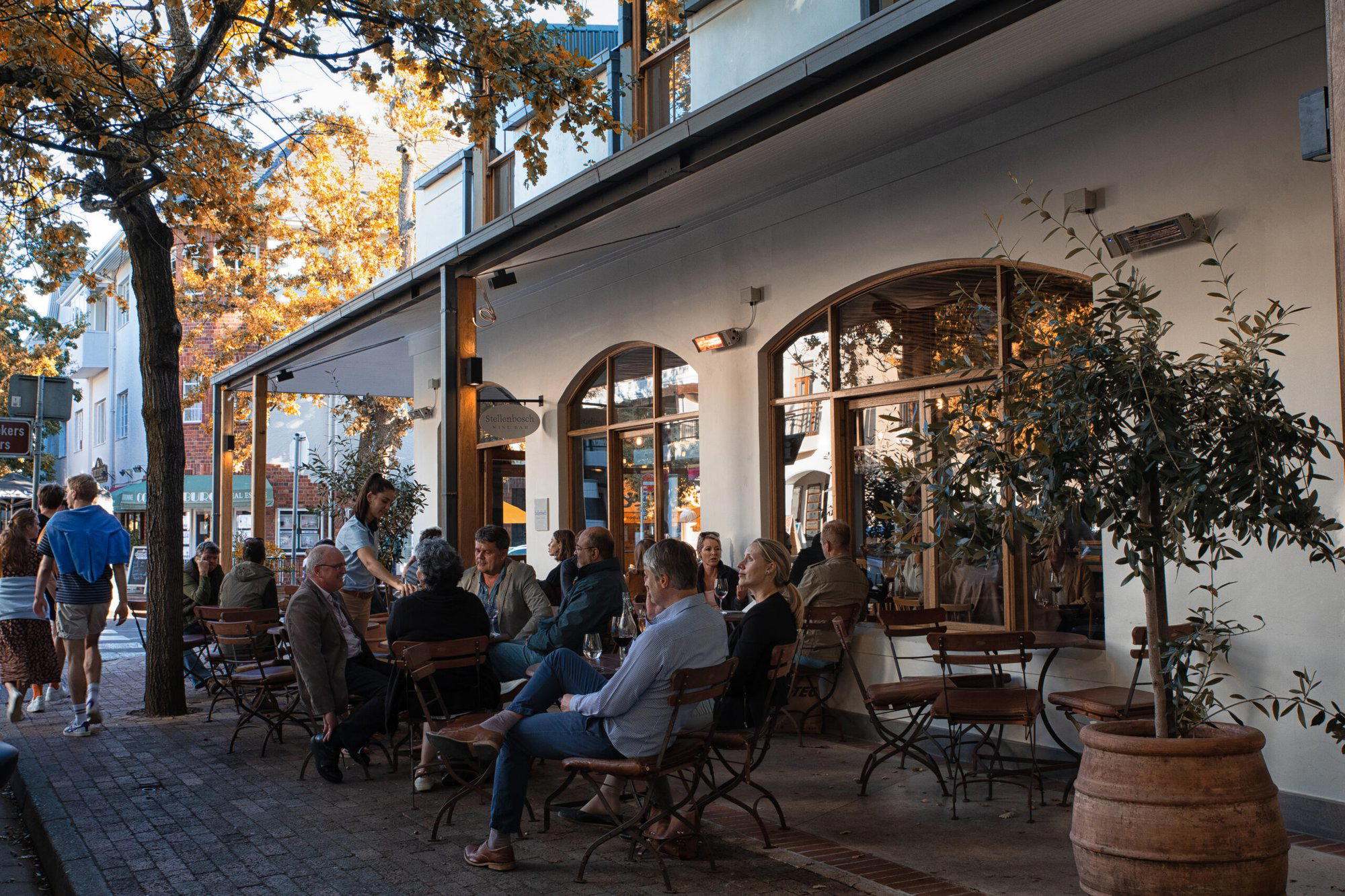
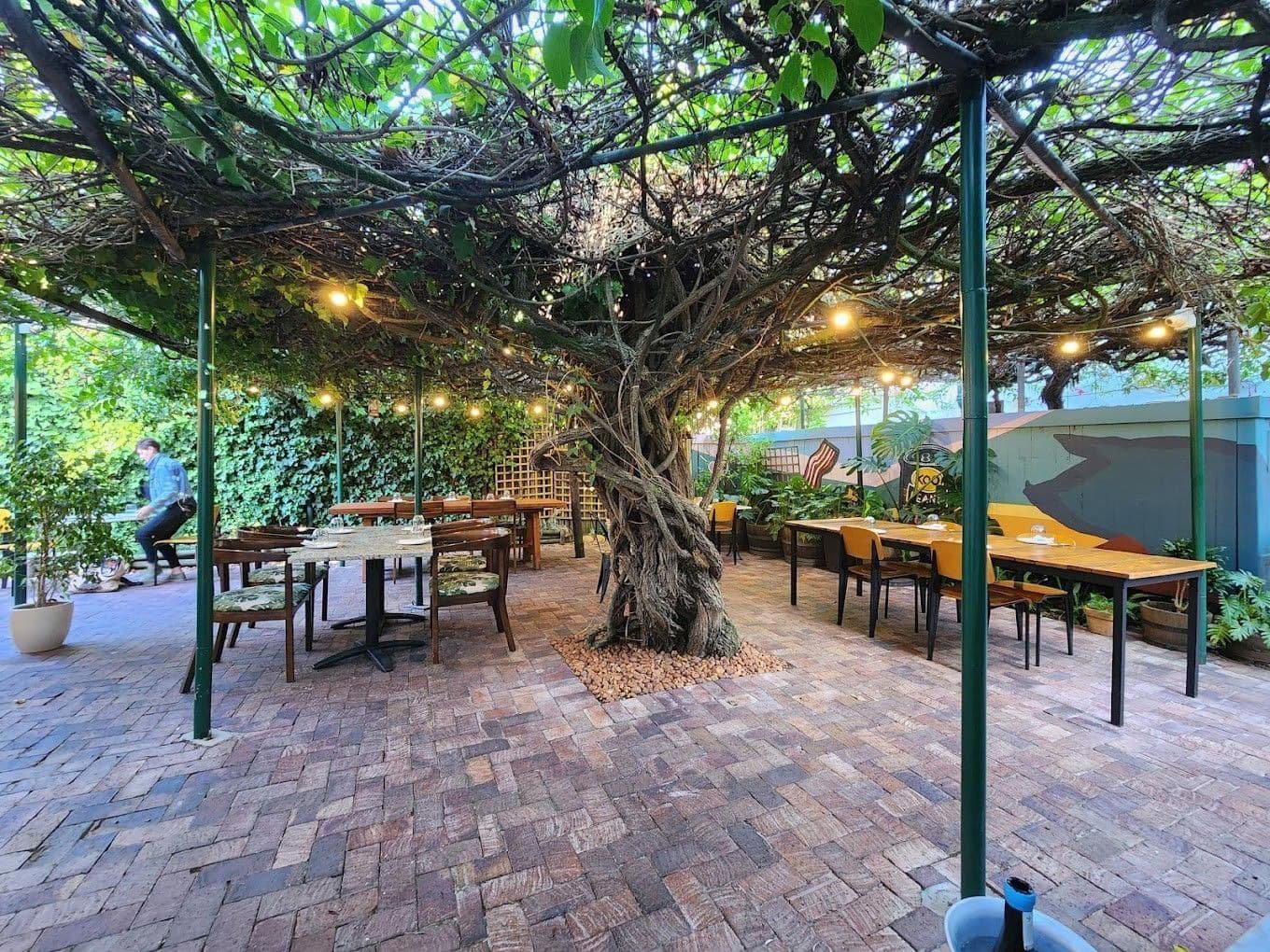
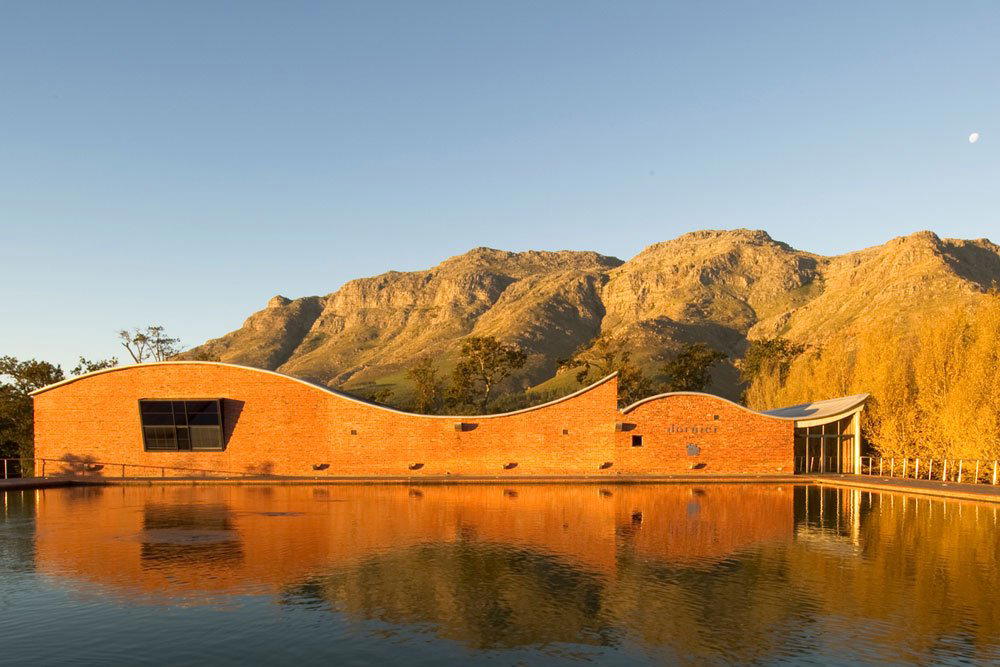
Hotels in Stellenbosch
Browse all →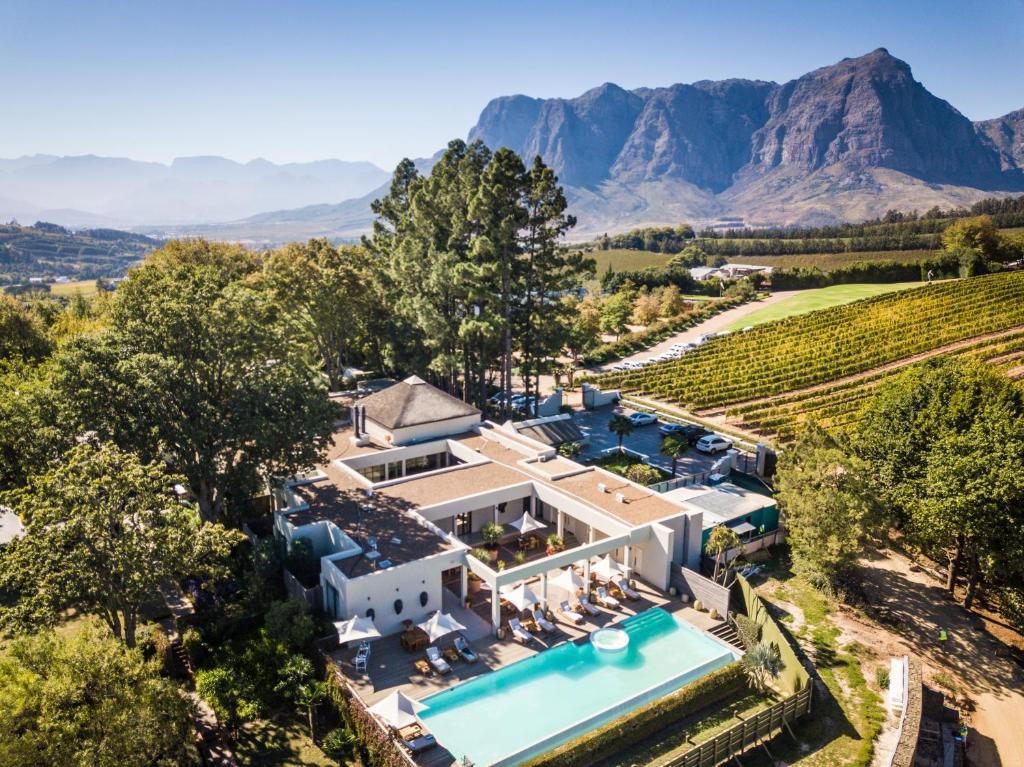
Details
- Elegant
- Sophisticated
- Scenic
- Date Night
- Special Occasion
- Business Dinner
- Open Kitchen
- Terrace
- Panoramic View
- Hotel Restaurant
- Extensive Wine List
- Sake Program
- Sommelier Led
- Farm To Table
- Local Sourcing
- Sustainable Seafood
- Mountain
- Vineyard
- A La Carte
- Omakase
- Small Plates
- Wine
- Sake
Current opening hours
- Monday
- 12–4 PM, 6–11 PM
- Tuesday
- 12–4 PM, 6–11 PM
- Wednesday
- 12–4 PM, 6–11 PM
- Thursday
- 12–4 PM, 6–11 PM
- Friday
- 12–4 PM, 6–11 PM
- Saturday
- 12–4 PM, 6–11 PM
- Sunday
- 12–4 PM, 6–11 PM
Hours can change for holidays and private events. Last verified .
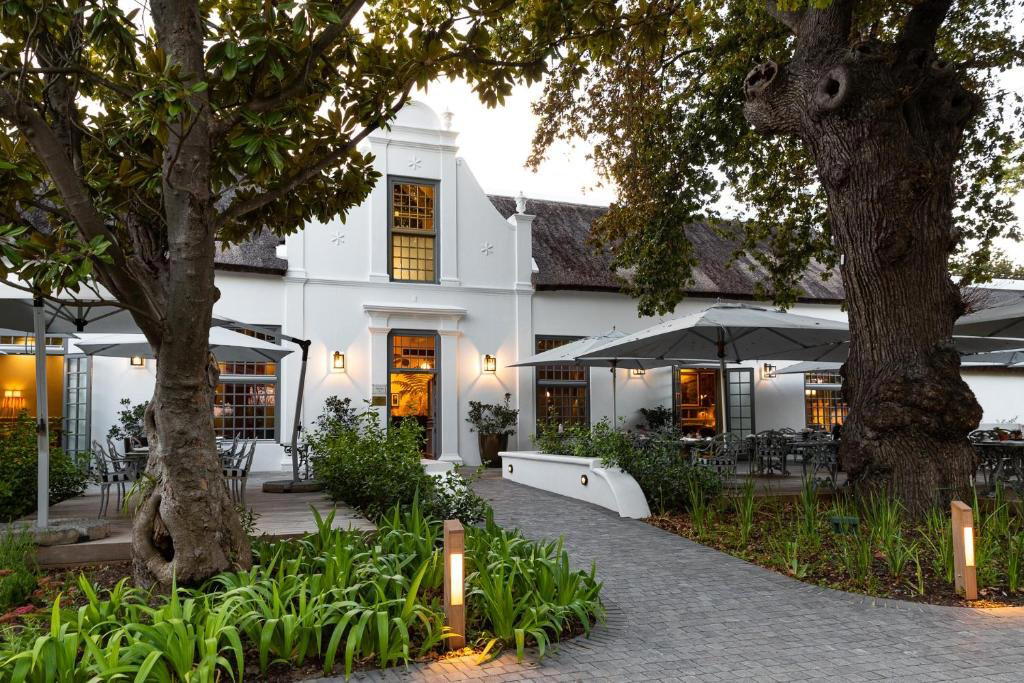
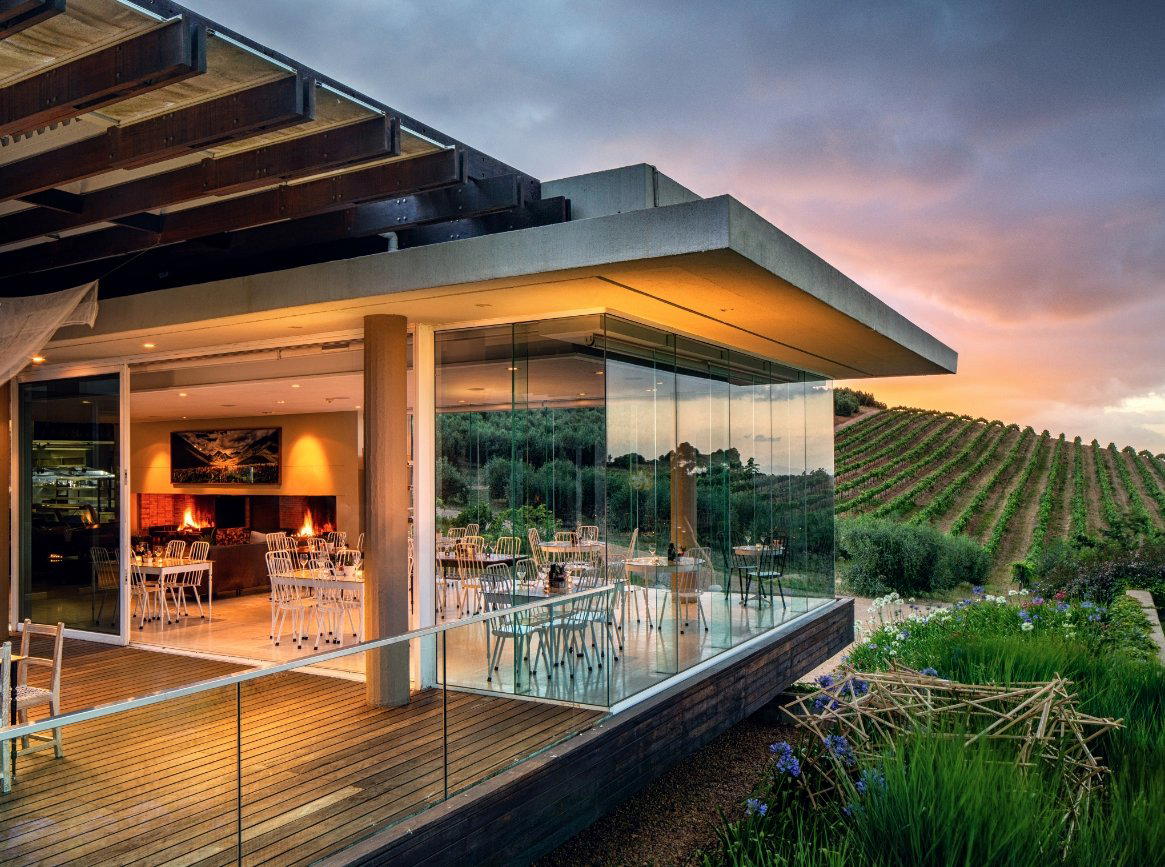
Lively blue and copper-toned interior with striking 'Swallows in Flight' art installation, offering light-filled luxurious space and al fresco terrace with far-reaching vineyard and mountain views.