
Falstaff Winery - Listed
Pico Maccario gives Piedmont a modern estate-winery reading: Barbera d’Asti at the center, Nebbiolo holdings in Langhe, and a visual identity built around colored pencil poles across the vineyards. The draw is terroir contrast rather than cellar mystique, with Monferrato clay, Langhe structure, and a broad portfolio spanning red, white, sparkling, and Moscato d’Asti styles.

Pearl is the En Primeur Club membership app, where members save venues, book tables and use the concierge.

Approaching Pico Maccario, the first signal is color: pencil-shaped vineyard markers give the estate rows a playful, distinctive visual identity. In Piedmont, where many serious wineries communicate through restraint, that visual language makes the estate read as modern before a glass is poured. It is a small but memorable cue, and it changes the way the vineyard is perceived: the rows are not only agricultural space, but also part of the estate’s public character.
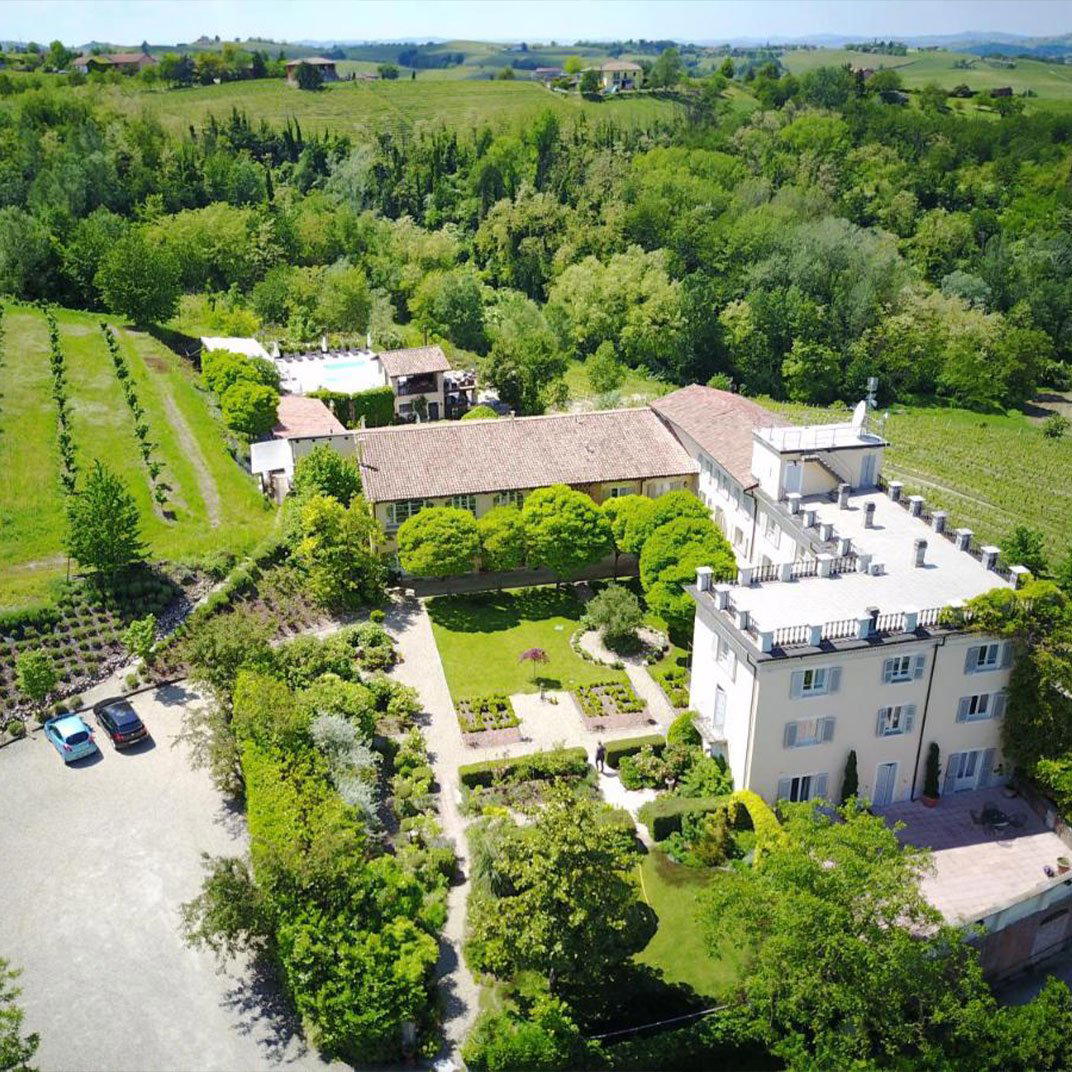
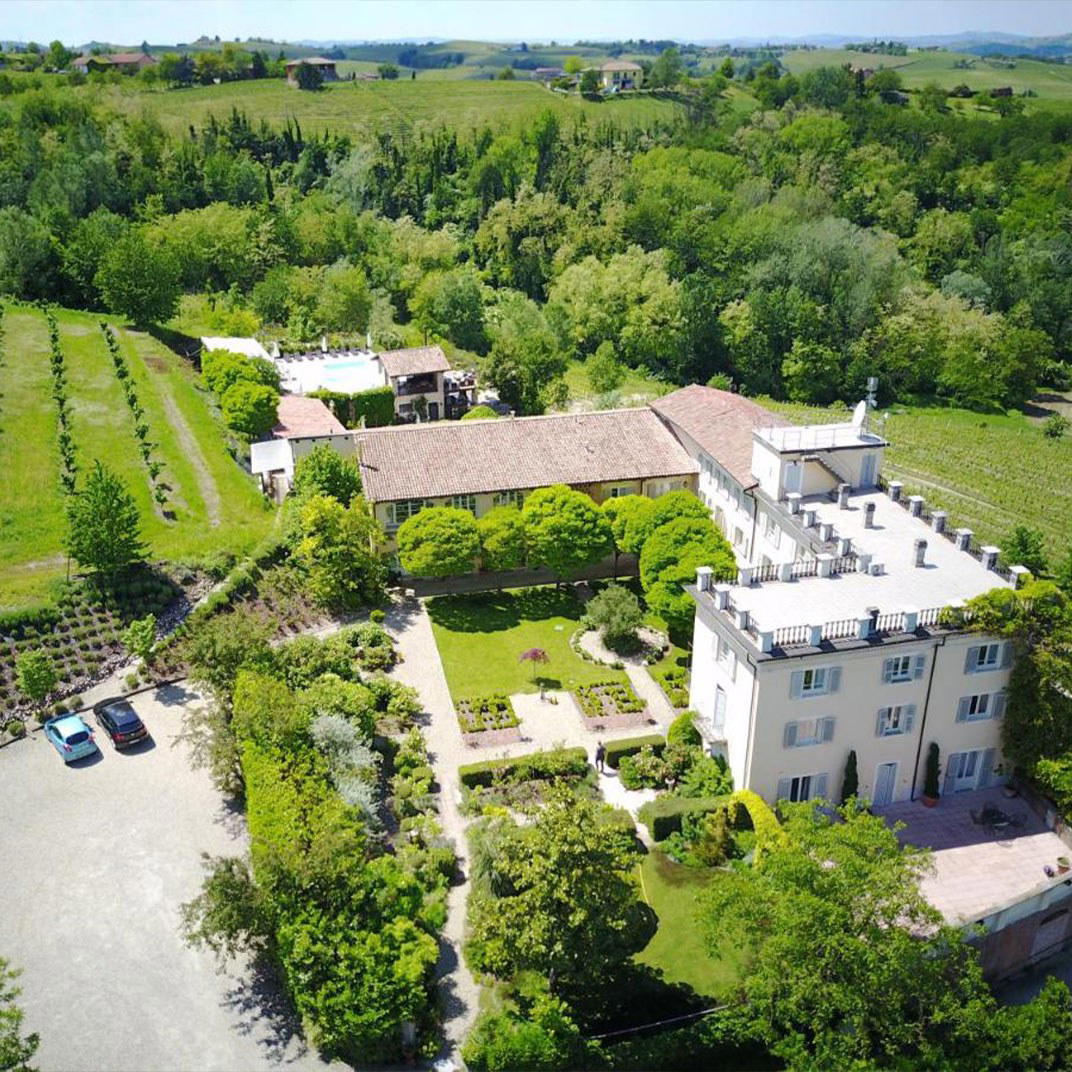
That matters because the venue is best understood as a quality-focused Piedmont estate winery shaped by a balance of technological innovation and respect for tradition. The setting is agricultural and vineyard-led, but the presentation is contemporary rather than purely rustic. Pico Maccario does not need to be framed through a restaurant narrative to make sense; its point of interest is the way it presents a wine estate as both rooted and visually current.
A Piedmont estate framed by modernity and tradition
Pico Maccario’s identity is not built around a restaurant format, a named chef, a published tasting menu, or a confirmed award hook. The grounded picture is simpler: a Piedmont estate winery in Avio, set amid extensive vineyards, with a modern visual signature and a quality-focused approach. That simplicity is useful, because it keeps the emphasis on what is actually documented: estate, vineyard, design language, and a stated balance between innovation and tradition.
For visitors trying to place it, the useful lens is the contrast between estate scale and design clarity. The colorful pencil markers give the vineyards an immediately recognizable look, while the broader positioning emphasizes innovation without abandoning tradition. In practical terms, that means Pico Maccario reads less like an old-world image frozen in time and more like a working estate comfortable with contemporary presentation. The modernity is not presented as a rejection of the region’s wine culture; it is presented as a way of organizing and expressing it.
Treat Pico Maccario here as a modern Piedmont winery profile rather than a fully documented hospitality program. That distinction is important for expectation-setting. The venue is compelling as a wine-estate reference, particularly for readers interested in how vineyard identity, quality focus, and visual branding can sit together. It should not be stretched into a restaurant, tasting-menu, or chef-led story unless those details are confirmed elsewhere.
A design-forward estate where the vineyard is part of the experience
Many Piedmont wine settings lean on heritage cues. Pico Maccario’s distinguishing feature is more visual and contemporary: colorful pencil vineyard markers that turn the surrounding rows into part of the estate’s identity. They create a recognizable landscape rather than a neutral backdrop, and that makes the vineyard itself feel more intentionally presented. The effect is still vineyard-led, but with a sharper sense of design than a purely rustic reading would suggest.
The result is a winery that can appeal to travelers interested in design as well as wine culture. Its character is modern, quality-focused, and rooted in vineyards, with tradition and technology presented as complementary rather than opposing ideas. That balance is the core of the profile: not novelty for its own sake, and not heritage as the only frame, but a meeting point between a contemporary estate image and the deeper expectations attached to Piedmont wine.
Because the available picture centers on estate identity rather than detailed visitor logistics, practical assumptions should be kept modest. If those practical points matter, confirm them directly before planning around them. That includes any expectation of a structured hospitality format, a meal, a particular tasting arrangement, or any other on-site detail not established here. The safer reading is to see the estate first as a wine and vineyard destination with a strong visual signature.
How to place it in an Avio wine itinerary
For readers using Avio as the organizing point, Pico Maccario is best understood as a Piedmont estate winery with a contemporary visual identity and a vineyard-led setting. It is not documented here as a restaurant, bar, or chef-driven destination. That makes it useful in an itinerary as a wine-focused anchor rather than as a substitute for a broader dining plan. Its role is clearest when the day is being shaped around vineyards, estate character, and a modern expression of winery culture.
The price positioning is listed as $$$. The stronger reason to note the venue is its combination of extensive vineyards, modern quality focus, technological innovation, respect for tradition, and the distinctive pencil-marker landscape. Those are the elements that define the listing and give it separation from more generic winery descriptions. The value of the stop, as presented here, is not in a long list of amenities, but in a concise identity that is easy to recognize and easy to remember.
Other dining, hotel, bar, or experience planning in Avio should be evaluated separately from this winery profile. In other words, let Pico Maccario occupy the wine-estate part of the plan: modern in look, vineyard-led in setting, quality-focused in positioning, and careful to frame innovation and tradition as part of the same story.
Recognition history
Dated appearances from independent guides and award organizations, with the underlying list record or original source where available.
Falstaff Winery - Listed
Falstaff
Continue exploring
More in Avio
Wineries in Avio
All wineries in Avio →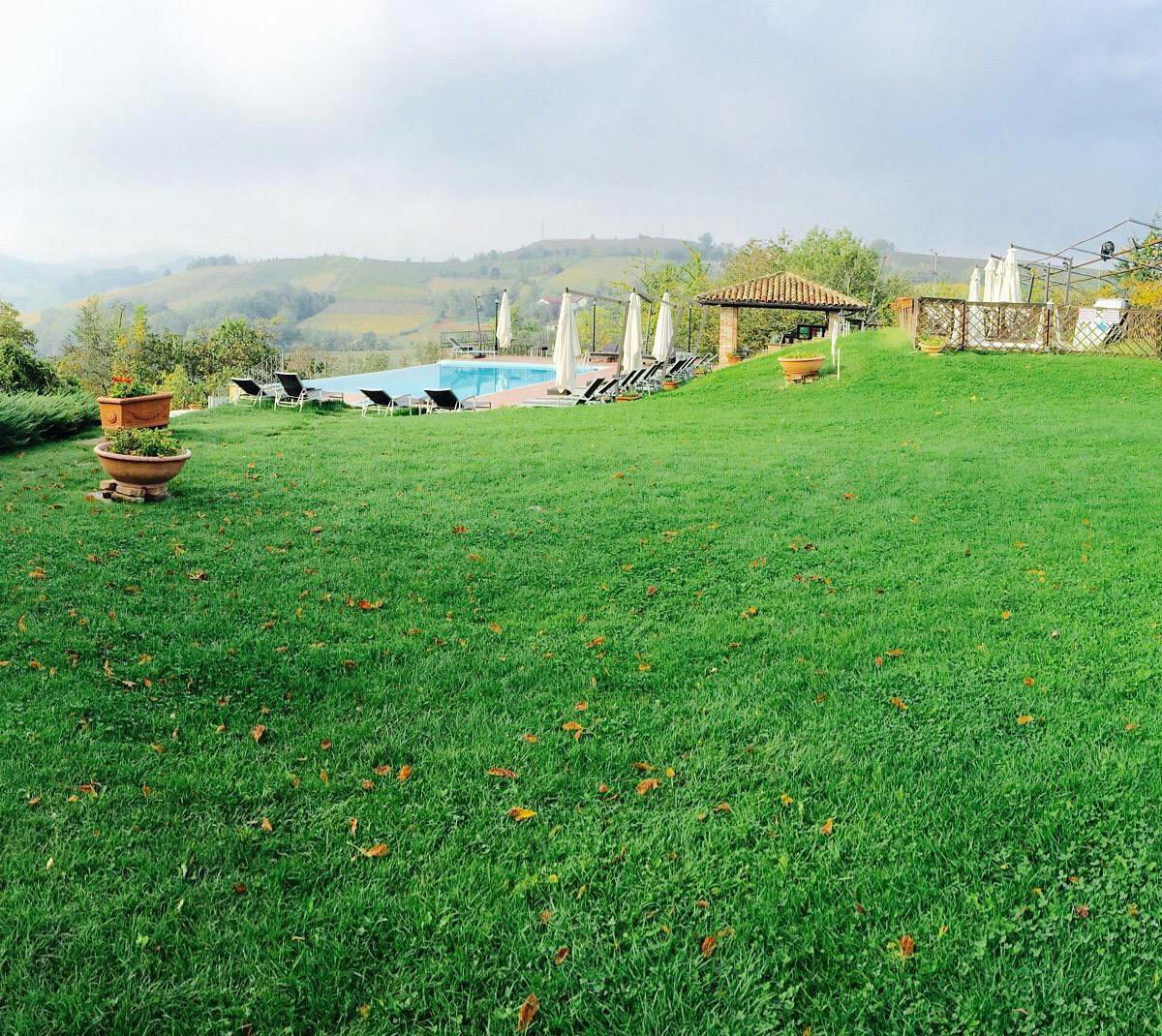
Bars in Avio
Browse all →
Details
- Modern
- Scenic
- Elegant
- Whimsical
- Well Known
- Group Outing
- Romantic Getaway
- Wine Education
- Special Occasion
- Solo Exploration
- Vineyard Tour
- Estate Grounds
- Design Destination
- Private Tasting
- Sustainable
- Vineyard
- Garden
- Barbera
- Nebbiolo
- Viognier
- Cortese
- Sauvignon Blanc
- Moscato D’asti
- Still Red
- Still White
- Dessert
- Sparkling
- Standard Tasting
- Vineyard & Cellar Tour
- Private Tasting
- English
- French
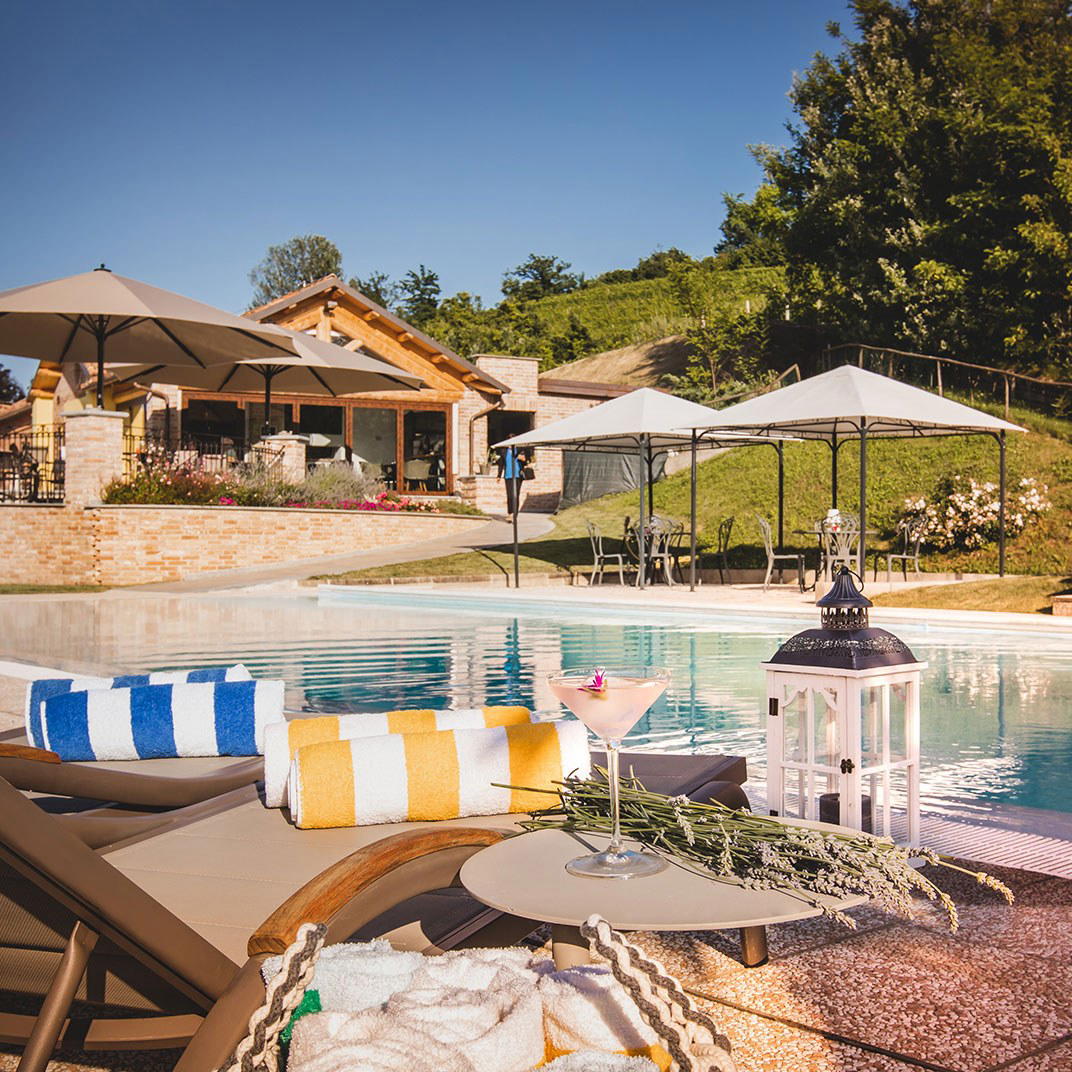
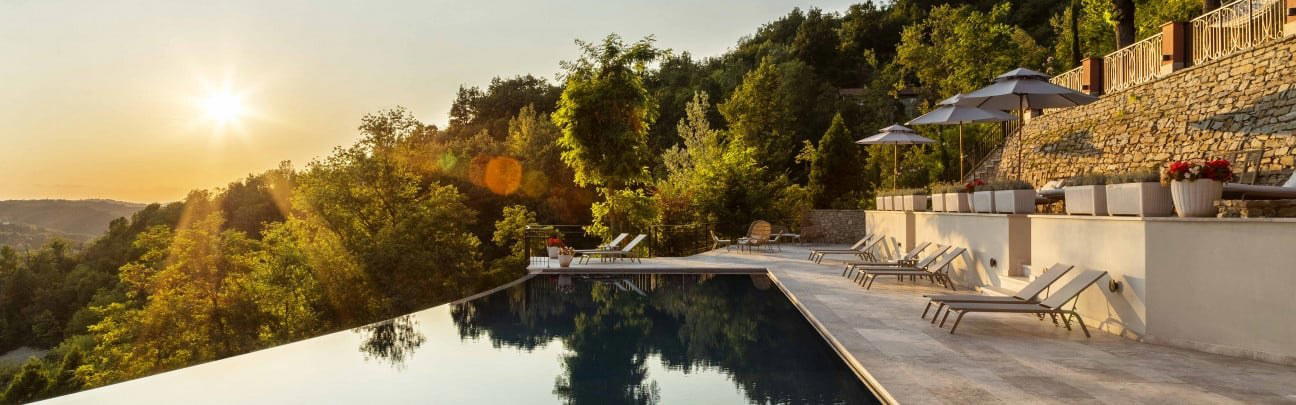
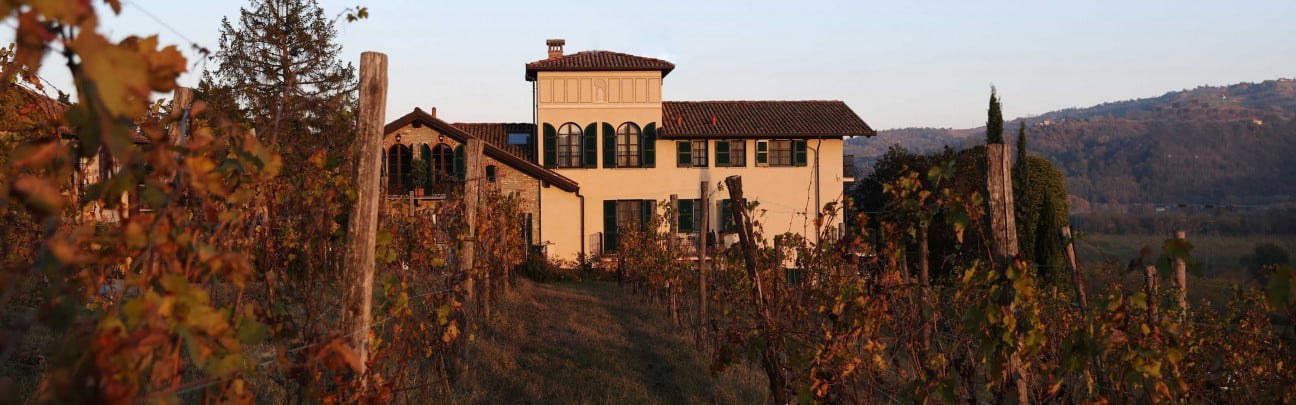
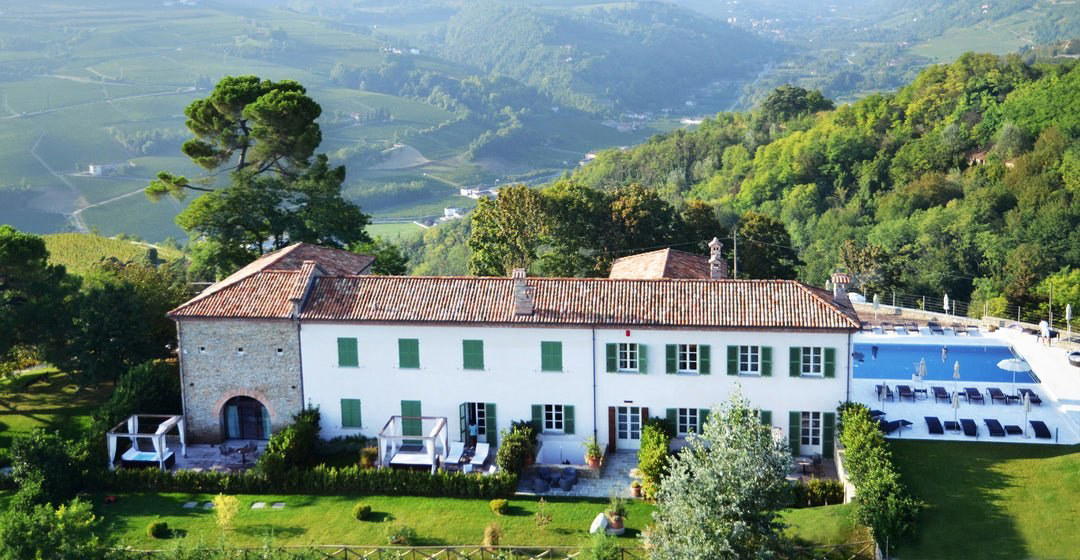
Modern, quality-focused Piedmont estate winery set amid extensive vineyards, combining technological innovation with respect for tradition and framed by colorful pencil vineyard markers that give a playful, distinctive visual identity.