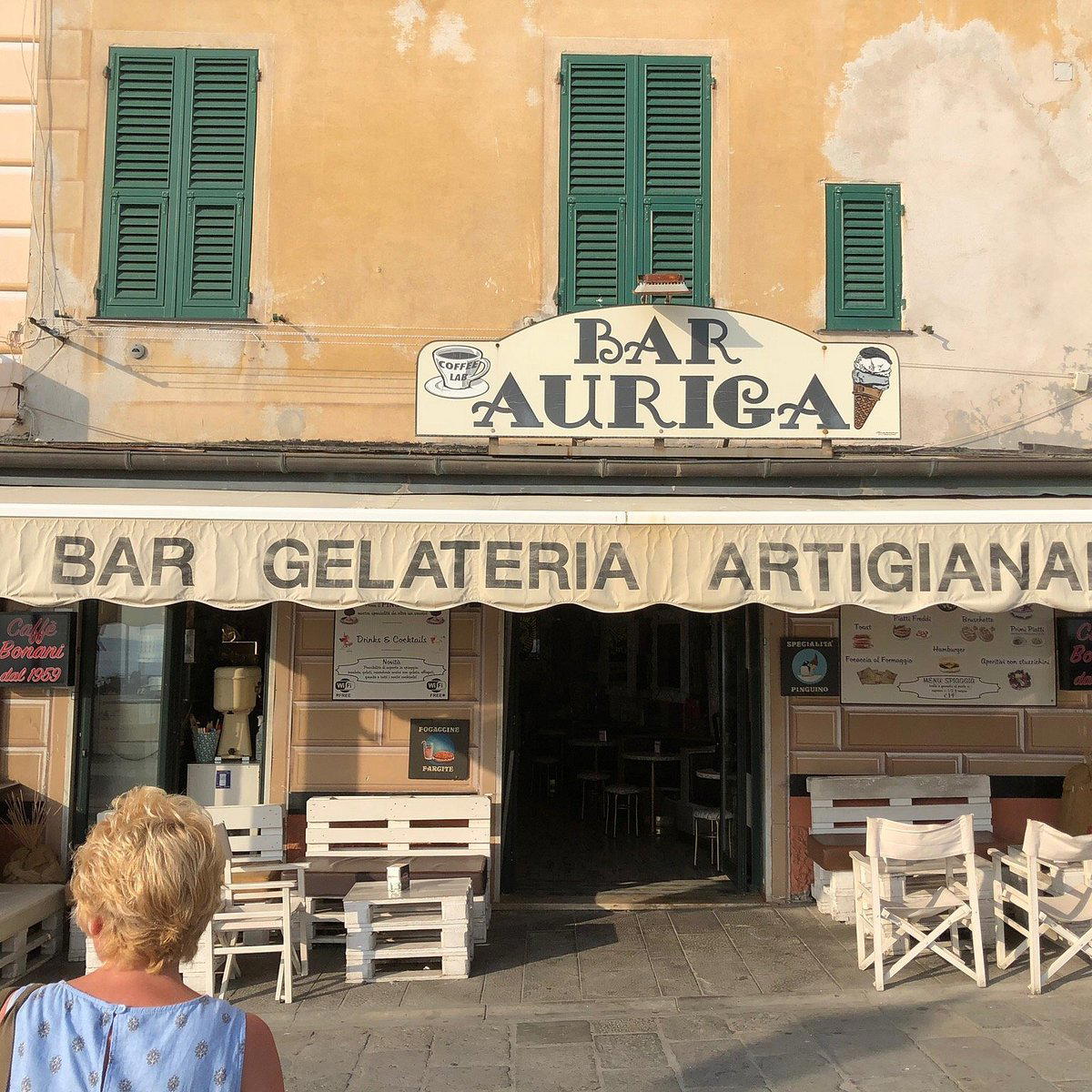
On Via Galata in central Genoa, Pasticceria Tagliafico occupies a place in the city's long tradition of neighbourhood pastry shops where the ritual of a morning coffee and a vetrina of local confections still sets the pace of the day. The format is unhurried, the focus is on Ligurian pastry craft, and the address puts it within easy reach of the historic centre.
Pearl is the En Primeur Club membership app — saves, bookings, and concierge access live there. Same editors, same standards.
- Address
- Via Galata, 31/R, 16121 Genova GE, Italy
- Phone
- +39 010 565714
- Website
- pasticceriatagliafico.it
 Saves & bookings on Pearl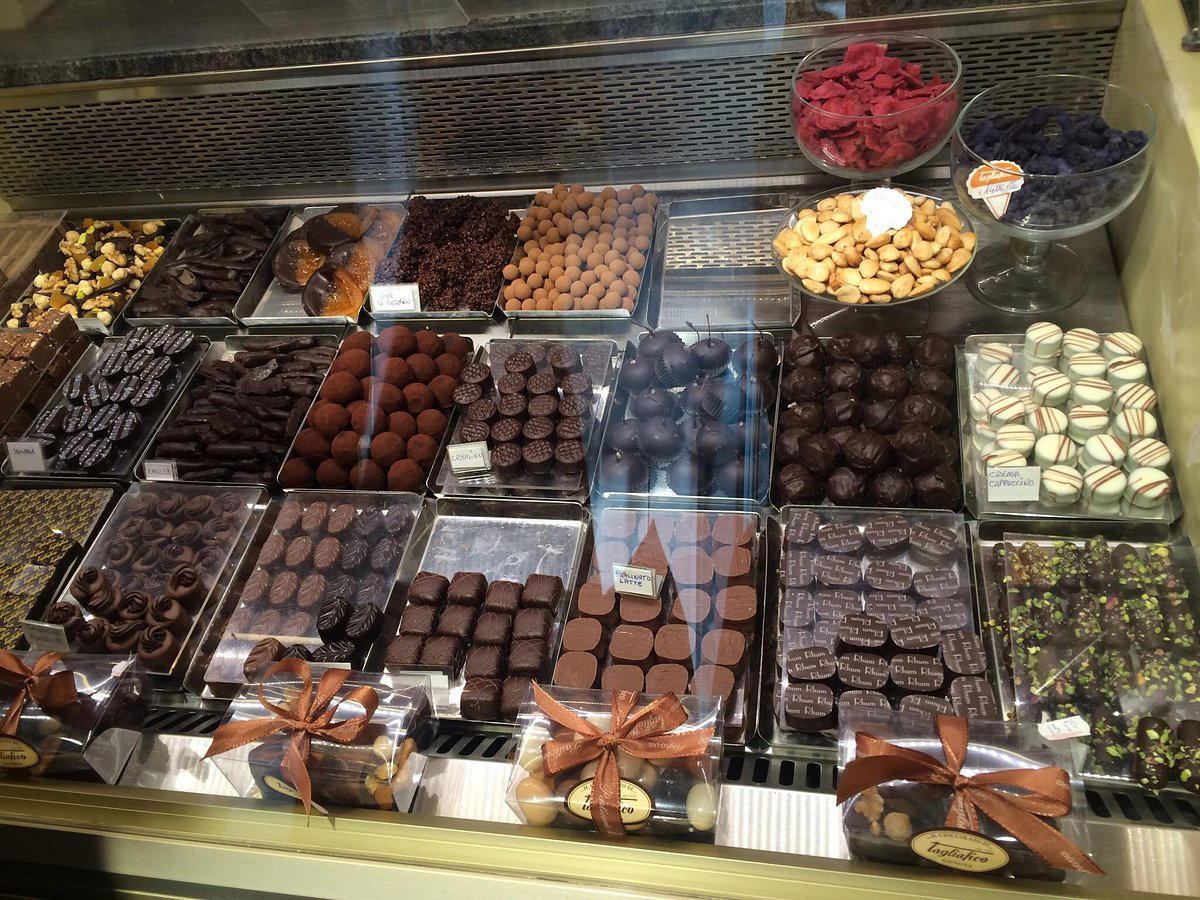
The Ritual Before the Day Begins
In Genoa, the pasticceria is not a destination in the tourist sense. It is infrastructure. The city's older neighbourhoods have sustained a tradition of standalone pastry counters that operate on a rhythm entirely their own: the espresso pulled at 7am, the tray of canestrelli restocked before the morning rush, the brief pause at the bar that functions less as a transaction and more as a moment of civic punctuation. Pasticceria Tagliafico, on Via Galata in central Genoa, sits inside that tradition rather than above it.
Via Galata is one of those mid-city streets that connects the historic caruggi to the more residential quarters without drawing much outside attention. Arriving on foot, you pass the kind of domestic Genoa that doesn't appear in most travel itineraries: the pull-down shutters of the alimentari next door, the brief geometry of a covered passage, the smell of roasted coffee drifting through a half-open door. The format here is the counter, and the counter is the point.
How Genoese Pastry Culture Actually Works
Understanding what a pasticceria like Tagliafico does requires some familiarity with how Ligurian pastry tradition differs from its Milanese or Sicilian counterparts. Genoa's pastry canon is quieter and less theatrical. Where Sicilian confectionery reaches for colour and architectural sugar work, and Milanese pasticcerie often position themselves in dialogue with French technique, the Ligurian approach favours restraint: butter-forward shortcrust, almond and pine nut combinations, dried fruit worked into doughs that hold well in the coastal humidity. The pandolce genovese, a compact yeasted or shortcrust cake dense with dried fruit and fennel seeds, is probably the region's most recognisable export, though it rarely travels well enough to be understood outside its context.
The morning ritual at a Genoese pastry counter carries specific choreography. You stand at the bar. You order your coffee verbally. The pastry, if you want one, is pointed to rather than described at length. There is no tasting menu, no elaborately printed card. The interaction is efficient without being cold, familiar without being theatrical. For visitors accustomed to the slower pacing of a seated café experience, it takes a short adjustment, but the adjustment is part of what makes it worth doing. This is a format that prioritises the regulars, and regulars in Genoa have been eating this way for generations.
Caffè degli Specchi occupies a grander, more formally appointed space that skews toward aperitivo and all-day café culture. Glo Glo Bistrot sits closer to the wine-and-small-plates format that has grown in the city over the past decade. Bagni Santa Chiara operates with a waterfront character quite distinct from the inland pastry shop. Tagliafico, by contrast, functions in a more compressed register: morning-oriented, pastry-centred, neighbourhood-rooted.
The Pastry Counter as Cultural Archive
There is an argument, made more convincingly in Genoa than in most Italian cities, that the independent pasticceria is one of the more reliable guides to a neighbourhood's character. The large-format, branded café chains have made inroads in the city's commercial arteries, but Via Galata sits far enough from the tourist circuits that independent operators have maintained their foothold. What Tagliafico represents is not nostalgia for its own sake but continuity of a specific professional tradition: the family-scale pastry operation that reads its immediate community more than it reads broader hospitality trends.
Placed in a national context, Genoa's pastry scene occupies a quieter corner than the celebrated pasticcerie of Milan or Naples. Italian cities with stronger external hospitality identities, Rome's Drink Kong, Milan's 1930, Naples' L'Antiquario, Florence's Gucci Giardino, tend to attract international coverage in part because their formats translate readily for non-Italian audiences. Genoa's daily pastry culture is harder to export conceptually, which is precisely why it repays the effort of going to find it in person.
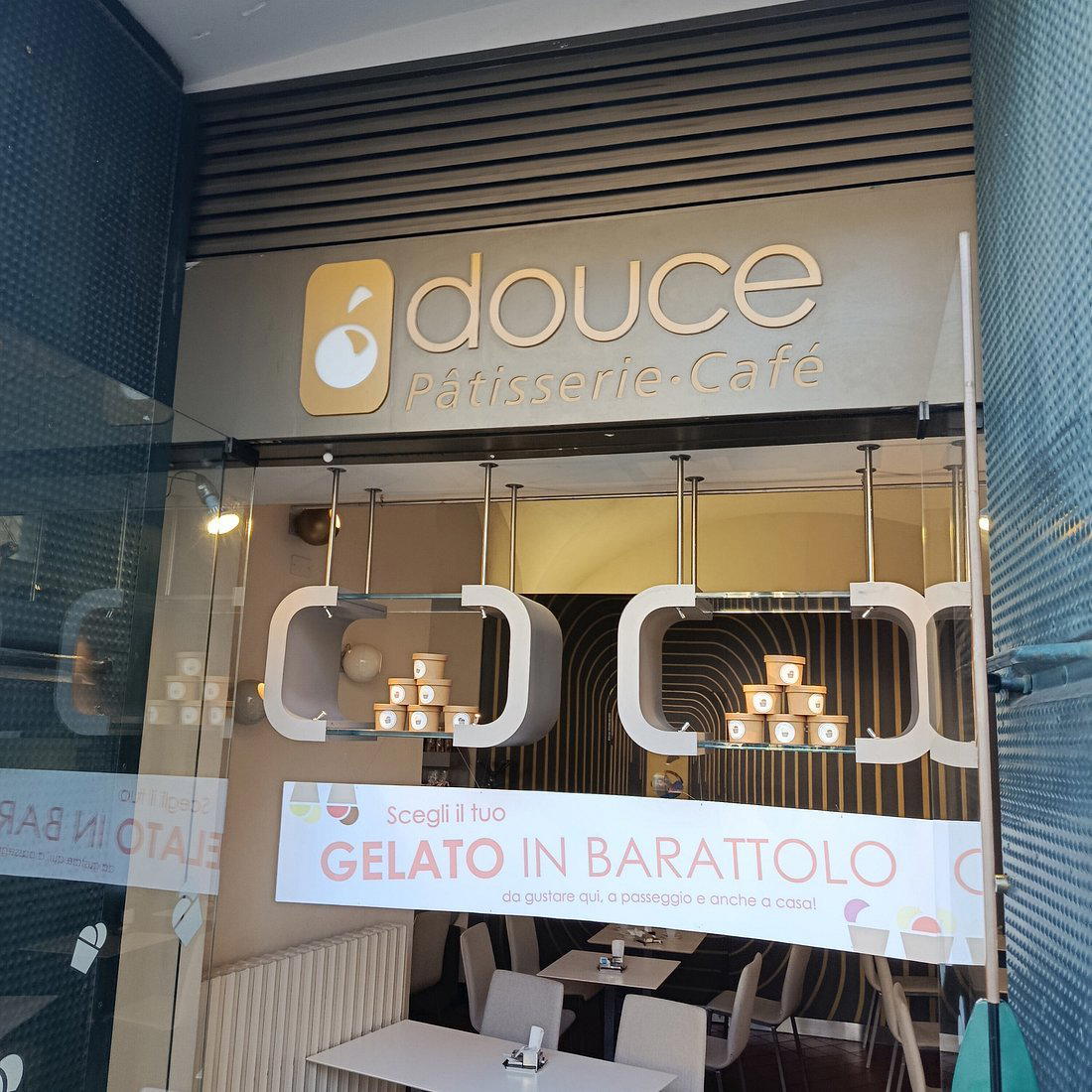
The analogy holds when you look at how other European cities handle similar institutions. Douce Pâtisserie Café, also in Genoa, operates with a more explicitly French-influenced format that positions its product differently for a clientele already accustomed to reading pastry in those terms. Tagliafico makes no such translation. The vocabulary is local, and the assumption is that you already know the words.
Planning the Visit
Pasticceria Tagliafico is located at Via Galata, 31/R, in the 16121 postal zone of central Genoa, within walking distance of Piazza della Vittoria and accessible from Brignole railway station on foot in under ten minutes. The pasticceria format in Genoa generally runs on morning hours, with the period between 7am and 11am representing the core of the daily trade. Visiting outside that window often means a diminished selection and, more importantly, missing the social context that gives the format its meaning. The pasticceria is walk-in friendly, consistent with the counter-service nature of the operation. This is not a venue that requires, or would benefit from, advance reservation.
Visitors interested in how this kind of local counter culture compares across geographies might also look at Al Covino in Venice, which operates with a similarly compressed, specialist focus in a neighbourhood context, or Lost & Found in Nicosia and Bar Leather Apron in Honolulu for examples of how specialist formats hold their identity against broader hospitality noise in smaller cities.
Cuisine-First Comparison
Comparable venues nearby, for context on price, style, and recognition.
| Venue | Cuisine | Price | Awards | Notes |
|---|---|---|---|---|
| Pasticceria TagliaficoThis venue — the venue you are viewing | Bar | $$ | , | |
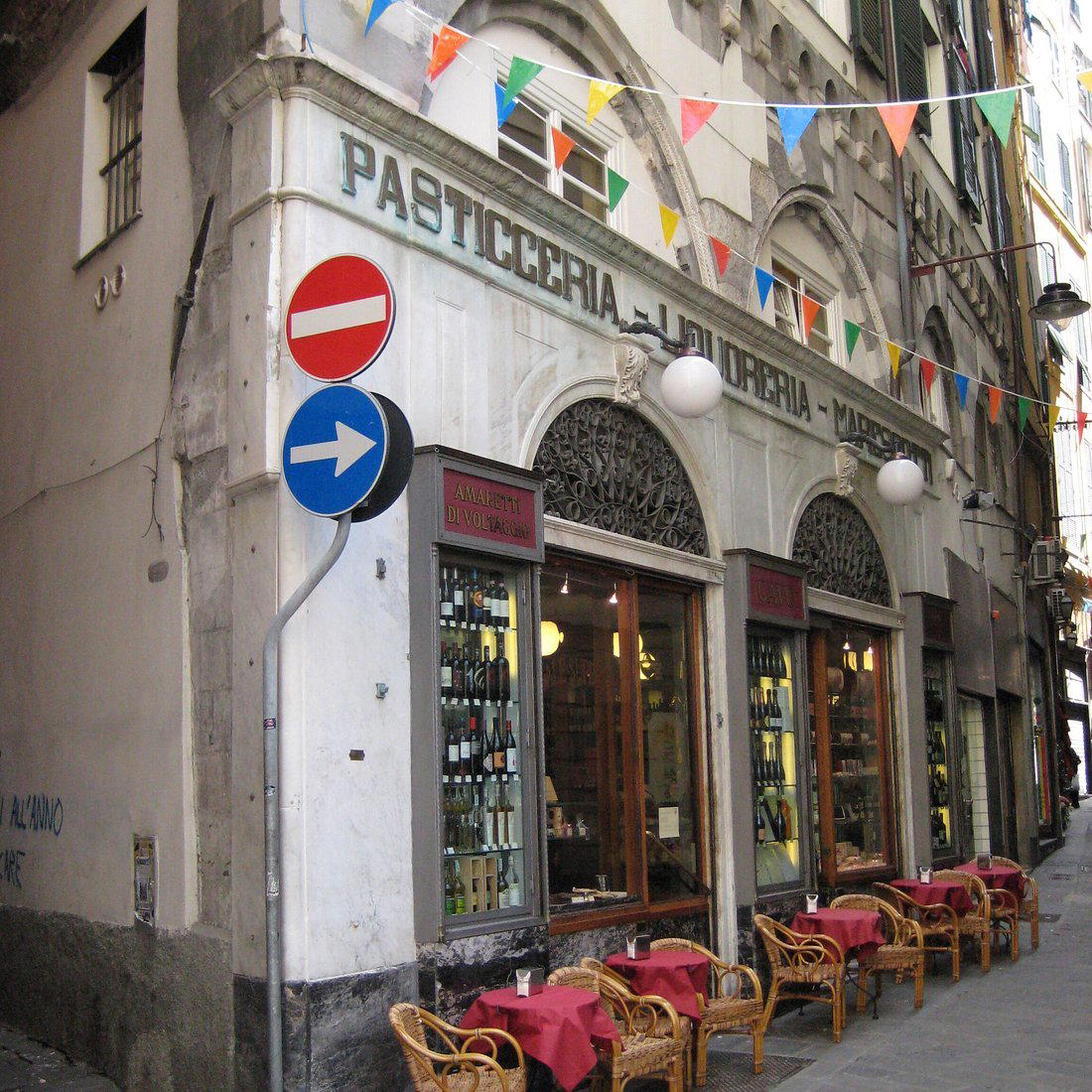
| Pasticceria Liquoreria Marescotti | Bar | $$ | , | medieval quarter |
| Glo Glo Bistrot | wine_bar | $$ | , | Piazza Lavagna |
| Les Rouges Cucina & Cocktails | cocktail_bar | $$$ | , | Sottoripa |
| Muá | cocktail_bar | $$ | , | near Piazza Ferrari |
| Douce Pâtisserie Café | Bar | $$ | , | Historic Center |

At a Glance
- Classic
- Cozy
- Casual Hangout
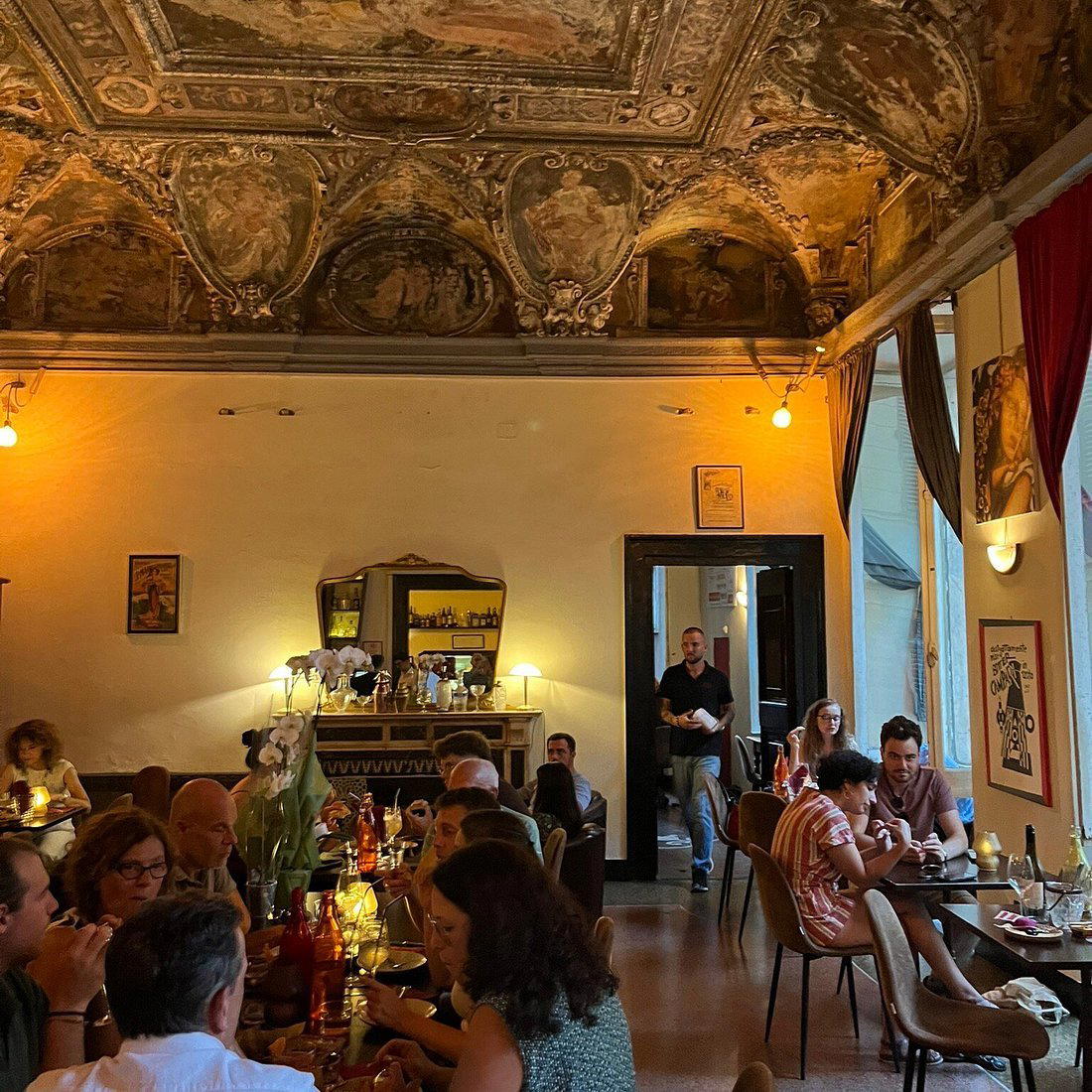
- Historic Building
- Counter Only
Classic and cozy atmosphere ideal for breakfast with excellent bakery products.