
A small family-run Langhe estate near Alba, Adriano Marco & Vittorio is strongest for visitors who want Barbaresco context rather than cellar-door theatre. The draw is terroir: Nebbiolo, Barbera, Sauvignon Blanc and Moscato from a rural estate where vineyards, hazelnuts and forest sit in the same agricultural frame.

Pearl is the En Primeur Club membership app — saves, bookings, and concierge access live there. Same editors, same standards.
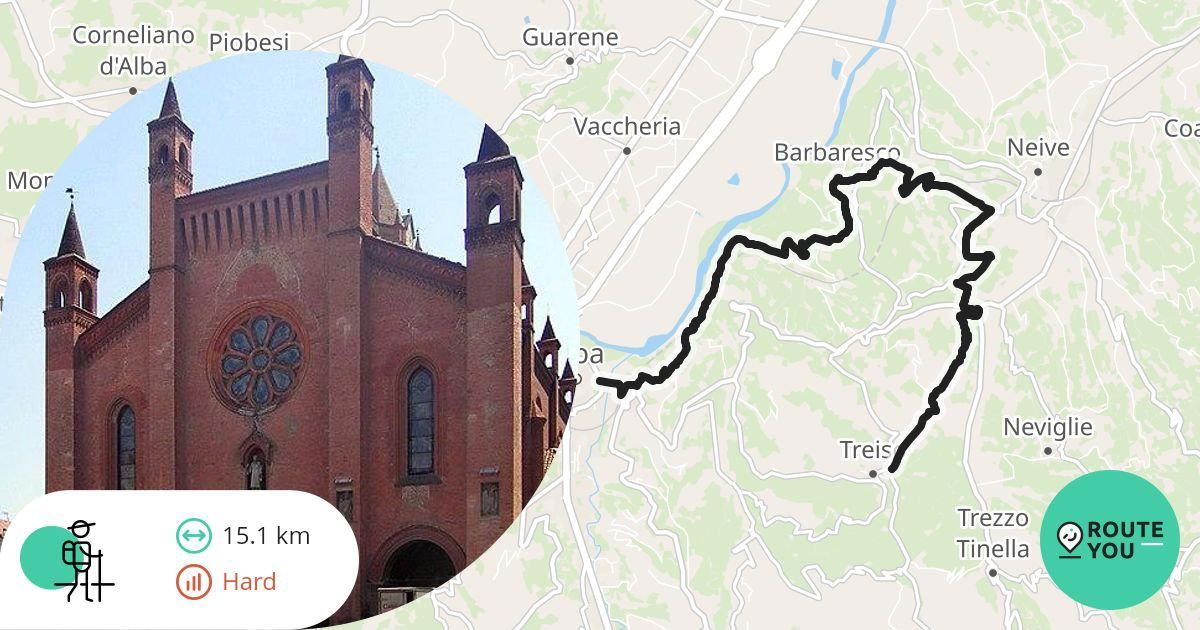
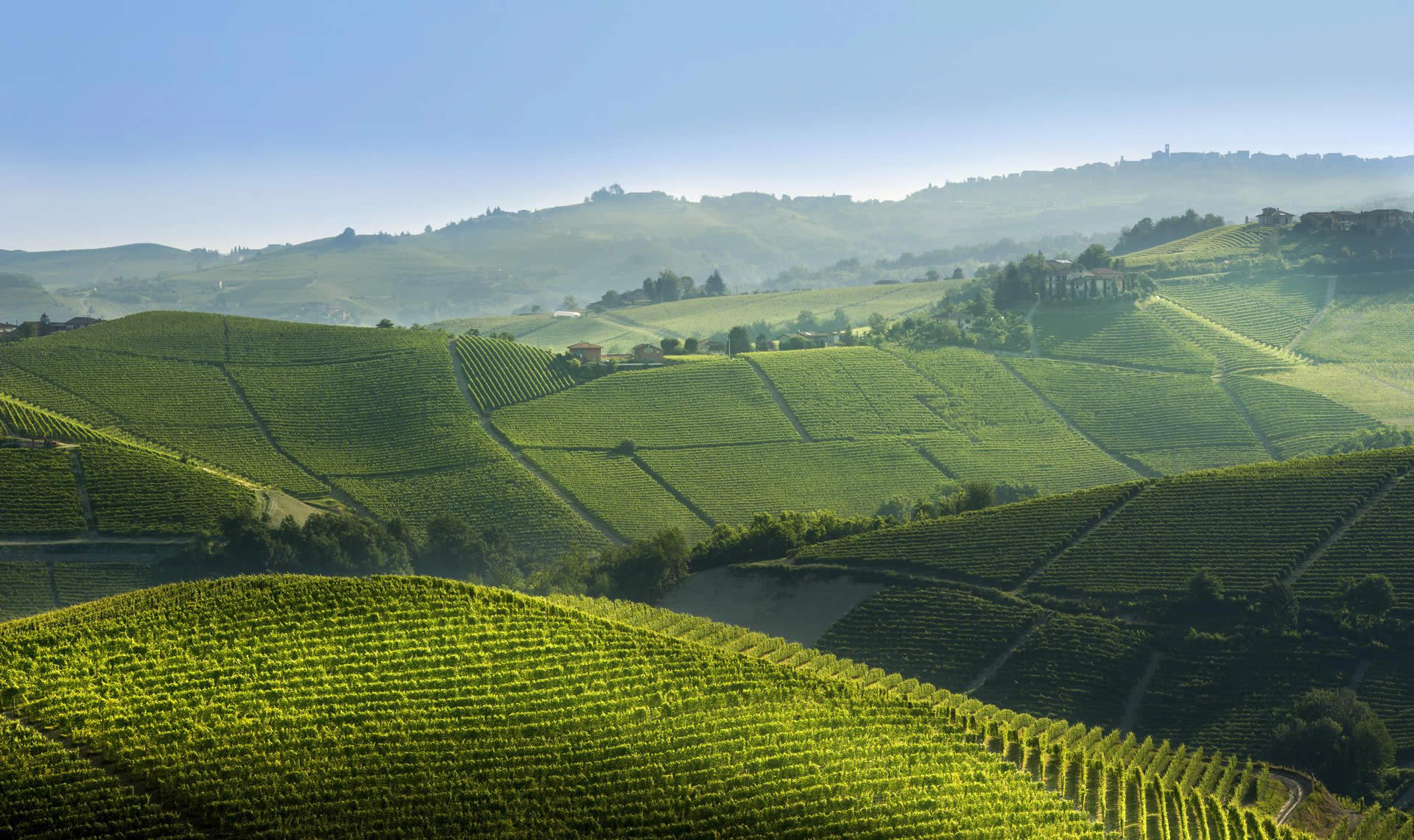
Approach the Langhe through its working slopes and the region starts to explain itself before a glass is poured: vines, hazelnut groves, pockets of woodland, and the disciplined quiet that surrounds serious Nebbiolo country. Adriano Marco & Vittorio belongs to that rural register. This is not the glossy end of Piedmont wine tourism; it is the smaller, family-run side of the Barbaresco orbit, where the appeal lies in reading the land through the estate’s wines rather than treating the visit as a staged performance.
Alba is often used as the practical base for truffles, restaurants and cellar visits, but the wine culture around the city is more granular than a simple Barolo-versus-Barbaresco split. The surrounding hills hold producers working across Langhe DOC, Barbaresco DOCG, Barbera d’Alba DOC Superiore and Moscato d’Asti DOCG, with each appellation carrying a different tempo at the table. Nebbiolo asks for patience and structure; Barbera brings acidity and utility; Moscato keeps its place in the region’s sweet, aromatic tradition. At Adriano Marco & Vittorio, that range is not an accessory to the visit. It is the point.
Barbaresco country, read through estate farming
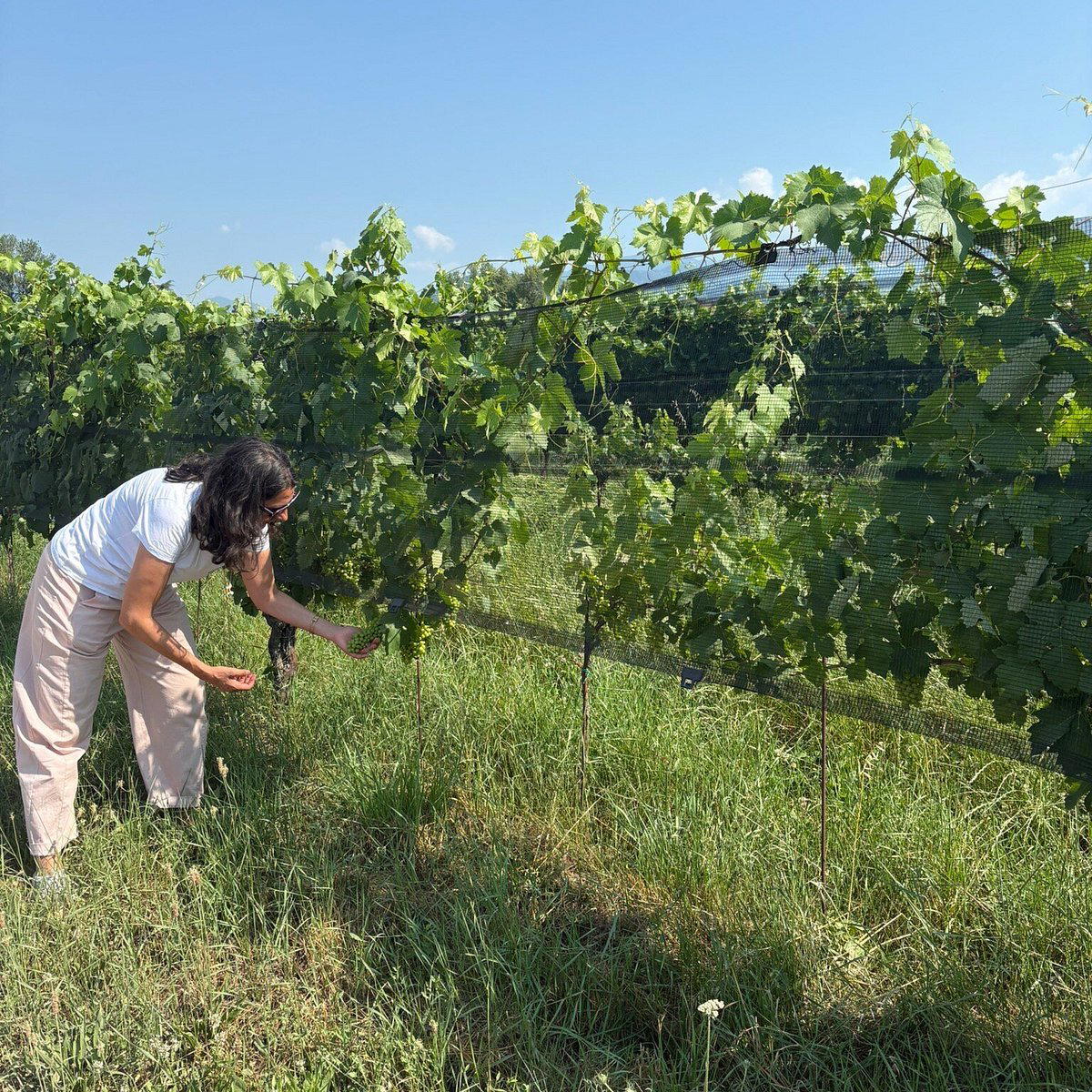
The estate’s scale gives the tasting context. Its land is divided across 50 hectares, with 30 hectares planted to vines, 10 hectares to hazelnuts and 10 hectares kept forested or fallow. That mix matters in the Langhe, where wine is often discussed as if vineyards alone define the place. Here, the agricultural setting widens the frame: hazelnuts connect the estate to another Piedmont staple, while woodland supports biodiversity and truffle habitat. For travelers, it makes the visit feel less like a tasting-room stop and more like a working farm embedded in a broader food region.
The vineyard roster is firmly Piedmontese, led by Nebbiolo and Barbera, with Sauvignon Blanc and Moscato adding range. One serious reference point is Barbaresco DOCG, especially the Basarin cru bottling from Neive, a site associated with grey tufa stone marl and a south-east-facing slope. Those details are not decorative. In Barbaresco, small differences in exposure, soil and slope shape the way Nebbiolo carries tannin, perfume and age-worthiness. The estate also works with Sanadaive for Barbaresco, reinforcing a single-vineyard language rather than reducing the region to a generic Nebbiolo label.
There is history here, but it should be read through continuity rather than nostalgia. The family’s winegrowing roots reach back to the early 1900s, and the current chapter began when Marco and Vittorio Adriano took over in 1994 and began bottling under the Adriano label. That shift from grape-growing to estate bottling mirrors a broader Langhe story: families who once supplied fruit increasingly chose to put their own names on the bottle, making vineyard identity and farming decisions more visible to drinkers.
Nebbiolo leads, but the portfolio explains the Langhe better than one bottle
Barbaresco tends to dominate the conversation, and for good reason. The estate’s 2017 Basarin Barbaresco received a 93-point rating from Cru Barbaresco, while the 2020 Basarin was produced in a run of 1,800 cases, with 400 imported. Those numbers place the wine in the realm of serious interest without turning it into an allocation-only trophy. For a visitor building context around Alba, that balance is useful: the wines have enough critical and distribution signal to matter, but the estate remains close to its agricultural roots.
Still, the more revealing tasting is not only about chasing Nebbiolo. Barbera d’Alba DOC Superiore gives a different reading of Piedmont, one driven less by tannic architecture and more by acidity and everyday table logic. Moscato d’Asti DOCG brings the region’s aromatic, low-pressure sweetness into view, while Langhe Sauvignon Blanc shows how international varieties can sit inside a local farming system without becoming the headline. Taken together, the portfolio makes a stronger argument than any single cuvée: the Langhe is not a one-grape region, even when Nebbiolo sets the hierarchy.
The cellar approach follows a traditional register. Barbaresco’s mandated long aging period keeps time at the centre of the category, and the estate uses an underground cellar level built with Langa stone and old brick to maintain stable conditions. That sort of infrastructure is easy to romanticise, but its value is practical: wine regions with warm summers and cool winters depend on controlled, patient maturation, especially when Nebbiolo is expected to move from firm youth into bottle age.
Who should put it on an Alba wine itinerary
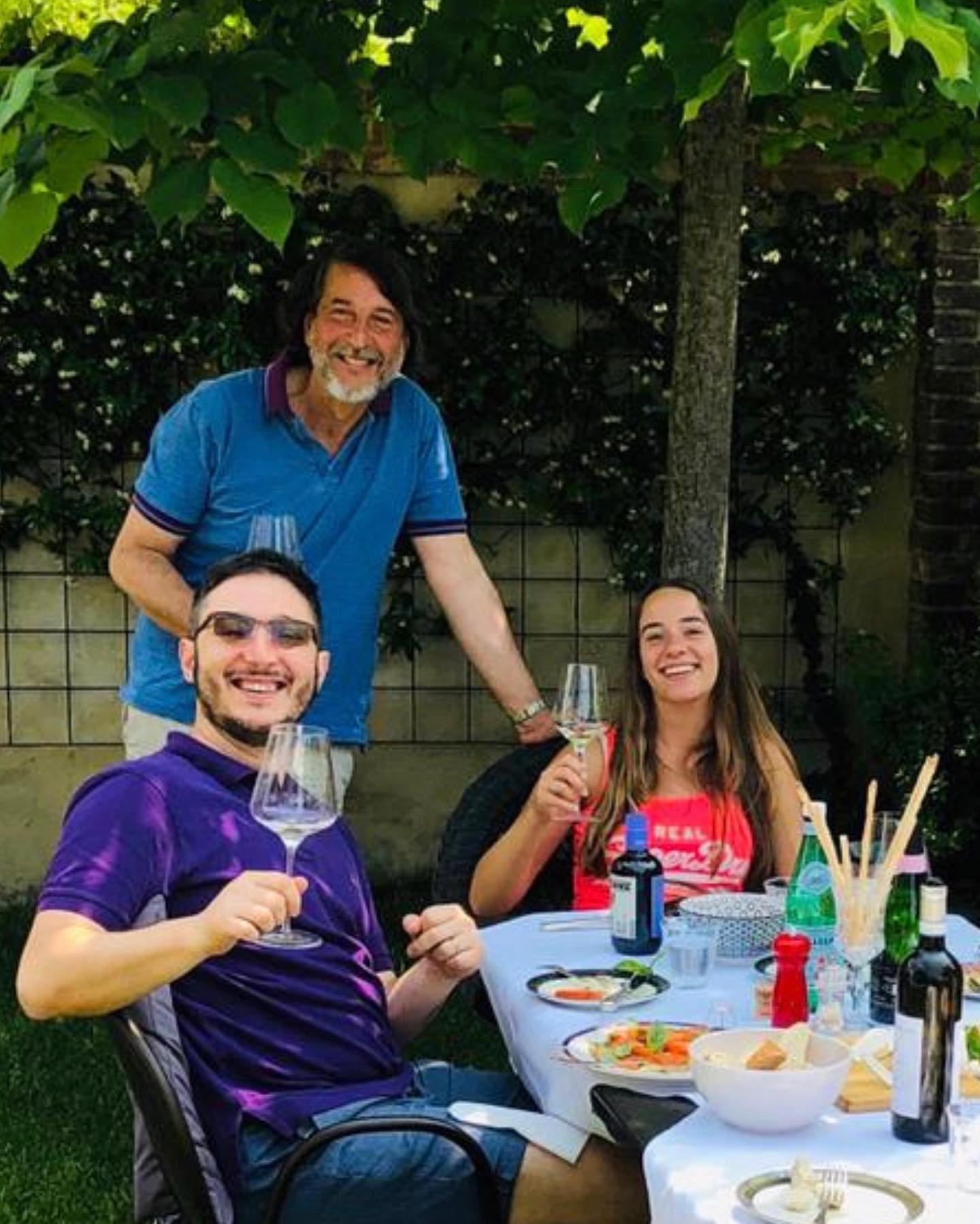
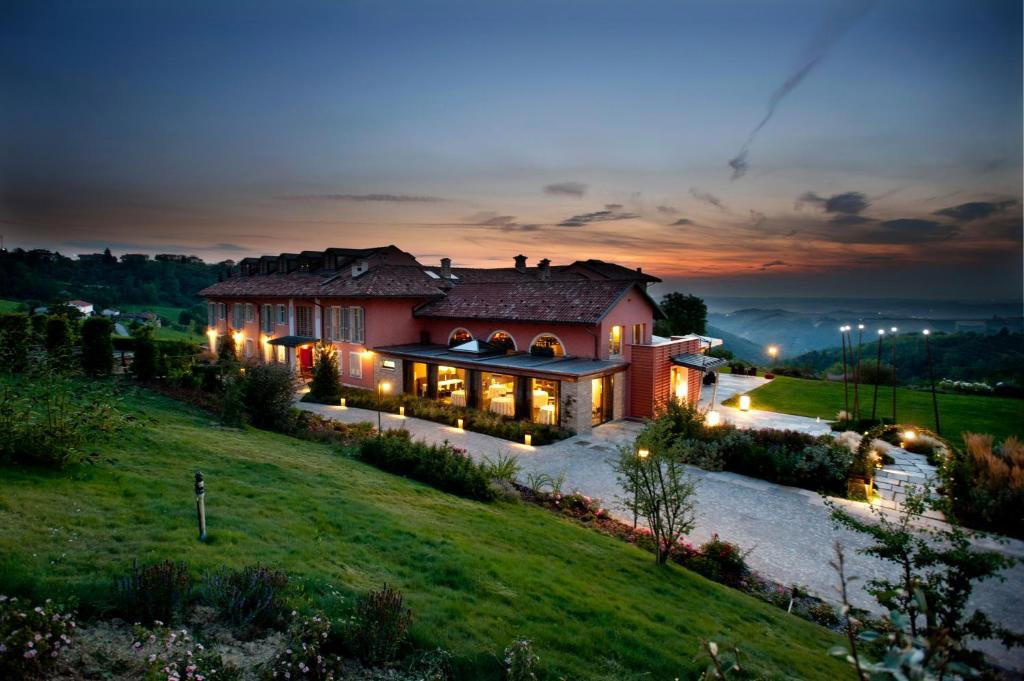
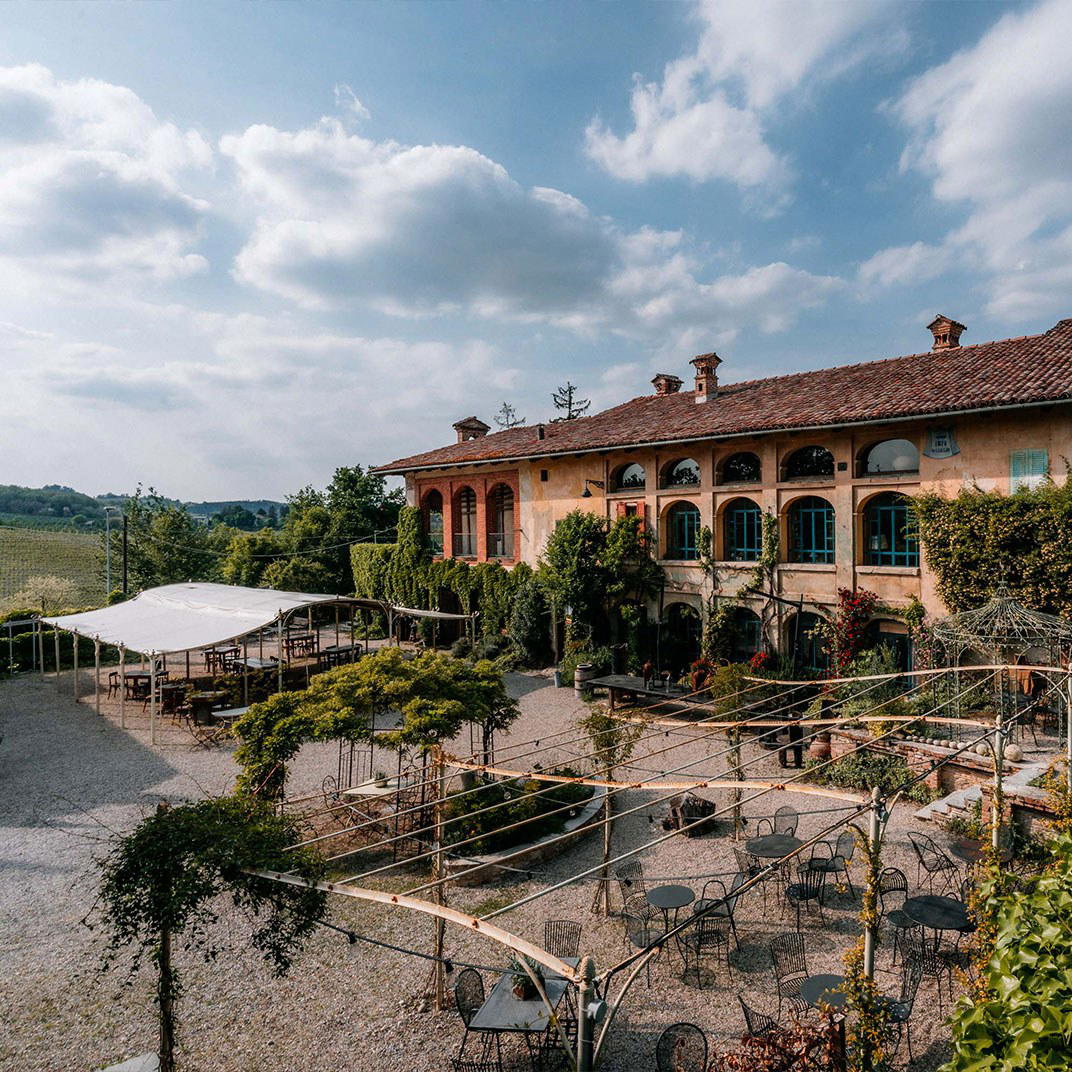
This is a strong fit for travelers who want a quieter winery experience with education built into the format. Guided and private tastings, vineyard elements, estate grounds and a garden setting suit visitors who prefer conversation and context over spectacle. Families and small groups are also well served by the rural pace, especially when the aim is to understand how Barbaresco vineyards, hazelnuts and local food traditions sit together around Alba.
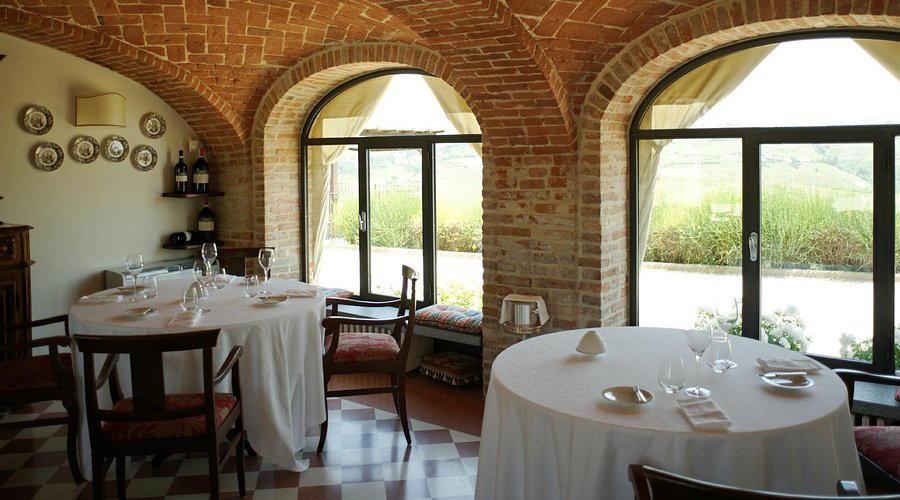
The experience is better framed as terroir study than luxury polish. The style is classic and rustic, with a calm atmosphere and a casual dress code. On-site parking and English or Italian tour options make the logistics easier for wine travelers using Alba as a base, while the 1-2 hour visit length keeps it workable within a day that might also include restaurants, a truffle-focused experience or another cellar. For broader planning, use Our full Alba wineries guide, then cross-check dining and stay options through Our full Alba restaurants guide, Our full Alba hotels guide, Our full Alba bars guide and Our full Alba experiences guide.
Within Alba’s winery scene, the useful editorial distinction is scale and mood. Travelers mapping different cellar styles may also look at Azienda Agricola Lano Gianluigi, Azienda Agricola Pietro Rinaldi, Azienda Vitivinicola Cascina Casanova, Ceretto and Ceretto Aziende Vitivinicole. For a wider European wine-country contrast beyond Piedmont, compare the itinerary logic with 3GP SRL in Treviso, 47 Anno Domini in Trebaseleghe, A Mano Wine in Noci, »der Steiner« Hans Steiner in Podersdorf am See and & Handwein in Mannheim.
Recognition history
Dated appearances from independent guides and award organizations, with the underlying list record or original source where available.
Falstaff Winery - Listed
Falstaff
Continue exploring
More in Alba
Wineries in Alba
Browse all →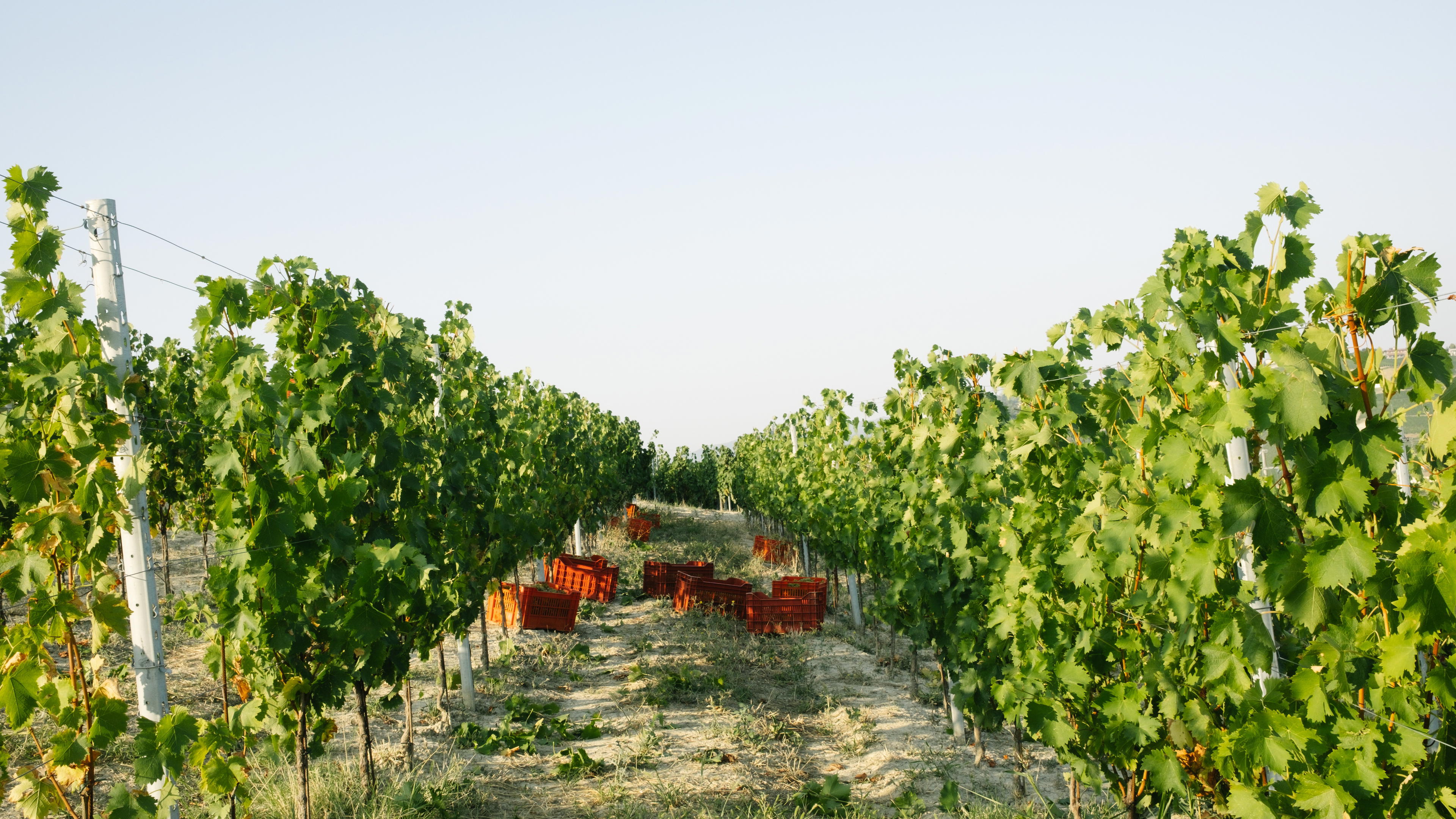
Bars in Alba
Browse all →
Restaurants in Alba
Browse all →
At a Glance
- Classic
- Rustic
- Quiet
- Cozy
- Wine Education
- Family
- Group Outing
- Special Occasion
- Solo Exploration
- Vineyard Tour
- Estate Grounds
- Garden
- Historic Building
- Private Tasting
- Vineyard
A small, family-run Langhe winery set amid Barbaresco vineyards in San Rocco Seno d’Elvio, with a traditional, terroir-focused character and a garden/pastoral feel from guest reviews.