Pian delle Vigne

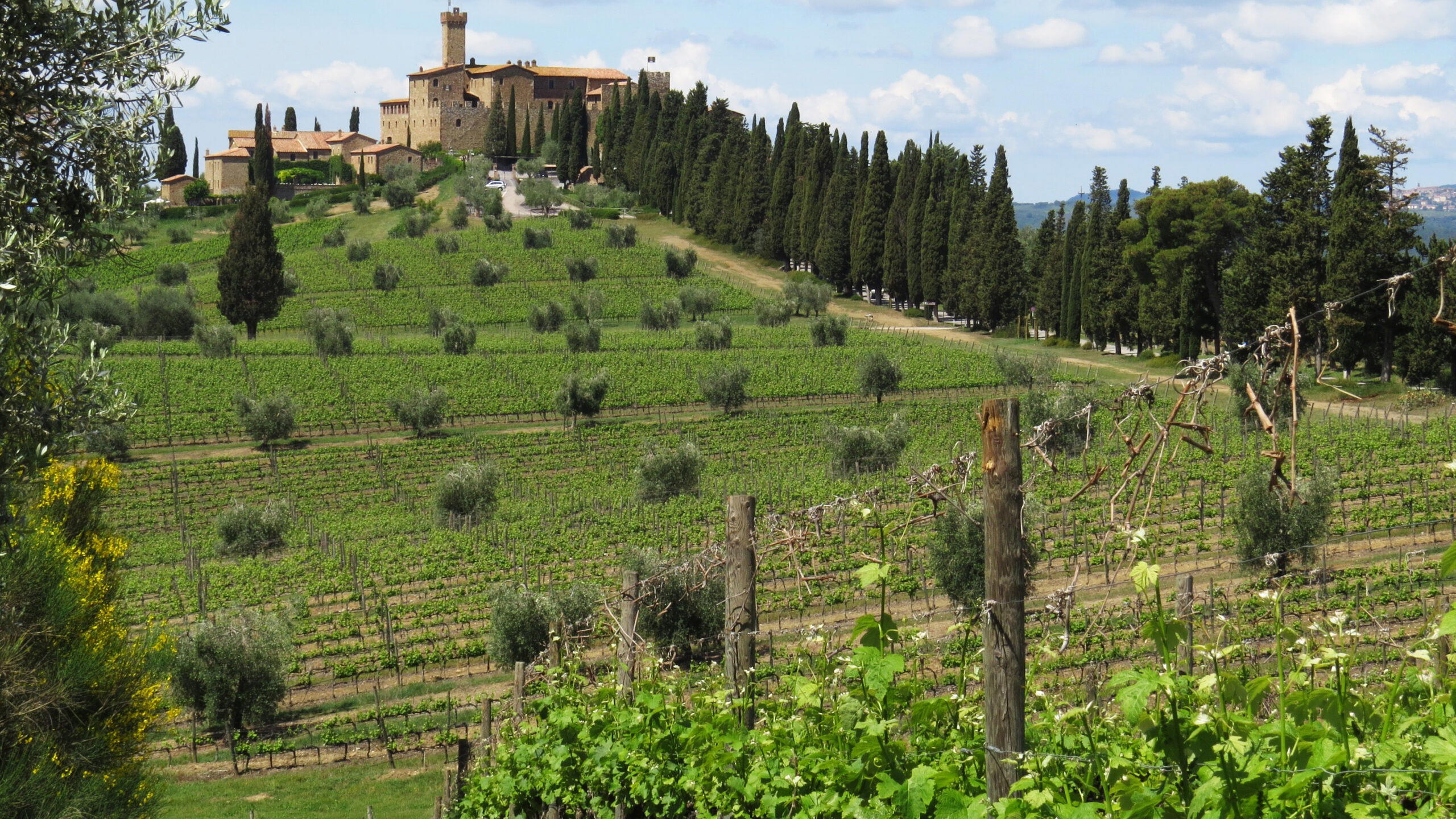
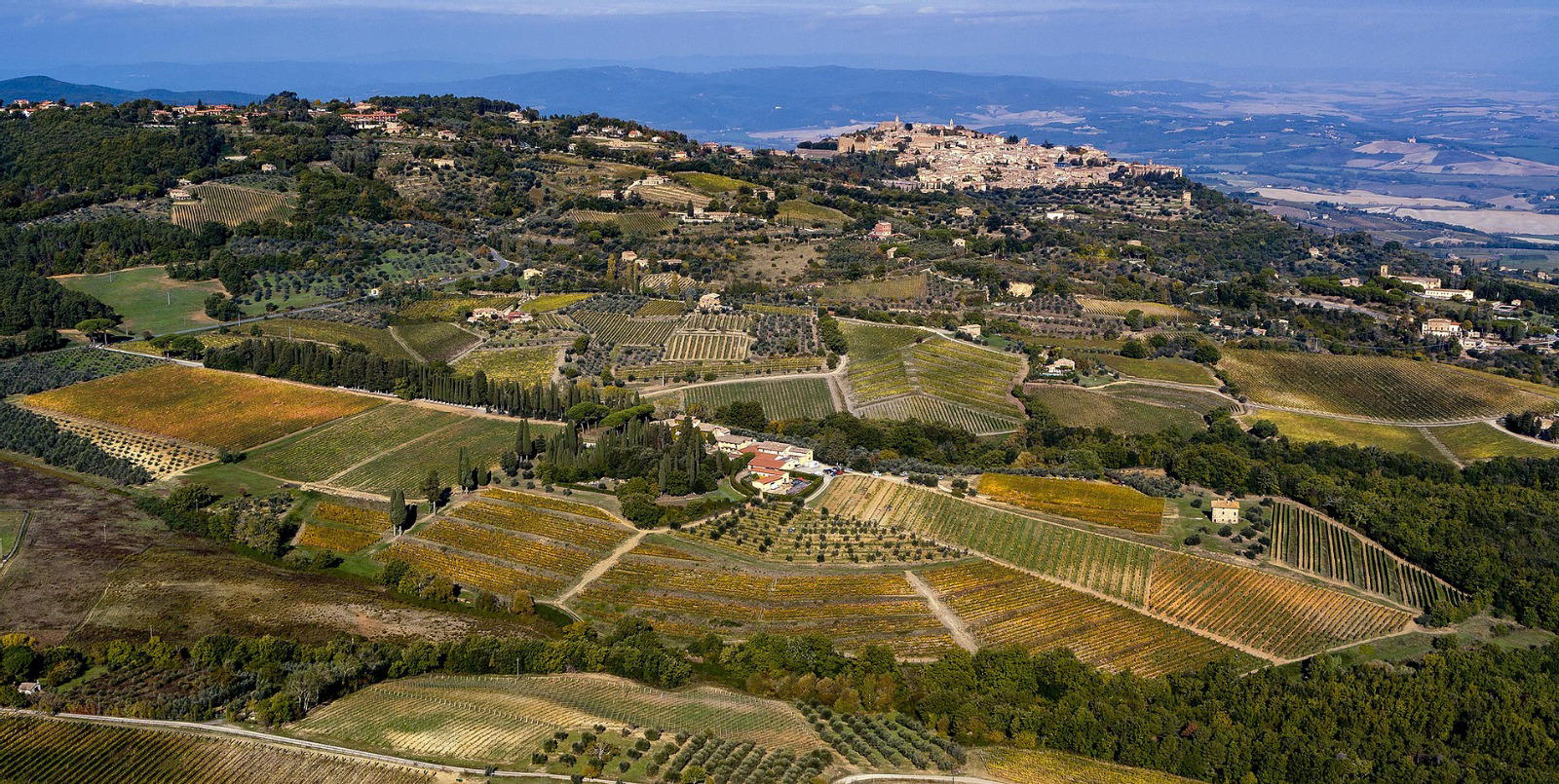
Pian delle Vigne is Antinori’s Montalcino estate for Brunello, acquired in 1995 and built around Sangiovese, vineyard exposure, and large-cask aging. The experience is quiet and site-led: vineyards, cellar context, and a concise portfolio that moves from Rosso di Montalcino to Brunello DOCG and Riserva.
Pearl is the En Primeur Club membership app — saves, bookings, and concierge access live there. Same editors, same standards.
- Address
- Montalcino, Siena, Italien
- Directions
- Get directions
 Saves & bookings on Pearl
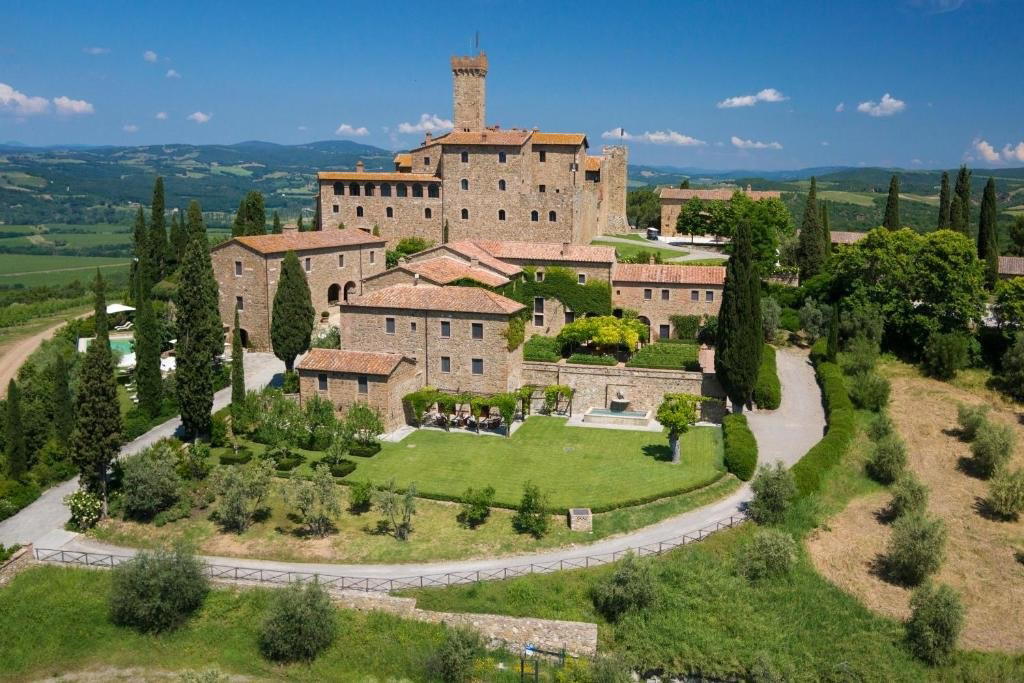
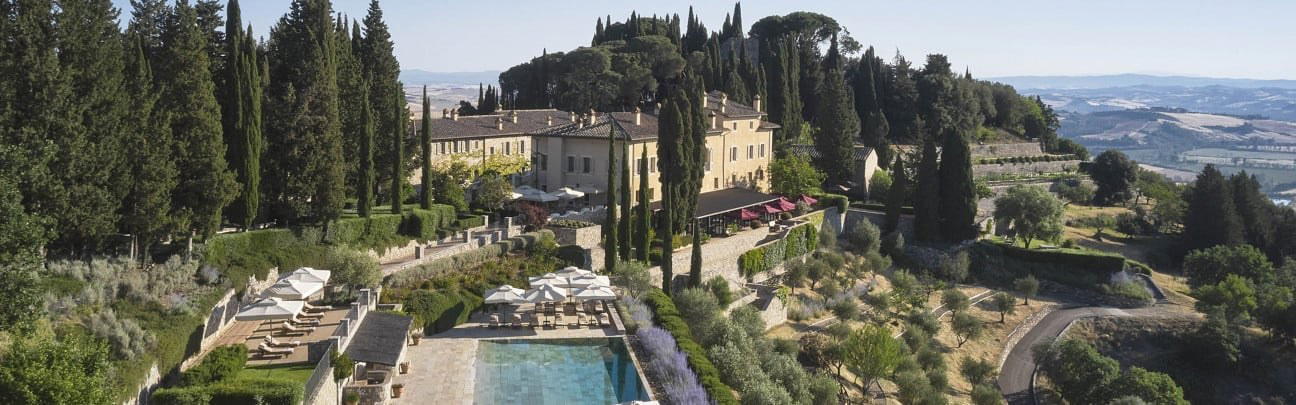
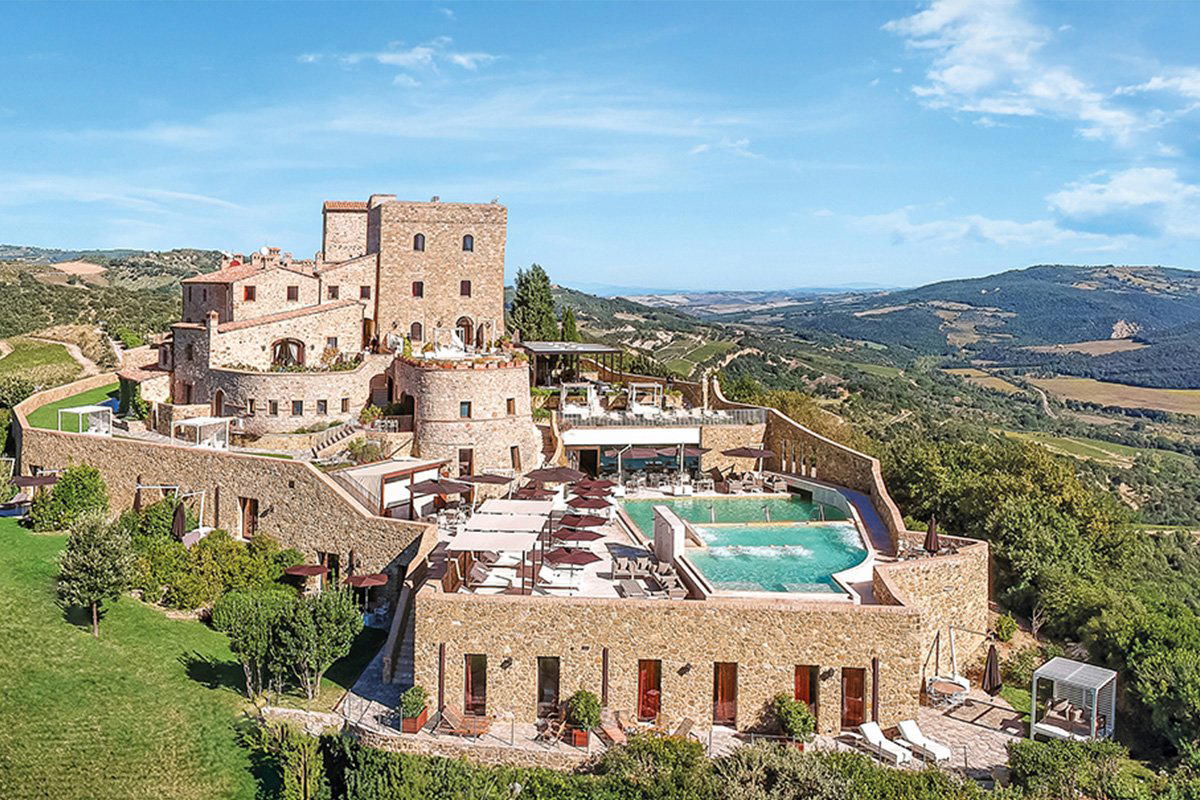
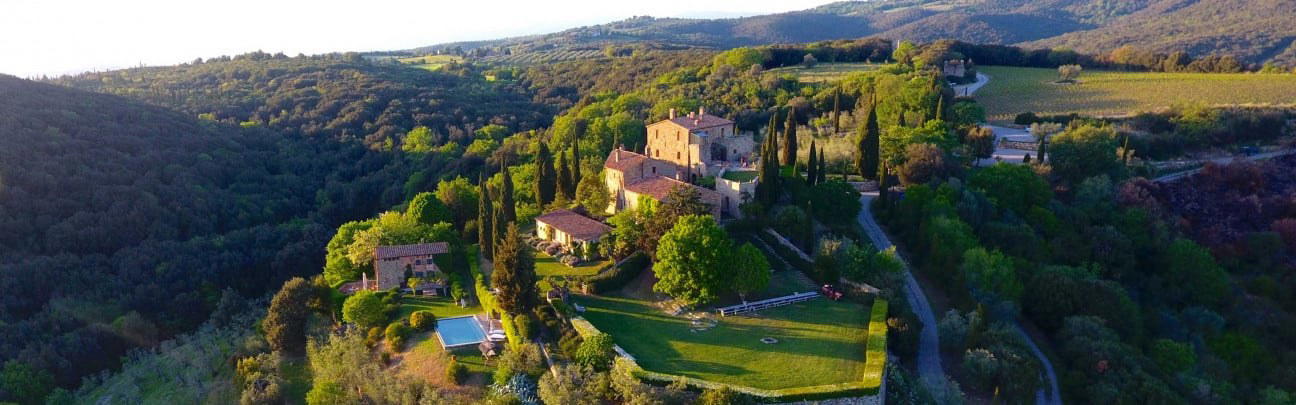
In Montalcino, Pian delle Vigne is best framed as a vineyard-centered estate rather than a high-gloss spectacle. The picture is spare but evocative: Sangiovese vineyards, a quietly cinematic atmosphere, a historic reference to a 19th-century railway-station namesake, and a tradition of large-cask aging. Those elements give the venue a clear sense of identity without needing a long list of embellishments. It is the kind of place where the landscape, the grape, and the historic mood do most of the work.
For travelers planning a premium wine stop, the appeal is the setting and tone. Pian delle Vigne reads as classic, quiet, scenic, elegant, and historic, with the focus kept on the estate landscape and the sense of place around Montalcino. It is not presented here as a destination built around spectacle, novelty, or elaborate claims. Instead, the draw is more restrained: a Montalcino estate experience grounded in Sangiovese, vineyard views, and a traditional approach to aging that fits naturally with the area’s wine identity.
Sangiovese, scenery, and large-cask tradition
A reliable way to describe Pian delle Vigne is through the elements already at the center of its profile: Sangiovese vineyards, a historic estate identity, and large-cask aging traditions. Each of those details matters because they keep the emphasis on the fundamentals of the place. Sangiovese establishes the wine context, the vineyard setting establishes the visual and geographic context, and the large-cask tradition adds a sense of continuity and restraint.
The atmosphere is part of the draw. Rather than a loud or theatrical experience, the estate is characterized by a quiet, scenic, elegant mood shaped by vineyard views and a historic reference embedded in its name. That combination makes the experience feel more contemplative than performative. Visitors considering it should think in terms of landscape, texture, and pacing: the appeal is in the calm impression of Montalcino, the visual rhythm of the vineyards, and the feeling of being in a place whose identity is tied to both wine and history.
Grounded facts support a vineyard-focused Montalcino estate experience at a listed price of $65 per person. That price point places it firmly in the category of a planned wine stop rather than an incidental drop-in, and it is best evaluated on the basis of the specific qualities described here: Sangiovese, scenery, historic atmosphere, and large-cask tradition. The value is not presented as a matter of extras or elaborate add-ons, but as a composed estate experience with a clear and classic profile.
A historic estate mood in Montalcino
The winery’s identity is tied to Montalcino, Sangiovese vineyards, and a 19th-century railway-station namesake. That combination gives the estate a distinctive historic frame without needing to rely on claims about ownership history, production scale, awards, or exact vineyard specifications. The railway-station reference is especially useful as a piece of atmosphere: it suggests a name with memory and place attached to it, reinforcing the sense that this is not just a generic tasting address but an estate with a particular historic mood.
The useful planning takeaway is simple: expect a classic and scenic Montalcino estate atmosphere. The description points to quiet elegance rather than a high-energy social setting. For some travelers, that restraint will be precisely the attraction. The winery is best approached with the expectation of a composed wine-country stop, where the experience is shaped by the surrounding vineyards and the understated tone of the estate rather than by overt entertainment or dramatic presentation.
That restraint is intentional. The safest way to understand the venue is not through comparison or competitive positioning, but through its own confirmed themes: Sangiovese, Montalcino, a historic naming reference, scenic quiet, and large-cask aging traditions.
How to place it within a Montalcino wine itinerary
Within a Montalcino itinerary, the winery works as a calm, vineyard-centered stop with historic character. The confirmed price is $65 per person, and the strongest themes are Sangiovese, large-cask aging traditions, and a scenic estate atmosphere. It is therefore well suited to travelers who want a wine experience that feels anchored in place and tradition, with an emphasis on the vineyard landscape rather than a more crowded or animated format.
For a broader day in Montalcino, pair the estate with other local dining, lodging, bar, or experience options generically rather than relying on comparisons. In practical terms, it should be treated as a premium, quiet wine stop whose identity is already sufficiently defined by the essentials: Montalcino setting, Sangiovese vineyards, historic resonance, and the measured elegance of large-cask tradition.
Recognition history
Dated appearances from independent guides and award organizations, with the underlying list record or original source where available.
Falstaff Winery - 4 Stars
Falstaff
Continue exploring
More in Montalcino
Wineries in Montalcino
Browse all →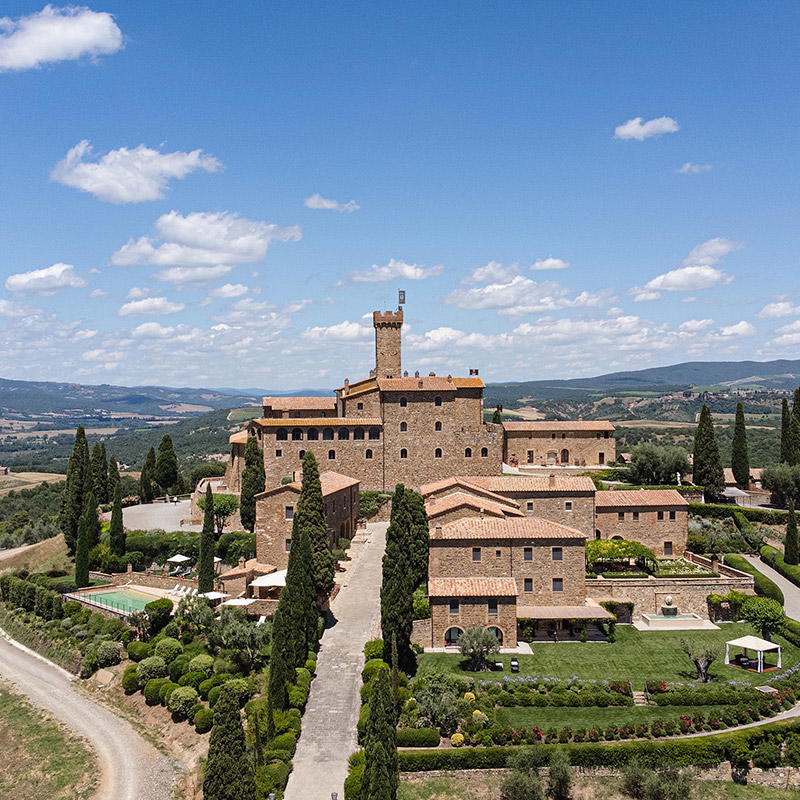
Bars in Montalcino
Browse all →
Restaurants in Montalcino
Browse all →
At a Glance
- Classic
- Quiet
- Scenic
- Elegant
- Historic
- Wine Education
- Special Occasion
- Solo Exploration
- Group Outing
- Vineyard Tour
- Estate Grounds
- Historic Building
- Private Tasting
- Vineyard
- Brunello Di Montalcino DOCG
- Sangiovese
- Still Red
- Guided Tasting
- Estate Tasting
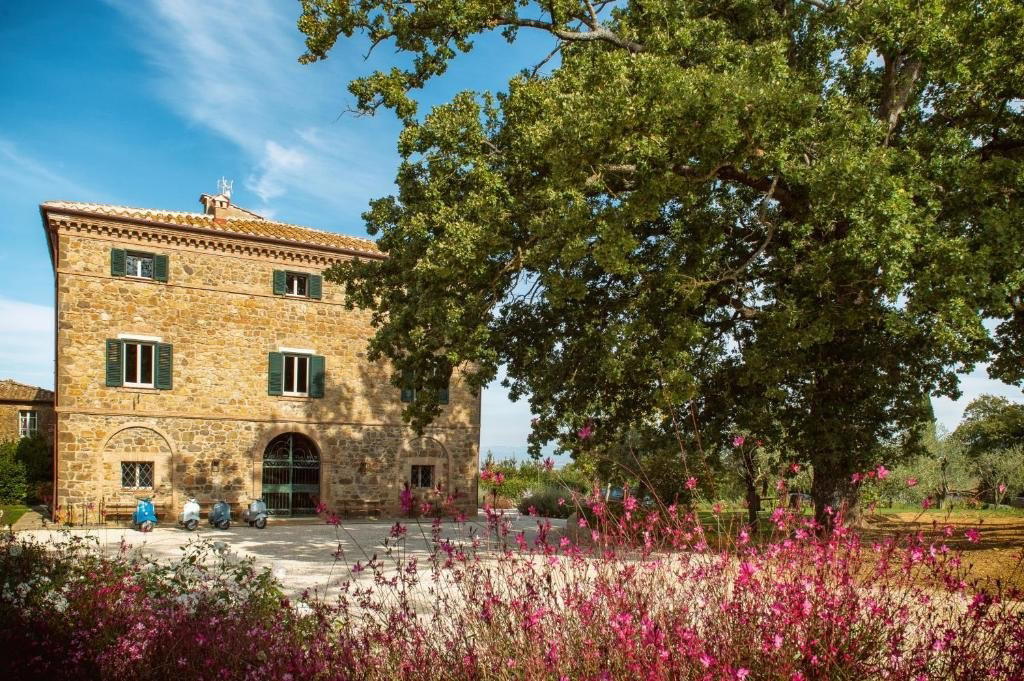
A historic, vineyard-centered estate with a quietly cinematic atmosphere shaped by Sangiovese vineyards, a 19th-century railway-station namesake, and large-cask aging traditions.