Meteor Vineyard
The address at 2181 3rd Ave places it within a sub-region that has been reshaping assumptions about where serious Napa Cabernet actually grows. Visitors seeking structured, site-specific expression will find Coombsville's volcanic soils and marine-cooled air written directly into the glass.

Pearl is the En Primeur Club membership app — saves, bookings, and concierge access live there. Same editors, same standards.
- Address
- 2181 3rd Ave, Napa, CA 94558
- Phone
- (707) 258-2900
- Hours
- Mon–Fri 9 AM–5 PMSat–Sun Closed
- Website
- meteorvineyard.com
- Directions
- Get directions

Coombsville and the Case for Napa's Eastern Edge
Napa Valley's premium Cabernet identity has long been associated with the Oakville and Rutherford bench, where alluvial fans and afternoon heat produce the density and scale that defined the Valley's international reputation. Coombsville, the AVA that wraps around Napa's eastern and southeastern edge, operates on different terms. Marine influence from San Pablo Bay arrives here before it reaches anywhere else in the Valley, keeping growing temperatures measurably lower and extending hang time through October and into November. The soils read differently too: ancient volcanic ash and Tufo deposits rather than the well-publicized loam of the valley floor. The result, across the AVA's better producers, is Cabernet Sauvignon with a structural profile that leans into acidity and aromatic precision rather than sheer fruit weight.
That rating matters as context: Coombsville has only a handful of producers operating at that level of recognition, and the AVA itself has been formally designated only since 2011, meaning its prestige tier is relatively young compared to the Oakville or Stags Leap corridors. For producers like Meteor, and its neighbour Faust, the work of the last decade has been to demonstrate that Coombsville's terroir argument holds across multiple vintages, not just exceptional years.
What the Terroir Argument Actually Means Here
The phrase "terroir expression" is deployed with such frequency in Napa marketing that it risks losing informational content. In Coombsville's case, the claim can be tested against structural evidence. Cabernets grown here tend to show darker fruit registers than the red-fruit dominance common in warmer sub-AVAs, and the tannin architecture tends toward fineness rather than mass. The refined acidity, a direct function of that marine-cooled temperature curve, gives the wines a different ageing trajectory than their Oakville counterparts: they do not necessarily open as quickly in youth, but they carry the structural reserves to develop across a longer window.
This has implications for how a cellar should approach Coombsville wines. Drinking them young is possible, but the case for patience is stronger here than in some warmer Napa addresses. Across the broader California wine conversation, this positions Coombsville producers in a niche that overlaps with collectors who also follow Accendo Cellars in St. Helena or the Chardonnay and Pinot programs at Au Bon Climat in Santa Barbara: producers where site specificity and ageing potential take precedence over immediate approachability.
A 2 Star Prestige Winery in Context
Within Napa alone, the range of producers spans from large-volume commercial operations through to allocation-only micro-estates. A prestige-tier rating at this level signals a producer whose quality metrics, assessed across format, site, and critical reception, place it in the upper bracket of its regional peer group. For a Coombsville producer, that means Meteor is being assessed against a relatively demanding standard: the AVA's own prestige cohort is small, and the comparison set necessarily includes well-funded estates with decades of vintage history.
The 2025 award year is relevant. Critical assessments in recent vintages have increasingly acknowledged Coombsville's consistency after a run of climatically diverse years, including the smoke-affected 2020 vintage, the cool and structured 2019, and the warmer but technically careful 2021. Producers who navigated that run with their identity intact have strengthened their standing. Alongside Meteor's Coombsville neighbours, producers across the broader California premium circuit, from Aubert Wines in Calistoga to Alpha Omega Winery in Rutherford, have all faced the same test of vintage volatility, and the ones carrying prestige ratings into 2025 have generally shown they can adapt without abandoning their site-specific positioning.
California Wine Geography: Where Coombsville Sits
Understanding Meteor requires placing Coombsville inside the wider California wine map. The Valley's northern appellations, including St. Helena and Calistoga, run hotter and produce Cabernets of a different character. The Carneros AVA to the south, shared with Sonoma, is far cooler still and built around Pinot Noir and Chardonnay rather than Cabernet. Coombsville occupies a persuasive middle position: warm enough to ripen Cabernet Sauvignon reliably, but cool enough to preserve the structural elements that collectors in the Burgundy-trained mould find compelling.
The contrast extends to how producers in different California regions approach grape sourcing and site focus. Adelaida Vineyards in Paso Robles works with a radically different climate zone, where calcareous soils and diurnal swings produce Rhone and Bordeaux varieties of a different character. Alban Vineyards in Arroyo Grande made its name on Rhone varieties in conditions that Napa producers would not recognise. Andrew Murray Vineyards in Los Olivos and Alexander Valley Vineyards in Geyserville operate in still other thermal regimes. The point is that California's premium wine identity is not a single thing, and Coombsville's cool-climate Cabernet argument is a specific, defensible position within that diversity, not a generic Napa claim.
For collectors building a California cellar, this geography carries practical weight. Adelsheim Vineyard in Newberg and Artesa Vineyards and Winery in Napa represent two very different expressions of what careful site selection means in the American West, and both sit in the same broader conversation about where wines carry terroir conviction rather than appellation branding. Meteor, at its prestige rating level, belongs to that conversation.
Planning a Visit
Meteor Vineyard's address at 2181 3rd Ave, Napa, CA 94558 places it in the southeastern quadrant of the Valley, roughly 20 minutes from downtown Napa and closer to the bay-influenced air of the lower Valley than to the more visited northern towns of Yountville or St. Helena. Direct booking details are not publicly listed, and interested visitors should approach through the winery's own channels. Given that Coombsville producers at this tier typically operate appointment-only tasting formats with limited annual availability, early outreach is advisable, particularly for visits during harvest season in October and November when estate access is often reduced. For a broader map of the area's producers and dining context, see our full Coombsville (Napa) restaurants guide.
Visitors travelling from further afield and building a multi-stop California itinerary should note that B.R. Cohn Winery in Glen Ellen and Achaia Clauss in Patras represent very different points on the global wine spectrum, but the contrast can be instructive for calibrating what site-specific Napa Cabernet offers that broader commercial production does not.
Budget and Context
Comparable venues nearby, for context on price, style, and recognition.
| Venue | Cuisine | Price | Awards | Notes |
|---|---|---|---|---|
| Meteor VineyardThis venue — the venue you are viewing | Not listed | Not listed | Not listed | Not listed |
| Chimney Rock Winery | Not listed | $50–100 | Falstaff Winery - Listed | Stags Leap District, Cabernet Sauvignon, Merlot |
| Kongsgaard | Atlas Peak, Chardonnay, Syrah | Not listed | Falstaff Winery - Listed | Not listed |
| Napa Valley Reserve | Not listed | Not listed | Not listed | St. Helena, Cabernet Sauvignon, Sauvignon Blanc |
| Cathiard | Not listed | Not listed | Not listed | Mayacamas Mountains foothills, Cabernet Sauvignon, Merlot |
| Dalla Valle Vineyards | Not listed | Not listed | Falstaff Winery - Listed | Oakville, Cabernet Sauvignon, Cabernet Franc |
Details
- Scenic
- Elegant
- Rustic
- Intimate
- Romantic Getaway
- Special Occasion
- Wine Education
- Vineyard Tour
- Estate Grounds
- Panoramic View
- Sustainable
- Vineyard
- Mountain
- Cabernet Sauvignon
- Petit Verdot
- Still Red
- Private Tasting
Current opening hours
- Monday
- 9 AM–5 PM
- Tuesday
- 9 AM–5 PM
- Wednesday
- 9 AM–5 PM
- Thursday
- 9 AM–5 PM
- Friday
- 9 AM–5 PM
- Saturday
- Closed
- Sunday
- Closed
Hours can change for holidays and private events. Last verified .
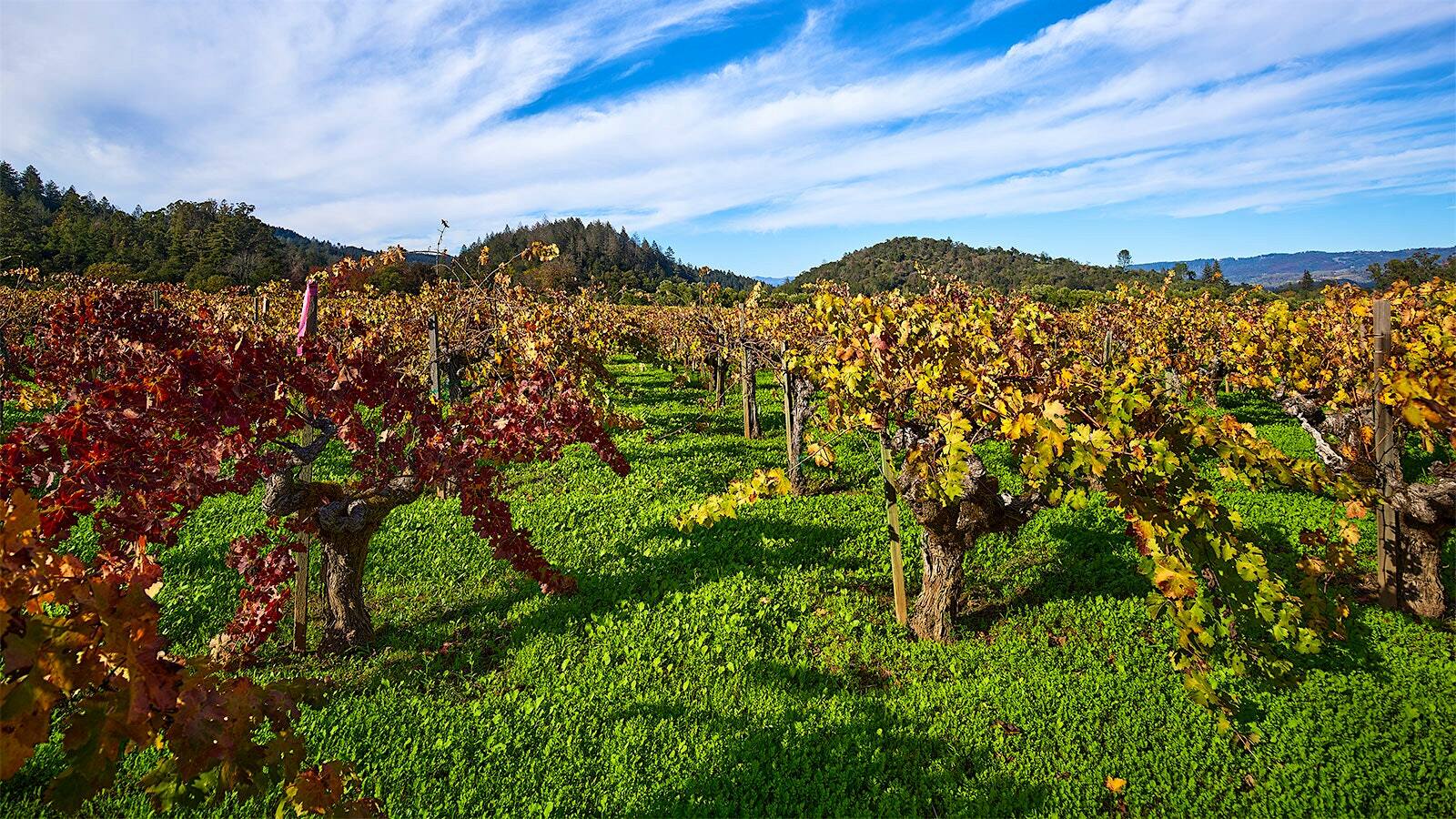
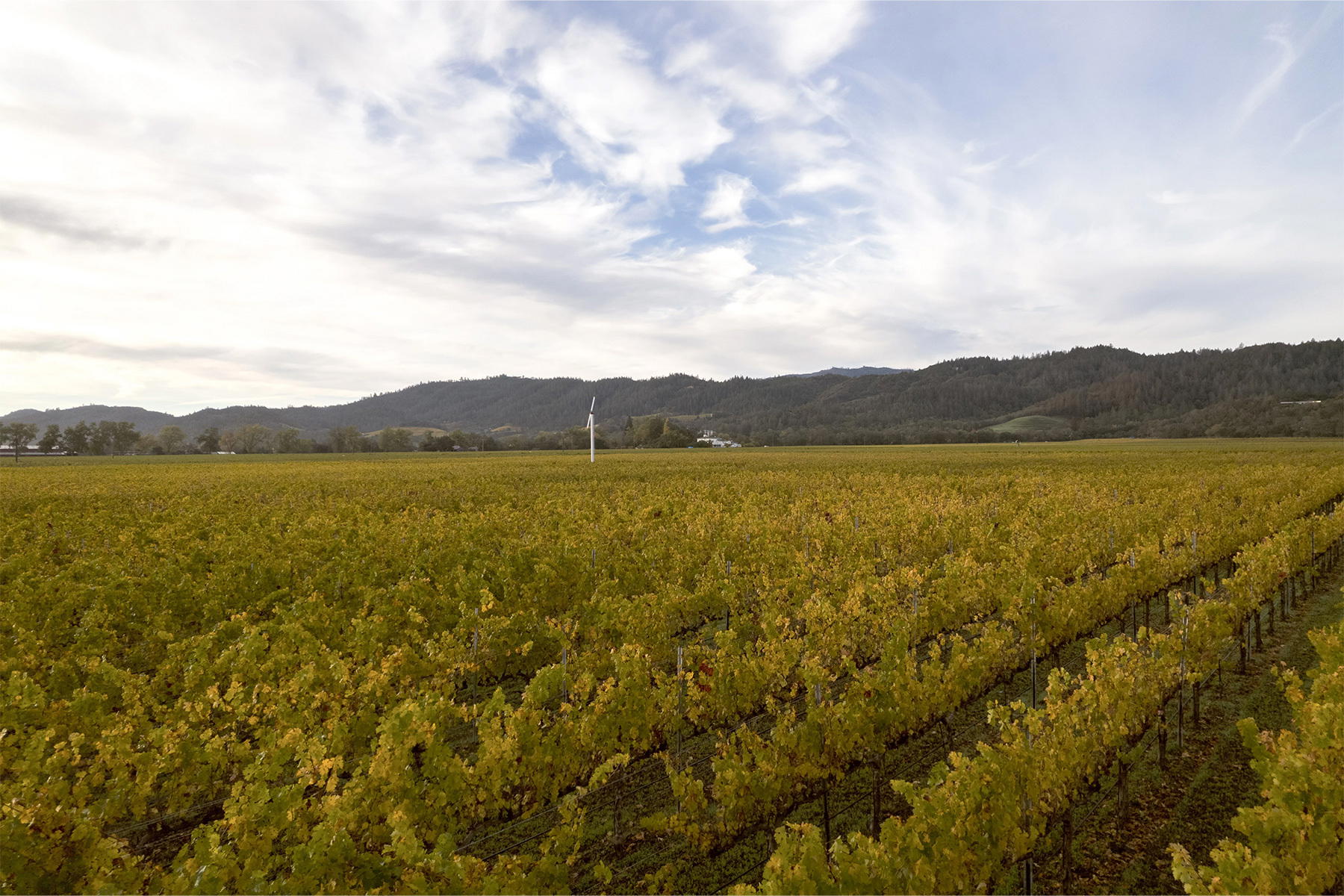
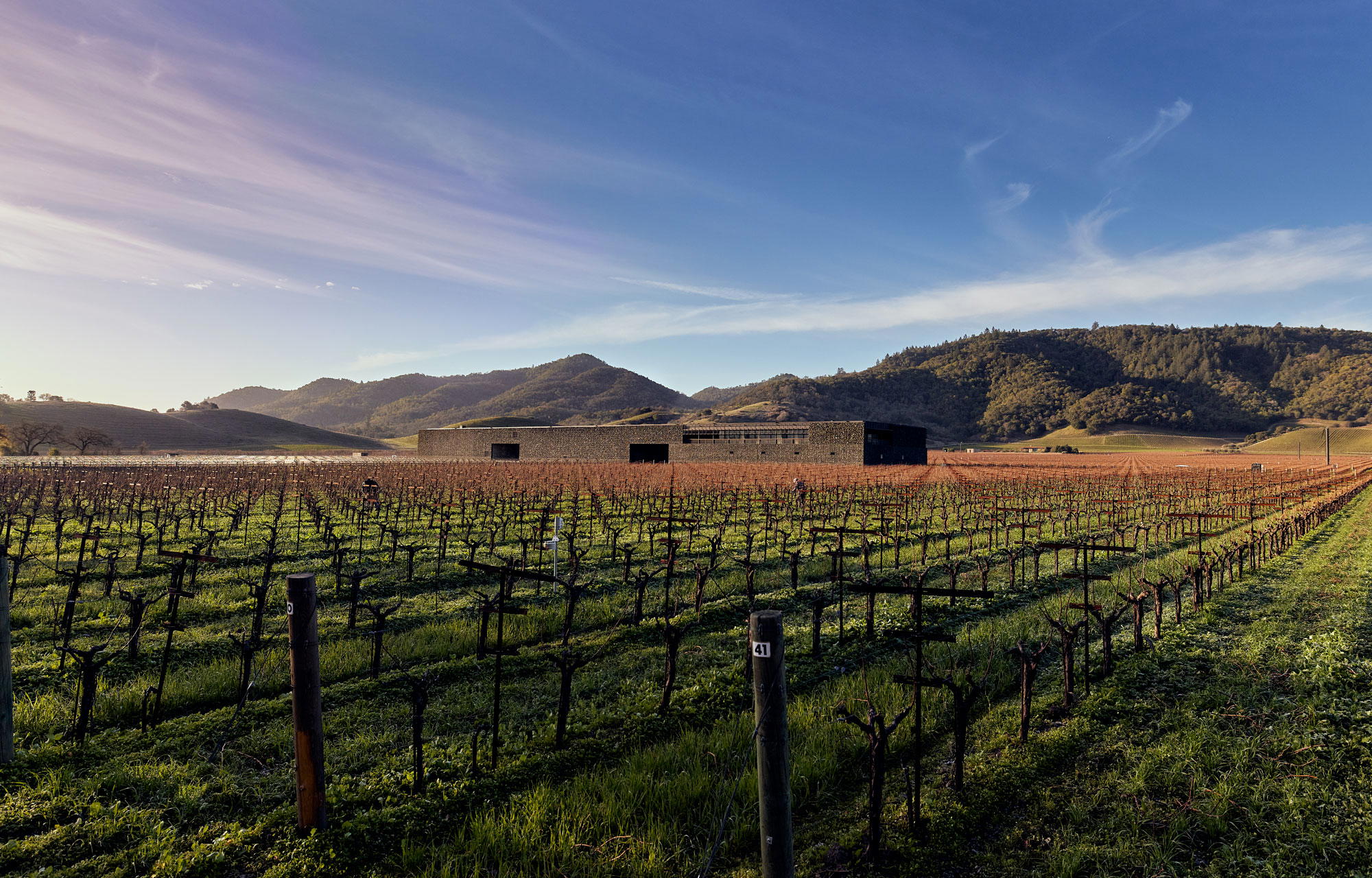
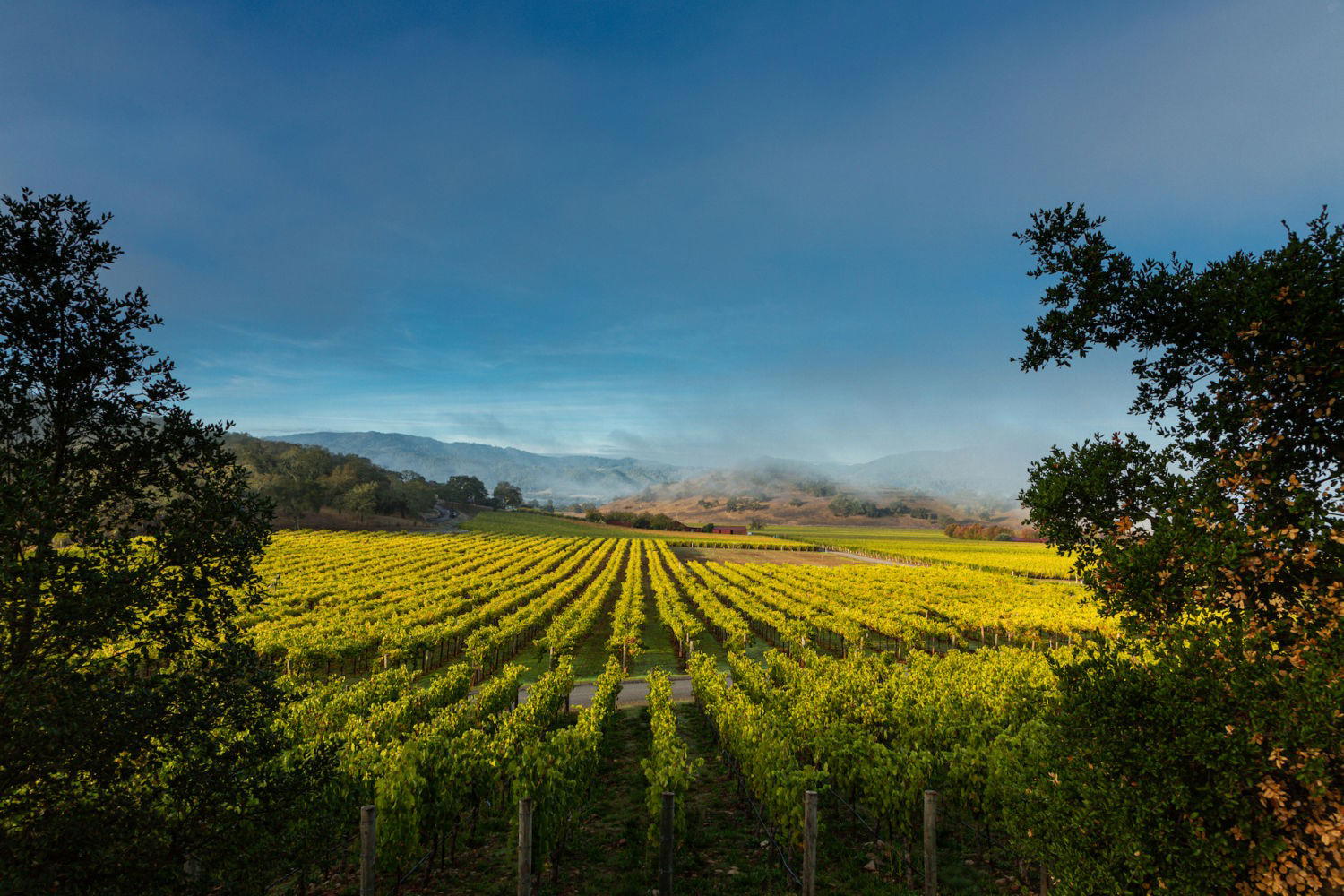
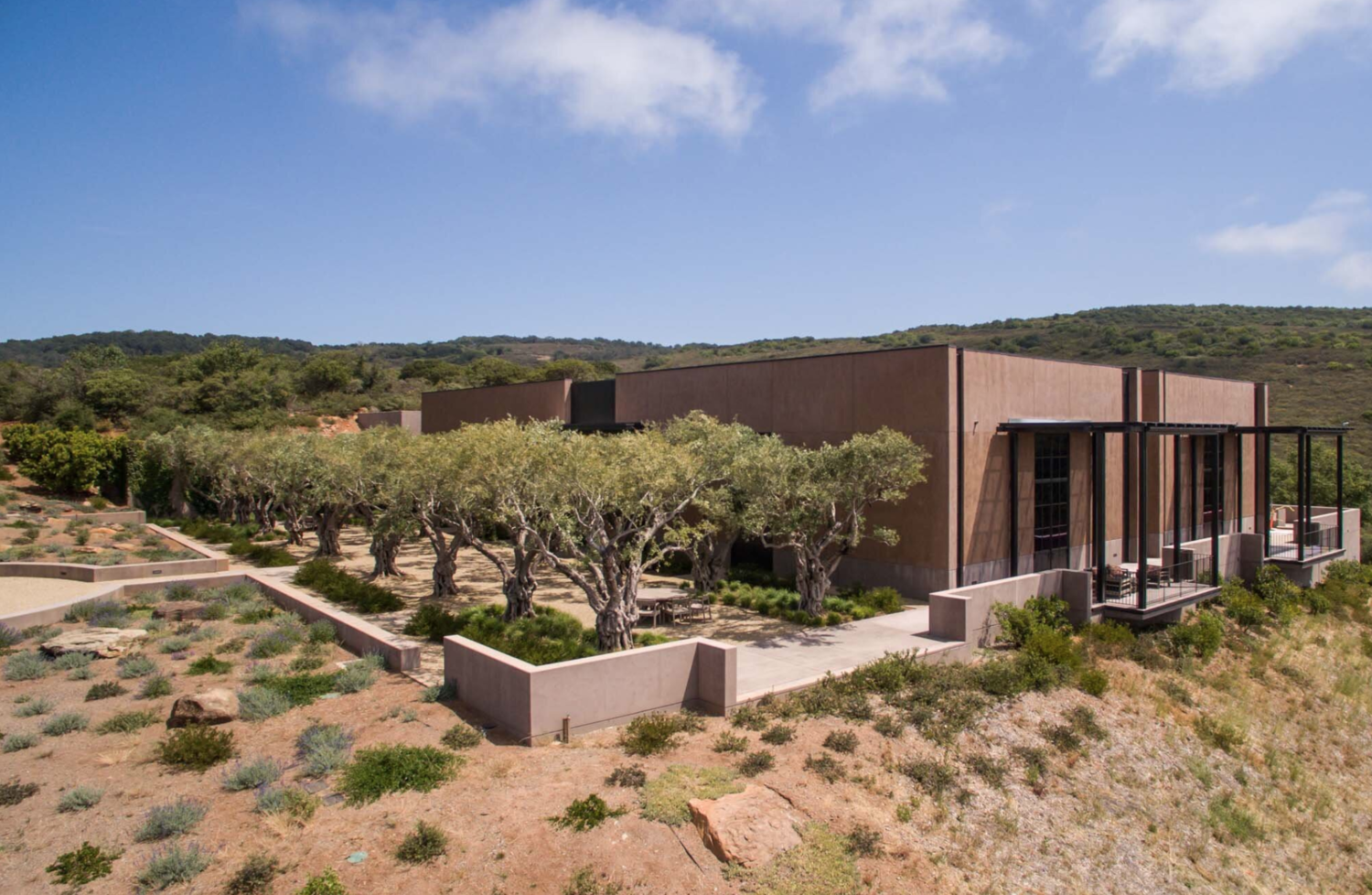
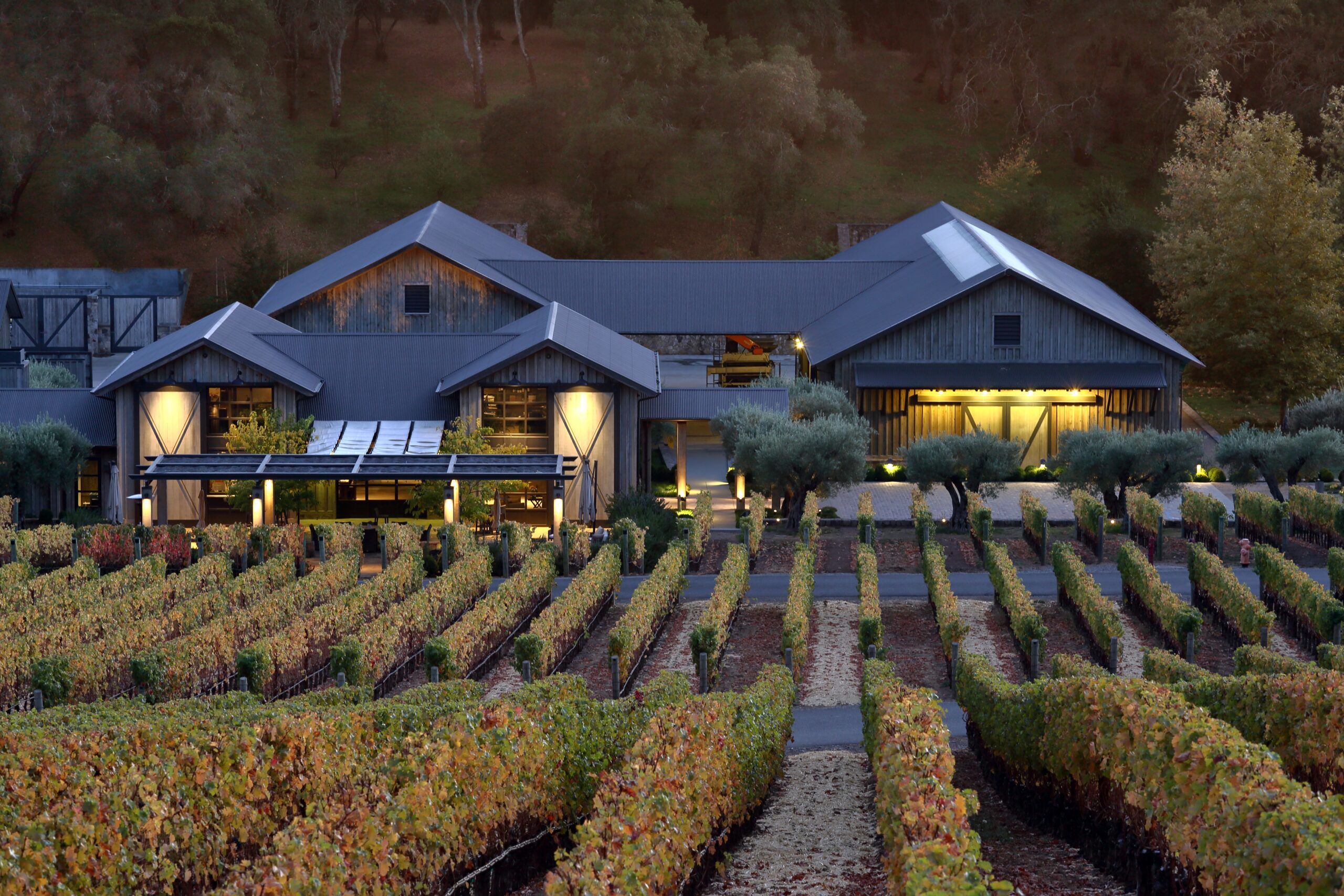
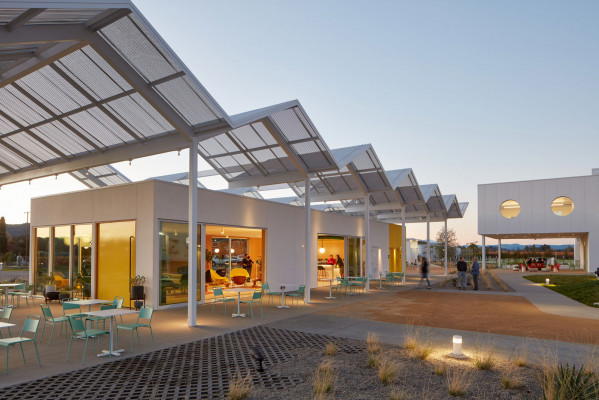
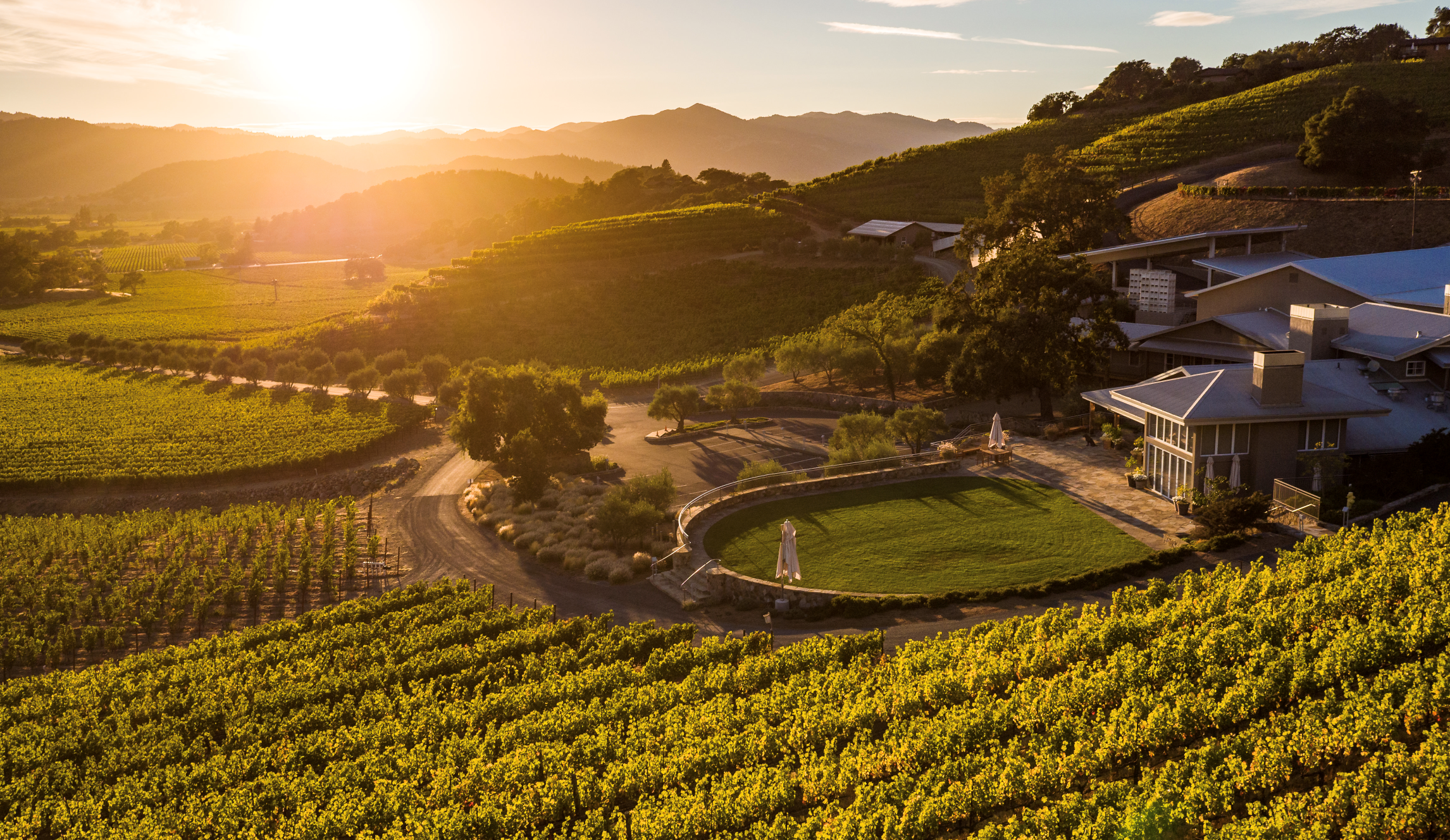
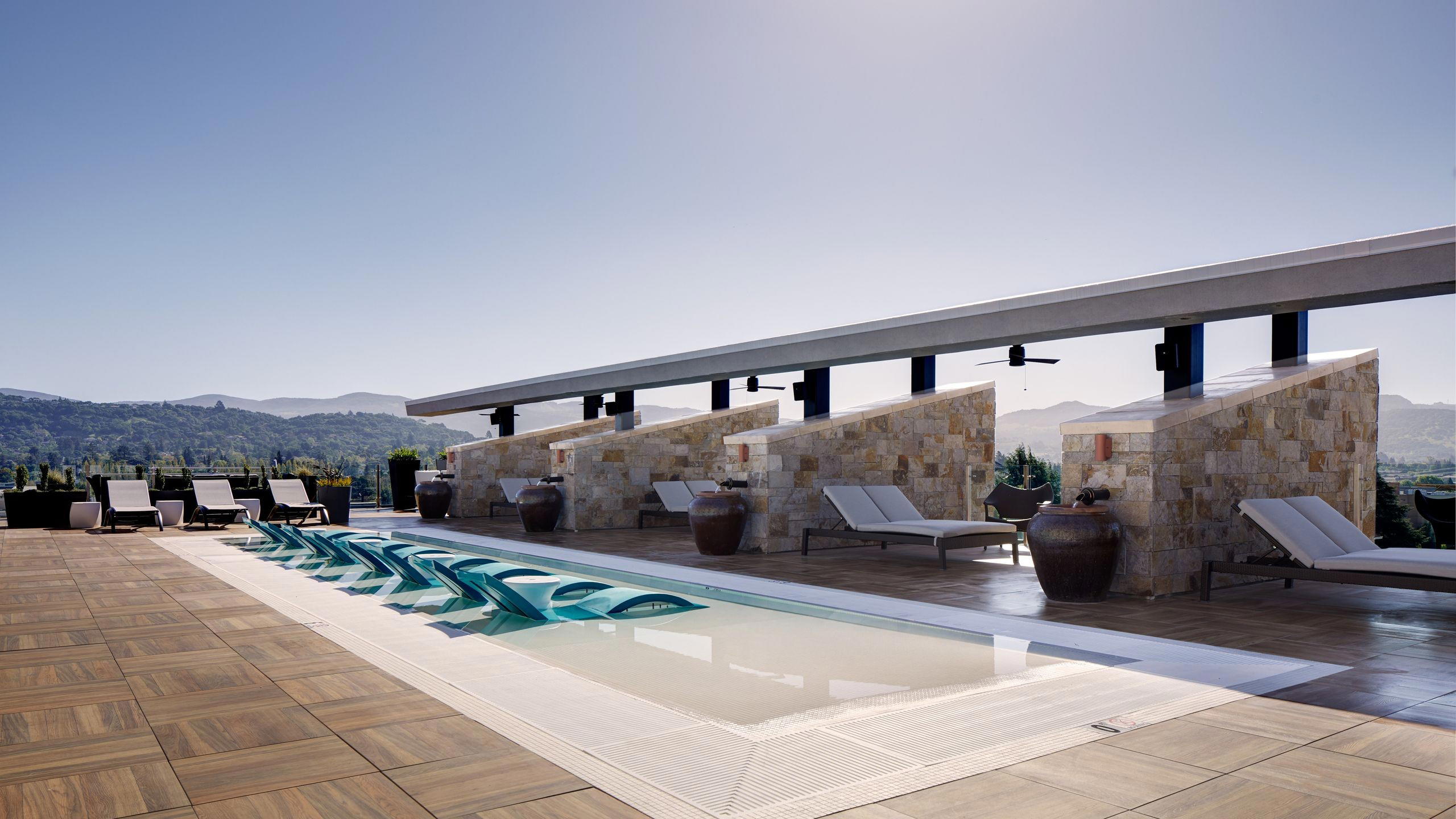
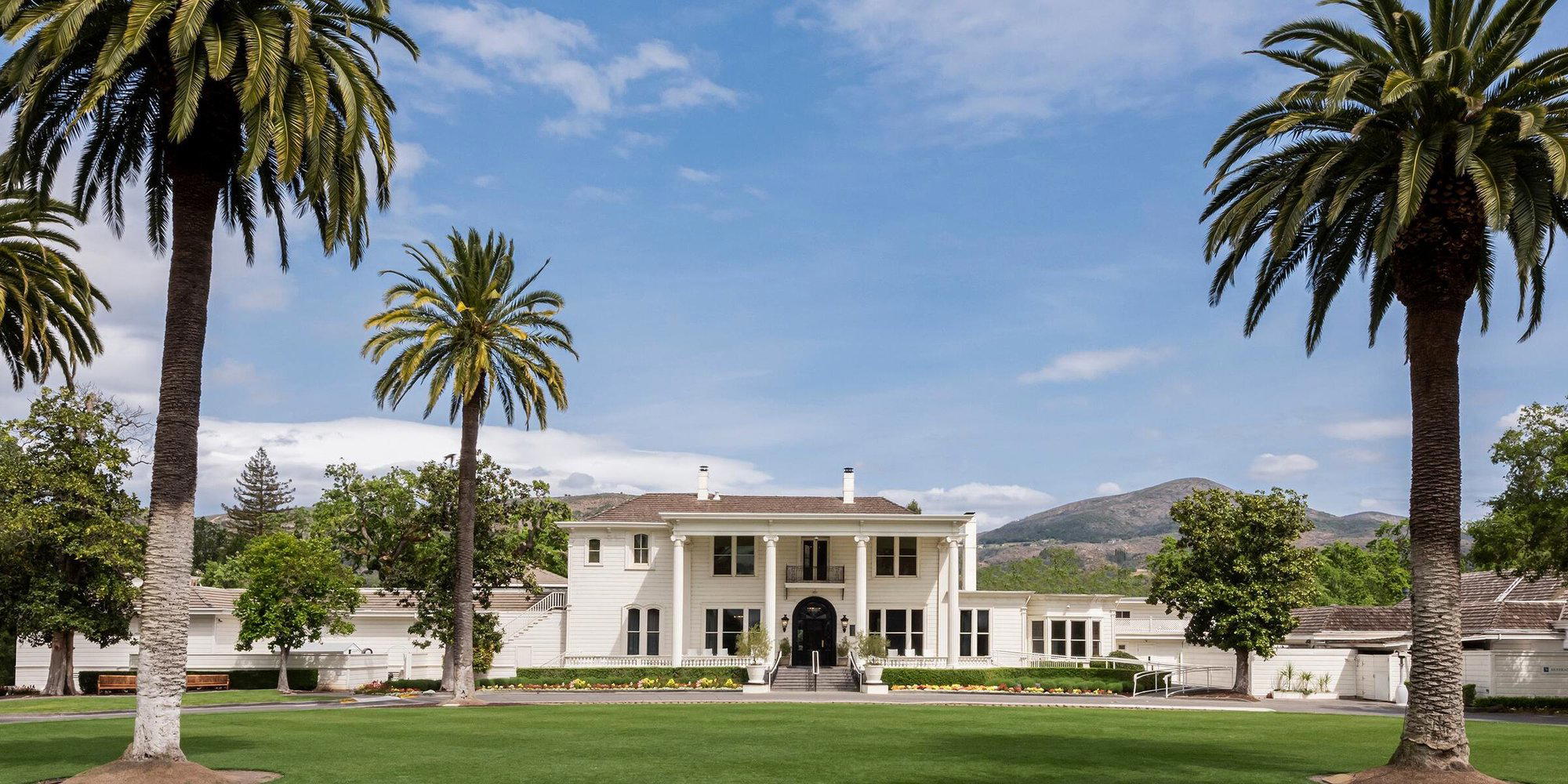
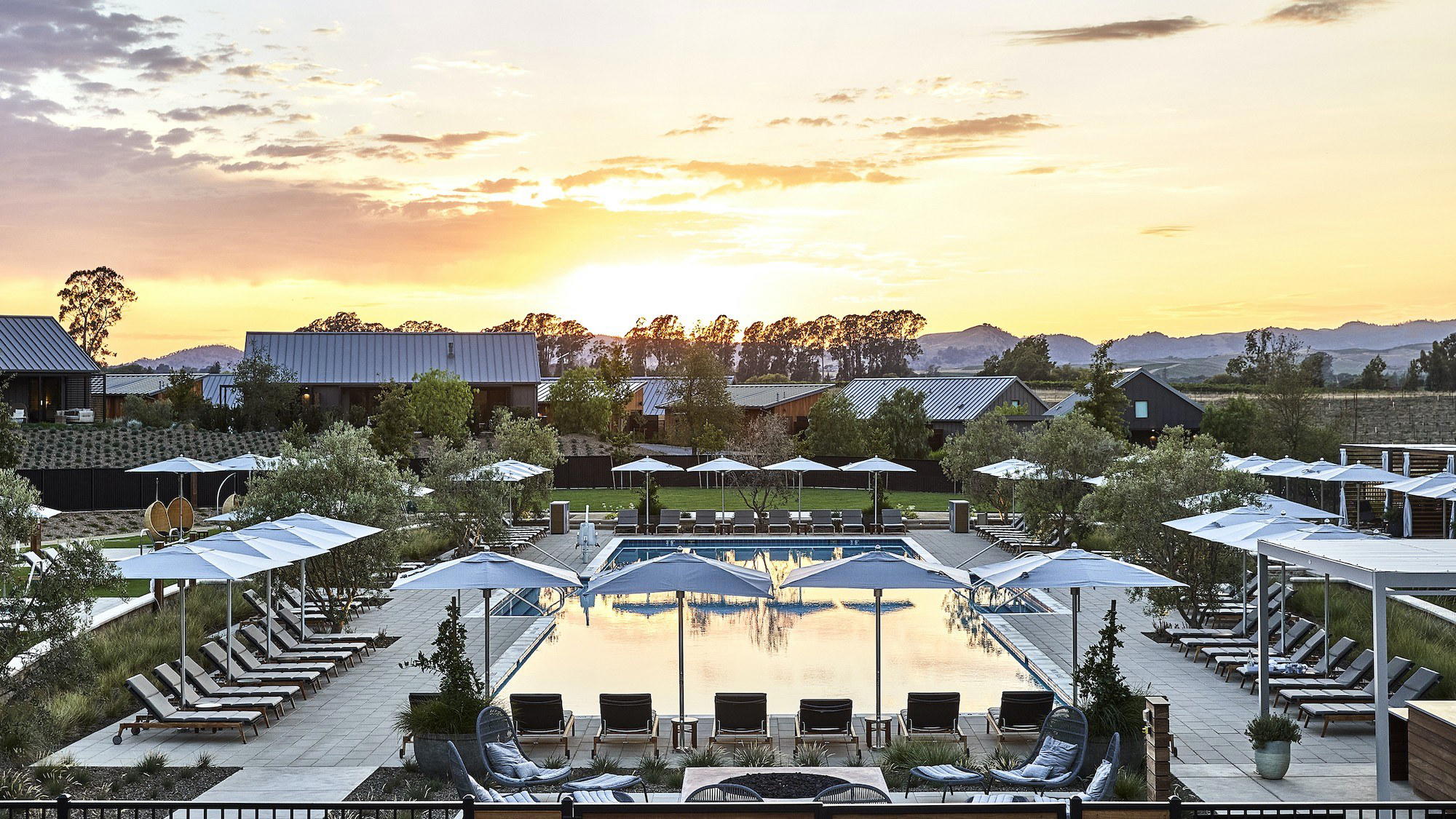
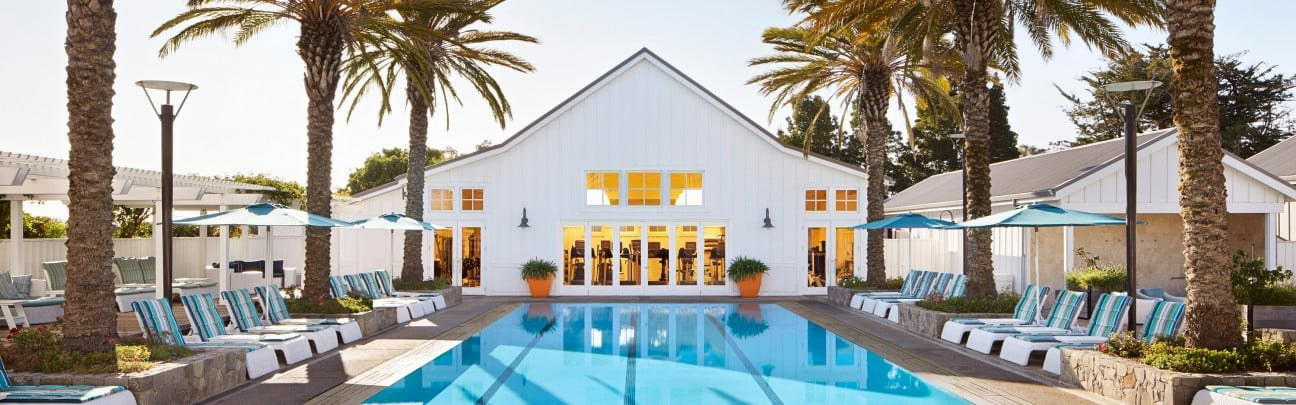
Serene and elegant estate atmosphere amid rolling vineyard hills with natural beauty and historic rammed earth architecture.