Lost Oak Winery
The winery makes a case for North Central Texas as a serious wine region, drawing attention from those who follow the state's expanding premium producer map.

Pearl is the En Primeur Club membership app — saves, bookings, and concierge access live there. Same editors, same standards.
- Address
- 8101 County Rd 802, Burleson, TX 76028
- Phone
- (817) 426-6625
- Website
- lostoakwinery.com
- Directions
- Get directions
North Central Texas and the Question of Place
Texas wine has spent the better part of two decades arguing for its own legitimacy, and the conversation has shifted considerably. The state's producer map is no longer dominated solely by Hill Country names. North Central Texas, the stretch of rolling plains and post-oak terrain south of Fort Worth, has quietly developed its own cluster of producers working with conditions that diverge sharply from those in Fredericksburg or Lubbock. Soil composition, humidity patterns, and diurnal temperature variation in this corridor produce a different set of challenges and, for producers willing to engage with them seriously, a different character in the glass.
Lost Oak Winery, at 8101 County Road 802 in Burleson, sits within that emerging conversation. In a state where the gap between marketing and measurable output can be wide, that kind of structured recognition functions as a useful coordinate. For those tracking the full arc of our full Burleson restaurants guide, Lost Oak registers as the anchor wine destination in this part of the metro fringe.
What the Land Gives You Here
Understanding what Lost Oak produces requires understanding what North Central Texas asks of a winemaker. The region sits outside the officially designated Texas Hill Country AVA and operates without the marketing infrastructure that designation provides. What it has instead is a specific set of growing conditions: heavy clay-loam soils with poor drainage in some parcels, a climate that oscillates between humid subtropical and semi-arid depending on the season, and summer heat accumulation that pushes viticulture toward varieties with genuine thermal tolerance.
These are not the conditions that produce delicate, high-acid whites or cool-climate Pinot. They tend to favor structure, concentration, and varieties with thick skins that can manage pathogen pressure in wetter years. Across Texas's premium tier, producers who have learned to work with the land rather than against it tend to lean into warm-climate southern French, Iberian, or Rhône-adjacent varieties. The wines that come out of these conditions carry a different signature than those from, say, Adelaida Vineyards in Paso Robles or Adelsheim Vineyard in Newberg, where Pacific influence moderates temperature and extends growing seasons. Comparing those regional expressions is instructive: cool-climate Willamette Valley producers like Adelsheim build wines around acid retention and subtle aromatics, while Texas producers in this corridor are working with full physiological ripeness as a baseline.
The terroir argument for North Central Texas is still being assembled, but the evidence is accumulating. When a producer in this zone earns structured critical recognition, it signals that the site is speaking clearly enough to be assessed against a broader standard, not just evaluated within a forgiving local context.
Prestige Recognition in Context
Across the Texas producer map, this tier of recognition is not distributed evenly, and earning it in a region without an established AVA pedigree carries a different weight than the same rating applied to a Napa Valley producer with decades of benchmark data. Au Bon Climat in Santa Barbara and Aubert Wines in Calistoga each work within AVAs whose identity is already legible to critics. Lost Oak earns its recognition without those scaffolds.
That context matters for the reader trying to calibrate expectations. It does not imply that the experience mirrors a Burgundy domaine or a Willamette Valley estate. It implies that the wine is saying something specific, and saying it well.
The Atmosphere at County Road 802
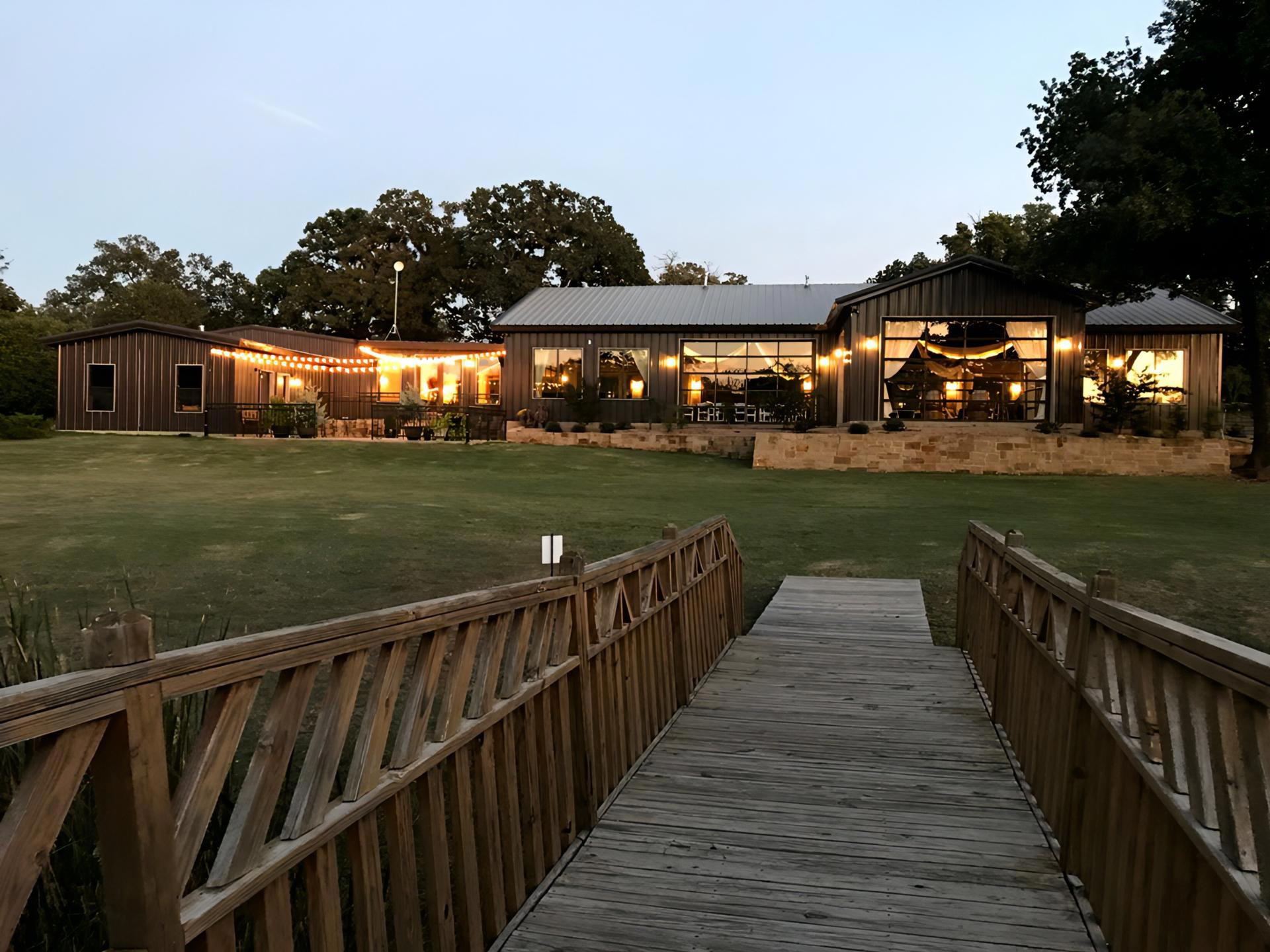
Arriving at a winery on a county road in the Texas plains carries its own set of atmospheric cues. The approach to 8101 County Road 802 is defined by open horizon rather than curated gate architecture. North Central Texas does not produce the densely planted, vine-corridor aesthetic of Sonoma or the manicured grandeur of Artesa Vineyards and Winery in Napa. What it offers instead is space, a quality of light that is particular to this stretch of Texas, and a physical remove from the Fort Worth metro that registers almost immediately.
The experience at Lost Oak skews informal without being unserious. Texas wine culture, particularly at properties outside the Hill Country tourist corridor, tends toward accessibility over ceremony. Visitors arrive expecting engagement with the wines rather than a scripted tasting theater. That register suits a property whose claim to attention rests on what's in the glass, not on the performance surrounding it. For visitors accustomed to the structured formality of Alexander Valley Vineyards in Geyserville or Alban Vineyards in Arroyo Grande, the shift in tone is noticeable, and for many, a relief.
Planning a Visit
The Burleson address places Lost Oak roughly at the southern edge of the Fort Worth metro, accessible by car without significant logistical complexity. Those coming from Dallas should account for cross-metro travel time, as Burleson sits on the opposite side of the DFW corridor.
For those building a broader Texas wine itinerary, the property pairs logically with other North Central Texas producers rather than Hill Country destinations, which require a separate day of travel. Pairing a Lost Oak visit with other Burleson or Johnson County stops makes more geographic sense than routing it alongside Fredericksburg visits. The our full Burleson restaurants guide covers complementary dining options for those spending a full day in the area.
Where Lost Oak Sits in the Wider Map
Texas wine remains one of the American industry's more compelling open questions. The state has the volume, the agricultural infrastructure, and increasingly the critical attention to build a serious premium tier. What it lacks, still, is the consolidation of regional identity that comes from decades of benchmark vintages and established appellations. Producers like Lost Oak are doing the work that precedes that consolidation: finding what the land gives, committing to a standard that invites external assessment, and earning recognition that holds up beyond the local market.
The broader American wine map offers instructive comparisons. Andrew Murray Vineyards in Los Olivos built its reputation on Rhône varieties in a California sub-appellation that was itself still establishing its identity when the winery began. Babcock Winery and Vineyards in Lompoc worked within Santa Barbara County before that region had the critical mass it now commands. B.R. Cohn Winery in Glen Ellen found its footing in Sonoma Valley while the region was still defining its premium identity relative to Napa. Each of those producers contributed to the legibility of their regions through consistent output over time. Lost Oak is operating at an equivalent moment in North Central Texas's trajectory.
For the reader tracking American wine beyond its most established corridors, Burleson and its surrounding county represent a live edge of the map, the kind of place where the critical story is still being written. Additional reference points for those exploring producers at different stages of regional development: Achaia Clauss in Patras offers a useful comparison case for how producers establish standing in regions without dominant critical frameworks, and Aberlour in Aberlour illustrates the long arc of reputation-building in a tradition-defined category.
Comparable Spots, Quickly
Comparable venues nearby, for context on price, style, and recognition.
| Venue | Cuisine | Price | Awards | Notes |
|---|---|---|---|---|
| Lost Oak WineryThis venue — the venue you are viewing | Not listed | Not listed | Not listed | Not listed |
| Blackland Distillery | Texas | Not listed | Not listed | Foundry District |
| Bendt Distilling Co. | corn, wheat | Not listed | Not listed | Old Town Lewisville |
| Perissos Vineyard and Winery | Tempranillo, Petite Sirah | $10–20 | Falstaff Winery - Listed | Burnet |
| Lone Elm (Five Points Distilling) | wheat | Not listed | Not listed | Forney |
| Herman Marshall Distillery | Winery | Not listed | Not listed | Garland |
Details
- Rustic
- Scenic
- Cozy
- Classic
- Group Outing
- Celebration
- Special Occasion
- Vineyard Tour
- Estate Grounds
- Terrace
- Vineyard
- Garden
- Tour And Tasting
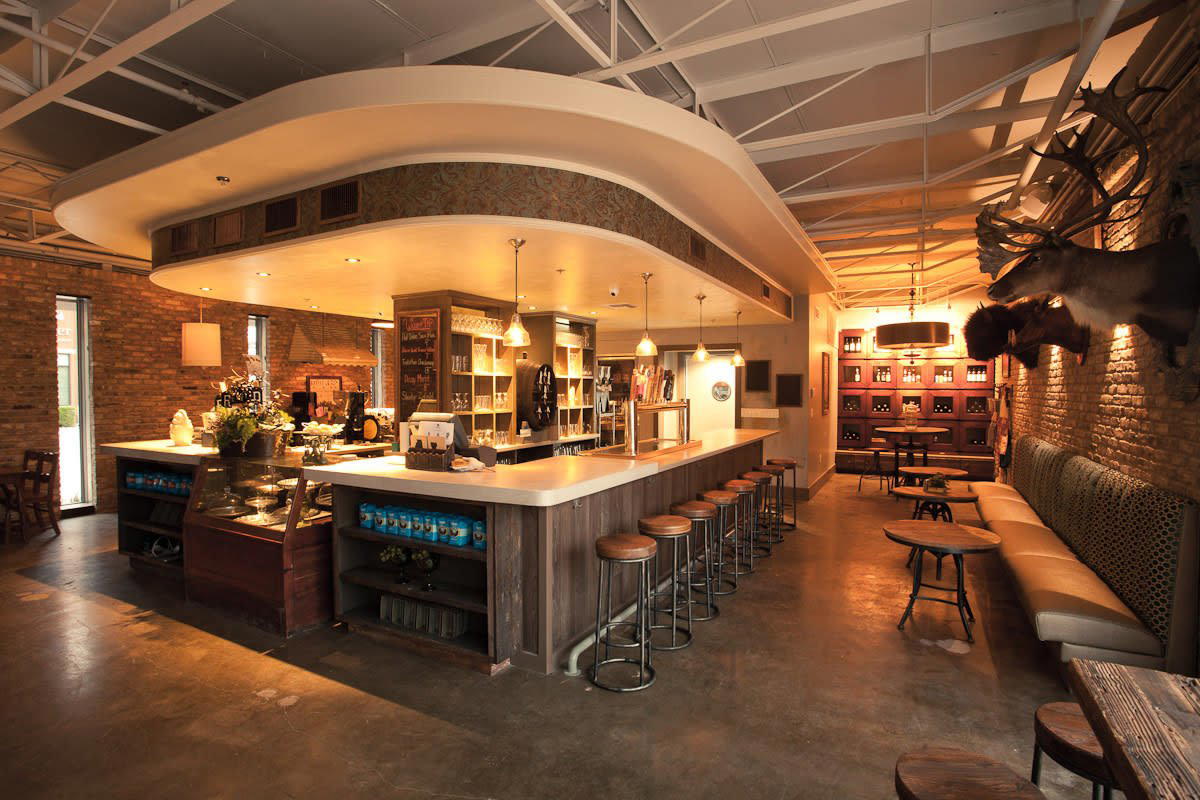
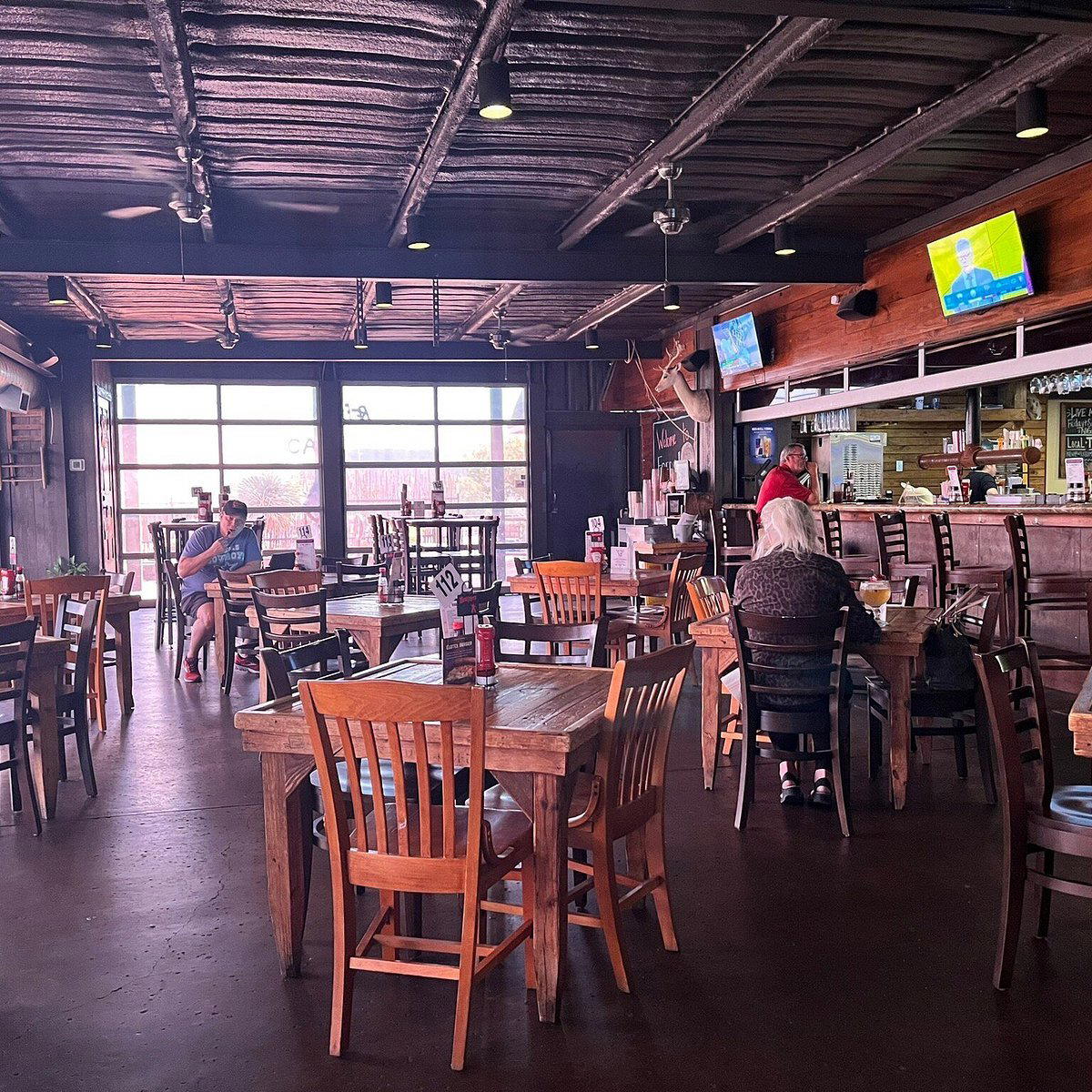
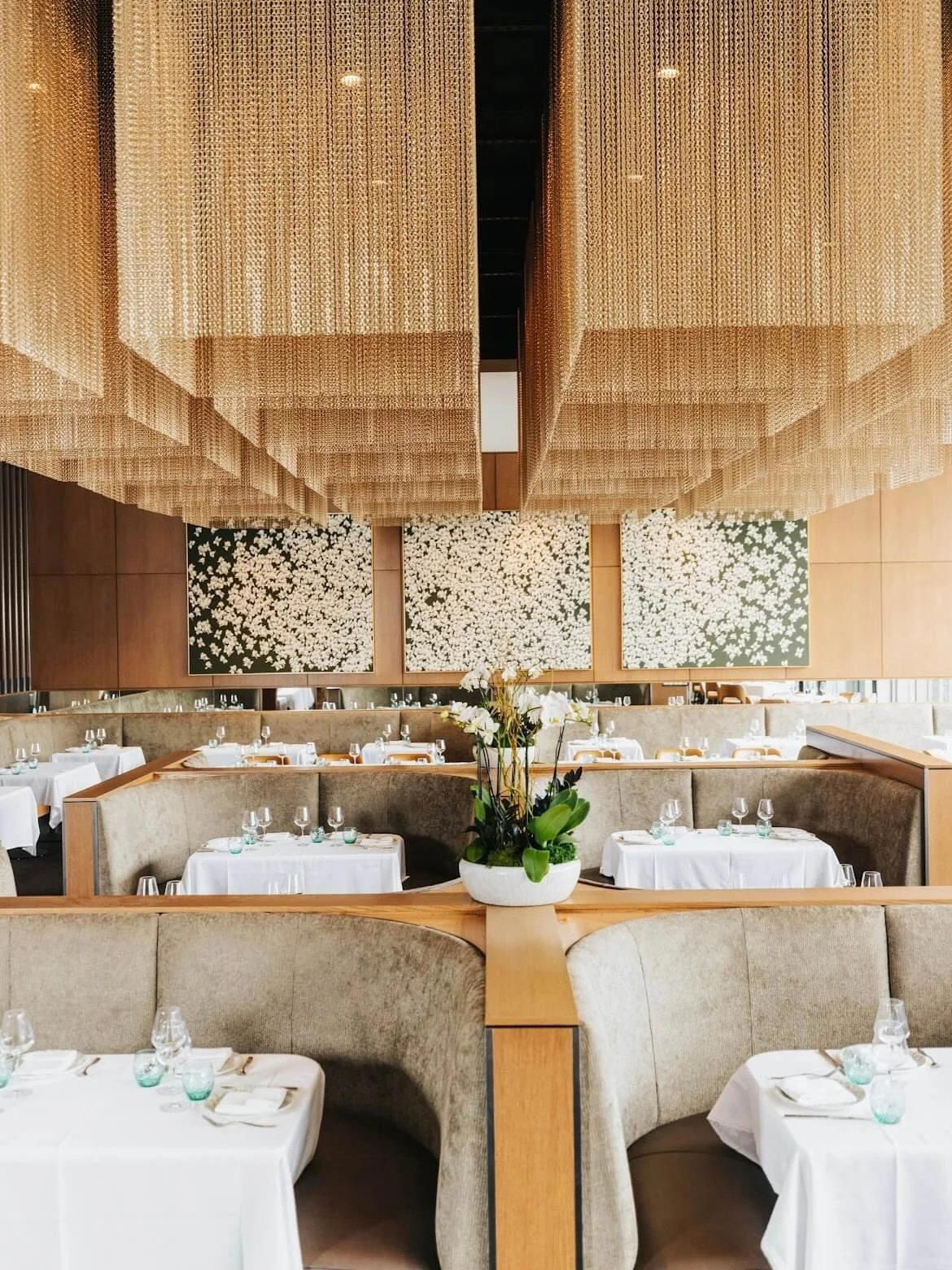
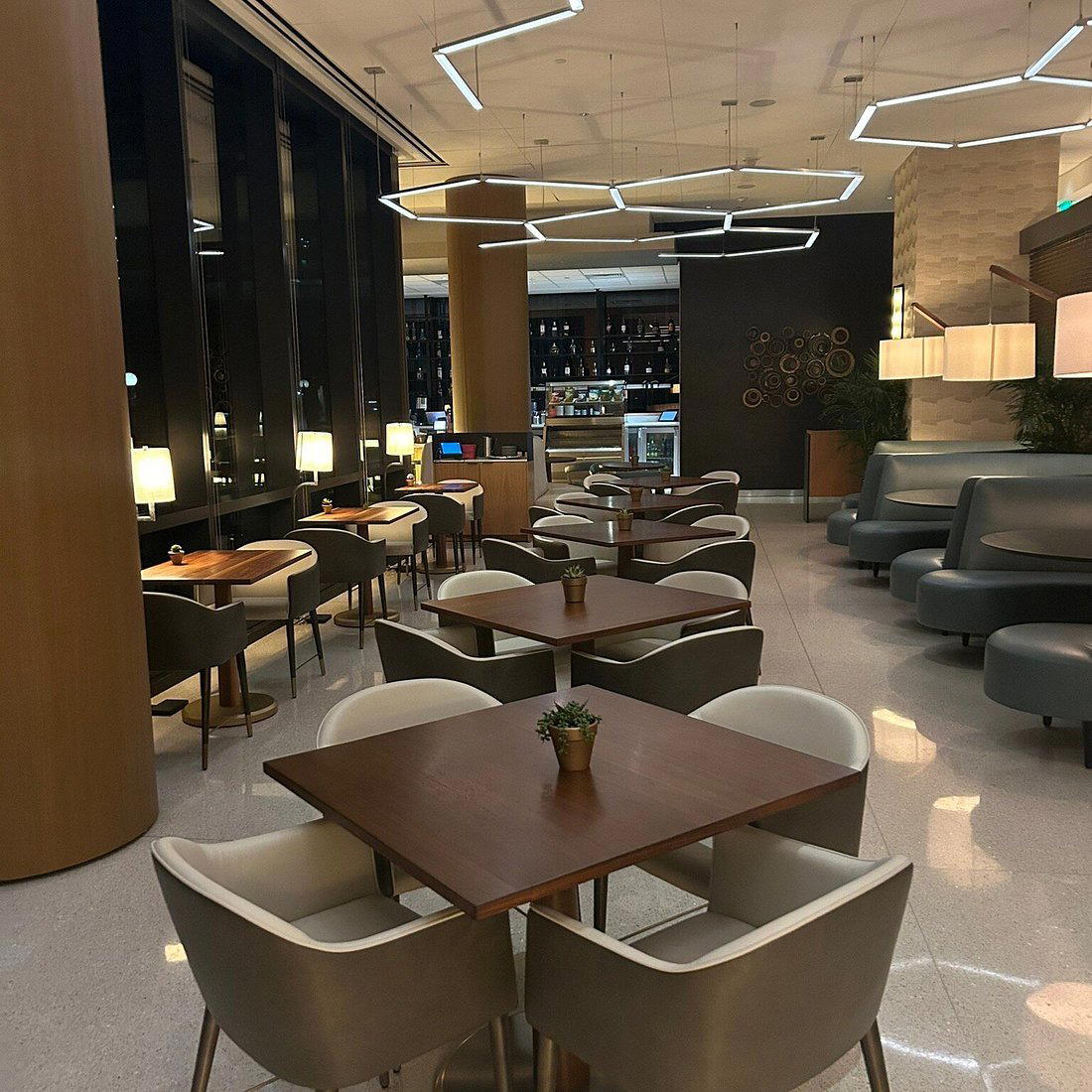
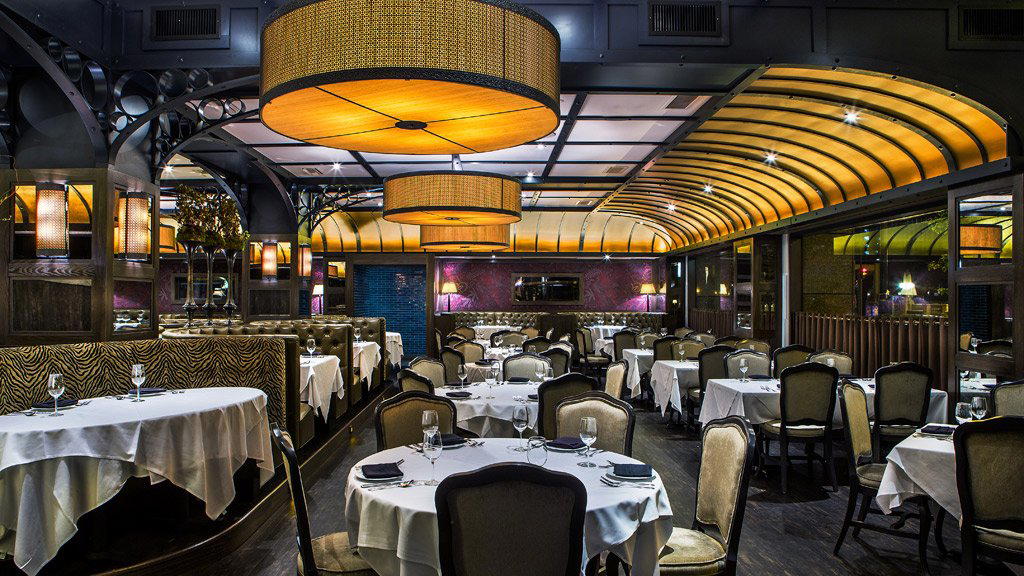
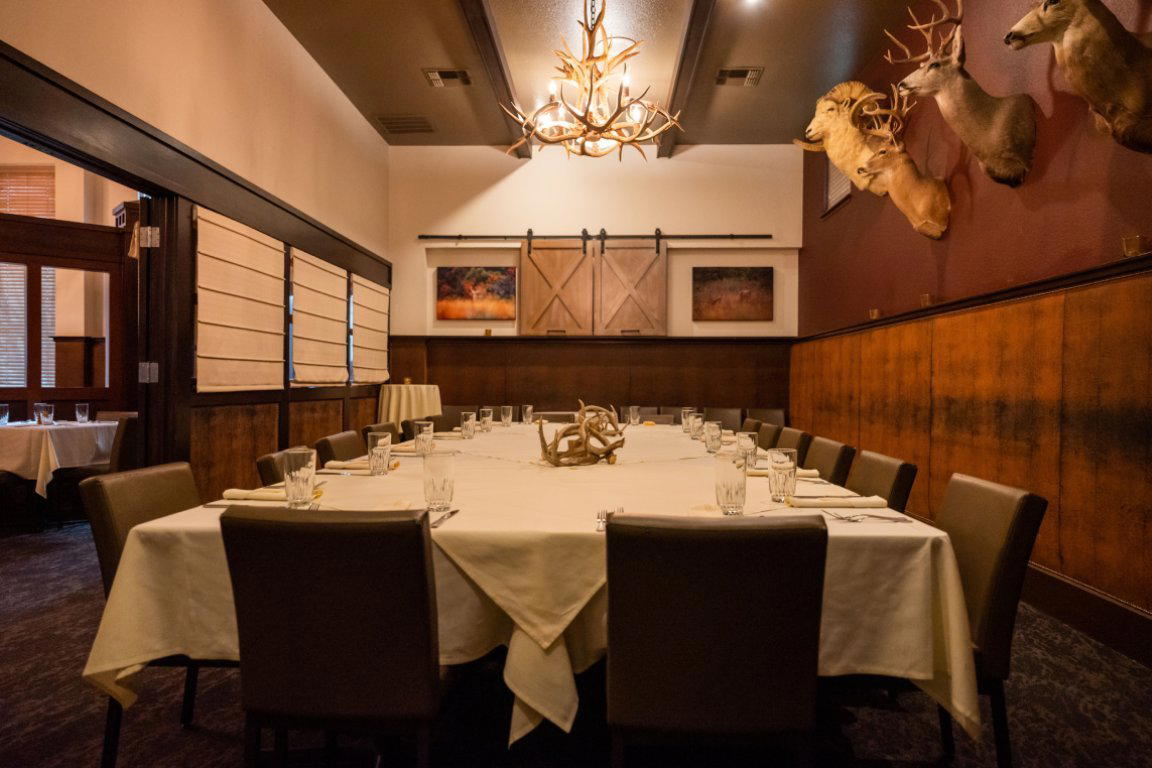
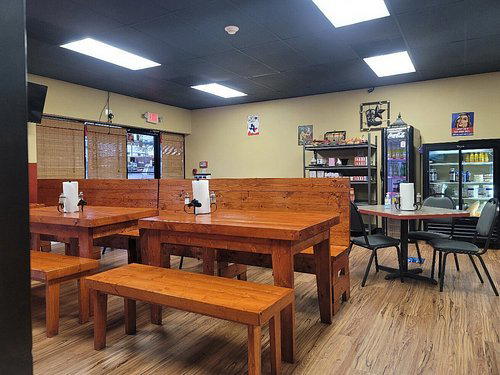
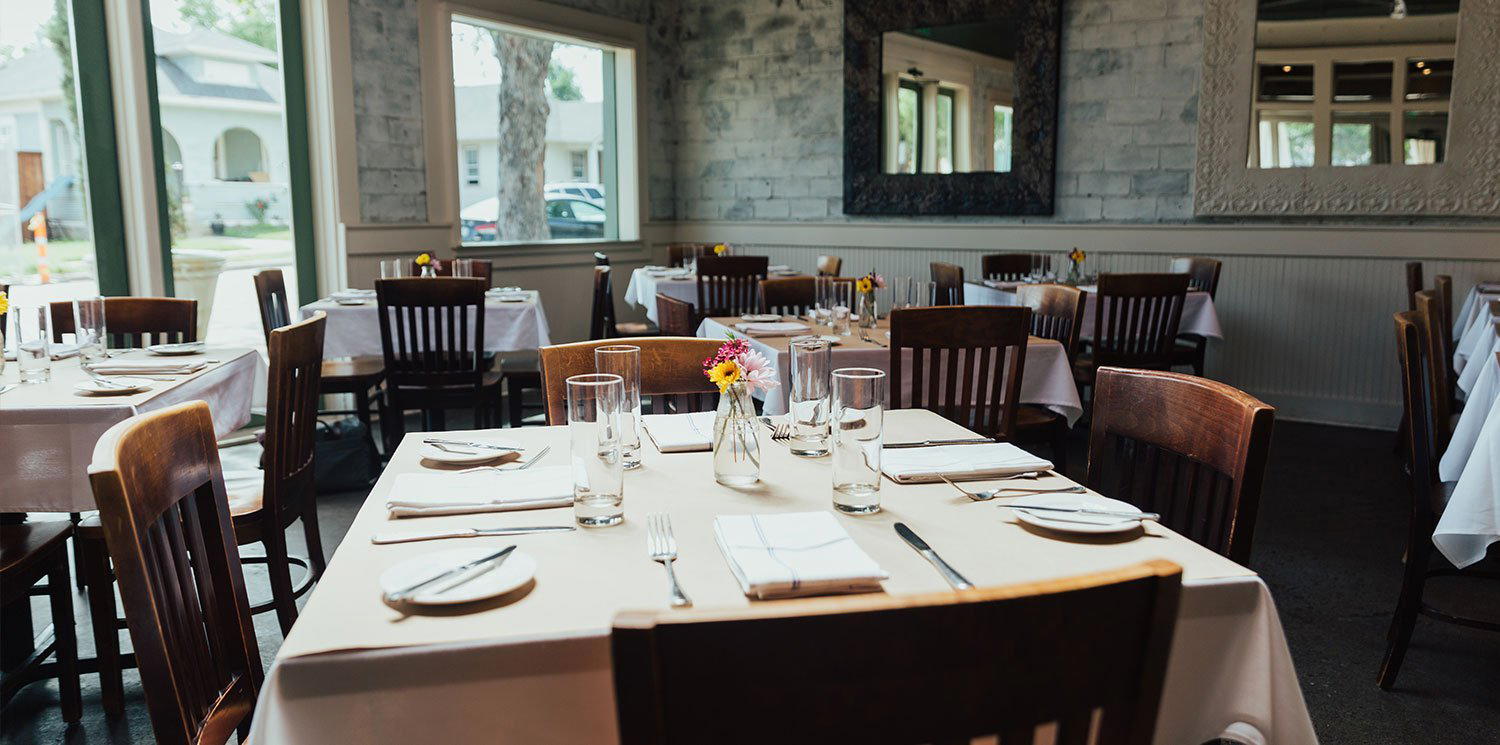
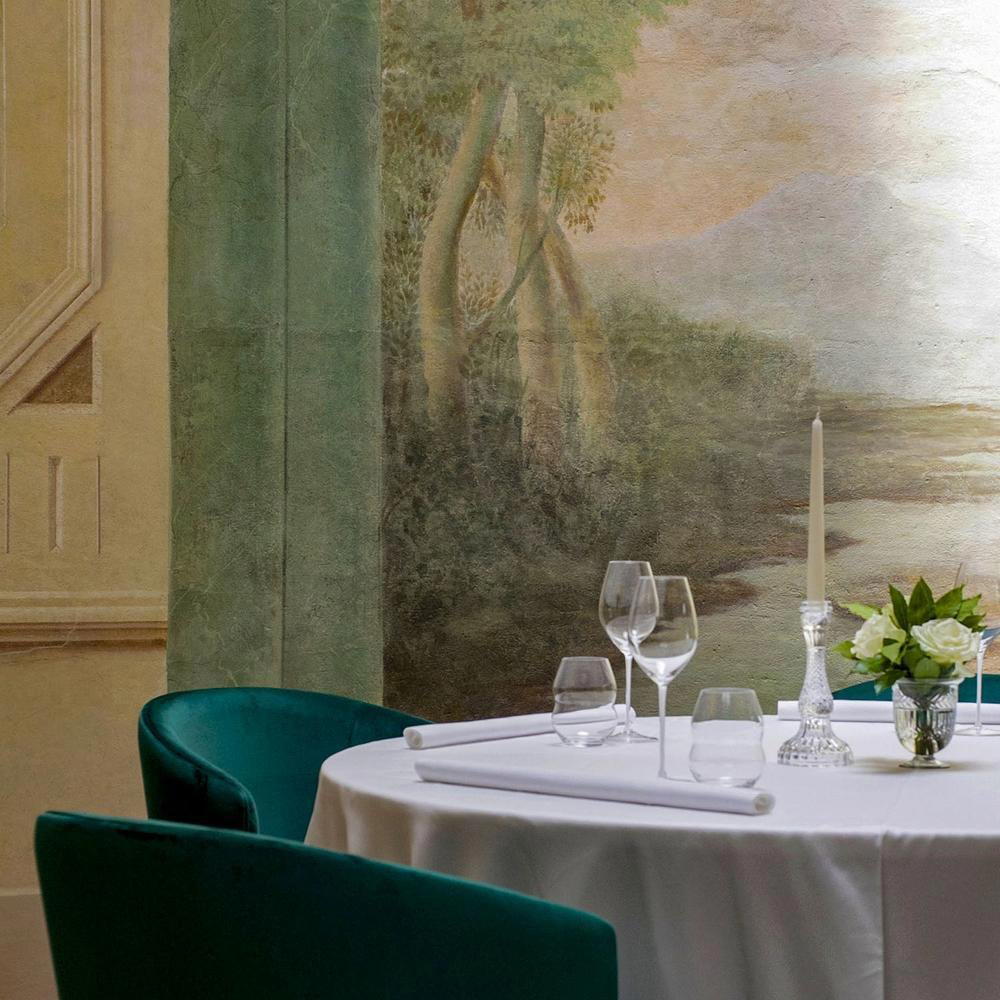
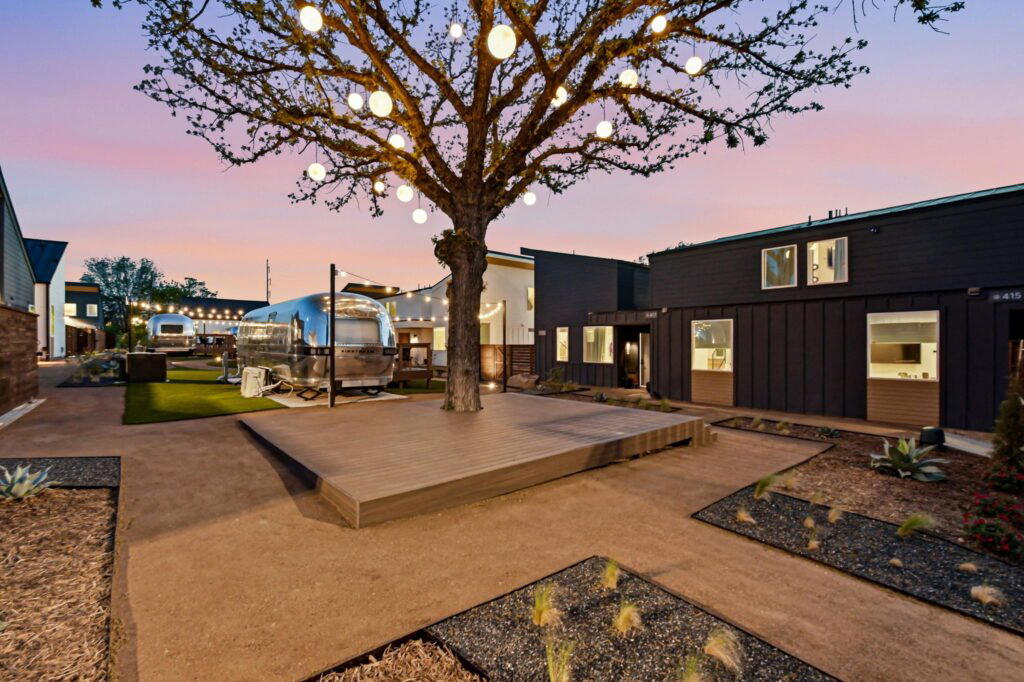
Warm and welcoming with golden walls, dark wooden floors, cozy oak barrel tables, and scenic outdoor grounds overlooking a creek.