61 Osteria

Wine Spectator Best of Award of Excellence
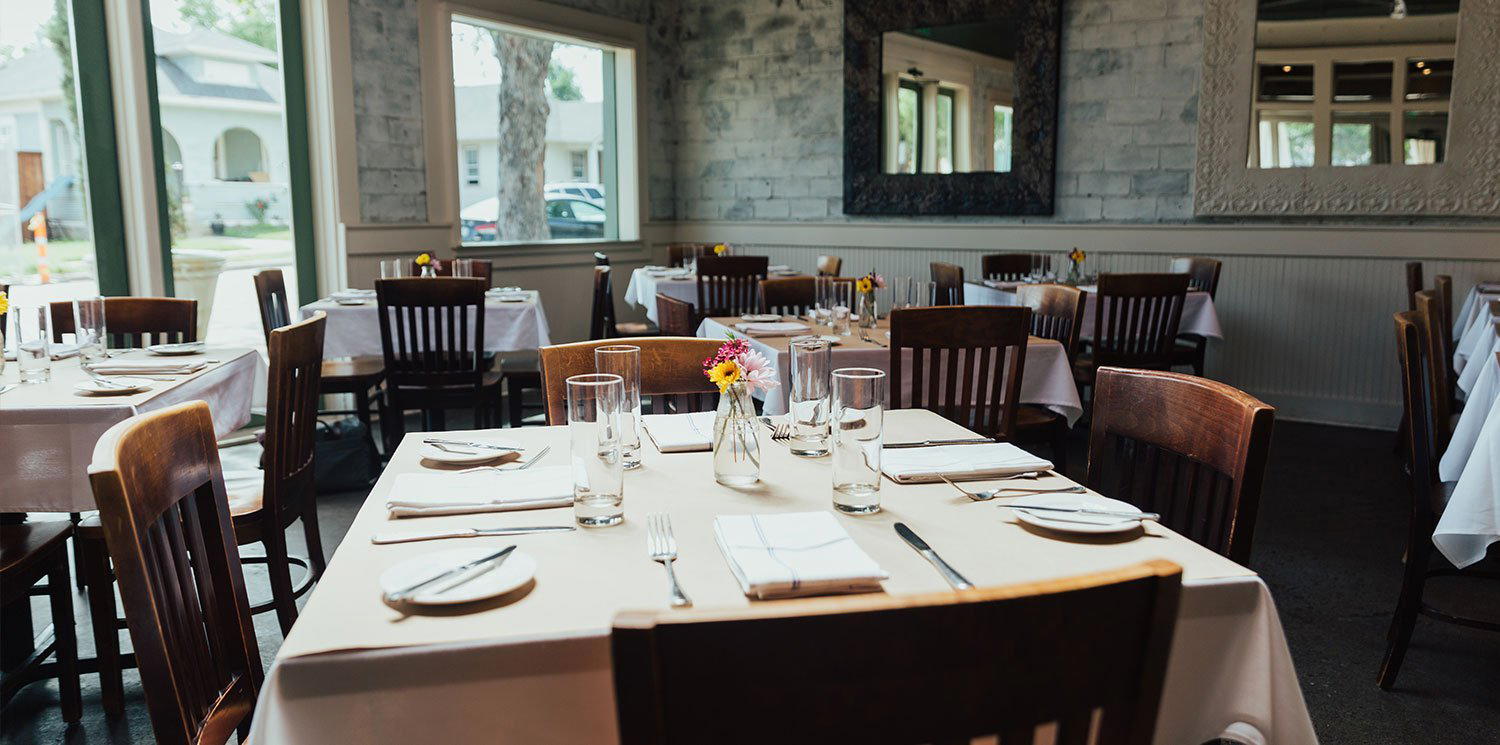
61 Osteria sits inside the First on 7th building in downtown Fort Worth, operating as a neighborhood anchor in a city that has spent the last decade building a serious dining identity. The osteria format, relaxed, wine-forward, community-oriented, fits Fort Worth's character better than formal fine dining ever could. It draws the kind of regulars who return weekly rather than for occasions.

Pearl is the En Primeur Club membership app, where members save venues, book tables and use the concierge.
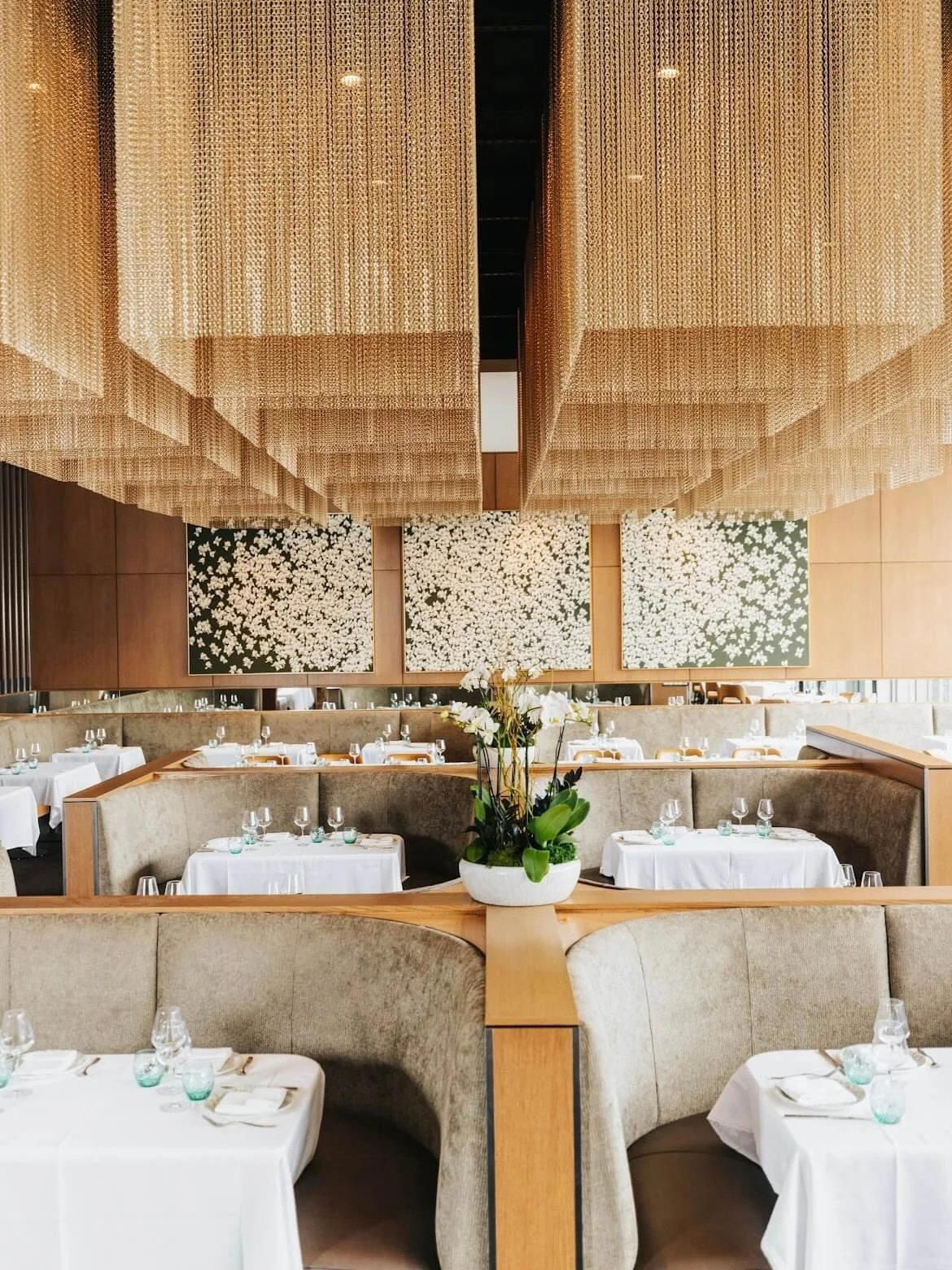
Downtown Fort Worth's Gathering Point
Downtown Fort Worth has been through several identities over the past two decades. The Sundance Square era brought chain restaurants and tourist-friendly formats; what followed, gradually, was something more local in character. The stretch around West 7th Street now functions as the part of the city where residents actually choose to spend time, rather than where they bring out-of-town visitors out of obligation. 61 Osteria, housed in the First on 7th building at 500 W 7th St, sits at the center of that shift.
The osteria model is worth understanding before arriving. In Italian tradition, an osteria occupies a register below the ristorante and above the bar: informal enough for a Tuesday evening, serious enough about wine and food to justify a longer stay. American interpretations have stretched that definition in various directions, but the leading versions preserve the essential quality of a neighborhood gathering place where the regulars are as much part of the atmosphere as the menu. Fort Worth, a city with a stronger sense of local identity than most Texas metros its size, turns out to be a reasonable fit for that format.
The Role It Plays in the West 7th Corridor
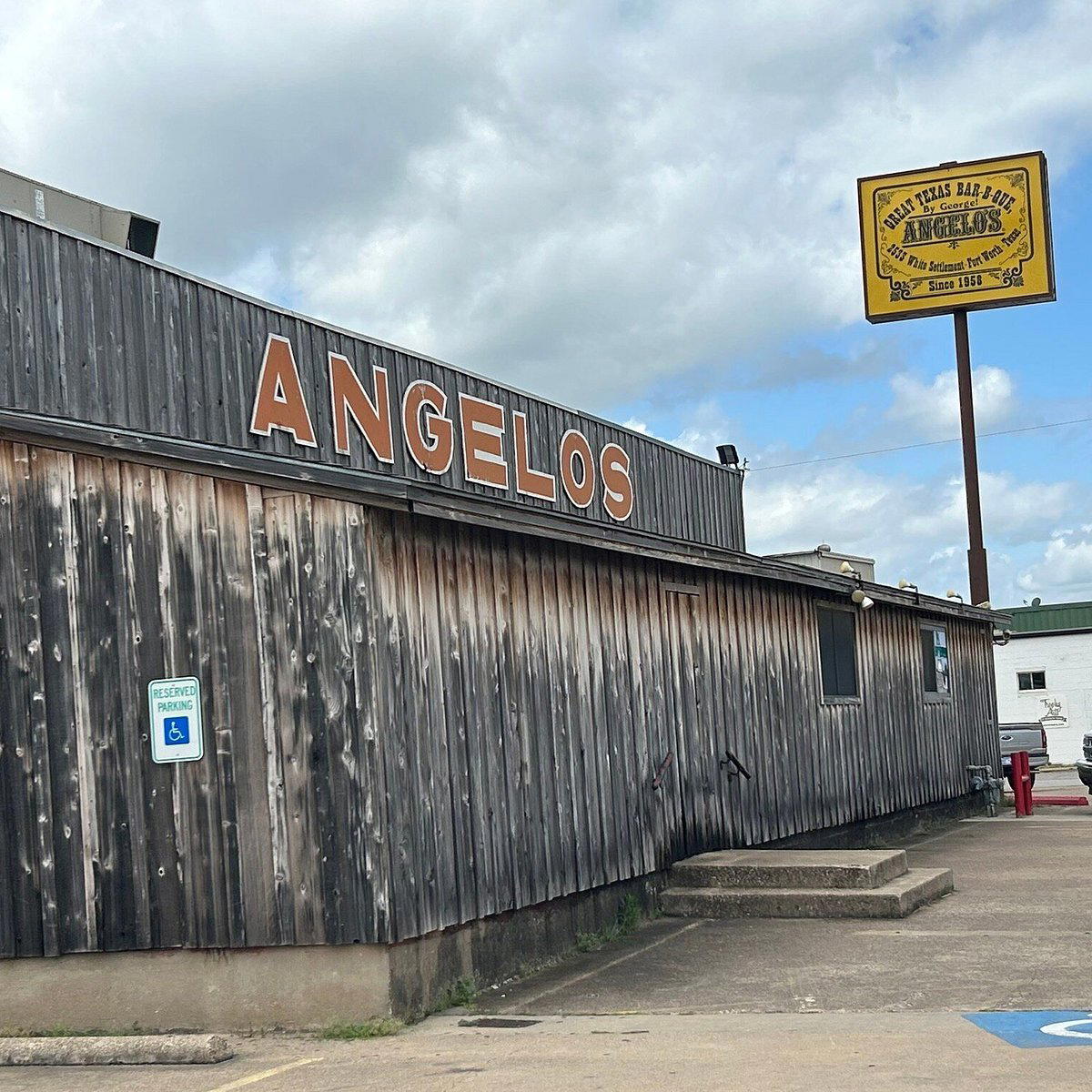
Dining options along the West 7th corridor range from the casual (burgers, barbecue) to the more considered. Angelo's Bar-B-Que and Big Kat Burgers at Crystal Springs Hideaway represent the accessible, democratic end of that range. Aventino's Italian Restaurant covers some of the same Italian-leaning ground as 61 Osteria, though at a different price register and with a different sense of occasion. What gives 61 Osteria its specific position in the neighborhood is the combination of format and location: a wine-forward, sit-down osteria inside a mixed-use building that draws foot traffic from residents, office workers, and visitors who already know the area rather than those discovering it for the first time.
That last point matters for understanding the room. The First on 7th building generates a particular kind of clientele: people who are already downtown for a reason, often ending a working day or beginning an evening that will continue elsewhere. The osteria format serves that customer well. A glass of wine and small plates before moving on, or a longer meal that becomes the evening itself, the format accommodates both without forcing a decision.
Italian Format in a Texas City
Fort Worth's Italian dining scene is thinner than Houston's or Dallas's, which means venues like 61 Osteria carry more representative weight than they might in a larger market. Aventino's has held its position in the market for years. 61 Osteria operates with a different premise: the osteria's informality positions it closer to a wine bar with serious food than to a traditional Italian restaurant, which gives it a different competitive peer group. Locally, the nearest equivalents are probably the more ambitious end of the cocktail bar scene, places where the drinks program and the food program are given equal weight and neither is treated as secondary.
Across the American bar and restaurant scene, that format has produced some of the more interesting venues of the past decade. Kumiko in Chicago sits at one end of that spectrum, where the drinks program is disciplined to an almost academic degree. Jewel of the South in New Orleans anchors its identity in a specific historical tradition. Julep in Houston takes a regional approach that reflects its city's particular character. 61 Osteria's Italian framing gives it a different kind of specificity, one rooted in the wine-forward, food-serious traditions of Northern and Central Italy rather than in American cocktail culture.
What Draws Regulars Back
Neighborhood venues earn their regular clientele through consistency and low friction, not through novelty. The venues that build real local followings, the ones where the staff know orders after three visits, where the same group of colleagues occupies the same corner table every Thursday, tend to succeed by being reliably good rather than occasionally spectacular. Blackland Distillery has built that kind of local loyalty on the spirits production side; the leading Fort Worth dining rooms do the same through consistent execution.
The osteria format is structurally well-suited to building that kind of loyalty. Internationally, venues operating at a similar register include ABV in San Francisco, where the distinction between bar and restaurant has effectively collapsed in favor of a format that serves both functions, and Bar Leather Apron in Honolulu, which holds its neighborhood position through technical precision rather than occasion-driven positioning. Superbueno in New York City and The Parlour in Frankfurt represent how the neighborhood-anchor format translates across very different urban contexts.
Planning a Visit
61 Osteria's downtown location, inside the First on 7th building at 500 W 7th St, places it within walking distance of the cultural district's western edge and a short drive from the Near Southside. For visitors, the West 7th corridor is more reliably navigable on foot than other parts of Fort Worth's dining scene, which tends to be car-dependent. Arriving on a weekday evening avoids the weekend foot traffic that the broader area draws. Given that specific hours, booking policies, and current pricing are best confirmed directly with the venue before visiting, the most practical approach is to check current details through the venue or a local listings source before planning your evening around it. For a broader picture of what Fort Worth's dining scene currently offers, the EP Club Fort Worth guide maps the city's options across neighborhoods and price points.
Where the Accolades Land
| Venue | Price | Awards |
|---|---|---|
| 61 OsteriaThis venue (the venue you are viewing) | $50–100 | Wine Spectator Best of Award of Excellence |
| LOT 12 Rooftop Bar | $30–50 | Not listed |
| Walloon's Restaurant | $50–100 | Not listed |
Recognition history
Dated appearances from independent guides and award organizations, with the underlying list record or original source where available.
Wine Spectator Best of Award of Excellence
Wine Spectator
Continue exploring
More in Fort Worth
Bars in Fort Worth
All bars in Fort Worth →

Restaurants in Fort Worth
All restaurants in Fort Worth →
Hotels in Fort Worth
All hotels in Fort Worth →
Wineries in Fort Worth
Browse all →
61 Osteria
The wine
61 Osteria holds the Wine Spectator Best of Award of Excellence, which Wine Spectator gives to lists of usually 350 or more selections.
- Wine Spectator
- Wine Spectator Best of Award of Excellence
- Craft cocktails
- Classic cocktails
Signature drinks: Italia Turrita, Sexy Italian.
Details
- Elegant
- Sophisticated
- Intimate
- Date Night
- Special Occasion
- Historic Building
- Seated Bar
- Lounge Seating
- Classic Cocktails
- Craft Cocktails
- Street Scene
Current opening hours
- Monday
- 4:30–9 PM
- Tuesday
- 4:30–9 PM
- Wednesday
- 4:30–9 PM
- Thursday
- 4:30–9 PM
- Friday
- 4:30–10 PM
- Saturday
- 4:30–10 PM
- Sunday
- 4:30–8 PM
Hours can change for holidays and private events. Hours as of .
Elegant and comfortable ambiance blending sophistication with warmth.