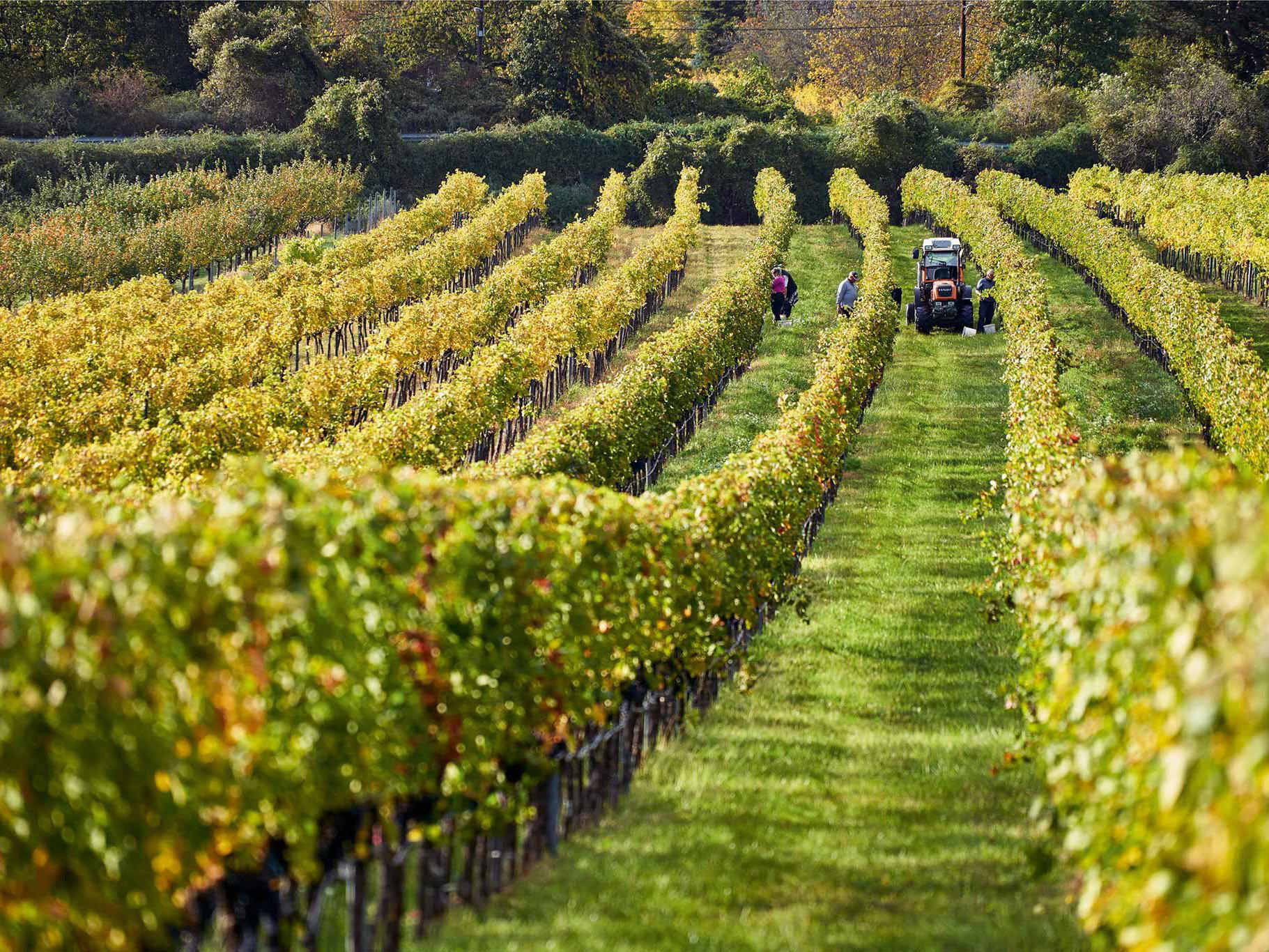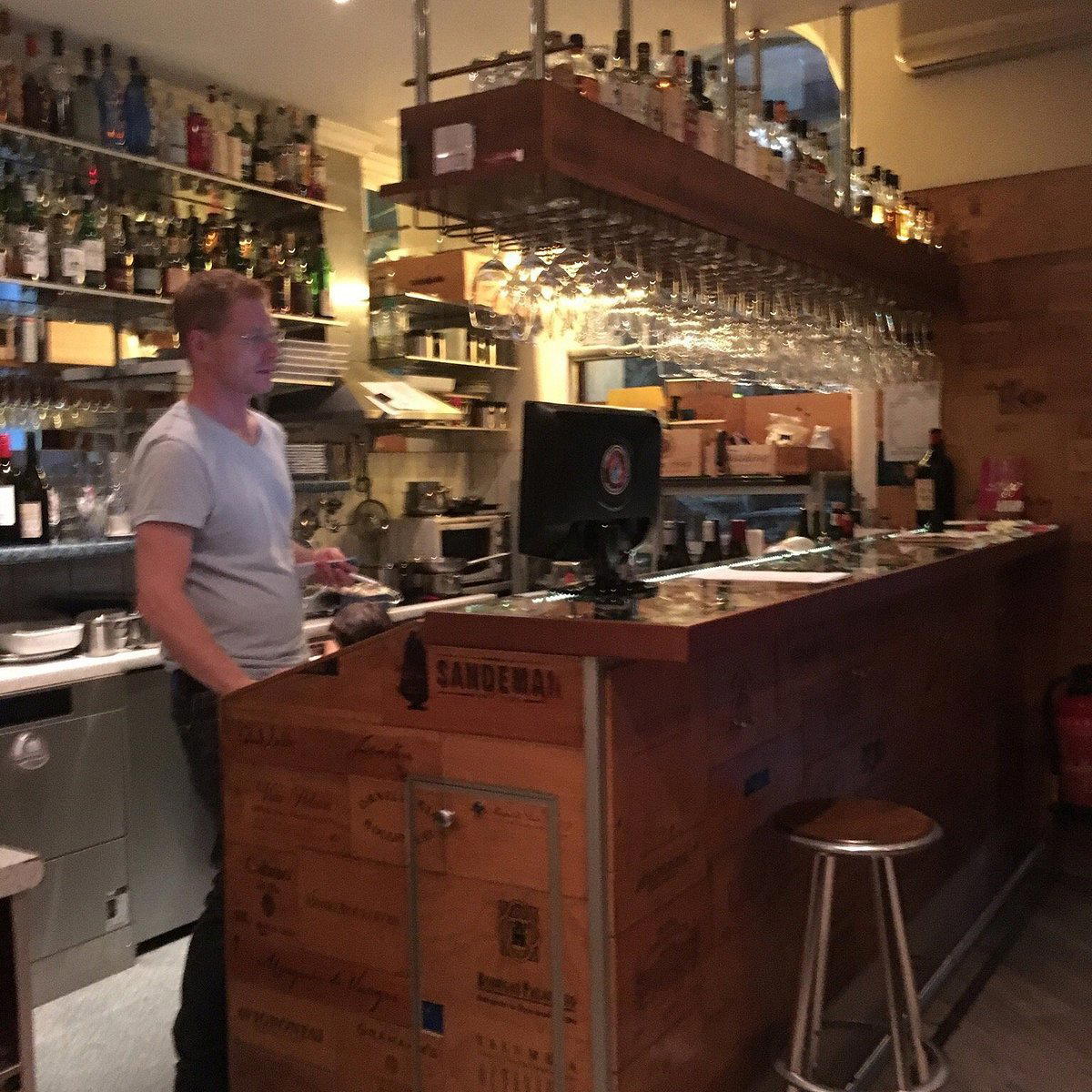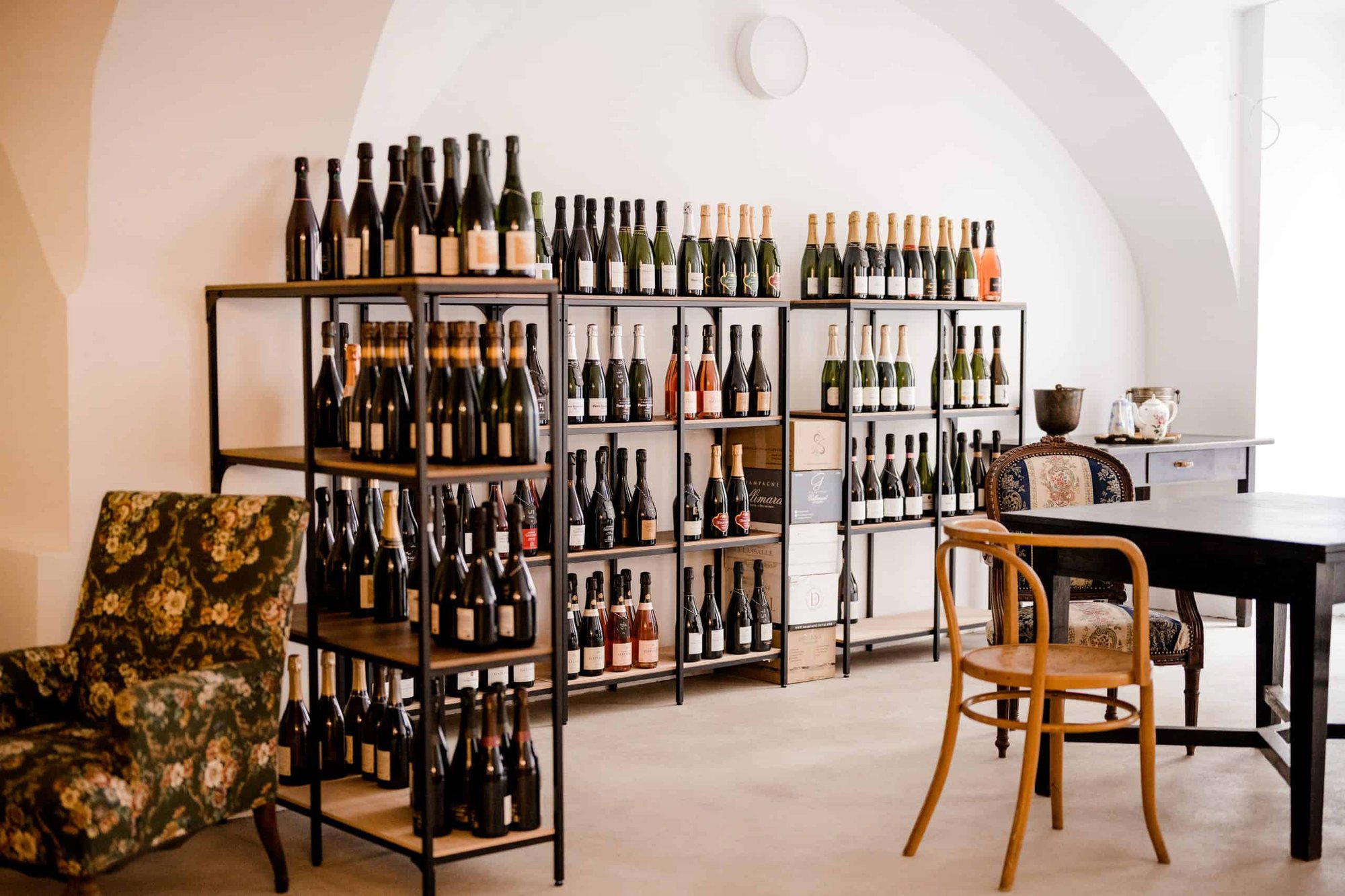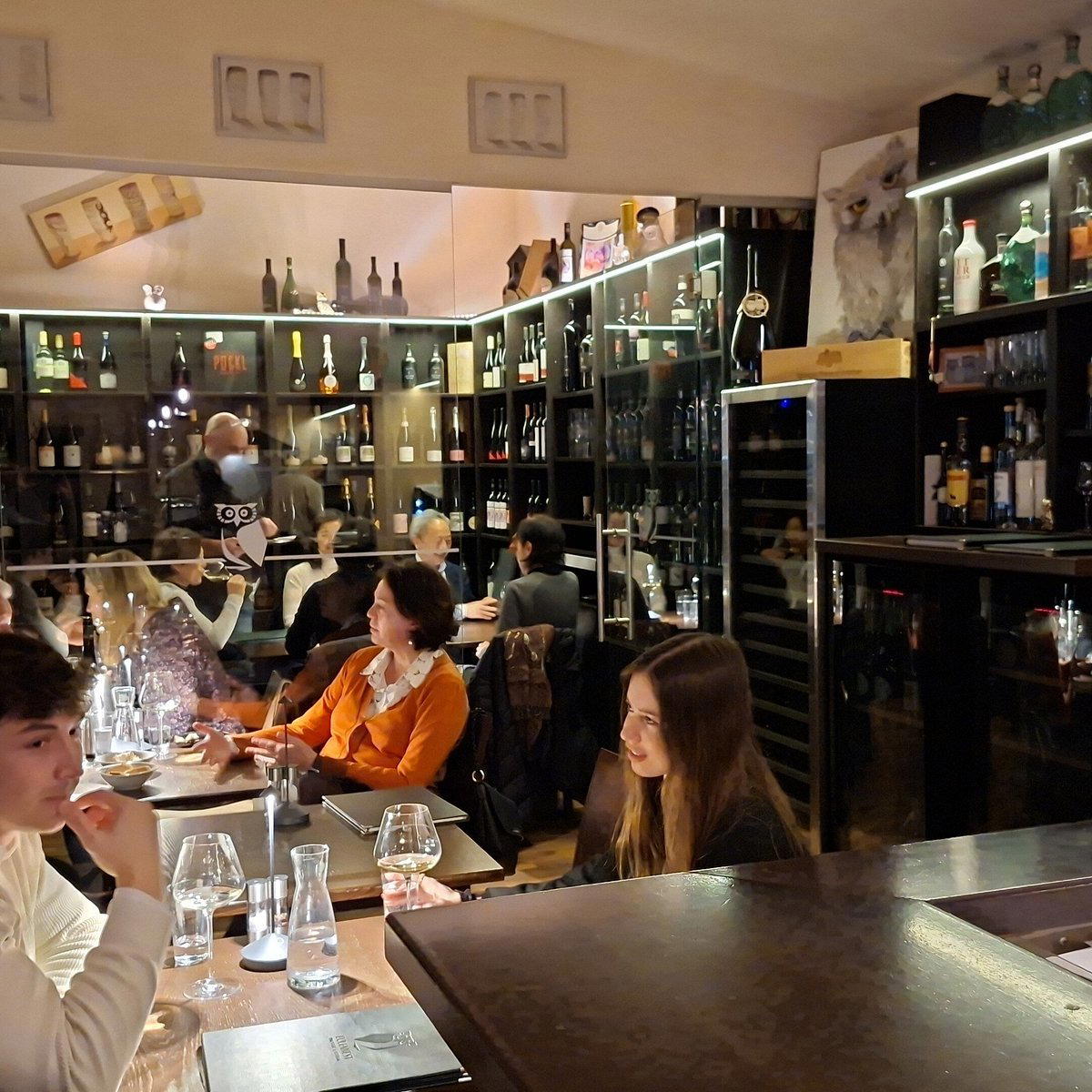
Lederhaas Distillery holds a Pearl 1 Star Prestige rating (2025), placing it among Vienna's most recognised spirits producers. Operating within a city that has long balanced wine culture with a serious craft tradition, Lederhaas occupies a distinct position in Austria's distilling scene. For those tracing the full arc of Vienna's artisan production, it belongs on the same itinerary as the city's leading urban wineries.
 Discover on Pearl
Pearl is the En Primeur Club membership app — saves, bookings, and concierge access live there. Same editors, same standards.
Vienna's Distilling Tradition and Where Lederhaas Sits Within It
Austrian spirits production has never competed loudly for international attention the way its wine regions have. Grüner Veltliner and Riesling from the Wachau carry the country's reputation abroad, and the urban wine estates of Vienna, from Weingut Mayer am Pfarrplatz to Weingut Fritz Wieninger, occupy a category that tourists and collectors understand intuitively. Distilling sits in a different register: quieter, more local in its audience, and historically rooted in Austria's long tradition of fruit brandy and grain spirits rather than the grain-forward single-malt culture that dominates the premium end of Scotch or Irish whiskey. Lederhaas Distillery operates inside that tradition, and its 2025 recognition places it within Austria's craft spirits hierarchy.
Vienna itself is an underappreciated city for artisan production. The capital's wine estates produce grapes grown within city boundaries, a geographic anomaly that distinguishes Vienna from almost every other major European capital. That same civic pride in local craft extends to distilling. The city's producers tend to draw on Austrian agricultural materials, locally grown fruit, and grain from nearby regions, with provenance and process remaining legible to the end product. Lederhaas sits in that category of producers whose 2025 Prestige recognition signals a standard that goes beyond hobbyist output.
The Physical World of Austrian Craft Distilling
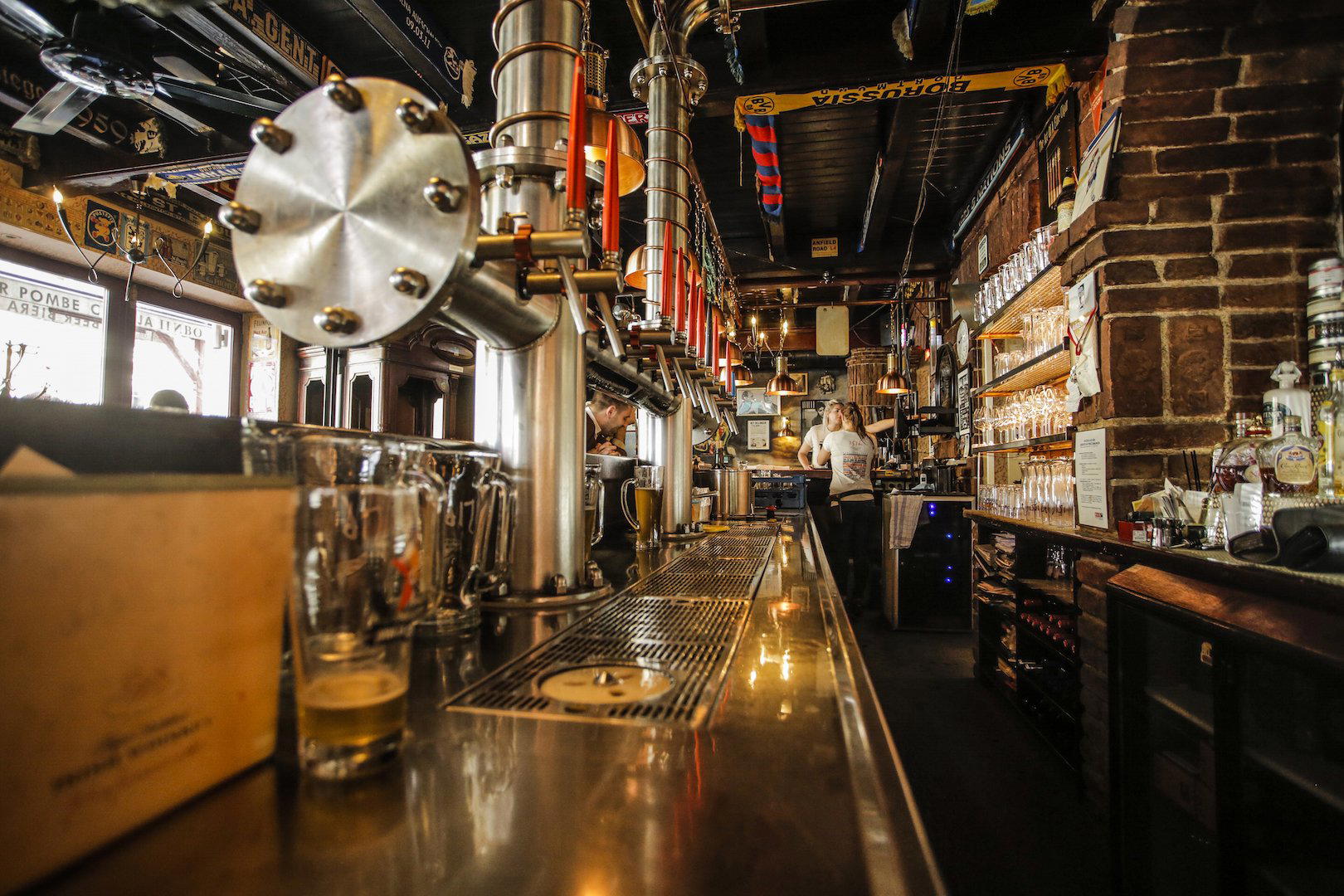
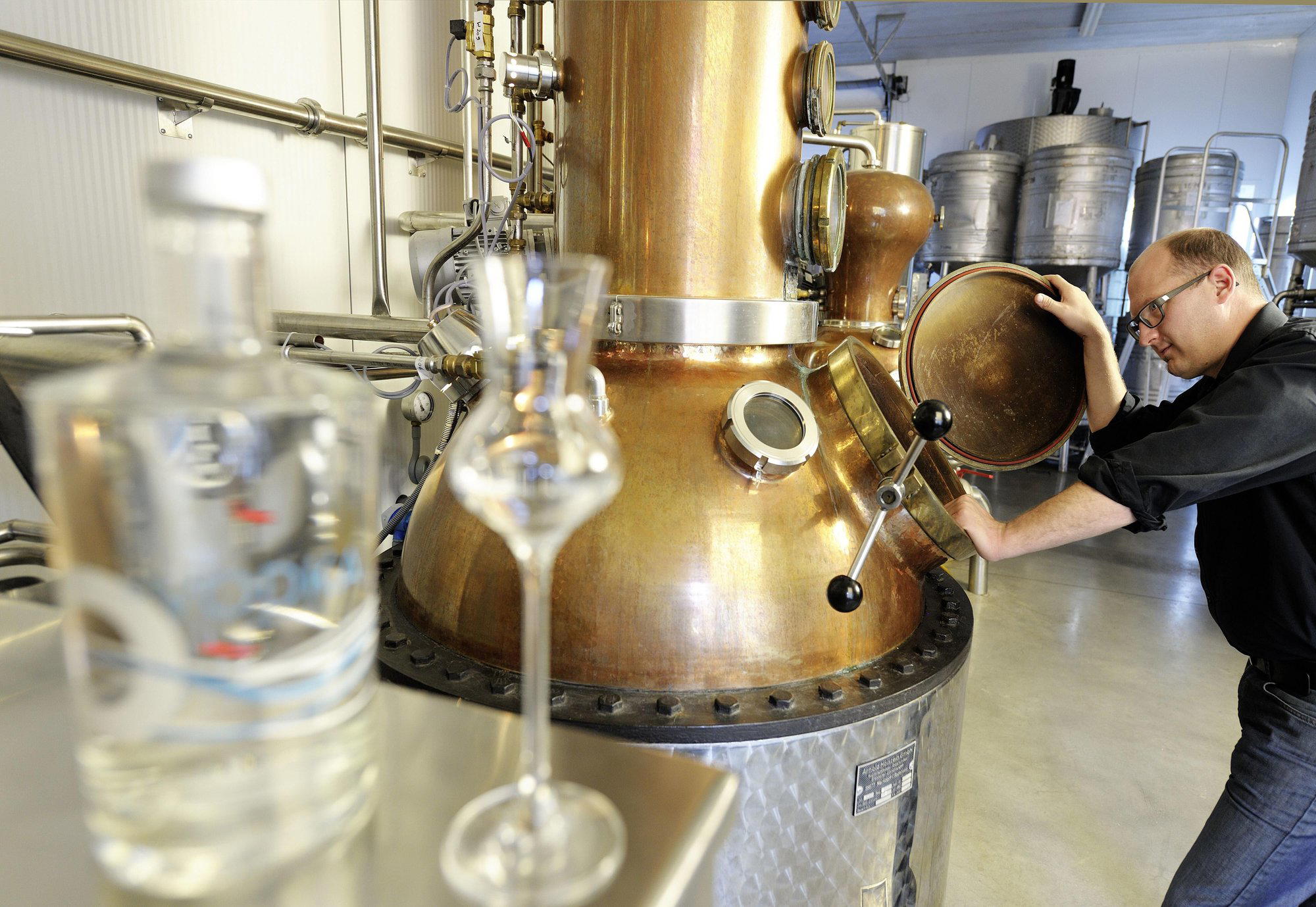
The sensory experience of visiting a Viennese distillery differs substantially from touring a Bordeaux château or walking the terraced vineyards above Dürnstein. There are no broad views of vine rows or river bends here. What defines the distillery visit in an urban Austrian context is something more compressed: the smell of copper stills, the close geography of production and tasting, the way a small-batch operation makes its process immediately visible. Austria's craft distillers, at their more serious end, tend to locate in spaces where the architecture of production is part of the appeal, converted agricultural buildings, workshop spaces with exposed infrastructure, or purpose-built facilities where the still itself is a centrepiece rather than a back-room fixture.
For visitors arriving from Vienna's wine scene, perhaps after a session at Weingut Fuhrgassl-Huber or Weingut Rainer Christ in the Neustift am Walde area, Lederhaas represents a different mode of engagement with local production. The rhythm is not seasonal in the same way viticulture is. Distilling follows its own calendar, tied to harvest windows for raw materials but extending the transformation process across months or years of maturation. That slower arc, and the technical precision it requires, is part of what the Pearl 1 Star Prestige standard recognises.
Placing Lederhaas in Vienna's Broader Craft Production Scene
Vienna's artisan production ecosystem has expanded meaningfully over the past decade. The city's wine estates draw the most structured visitor attention, organised tastings, heuriger culture, a clear calendar of events. Craft brewing and distilling have grown alongside that interest but operate with less formal tourism infrastructure. 1516 Brewing Company Distillery represents one end of that spectrum, more accessible in format and scale. Lederhaas, with its Prestige award credential, positions at a higher tier of craft ambition.
That positioning matters when planning a Vienna itinerary around artisan production. The city's wine estates, particularly those in Grinzing, Neustift am Walde, and the Bisamberg area, offer the kind of landscape-anchored experience that dominates wine tourism elsewhere in Austria. Producers like Weingut Bründlmayer in Langenlois and Weingut Emmerich Knoll in Dürnstein operate in settings where geography is inseparable from the product. Distilling in Vienna operates in closer quarters, but the craft logic, provenance, process discipline, the weight of a recognised award, runs parallel.
Austrian Distilling Beyond the Capital
Lederhaas also reflects how Austrian spirits production sits nationally. The country has a well-established tradition in fruit distillates, Obstbrand, Williams pear brandy, apricot spirits from the Wachau, that predates the current craft wave by generations. The newer wave of Austrian distillers has pushed into grain whisky, gin, and aged spirits with more international competitive intent. Award structures like the Pearl Prestige system exist specifically to differentiate within this expanding field.
Producers with recognised credentials in the broader Austrian spirits and wine sphere include Weingut Scheiblhofer Distillery in Andau, which bridges winemaking and distilling within a single estate operation in Burgenland. That dual-production model has precedent in Austria and reflects how grape-growing regions naturally extend into brandy and pomace spirit production. Lederhaas operates from Vienna rather than a rural wine region, which gives it a different material and cultural context.
Other Austrian producers worth tracking alongside Lederhaas for a comprehensive view of the country's premium craft output include Weingut Pittnauer in Gols, Weingut Kracher in Illmitz, Weingut Wohlmuth in Kitzeck, and Weingut Heinrich Hartl in Oberwaltersdorf. For international reference points, the craft distilling field connects to a global comparable set that includes producers like Aberlour in Aberlour and, at the high-allocation end of single-estate production, Accendo Cellars in St. Helena.
Planning a Visit
Specific operational details for Lederhaas, opening hours, booking requirements, tasting formats, and pricing, are not centrally published at the time of writing, which is itself a signal about the distillery's positioning. Direct contact through the distillery's own channels is the reliable approach.
Planning a half-day or full-day itinerary that combines a Lederhaas visit with one of the city's urban wine estates is achievable without a car.
The Minimal Set
Comparable venues nearby, for context on price, style, and recognition.
| Venue | Cuisine | Price |
|---|---|---|
| Lederhaas DistilleryThis venue — the venue you are viewing | Winery | , |
| Strassbauer Distillery | Winery | , |
| Weingut Mayer am Pfarrplatz | Döbling, Riesling, Grüner Veltliner | $$ |
| Koskij Distillery | Winery | , |
| 1516 Brewing Company Distillery | Winery | , |
| Alt Wiener Schnapsmuseum | Winery | , |
Continue exploring