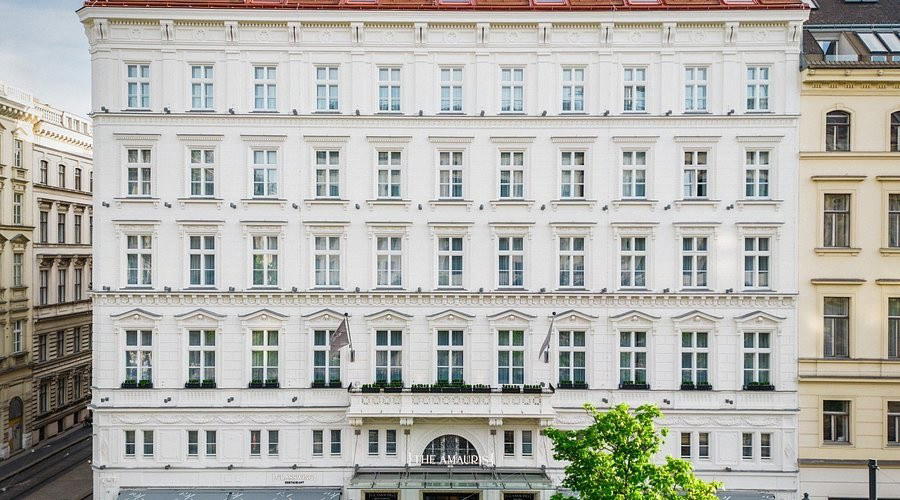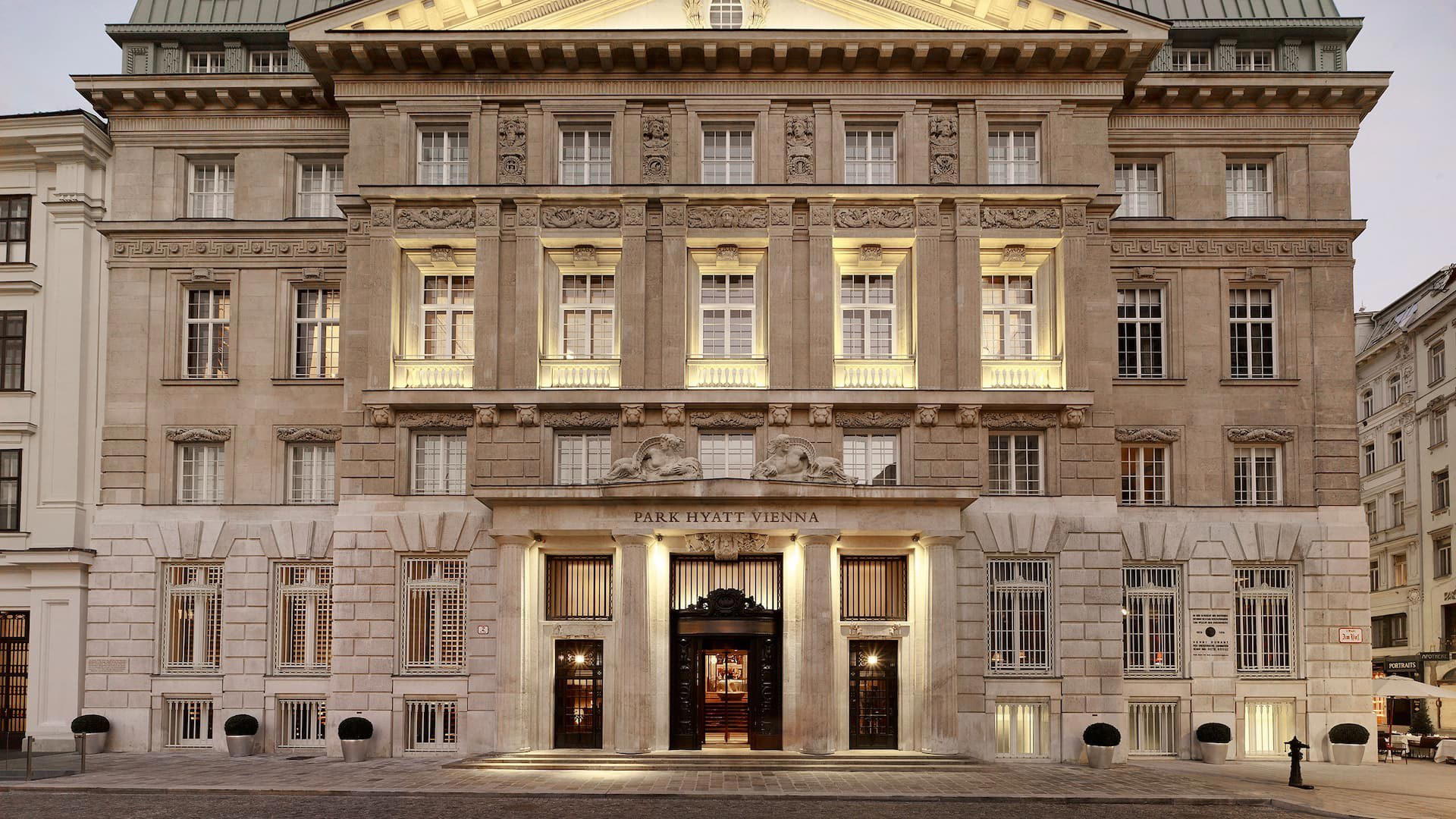
Koskij Distillery holds a Pearl 1 Star Prestige award (2025), placing it among Vienna's recognised producers in a city with a growing craft spirits and winemaking identity. The distillery operates within a regional tradition that values process discipline and small-batch output. For visitors exploring Austria's artisan production scene, Koskij represents a credentialed entry point into Vienna's less-charted spirits territory.
 Discover on Pearl
Pearl is the En Primeur Club membership app — saves, bookings, and concierge access live there. Same editors, same standards.
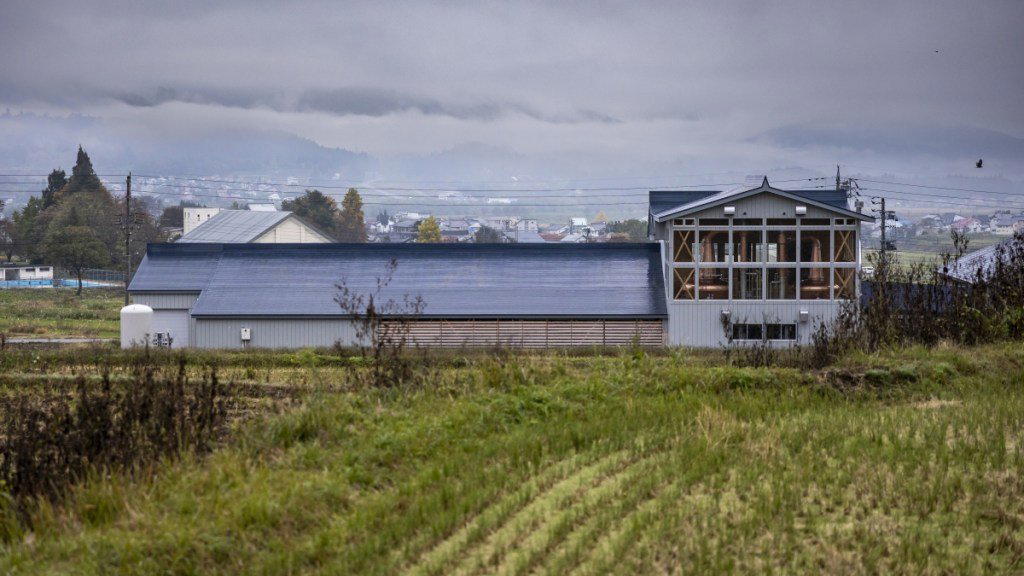
Vienna's Craft Spirits Scene and Where Koskij Distillery Sits Within It
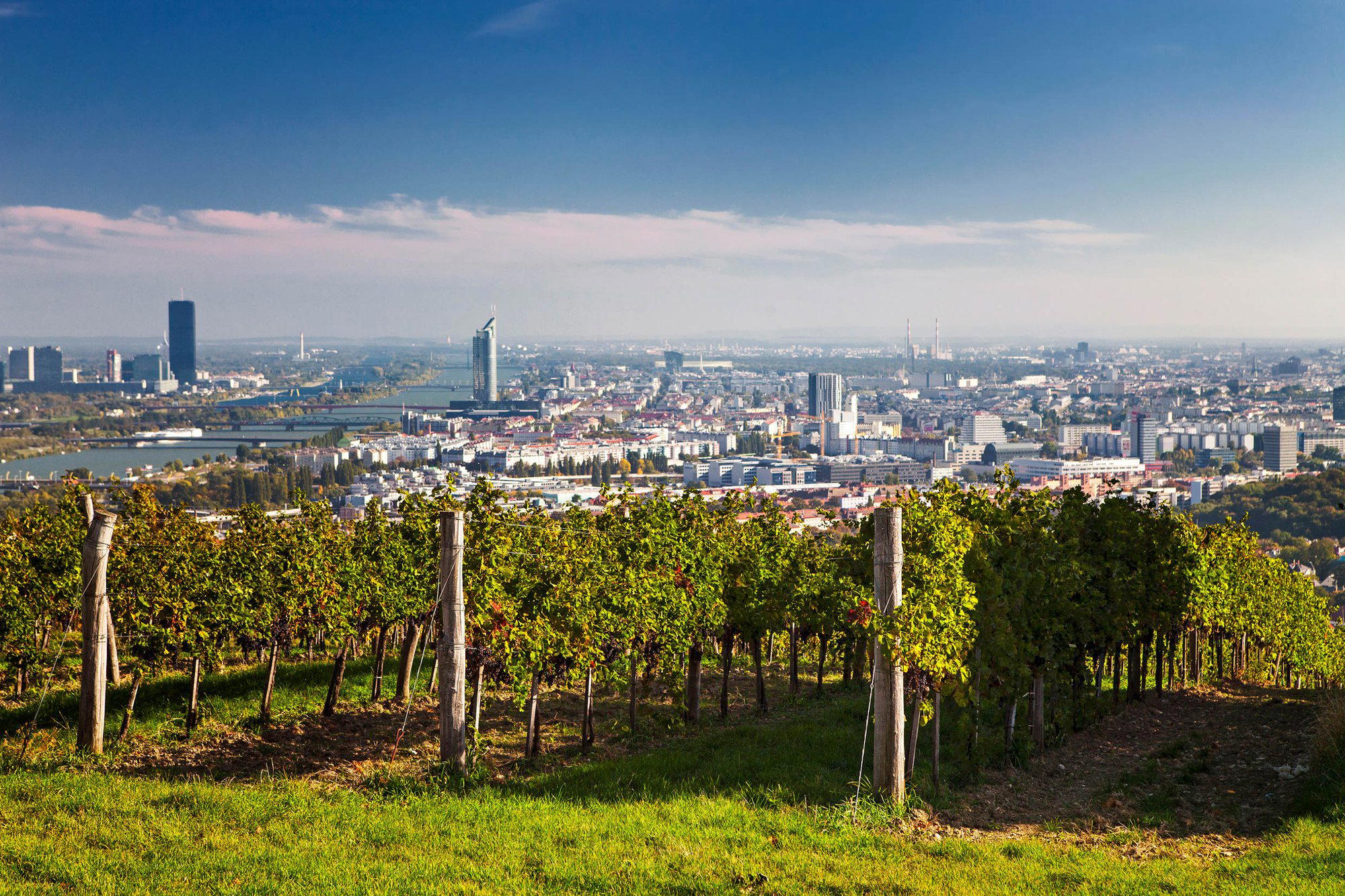
Vienna occupies an unusual position in European spirits culture. It is a city more readily associated with wine, the urban Heuriger tradition, Grüner Veltliner poured from ceramic pitchers, vineyards running to the edge of the 19th district, yet a quieter craft distilling movement has taken root alongside it. Small-batch producers working with local botanicals, grain, and fruit have emerged in a city where the line between wine producer and distillery has always been permeable. Koskij Distillery sits inside that movement, and its Pearl 1 Star Prestige recognition in 2025 places it within the credentialed tier of that scene rather than at its experimental edges.
That award matters as a positioning signal. Recognition is applied to producers demonstrating consistent quality and craft at a level above entry-tier operations. For a city like Vienna, where spirits production does not carry the institutional weight of its wine culture, recognition of this kind anchors a producer in a defined quality bracket. Koskij is not operating as a curiosity or a side project; it is operating as a serious producer within a city that is still building the critical vocabulary to assess its own distilling output.
For context on how Vienna's broader producer landscape breaks down, Vienna's food and drink identity spans categories. The distillery sits within a city that rewards those willing to look beyond the obvious wine estates and Michelin-mapped dining rooms.
The Tasting Format and What a Visit Involves
Craft distilleries in European cities have developed two dominant visit formats over the past decade. The first is the production-led tour: stills visible through glass, guides walking guests through fermentation and distillation, spirits poured at the end as a conclusion rather than the point. The second is the tasting-room-forward format, where the production context is present but the structured tasting is the primary experience, and the guide's depth of product knowledge does most of the work. Both formats have value, but they signal different things about how a distillery understands its audience.
Koskij's specific tasting format, capacity, and booking structure are not confirmed in the record. Its recognition confirms that the operation has been assessed by a credentialing body and found to meet a defined standard, which is a meaningful external signal for a first-time visitor.
Visitors approaching any small-batch distillery in Vienna should expect an experience that is more intimate and less theatrically produced than the large regional wine estates. The Weingut Mayer am Pfarrplatz model, anchored in history, high visitor volume, and broad accessibility, represents one end of the Vienna producer visit spectrum. Koskij, as a distillery rather than a wine estate, occupies a different register entirely: smaller, more process-focused, and aligned with a visitor who is arriving with specific curiosity rather than casual interest.
How Koskij Compares Within Vienna's Producer comparable set
Vienna's wine producers carry the weight of documented tradition. Weingut Fritz Wieninger and Weingut Rainer Christ represent the kind of multi-generational viticulture that gives the city's wine identity its depth and coherence. Weingut Fuhrgassl-Huber and Weingut Mayer am Pfarrplatz combine production with accessible Heuriger experiences that draw both locals and visitors with relative ease.
Distilleries occupy a different position in this ecosystem. The 1516 Brewing Company Distillery operates at the intersection of brewing and distilling culture, a model common in cities where craft beer infrastructure preceded craft spirits. Koskij, as a standalone distillery with its own prestige recognition, signals a more focused operation: a producer whose identity is built around distillation specifically, without the diversification that characterises brewery-adjacent producers.
For visitors building a fuller picture of Austrian production beyond Vienna, the surrounding regions offer useful reference points. Weingut Bründlmayer in Langenlois and Weingut Emmerich Knoll in Dürnstein represent the Kamptal and Wachau ends of Austria's quality wine hierarchy. The Burgenland side of the picture includes Weingut Kracher in Illmitz, Weingut Pittnauer in Gols, and Weingut Scheiblhofer Distillery in Andau, the last of which offers a useful parallel as a winery that has extended into distillery production in a different part of the country. Styria's Weingut Wohlmuth in Kitzeck and the Niederösterreich-based Weingut Heinrich Hartl in Oberwaltersdorf round out the range of Austrian producers worth contextualising against a Vienna distillery visit.
For those whose interest extends beyond Austria entirely, international reference points help calibrate expectations. Aberlour in Aberlour represents a well-established Single Malt production tradition, while Accendo Cellars in St. Helena sits at the opposite end of the spectrum: a Napa Valley allocation-model wine producer whose pricing and prestige structure have little in common with a European craft distillery but whose commitment to small-batch, quality-over-volume production echoes a shared philosophy across very different categories.
Planning a Visit: What to Know Before You Go
Vienna as a base for a distillery visit is logistically convenient. The city's public transport network is efficient enough that most urban producers are reachable without a car, though distilleries in the outer districts or on the city's edges may require tram or U-Bahn connections beyond the tourist-dense first district. As a general principle for Vienna producer visits, building the distillery into a half-day itinerary rather than treating it as a standalone destination tends to make the most of the city's geography: a tasting at Koskij could sit naturally alongside a wine tasting at one of the city's Heuriger-adjacent estates or a walk through the vineyard areas of the 19th district.
Specific booking requirements, opening hours, and pricing for Koskij are not confirmed in the record. Advance contact is advisable. Contacting the distillery directly before planning a visit is the prudent approach.
For those building a broader Vienna itinerary around food and drink, the city rewards slow engagement. The wine estates, the distilleries, and the dining rooms that carry prestige recognition in Vienna tend to operate at a pace that resists rushing. Koskij, as a 2025 Pearl 1 Star Prestige holder, fits that pattern: it is a producer that has earned external recognition and is worth approaching with the same deliberateness that its craft demands.
Style and Standing
Comparable venues nearby, for context on price, style, and recognition.
| Venue | Cuisine | Price | Awards | Notes |
|---|---|---|---|---|
| Koskij DistilleryThis venue — the venue you are viewing | Winery | 1 recognition | ||
| Weingut Mayer am Pfarrplatz | Riesling, Grüner Veltliner | $$ | 1 recognition | Döbling |
| 1516 Brewing Company Distillery | Winery | 1 recognition | Vienna | |
| Stock Austria Distillery | Winery | 1 recognition | Vienna | |
| Weingut Wien Cobenzl | Grüner Veltliner, Riesling | $$ | 1 recognition | Grinzing |
| Weingut Zahel | Grüner Veltliner, Riesling | $$ | 1 recognition | Mauer, Liesing (23rd district) |
Continue exploring