La Lastra

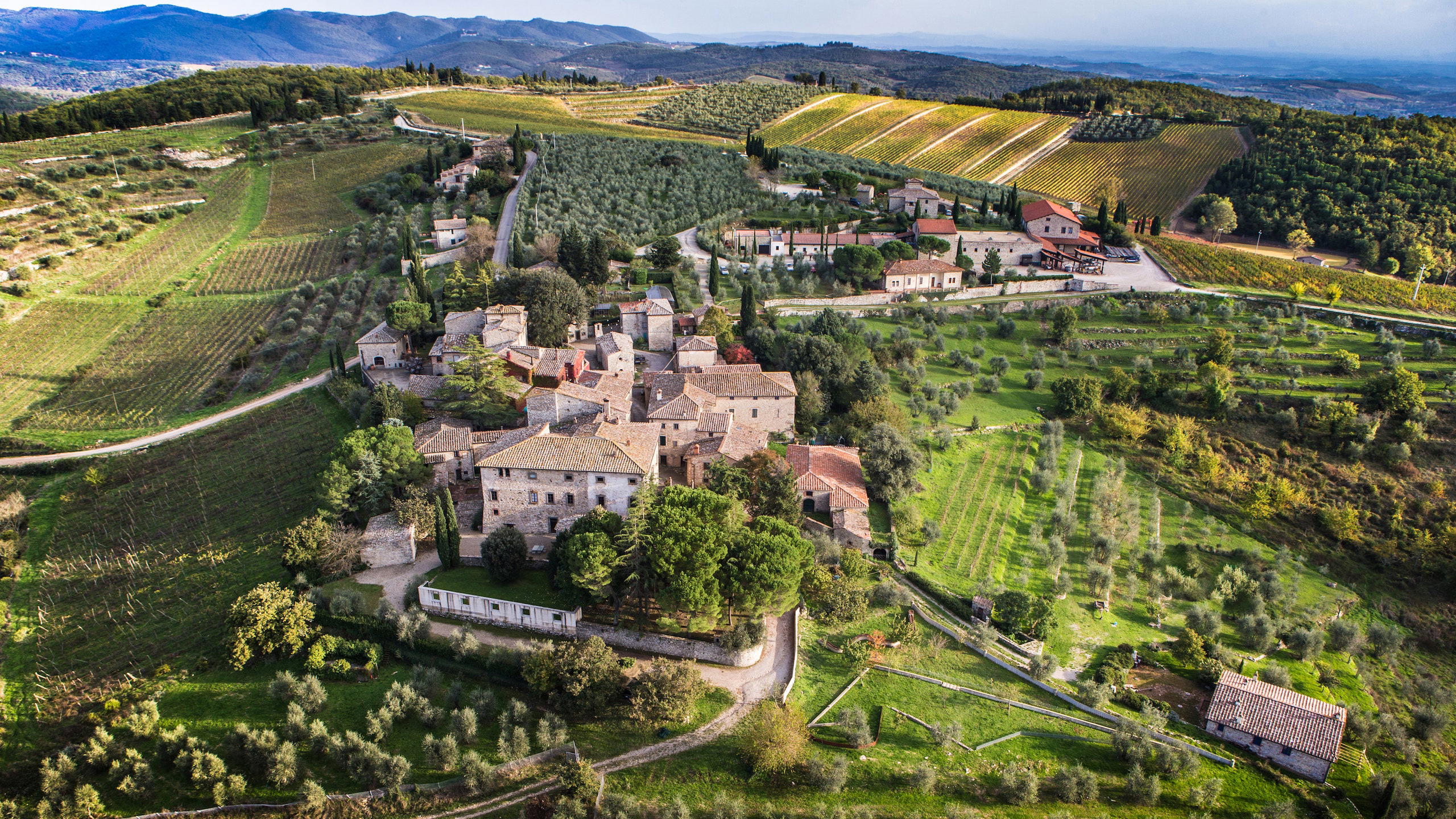
La Lastra frames San Gimignano through Vernaccia, organic farming and hillside soils rather than cellar-door gloss. The visit is built around vineyard-to-glass education, with estate grounds, cellar context, tasting and lunch forming a slow Tuscan format for travelers who want agriculture explained, not merely poured.
Pearl is the En Primeur Club membership app — saves, bookings, and concierge access live there. Same editors, same standards.
- Address
- San Gimignano, Tuscany, Italien
- Directions
- Get directions
 Saves & bookings on Pearl
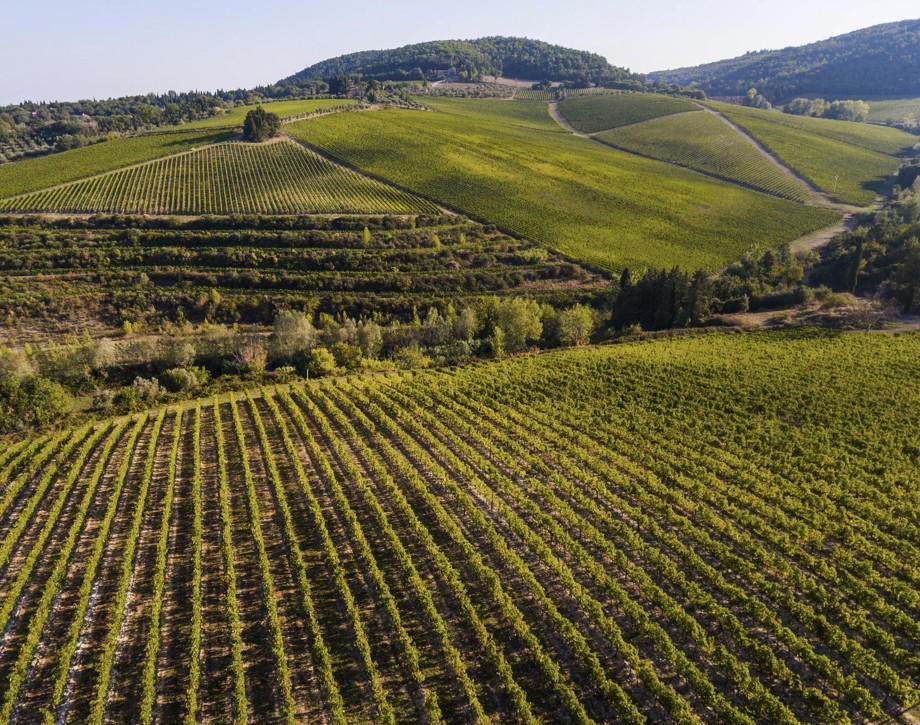
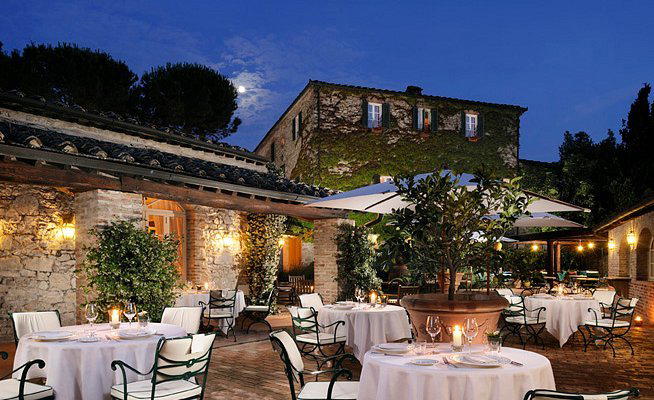
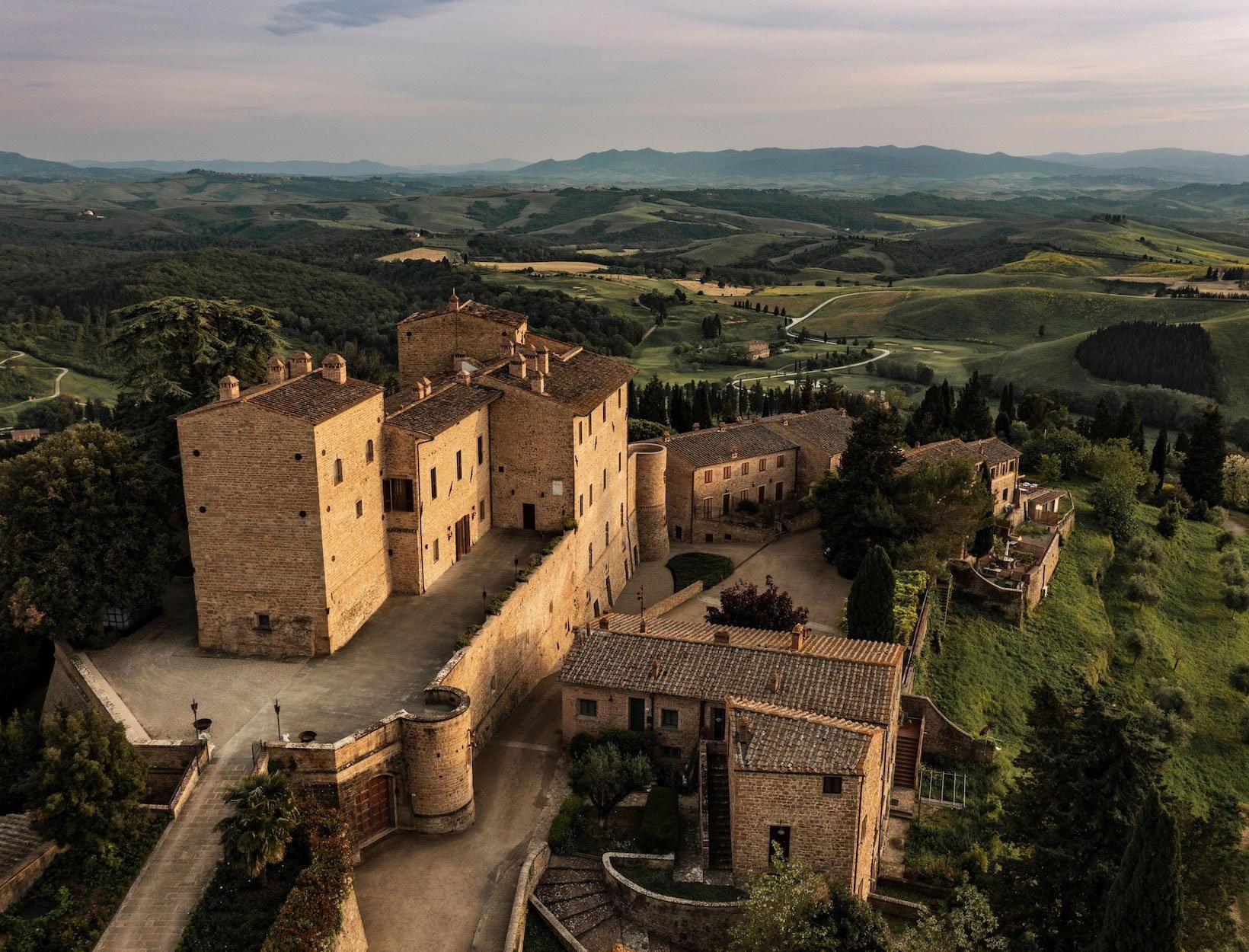
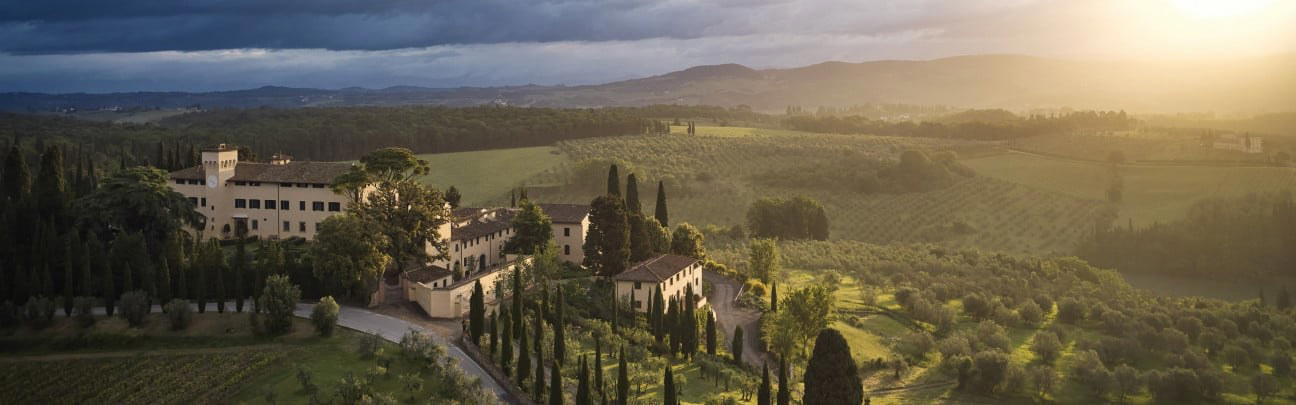
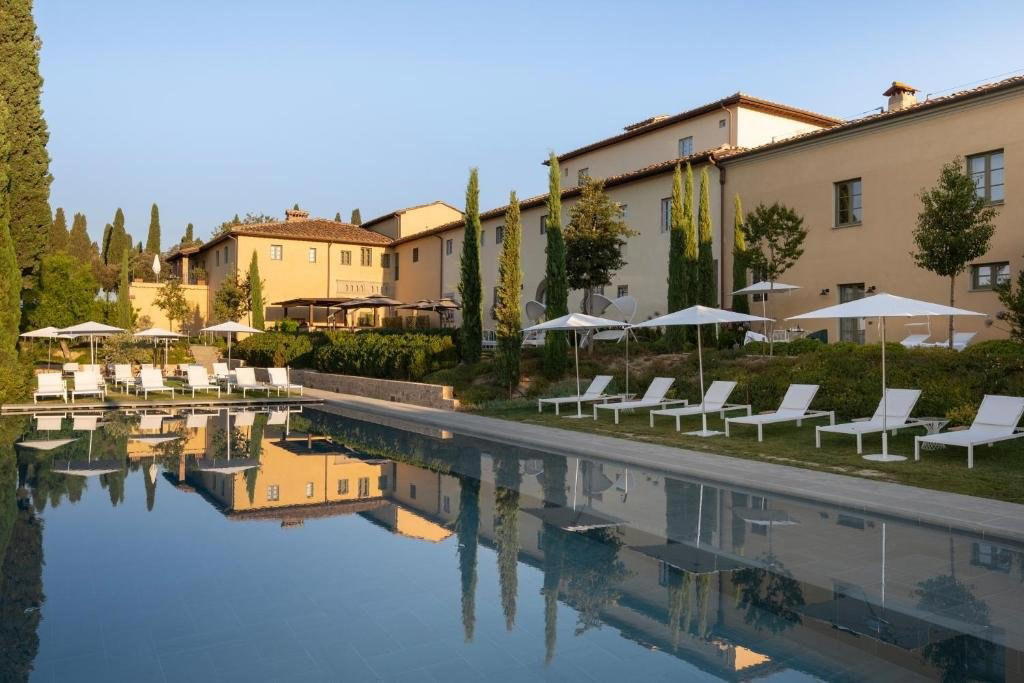
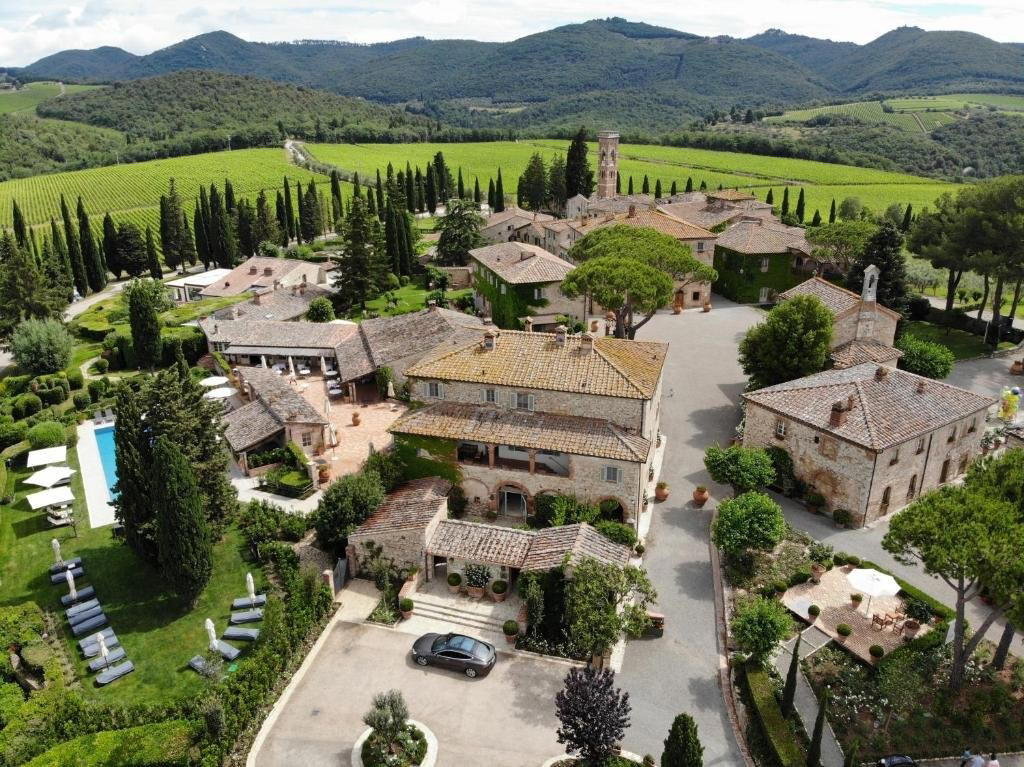
Approaching La Lastra in San Gimignano changes the tempo of a tasting before the first glass appears. The point is not theatrical luxury; it is the farm setting itself: vines, open space and a relaxed rural atmosphere that place the visitor inside the work of the estate rather than beside it. La Lastra is best understood as a family-run organic Tuscan winery where the visit is designed to explain how land, farming and bottle connect, and where that connection is allowed to unfold gradually.
San Gimignano gives that format a clear anchor. Rather than treating wine as a quick scenic add-on, La Lastra frames the experience around an intimate, educational encounter with the estate. The emphasis is on respect for nature and on the emotional and cultural value of wine, so the visit feels less like a list of things to sample and more like a way of understanding why this landscape matters to what ends up in the glass.
Wine, farming and the case for San Gimignano
The serious argument for the winery begins with the estate setting. In a region often reduced by travelers to postcard images, this kind of visit asks guests to slow down and read wine through the farm: the vineyard, the cellar and the table rather than the glass alone. That matters because it gives structure to the experience. The wine is not isolated from its origin; it is presented as the result of a place, a method of farming and a family-run approach to hospitality.
What is clear is the broader identity: the winery is a family-run organic Tuscan winery in San Gimignano, and the experience emphasizes a close connection between nature, culture and wine. Those ideas can sound abstract until they are placed in the rhythm of an estate visit. Walking among vines, entering the cellar and then sitting down in a farm setting give the same message from different angles: this is wine understood through context.
The value of the visit is therefore not a long checklist of bottles or awards. It is the chance to spend time in a winery environment where vineyard walks, cellar visits and lunch are part of one relaxed educational format. The appeal lies in continuity. Each element supports the next, so the tasting becomes less about speed or quantity and more about attention, conversation and a clearer sense of how the estate presents itself.
An educational estate visit rather than a quick pour
Hospitality at the winery is built around instruction and intimacy. The experience combines a walk through the vineyards, a visit to the cellar and a relaxed farm setting over lunch, making it more substantial than a simple tasting-room stop. That structure gives guests time to settle in, ask questions and connect the setting to the wines without feeling as if the visit is merely passing through a sequence of pours.
The organic identity is central to how the estate presents itself. Here, that idea is tied to respect for nature and to a broader cultural view of wine: not just as a drink, but as something connected to land, farming and memory. The point is not to turn the visit into a technical seminar. Instead, the organic focus gives the experience a practical and emotional frame, reminding visitors that wine culture in Tuscany is also a story of place, care and continuity.
The format suits travelers who want time and context. A tasting experience with vineyard, cellar and lunch components naturally changes the rhythm from a fast pour to a slower rural visit. Travelers coming for a quick stop may prefer other San Gimignano options; travelers interested in Tuscan wine culture will understand the value of the format. It is especially suited to those who want the estate itself to be part of the memory, not just the label on the bottle.
How to place it within a San Gimignano itinerary
The winery works well as the wine-centered part of a San Gimignano day, especially for visitors who want the estate visit itself to be part of the experience. Its strongest appeal is the combination of organic farming, family-run hospitality, vineyard walks, cellar context and a relaxed lunch setting. Because the experience is built around slowing down, it is best treated as a meaningful anchor rather than a brief interruption between other plans.
For broader planning, use general San Gimignano coverage alongside the winery. Other local choices can fill out the day, but the winery is the clear focus here for an educational organic winery experience in San Gimignano. Strong reason to choose it is not novelty or spectacle; it is the coherence of the visit, which brings together landscape, farming, cellar and table in a calm Tuscan setting.
Recognition history
Dated appearances from independent guides and award organizations, with the underlying list record or original source where available.
Falstaff Winery - Listed
Falstaff
Continue exploring
More in San Gimignano
Wineries in San Gimignano
Browse all →
Bars in San Gimignano
Browse all →
Restaurants in San Gimignano
Browse all →
At a Glance
- Rustic
- Scenic
- Classic
- Intimate
- Elegant
- Wine Education
- Group Outing
- Romantic Getaway
- Special Occasion
- Solo Exploration
- Vineyard Tour
- Estate Grounds
- Panoramic View
- Historic Building
- Private Tasting
- Organic
- Sustainable
- Vineyard
- Garden
- Mountain
- Vernaccia Di San Gimignano DOCG
- Vernaccia
- Sangiovese
- Canaiolo
- Merlot
- Cabernet Franc
- Still Red
- Still White
- Dessert
- Guided Estate Tour With Tasting And Lunch
- Educational Tasting
- Pre Booked Group Tasting
Family-run organic Tuscan winery with an educational, intimate tasting experience that combines vineyard walks, cellar visits and a relaxed farm setting over lunch, emphasizing respect for nature and the emotional, cultural value of wine.