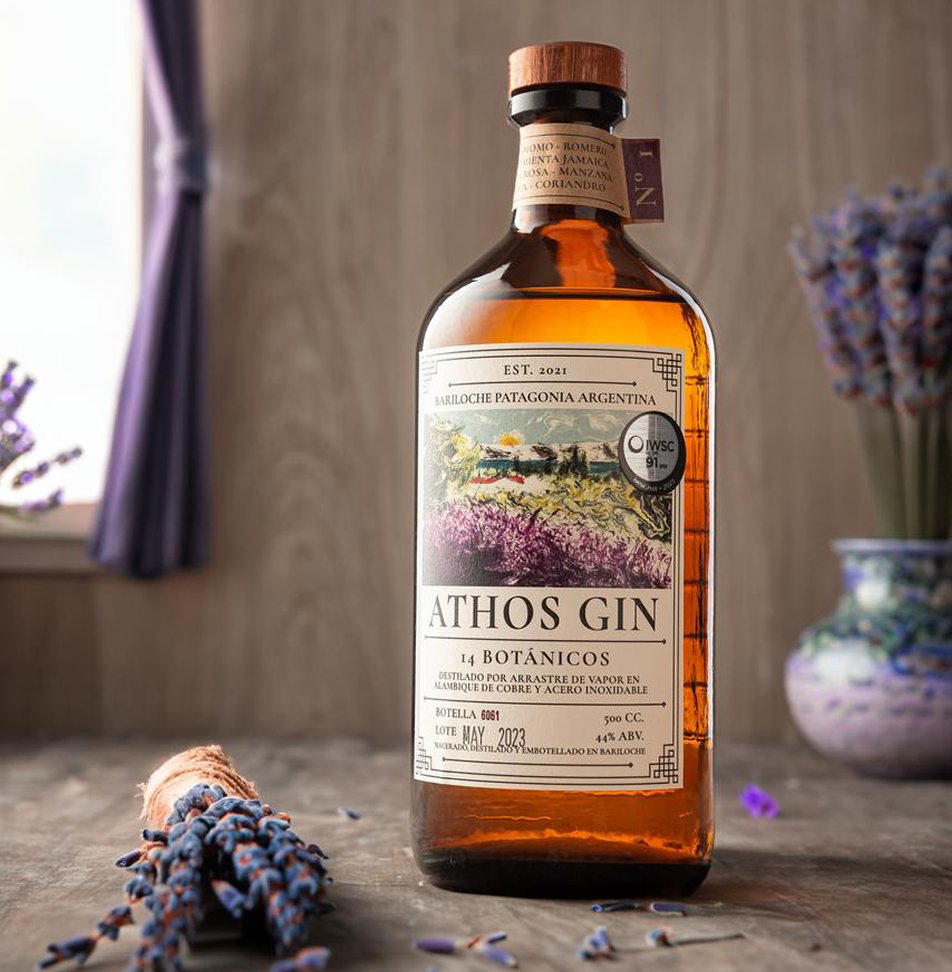
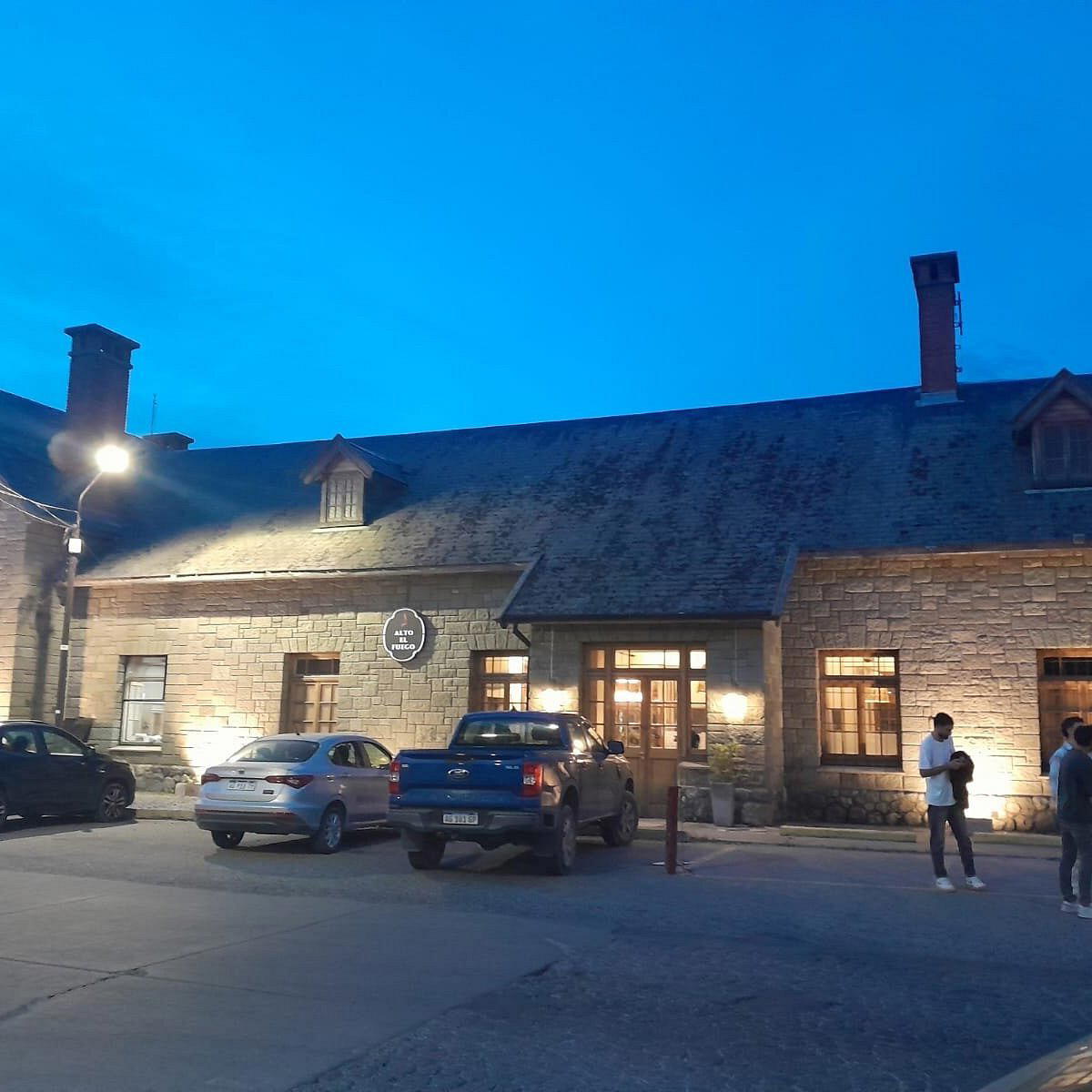
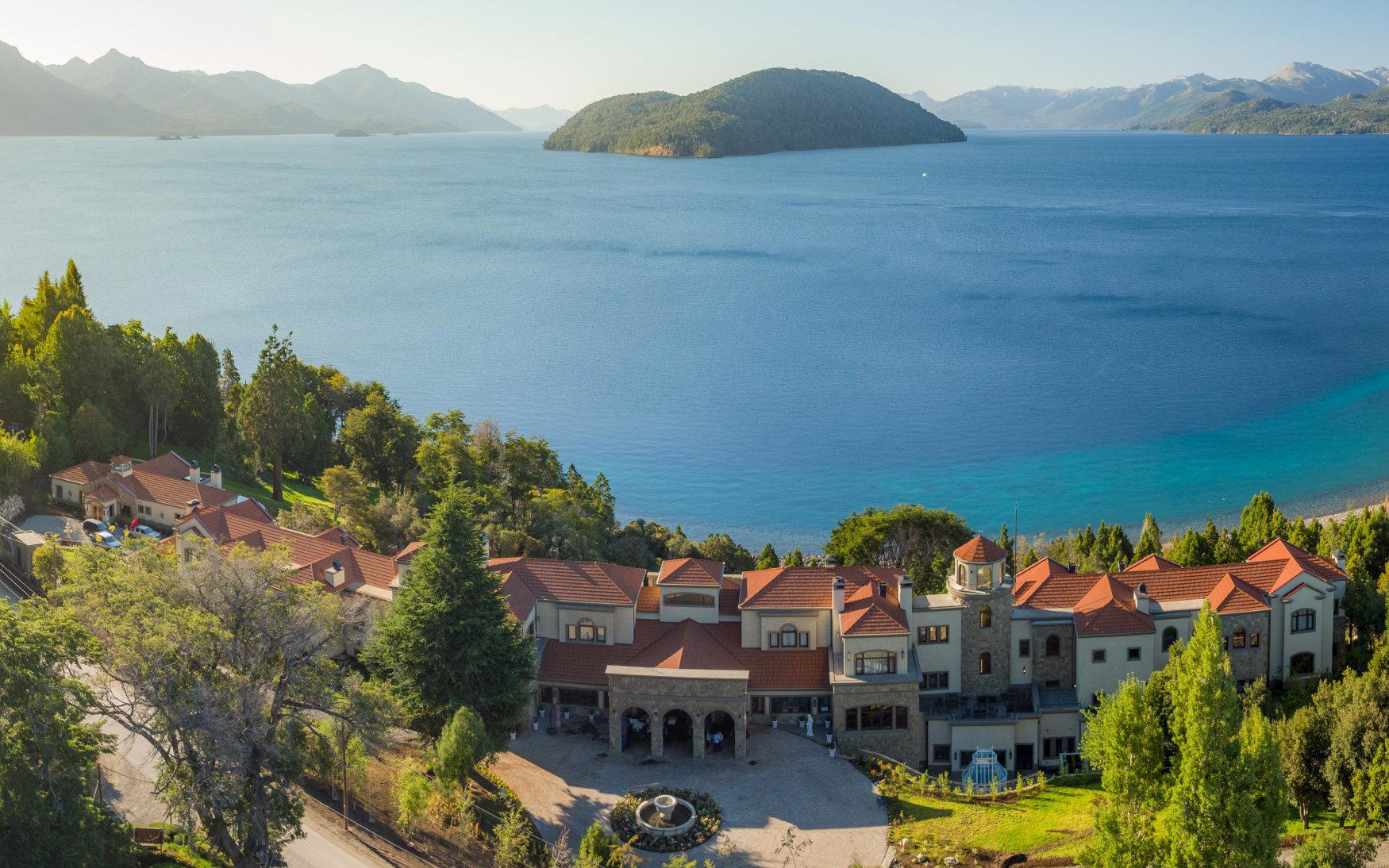
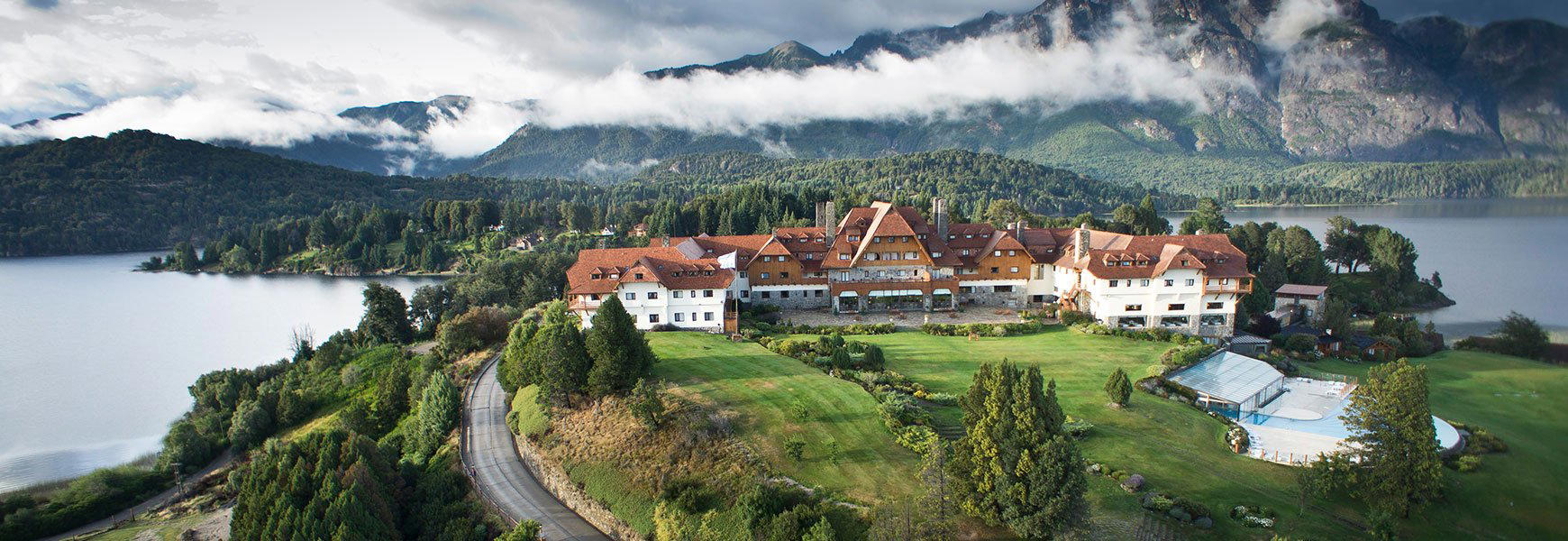
La Alazana Distillery is one of Bariloche's most closely watched spirits producers, holding a Pearl 1 Star Prestige award from 2025. Operating at the intersection of Patagonian terroir and artisanal distillation, it occupies a niche in Argentina's fast-expanding craft spirits scene that few producers in the southern Andes have claimed. Booking details and visiting hours are best confirmed directly before arrival.
 Discover on Pearl
Pearl is the En Primeur Club membership app — saves, bookings, and concierge access live there. Same editors, same standards.
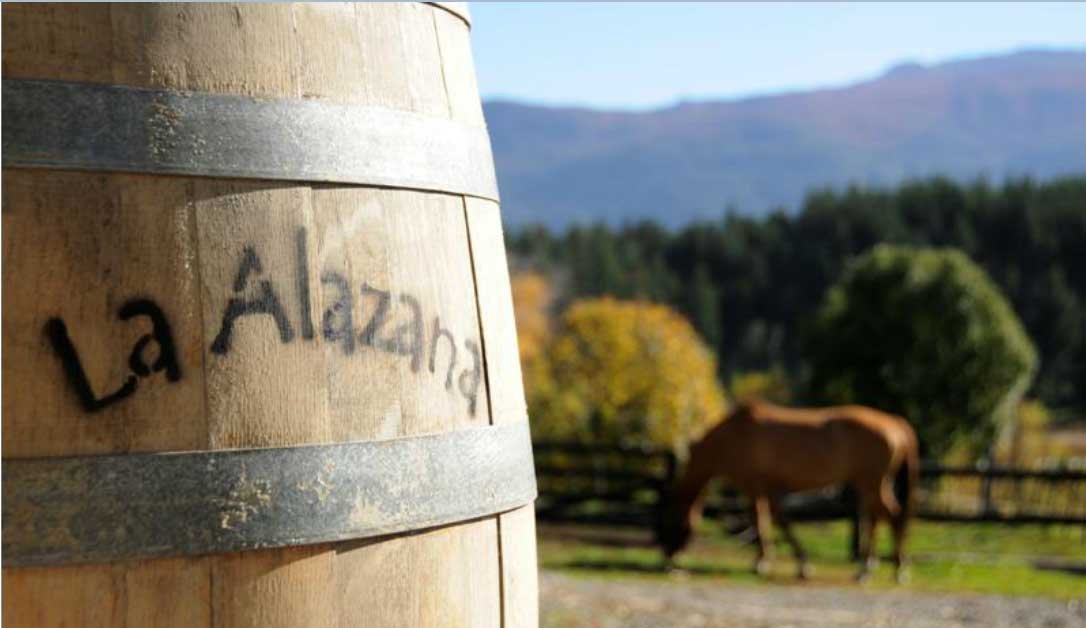
Where Patagonian Distillation Finds Its Register
Bariloche is better known internationally for its chocolate shops and ski runs than for spirits production, which is precisely why what is happening at its distillery tier carries weight. Argentina's craft spirits movement has, until recently, been centred overwhelmingly on Mendoza and Buenos Aires, where wine culture provides both infrastructure and an existing export audience. The Patagonian south represents a different proposition: cooler air, pronounced seasonal swings, glacially fed water sources, and a local identity that sits at arm's length from the metropolitan Argentine mainstream. La Alazana Distillery operates inside that context, and the 2025 Pearl 1 Star Prestige award it holds positions it at the upper end of its category.
For visitors arriving from the lake district's main access points, the distillery sits within the broader Bariloche area that has seen a meaningful uptick in producer tourism over the past several years. The region draws travellers oriented toward outdoor experience, and a growing subset of those visitors now treat producer visits as a core part of the itinerary rather than an afterthought. La Alazana benefits from that shift without being entirely dependent on it: the award recognition suggests a production program oriented toward quality benchmarks rather than volume or visitor throughput.
The Case for Patagonia as a Spirits Region
Argentina's reputation in international drinks circles was built almost entirely on wine, and specifically on Malbec from Mendoza's high-altitude vineyards. Producers like Bodega Norton in Luján de Cuyo, Escorihuela Gascón in Godoy Cruz, and Terrazas de los Andes in Mendoza have spent decades building that framework for international audiences. The distillery category is younger and operating against a different set of expectations, where the conversation is about botanical provenance, water quality, and local ingredient sourcing.
Patagonia, however, makes a coherent case on those terms. The Andean foothills around Bariloche provide water sources of notable purity, local botanicals shaped by sub-Antarctic climate conditions, and an altitude profile that affects both fermentation kinetics and aging behaviour in ways that differ meaningfully from lowland production. These are the working conditions that producers here contend with and, in the better cases, learn to use. The distillery category in northern Patagonia remains small enough that each serious producer occupies a relatively distinct space. Achtung Gin, also based in Bariloche, represents the botanical-forward gin tier of that scene. La Alazana operates in a different register, though the exact category emphasis is not stated in the public record.
Award Context and What It Signals
The Pearl 1 Star Prestige recognition, awarded in 2025, places La Alazana within a structured quality evaluation framework at the prestige tier. In the Argentine spirits context, this kind of recognition matters more than it might in a category with deeper critical infrastructure, because there are fewer established reference points here than in, say, Scotch whisky or Cognac. Producers like Aberlour in Aberlour operate within centuries of documented production tradition and a dense layer of international critical attention. Argentine artisanal distilleries are building their reputations in real time, and award signals carry outsized information value as a result.
What a prestige-tier award at this stage of a regional category's development typically indicates: a production program that prioritises consistency and craft over output scale, a house style defined enough to be evaluated against clear standards, and a market positioning that appeals to collectors and engaged travellers rather than the casual gift-shop shopper. The Fratelli Branca Distillery in Buenos Aires represents the established, large-scale end of Argentine spirits production. La Alazana is operating at the opposite end of that spectrum, in terms of both scale and orientation.
The Broader Argentine Producer Conversation
Placing La Alazana in the Argentine drinks map more broadly means acknowledging how concentrated premium production still is in Mendoza and the northwest. Bodega El Esteco in Cafayate, Bodega Colomé in Molinos, and Familia Schroeder in San Patricio del Chañar each anchor their respective subregions as serious producer destinations. Patagonia sits south of all of them, with a different climate logic and a visitor base that arrives via different routes.
The distillery format in Patagonia also competes for attention against wine-focused experiences in ways that, say, a Napa Valley spirits producer would not. Visitors to the lake district are not typically arriving with a spirits itinerary pre-built; they are constructing their visits around landscape, outdoor activity, and, increasingly, food and drink. That creates an opportunity for producers who can offer a visit experience that earns its place in a day already rich with competing draws. Producers like Bodega DiamAndes in Tunuyán and Bodega Antigal in Maipú have worked on exactly that visitor experience equation in the wine context. The distillery sector is earlier in that process.
Planning a Visit
Practical details for La Alazana are limited in public-facing documentation, which is itself a signal worth noting. Producers at the prestige tier in nascent categories often operate with constrained visit capacity, appointment-based access, or seasonal schedules that shift year to year. Treat this as a destination requiring advance inquiry rather than a walk-in attraction. Availability for visits or tastings should be confirmed directly before building an itinerary around it.
Bariloche is reachable by air from Buenos Aires, with flights landing at Bariloche International Airport, making it one of the more accessible Patagonian destinations. The broader Bariloche area offers accommodation across a wide range, from lakeside hotels to smaller lodge-style properties, and the town functions as a year-round destination, though visitor patterns shift significantly between the summer trekking season and the winter ski season. Timing a visit to La Alazana will depend on individual travel windows, but the shoulder seasons, particularly autumn, often provide more space and less competition for producer access in Argentine wine and spirits destinations generally.
La Alazana's Pearl 1 Star Prestige award puts it in credible company at that level of discussion.
Price Lens
Comparable venues nearby, for context on price, style, and recognition.
| Venue | Cuisine | Price |
|---|---|---|
| La Alazana DistilleryThis venue — the venue you are viewing | Winery | , |
| Achtung Gin | Winery | , |
| Domingo Molina | Yacochuya Norte, Torrontes, Malbec | $$ |
| Bodega Zorzal | Gualtallary, Malbec, Cabernet Sauvignon | $$ |
| Fratelli Branca Distillery | Tortuguitas, Sangiovese | , |
| Domingo Hermanos | Cafayate, Malbec, Torrontés | $$ |
Continue exploring