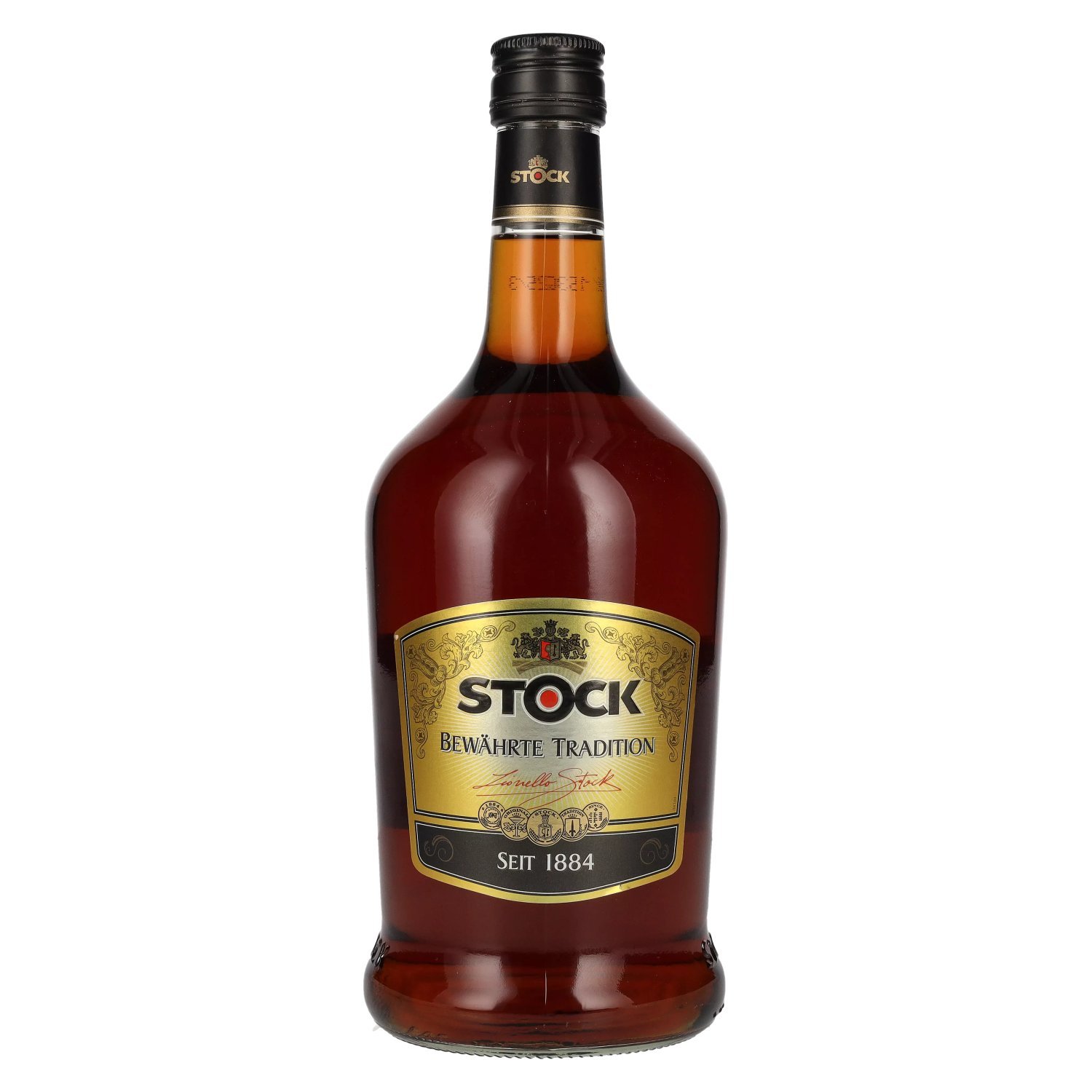
Stock Austria Distillery holds a Pearl 1 Star Prestige rating (2025), placing it among Vienna's recognised producers in Austrian spirits. Situated in a city better known for its wine estates and coffee house culture, this distillery represents a quieter but credentialled corner of Austria's craft spirits scene. For visitors exploring Vienna's broader drinks culture, it offers a focused alternative to the wine-led itineraries that typically dominate the city.
 Discover on Pearl
Pearl is the En Primeur Club membership app — saves, bookings, and concierge access live there. Same editors, same standards.
Vienna's Spirits Scene and Where the Distillery Fits
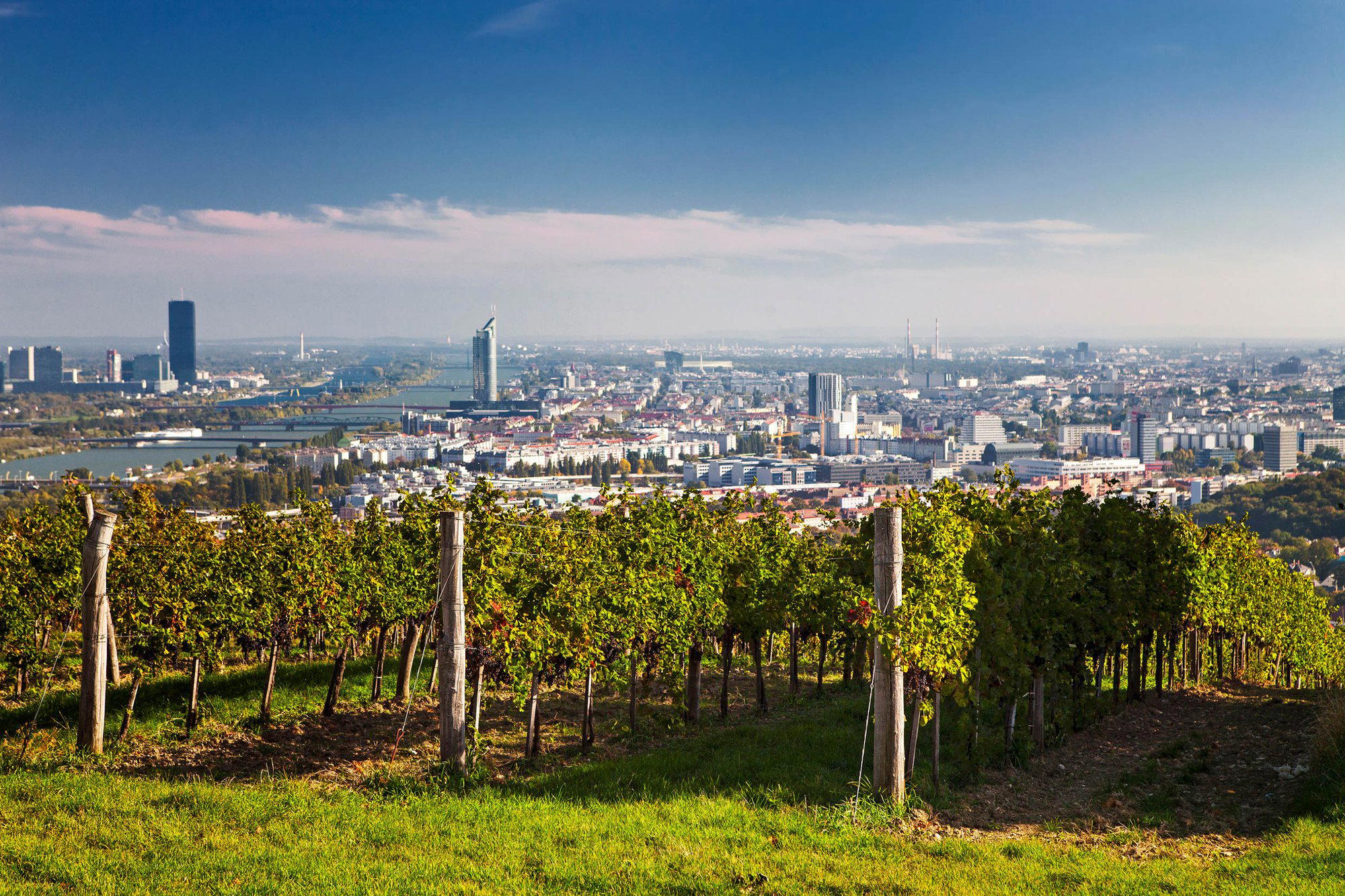
Vienna's drinks identity has long been shaped by wine. The city sits within one of the few European capitals with active vineyards inside its boundaries, and estates such as Weingut Fritz Wieninger, Weingut Mayer am Pfarrplatz, and Weingut Rainer Christ draw visitors to the Heuriger tradition on the city's outer districts. Against that wine-dominated backdrop, distillery production in Vienna occupies a smaller, less trafficked tier. Stock Austria Distillery has received Pearl 1 Star Prestige recognition from EP Club in 2025.
That award matters as context. For a distillery operating in a city where wine culture is the dominant reference point for serious drinks visitors, that kind of external recognition functions as a navigational signal.
Place as Character: What Vienna Means for Austrian Spirits
Austrian spirits production has historically clustered away from the capital, in rural and alpine regions where fruit distillation, in particular, has deep roots. The Schnapps tradition, fruit brandies made from Williams pears, apricots, plums, and gentian, belongs to the countryside, to farmhouse distilleries and mountain inns. Vienna's relationship with distilled spirits is more complicated: urban, commercially oriented in the past, and now increasingly intersecting with the craft movement that has reshaped European distilling over the past fifteen years.
A Vienna-based distillery like Stock Austria occupies an interesting position in that geography. It is operating in a city where the primary drinks culture points toward wine and coffee, yet it is making the case that Austrian spirits have a place in the urban conversation. For visitors who have already explored the wine estates on Vienna's periphery or ventured further to Weingut Bründlmayer in Langenlois or Weingut Emmerich Knoll in Dürnstein, a distillery visit in the city itself represents a different register of the Austrian drinks story.
The seasonal dimension is worth noting here. Vienna's wine estates are at their most accessible from late summer through autumn, when harvest activity makes Heuriger visits particularly relevant. Distilleries, by contrast, operate on a different rhythm: production is less tied to a specific harvest window that requires visitor presence, and the tasting experience is available year-round. Winter visits to Vienna, when the wine estates are quieter, can make a distillery a more practical and rewarding stop on a drinks-focused itinerary.
The Craft Distillery Format in a European Capital
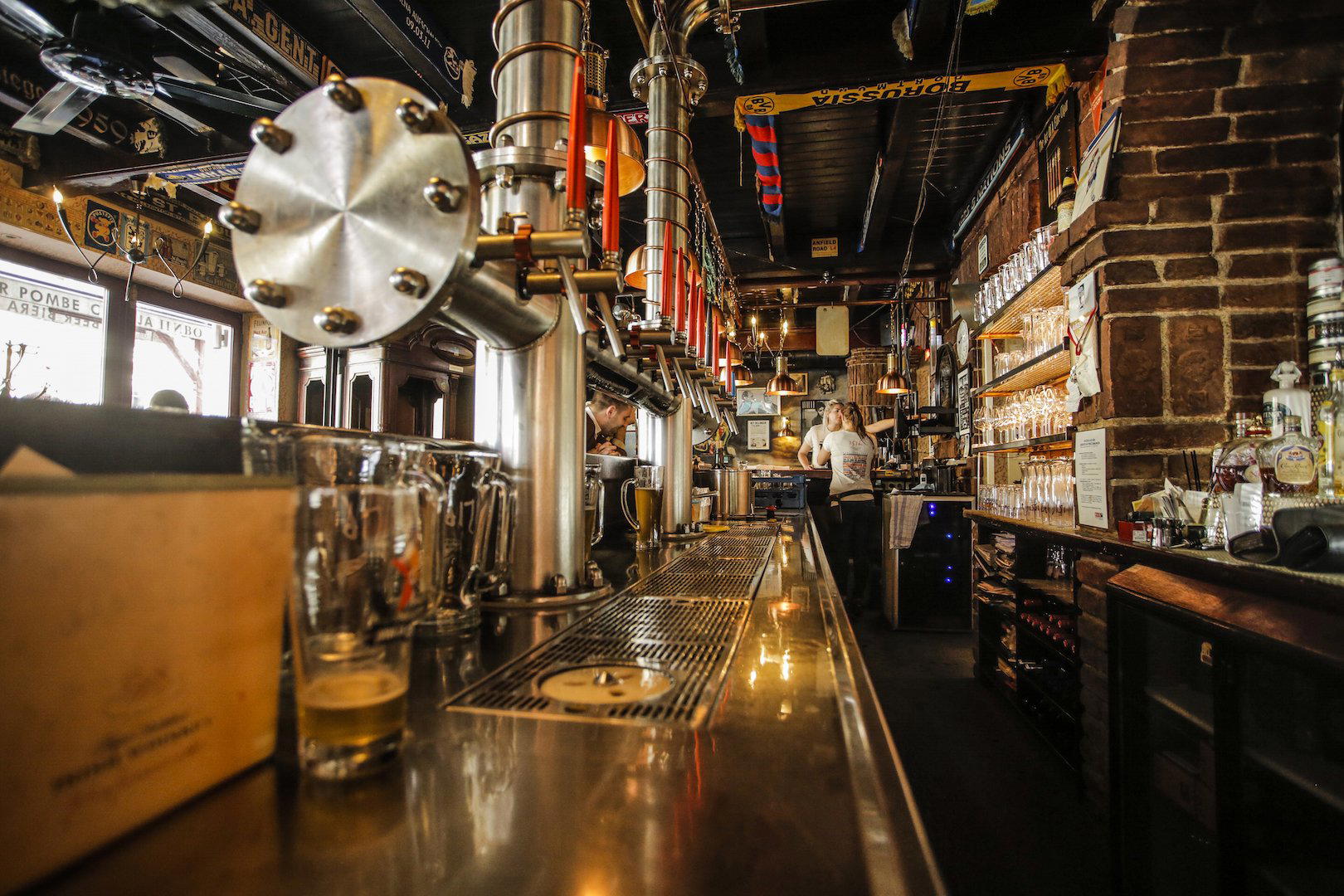
Across European cities, craft distilleries have developed two distinct visitor formats. The first is the production-forward model, where the distillery itself is the attraction: stills visible, the process explained, the tasting room functioning as an extension of the working space. The second is the urban spirits bar model, where distillery identity is expressed through a curated tasting experience detached from the physical production site. Vienna's craft drinks scene has seen both approaches, with venues like 1516 Brewing Company Distillery demonstrating how production and hospitality can overlap in a city context.
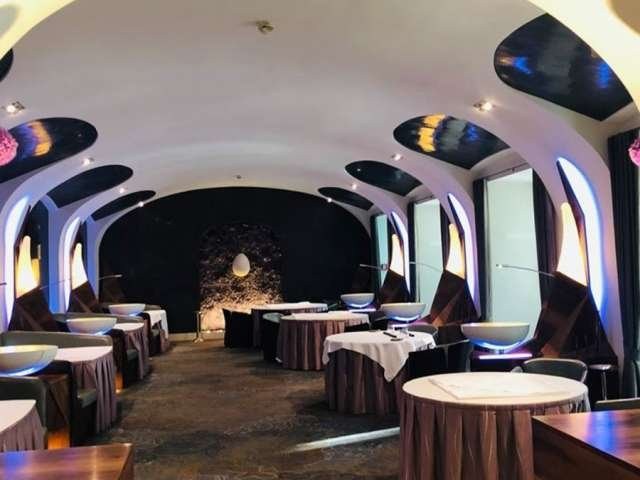
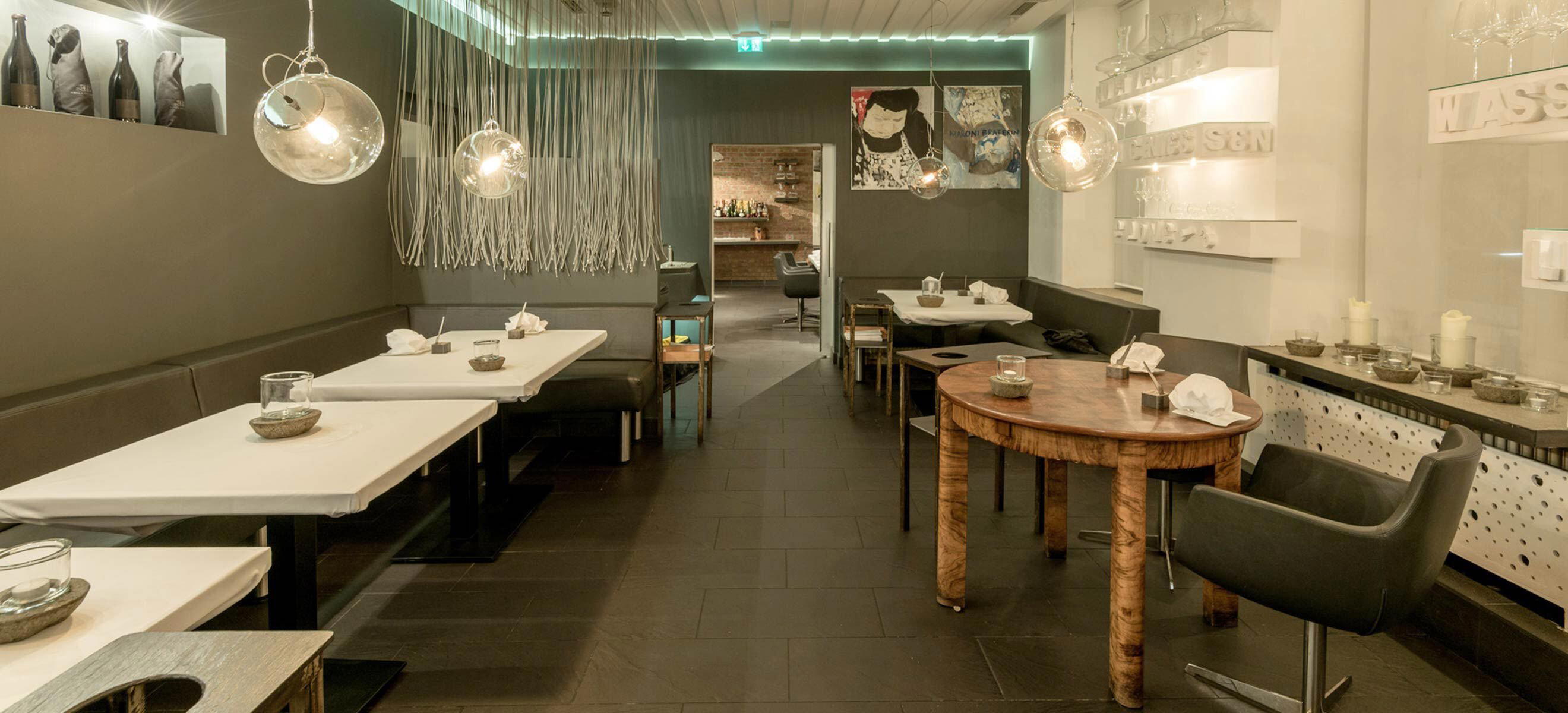
Stock Austria Distillery's specific format and physical environment are not detailed here, but the Pearl 1 Star Prestige rating implies a visitor or tasting experience that has been formally assessed and recognised. In the context of Vienna's broader spirits and wine scene, that credential positions it within the tier of producers worth a deliberate visit rather than a casual walk-in.
Placing Stock Austria in Austria's Broader Spirits Geography
To understand what a Vienna distillery represents, it helps to map Austrian spirits more broadly. The country's premium spirits identity is anchored in alpine fruit distillates and, increasingly, in whisky production that has grown significantly since the 1990s. Producers such as Weingut Scheiblhofer Distillery in Andau show how wine estate producers have extended into spirits, blurring the category boundary in regions like Burgenland. Further south, Weingut Wohlmuth in Kitzeck and Weingut Pittnauer in Gols represent the Styrian and Pannonian wine traditions that run parallel to spirits culture.
Within that national picture, a Vienna distillery with a credentialled rating is a relatively uncommon offering. Most of the recognised spirits production in Austria sits outside the capital. Stock Austria Distillery's position in Vienna makes it an accessible entry point for visitors who want to engage with Austrian spirits without building a separate rural itinerary, and the Pearl recognition suggests that the quality justifies the engagement.
For travellers who have already engaged with Scottish single malt as a reference point, operations like Aberlour in Aberlour illustrate the kind of place-specific distillery identity that European craft producers are increasingly working toward. The comparison is instructive: Austrian spirits have their own terroir logic, rooted in different raw materials and traditions, but the principle of place shaping production is one that applies across both countries.
Planning a Visit: Practical Considerations
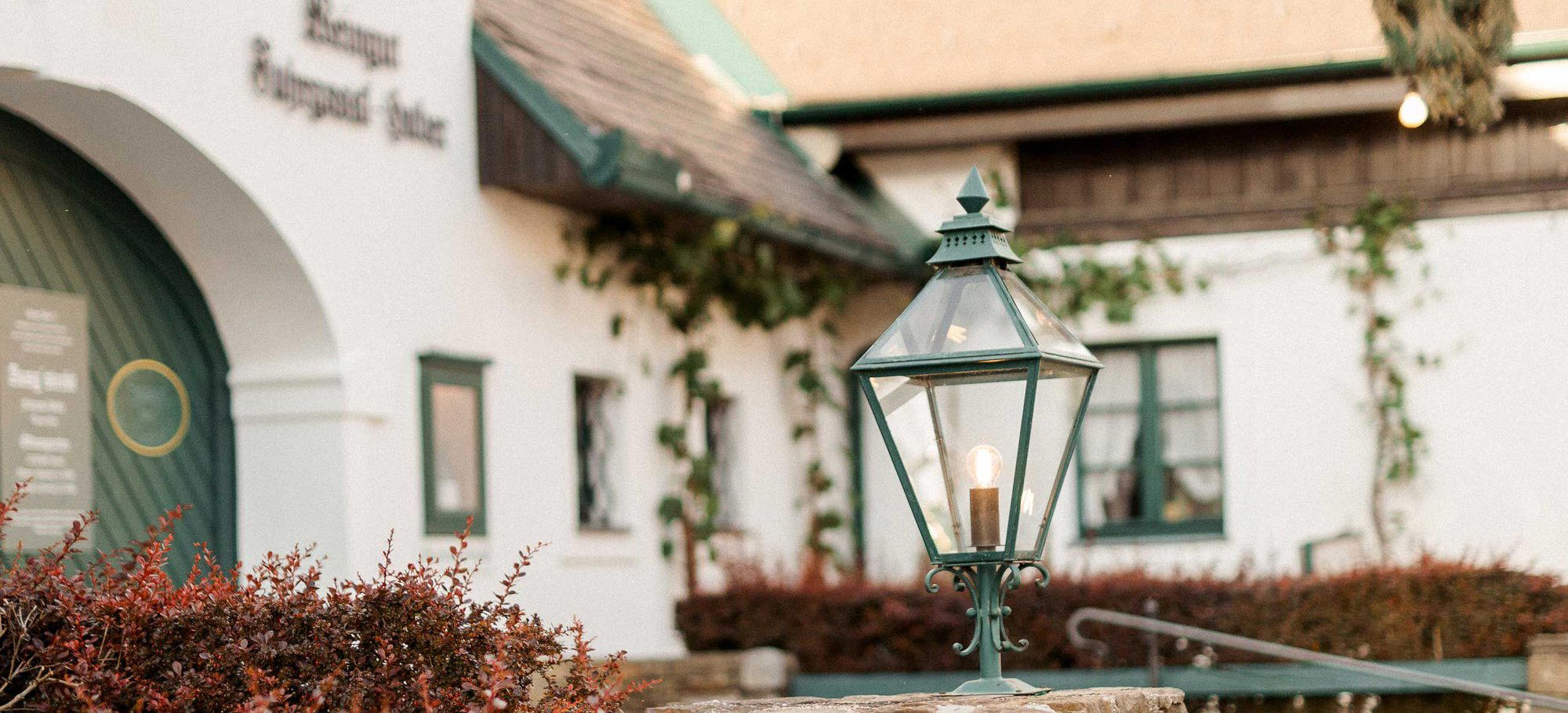
Given the distillery's award status, contacting ahead of a visit is advisable. Vienna's public transport network makes accessing most parts of the city direct, and a distillery visit can be integrated into a broader drinks day that includes the city's wine estates on the Kahlenberg slopes or the Heuriger villages to the northwest, such as those associated with Weingut Fuhrgassl-Huber.
Wine-focused travellers extending beyond Vienna into Lower Austria's Kamptal or Wachau regions will find further producer depth at Weingut Heinrich Hartl in Oberwaltersdorf and Weingut Kracher in Illmitz in Burgenland's Seewinkel. For a contrasting international reference point in the premium spirits category, Accendo Cellars in St. Helena illustrates how small-batch production and award recognition interact in a different but comparably premium context.
Comparable Venues
Comparable venues nearby, for context on price, style, and recognition.
| Venue | Cuisine | Price | Notes |
|---|---|---|---|
| Stock Austria DistilleryThis venue — the venue you are viewing | Winery | , | |
| 1516 Brewing Company Distillery | Winery | , | Vienna |
| Alt Wiener Schnapsmuseum | Winery | , | Vienna |
| Weingut Mayer am Pfarrplatz | Riesling, Grüner Veltliner | $$ | Döbling |
| Lederhaas Distillery | Winery | , | Vienna |
| Weingut Zahel | Grüner Veltliner, Riesling | $$ | Mauer, Liesing (23rd district) |
Continue exploring