House of Arras

Falstaff Winery - Listed
House of Arras sits at the serious end of Australian sparkling wine, drawing on the cool-climate conditions of Tasmania's Pipers River to produce méthode traditionnelle wines that hold their own against the country's most decorated labels. The cellar door is located at 40 Baxters Rd, Pipers River TAS 7252.

Pearl is the En Primeur Club membership app — saves, bookings, and concierge access live there. Same editors, same standards.
- Address
- 40 Baxters Rd, Pipers River TAS 7252
- Phone
- +61 3 6382 7622
- Website
- houseofarras.com.au
- Directions
- Get directions
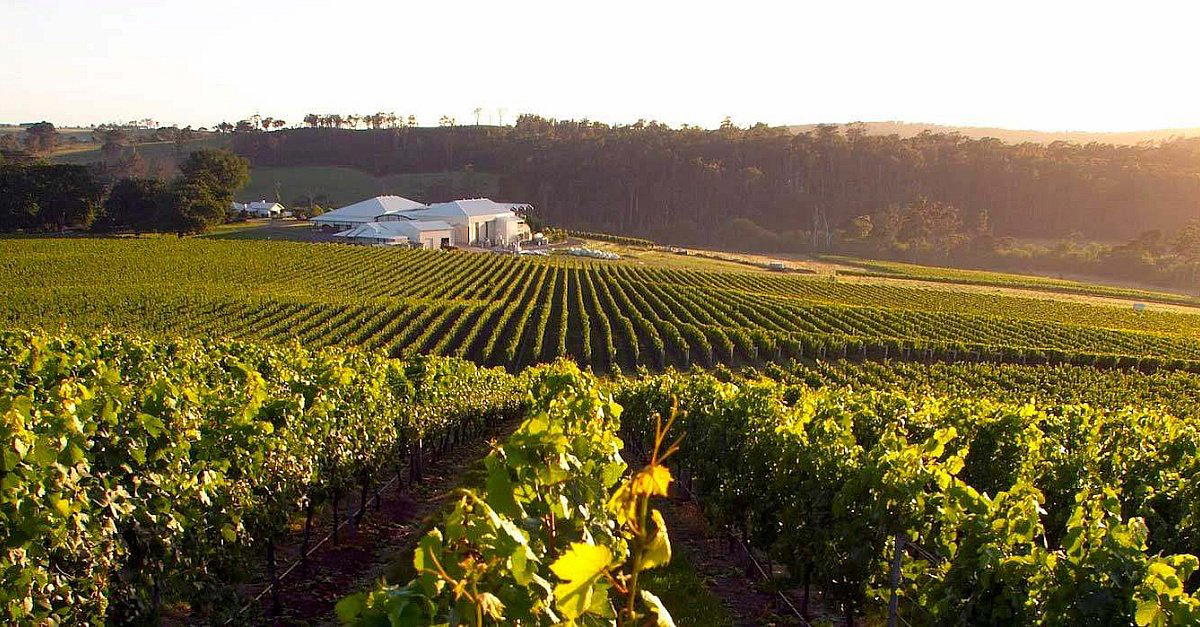
Tasmania's Cool-Climate Case for Sparkling Wine
There is a reason the world's most respected sparkling wine regions sit at latitude extremes. Champagne's northern chill, Franciacorta's alpine influence, and Tasmania's sub-Antarctic air currents all share a common thread: the slow, even ripening that preserves the acidity a base wine needs to survive years on lees without losing structure. Pipers River, in Tasmania's northeast, sits at roughly 41 degrees south — an address that reads, to any winemaker serious about méthode traditionnelle, as close to ideal as the southern hemisphere offers.
House of Arras has built its reputation on that premise. Located at 40 Baxters Rd in Pipers River, the estate operates at the premium end of Australian sparkling wine, a category that has spent two decades quietly earning credibility in international markets that once dismissed anything south of Epernay. For context on the broader Pipers River scene, see our full Pipers River restaurants and producers guide.
What the Land Delivers
Tasmania's relationship with sparkling wine is not a marketing invention. The island's geology, particularly the basalt and dolerite-rich soils of the Pipers River sub-region, drains quickly and retains warmth during the day while the surrounding maritime air keeps night temperatures low. That diurnal range is the winemaker's ally: grapes accumulate sugar incrementally while holding onto tartaric acid rather than burning it off in heat stress. The result, in quality vintages, is a base wine with the taut, linear acidity that extended lees ageing demands.
Compare this with mainland sparkling programs operating in warmer zones, where producers often rely on earlier picking and acidification to compensate for what the climate doesn't naturally provide. Tasmania doesn't need that adjustment at the same frequency, which shows in wines that age with more composure. Jansz Tasmania, operating in the same Pipers River corridor, draws on the same geographic logic, which tells you something about why this particular strip of the island has attracted serious sparkling investment rather than spreading evenly across the state.
Méthode Traditionnelle at the Premium Tier
Australian sparkling wine divides into clear tiers, and the gap between them is significant. At the entry level, carbonation and sweetness do most of the work. At the prestige level, secondary fermentation in bottle, extended lees contact, and vintage selection drive all the complexity.
That award context matters. For a sparkling house to achieve that, the cellar program needs to span early base wine selection through disgorgement decisions made years later — a discipline that separates producers genuinely committed to the méthode from those using it as a label claim. The comparison set here, in Australian terms, runs alongside producers like Bass Phillip in Gippsland and estate-focused labels at Cape Mentelle in Margaret River, houses that have also committed to long production cycles as a quality argument rather than a commercial one.
Where Arras Sits in the Broader Australian Wine Picture
Australia's wine identity has long been anchored in Shiraz and Cabernet from warmer inland regions. Producers working in cooler, more marginal climates have operated against that gravitational pull, building credibility through awards and critical attention rather than volume. House of Arras occupies a position in that alternative current, one that also includes still wine producers in the Yarra Valley, Adelaide Hills, and the Tasmanian south.
The Australian sparkling category at premium tier remains smaller than its still wine equivalent, which means producers like House of Arras are competing in a niche where collector interest and restaurant list placement matter more than retail shelf space. That dynamic favours quality over scale, and the Pipers River terroir supports the former. Compare the geographic logic with that of producers working in entirely different Australian contexts: All Saints Estate in Rutherglen has built a reputation on fortifieds in a warm continental zone, Angove Family Winemakers in Renmark works in the warm Murray Darling corridor, and Brokenwood in Hunter Valley has staked its identity on Semillon and Shiraz in a very different thermal environment. The contrast underscores how specifically Pipers River is suited to the one style House of Arras pursues.
Other Australian producers in premium tiers that share a commitment to terroir specificity and extended production cycles include Henschke, Leading's Wines in Great Western, and Bird in Hand in Adelaide Hills, all operating in specific regional identities rather than broad national blends. Blue Pyrenees Estate in Pyrenees similarly draws on a cool-climate rationale for its sparkling program, making it a useful comparison point for how different Australian cool zones express the same méthode.
Planning a Visit to Pipers River
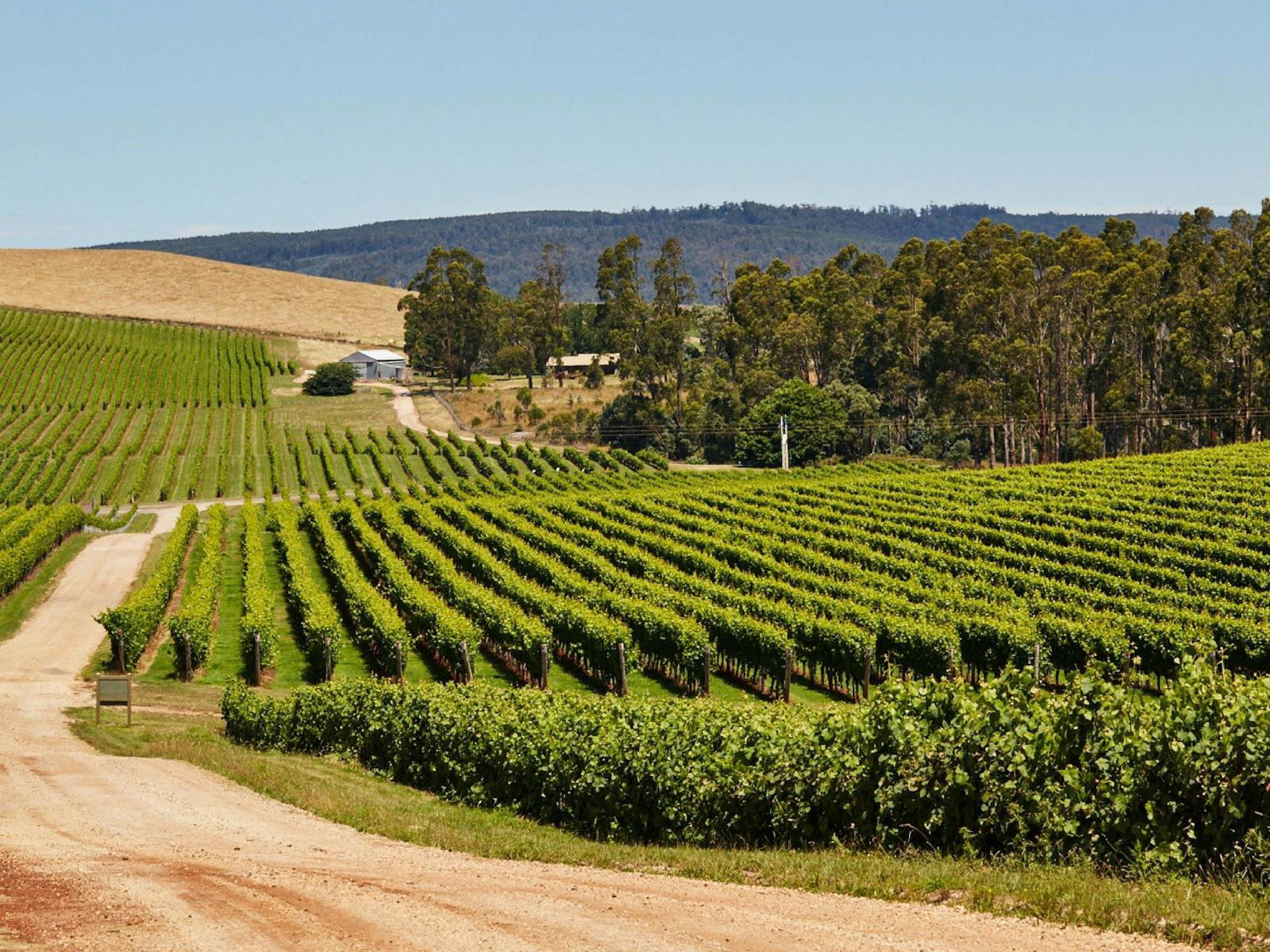
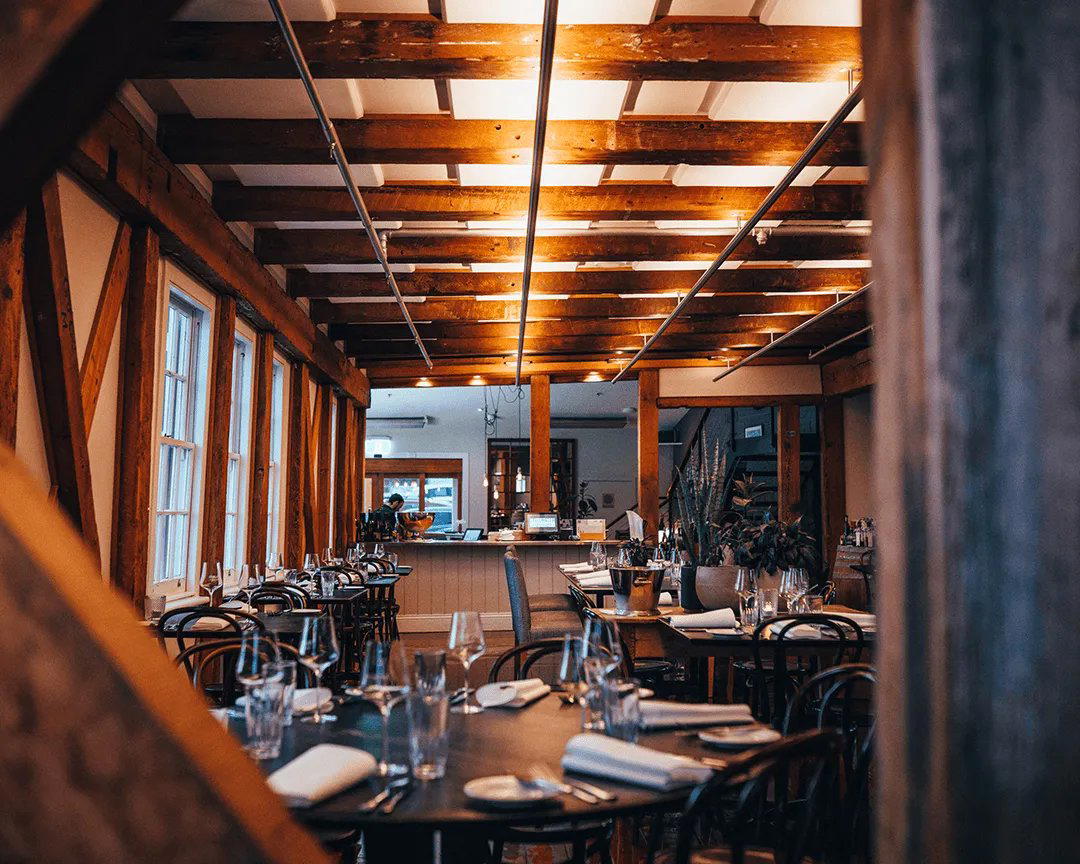
Pipers River is not a day-trip afterthought from Launceston; it is worth treating as a destination in its own right, particularly if serious Tasmanian wine is the focus. The cellar door at 40 Baxters Rd sits in the working vineyard environment rather than a constructed hospitality precinct, which means the visit reads as an encounter with a production site rather than a tourist attraction. Given the prestige tier positioning of the wines and the 2025 award recognition, advance planning is advisable: contact ahead to confirm cellar door hours and whether specific releases or library wines are available for tasting, as availability at the premium end of the range is not guaranteed on walk-in visits. Tasmania's wine tourism calendar concentrates around the summer and autumn months, when both the scenery and the vintage activity give context to the winery visit that winter cannot match.
For those building a broader Tasmanian itinerary around distilling and fermentation culture, the island also offers producers at very different points of the production spectrum. Archie Rose Distilling Co in Sydney represents a comparable commitment to craft at the premium tier in a different category entirely, and the contrast is instructive for understanding how Australian producers at the serious end of their respective categories think about raw material sourcing and production integrity. For northern hemisphere reference points that share the cool-climate and prestige-lees logic, Aberlour in Aberlour and Accendo Cellars in St. Helena both demonstrate how provenance-specific production at a premium tier operates across different categories and continents. Brown Brothers in King Valley offers another angle on how a long-established Australian family producer positions across multiple price tiers. And for those curious about fermented beverage culture that sits outside the conventional wine axis, Bundaberg Rum Distillery in Bundaberg provides a counterpoint on how Australian terroir and production culture express themselves in a completely different category.
In Context: Similar Options
Comparable venues nearby, for context on price, style, and recognition.
| Venue | Cuisine | Price | Awards | Notes |
|---|---|---|---|---|
| House of ArrasThis venue — the venue you are viewing | Chardonnay, Pinot Noir | $10–20 | Falstaff Winery - Listed | Not listed |
| Jansz Tasmania | pinot_noir, chardonnay | $20–30 | Falstaff Winery - Listed | Pipers River |
| Pipers Brook Vineyard | Pinot Noir, Chardonnay | Not listed | Not listed | Pipers Brook |
| Hellyers Road Distillery | Tasmania | Not listed | Not listed | Havenview |
| Southern Wild Distillery | gin | Not listed | Not listed | Devonport |
| Baldwin Distilling Company | Winery | Not listed | Not listed | Canberra |
Recognition history
Dated appearances from independent guides and award organizations, with the underlying list record or original source where available.
Falstaff Winery - Listed
Falstaff
Continue exploring
More in Pipers River
Wineries in Pipers River
Browse all →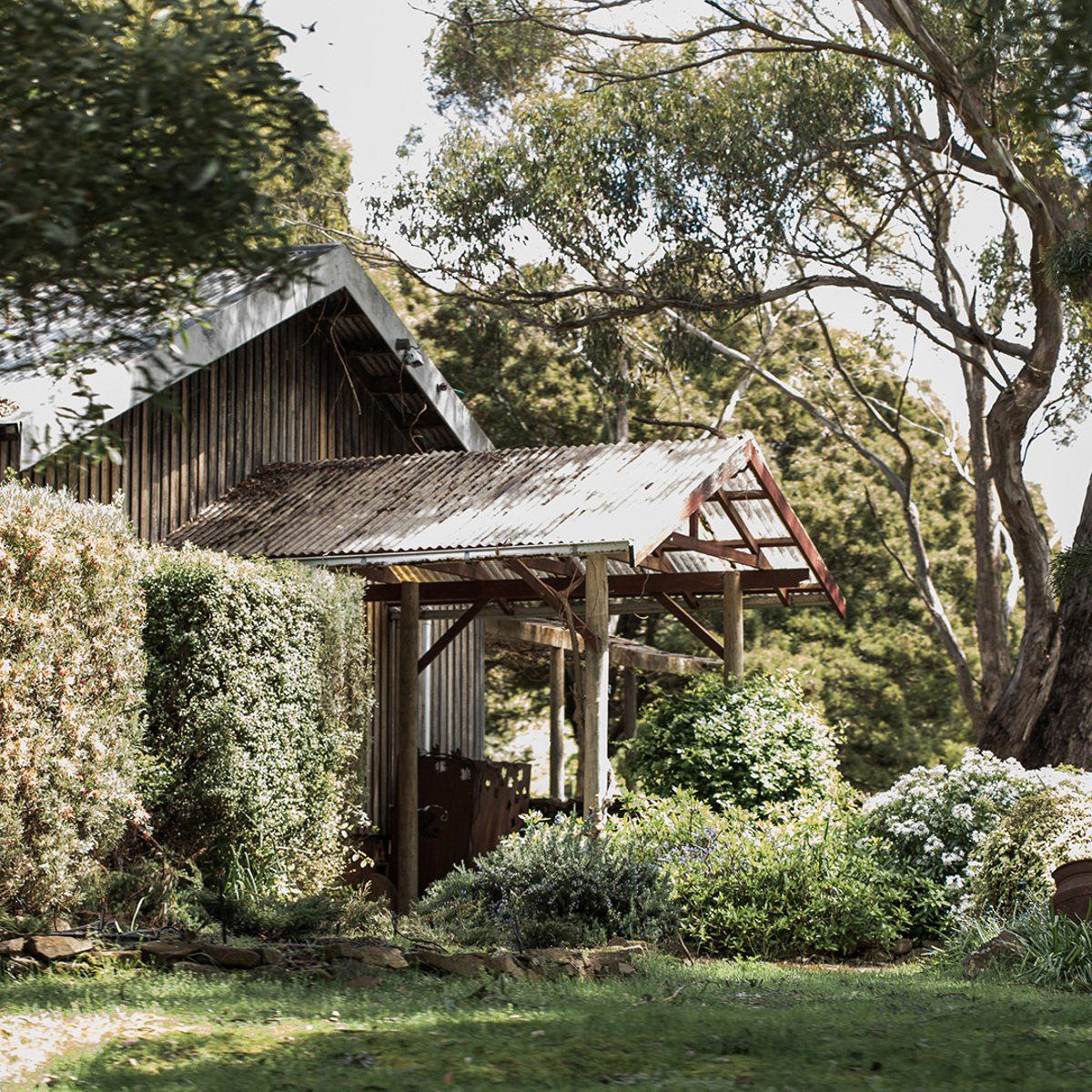

Bars in Pipers River
Browse all →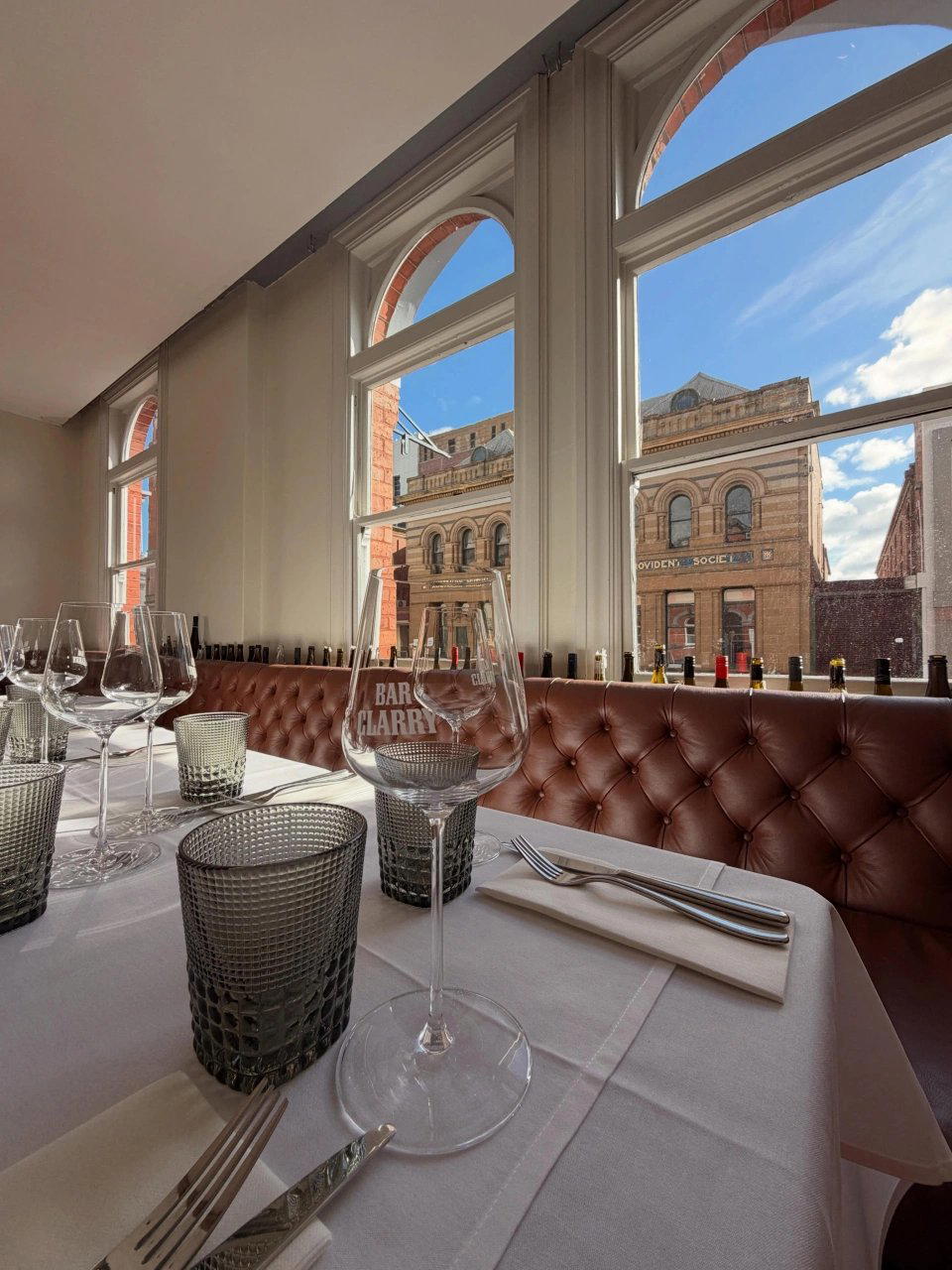
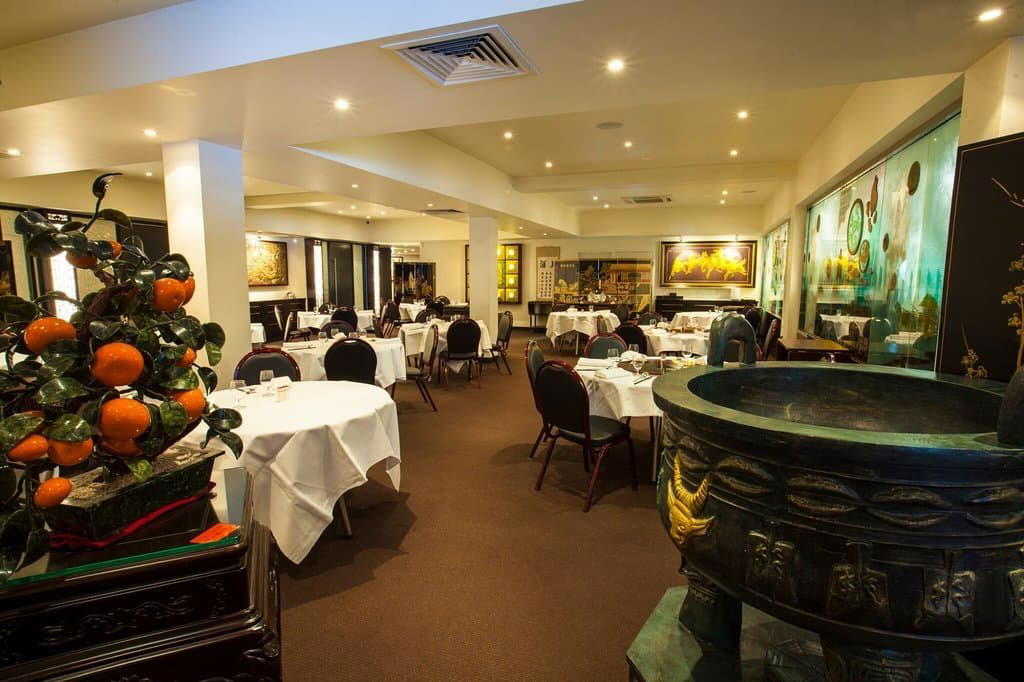
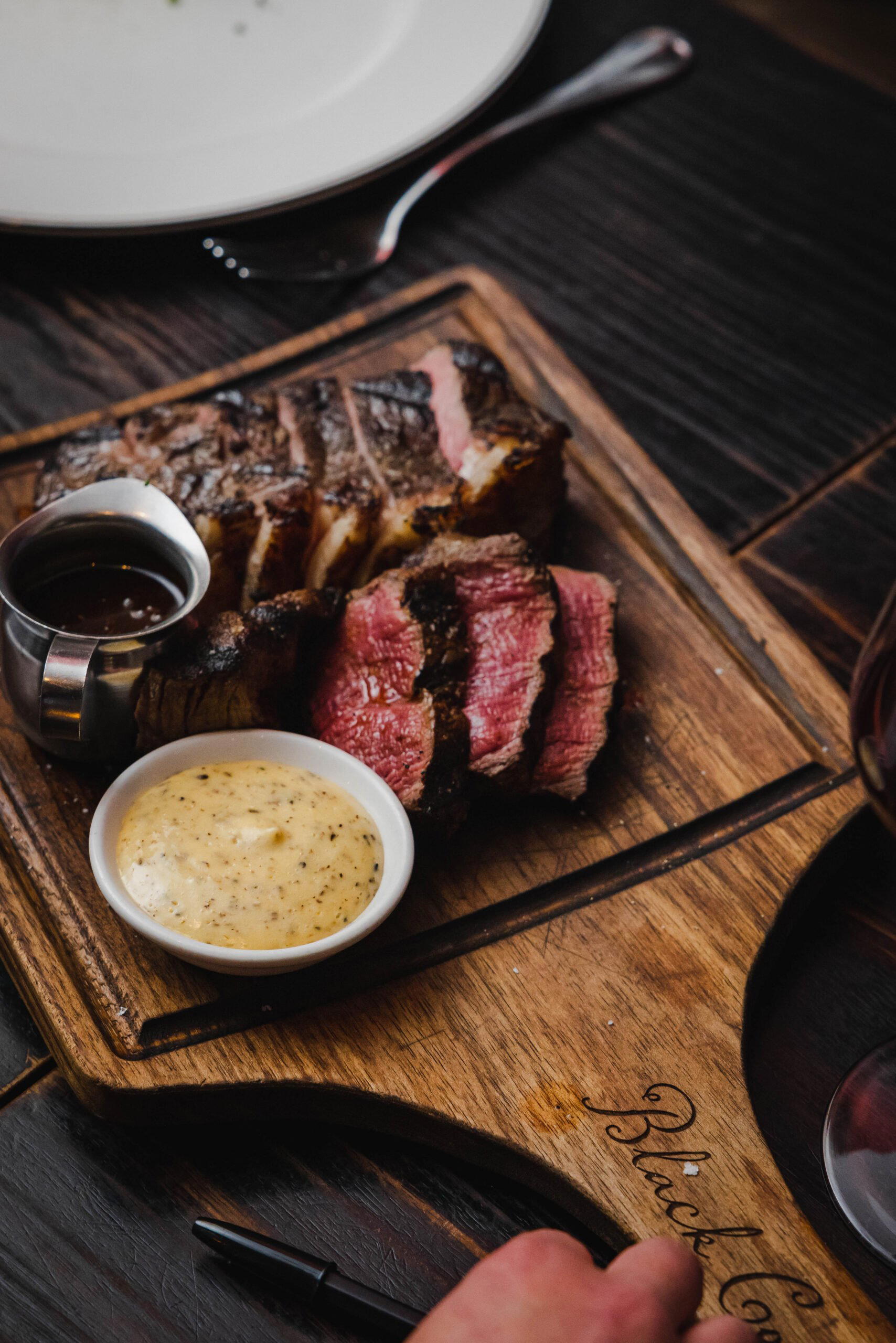
Restaurants in Pipers River
Browse all →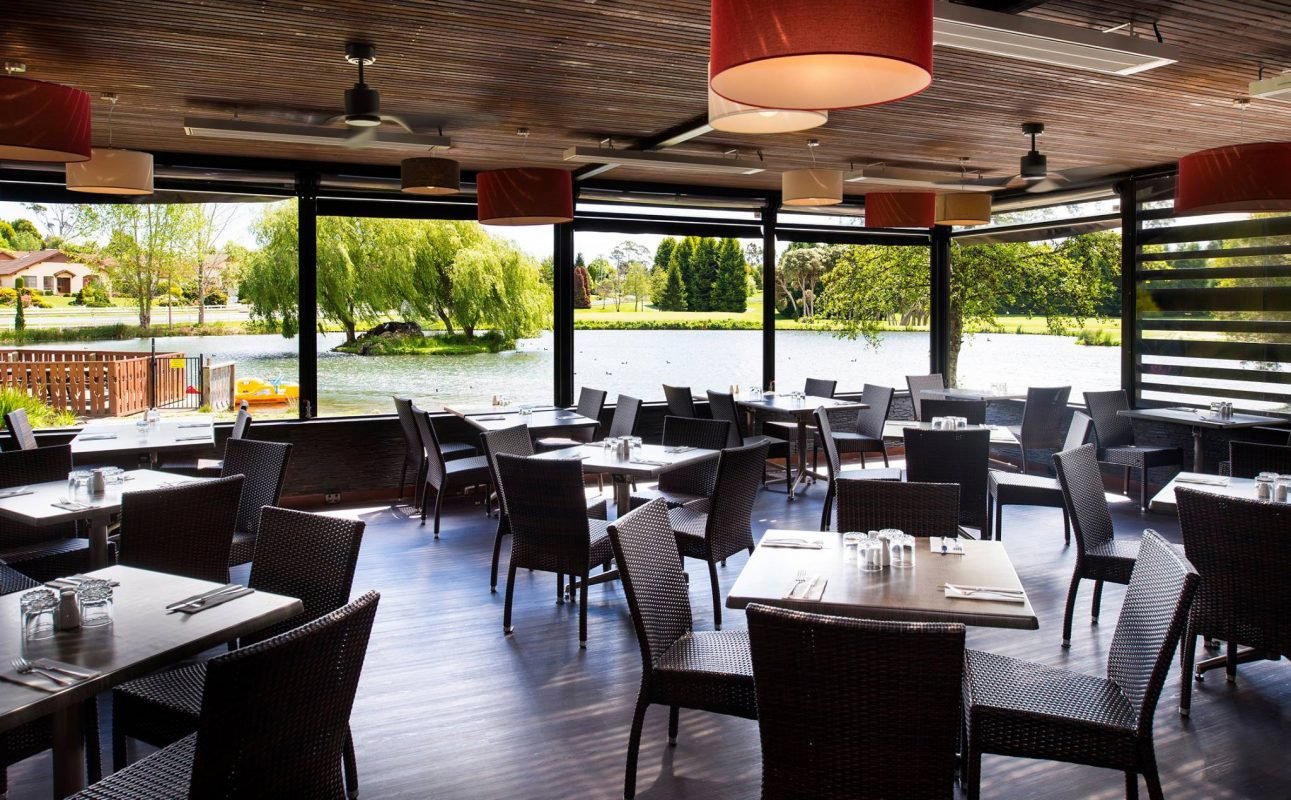
Details
- Elegant
- Scenic
- Sophisticated
- Wine Education
- Special Occasion
- Vineyard Tour
- Estate Grounds
- Vineyard
- Garden
- Chardonnay
- Pinot Noir
- Pinot Meunier
- Sparkling
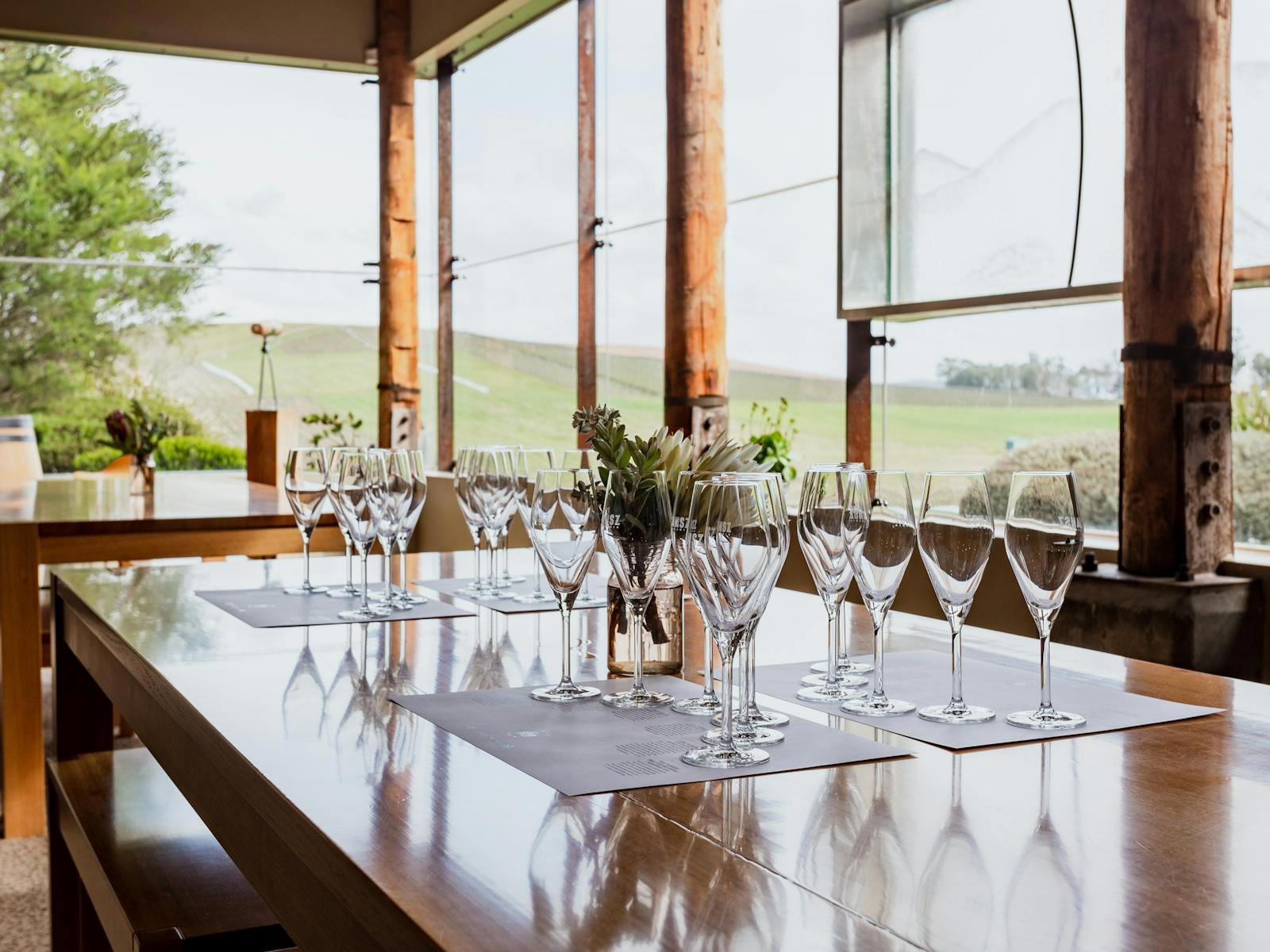
- Seated Tasting
- Sparkling Masterclass
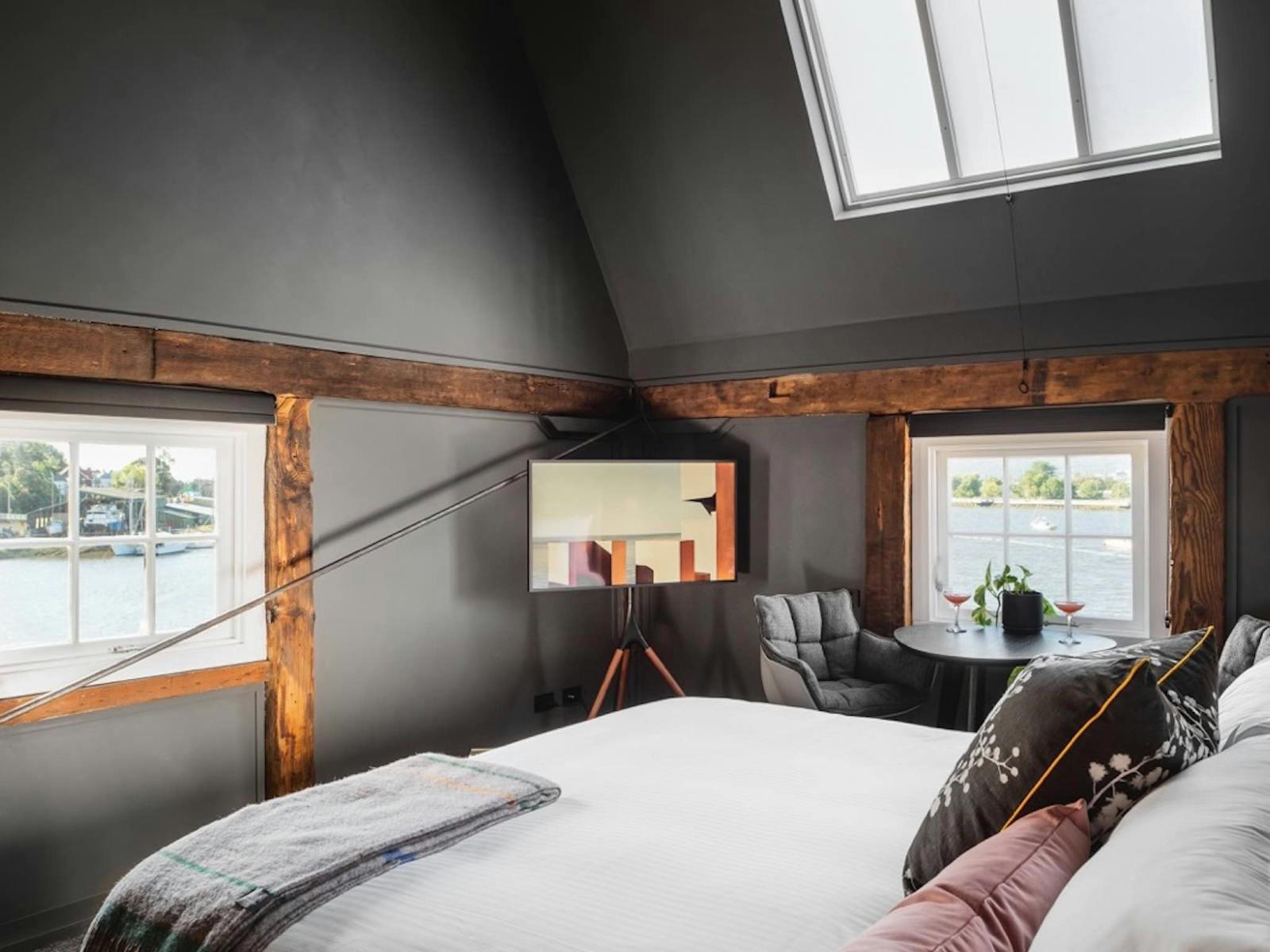
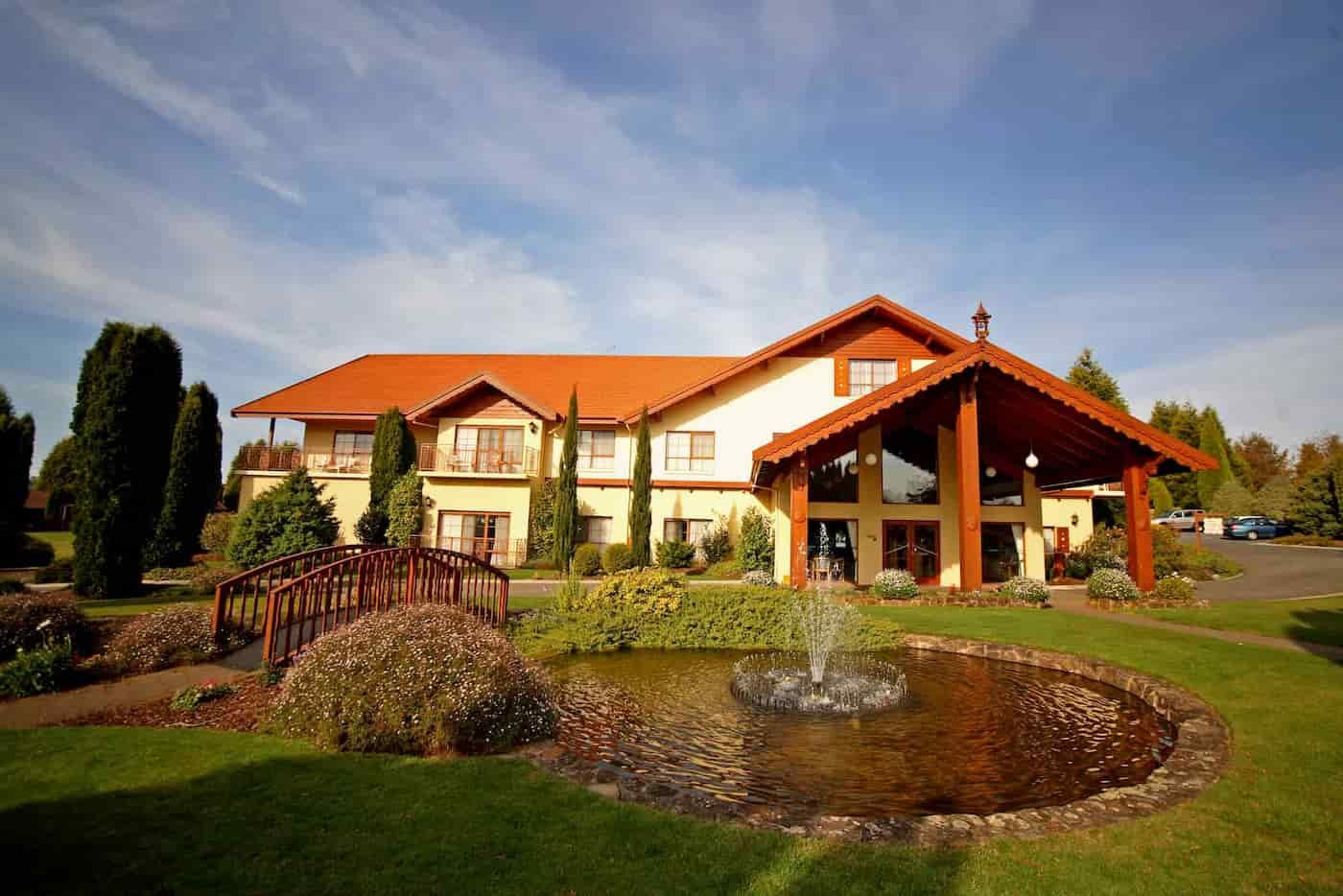
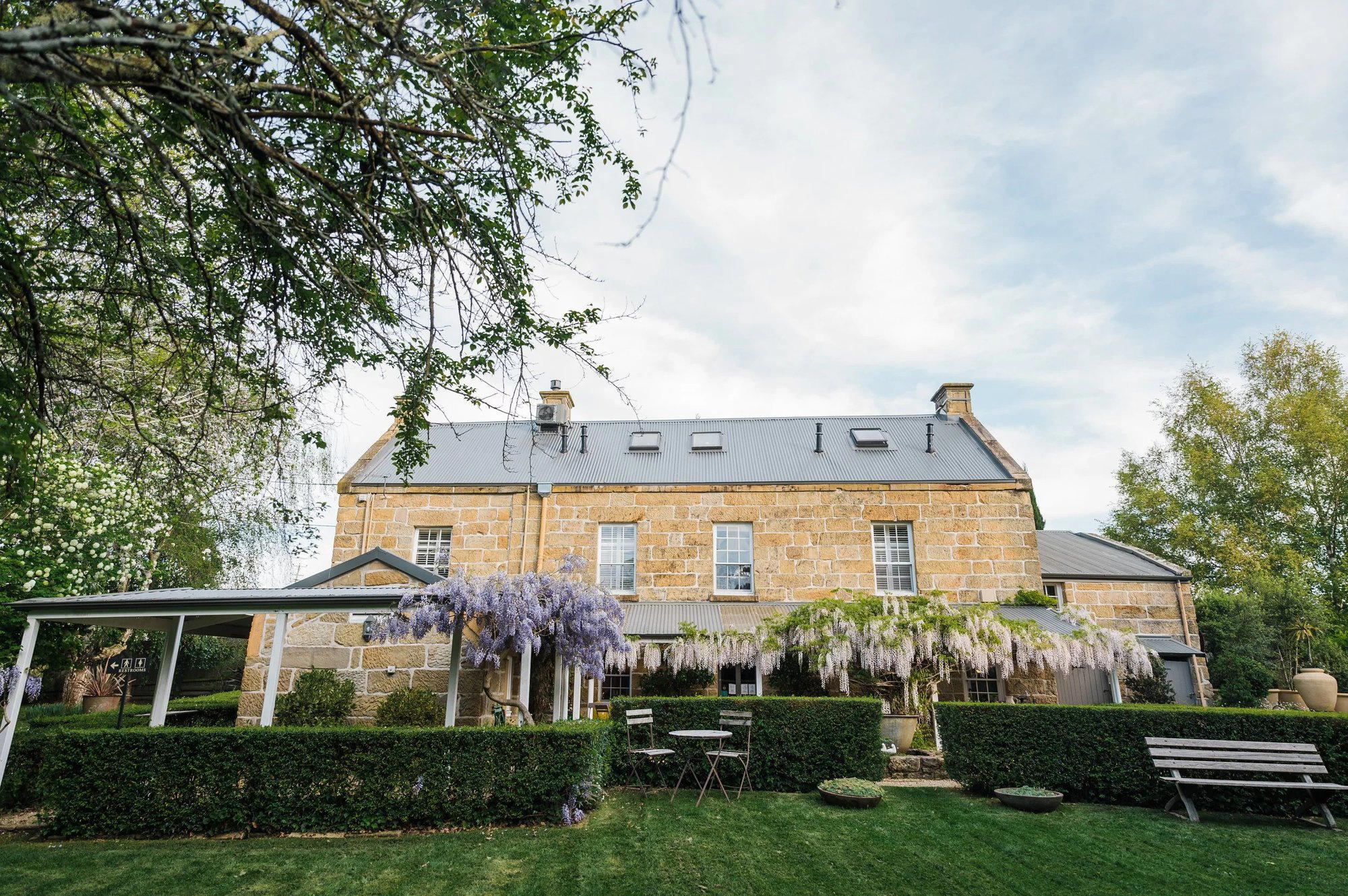
Beautiful cellar door overlooking picturesque lake, vineyard, and river with native woodlands and wildlife sightings.