Patz & Hall Winery
The winery has built its reputation around the cool-climate grape varieties that define Sonoma's most serious vineyards. For those moving through California's premium Pinot and Chardonnay circuit, it sits near the upper end of the Sonoma tier.
Pearl is the En Primeur Club membership app — saves, bookings, and concierge access live there. Same editors, same standards.
- Address
- 21684 8th St E #200, Sonoma, CA 95476
- Phone
- +1 707-265-7700
- Website
- patzhall.com
- Directions
- Get directions
 Saves & bookings on Pearl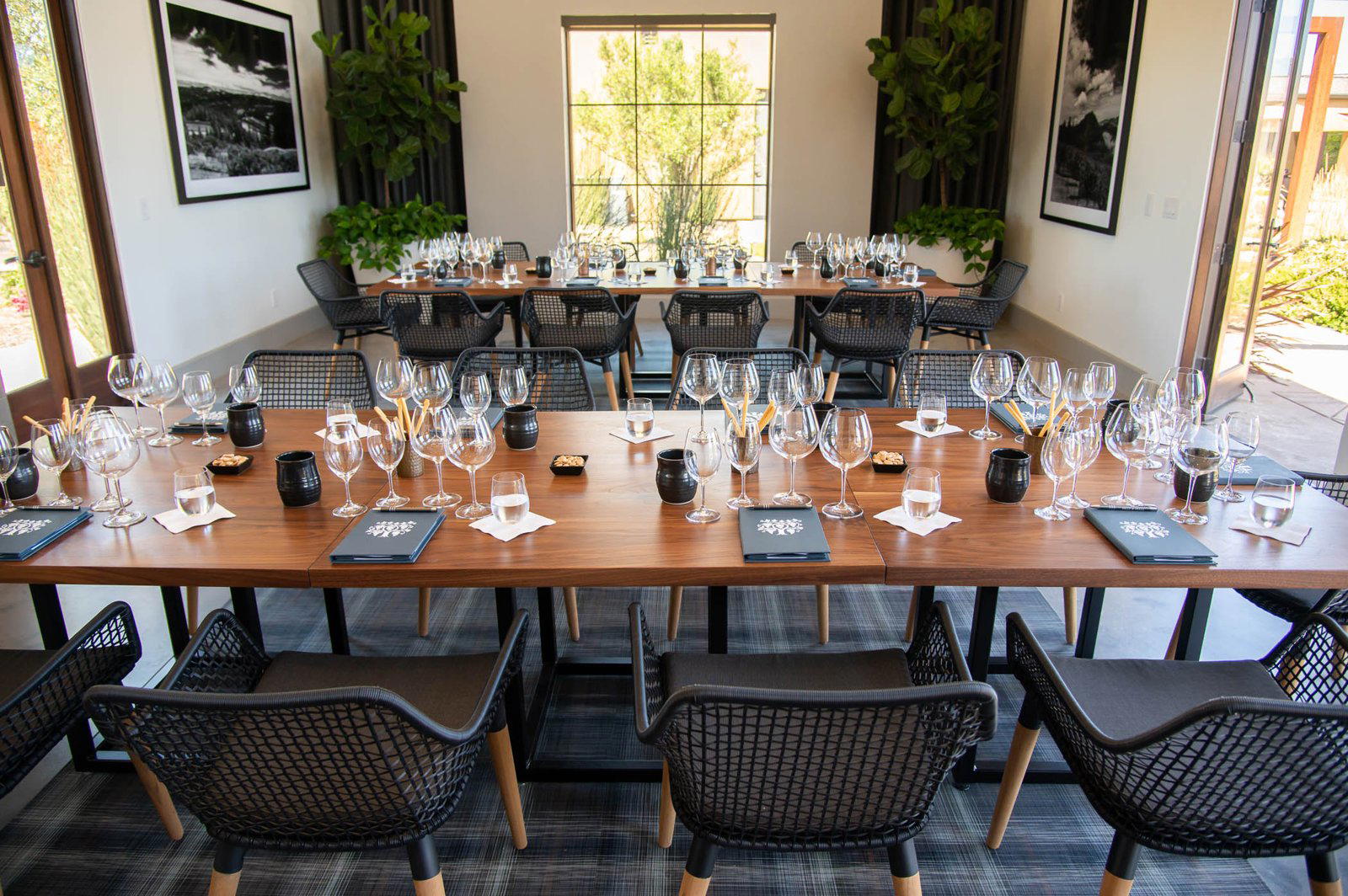
Where Sonoma's Cool-Climate Ambitions Concentrate
Drive east through Sonoma's town grid and the character of the wine country shifts almost imperceptibly. The tasting rooms aimed at weekend visitors thin out, the road widens, and the addresses along 8th Street East reflect a more production-oriented side of the appellation. Patz & Hall Winery sits at that edge, at 21684 8th Street East, in a setting that signals something about its priorities: this is a winery oriented around the glass rather than the Instagram moment.
The broader Sonoma Valley and its sub-appellations have been making a case for Pinot Noir and Chardonnay at the highest level for decades, and producers carrying ratings like Patz & Hall's are part of that argument.
The Cultural Weight of Cool-Climate Winemaking in California
California's premium wine identity has long been contested between two traditions. The first, dominant in Napa and parts of the Central Coast, centres on power, extraction, and Cabernet-led blends that made the state's international reputation in the 1970s and accelerated it through the 1990s Parker era. The second tradition, quieter and often practised in cooler coastal zones, draws on Burgundian reference points: lower-alcohol wines, vineyard-specific bottlings, and a preference for transparency over weight.
Sonoma sits squarely in this second tradition, particularly in its cooler sub-zones where marine influence from the Pacific and San Pablo Bay moderates growing temperatures. The grape varieties that thrive here, principally Pinot Noir and Chardonnay, are the same ones that define Burgundy's grand cru villages, and California producers who work them seriously are making an implicit claim about terroir, restraint, and the long game. That cultural context matters when assessing any Sonoma producer operating at the prestige level. The question is not simply whether the wines are good, but whether they participate in a tradition of place-driven winemaking that gives them meaning beyond the vintage.
Across California, the producers most aligned with this tradition tend to share certain characteristics: they source from specific named vineyards, they limit their intervention in the cellar, and they build allocation lists rather than chasing retail volume.
The Sonoma Context: A Valley of Distinct Producers
Sonoma's wine scene does not function as a monolith. The valley contains producers with radically different philosophies, price points, and visitor models operating within a few miles of each other. Buena Vista Winery anchors the historical narrative as California's oldest commercial winery, founded in 1857. Gundlach Bundschu Winery represents the family-estate model, with continuous operation across six generations. Bedrock Wine Co. has carved out a specialist position around old-vine heritage varieties. Gloria Ferrer Caves & Vineyards operates at the sparkling wine end of the spectrum, drawing on Carneros's particular suitability for méthode traditionnelle production. Cline Cellars represents a different scale and breadth of production entirely.
Within that range, producers at the prestige tier occupy a narrower position. They are defined less by their tasting room experience or historical narrative and more by the precision of their sourcing, the discipline of their cellar work, and the reputation that accumulates over consecutive vintages.
That peer group extends beyond Sonoma. Across California's premium cool-climate circuit, producers like Alban Vineyards in Arroyo Grande, Andrew Murray Vineyards in Los Olivos, and Adelaida Vineyards in Paso Robles each represent distinct approaches to place-driven California winemaking. Further afield, Alexander Valley Vineyards in Geyserville and Alpha Omega Winery in Rutherford show how differently prestige-level production can be configured even within Northern California.
What Visiting Patz & Hall Actually Involves
The address on 8th Street East places Patz & Hall away from Sonoma's plaza-adjacent tasting corridor, which itself reflects something about how the winery positions itself. The eastern stretch of town is less about walk-in traffic and more about appointments, which is the dominant model for producers operating at this tier. In California's prestige wine segment, the appointment format is not a barrier so much as a filtering mechanism: it concentrates the visitor list toward buyers and enthusiasts who arrive with specific intent rather than impulse.
Visitors should verify current tasting formats, hours, and availability directly with the winery before planning a visit, as scheduling policies at this tier tend to evolve seasonally and by allocation priority. For a broader orientation to the Sonoma wine scene,
Placing Patz & Hall in a Wider California Conversation
For visitors who approach California wine with a serious palate and some knowledge of the state's regional distinctions, the question Patz & Hall implicitly raises is about where Sonoma sits relative to both Napa and the global cool-climate benchmark. Napa's prestige narrative has remained Cabernet-dominant, even as producers like Accendo work at the fine wine level there. Sonoma's argument has always been different: it is a valley where the diversity of microclimates means Pinot, Chardonnay, Zinfandel, and even Rhône varieties can all make serious cases for themselves within a short drive.
Internationally, the cool-climate Pinot and Chardonnay conversation connects California producers to reference points in Burgundy, Oregon's Willamette Valley, and New Zealand's Central Otago and Marlborough regions. Even producers operating across entirely different traditions, such as Aberlour in Scotland or Achaia Clauss in Patras, share the broader context of prestige-level production built over decades rather than launched as a marketing category.
For a traveller building a Sonoma itinerary around serious wine rather than the more casual tasting-flight format that dominates the valley's visitor economy, Patz & Hall's location and rating make it a logical inclusion. The eastern Sonoma corridor, quieter and more production-focused than the plaza district, suits a visit structured around deliberate tasting rather than event-style winery tourism. Pair it with other producers in the prestige tier and you get a day in the valley that reads as a coherent argument about what Sonoma Pinot and Chardonnay can be when made without compromise.
A Tight Comparison
Comparable venues nearby, for context on price, style, and recognition.
| Venue | Cuisine | Price |
|---|---|---|
| Patz & Hall WineryThis venue — the venue you are viewing | Sonoma, Chardonnay, Pinot Noir | $$$ |
| Sebastiani Vineyards & Winery | Sonoma, Cabernet Sauvignon, Zinfandel | $$$ |
| Nicholson Ranch | Sonoma Valley, Chardonnay, Pinot Noir | $$$ |
| Hanzell Vineyards | Sonoma, Chardonnay, Pinot Noir | $$$$ |
| Scribe Winery | Sonoma Valley, Pinot Noir, Chardonnay | $$$ |
| Hanson of Sonoma Distillery | Los Carneros, Los Carneros AVA | $$ |
Continue exploring
More in Sonoma
Wineries in Sonoma
Browse all →
Bars in Sonoma
Browse all →
Restaurants in Sonoma
Browse all →
At a Glance
- Elegant
- Scenic
- Intimate
- Sophisticated
- Rustic
- Wine Education
- Special Occasion
- Group Outing
- Estate Grounds
- Terrace
- Panoramic View
- Sustainable
- Vineyard
- Mountain
- Garden
- Sonoma Coast AVA
- Chardonnay
- Pinot Noir
- Still White
- Still Red
- Seated Tasting
- Single Vineyard Tasting
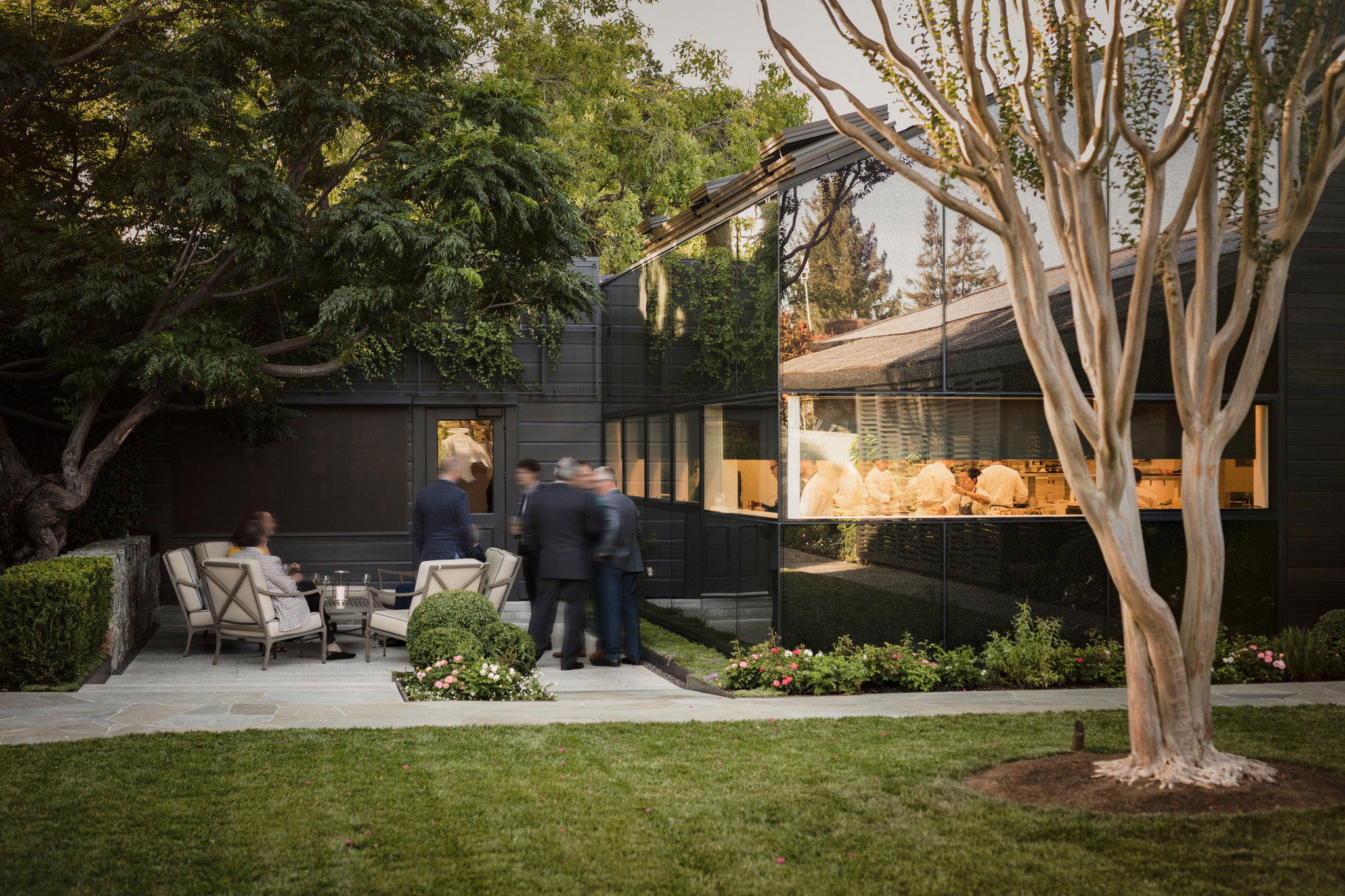
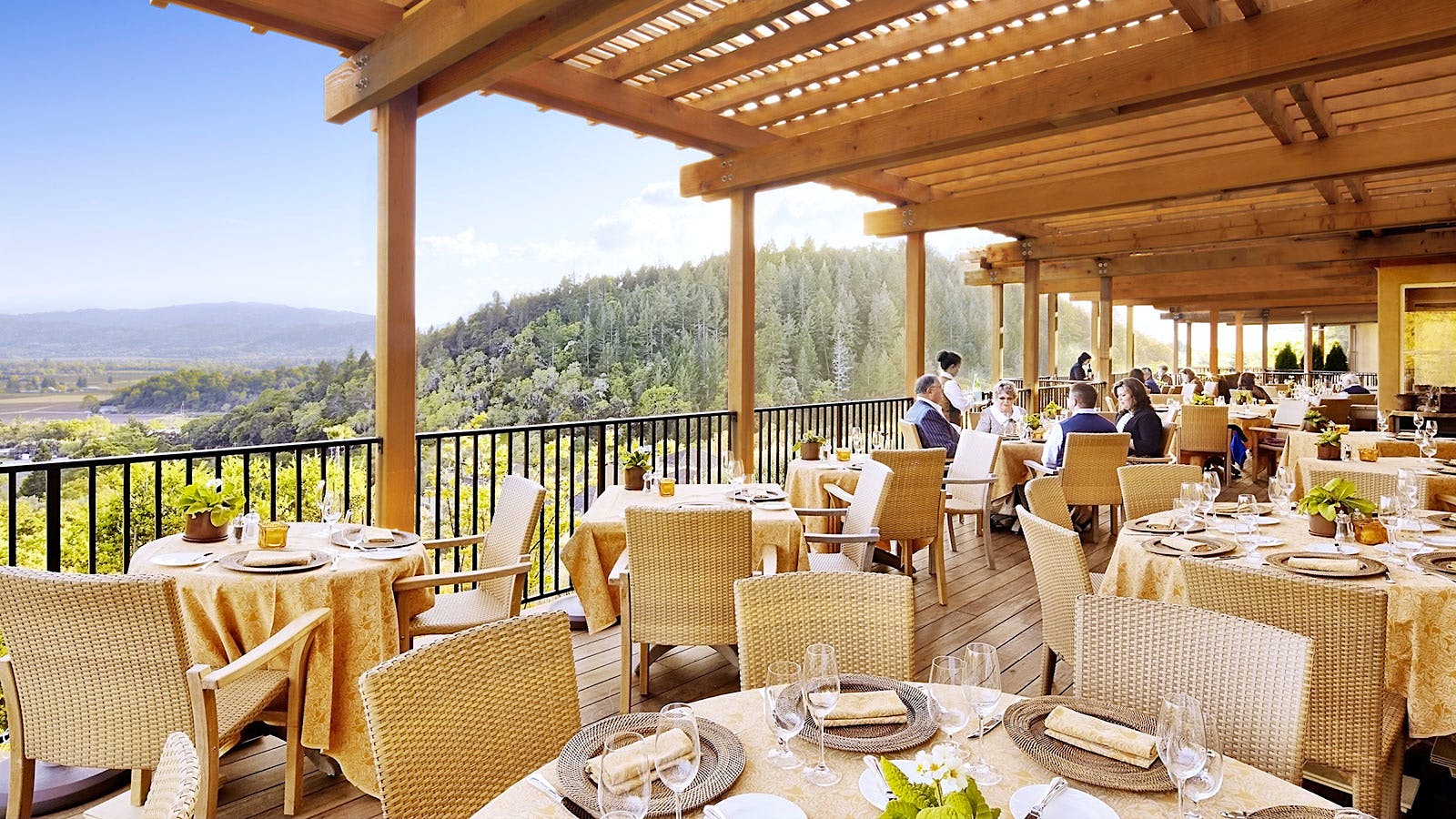
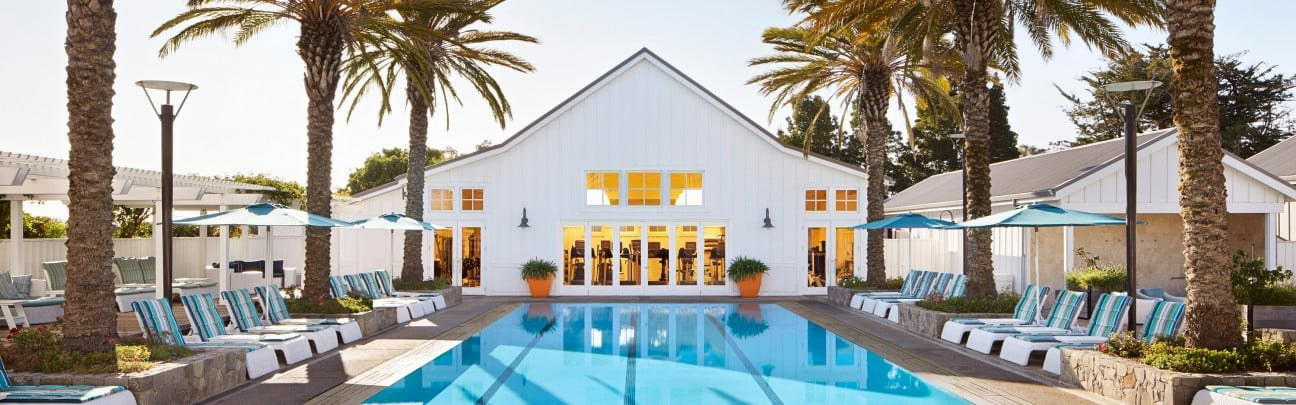
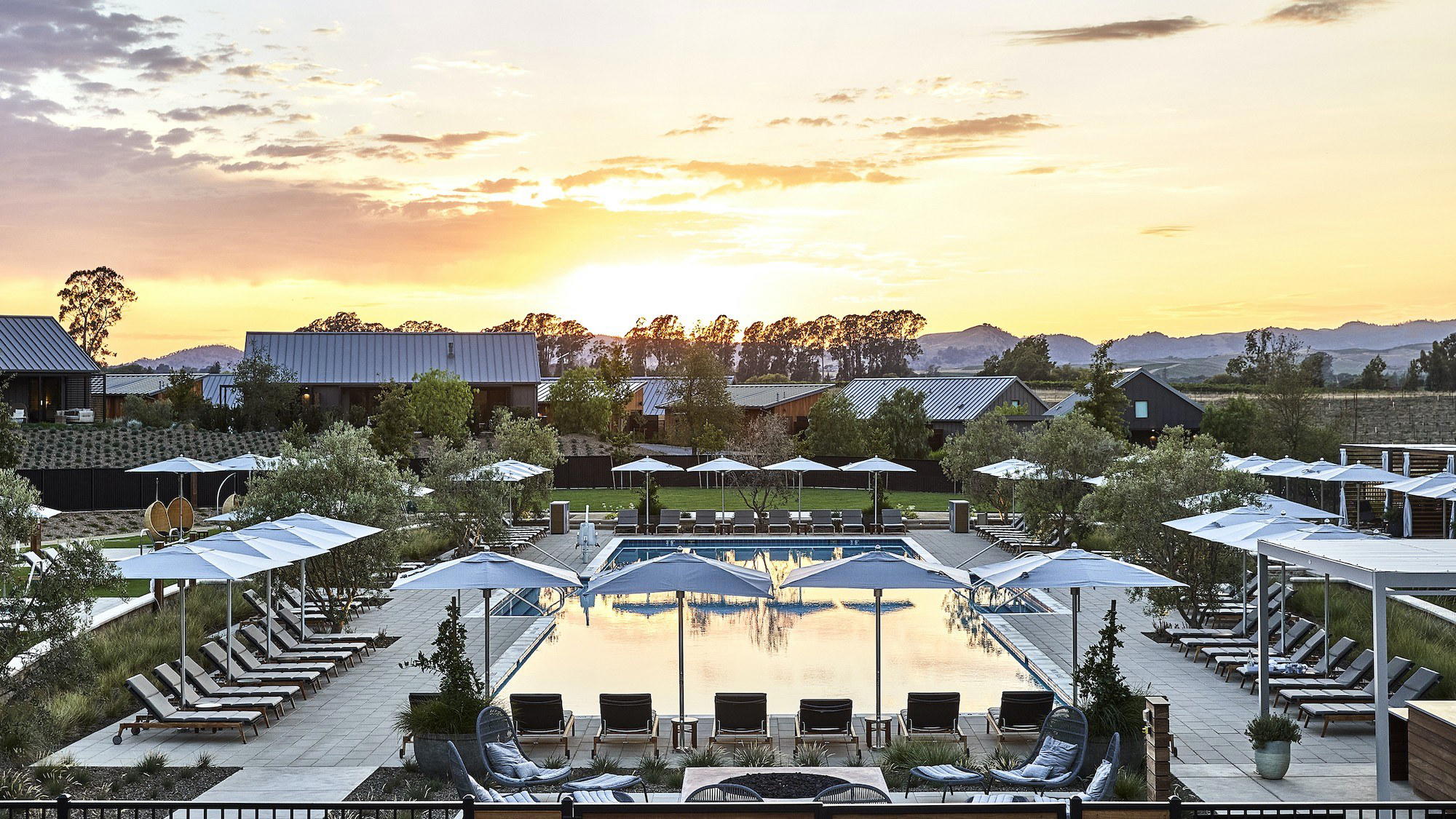
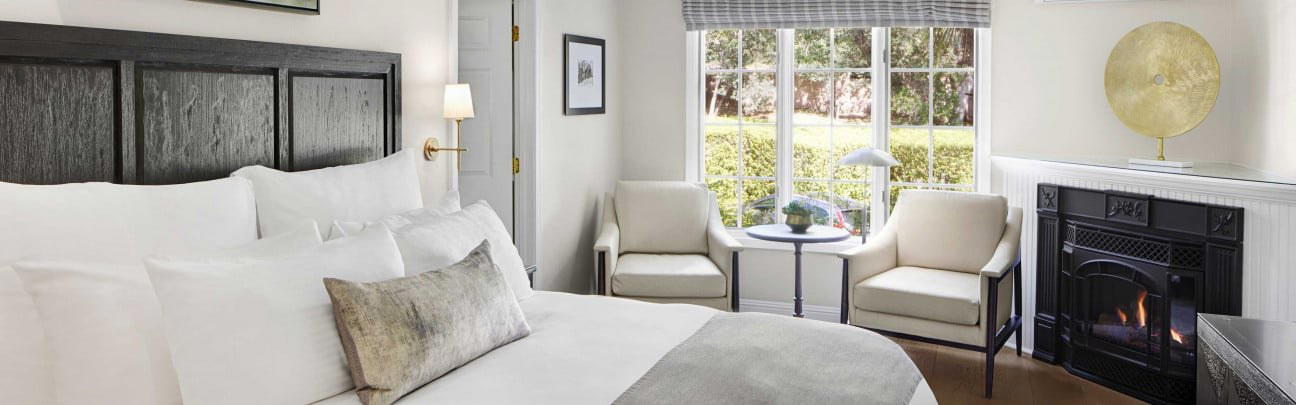
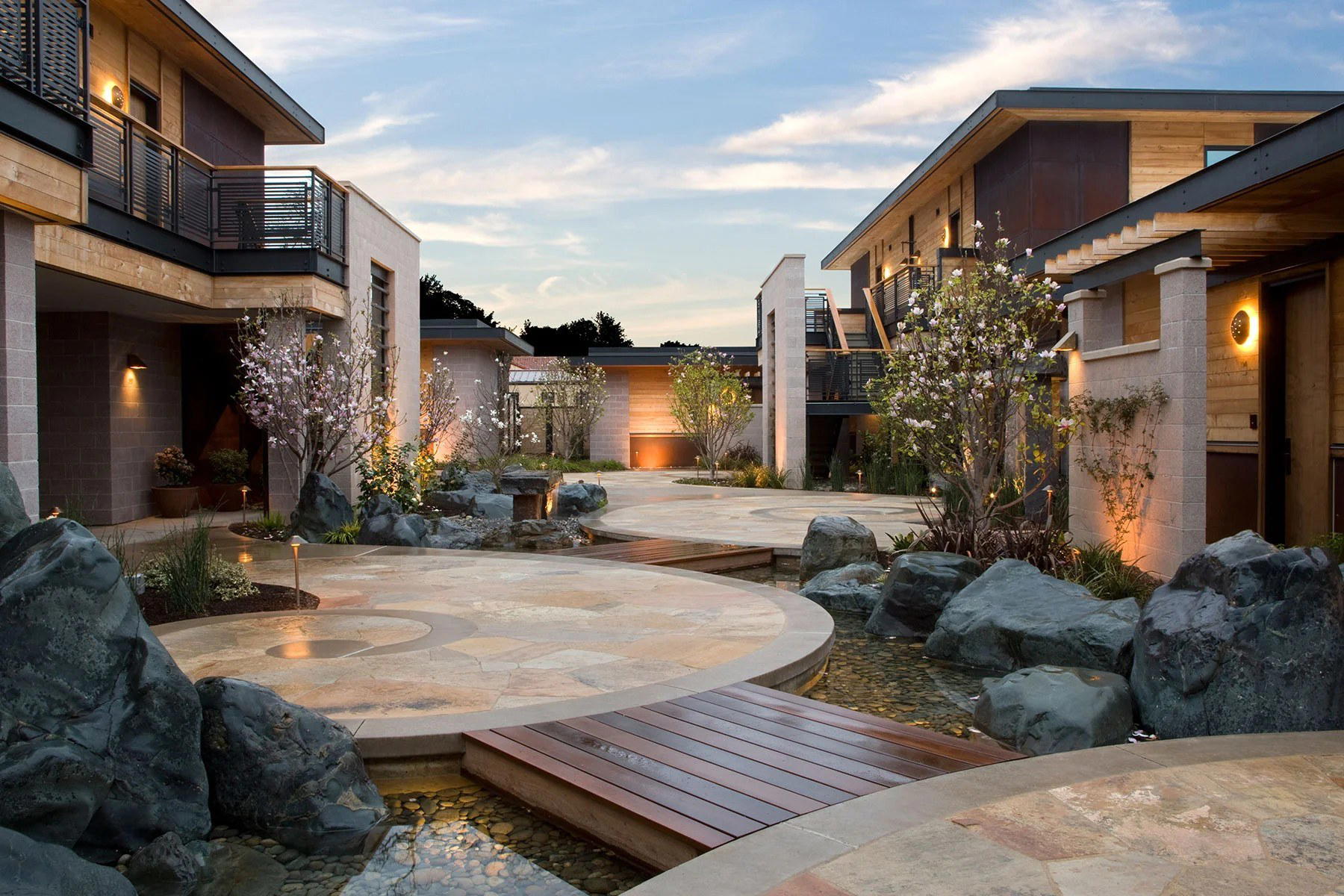
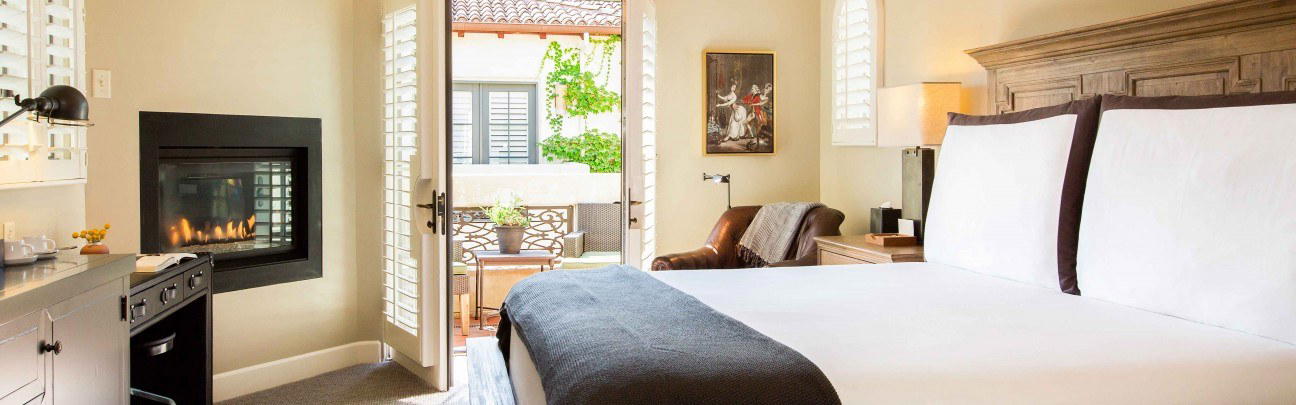
Light and airy indoor spaces with a home-like feel, featuring fireplaces and glass walls opening to manicured gardens and vineyards, complemented by relaxed outdoor terrace seating.