Gundlach Bundschu Winery

One of Sonoma's oldest continuously operated family wineries, Gundlach Bundschu sits on the Rhinefarm estate in the Carneros AVA, where a commitment to low-intervention viticulture and estate-grown fruit has shaped its reputation across generations.
Pearl is the En Primeur Club membership app — saves, bookings, and concierge access live there. Same editors, same standards.
- Address
- 2000 Denmark St, Sonoma, CA 95476
- Phone
- +1 707-938-5277
- Website
- gunbun.com
- Directions
- Get directions
 Saves & bookings on Pearl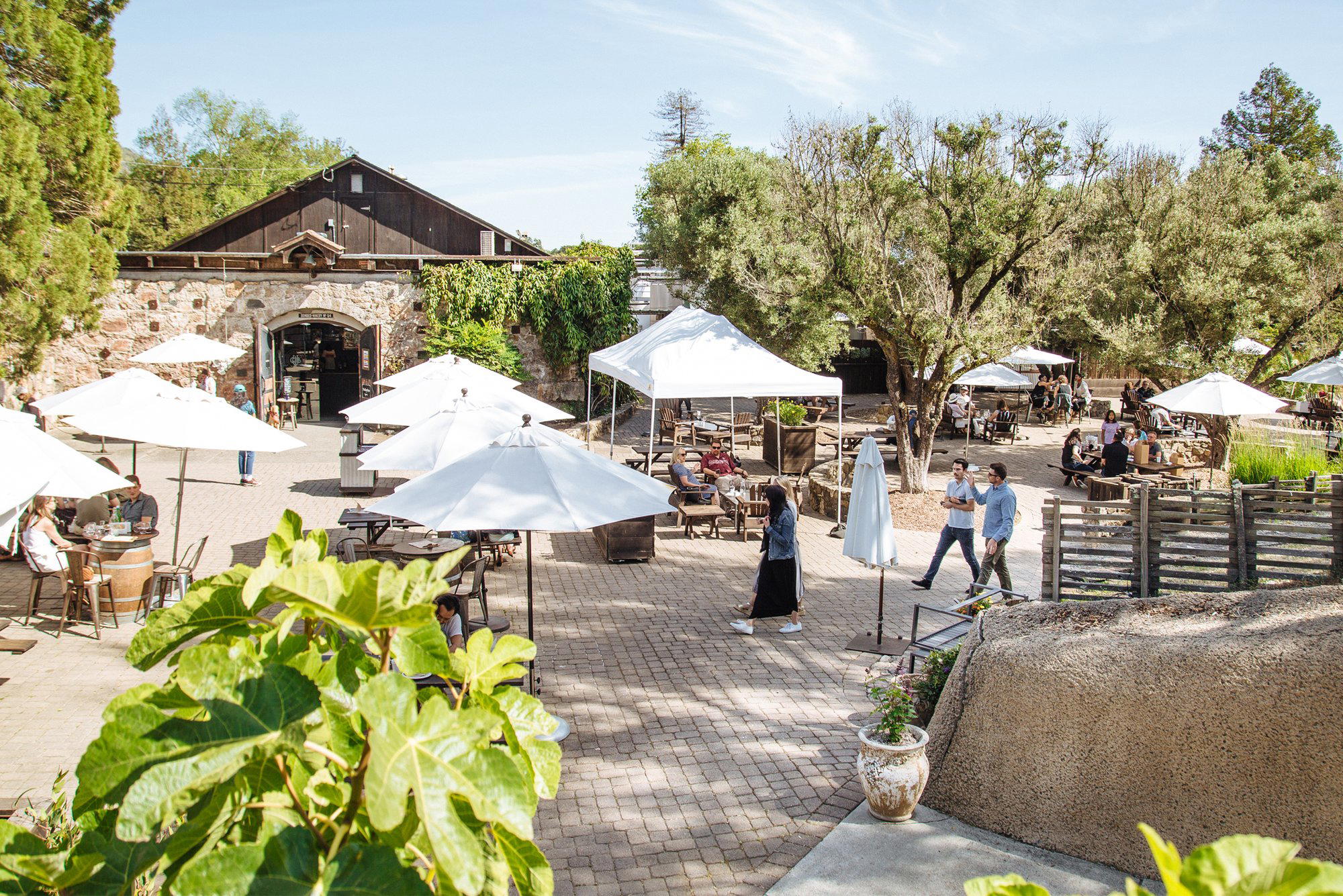
Where Carneros Farming Comes Before Presentation
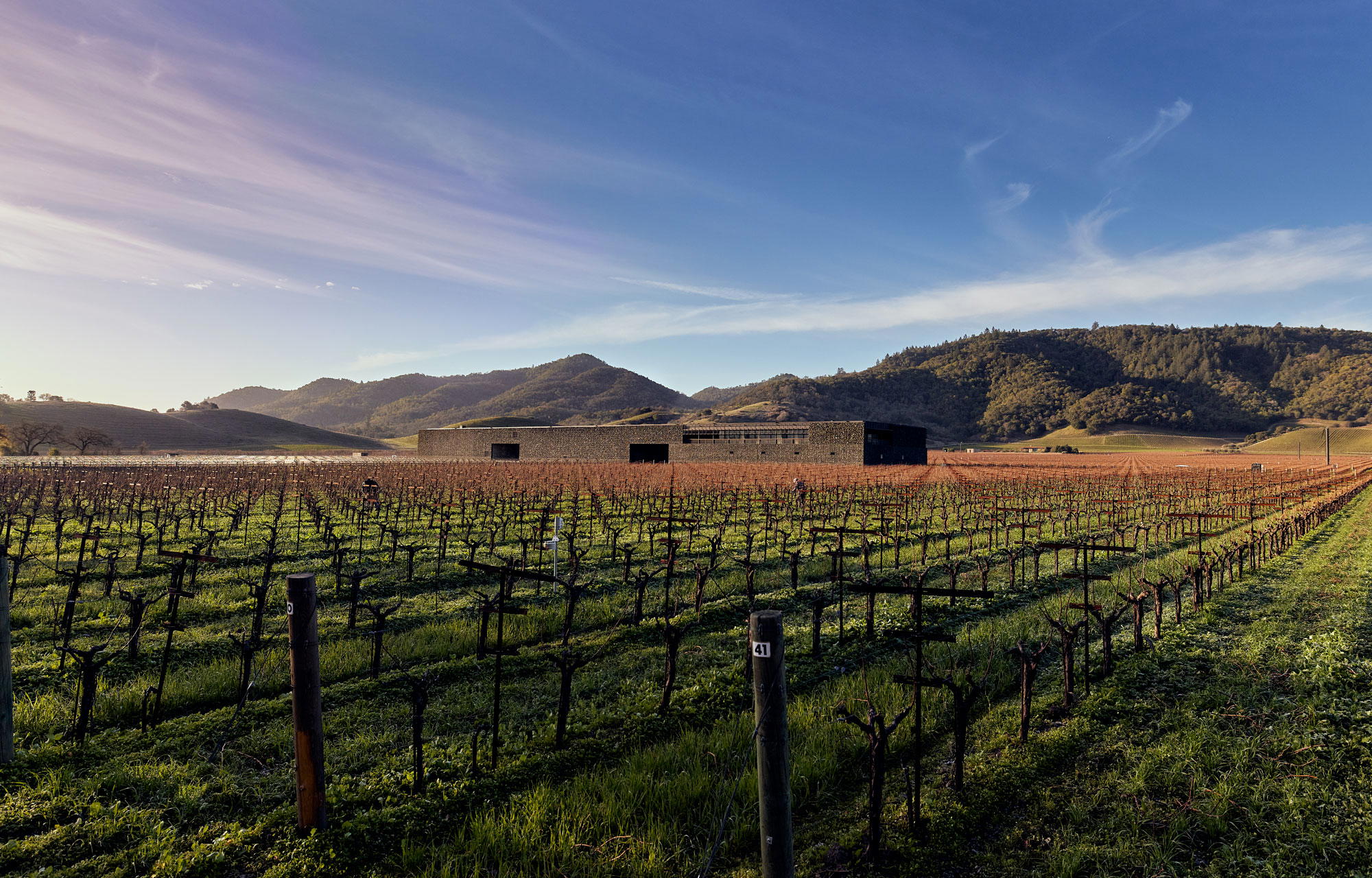
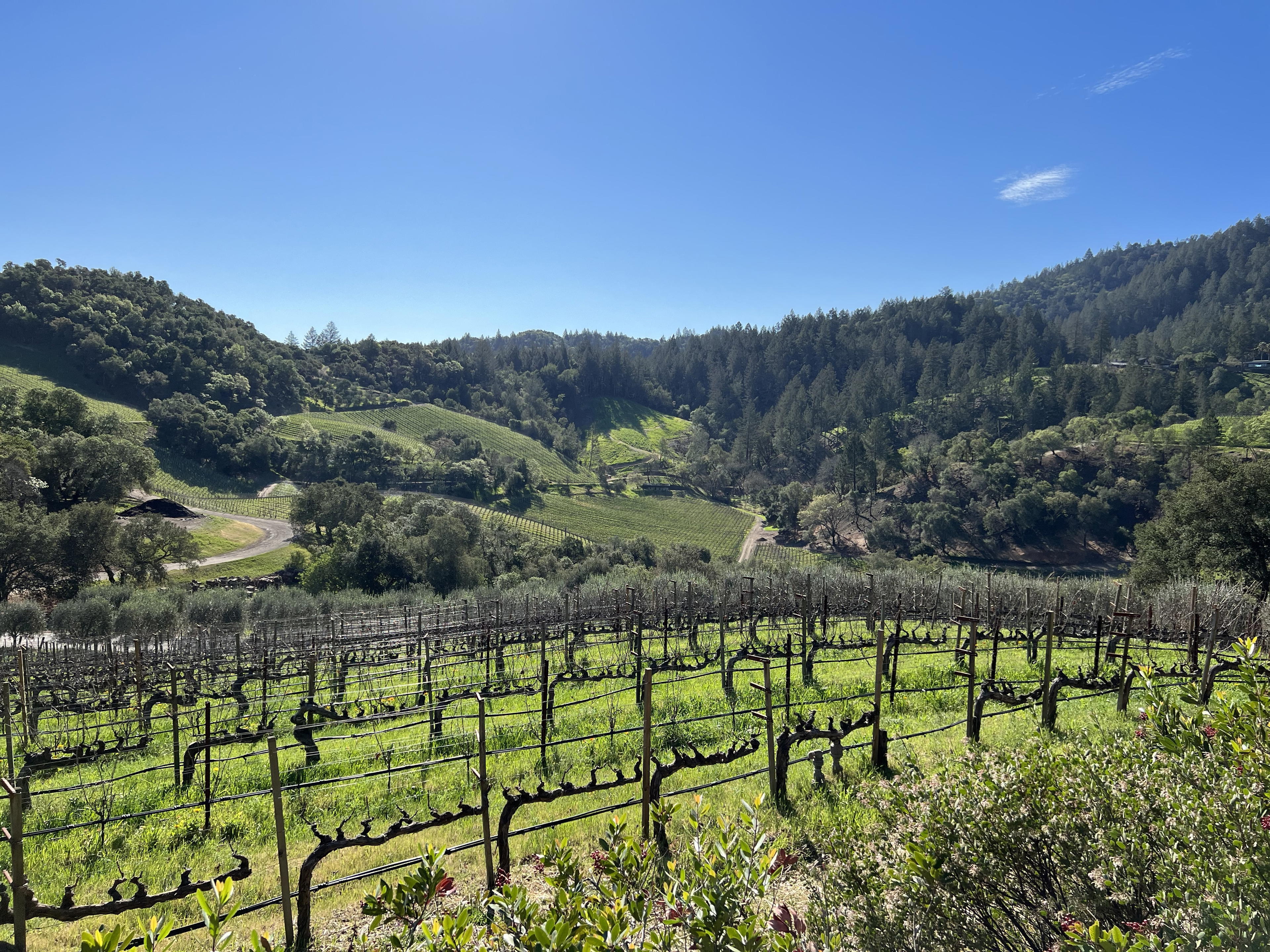
Approaching the Rhinefarm estate on Denmark Street, the working vineyard announces itself before any tasting room architecture does. Rows of vines run close to the road, the Mayacamas range frames the horizon, and the building that eventually comes into view has the functional gravity of a property that has been producing wine on the same ground for well over a century.
Within Sonoma's broader winery scene, properties tend to split between hospitality-forward estates that treat the tasting experience as the primary product and farming-forward operations where the wine itself carries the argument. Gundlach Bundschu belongs firmly to the second category, which places it in a comparable set that includes Hanzell Vineyards and Bedrock Wine Co., operations where provenance and land stewardship precede spectacle. That alignment shapes what a visit here feels like and what the wines communicate.
The Rhinefarm and What the Carneros Terroir Demands
The Carneros AVA, straddling the southern ends of Sonoma and Napa counties, is defined by conditions that most of California's warmer wine country does not share: persistent afternoon wind off San Pablo Bay, lower temperatures than the valleys to the north, and a diurnal range that forces slow, even ripening. These are not ideal conditions for large-volume production or for grape varieties that need sustained heat accumulation. They are, however, conditions that suit Pinot Noir, Chardonnay, and Merlot in a way that gives Carneros wines a structural tension that warmer-grown equivalents rarely achieve.
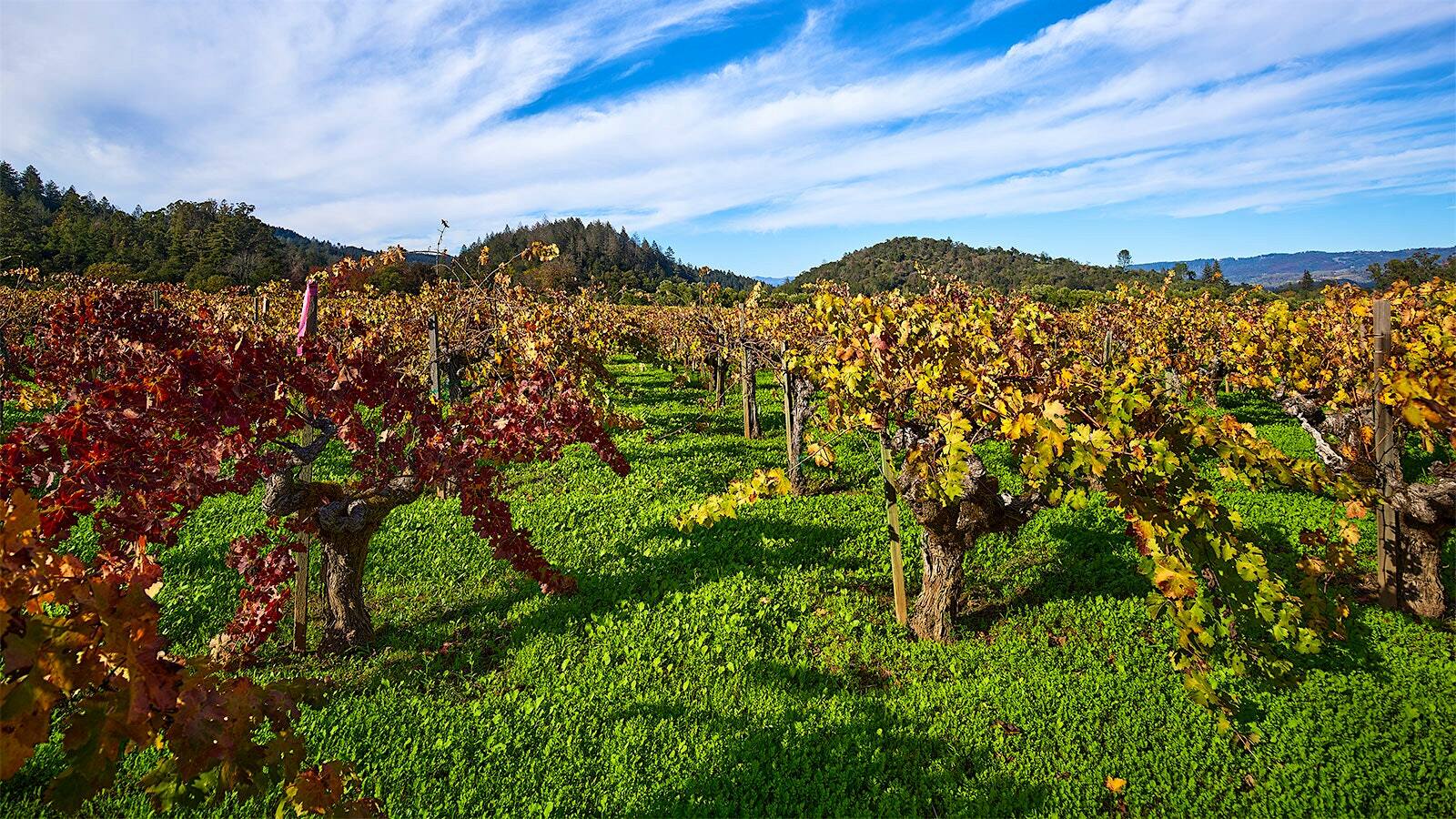
Gundlach Bundschu's Rhinefarm estate sits squarely in this cool-climate corridor, and the estate-grown model here is not simply a brand distinction. When a winery controls its own farming from soil preparation through harvest, the decisions made in the vineyard, cover cropping, canopy management, harvest timing, translate directly into what appears in the glass without the intervening variable of purchased fruit. For visitors trying to understand what Carneros actually tastes like as a growing region rather than as a label category, that estate integrity matters more than most amenities a tasting room can offer.
Among Sonoma's Carneros-focused producers, the estate sits in useful comparison with Gloria Ferrer Caves and Vineyards and Cline Cellars, both of which operate in the same southern Sonoma zone, though with different varietal emphases and ownership structures. The family-owned, single-estate model at Gundlach Bundschu narrows the decision set around farming in a way that larger operations with multiple sourcing relationships cannot replicate.
Low-Intervention Viticulture as Operational Philosophy
California's premium wine scene has spent the last two decades absorbing the influence of European organic and biodynamic certification frameworks, but the translation is uneven. Some producers adopt certification as a marketing credential; others apply the underlying principles without seeking formal designation. The more useful question for any serious visitor is not whether a producer holds a particular certification but whether the farming philosophy is coherent across the full production cycle.
At Gundlach Bundschu, the argument for low-intervention viticulture rests on a longer timeline than most Sonoma estates can claim. Farming the same ground across generations creates incentives to preserve soil health that single-generation or investor-owned estates do not always share. Cover crops, reduced chemical inputs, and attention to vine stress responses over time are practices that compound in value the longer they are applied to the same parcel, a point that applies to historic estates across wine regions globally, from Burgundy's most established domaines to California properties like Accendo Cellars in St. Helena and Adelaida Vineyards in Paso Robles, where long-term site stewardship is built into the production model.
The practical consequence for visitors is that the wines carry a legibility about their origin that is harder to achieve with purchased or blended fruit. Soil character, vintage variation, and the specific microclimate of the Rhinefarm read in the wines rather than being smoothed out in the winery. For drinkers who want to track what Carneros tastes like across years, this is the kind of estate that makes that education possible.
Where Gundlach Bundschu Sits in the Sonoma comparable set
Sonoma's winery scene has diversified considerably in recent decades, with new producers entering at every price and style tier. The estates that predate this expansion tend to occupy a different position in the market: they carry accumulated site knowledge, established distribution relationships, and a kind of institutional credibility that cannot be acquired quickly. Buena Vista Winery, which also operates in Sonoma's historic tier, represents one version of that longevity. Gundlach Bundschu represents another, with the distinction that family continuity rather than corporate ownership or revival investment explains the throughline.
For visitors comparing options in southern Sonoma, the estate offers something that newer or more hospitality-focused operations do not: a direct encounter with what continuous single-family farming of the same Carneros land produces. That is a specific thing to go looking for, and it rewards visitors who arrive with questions about terroir, farming decisions, and vintage-to-vintage variation rather than those seeking a curated leisure experience above all else.
Planning a Visit to the Rhinefarm
The winery is located at 2000 Denmark Street in Sonoma, within the Carneros AVA and accessible from both the town of Sonoma and the Highway 121 corridor that links southern Sonoma with Napa. Current hours, tasting formats, and reservation requirements are best confirmed directly through the winery's website or by contacting them in advance, as Carneros estates often adjust their visitor programs seasonally. Given the estate's scale and the agricultural nature of the setting, timing a visit for late summer or early harvest can give a clearer sense of the farming operation that underlies the wines.
For a fuller picture of what southern Sonoma's wine country covers, the EP Club Sonoma guide maps the broader scene across producers, restaurants, and accommodations. Those extending their wine-country research beyond California will find useful comparative context at Adelsheim Vineyard in Newberg for Oregon Pinot benchmarks, or at Alexander Valley Vineyards in Geyserville for a warmer-climate California contrast within the same state. For Rhône varietal comparison within California's coastal ranges, Alban Vineyards in Arroyo Grande and Andrew Murray Vineyards in Los Olivos offer useful points of reference. Those interested in how premium Napa operations position against Sonoma estate producers can consult Alpha Omega Winery in Rutherford.
Reputation Context
Comparable venues nearby, for context on price, style, and recognition.
| Venue | Cuisine | Price | Notes |
|---|---|---|---|
| Gundlach Bundschu WineryThis venue — the venue you are viewing | Cabernet Sauvignon, Zinfandel | $$$ | Not listed |
| Patz & Hall Winery | Chardonnay, Pinot Noir | $$$ | Sonoma |
| Schug Carneros Estate Winery | Pinot Noir, Chardonnay | $$$ | Carneros |
| Hanson of Sonoma Distillery | Los Carneros AVA | $$ | Los Carneros |
| Buena Vista Winery | Pinot Noir, Chardonnay | $$$ | Sonoma |
| Nicholson Ranch | Chardonnay, Pinot Noir | $$$ | Sonoma Valley |
Recognition history
Dated appearances from independent guides and award organizations, with the underlying list record or original source where available.
Falstaff Winery - Listed
Falstaff
Continue exploring
More in Sonoma
Wineries in Sonoma
Browse all →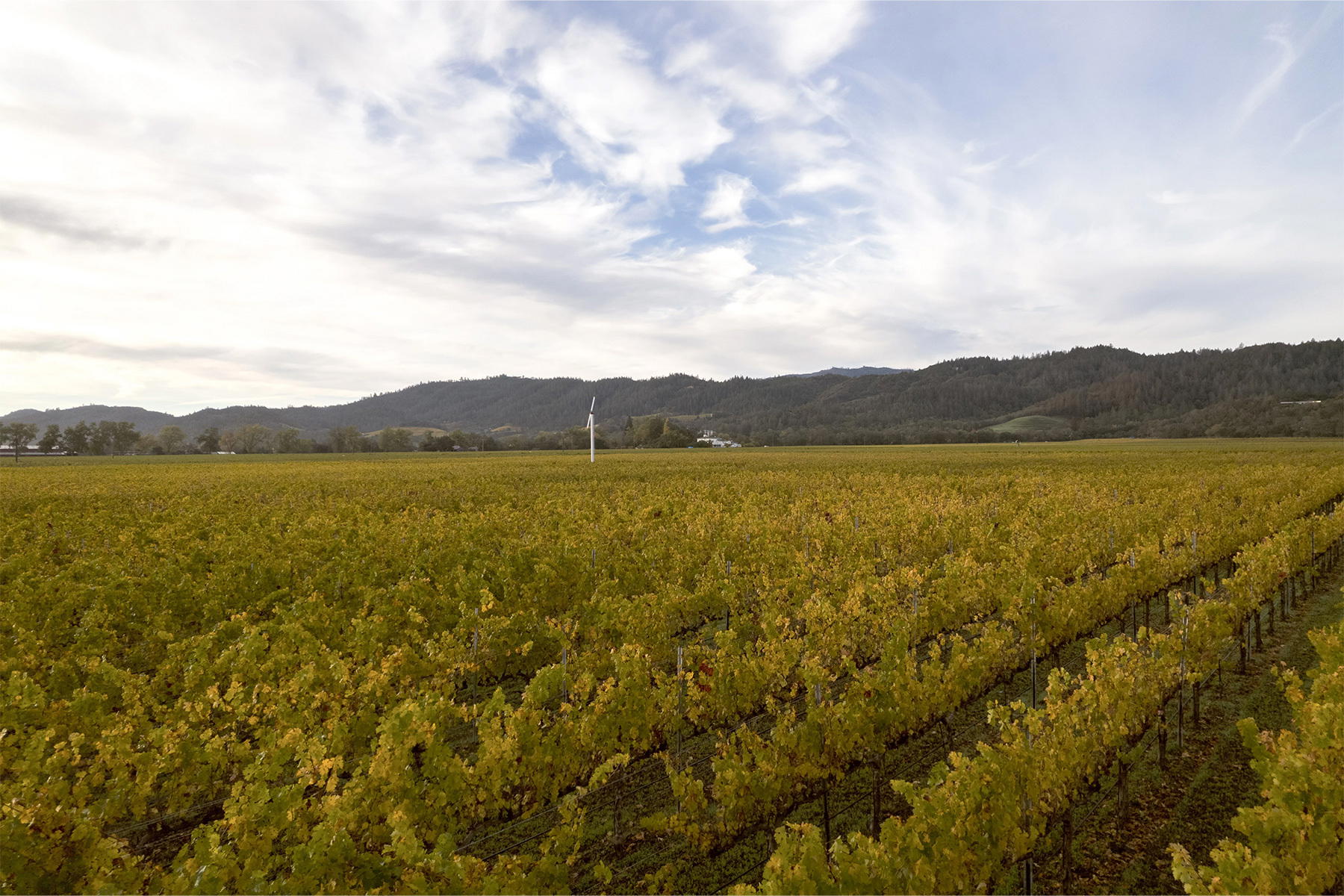
Bars in Sonoma
Browse all →
Restaurants in Sonoma
Browse all →
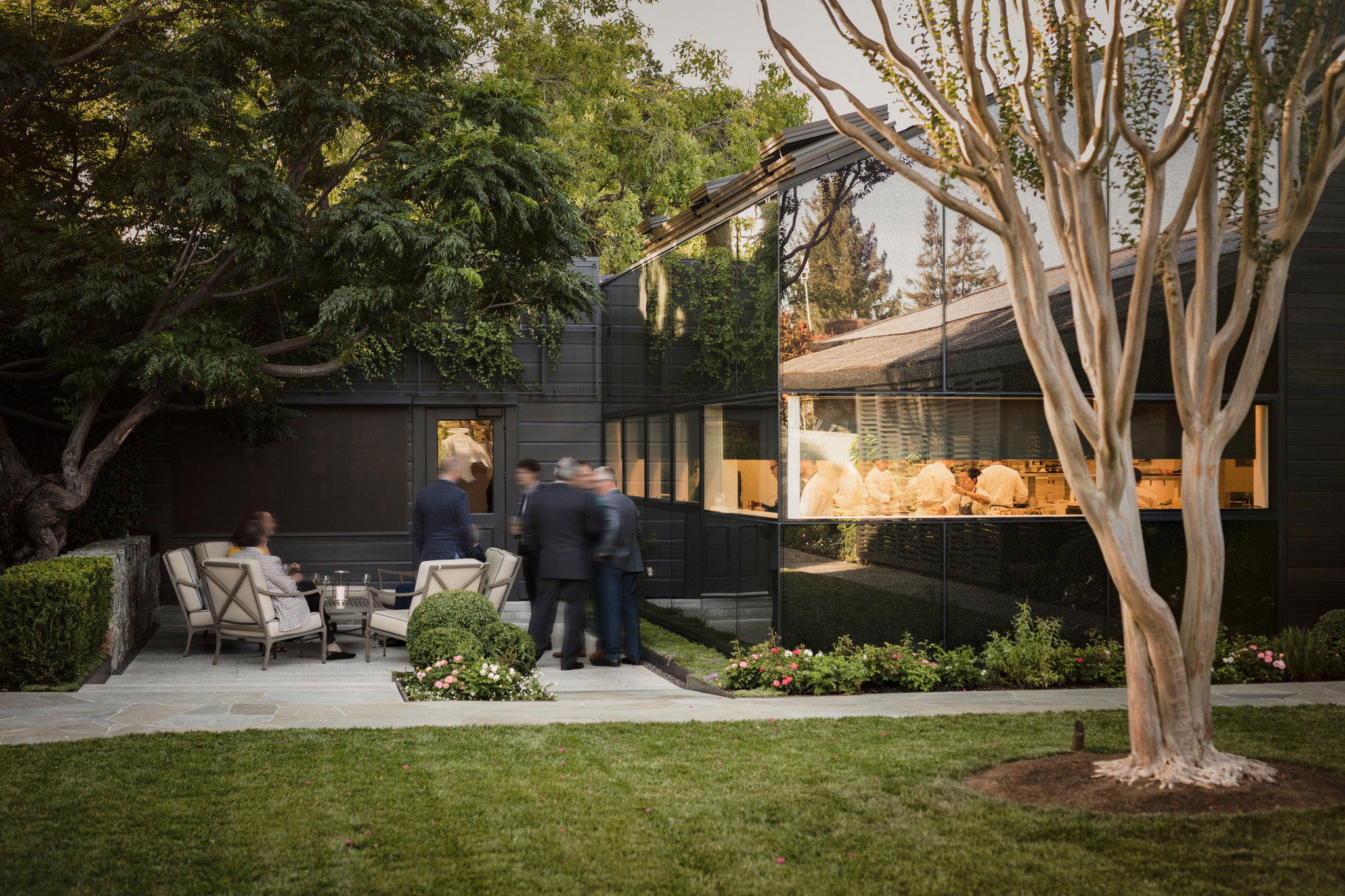
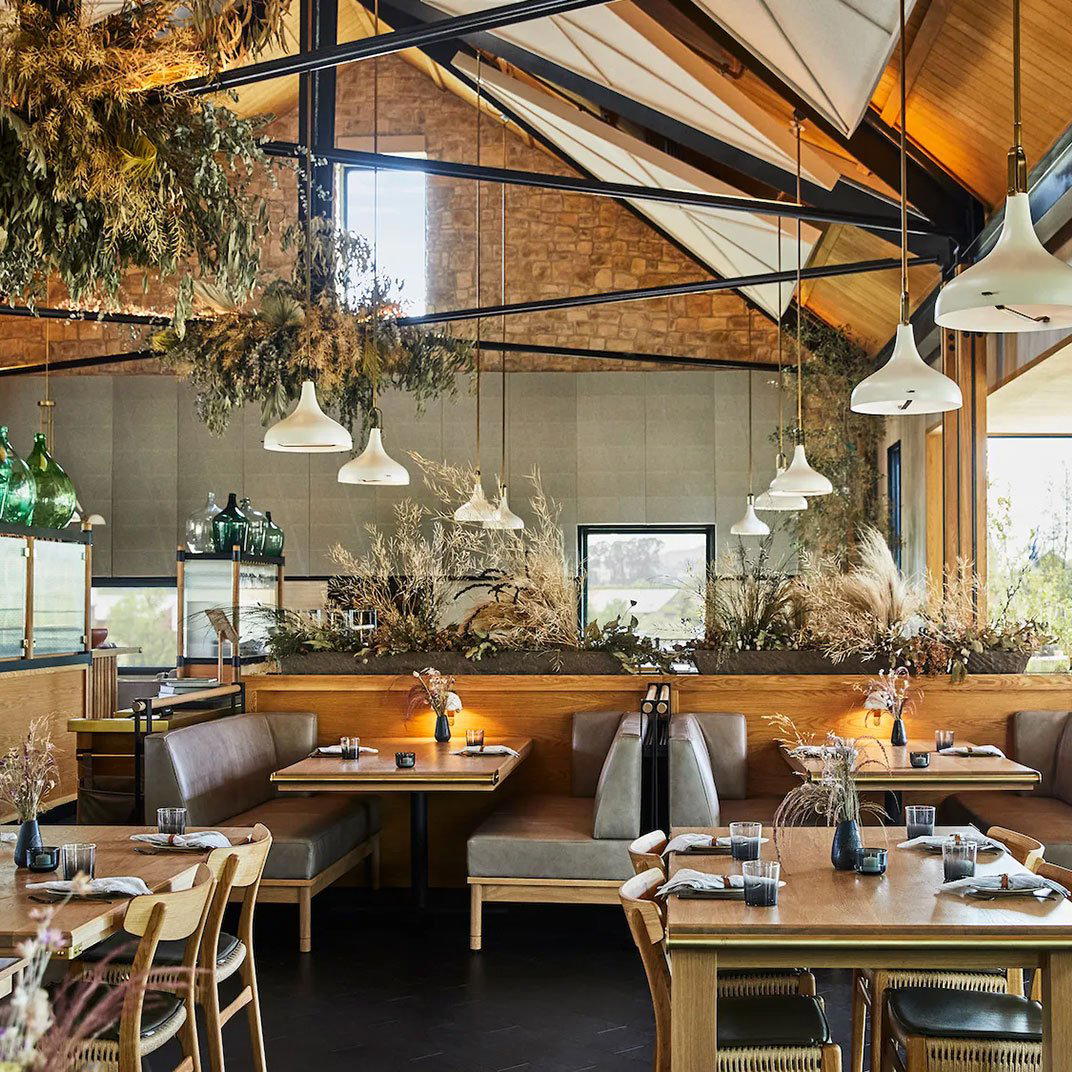
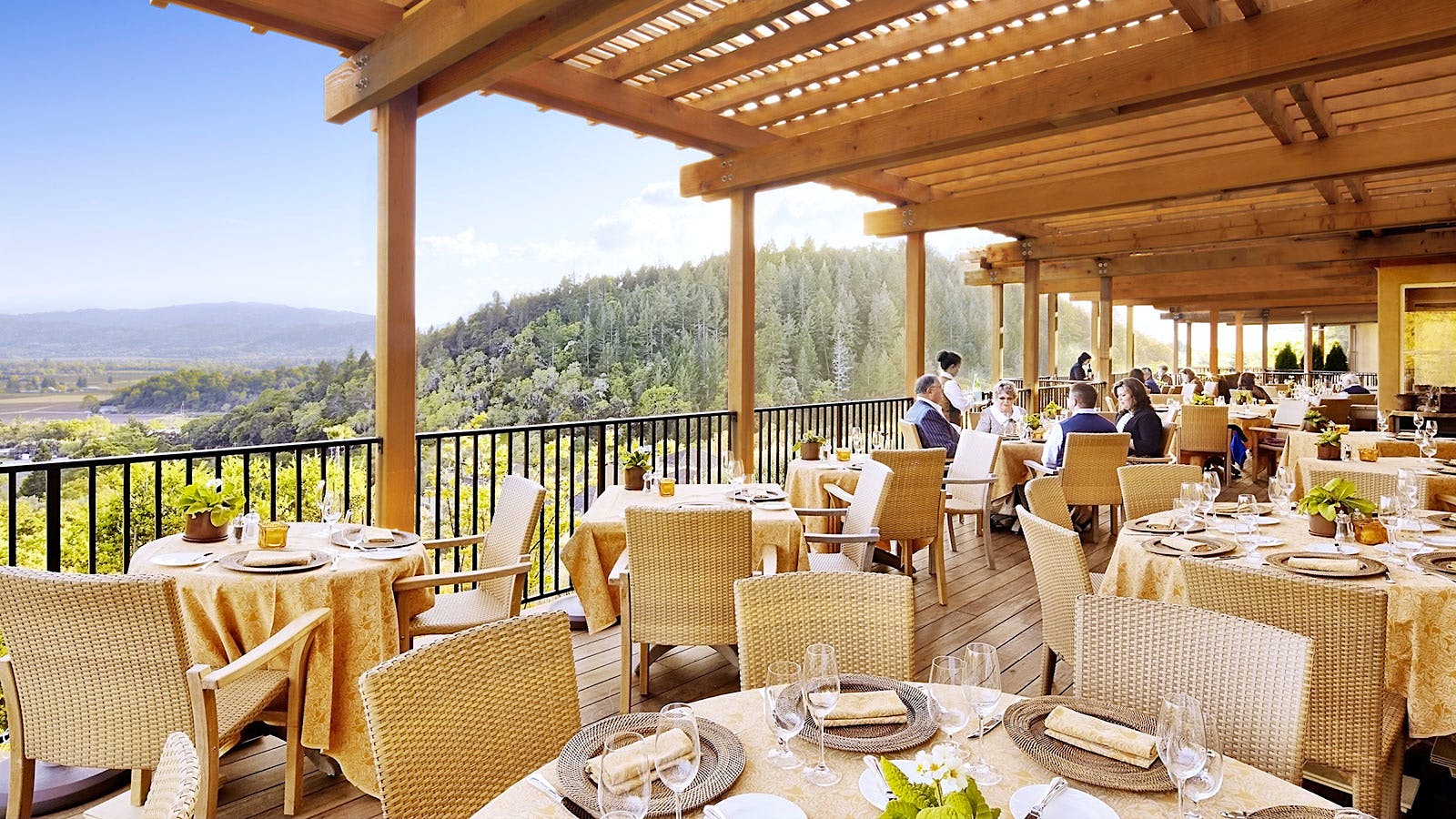
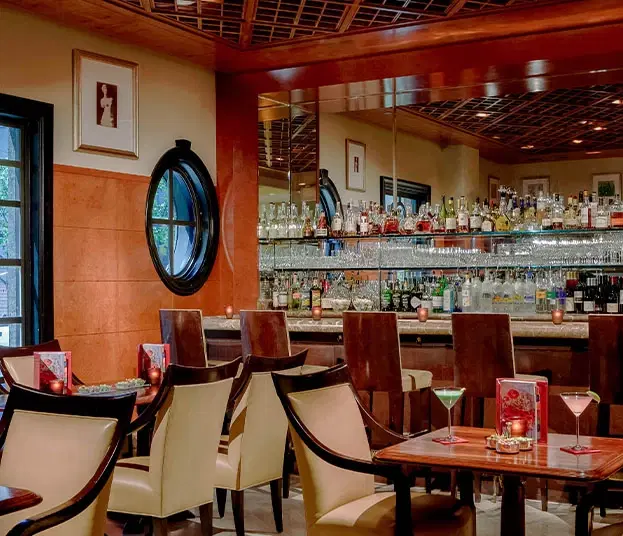
At a Glance
- Rustic
- Scenic
- Historic
- Well Known
- Group Outing
- Wine Education
- Special Occasion
- Vineyard Tour
- Cave Tasting
- Estate Grounds
- Historic Building
- Sustainable
- Vineyard
- Mountain
- Sonoma Valley AVA
- Cabernet Sauvignon
- Zinfandel
- Chardonnay
- Still Red
- Still White
- Seated Tasting
- Cave Tasting
- Barrel Tasting
Bucolic and historic with scenic vineyard views, cave tastings in cool barrel rooms, and a rustic, welcoming atmosphere.