
Giuseppe Rinaldi belongs to Barolo’s old-school Nebbiolo tradition: organic farming, indigenous yeasts, long fermentations in upright wooden vats, and extended aging in large old botti. The point is not cellar polish or broad hospitality programming, but a working family estate where blended crus, slow maturation, and austere structure define the wines.
Pearl is the En Primeur Club membership app — saves, bookings, and concierge access live there. Same editors, same standards.
- Address
- Barolo, Piedmont, Italien
- Directions
- Get directions
 Saves & bookings on Pearl
Approaching Giuseppe Rinaldi means entering Barolo through a traditional register: foggy hillside surroundings, a historic working family cellar, large old oak casks, upright wooden vats, and a sense that polish would be beside the point. The picture is not of a sleek visitor center, but of a classic, rustic Barolo icon with an artisanal feel, where the setting itself does much of the storytelling.
Because the available detail is limited, the safest way to understand Giuseppe Rinaldi is through its setting and cellar character rather than through unconfirmed claims about specific wines, labels, farming methods, tasting formats, or production figures. What is clear is the atmosphere: old wood, practical cellar work, and a traditional identity in Barolo. The emphasis should stay on what can be seen and reasonably inferred from that environment, not on extending the portrait into details that are not established here.
Old oak casks and traditional cellar character
Giuseppe Rinaldi is best framed as a traditional Barolo reference point, but specific assertions about individual wines, bottlings, fermentation choices, aging lengths, vineyard holdings, or cellar techniques should not be treated as here unless confirmed separately. The grounded detail is the cellar itself: large old oak casks and upright wooden vats that give the place a historic, artisanal character. Those elements matter because they establish tone as much as function, pointing toward continuity, practicality, and a cellar culture that feels rooted rather than designed for display.
That traditional physical setting is the core of the appeal. Rather than a polished, architecture-led visitor experience, the description points to a working family cellar with rustic presence and a classic Barolo identity. For visitors and readers, the value is in the atmosphere and continuity implied by the cellar environment, not in technical specifics. The old wood, upright forms, and practical cellar language create a sense of place that is more tactile than explanatory: it suggests a space shaped by use, patience, and inherited rhythm.
The price level is listed as $$$$, placing the winery in a premium bracket. Beyond that, details such as tasting availability, exact service format, wine range, ownership structure, and production scale should be checked directly before planning around them. The premium positioning should be understood as part of the venue profile, but it does not by itself confirm what a visit includes, how access works, or what a guest may encounter on any particular day.
A working cellar rather than a staged tasting room
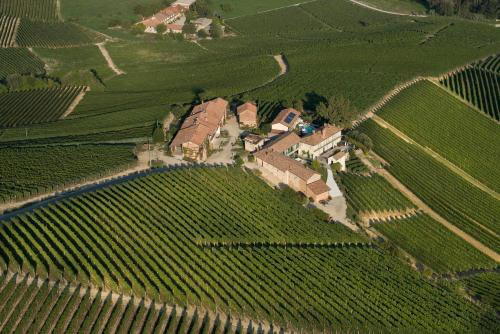
The strongest description of the winery is as a historic, working family cellar in Barolo. Large old oak casks and upright wooden vats shape the mood, while the surrounding hills and foggy landscape reinforce the traditional Barolo atmosphere. Together, those details create an impression of a place that is embedded in its landscape rather than separated from it, with the hillside context and cellar interior forming a single, coherent picture.
This is a place to think of as classic and rustic rather than glossy. The available information supports an image of artisanal cellar character, not a staged visitor center. That distinction is important: the appeal here is not described through amenities, spectacle, or a highly choreographed tasting narrative, but through the quieter force of a working environment that have retained its traditional texture.
For a Barolo itinerary, the winery belongs on the map as an well-known traditional cellar presence. The draw is not a detailed public-facing program, but the setting: old wood, working-cellar texture, and a location in Barolo’s hillside context. It is best approached with that expectation in mind, as a reference point for atmosphere and identity rather than as a page that confirms every logistical or technical detail a traveler might want in advance.
How to place Rinaldi in a Barolo itinerary
The winery fits a Barolo itinerary focused on traditional cellar atmosphere and the feel of a historic working family cellar.
One accurate way to use this entry is as a carefully bounded portrait: a traditional Barolo cellar presence defined by old wood, rustic working character, and the foggy hillside atmosphere around it.
Recognition history
Dated appearances from independent guides and award organizations, with the underlying list record or original source where available.
Falstaff Winery - 5 Stars
Falstaff
Continue exploring
More in Barolo
Wineries in Barolo
Browse all →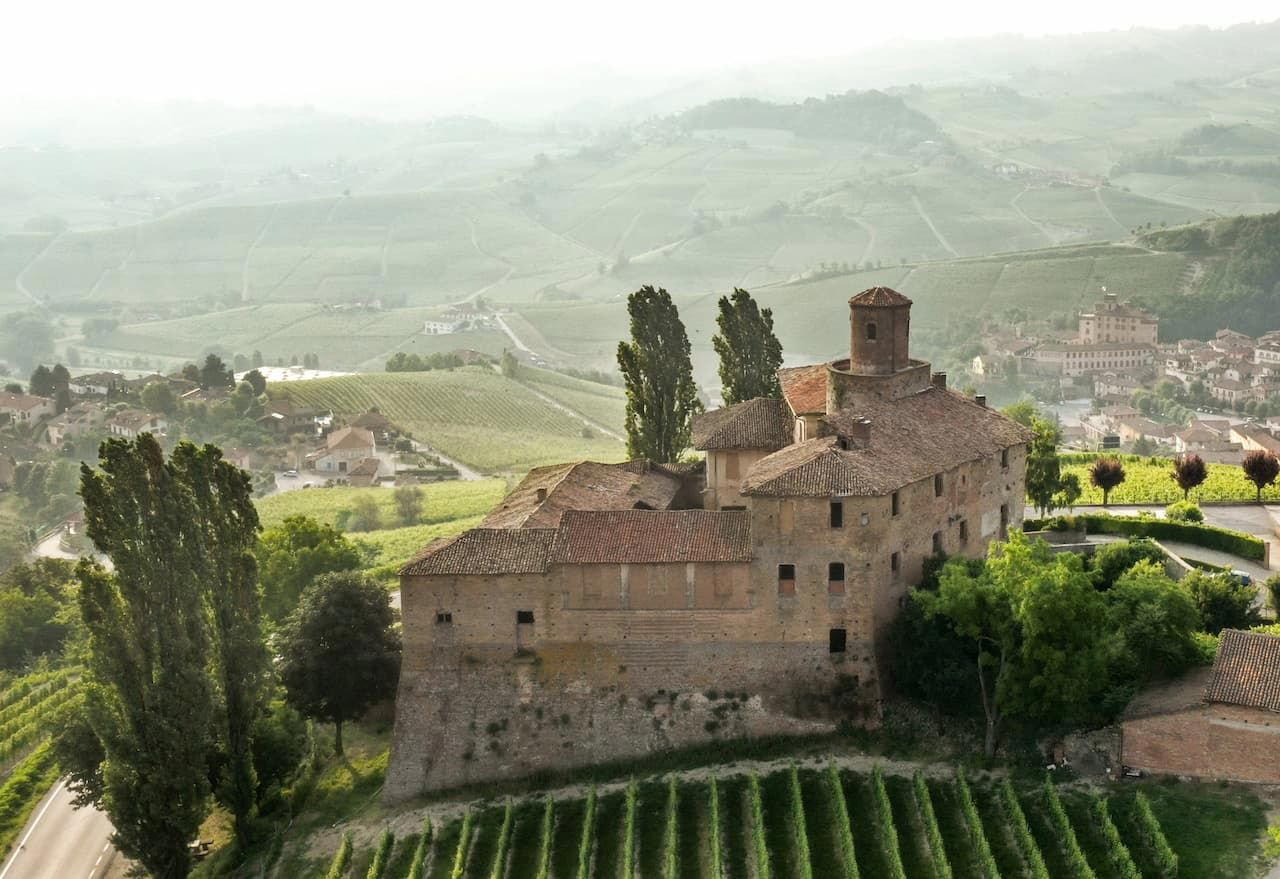
Bars in Barolo
Browse all →
Restaurants in Barolo
Browse all →
At a Glance
- Classic
- Rustic
- Well Known
- Intimate
- Wine Education
- Special Occasion
- Solo Exploration
- Romantic Getaway
- Group Outing
- Barrel Room
- Vineyard Tour
- Estate Grounds
- Historic Building
- Private Tasting
- Organic
- Vineyard
- Barolo DOCG
- Nebbiolo
- Still Red
- Private Seated Tasting
- Cellar Tour
- Vineyard Focused Visit
Historic, working family cellar just outside Barolo village, with foggy hillside surroundings, large old oak casks and upright wooden vats that give a traditional, artisanal feel rather than a polished visitor center.