FEL Wines
The winery sits within a comparable set defined by site-driven viticulture and cool-climate restraint, placing it alongside neighbours like Roederer Estate and Lazy Creek Vineyards in a region that deliberately resists the riper, oak-forward style dominant elsewhere in California.

Pearl is the En Primeur Club membership app — saves, bookings, and concierge access live there. Same editors, same standards.
- Address
- 1473 Yountville Cross Rd, Yountville, CA 94599
- Phone
- (707) 944-8642
- Hours
- Daily 10 AM–4 PM
- Website
- felwines.com
- Directions
- Get directions
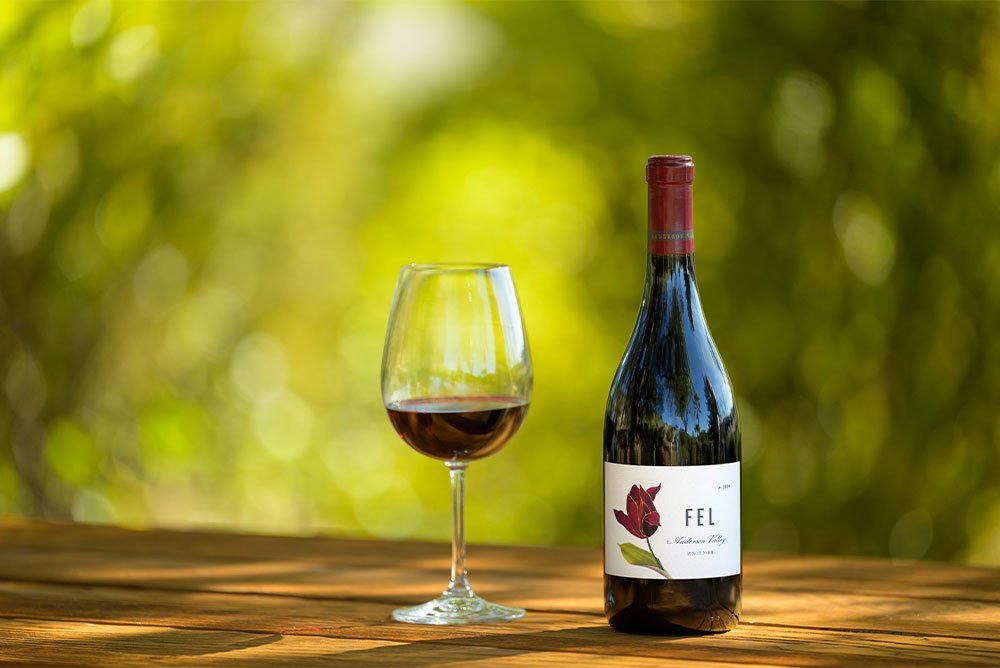
Anderson Valley's Cool-Climate Argument, Made in Glass
The road into Philo asks something of you. The Navarro River corridor narrows as Highway 128 winds through redwood shade and opens onto benchland vineyards whose morning fog burns off slowly, sometimes not until midday. This is not Napa's confident, sun-soaked geometry. Anderson Valley is cooler, quieter, and more internally consistent in what it asks of its growers: patience, site selection, and a willingness to work with lower sugars and higher acids than most of California tolerates. FEL Wines operates inside that discipline, and the region's physical character is inseparable from what ends up in the bottle.
The valley floor here sits well below the ridgelines that separate it from the Pacific, and that proximity to the ocean drives the diurnal temperature swings that Pinot Noir and Chardonnay producers along the West Coast spend considerable money chasing. In Philo, it is simply the condition of farming. Vines that struggle in afternoon wind and recover in cool nights produce grapes with aromatic intensity and structural acid that warmer-grown fruit rarely matches.
Anderson Valley's premium tier has consolidated around a specific producer profile: smaller production volumes, fruit sourced from named hillside or bench sites, and stylistic restraint that places the wines closer to Burgundy and the Sonoma Coast than to warmer California appellations. FEL Wines belongs to that cohort.
The valley's benchmark names are instructive for calibrating expectations. Roederer Estate operates at the sparkling wine end with the resources of a Champagne house behind it. Lazy Creek Vineyards represents the smaller, estate-focused format that helped define the valley's identity in the 1970s and 1980s. Baxter Winery and Brashley Vineyards work at limited scale with emphasis on low-intervention farming and winemaking. Edmeades Winery brings a longer valley history and a portfolio that spans varieties suited to the region's cooler growing season. FEL's award profile positions it within this serious, site-attentive tier rather than the valley's more accessible, higher-volume producers.
The Physical Logic of Philo
Understanding FEL requires understanding what Anderson Valley's geography imposes. The appellation is divided informally into the warmer Yorkville end near Cloverdale and the significantly cooler Philo end where the coastal influence is most direct. Producers in the Philo corridor are farming in conditions that would be unremarkable in Burgundy or Alsace but remain unusual in California, where the expectation of warmth shapes almost every other major growing region.
Hillside sites above the fog line in the Philo area offer afternoon sun exposure that concentrates flavour without cooking off aromatic compounds. Valley floor vineyards tend toward heavier soils and longer fog retention, producing wines with different structural profiles. The choice between these elevations and exposures is among the most consequential a winemaker in this valley makes, and the region's leading producers, including those with comparable award recognition to FEL, tend to be specific about which sites they draw from and why. That site-specificity is a credential signal in itself.
California's premium wine identity has historically been Cabernet-heavy, anchored by Napa names like Accendo Cellars in St. Helena or Alpha Omega Winery in Rutherford. Anderson Valley operates as a smaller, philosophically distinct niche within that larger California premium picture, producing wines that price and compete against cool-climate Pinot and Chardonnay specialists nationally rather than against Napa Cabernet. That competitive framing matters when assessing value and intent in a FEL wine.
Cool-Climate California in a Wider Context
The case for cool-climate California has been made from multiple appellations simultaneously. Oregon's Willamette Valley, represented by producers like Adelsheim Vineyard in Newberg, made it from the north. California's own Central Coast has producers making site-specific Rhône and Burgundian varieties, including Alban Vineyards in Arroyo Grande and Andrew Murray Vineyards in Los Olivos. Further north, Alexander Valley Vineyards in Geyserville works in a warmer Sonoma appellation with a different varietal focus entirely. Paso Robles has its own distinct argument, with producers like Adelaida Vineyards working high-elevation calcareous soils. For context across other wine-producing traditions internationally, Aberlour in Aberlour and Achaia Clauss in Patras illustrate how dramatically different terroir logic operates across global appellations.
Anderson Valley sits at the intersection of all these debates: cool enough to produce wines with European structural references, warm enough to ripen fully in good vintages, and geographically isolated enough that its identity has not been diluted by the sprawl of larger appellations. FEL's position in this specific corner of California is a geographic argument as much as a winemaking one.
Planning Your Visit to Philo and Anderson Valley
Philo is roughly two and a half hours north of San Francisco via Highway 101 and Highway 128, making it a viable weekend destination from the Bay Area without requiring a full itinerary overhaul. The valley's tasting rooms tend to operate on limited hours and some require appointments, which is standard practice for producers at the premium tier. Anderson Valley's season peaks in summer and early autumn, with harvest typically running from late August through October depending on the year's weather pattern. Spring visits offer cooler temperatures and fewer crowds; autumn brings harvest activity and the visual reward of vine colour change against the redwood-edged ridgelines.
For a fuller picture of what Philo offers across wineries and experiences, the EP Club Philo guide maps the valley's producers across style and scale.
A Minimal comparable set
Comparable venues nearby, for context on price, style, and recognition.
| Venue | Cuisine | Price |
|---|---|---|
| FEL WinesThis venue — the venue you are viewing | Philo, Pinot Noir, Chardonnay | Not listed |
| Phillips Hill Winery | Winery | Not listed |
| Lazy Creek Vineyards | Philo, Pinot Noir, Gewürztraminer | $1–10 |
| Handley Cellars | Anderson Valley, Pinot Noir, Chardonnay | $30–50 |
| Witching Stick Wines | Philo, Pinot Noir, Zinfandel | Not listed |
| Baxter Winery | Philo, Pinot Noir, Chardonnay | $10–20 |
Continue exploring
More in Philo
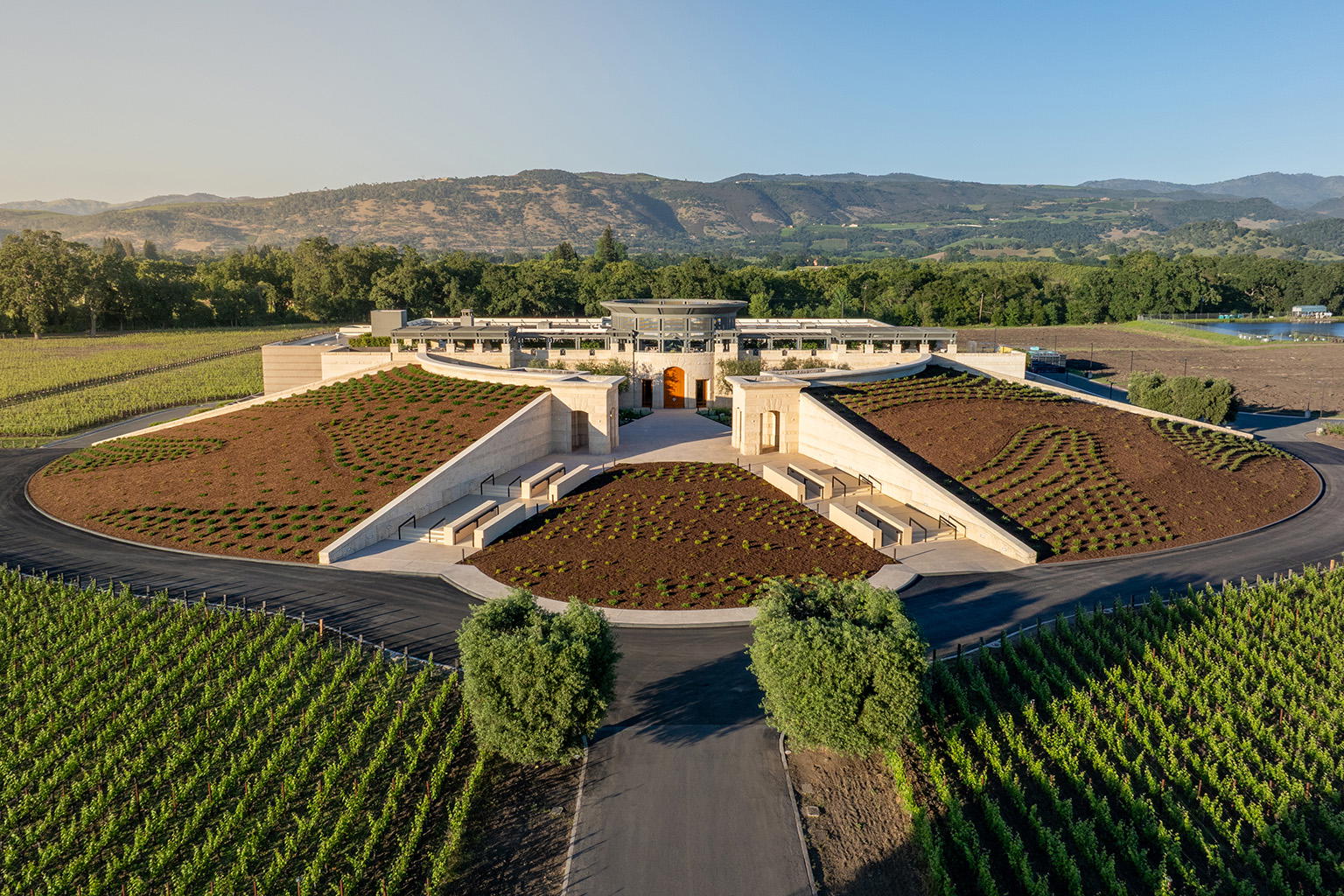
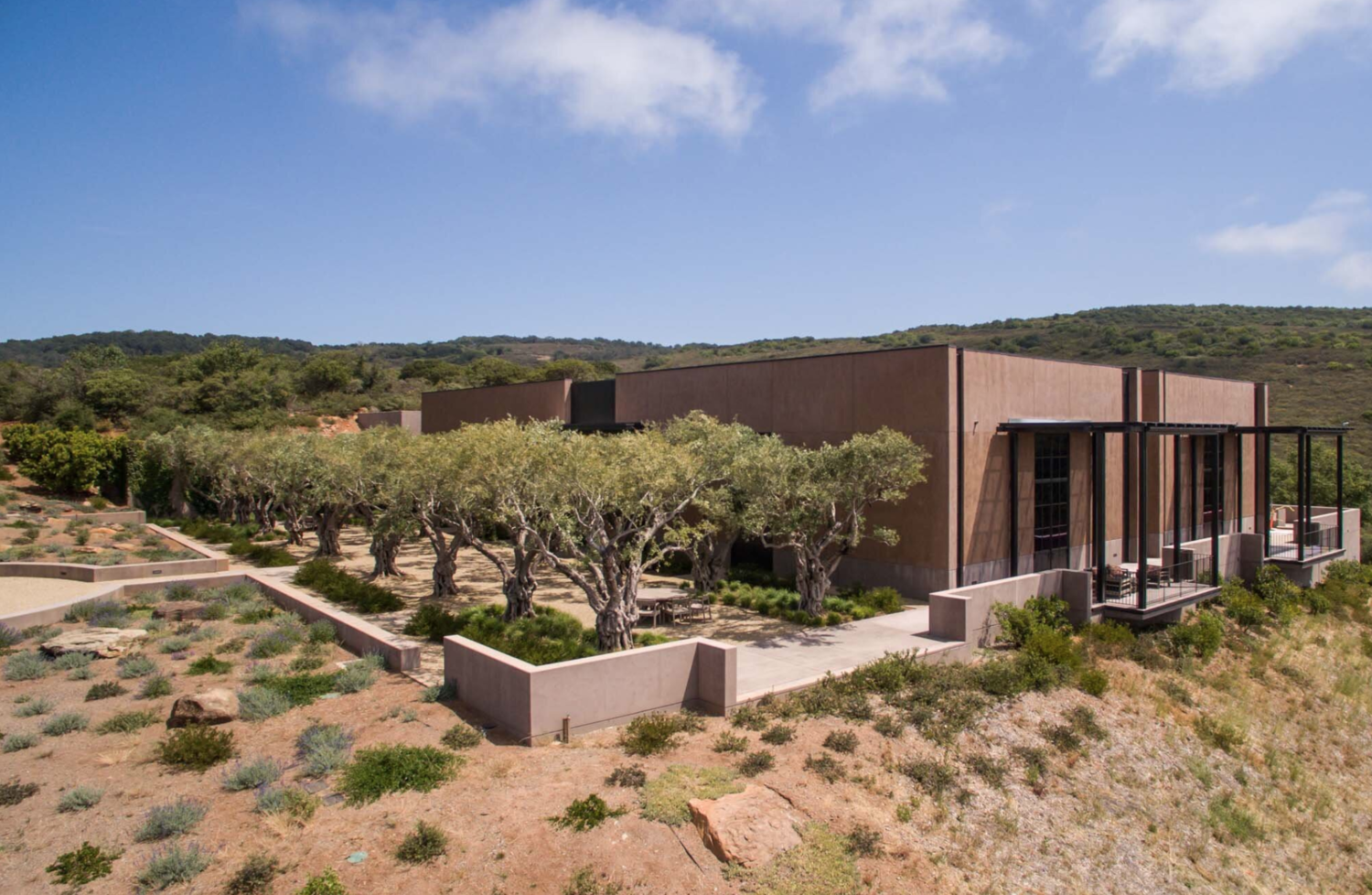
Wineries in Philo
Browse all →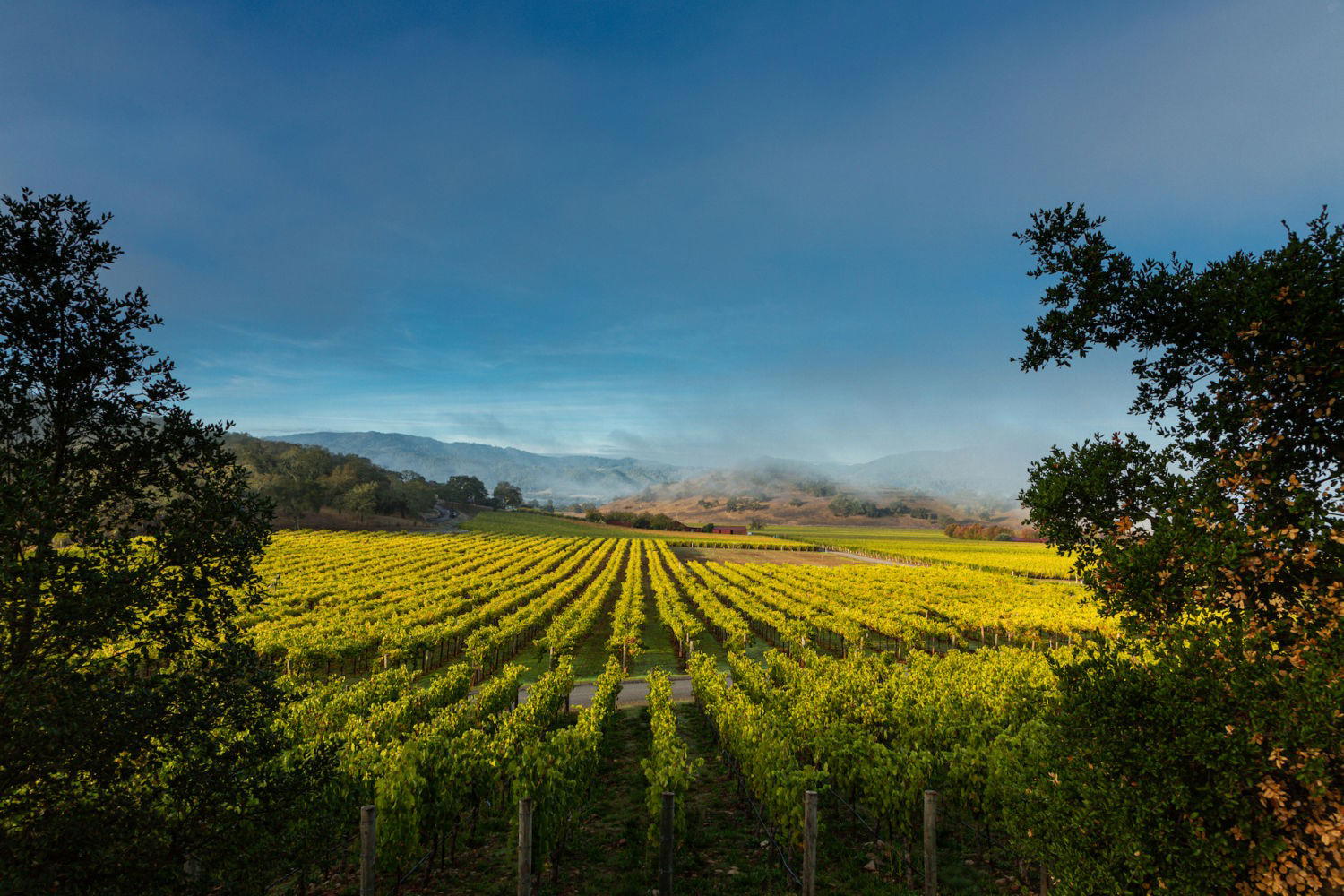
Bars in Philo
Browse all →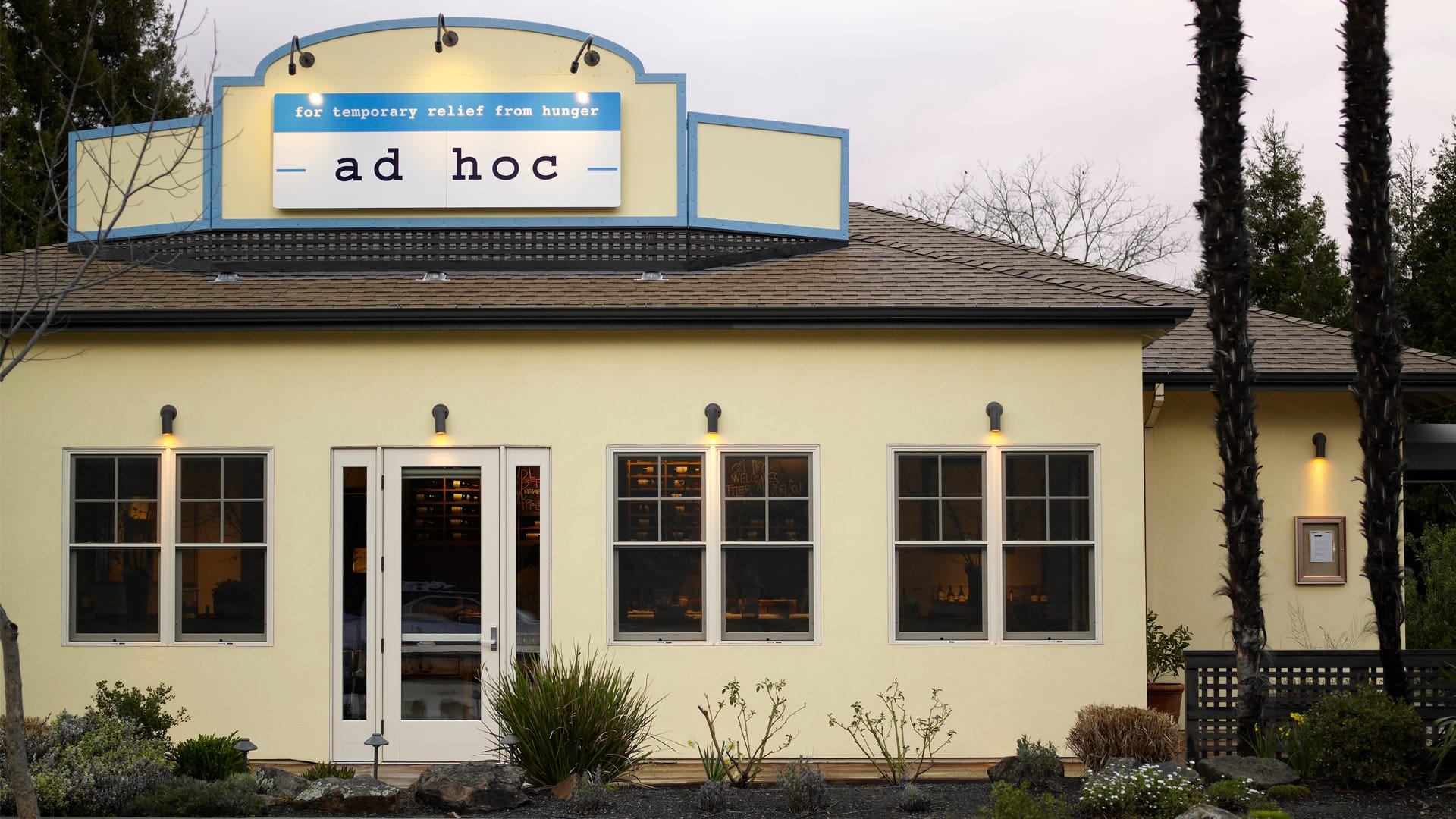
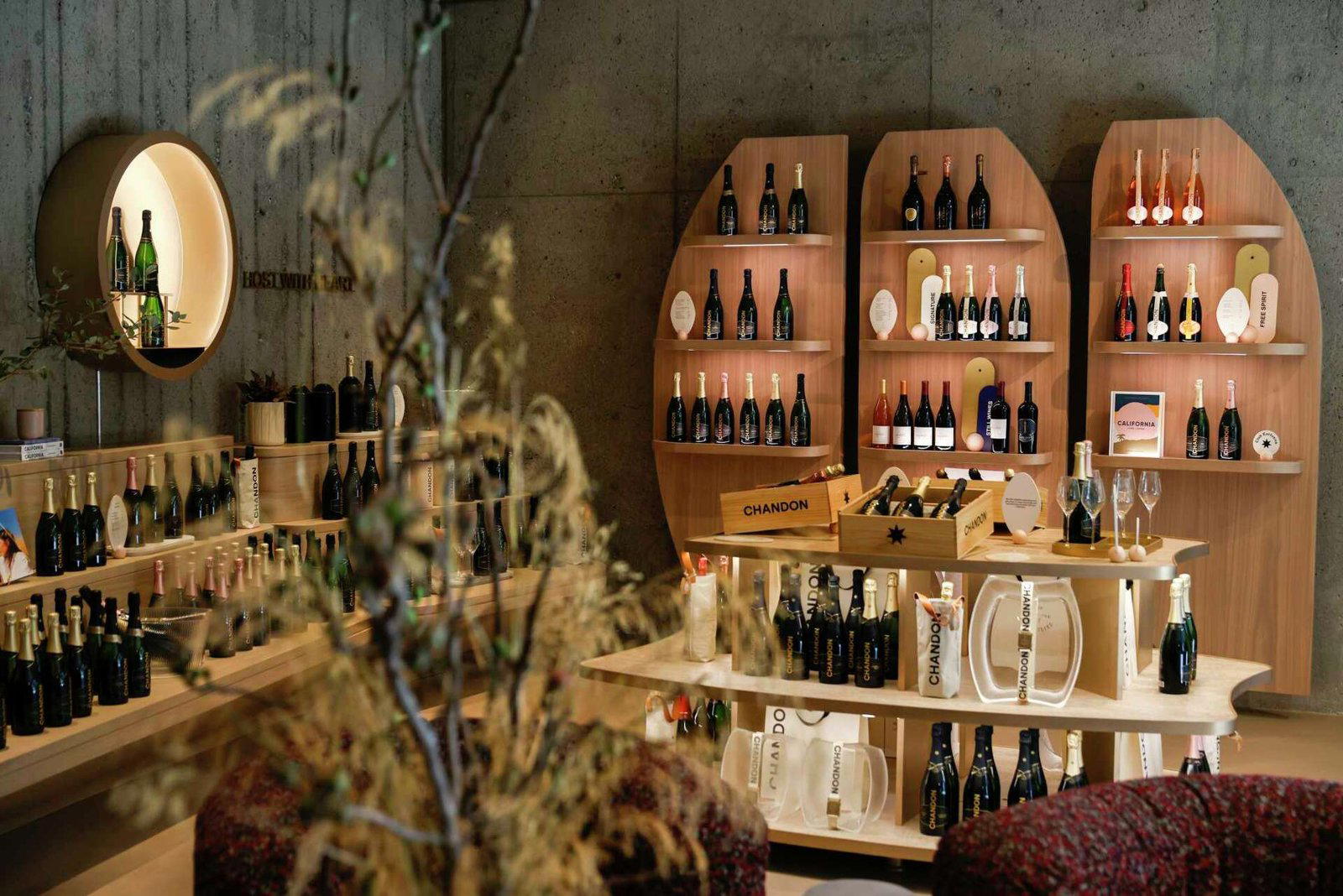
Restaurants in Philo
Browse all →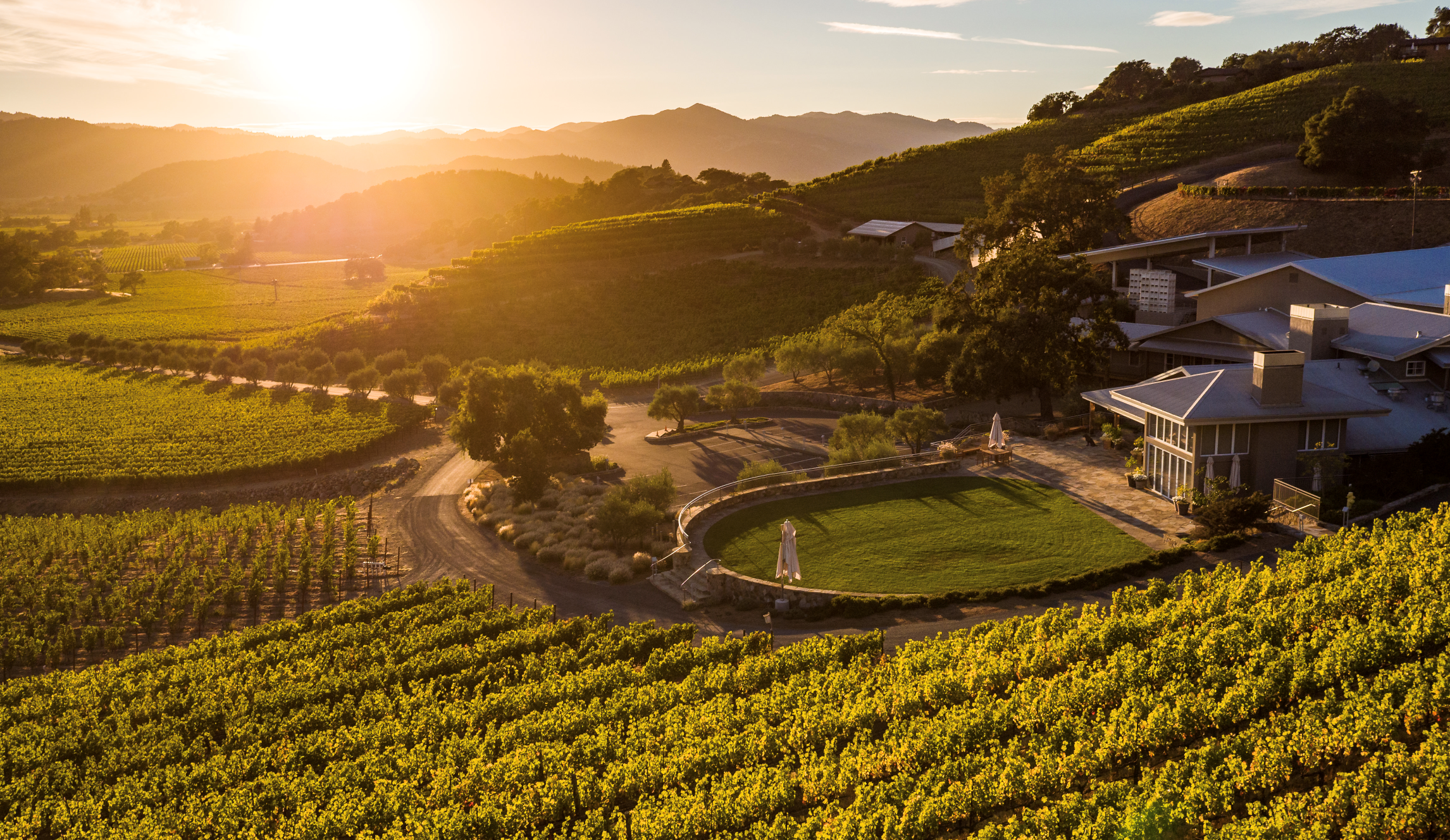
Details
- Rustic
- Scenic
- Intimate
- Elegant
- Solo Exploration
- Wine Education
- Special Occasion
- Vineyard Tour
- Estate Grounds
- Panoramic View
- Sustainable
- Vineyard
- Mountain
- Pinot Noir
- Chardonnay
- Still Red
- Still White
- Vineyard Designate
Current opening hours
- Monday
- 10 AM–4 PM
- Tuesday
- 10 AM–4 PM
- Wednesday
- 10 AM–4 PM
- Thursday
- 10 AM–4 PM
- Friday
- 10 AM–4 PM
- Saturday
- 10 AM–4 PM
- Sunday
- 10 AM–4 PM
Hours can change for holidays and private events. Last verified .
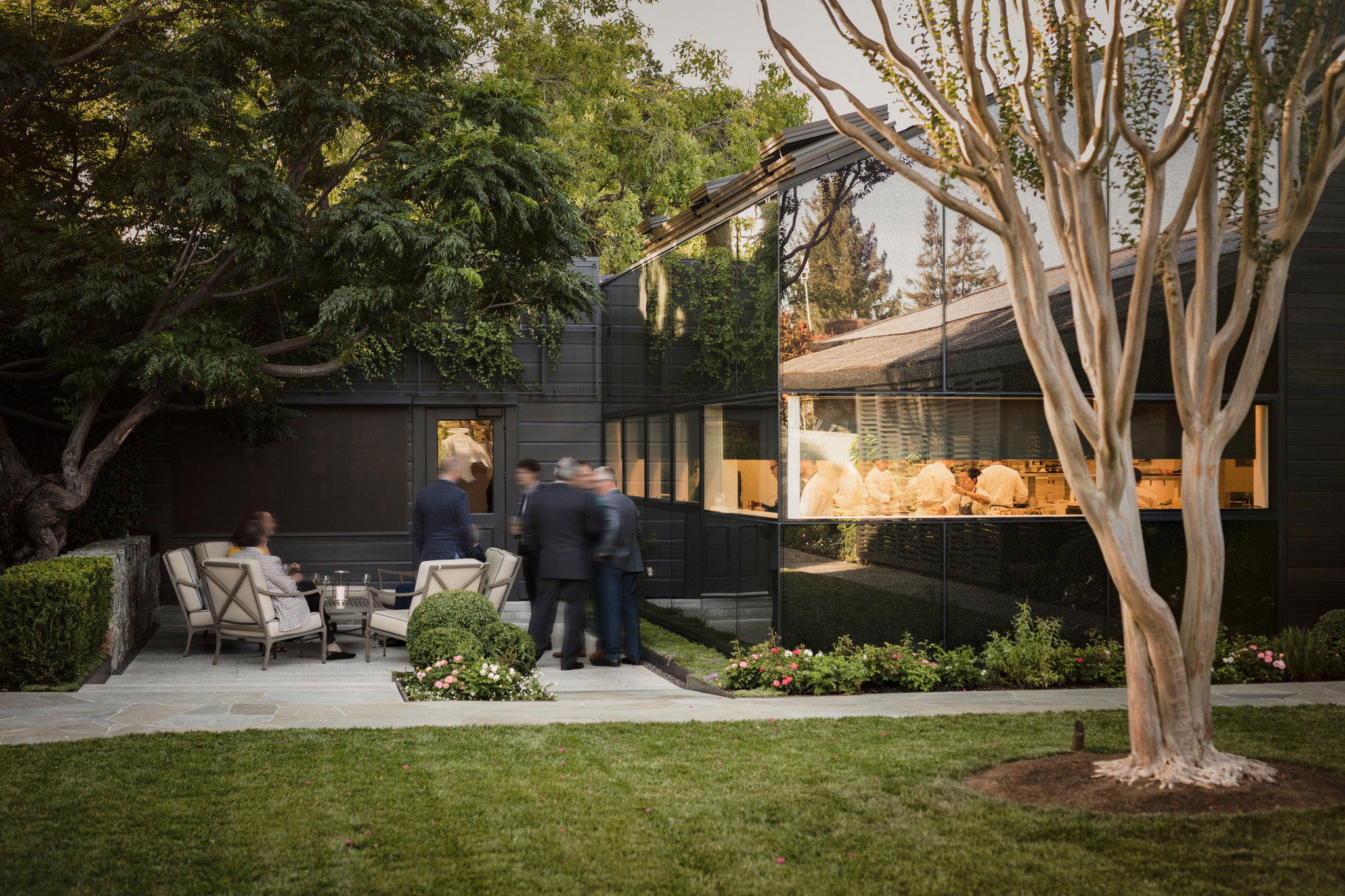
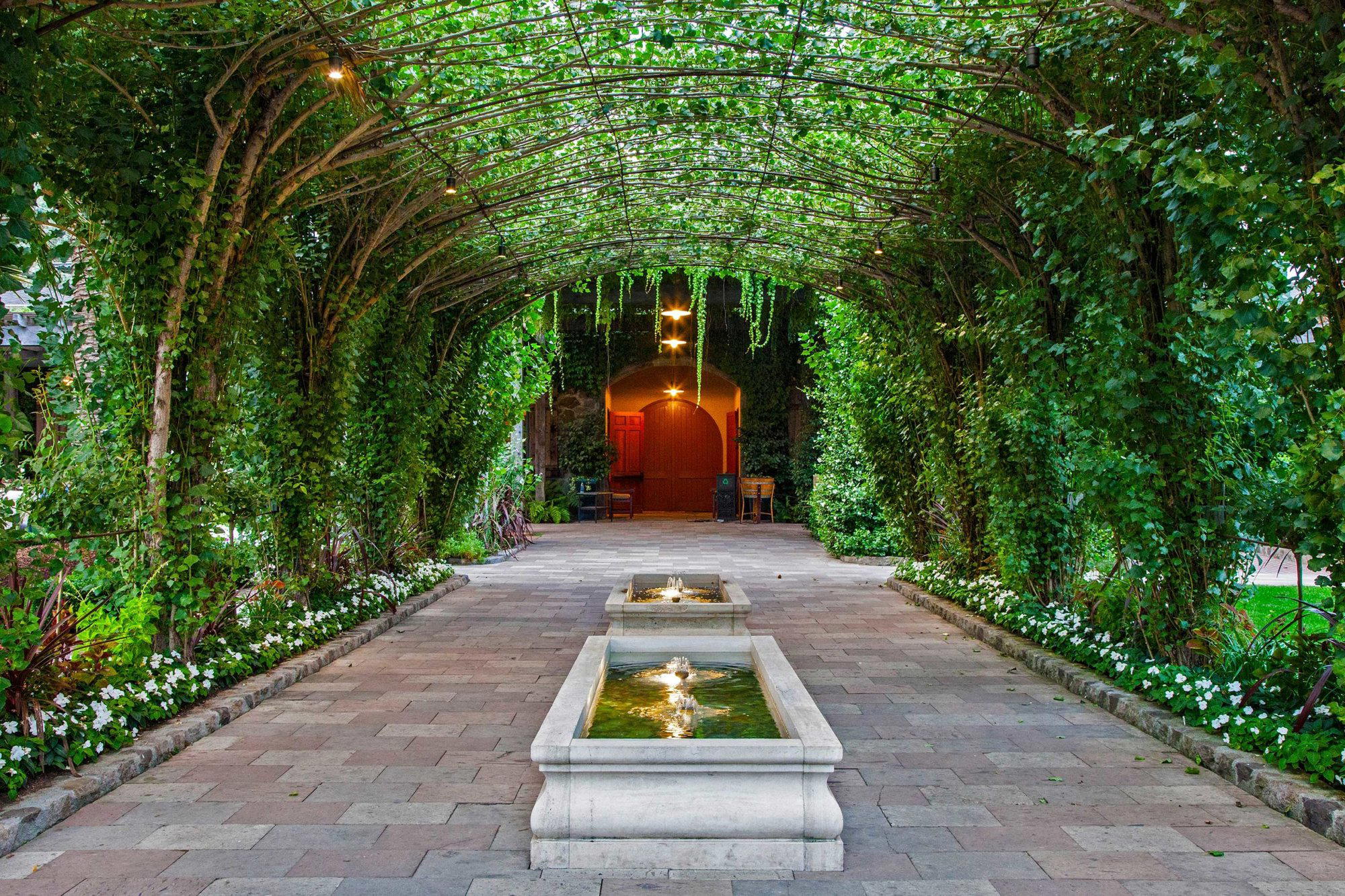
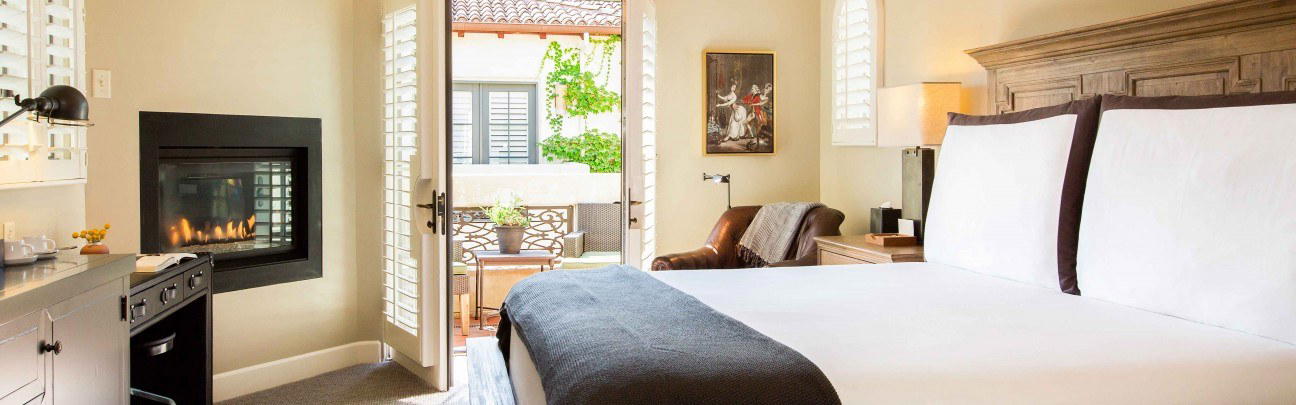
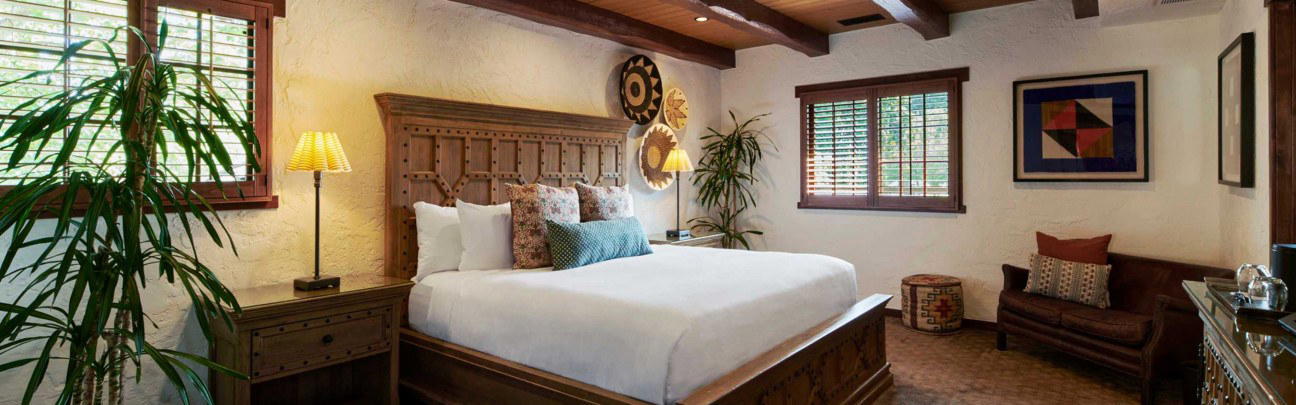
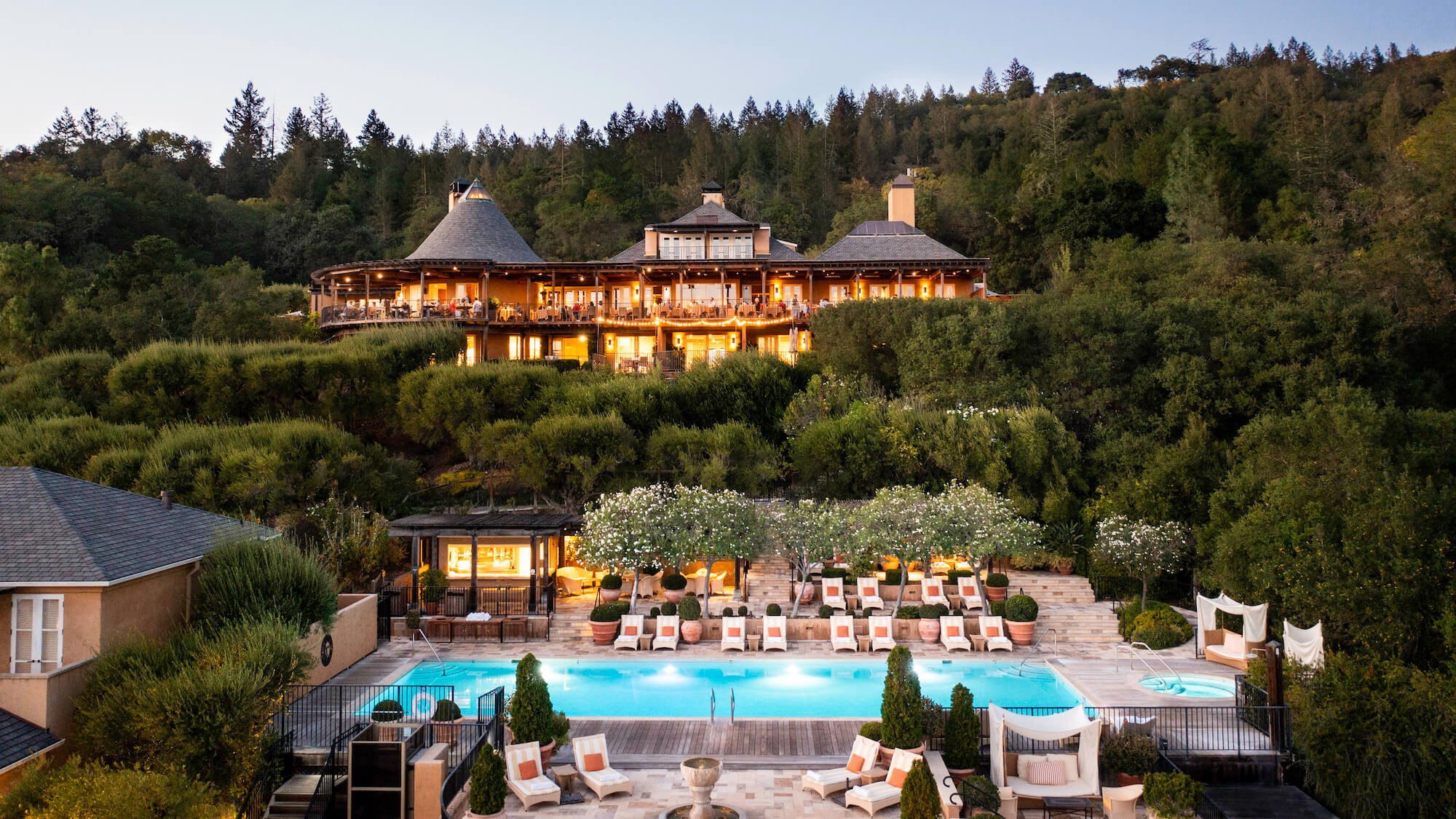
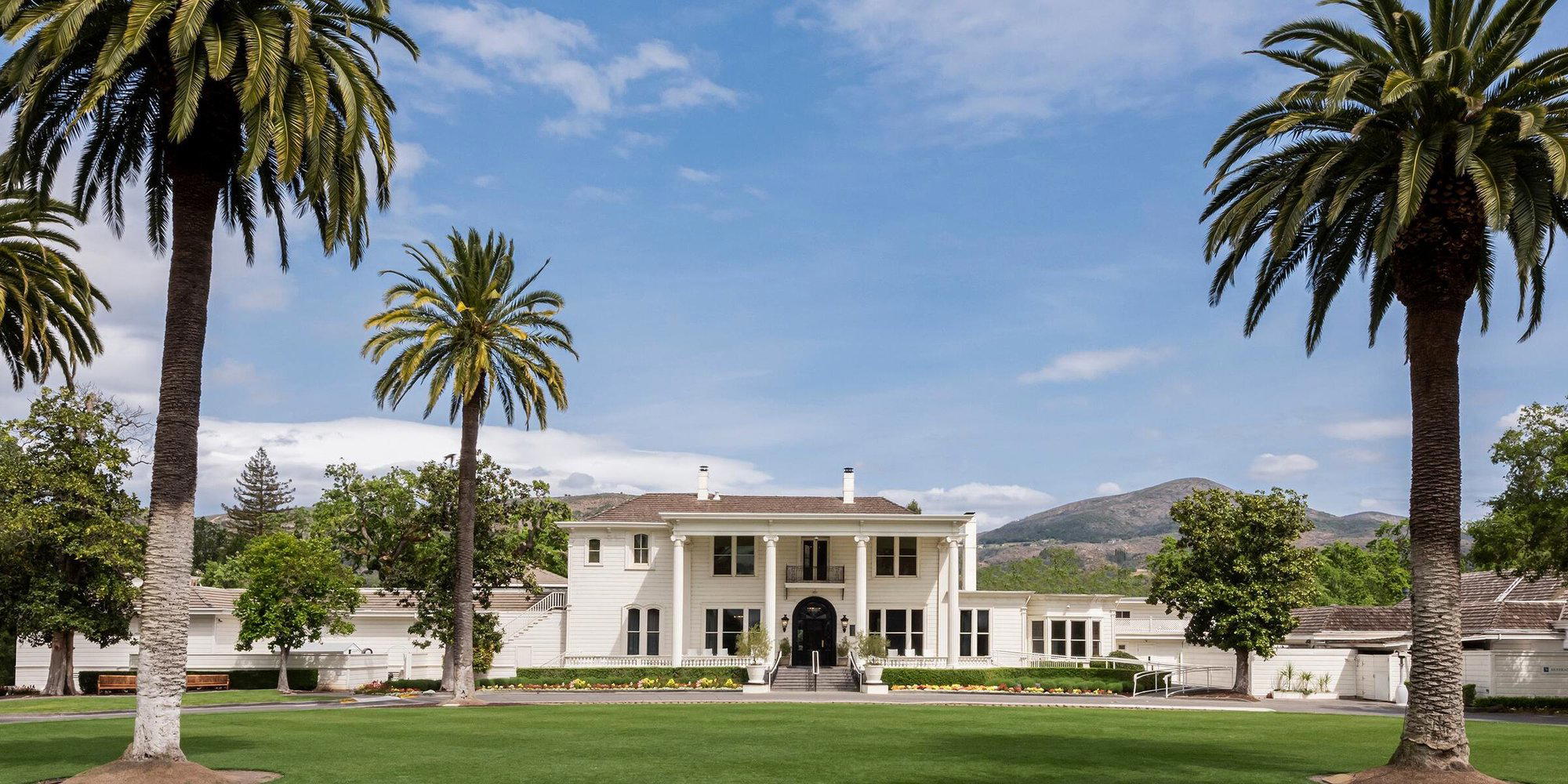
Rustic and scenic with a serene, contemplative atmosphere amid coastal redwoods and rolling hills.