The operation sits within one of the country's most concentrated pisco-producing zones, where high-altitude Muscat grapes and slow distillation traditions define the regional character. For visitors to the Elqui Valley, it represents a serious point of reference in the local spirits canon.

Pearl is the En Primeur Club membership app — saves, bookings, and concierge access live there. Same editors, same standards.
- Address
- D-485 21280, Pisco Elqui, Paihuano, Coquimbo
- Phone
- +56 9 6201 5414
- Website
- piscodonajosefa.cl
- Directions
- Get directions
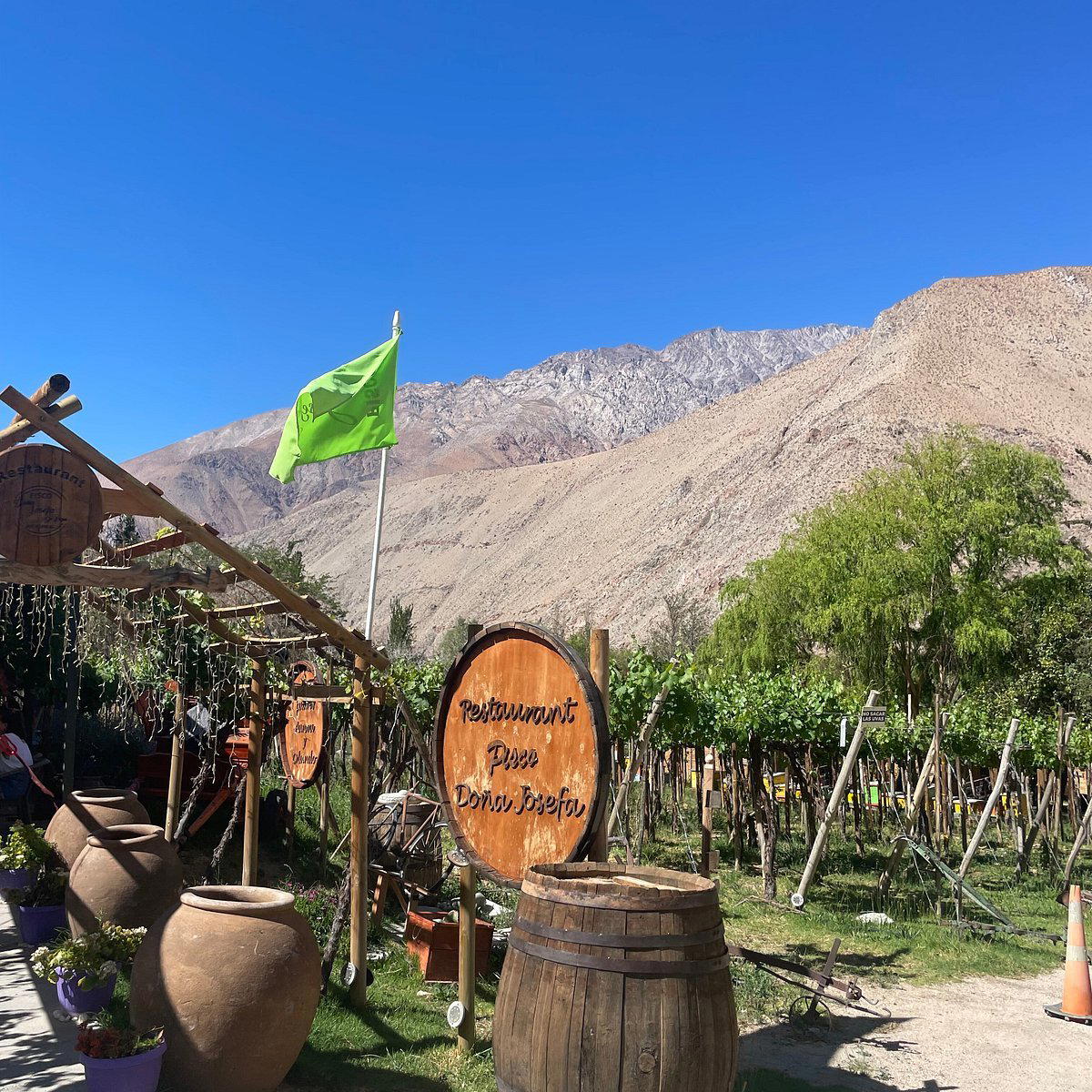
The Elqui Valley and the Architecture of Pisco Country
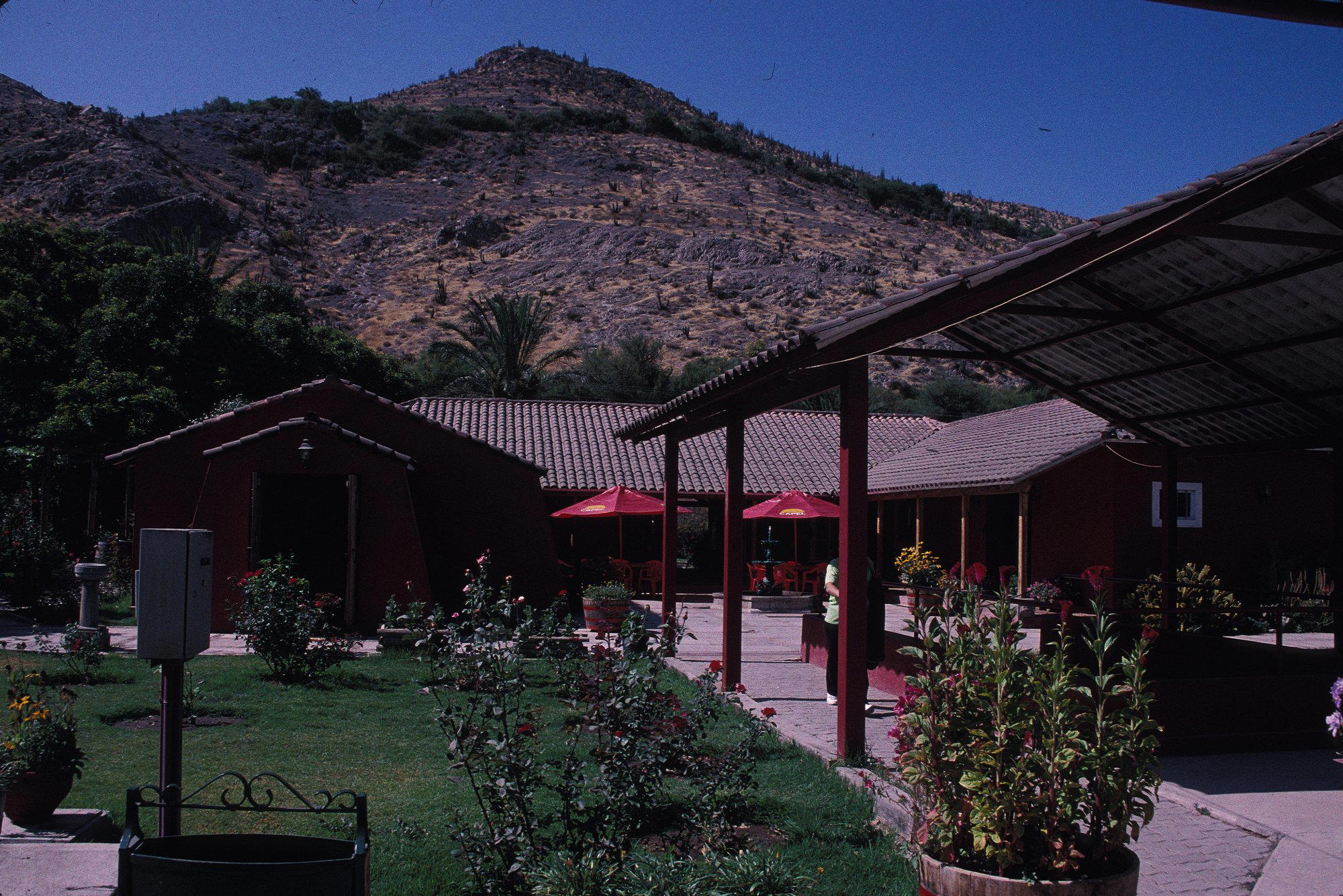
Arrive in Pisco Elqui from the coast at Coquimbo and the shift in atmosphere is immediate. The Pan-American heat flattens into something drier and thinner as the road climbs into the Andes foothills, and by the time the village appears, the valley walls have narrowed to a corridor of pale rock and irrigated terraces. Pisco Elqui sits at roughly 1,300 metres above sea level, and the combination of intense solar radiation, low humidity, and cold nights that define this latitude is precisely the combination that Chilean pisco production has relied upon for centuries. This is not incidental geography. The Elqui Valley is one of two legally demarcated zones in Chile permitted to produce pisco — the other being the Limarí and Copiapó valleys further south — and the concentration of producers in and around this small village reflects that designation.
Doña Josefa de Elqui sits within this environment, at D-485 21280, Pisco Elqui, in the commune of Paihuano. The address places it among a cluster of operations that together constitute one of South America's most geographically specific spirits-producing districts. For context, that places Doña Josefa alongside but distinct from larger-scale regional operations: Capel Pisco Plant in Vicuña represents industrial-scale cooperative production, while Pisquera ABA occupies a different point in the valley's producer hierarchy. Doña Josefa operates at a scale and register that aligns it more closely with craft-focused producers such as Pisco Mal Paso, where provenance and process carry more weight than volume.
What Happens After Harvest: Distillation, Resting, and the Aging Question
Chilean pisco production hinges on a set of decisions that begin well before a bottle reaches a visitor's glass, and the editorial angle that separates serious producers from commodity operations is almost always what happens in the period between distillation and bottling. Chilean law recognises several categories of pisco defined by alcoholic strength, from Corriente at 30–35% ABV through Reservado, Gran Pisco, and Ultra to the highest-strength expressions, but the more consequential distinctions involve resting and aging protocols, which are less rigidly codified and therefore more revealing of a producer's orientation.
In the Elqui Valley, the standard base spirit comes from Muscat varieties, primarily Moscatel Rosada, Pedro Jiménez, and Torontel, all of which produce aromatic, high-sugar musts that distil into spirits with a pronounced floral and stone-fruit character. What a producer does with that spirit over the following months determines whether the result reads as fresh and expressive or structured and complex. Oak aging in Chilean pisco is not universal, and where it does occur, decisions around vessel size, wood origin, and time in barrel reflect a philosophy about whether the spirit should evolve toward the wine-adjacent or remain closer to its raw distillate character. The larger producers in the valley, including Capel, typically use a range of aging categories to supply different price tiers. Smaller operations have fewer tiers to manage and more latitude to make singular choices.
This approach to post-harvest decisions finds parallels in other Chilean beverage contexts. Viña Falernia, based in Vicuña, has long demonstrated that the Elqui Valley can produce structured, barrel-aged expressions across categories, and its willingness to invest in vineyard-specific and variety-specific programs has influenced how the region's producers think about differentiation. Comparable reasoning applies to wine producers further south: Viña Casa Silva in San Fernando and Viña De Martino in Isla de Maipo both illustrate how Chilean producers across regions have moved toward process transparency and category discipline as trust-building tools. The logic transfers directly to pisco: when a producer signals quality through a recognised rating system, the implicit claim is that the decisions made in the cellar and aging room are consistent and deliberate.
Pisco Elqui as a Visitor Destination
The village of Pisco Elqui is small enough that most of its producer visits can be combined in a single day, but the valley rewards a slower approach. The area around Paihuano commune has developed a low-key tourism infrastructure built around pisco, stargazing (the Elqui Valley sits beneath some of the clearest skies in the southern hemisphere, which is why the Tololo and Gemini observatories are within driving distance), and the thermal character of the high-desert climate. Visitors who arrive having already visited Viña Mayu further down the valley will notice how the landscape compresses and intensifies as you move upriver toward Pisco Elqui, with terrace agriculture becoming more evident and the diurnal temperature swings more pronounced.
Practically, reaching Pisco Elqui from the regional capital of La Serena involves roughly 100 kilometres of road travel, with the last section following the Elqui River through a series of small communities. Public transport connections exist but are infrequent; most visitors with a structured itinerary rent a vehicle from La Serena or join an organised valley tour that covers multiple producers in sequence. Those building their own route through the valley's pisco scene should cross-reference our full Vicuña guide for the broader producer map, which includes both the large cooperative operations concentrated around Vicuña town and the smaller craft producers clustered higher in the valley.
The Broader Chilean Spirits Context
Pisco as a category occupies an unusual position in South American spirits culture. The geographic designation dispute between Chile and Peru remains unresolved at the international level, but within Chile the regulatory framework is clear and the producing regions are defined. What has changed in recent years is the level of craft attention being paid to pisco as a premium spirit rather than a mixing base. That shift mirrors what has happened in mezcal in Mexico and in aged rum production across the Caribbean: a tradition that existed primarily as a functional commodity is being reconsidered through the lens of terroir, variety selection, and production transparency.
The Elqui Valley's high-altitude Muscat cultivation places it in a similar conversation to other extreme-environment spirit-producing regions. The comparison to Scotch whisky's barrel-aging traditions is imperfect but instructive: a producer like Aberlour in Speyside has built its reputation over generations on the argument that aging environment and vessel selection are inseparable from the final spirit's identity. That argument is now being made, with increasing credibility, for valley-specific Chilean pisco. At the other end of the spectrum, allocation-driven producers like Accendo Cellars in St. Helena and estate-focused Chilean wine operations like Viña Seña in Panquehue demonstrate that premium pricing and critical recognition require consistent production philosophy sustained across vintages.
For visitors planning a structured Chilean wine and spirits itinerary, the Elqui Valley sits at a significant remove from the country's central wine regions. Producers including Viña MontGras in Palmilla, Viña Undurraga in Talagante, and El Gobernador (Miguel Torres Chile) in Curicó anchor the central valley wine circuit, while the northern pisco zone requires a separate journey. Pisco Alto del Carmen Distillery in Huasco represents a southern Atacama Region counterpart that some itineraries include on the drive north. The distance involved means the Elqui Valley tends to attract visitors with a specific interest in pisco rather than those passing through en route.
Planning a Visit
The Elqui Valley operates on a seasonal rhythm tied to grape harvest in late summer (February to March in the southern hemisphere), when the distilleries are most active and the valley most alive with agricultural movement. Visiting outside harvest, particularly in the austral autumn and winter months of April through July, means a quieter environment and more available accommodation in the valley's small guesthouses, though some producers operate reduced hours during this period. The high summer months of December and January bring strong UV exposure at altitude; morning visits to producers are more comfortable than midday sessions. Doña Josefa de Elqui is located at D-485 21280 in Pisco Elqui, and given the limited published contact information currently available, the most reliable approach to planning a visit is through the valley's local tourism networks or through guided itineraries that have established direct relationships with the village's producers.
Similar Picks
Comparable venues nearby, for context on price, style, and recognition.
| Venue | Cuisine | Price | Awards | Notes |
|---|---|---|---|---|
| Doña Josefa de Elqui (Pisco)This venue — the venue you are viewing | Moscatel Pedro Jiménez, Rosada Pastilla | Not listed | Not listed | Not listed |
| Pisco Mal Paso | Winery | Not listed | Not listed | Vicuña |
| Pisquera ABA | Muscat | $1–10 | Not listed | El Arenal |
| Capel Pisco Plant | Muscat of Alexandria, Pink Muscat | $10–20 | Not listed | Vicuña |
| Viña Mayu | Syrah, Carmenère | Not listed | Not listed | Vicuña |
| Viña Falernia | Cabernet Sauvignon, Carmenère | $10–20 | Falstaff Winery - Listed | Vicuña |
Continue exploring
More in Vicuña
Wineries in Vicuña
Browse all →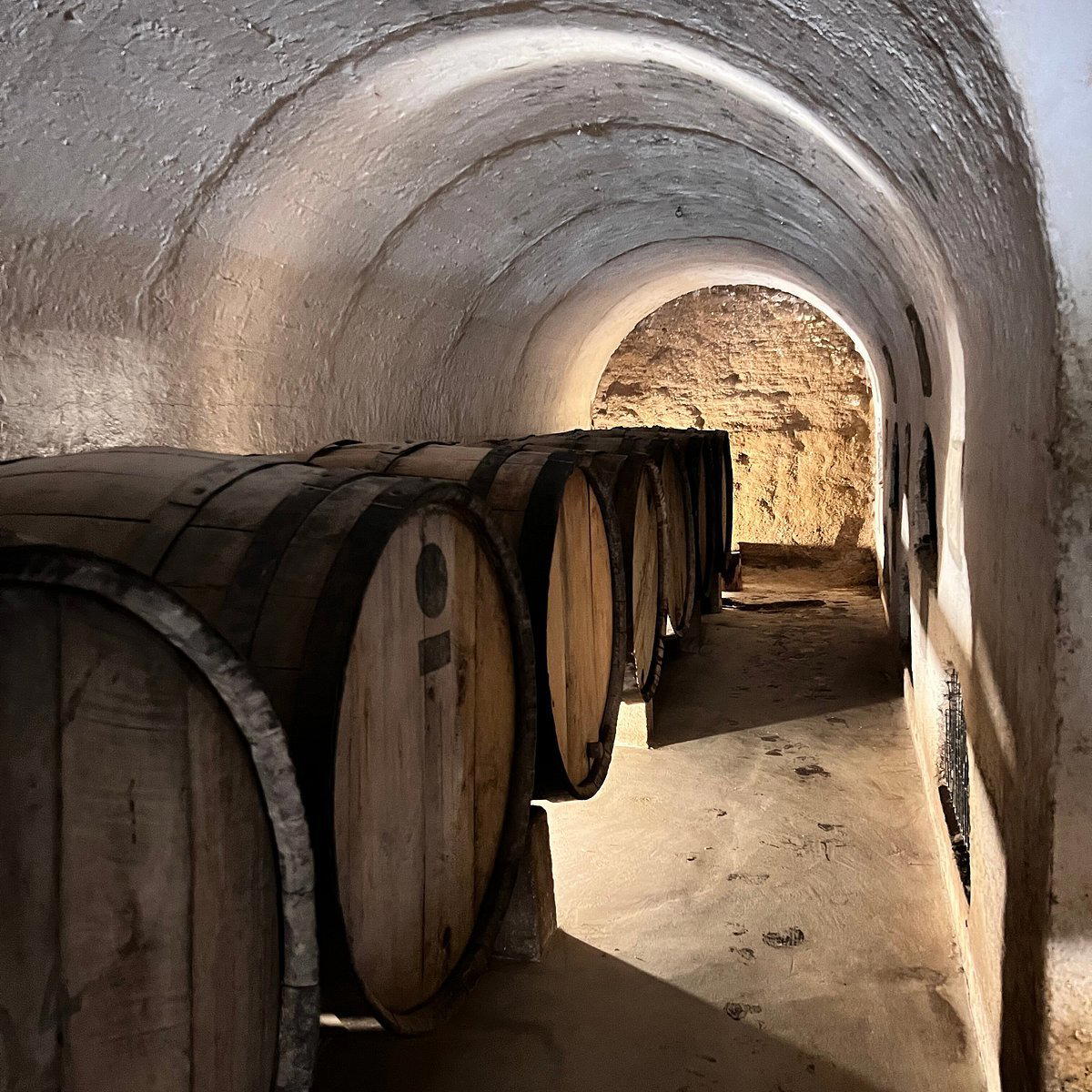

Restaurants in Vicuña
Browse all →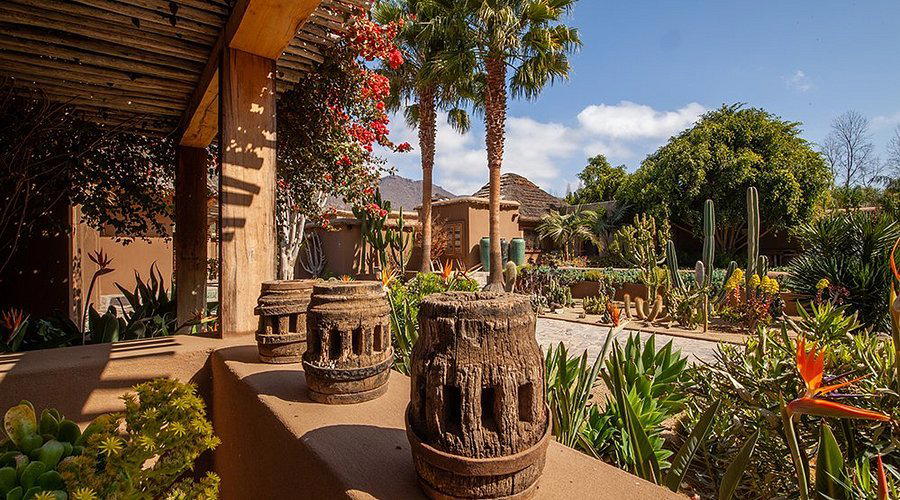
Hotels in Vicuña
Browse all →
Details
- Rustic
- Scenic
- Cozy
- Wine Education
- Family
- Solo Exploration
- Vineyard Tour
- Terrace
- Estate Grounds
- Organic
- Vineyard
- Mountain
- Moscatel Pedro Jiménez
- Rosada Pastilla
- Fortified
- Pisco Tasting
- Guided Tour
- Spanish
Mystical and cozy atmosphere set among grapevines and oak barrels, with a rustic, family-friendly charm and scenic vineyard surroundings.