Viña Mayu sits on San Martín 89 in Vicuña, at the heart of Chile's Elqui Valley, where extreme altitude, low humidity, and near-constant sunshine define the growing conditions for the region's wines. The valley's solar intensity and crystalline air set parameters for viticulture that no coastal Chilean appellation can replicate.
Pearl is the En Primeur Club membership app — saves, bookings, and concierge access live there. Same editors, same standards.
- Address
- San Martín 89, A, Vicuña, Coquimbo
- Phone
- +56994005982
- Website
- mayu.cl
- Directions
- Get directions
 Saves & bookings on Pearl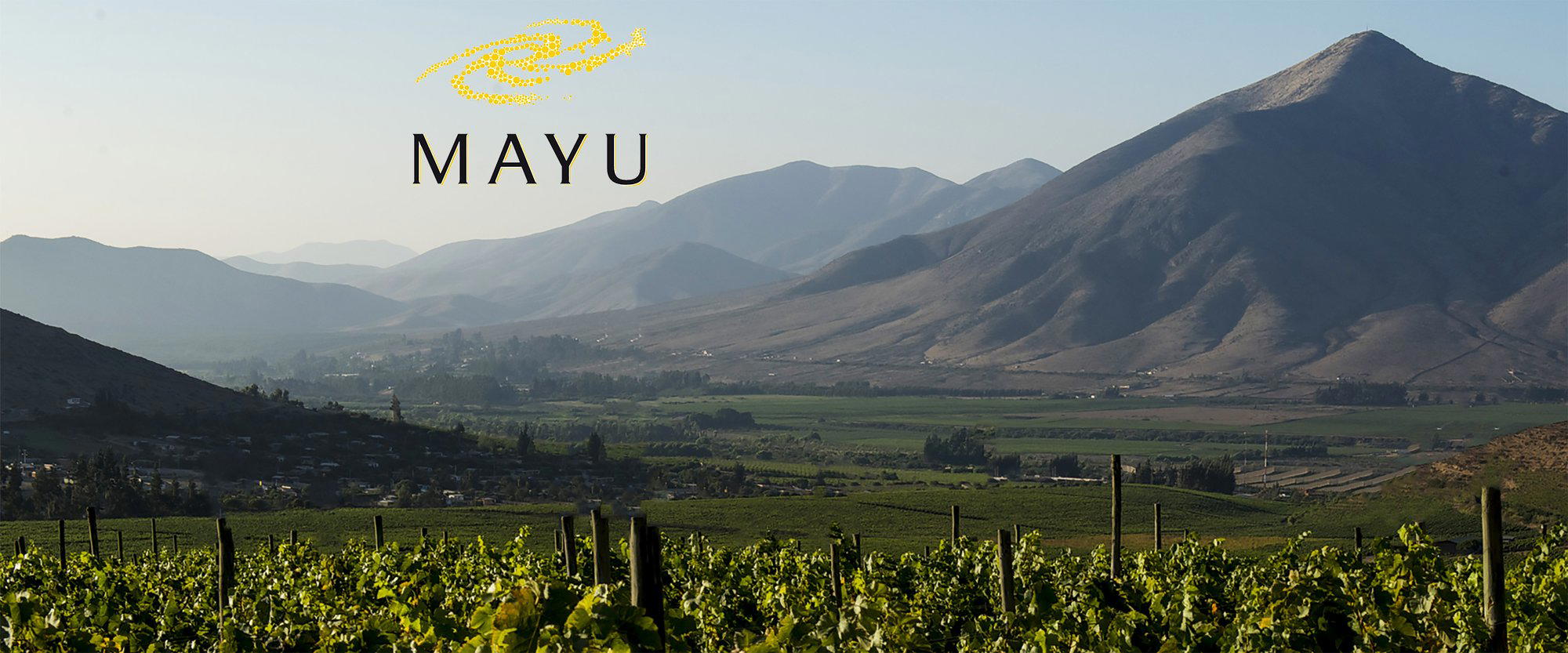
Where the Atacama Meets the Vine
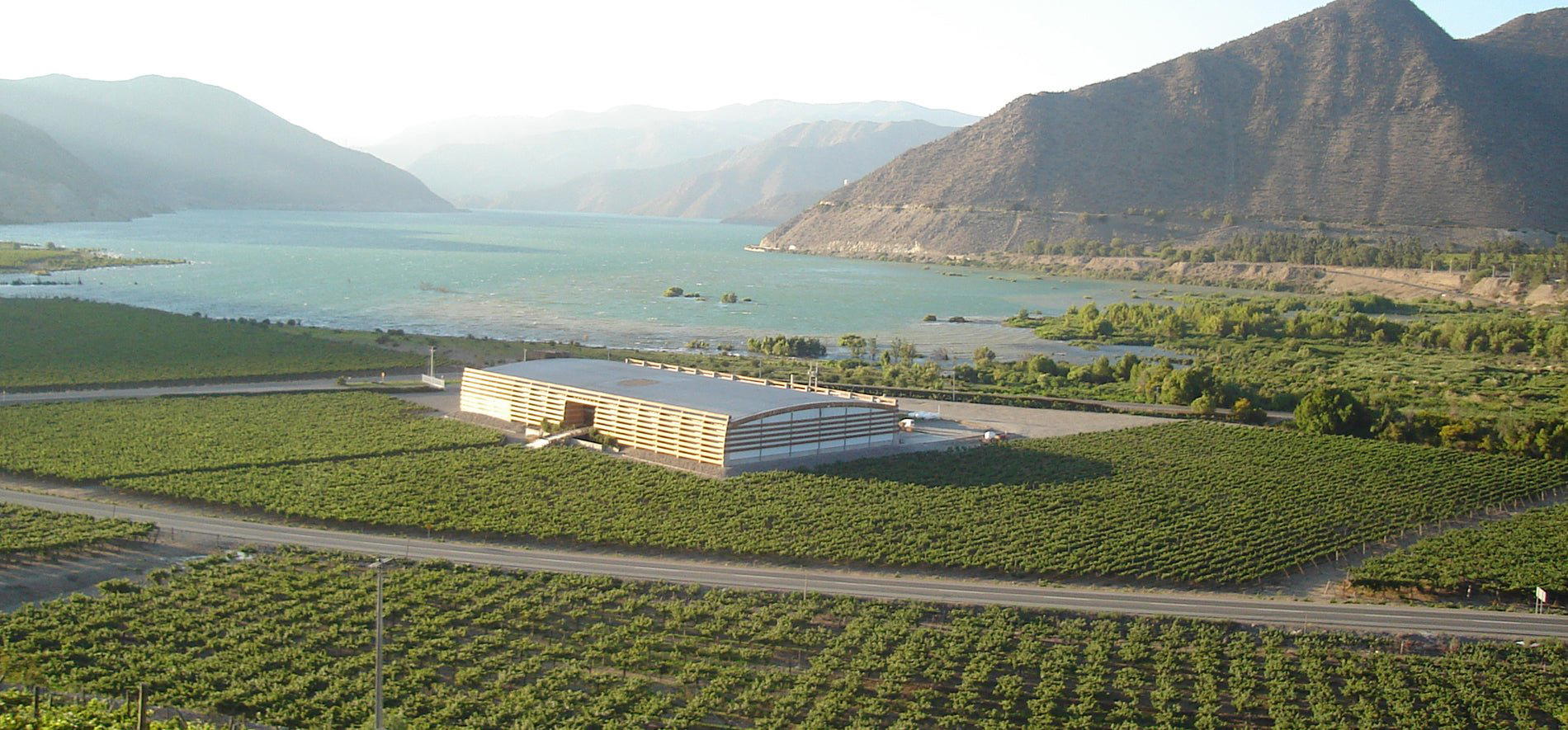
The Elqui Valley runs inland from La Serena toward the Andes, narrowing as elevation rises and rainfall falls away to almost nothing. By the time you reach Vicuña, the surrounding landscape is arid in a way that challenges conventional assumptions about where quality wine grapes can grow. The Atacama Desert presses in from the north; the Andes wall rises to the east. What mediates between these extremes is altitude, cold nights, and an atmosphere so dry and transparent that the area has become one of South America's primary astronomical observation zones. Viña Mayu, at San Martín 89 in central Vicuña, operates inside these conditions rather than despite them.
In the broader context of Chilean viticulture, the Elqui Valley occupies a niche position. The country's wine identity has long been anchored in the Central Valley appellations, from Maipo through Colchagua and into Curicó, where producers like Viña Casa Silva in San Fernando, Viña MontGras in Palmilla, and Viña Undurraga in Talagante have built substantial reputations working Cabernet Sauvignon and Carmenère on irrigation-fed valley floors. Elqui sits roughly 500 kilometres to the north of that cluster, in a desert-edge environment where viticulture decisions carry different weight and where organic or low-intervention approaches are shaped as much by the climate's natural hostility to fungal disease as by philosophical choice.
Desert Viticulture and the Sustainability Question
The conditions that define Elqui Valley growing are the same conditions that make low-input viticulture more structurally viable here than in wetter, more temperate Chilean regions. With annual rainfall figures that can dip below 100mm in some valley sections, the fungal pressure that drives pesticide and fungicide use in coastal or central Chilean vineyards is dramatically reduced. Organic certification in regions like Bordeaux or Burgundy requires active effort against persistent humidity; in the Elqui, low humidity is simply the baseline. This does not make viticulture easy, but it shifts the challenge from disease management toward water management and thermal stress.
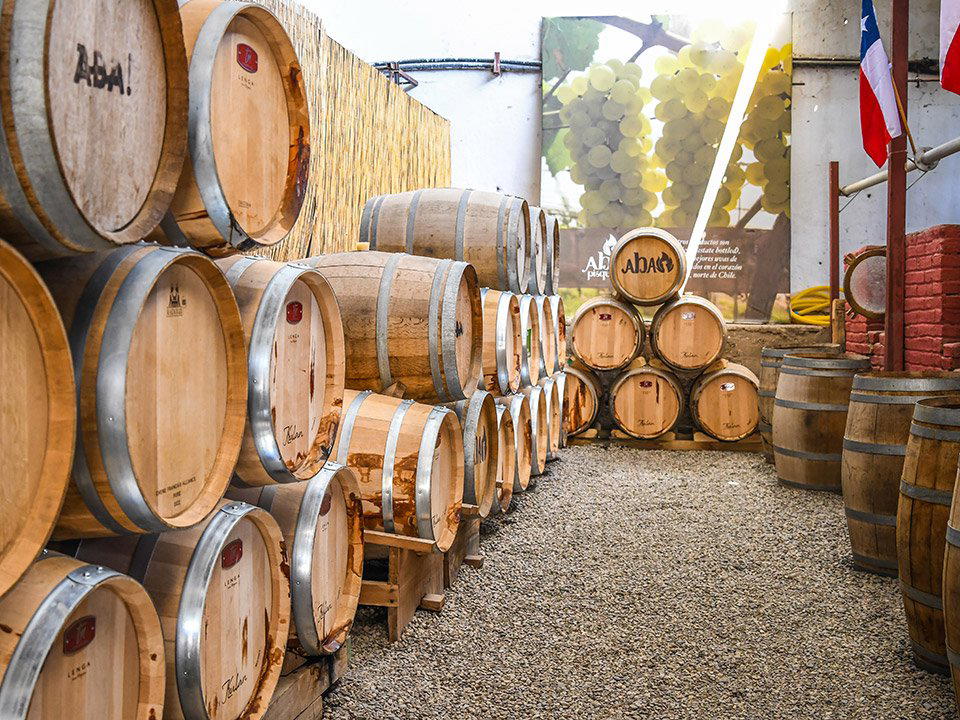
Elqui's neighbour to the south, the Limarí Valley, has drawn international attention for Chardonnay and Syrah at altitude; Elqui pushes further into experimental territory, with producers testing Syrah, Muscat variants, and aromatic whites under conditions that produce concentrated flavours through stress-driven small yields rather than intervention. Viña Falernia, also based in Vicuña, is one cited reference point for how Italian-influenced winemaking translated into this high-altitude desert context. The comparable set in the immediate valley is small: Capel Pisco Plant, Doña Josefa de Elqui, Pisquera ABA, and Pisco Mal Paso are primarily pisco producers rather than table wine estates, which narrows the serious wine comparison set considerably. Viña Mayu operates in that smaller tier of Elqui wine producers where recognition outside the valley carries real signal weight.
For a valley whose table wine identity is still forming a consensus reputation internationally, that rating functions as a strong directional signal for visitors approaching Vicuña from La Serena or arriving via the Ruta 41 from the coast.
To put the geography in Chilean wine terms: Elqui Valley producers occupying a Prestige-tier slot are not competing primarily against Central Valley benchmark estates. The more instructive comparisons are with producers like Viña De Martino in Isla de Maipo or Viña Seña in Panquehue, which operate in better-mapped appellations but at different altitude and climatic registers. The Elqui Valley's case for attention rests on differentiation: the thermal amplitude, the desert-edge fruit character, and the relative scarcity of table wine producers at this level mean that serious producers here occupy a genuinely distinct position in the national wine picture. Beyond Chile, the premium quality benchmark for elevation-driven, low-intervention wine production includes estates like Accendo Cellars in St. Helena and internationally regarded houses such as El Gobernador (Miguel Torres Chile) in Curicó, each working in contrasting climatic frameworks but sharing a focus on terroir-led precision.
The Elqui Valley as a Wine Travel Destination
Vicuña is a small city of roughly 25,000 people, the administrative centre of the Elqui Province, and the birthplace of Nobel Prize-winning poet Gabriela Mistral. The Valle del Elqui draws visitors year-round, but the peak window for vineyard visits runs from late summer through autumn harvest, broadly February through April in the Southern Hemisphere calendar. The valley's astronomical significance adds a distinct dimension to the visitor experience: several observatories operate alongside the wine tourism infrastructure, and the Elqui has marketed itself as much on dark-sky credentials as on wine.
For wine-focused travellers, Vicuña functions as a compact base. The address at San Martín 89 puts Viña Mayu in the town centre, accessible without the longer drives required by more remote valley estates. Visitors making a circuit of the valley's table wine producers will find the roster shorter than in Colchagua or Maipo, which concentrates attention and makes advance planning worthwhile. The pisco tradition adds breadth to any itinerary: Pisco Alto del Carmen Distillery in Huasco and the local pisco houses in Vicuña itself offer a parallel track for visitors whose interest extends to the region's longer-established spirit production. Broader itinerary resources, including restaurants and accommodation, are covered in our full Vicuña guide.
Compared to the major Scottish distillery circuit, where properties like Aberlour in Aberlour operate within a highly codified visitor infrastructure, Elqui Valley wine tourism remains in a formative phase. That means less crowding but also less standardisation in what the visitor experience delivers. Booking directly with producers before arrival, rather than arriving unannounced, remains the advised approach across the valley.
Planning Your Visit
Vicuña is reached most conveniently from La Serena, roughly 60 kilometres to the west along the Ruta 41, a drive that takes approximately one hour depending on traffic and road conditions. La Serena has a regional airport with connections to Santiago, making the Elqui Valley accessible as a two-to-three-day extension from the capital. The town itself is compact enough to cover on foot once based there, with San Martín running through the centre and providing easy orientation. The winery recommends reservations.
Where the Accolades Land
Comparable venues nearby, for context on price, style, and recognition.
| Venue | Cuisine | Price | Notes |
|---|---|---|---|
| Viña MayuThis venue — the venue you are viewing | Syrah, Carmenère | $$ | Not listed |
| Pisquera ABA | Muscat | $$ | El Arenal |
| Pisco Mal Paso | Winery | Not listed | Vicuña |
| Capel Pisco Plant | Muscat of Alexandria, Pink Muscat | $$ | Vicuña |
| Doña Josefa de Elqui (Pisco) | Moscatel Pedro Jiménez, Rosada Pastilla | $$ | Pisco Elqui |
| Viña Falernia | Cabernet Sauvignon, Carmenère | $$$ | Vicuña |
Continue exploring
More in Vicuña
Wineries in Vicuña
Browse all →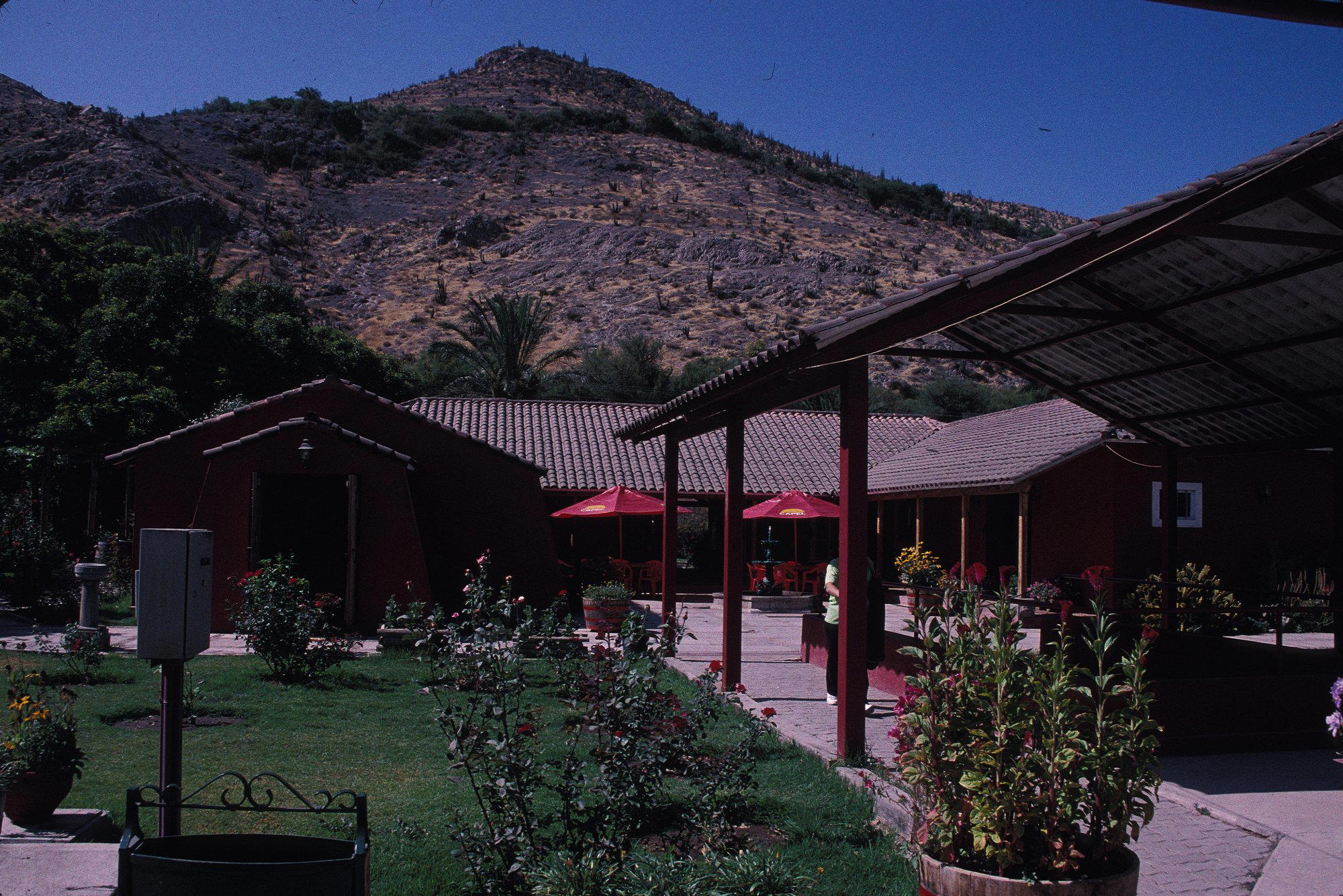

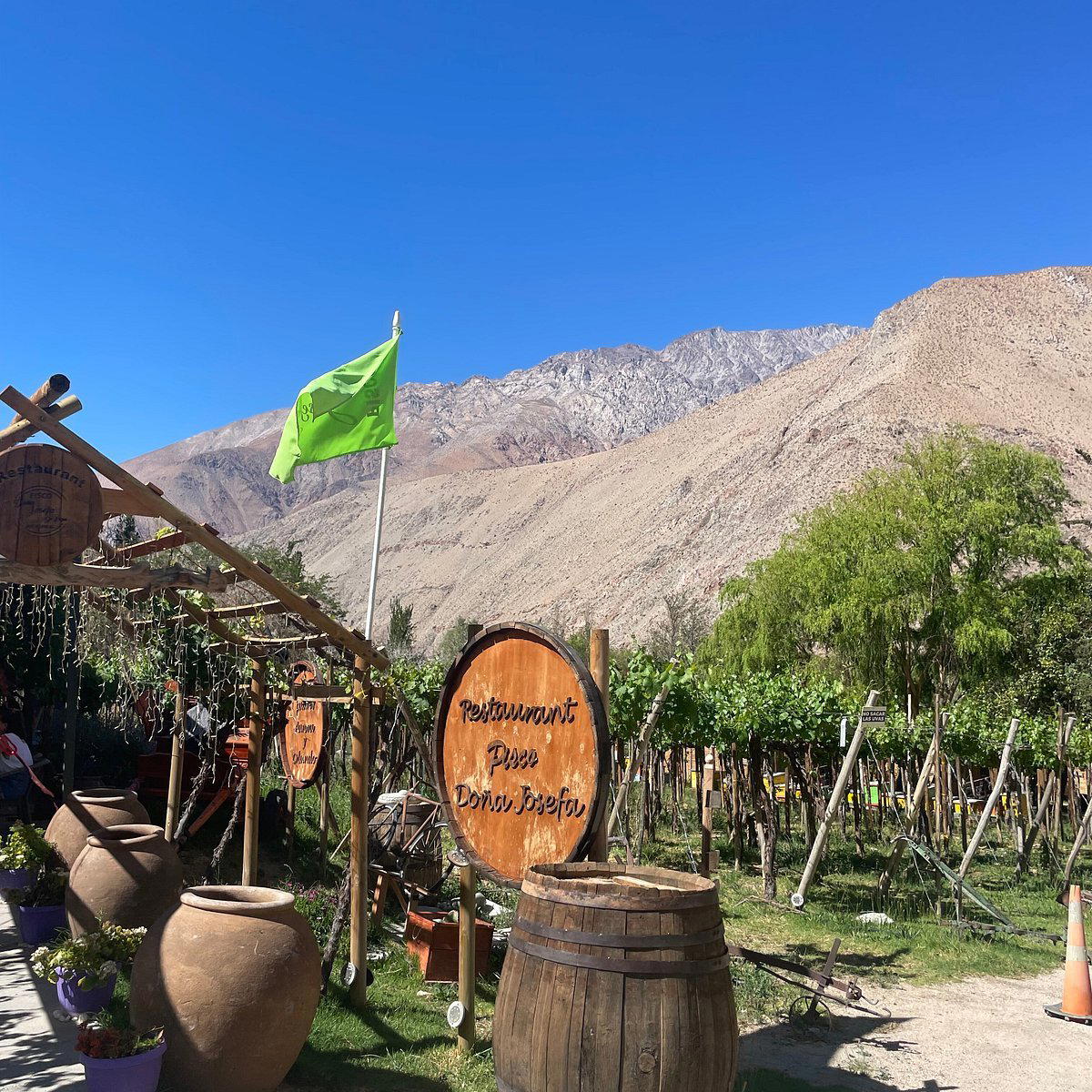
Restaurants in Vicuña
Browse all →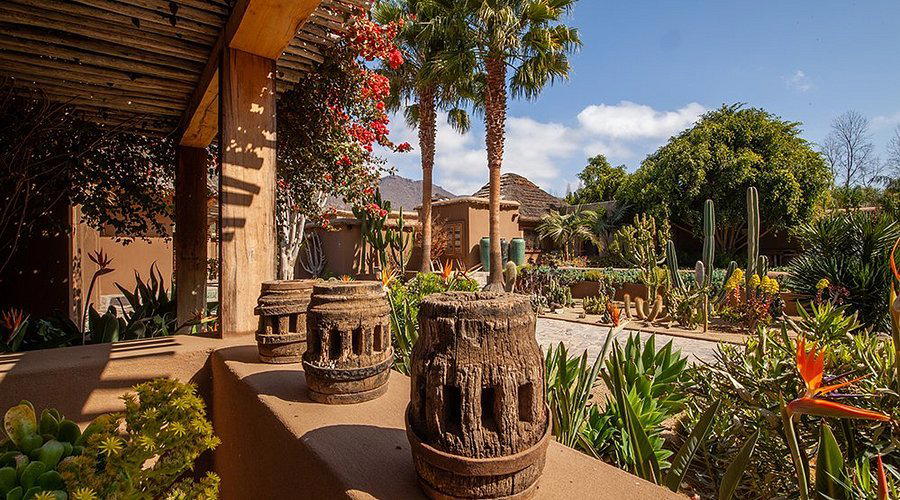
Hotels in Vicuña
Browse all →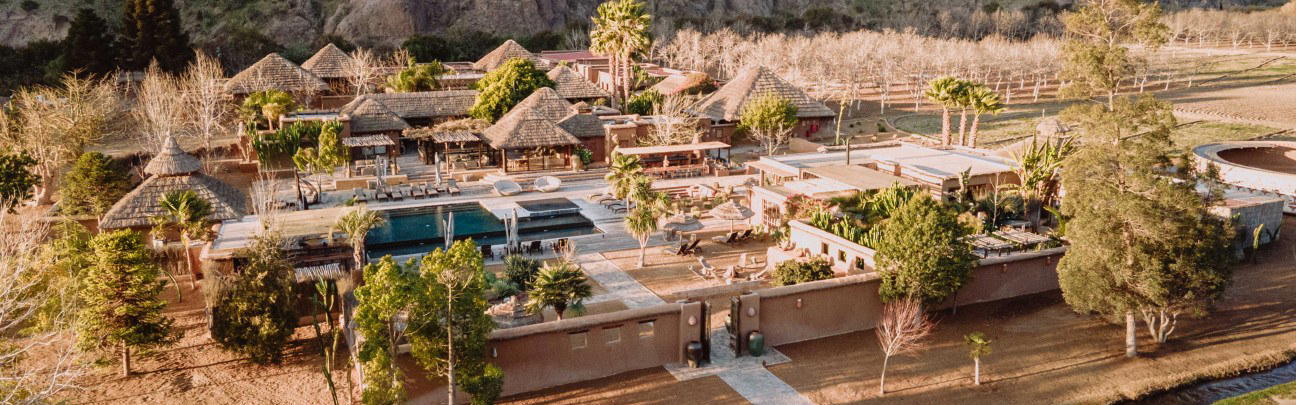
At a Glance
- Scenic
- Rustic
- Intimate
- Wine Education
- Solo Exploration
- Vineyard Tour
- Panoramic View
- Mountain
- Vineyard
- Elqui Valley
- Syrah
- Carmenère
- Pedro Ximenez
- Sauvignon Blanc
- Cabernet Sauvignon
- Malbec
- Sangiovese
- Still Red
- Still White
- Monovarietal
- Blend
Scenic high-altitude setting with clear skies and starry nights, blending rustic vineyard charm and modern winemaking.