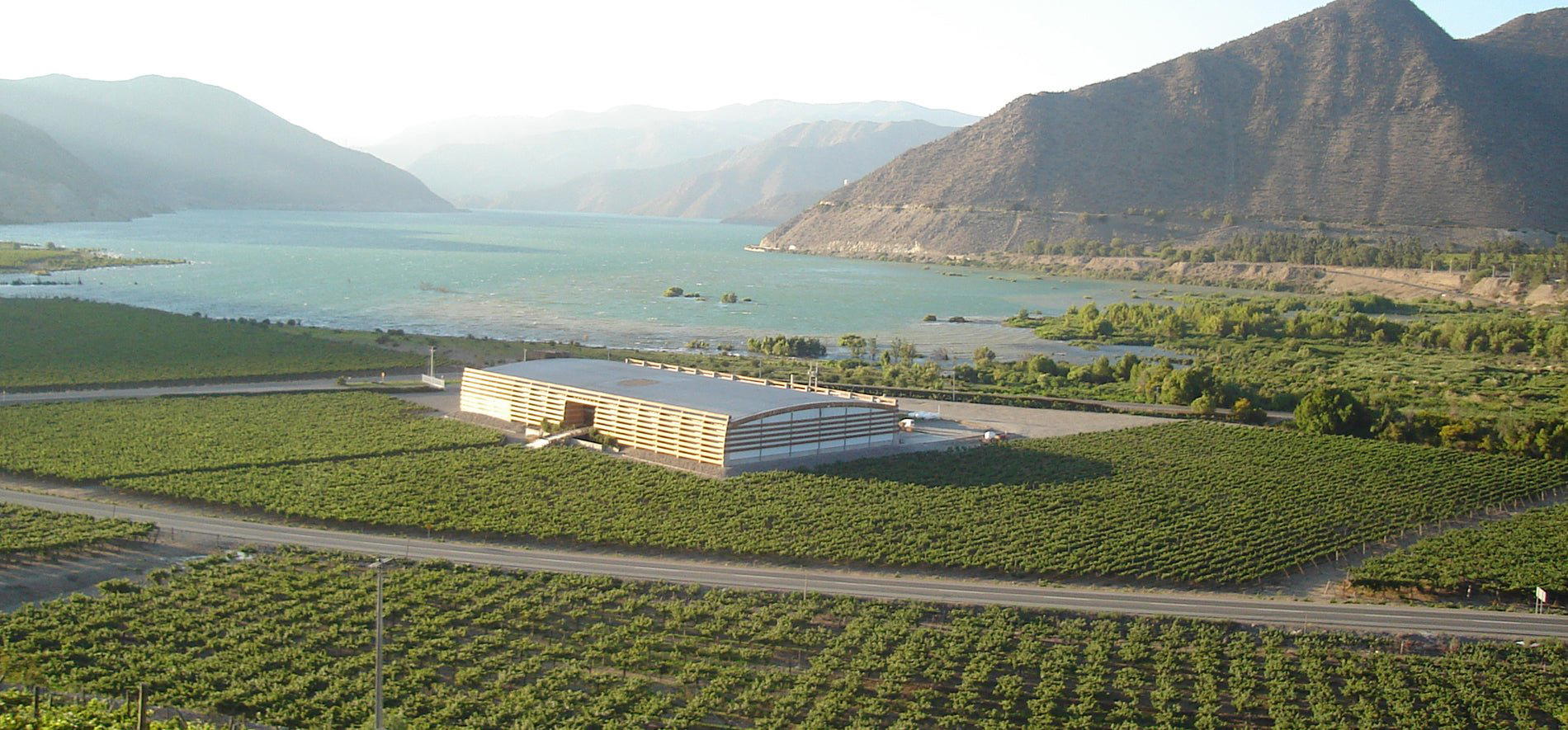
The facility sits where the desert altitude, intense solar radiation, and mineral-rich soils of the Andes foothills converge to shape the aromatic character of the region's signature spirit.

Pearl is the En Primeur Club membership app — saves, bookings, and concierge access live there. Same editors, same standards.
- Address
- Puente Peralillo s/n, Vicuña, Coquimbo
- Phone
- +56 9 5770 2605
- Website
- centroturisticocapel.cl
- Directions
- Get directions
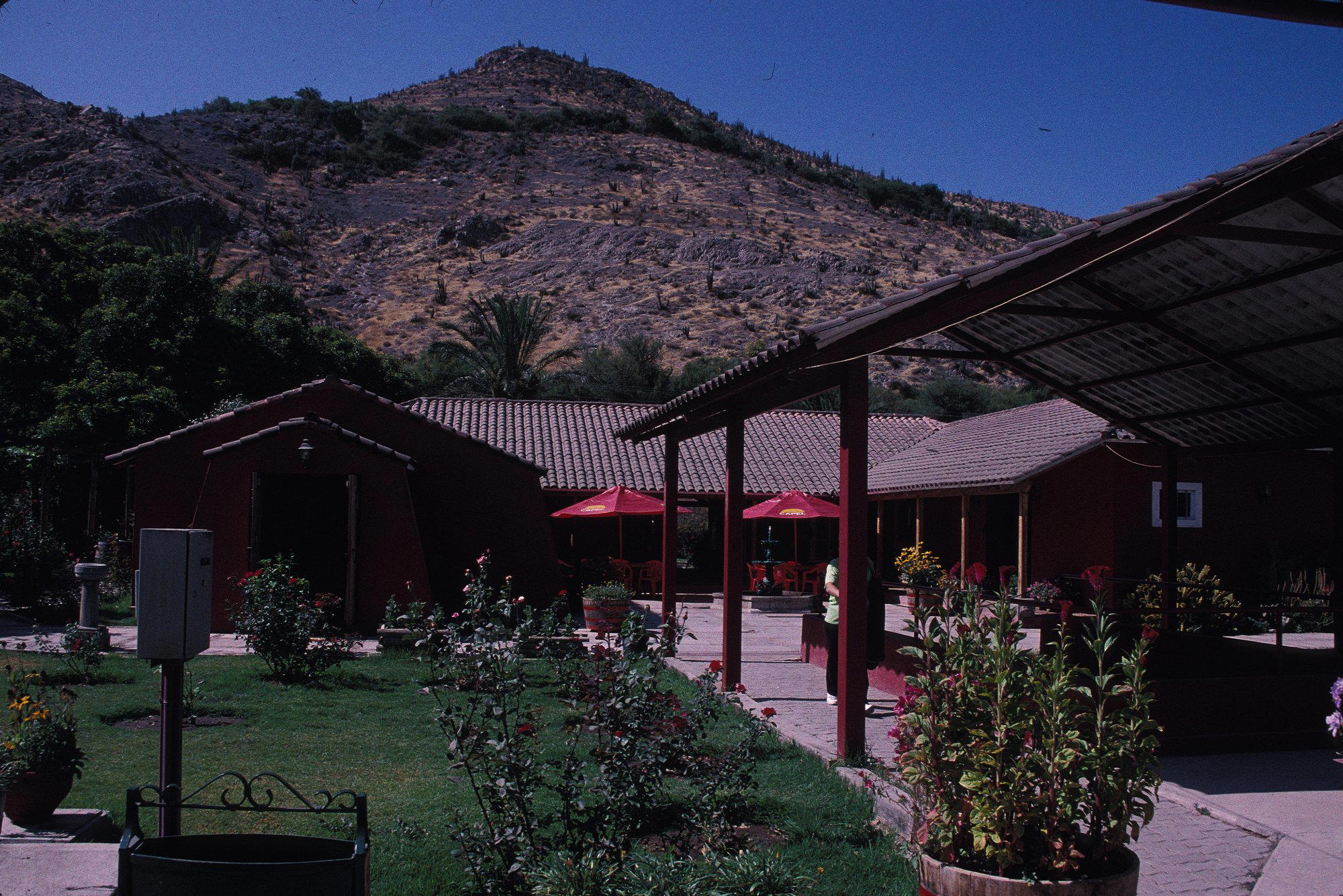
Where the Elqui Valley Makes Itself Known
Drive into Vicuña from the coast and the valley narrows steadily, the hillsides bleaching from scrub green to bare ochre as the altitude climbs. The air thins and dries. By the time you reach the town centre, the light has the quality that astronomers come here specifically for: sharp, direct, and almost devoid of atmospheric interference. This is not incidental to what is produced here. The Elqui Valley's designation as one of Chile's two legally protected pisco-producing zones is inseparable from these conditions, and the Capel Pisco Plant on Puente Peralillo sits inside that geography with the deliberateness of a facility that has grown with the valley rather than arrived to exploit it.
Capel is the dominant cooperative force in Chilean pisco. Its grower network spans the Elqui and Limarí valleys, and the Vicuña plant functions as both a production site and a point of contact with that origin story. Arriving here, you are arriving at the operational core of a spirit whose character is defined less by recipe than by altitude, soil type, and the specific varieties of Muscat grape that the desert climate allows to accumulate sugar and aromatic intensity simultaneously.
Terroir as the Central Argument
Pisco's claim to terroir is not always taken seriously outside South America, but the Elqui Valley makes a reasonably compelling case. The valley floor sits between 1,000 and 2,000 metres above sea level depending on how far inland you travel. Soils shift from alluvial deposits near the riverbanks to rockier, more mineral profiles on the slopes. Water is scarce and controlled through centuries-old irrigation channels. These conditions suppress vine vigour and concentrate flavour in the berry, particularly in the aromatic Muscat varieties, including Moscatel de Alejandría and Moscatel Rosada, that Chilean regulations permit for pisco production.
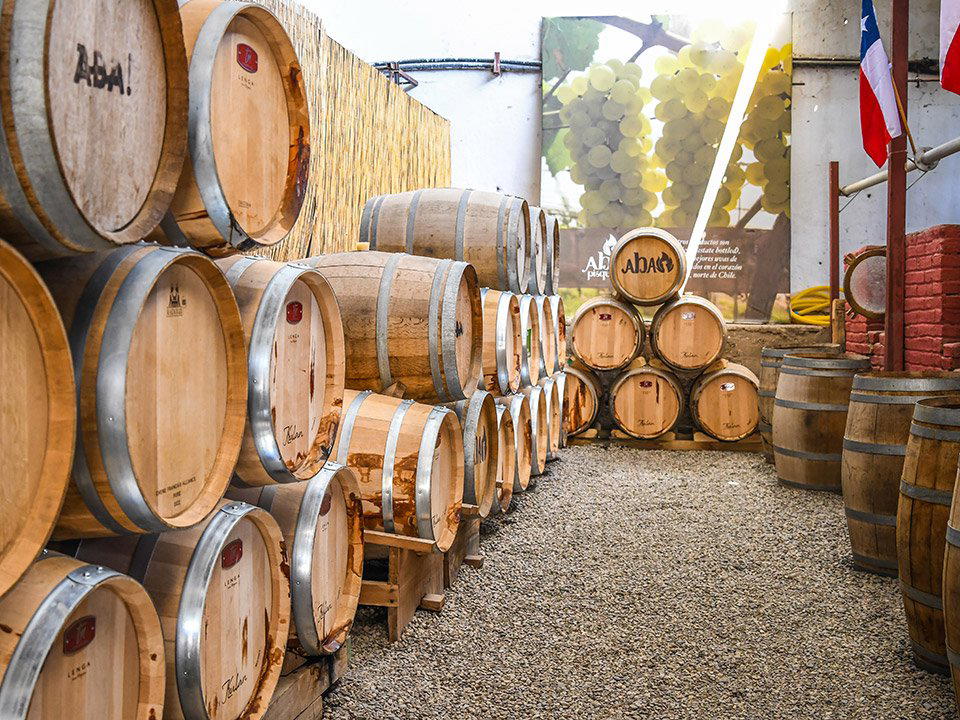
The result is a raw material with a distinctive aromatic signature: floral, high-toned, and capable of carrying the character of the specific site into the distillate if the process respects it. Capel's scale means its sourcing aggregates across multiple growing sub-zones, which works against hyper-specific single-vineyard expression but allows the house to illustrate the valley's range across its product tiers. For visitors trying to understand pisco as a category with geographic logic, that breadth is arguably more instructive than a single-estate format. Smaller operations nearby, such as Pisquera ABA and Viña Mayu, offer a contrasting frame of reference for what concentrated, smaller-batch production looks like from the same raw material.
The Plant in Its Regional Context
Vicuña is a small Andean town with a population in the low tens of thousands. Its main street has the unhurried pace of a place more accustomed to agricultural cycles than tourist throughput, though pisco tourism has grown steadily as the spirit gains international recognition. The Capel plant is on Puente Peralillo, accessible on foot from the town centre, which matters practically: Vicuña has limited transport infrastructure, and the ability to arrive without a car is not guaranteed for all the valley's producers. Viña Falernia, for instance, produces wine and pisco from a site further up the valley that requires a vehicle.
Within Chile's broader spirits and wine geography, the Elqui Valley occupies a niche position. The country's wine reputation is dominated by regions further south, from the Maipo Valley near Santiago through to Colchagua and beyond. Producers such as Viña Seña in Panquehue, Viña De Martino in Isla de Maipo, and Viña Casa Silva in San Fernando operate in a different climate and competitive context altogether. The Elqui Valley's identity is specifically pisco, and Capel has been central to defining what that identity means commercially and culturally. For context on how pisco production operates at a different scale and in a different Chilean desert setting, the Pisco Alto del Carmen Distillery in Huasco provides a useful point of comparison further south in the Atacama.
Reading the 2025 Recognition
This is a meaningful signal in a category where formal recognition has historically lagged behind market presence. Pisco as a spirit has spent decades fighting a relatively low-profile international existence compared to Peruvian pisco, partly due to the legal denominational dispute between the two countries and partly due to marketing reach. Chilean producers with formal award recognition are making a substantive argument about quality on terms the international spirits community can evaluate.
For a cooperative of Capel's scale, holding prestige-tier recognition also signals consistency across production volumes that smaller artisan houses do not have to manage. The challenge of maintaining aromatic character and distillate quality at scale is not trivial, particularly when sourcing from multiple growing zones with variable vintage conditions.
How to Approach a Visit
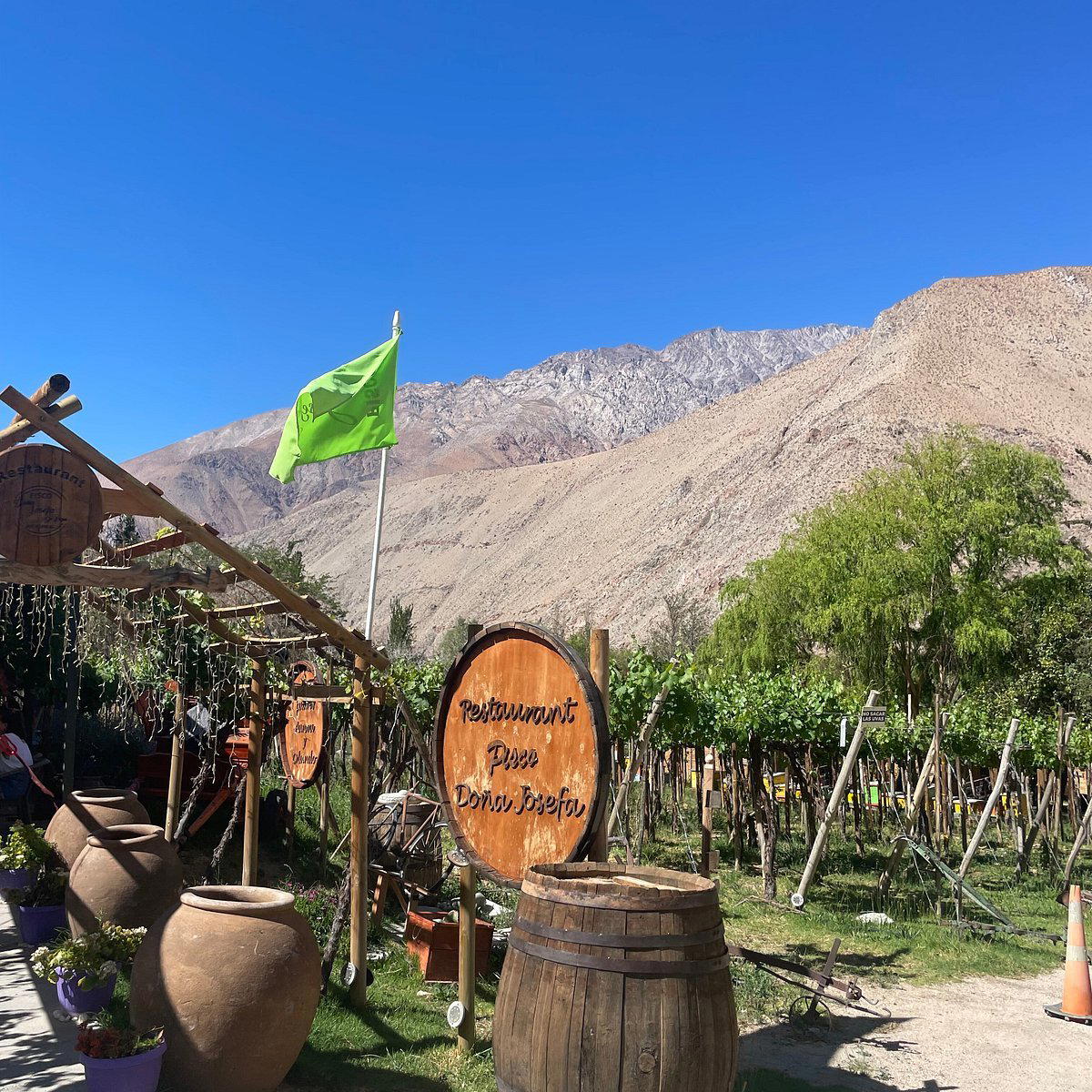
The Capel plant offers visitor access to its production facility, making it one of the more accessible introductions to pisco production in the valley. Because this is a cooperative-scale industrial facility as well as a heritage site, the experience sits somewhere between a distillery tour and a production visit rather than the intimate boutique format of a smaller producer. That distinction matters: visitors looking for a deep artisanal narrative will find more of that register at producers like Doña Josefa de Elqui. Those interested in understanding the full scope of pisco production, from cooperative grape sourcing through to bottling at scale, will find Capel the most complete picture available in Vicuña.
Given the site's position as a major visitor destination in the valley, arriving without advance contact carries some risk, particularly during peak summer months when the Elqui Valley draws visitors for both pisco tourism and the region's astronomical observatory circuit. Checking directly with the facility before travel is advisable. Vicuña itself is reachable by bus from La Serena, the regional capital approximately 65 kilometres to the west on the coast, making a day trip feasible without a rental car. For a wider orientation to what the town offers beyond the Capel plant, the full Vicuña guide covers the local scene in more depth.
Visitors building a broader Chilean spirits and wine itinerary may also consider integrating a visit to El Gobernador (Miguel Torres Chile) in Curicó or the Maipo Valley producers, though those require significant additional travel south from La Serena. Within the valley, a single day can reasonably cover Capel alongside one or two smaller producers, with Vicuña's compact layout supporting movement on foot for the town-centre sites. For context on how distillery visitor experiences compare in other parts of the world, operations like Aberlour in Aberlour or wine estates such as Accendo Cellars in St. Helena and Viña MontGras in Palmilla and Viña Undurraga in Talagante illustrate the range of formats premium producers use to open their production sites to visitors.
Frequently Asked Questions
Quick Comparison
Comparable venues nearby, for context on price, style, and recognition.
| Venue | Cuisine | Price | Awards | Notes |
|---|---|---|---|---|
| Capel Pisco PlantThis venue — the venue you are viewing | Muscat of Alexandria, Pink Muscat | $10–20 | Not listed | Not listed |
| Viña Mayu | Syrah, Carmenère | Not listed | Not listed | Vicuña |
| Pisquera ABA | Muscat | $1–10 | Not listed | El Arenal |
| Viña Falernia | Cabernet Sauvignon, Carmenère | $10–20 | Falstaff Winery - Listed | Vicuña |
| Pisco Mal Paso | Winery | Not listed | Not listed | Vicuña |
| Doña Josefa de Elqui (Pisco) | Moscatel Pedro Jiménez, Rosada Pastilla | Not listed | Not listed | Pisco Elqui |
Continue exploring
More in Vicuña
Wineries in Vicuña
Browse all →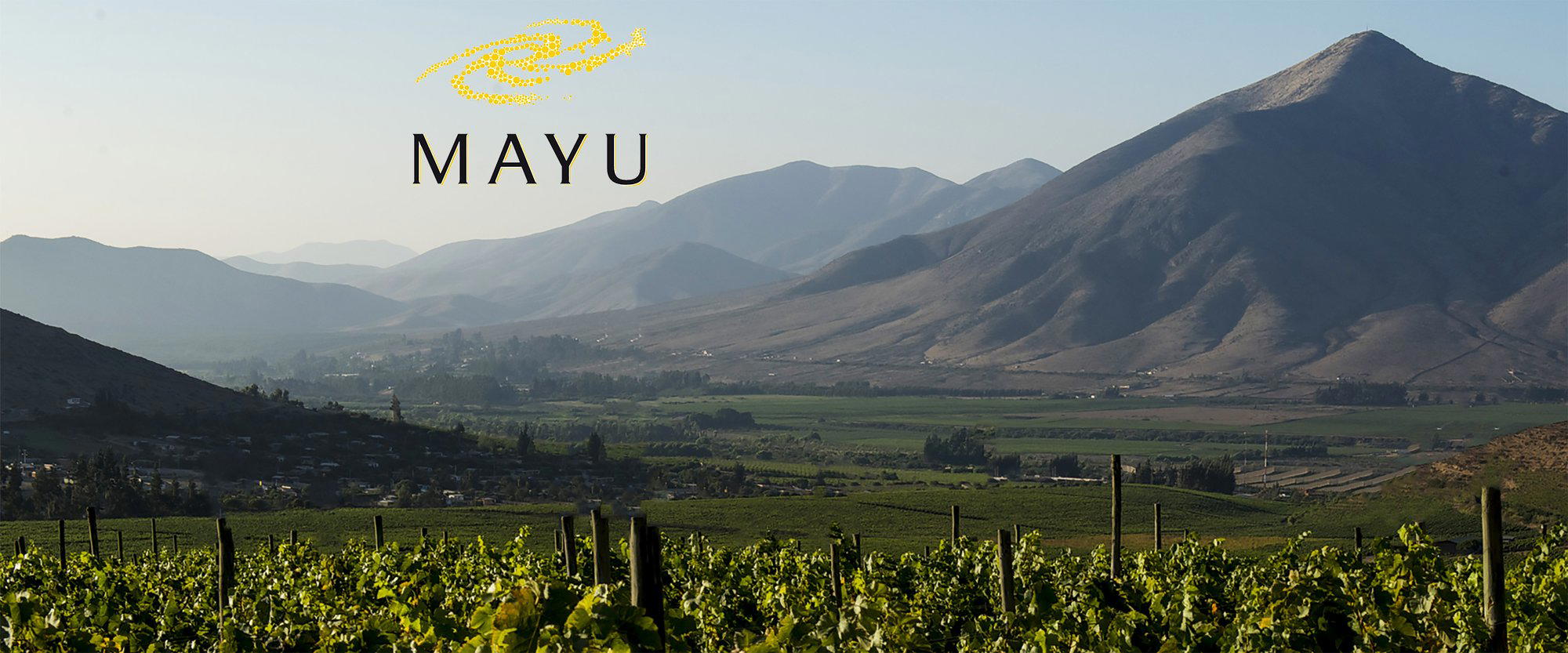

Restaurants in Vicuña
Browse all →
Hotels in Vicuña
Browse all →
Details
- Rustic
- Scenic
- Wine Education
- Vineyard Tour
- Sustainable
- Vineyard
- Mountain
- Muscat Of Alexandria
- Pink Muscat
- Pisco Tasting
- Spanish
- English
Industrial production facility with copper distillation stills, stainless steel vats, oak barrels, and on-site museum.