Fundo Los Nichos
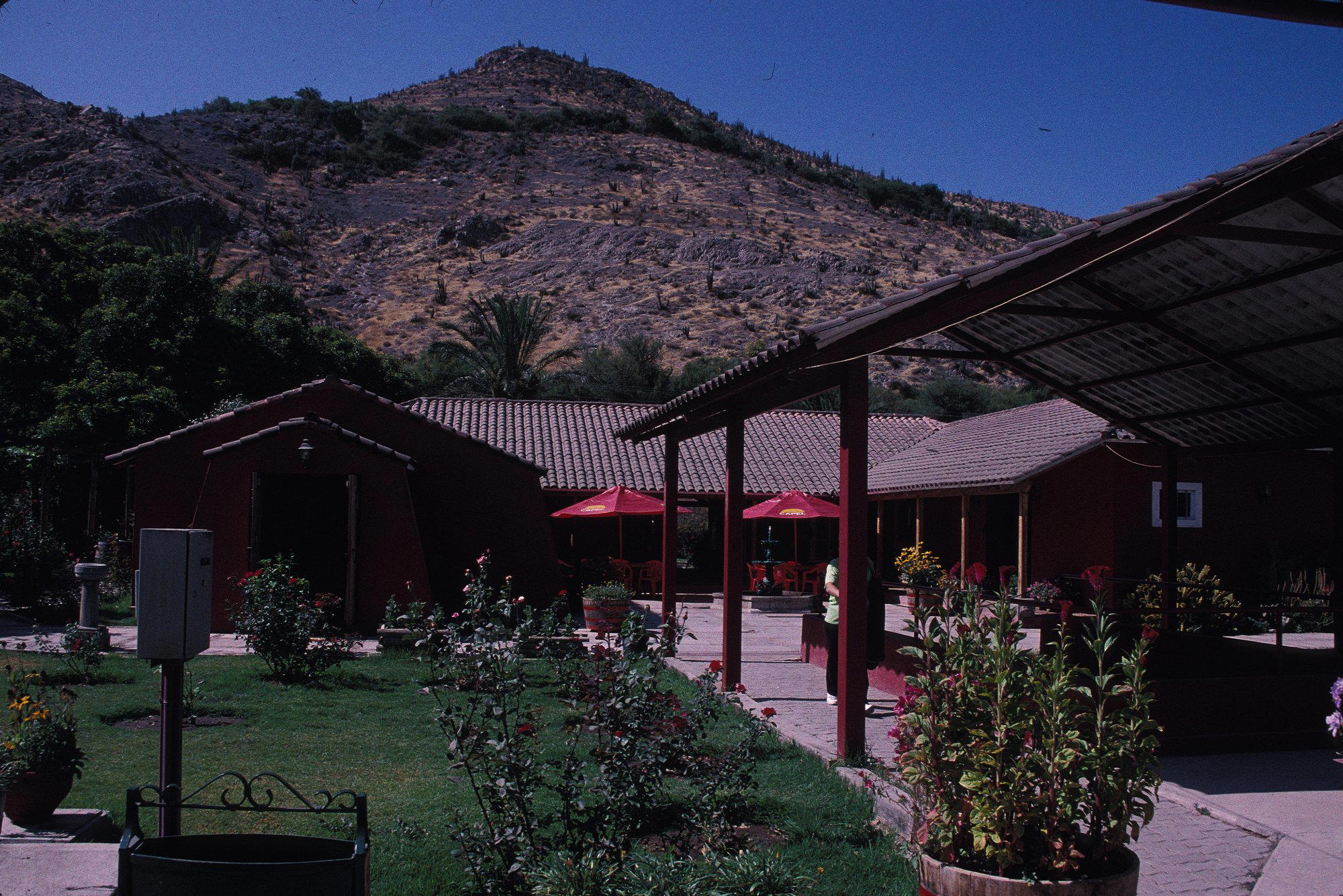
Fundo Los Nichos sits in the Elqui Valley's upper reaches near Pisco Elqui, where extreme altitude, intense UV radiation, and near-zero humidity define what grows and how it tastes.

Pearl is the En Primeur Club membership app — saves, bookings, and concierge access live there. Same editors, same standards.
- Address
- D-485 24500 Los Nichos S/N, Paihuano, Coquimbo
- Phone
- +56 51 245 1085
- Website
- fundolosnichos.cl
- Directions
- Get directions
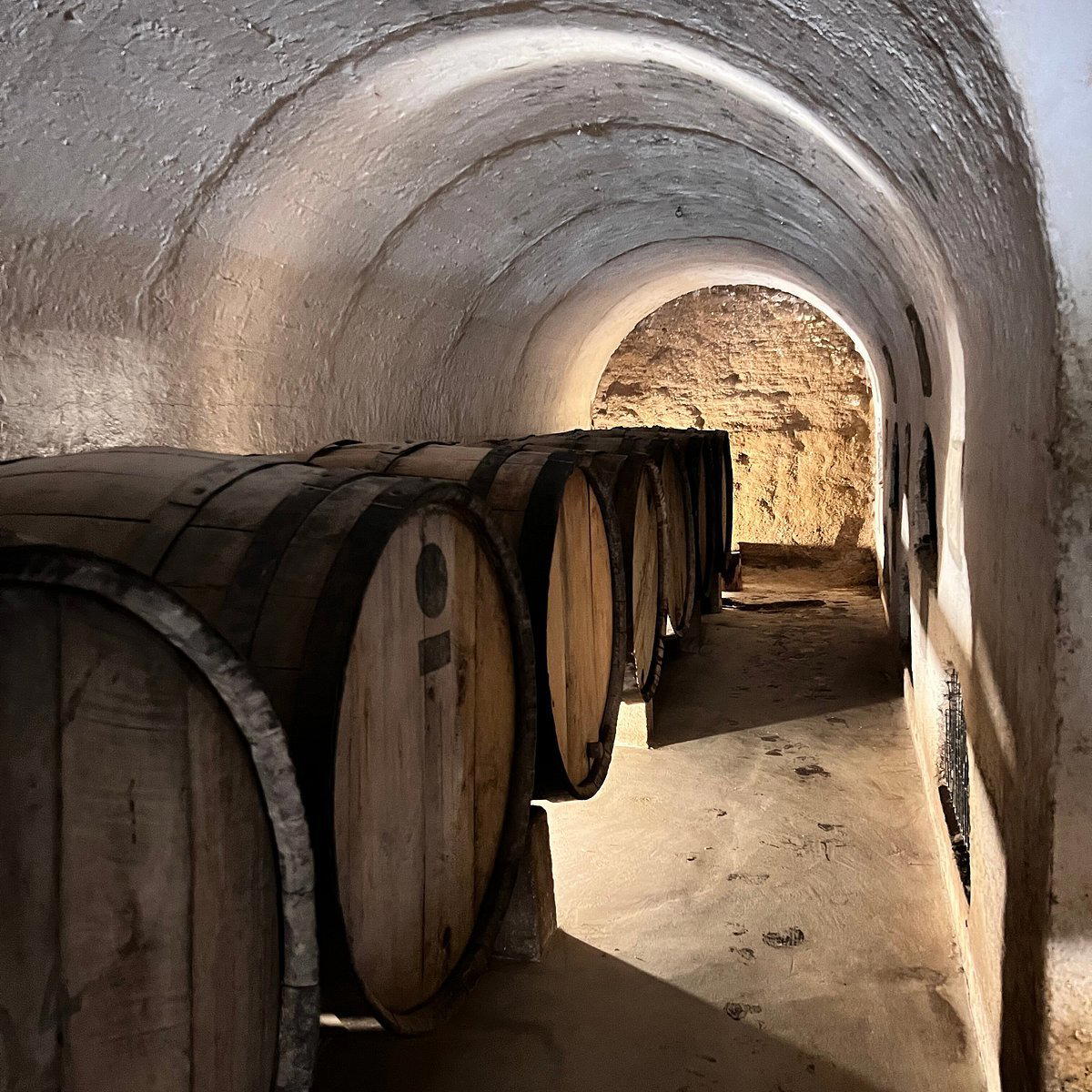
Fundo Los Nichos. The recognition places it within a select group of Chilean producers whose output reflects not just competent winemaking or distilling, but a convincing translation of place into bottle.
The Elqui Terroir Case, Made in Detail
Elqui is one of the few wine and pisco-producing zones in the world where viticulture operates under near-desert conditions with deliberate intent. The Atacama Desert's southern edge exerts real influence here: irrigation is mandatory, UV radiation accelerates phenolic development, and the dry air suppresses fungal pressure to the point where many producers work with minimal intervention in the vineyard. What that combination yields, in varieties suited to the conditions, is fruit with thick skins, concentrated sugars, and aromatic profiles that tend toward floral and mineral rather than the jammy fruit registers of warmer, wetter valleys.
Muscat varieties, particularly Muscat of Alexandria (locally Moscatel Rosada) and the more refined Pedro Jiménez, have long dominated the Elqui growing calendar. Both serve dual purposes: table and pisco production. The distillation tradition in this valley predates the modern wine industry's interest in the region by several centuries, and the geography that makes pisco compelling here — altitude, heat differential, mineral-rich soils with low organic content — is the same geography now attracting wine-focused producers looking for conditions that resist easy replication elsewhere in Chile.
For context on how the broader Chilean wine and spirit industry has developed across contrasting geographies, producers such as Viña Falernia in nearby Vicuña have spent decades making the case for Elqui Valley viticulture, while the Central Valley's established houses, including Viña Casa Silva in San Fernando, Viña De Martino in Isla de Maipo, and Viña Undurraga in Talagante, operate under fundamentally different climatic premises. The comparison is instructive: what the Central Valley achieves through deep soils, reliable rainfall, and moderate maritime influence, the Elqui achieves through extremity.
Pisco Elqui as a Destination, Not Just a Detour
The village of Pisco Elqui, formerly called La Unión before a municipal renaming in the 1930s designed partly to cement regional identity in the ongoing pisco-denomination dispute with Peru, has a particular character among Chilean small-town destinations. It functions as a kind of gravitational point for the valley's tourism: small enough to feel unhurried, developed enough to support a range of visitor experiences without sacrificing the quietness that makes it worth the drive from La Serena (roughly 100km southeast, on roads that reward patience).
The local pisco tradition is central to any honest account of the area. Destilería Pisco Mistral, located in the village itself, offers one of the more structured introductions to how the spirit is made and what the valley's Muscat-forward raw material contributes to the final product. Understanding that context sharpens what a visit to a producer like Fundo Los Nichos can mean: you are not arriving at an isolated data point, but at one entry in a long conversation between this specific terrain and the people who have chosen to work it.
For those building a wider itinerary across Chilean wine country, the contrast between Elqui and more southerly appellations is worth planning deliberately. Viña MontGras in Palmilla, Viña Valdivieso in Lontué, and El Gobernador (Miguel Torres Chile) in Curicó represent the Central Valley at different scales and ownership structures, while Viña Seña in Panquehue anchors a different tier of Aconcagua production. None of them are making the same terroir argument that Elqui producers make, which is precisely the reason to include the north in any serious Chilean itinerary. The full Pisco Elqui guide on EP Club maps these producers and experiences in detail.
At this tier, the expectation is that the place itself, its setting, its production approach, and its product, holds together as a coherent proposition. The rating confirms what the location already suggests.
For those accustomed to benchmarking against international reference points, it is worth noting that high-altitude desert viticulture of this kind has close analogues in northern Argentina's Cafayate and Mendoza highlands, and more distant ones in Spain's Canary Islands, where volcanic soils and extreme UV produce similarly atypical aromatics. The Elqui Valley has not yet achieved the export profile of those regions, which means the current window for visiting before wider recognition shifts the dynamic is real, even if impossible to quantify precisely. The site sits within the Elqui Valley's upper corridor, accessible by road from Pisco Elqui village. The valley's tourist traffic concentrates in January and February, when visiting outside peak summer months reduces wait times and allows for more considered conversations at smaller producers.
For context on how other high-altitude and specialist Chilean producers manage visits, producers such as Pisco Alto del Carmen Distillery in Huasco offer a parallel reference point in the adjacent Huasco Valley, where the pisco tradition meets similarly arid conditions. Those planning longer circuits through Chile's northern wine and spirit country will find that routing through both Elqui and Huasco reveals how two valleys with overlapping climatic logic have arrived at distinct production cultures.
The Elqui Valley's growing international profile, supported by coverage in publications tracking Chilean wine beyond the Central Valley mainstream, means that access to smaller producers has become more competitive than it was even five years ago. Viña Ventisquero and Viña Santa Rita, both operating at significant commercial scale from Santiago and Buin respectively, represent the end of the spectrum furthest from what Los Nichos offers. The contrast is not a quality judgment but a structural one: what this valley produces at this address is the result of conditions that cannot be franchised or replicated at volume.
Quick Comparison
Comparable venues nearby, for context on price, style, and recognition.
| Venue | Cuisine | Price | Notes |
|---|---|---|---|
| Fundo Los NichosThis venue — the venue you are viewing | Moscatel, Torontel | $1–10 | Not listed |
| Pisco Mal Paso | Winery | Not listed | Vicuña |
| Pisquera ABA | Muscat | $1–10 | El Arenal |
| Capel Pisco Plant | Muscat of Alexandria, Pink Muscat | $10–20 | Vicuña |
| Pisco Control C | Winery | Not listed | Paihuano |
Continue exploring
More in Pisco Elqui
Wineries in Pisco Elqui
Browse all →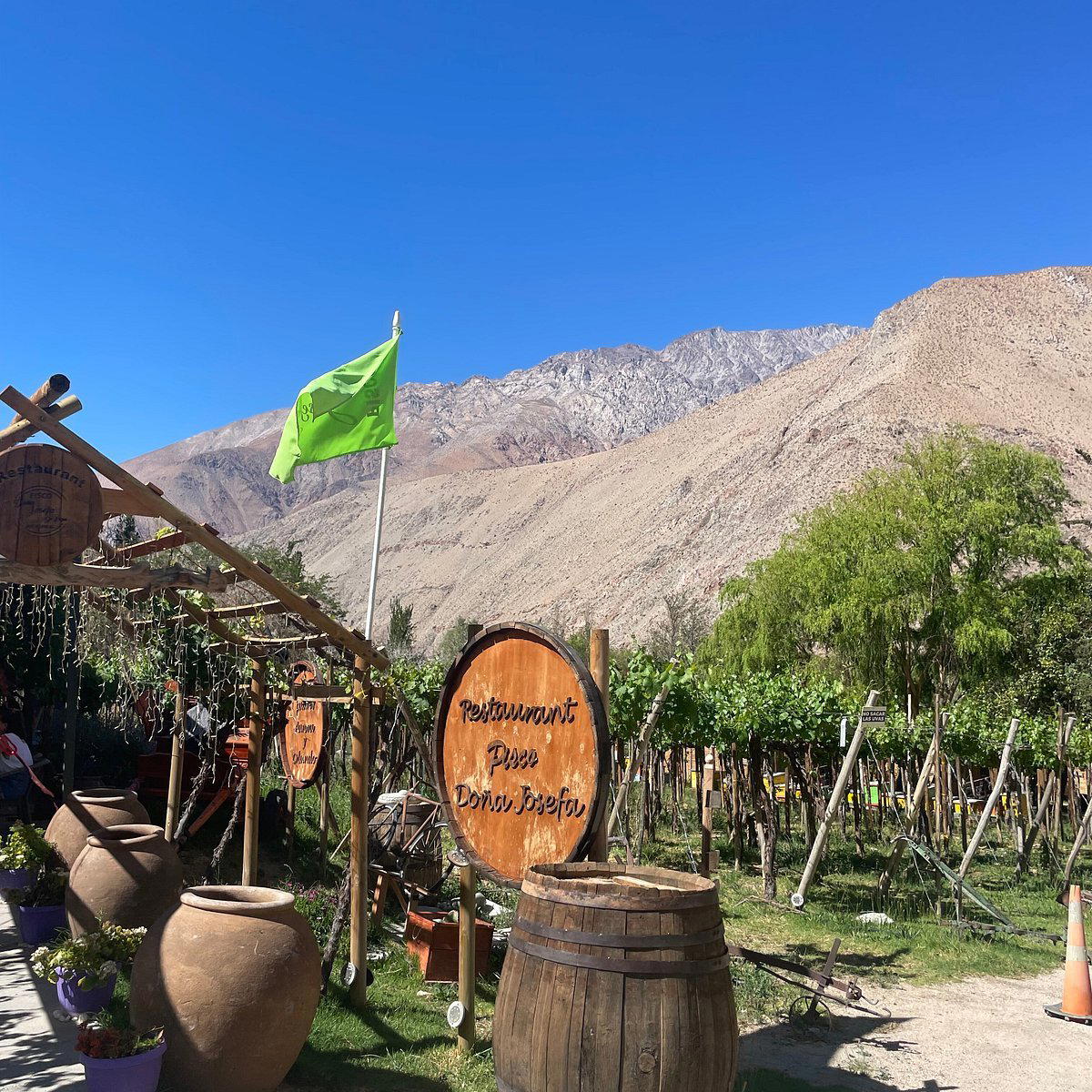
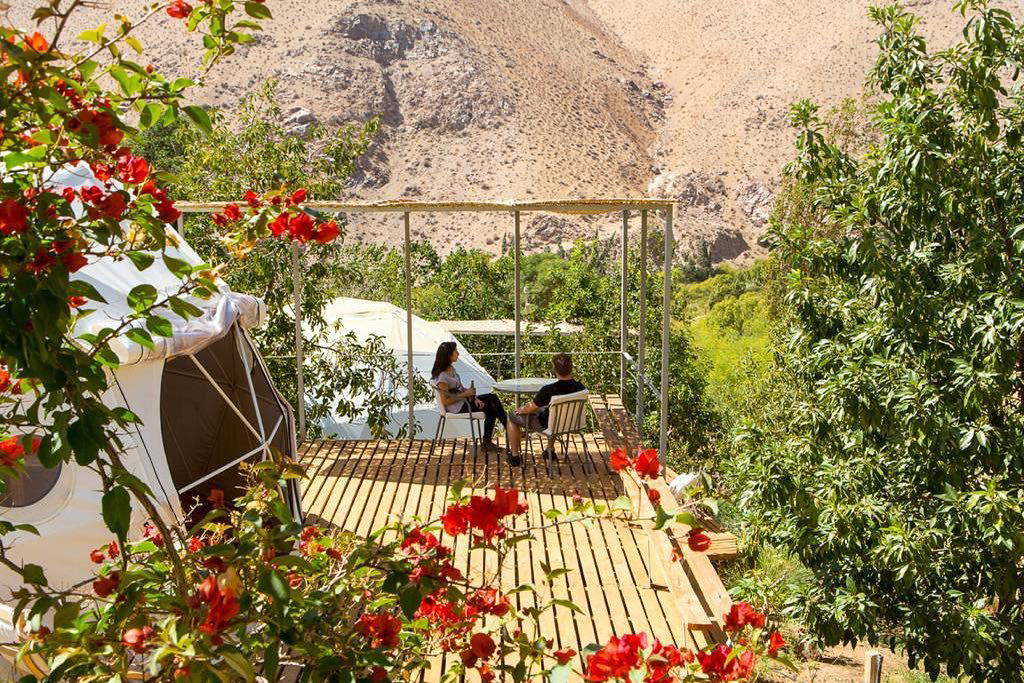

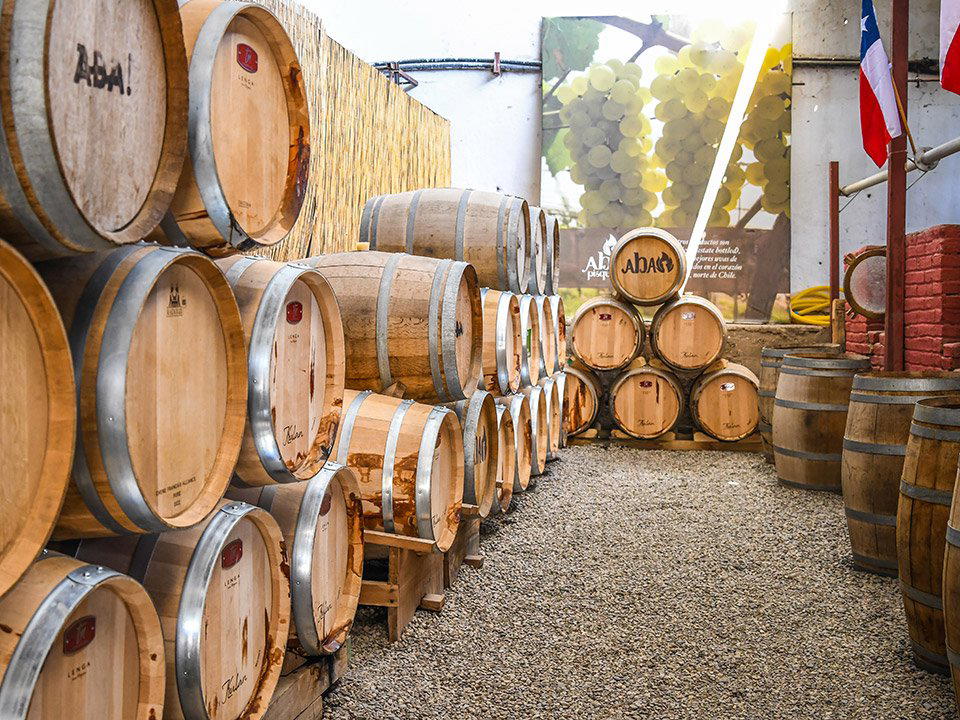
Restaurants in Pisco Elqui
Browse all →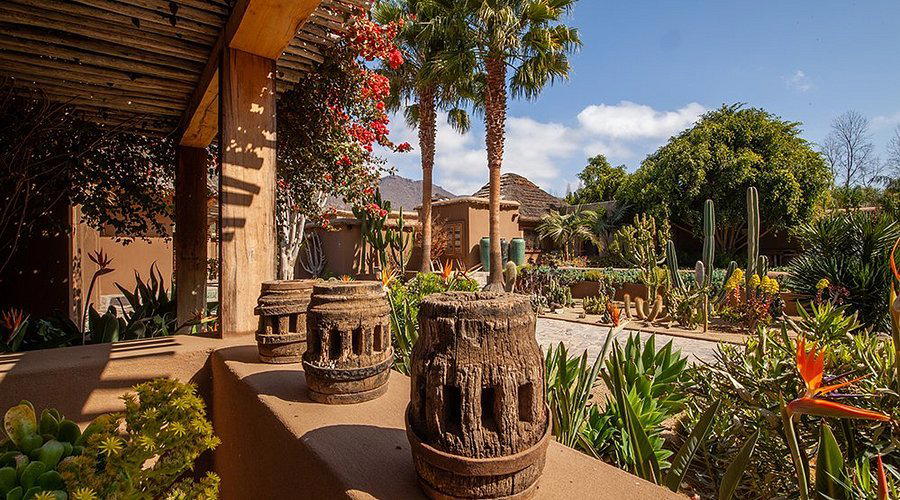
Hotels in Pisco Elqui
Browse all →
Details
- Rustic
- Historic
- Scenic
- Intimate
- Wine Education
- Family
- Solo Exploration
- Vineyard Tour
- Historic Building
- Panoramic View
- Mountain
- Vineyard
- Moscatel
- Torontel
- Pedro Jiménez
- Fortified
- Pisco Tasting
- Spanish
Historic adobe structure with a nostalgic, traditional atmosphere evoking 19th-century craftsmanship amid serene valley vineyards.