
Destilería Kappa sits in Paihuano, deep in Chile's Elqui Valley, where the Atacama's edge shapes some of the most mineral-driven pisco production in the country. The distillery earned a Pearl 2 Star Prestige rating in 2025, placing it among the most decorated producers in this high-altitude corridor. For those tracking the evolution of Chilean pisco beyond its commodity tier, Kappa is a serious stop.
 Discover on Pearl
Pearl is the En Primeur Club membership app — saves, bookings, and concierge access live there. Same editors, same standards.
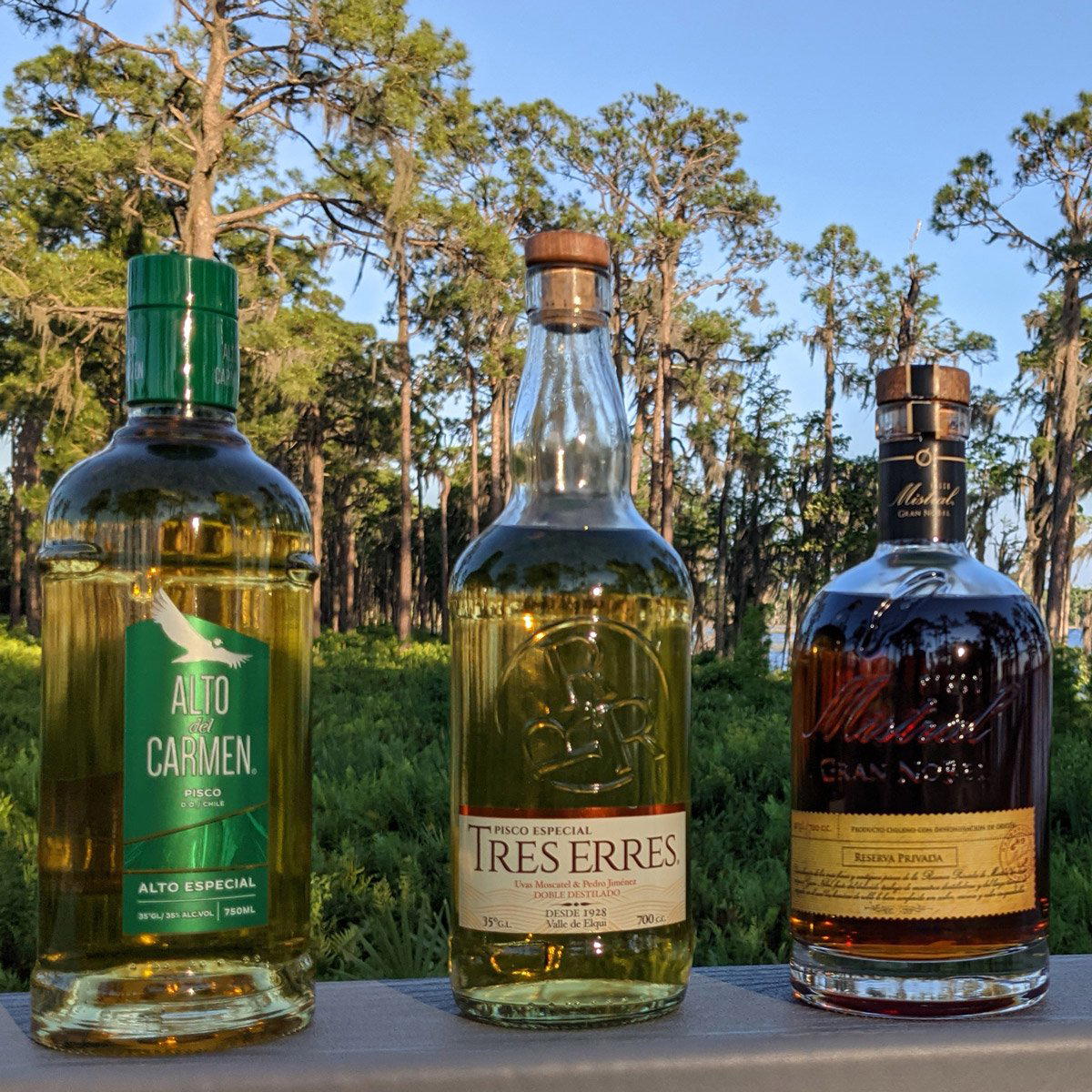
Where the Elqui Valley Makes Its Case
The road into Paihuano runs through a valley that shouldn't, by most viticultural logic, produce spirits worth travelling for. The Elqui sits at the northern edge of Chile's wine and pisco country, pressed against the Atacama desert, cut through by a river that keeps the valley floor irrigable while the surrounding hillsides bake under some of the clearest skies on earth. Daytime temperatures climb hard; nights drop fast. The diurnal range here is not a marketing phrase but a physical reality that shapes how Muscat-family grapes, the backbone of Chilean pisco, accumulate sugar, retain acidity, and develop aromatic compounds. The result is a raw material that differs materially from what producers further south in the Atacama Region work with. Destilería Kappa operates at D-485 20980 in Paihuano.
The Elqui Pisco Tier: Where Kappa Sits
Chilean pisco has spent the better part of two decades separating into distinct production tiers. At the base sit the large co-operatives and commercial brands that dominate supermarket shelves across South America. Above them, a smaller cohort of estate and craft producers has emerged, emphasising single-varietal distillation, controlled fermentation, and in some cases extended aging. Kappa's Pearl 2 Star Prestige recognition from 2025 places it firmly in that upper cohort, the same tier where production decisions are made around quality targets rather than volume economics. Within the Paihuano corridor specifically, the distillery sits alongside operations like Pisco Control C, which also draws from Elqui Valley fruit. Compared with the scale and footprint of Pisco Alto del Carmen Distillery in Huasco, Kappa operates in a more intimate register, one where the valley's specific microclimate has room to assert itself in the final spirit rather than being smoothed out by blending logic.
Terroir as the Central Argument
Pisco is not a wine, but the terroir logic that drives serious wine production applies here with unusual clarity. In the Elqui, the combination of granite and alluvial soils, near-zero cloud cover, and altitude creates growing conditions for Muscat de Alejandría and Pedro Ximénez, the two dominant permitted grape varieties in Denominación de Origen Pisco, that are measurably different from lower-altitude Andean valleys. The ultra-high UV exposure at Elqui elevations accelerates phenolic development in the grape skin while the cold nights preserve volatile aromatic compounds that define pisco's floral register. When those grapes are distilled without aggressive intervention, the spirit carries geographic information in the way that a Burgundy village wine carries its soil. This is the production logic that separates terroir-expressive pisco from category commodity, and it is the framework through which Kappa's 2025 recognition makes most sense. For a broader view of how Chilean producers across different regions handle this relationship between place and bottle, the range runs from Viña Falernia in Vicuña, another Elqui Valley address working the altitude-quality equation, through to the Central Valley wine estates like Viña Casa Silva in San Fernando and Viña De Martino in Isla de Maipo, where the terroir conversation is conducted in Cabernet and Carménère rather than Muscat.
The Distillery Format
Kappa operates by appointment. Paihuano sits roughly two hours by road northeast of La Serena, the closest regional hub with reliable air connections from Santiago. The drive through the valley is part of the experience in the sense that the landscape that produced the spirit becomes legible before arrival: the dry hillsides, the irrigated vine rows, the light quality that explains why this valley has attracted astronomical observatories as well as distillers. Anyone planning a visit should confirm current access and scheduling directly, since the distillery's remote positioning and prestige-tier operation suggest limited and potentially variable public access.
The region rewards multi-day visits over single-stop day trips, particularly for anyone comparing the Elqui's high-altitude pisco character against the Atlantic-influenced wine styles of the south.
Chile's Premium Drinks Landscape: Why This Recognition Matters
A Pearl 2 Star Prestige award in 2025 represents a meaningful credential in a market where Chilean beverage production is increasingly subject to serious critical scrutiny. For context on what that recognition means within the broader Chilean drinks picture: the country's wine estates have spent twenty years building international credibility across categories, from the Cabernet programs at Viña Seña in Panquehue and Viña Santa Rita in Buin to the technical sparkling work at Viña Valdivieso in Lontué. Pisco has historically occupied a lower rung of that credibility ladder internationally, partly because of the geographical dispute with Peru over the denomination and partly because Chilean pisco's commercial face has been dominated by large producers who prioritised accessibility over complexity. The emergence of distilleries earning prestige-tier recognition signals a shift in how the category is being evaluated and, by extension, how serious drinks travellers should route their Chile itineraries. Kappa's 2025 recognition is part of that broader recalibration.
Producers like Viña Undurraga in Talagante, Viña MontGras in Palmilla, and Viña Ventisquero in Santiago represent the established wine infrastructure that gives Chile its international drinks credibility. The Elqui pisco producers operate in a parallel but younger prestige tradition, one still defining its critical vocabulary and its audience. For comparison outside Chile entirely, the level of craft attention at Kappa's tier is more analogous to what serious distilleries like Aberlour in Aberlour bring to Scotch whisky, or what allocation-model wine estates like Accendo Cellars in St. Helena signal about production philosophy, than it is to the cooperative pisco model that defined the category through most of the twentieth century.
Separately, El Gobernador (Miguel Torres Chile) in Curicó demonstrates how internationally capitalised wine producers have brought technical rigour to Chilean viticulture further south, providing useful comparative context for understanding what prestige-tier recognition means when applied to a smaller, geographically remote operation like Kappa.
Visit Planning
Paihuano sits at a significant remove from Chile's main tourism infrastructure. La Serena functions as the practical gateway. Given Kappa's 2025 prestige recognition and its appointment-only policy, the most reliable approach is to arrange visit timing in advance. Direct, advance contact matters more than walk-in access.
Quick Comparison
Comparable venues nearby, for context on price, style, and recognition.
| Venue | Cuisine | Price | Awards | Notes |
|---|---|---|---|---|
| Destilería KappaThis venue — the venue you are viewing | Muscat of Alexandria, Pink Muscat | $$ | 1 recognition | |
| Pisco Control C | Winery | , | 1 recognition | Paihuano |
| Hanaq Pacha Distillery | Winery | , | 1 recognition | Coquimbo |
| Capel Pisco Plant | Muscat of Alexandria, Pink Muscat | $$ | 1 recognition | Vicuña |
| Doña Josefa de Elqui (Pisco) | Moscatel Pedro Jiménez, Rosada Pastilla | $$ | 1 recognition | Pisco Elqui |
| Pisco Mal Paso | Winery | , | 1 recognition | Vicuña |
Continue exploring
More in Paihuano
Wineries in Paihuano
Browse all →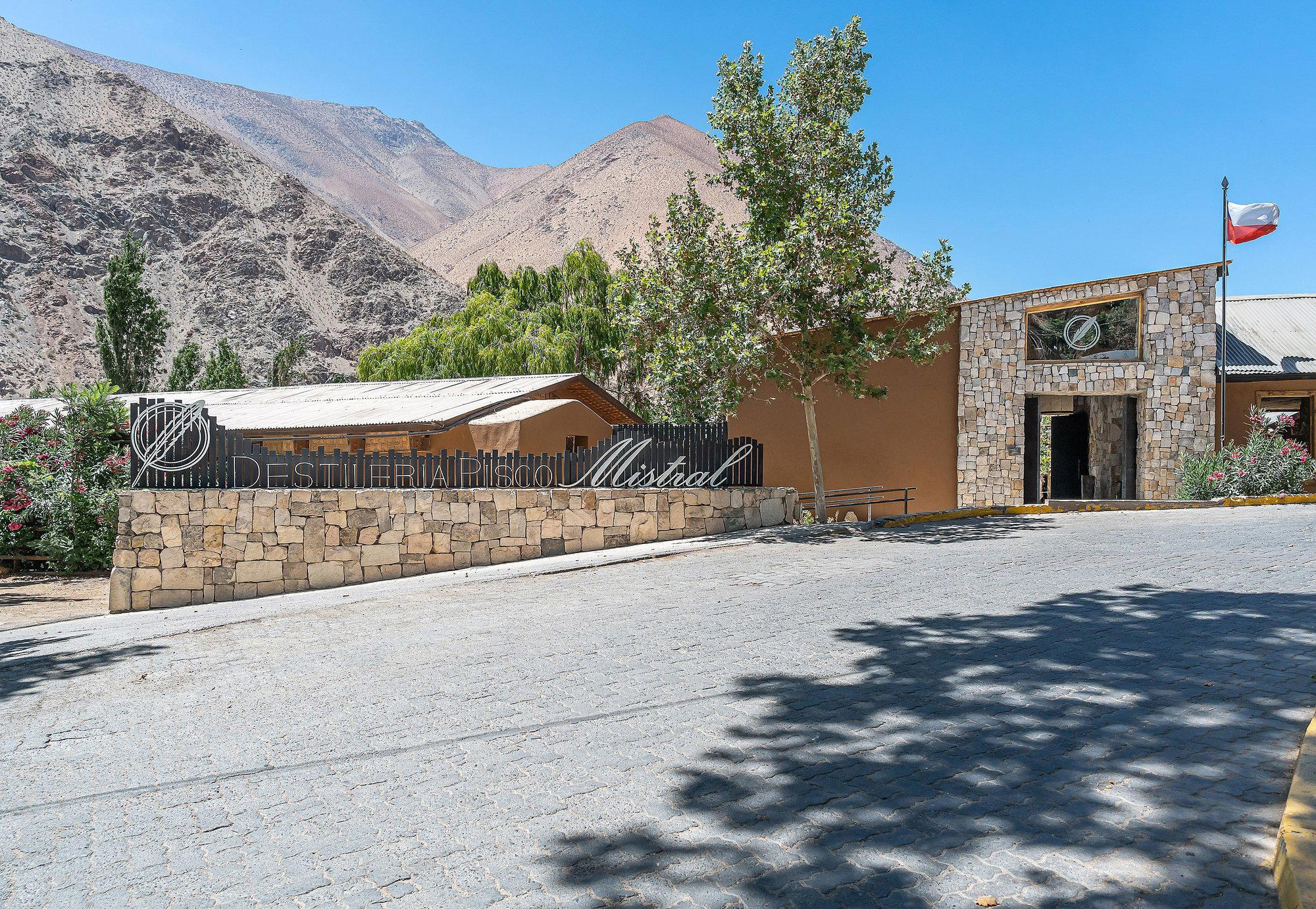
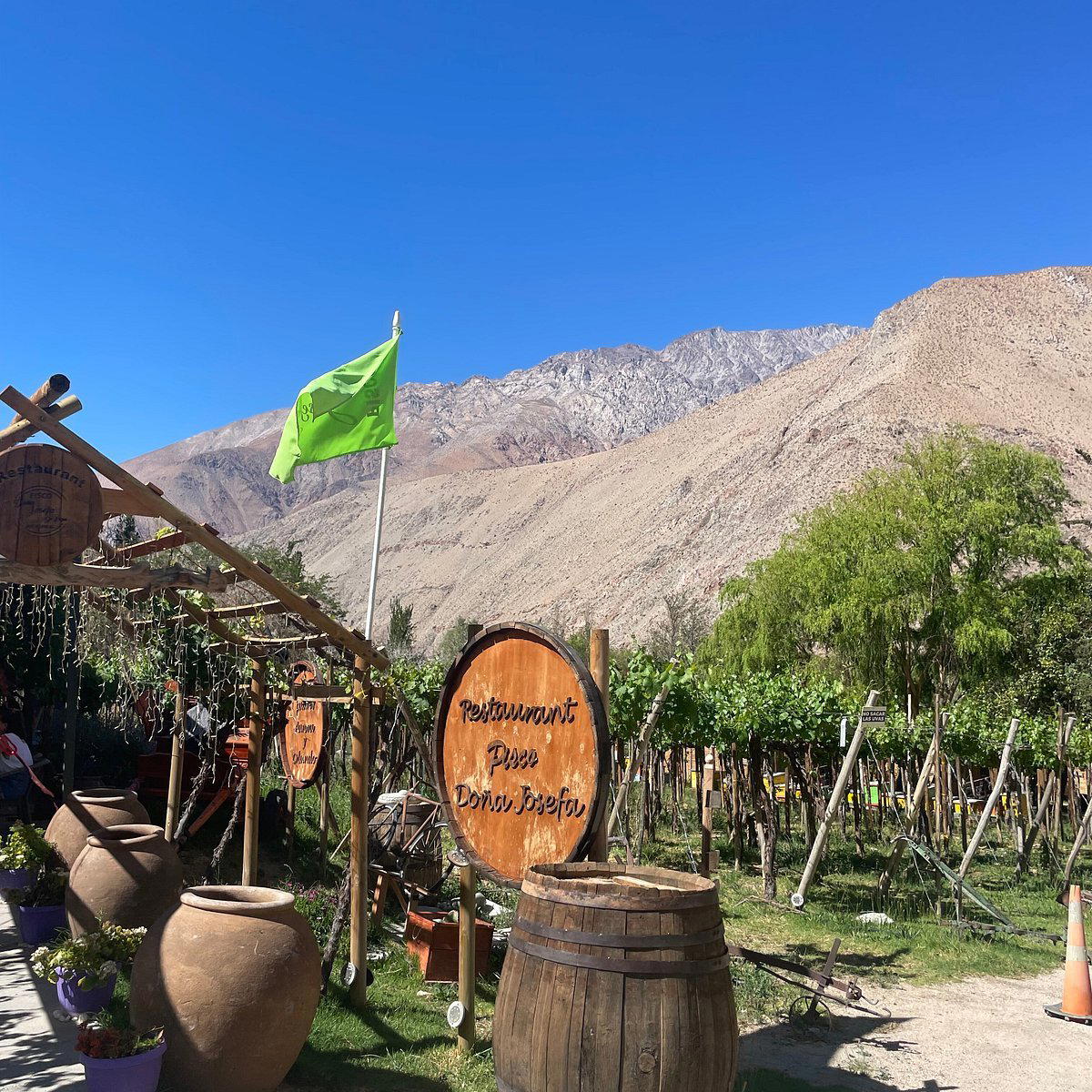
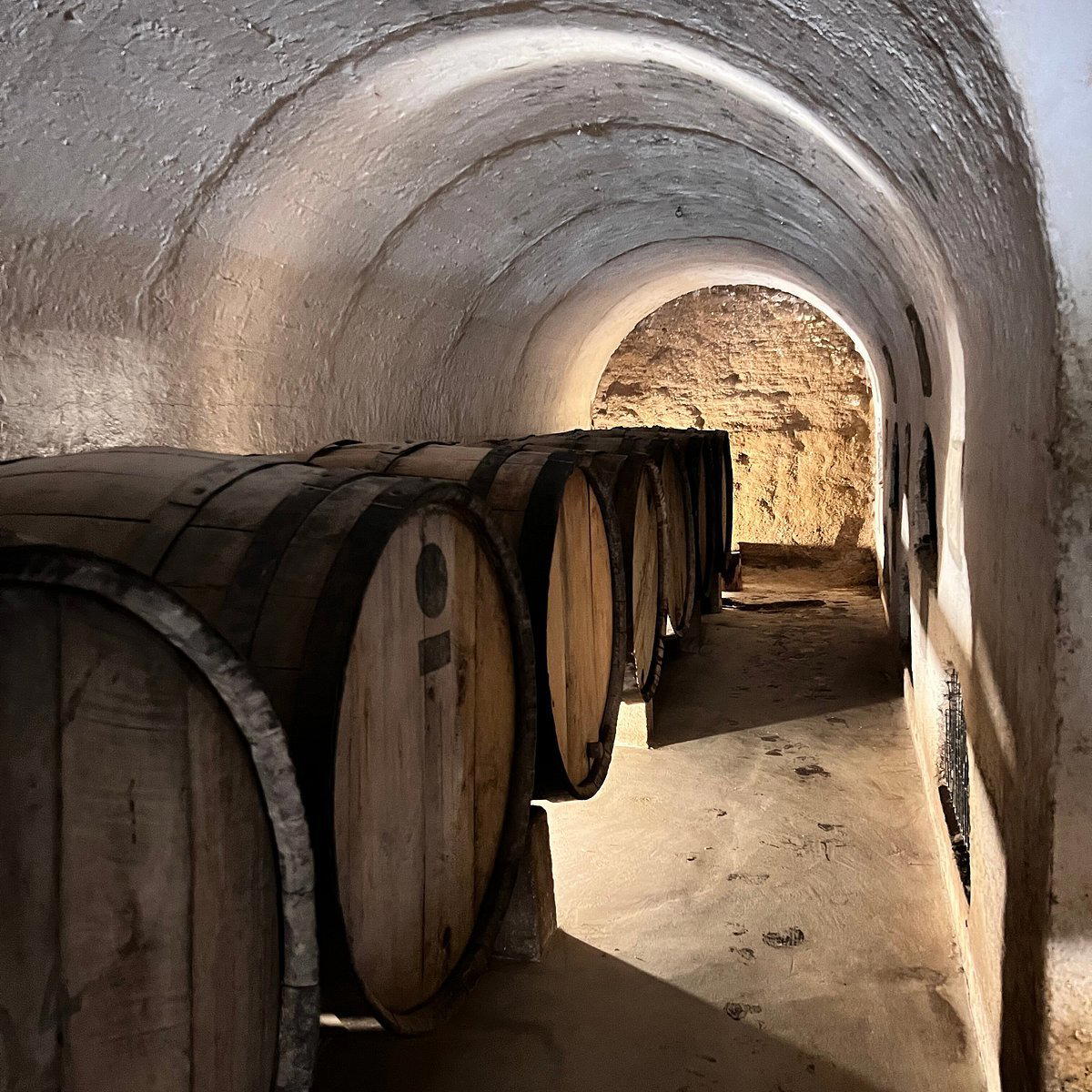

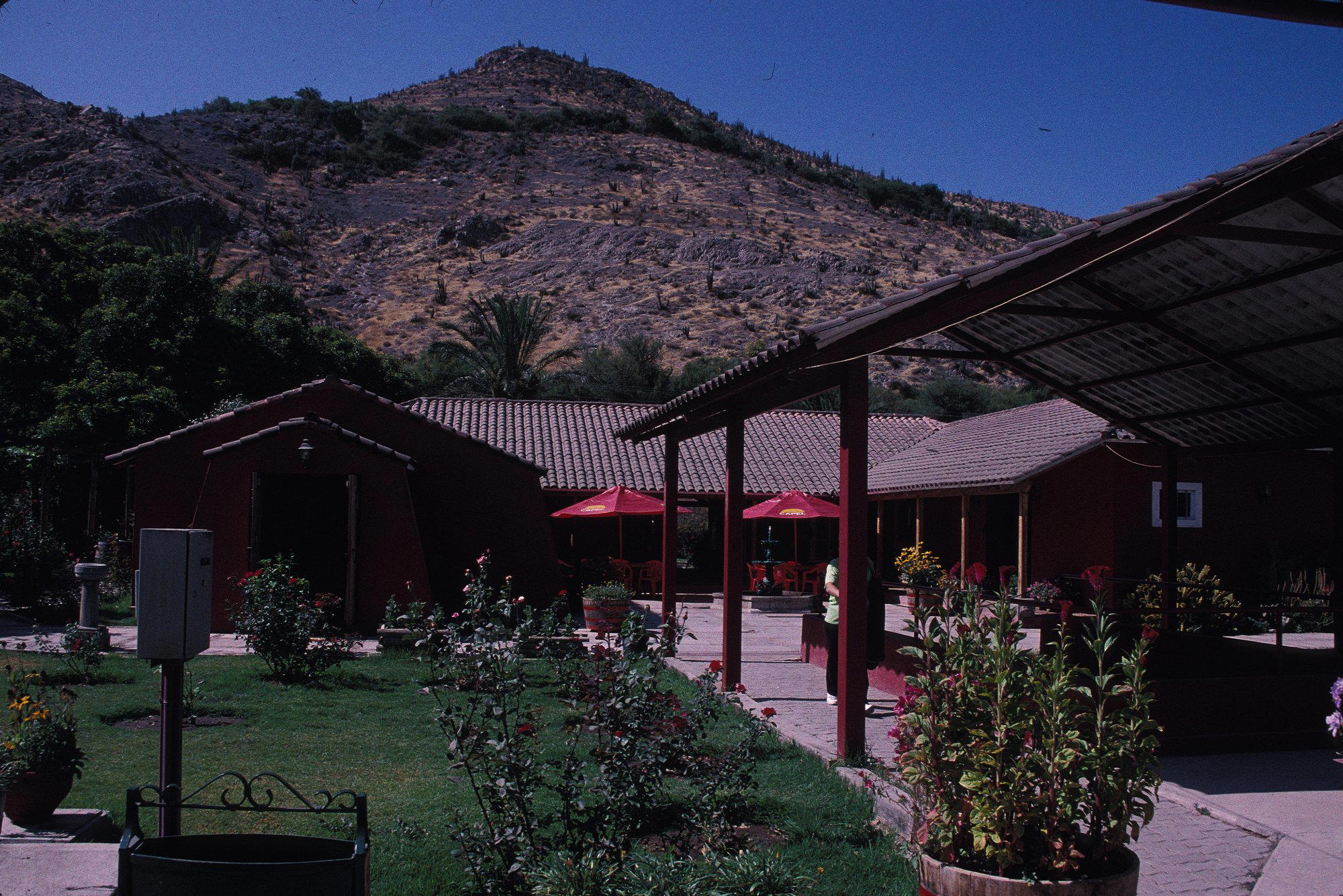
Restaurants in Paihuano
Browse all →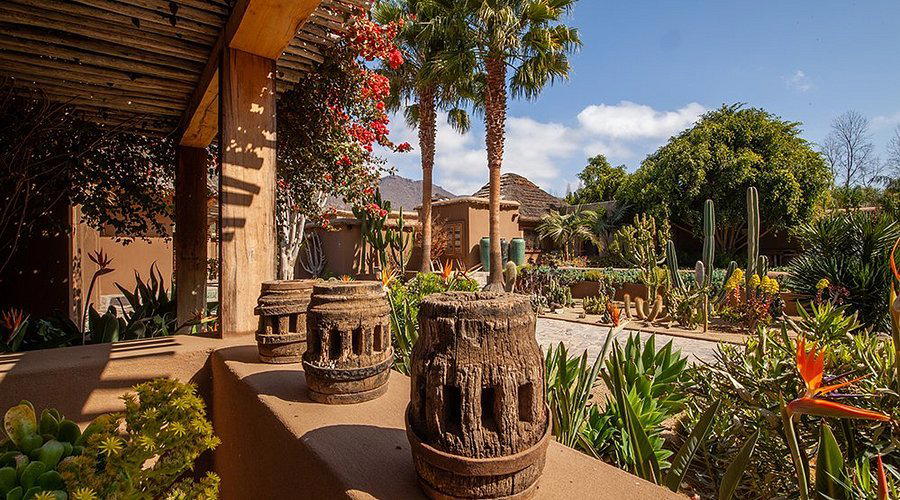
Hotels in Paihuano
Browse all →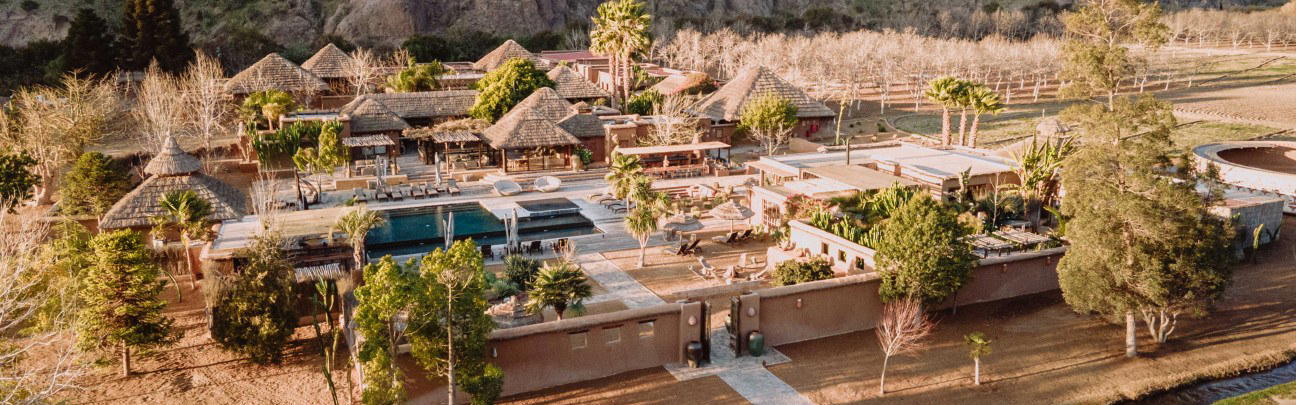
At a Glance
- Rustic
- Scenic
- Wine Education
- Solo Exploration
- Vineyard Tour
- Mountain
- Vineyard
,null,