
Falstaff Winery - Listed
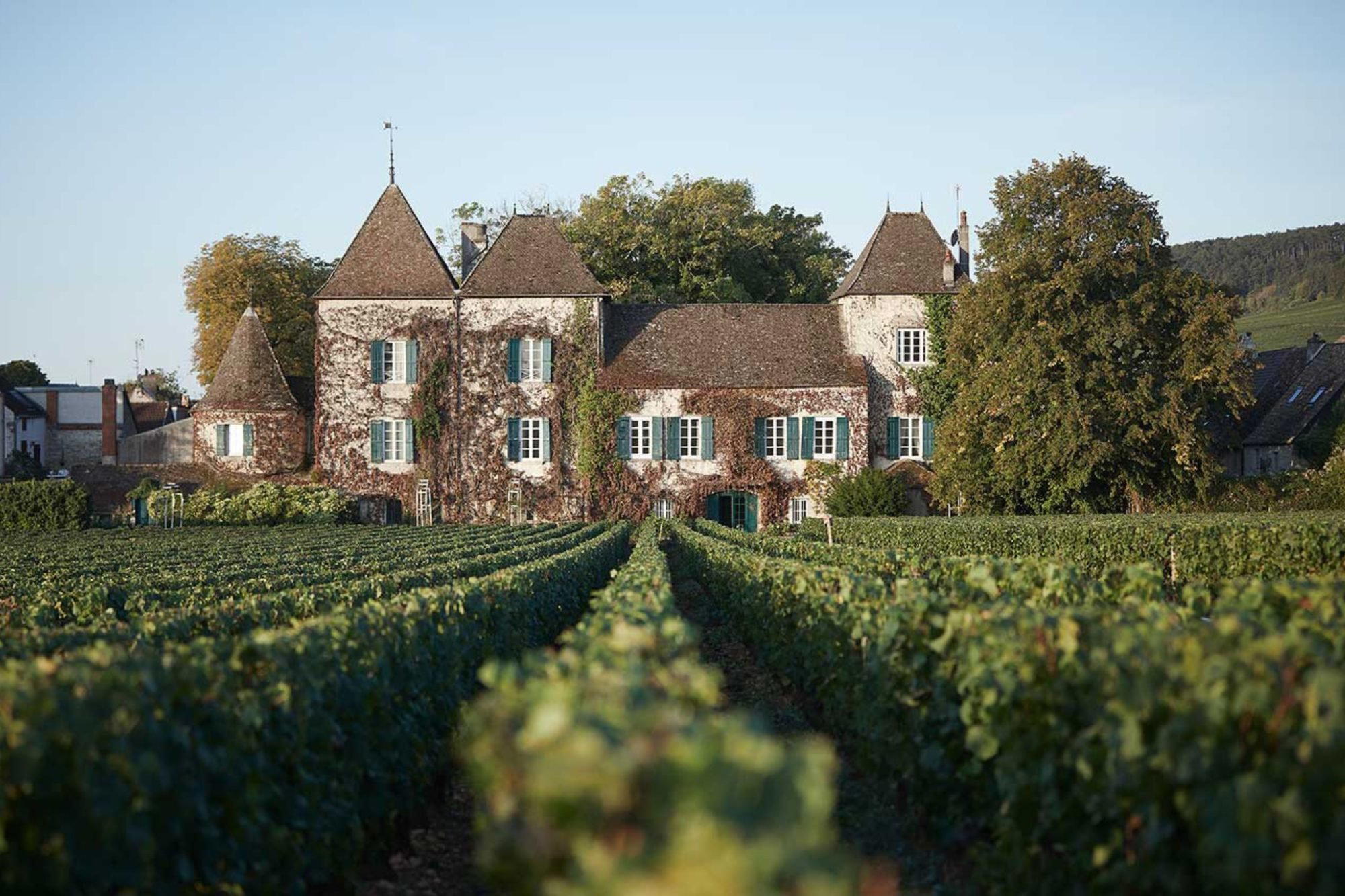
A Meursault producer operating at the prestige tier, Domaine Génot-Boulanger holds an address on the Rue de Cîteaux that places it within the village's historic winemaking core. Recognised as a producer of note for the La Paulée de Meursault event, it sits among the Côte de Beaune houses that define the appellation's character. For collectors and visitors seeking direct engagement with Meursault terroir, the domaine warrants serious attention.

Pearl is the En Primeur Club membership app — saves, bookings, and concierge access live there. Same editors, same standards.
- Address
- 25 Rue de Cîteaux, 21190 Meursault
- Phone
- +33 3 80 21 49 20
- Website
- genot-boulanger.com
- Directions
- Get directions
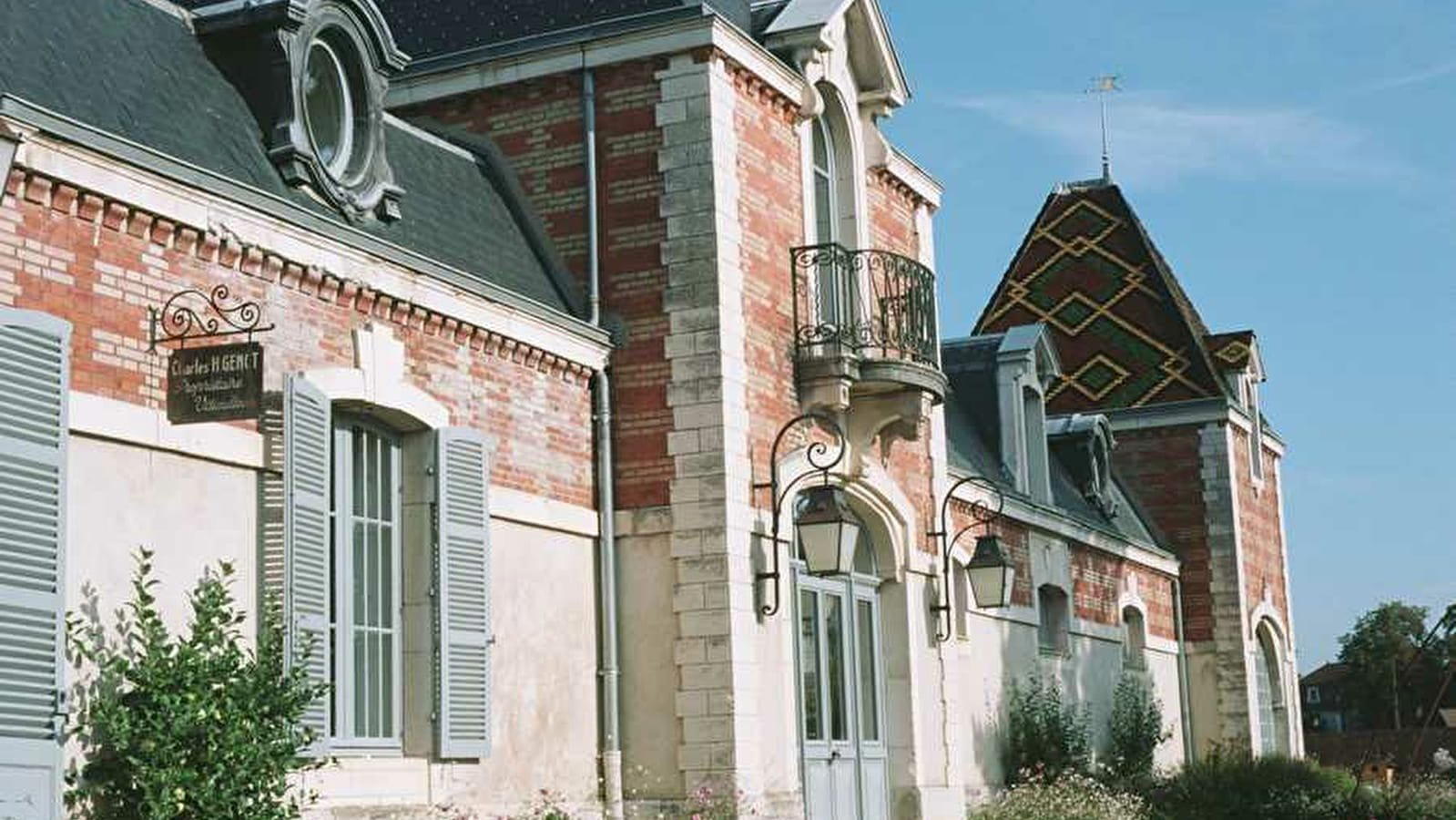
Where Meursault's Limestone Speaks Directly
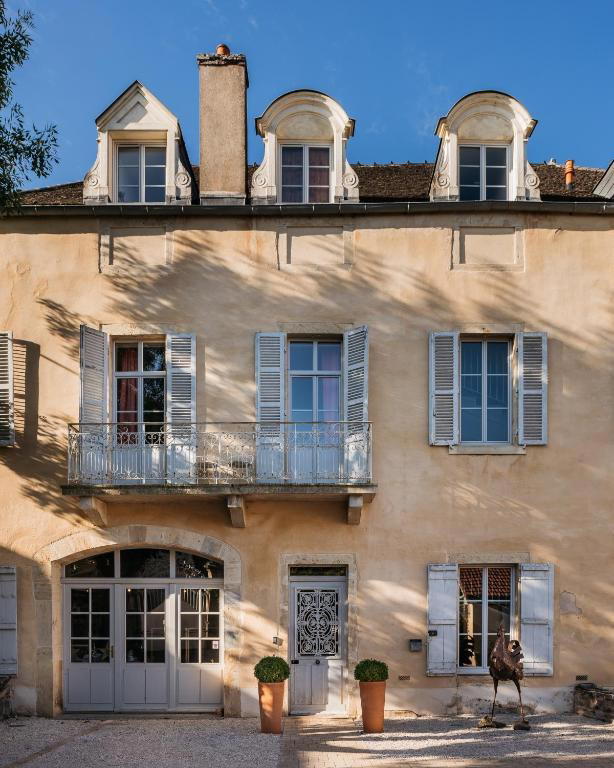
Approach the Rue de Cîteaux in Meursault on a grey autumn morning and the village announces itself through texture as much as scenery: Burgundian limestone walls absorbing light, iron gates marking the thresholds of family domaines that have been pressing fruit from these hillsides for generations. Number 25 is the address of Domaine Génot-Boulanger, a producer whose presence on this street situates it squarely inside Meursault's tightly held winemaking tradition rather than on its commercial periphery. The Rue de Cîteaux reference — Cîteaux being the Cistercian abbey whose medieval monks did more than almost any other institution to map Burgundy's vineyard hierarchy — is not incidental. It signals where this domaine stands in relation to the region's long memory.
Meursault occupies a specific and well-defined position in the Côte de Beaune. Unlike Puligny-Montrachet to its south, which carries Grand Cru weight, or Auxey-Duresses to its northwest, which trades on value, Meursault built its reputation entirely through Premier Cru and village-level Chardonnay. The appellation's leading producers, among them Domaine Antoine Jobard, Domaine Henri Boillot, and Domaine Chavy-Chouet, operate through small allocations and a collector audience that treats access as the primary currency.
The Soil as Source Material
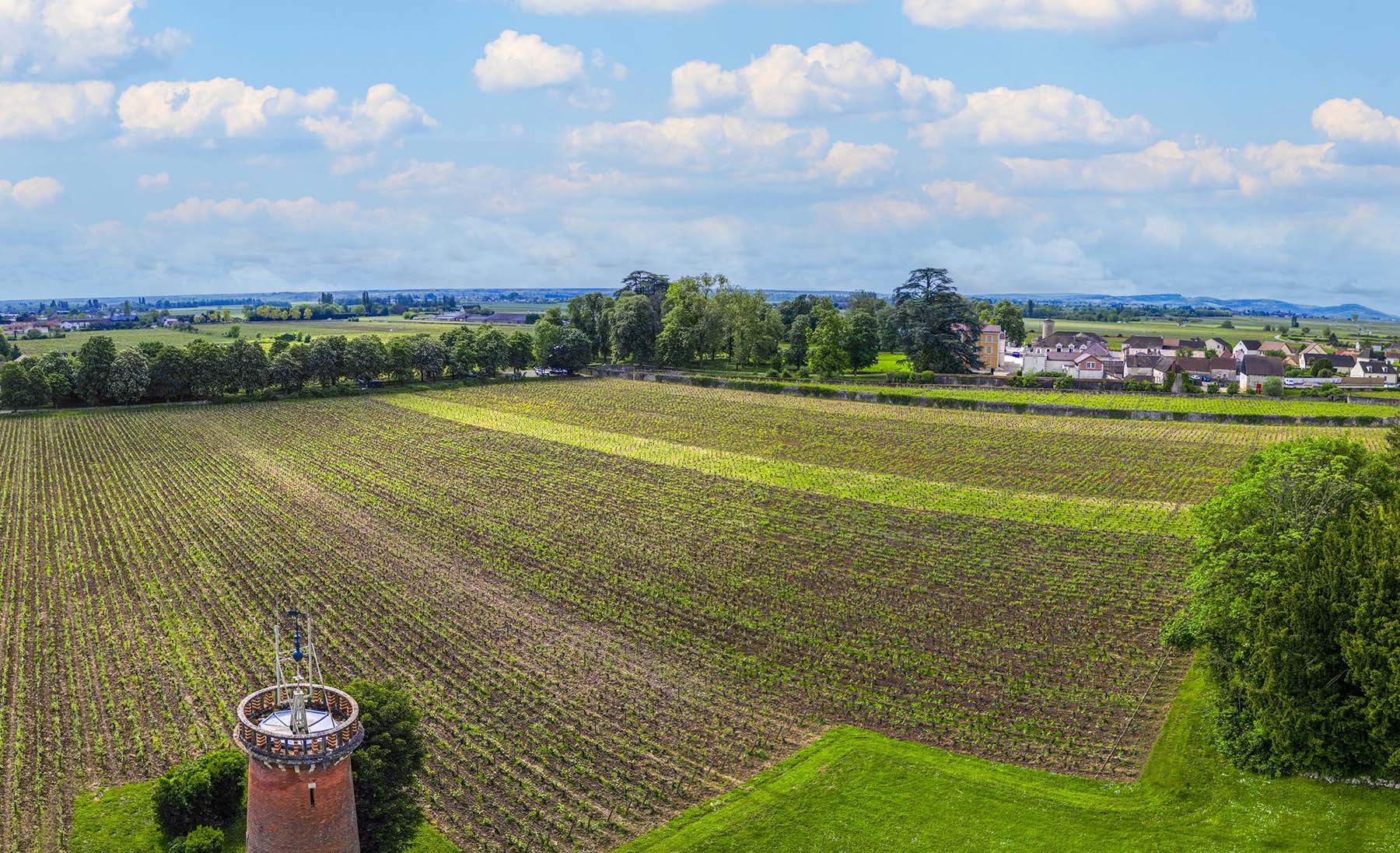
The editorial angle on any serious Meursault producer begins in the vineyard, not the cellar. This is an appellation where the limestone-clay mosaic of the hillside controls flavour development more directly than almost anywhere else in Burgundy. The Meursault village sits at roughly 240 to 320 metres elevation on the eastern face of the Côte, with the leading parcels occupying a band where drainage is optimal and the calcium-rich subsoil forces vine roots deep. What comes off these slopes, when harvested at the right moment and handled with restraint in the cellar, expresses a combination of weight and minerality that other Chardonnay appellations struggle to replicate.
Génot-Boulanger's address within the village core, rather than on the fringe, matters for understanding its relationship to these raw materials. Proximity to the historic centre of a Burgundian commune typically correlates with longer-held, better-positioned parcels. The domaine's recognition as a La Paulée de Meursault producer reinforces this positioning: La Paulée, the annual harvest celebration that draws collectors and sommeliers from across the world, is not an event whose producer list expands arbitrarily. Inclusion signals standing within the appellation's own hierarchy.
For context, compare the competitive set. Domaine Jacques Prieur holds Grand Cru exposure across both Côte de Nuits and Côte de Beaune, placing it in a different tier by sheer portfolio breadth. Château de Meursault operates at higher volume with strong tourist infrastructure. Génot-Boulanger sits closer to the smaller, family-run model, producers for whom the parcel is the argument and the wine is the only communication channel.
La Paulée and What Producer Recognition Signals
La Paulée de Meursault is one of Burgundy's most closely observed annual events, structured around producers bringing their own bottles to share at a long communal table. The selection of participating producers is curated rather than open, and the prestige tier designation applied to Génot-Boulanger by EP Club reflects calibration against this benchmark. The practical implication for the collector: wines from this domaine are likely acquired through allocation or direct-domaine purchase rather than through retail availability, a distribution pattern shared by the tighter end of the Meursault producer spectrum.
This matters for visitors planning a trip through the Côte de Beaune. The Burgundy region has two distinct visitor pathways. The first runs through large négociant houses and estate wineries with formal tasting rooms, predictable hours, and walk-in access. The second, which produces the wine serious collectors actually pursue, requires advance contact, relationship building, and an understanding that the visit itself is part of a longer conversation. Génot-Boulanger fits the second model. Planning a visit to the domaine at 25 Rue de Cîteaux should begin well before arrival in Meursault, with direct contact to establish the visit's purpose and timing. Burgundy's harvest season from late September through October is the most active period for producer access but also the most compressed in terms of availability.
For comparison across French wine regions, producers at this tier share structural similarities with houses like Albert Boxler in Niedermorschwihr in Alsace, where small-production, family-controlled viticulture determines access patterns as much as reputation does. The logic of allocation and direct relationship applies equally across both regions, even when the grape varieties and styles diverge considerably.
Placing Génot-Boulanger in the Meursault Conversation
Meursault is not a monolithic appellation, and the diversity of producer approaches here is wider than the appellation's consistent critical reception might suggest. Some producers work toward maximum extraction and oak influence; others prioritise tension and restraint. The village's Premier Cru sites, Perrières, Charmes, Genevrières, pull in different textural and aromatic directions even from adjacent rows. A domaine's parcel holdings therefore define its style argument more than any explicit winemaking philosophy does.
Génot-Boulanger's prestige tier standing places it in a competitive set that includes some of Meursault's most allocation-scarce producers. This is not a domaine for readers whose Burgundy engagement is casual or occasional. It is, however, a domaine that merits attention from anyone building a systematic understanding of what the appellation's village and Premier Cru tier can achieve when the source material is well-sited and the approach is serious. The broader our full Meursault guide maps the appellation's producer landscape in greater detail and situates Génot-Boulanger against the full range of options across price points and access models.
Those approaching Burgundy through multiple appellations will find useful comparative reference in properties from adjacent regions at similar prestige positions. Château Bastor-Lamontagne in Preignac, Château Batailley in Pauillac, and Château Bélair-Monange in Saint-Emilion each operate at calibrated prestige tiers within their respective appellations, and the collector logic that governs access to wines at this level, allocation priority, direct domaine relationships, event-linked producer recognition, applies consistently across all of them. For Bordeaux-focused collectors extending into Burgundy, Château Boyd-Cantenac in Cantenac and Château Branaire Ducru in St-Julien offer further reference points for understanding how prestige tier positioning translates across French wine geography. Further afield, Accendo Cellars in St. Helena demonstrates how the same allocation-driven model operates in California's premium Cabernet tier, while Aberlour in Aberlour shows a parallel prestige-tier logic applied to single malt Scotch whisky production.
Planning Your Visit
The domaine sits at 25 Rue de Cîteaux in the village of Meursault, accessible by car from Beaune in under fifteen minutes via the D974. Meursault village has a compact centre with limited parking near the historic core, so arriving early in the day is advisable. As with most serious Burgundian producers at this tier, direct advance contact is the appropriate method for arranging a visit or tasting appointment; walk-in access should not be assumed. The autumn window following harvest and the quieter months of late winter and early spring both offer better scheduling conditions than the peak summer tourist season, when the Côte de Beaune's road access and village parking become significantly more constrained. No online booking infrastructure or specific hours are confirmed in available data, so direct correspondence with the domaine before travel is the only reliable approach.
Cuisine and Awards Snapshot
Comparable venues nearby, for context on price, style, and recognition.
| Venue | Cuisine | Price | Awards | Notes |
|---|---|---|---|---|
| Domaine Génot-BoulangerThis venue — the venue you are viewing | Chardonnay, Pinot Noir | $100–150 | Falstaff Winery - Listed | Not listed |
| Domaine Rougeot Père et Fils | Chardonnay, Pinot Noir | Not listed | Not listed | Meursault |
| Domaine Henri Boillot | Chardonnay, Pinot Noir | Not listed | Michelin 1 Grape · Falstaff Winery - Listed | Meursault |
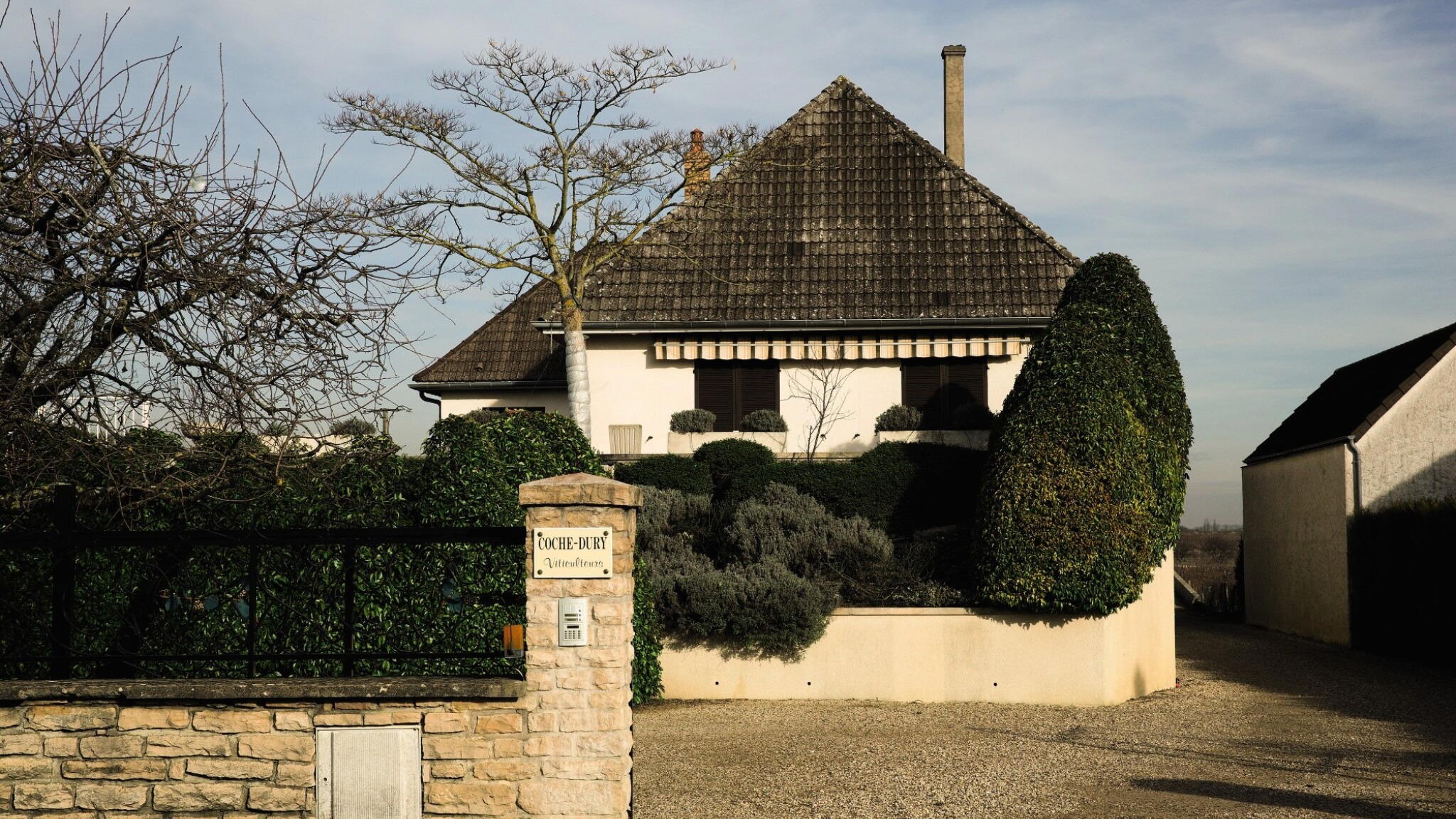
| Domaine Coche-Dury | Chardonnay, Pinot Noir | Not listed | Michelin 3 Grapes · Falstaff Winery - Listed | Meursault |
| Domaine Camille & Guillaume Boillot | Chardonnay, Pinot Noir | Not listed | Michelin Main Selection | Meursault |
| Domaine des Comtes Lafon | Chardonnay, Pinot Noir | Not listed | Michelin 2 Grapes · Falstaff Winery - Listed | Meursault |
Recognition history
Dated appearances from independent guides and award organizations, with the underlying list record or original source where available.
Falstaff Winery - Listed
Falstaff
Continue exploring
More in Meursault
Wineries in Meursault
Browse all →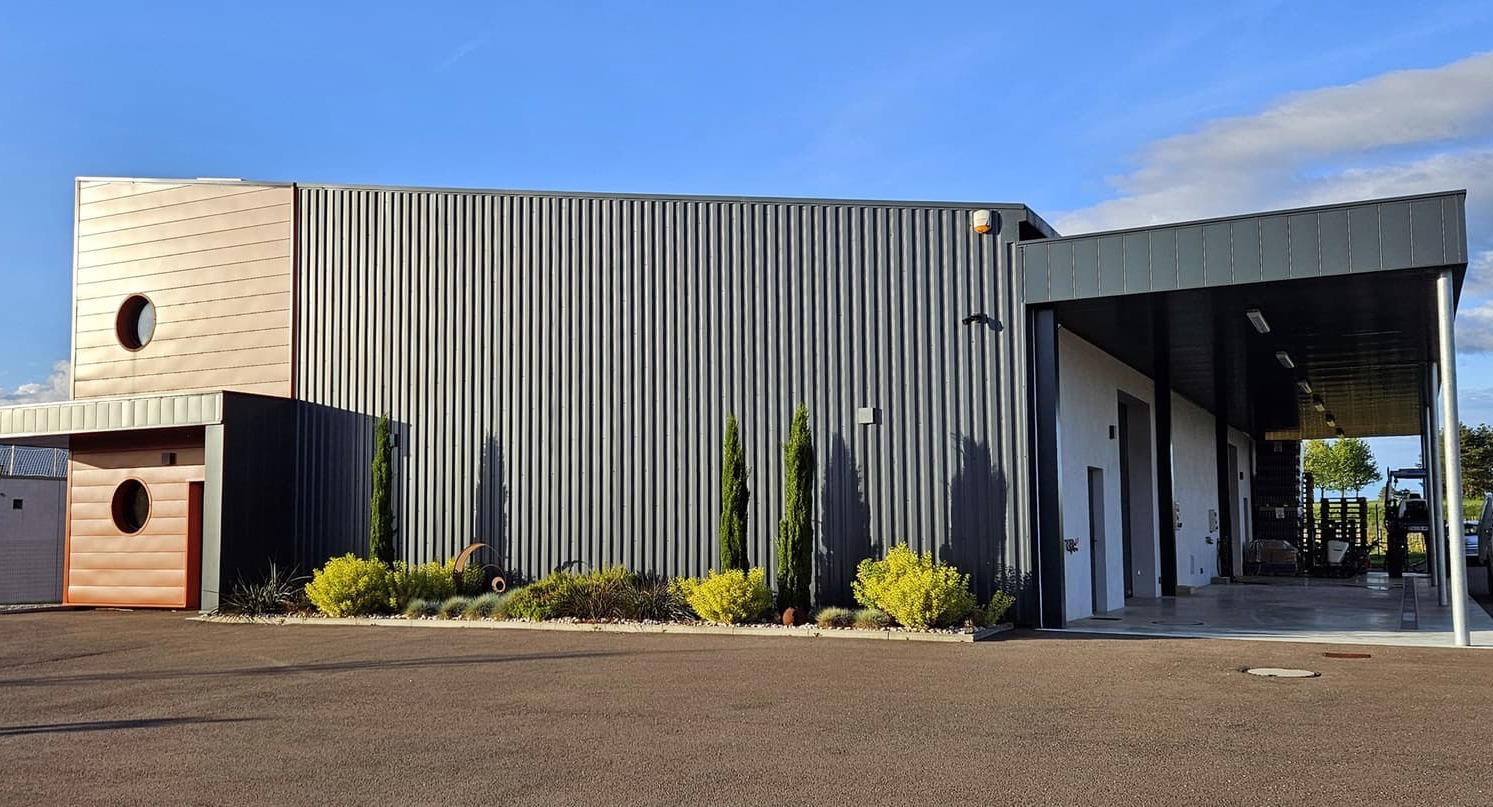
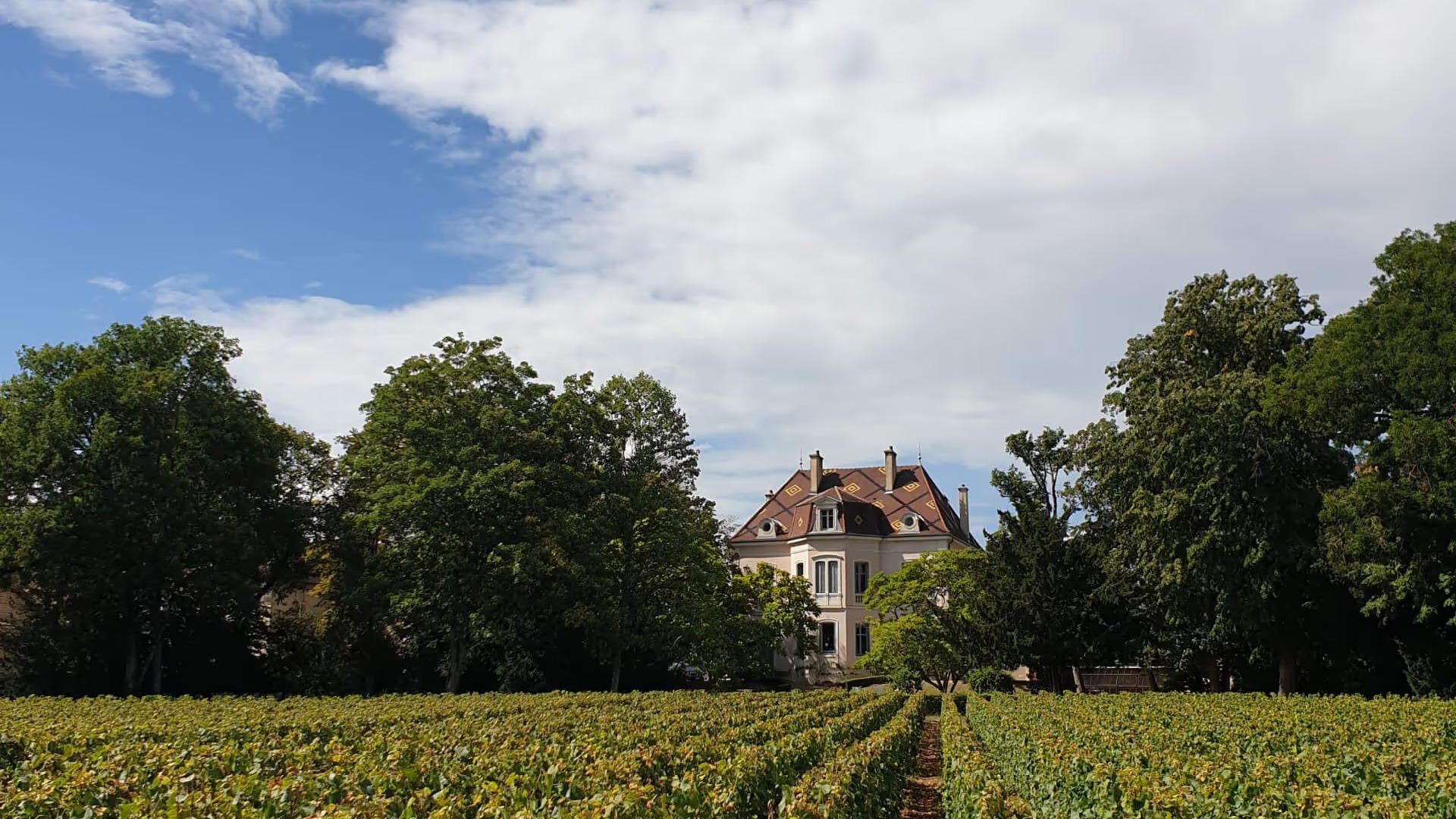
Bars in Meursault
Browse all →
Restaurants in Meursault
Browse all →
Details
- Classic
- Elegant
- Rustic
- Sophisticated
- Wine Education
- Romantic Getaway
- Group Outing
- Special Occasion
- Estate Grounds
- Vineyard Tour
- Private Tasting
- Historic Building
- Organic
- Biodynamic
- Sustainable
- Vineyard
- Chardonnay
- Pinot Noir
- Still Red
- Still White
- Private Tasting
- Estate Tasting
- French
- English
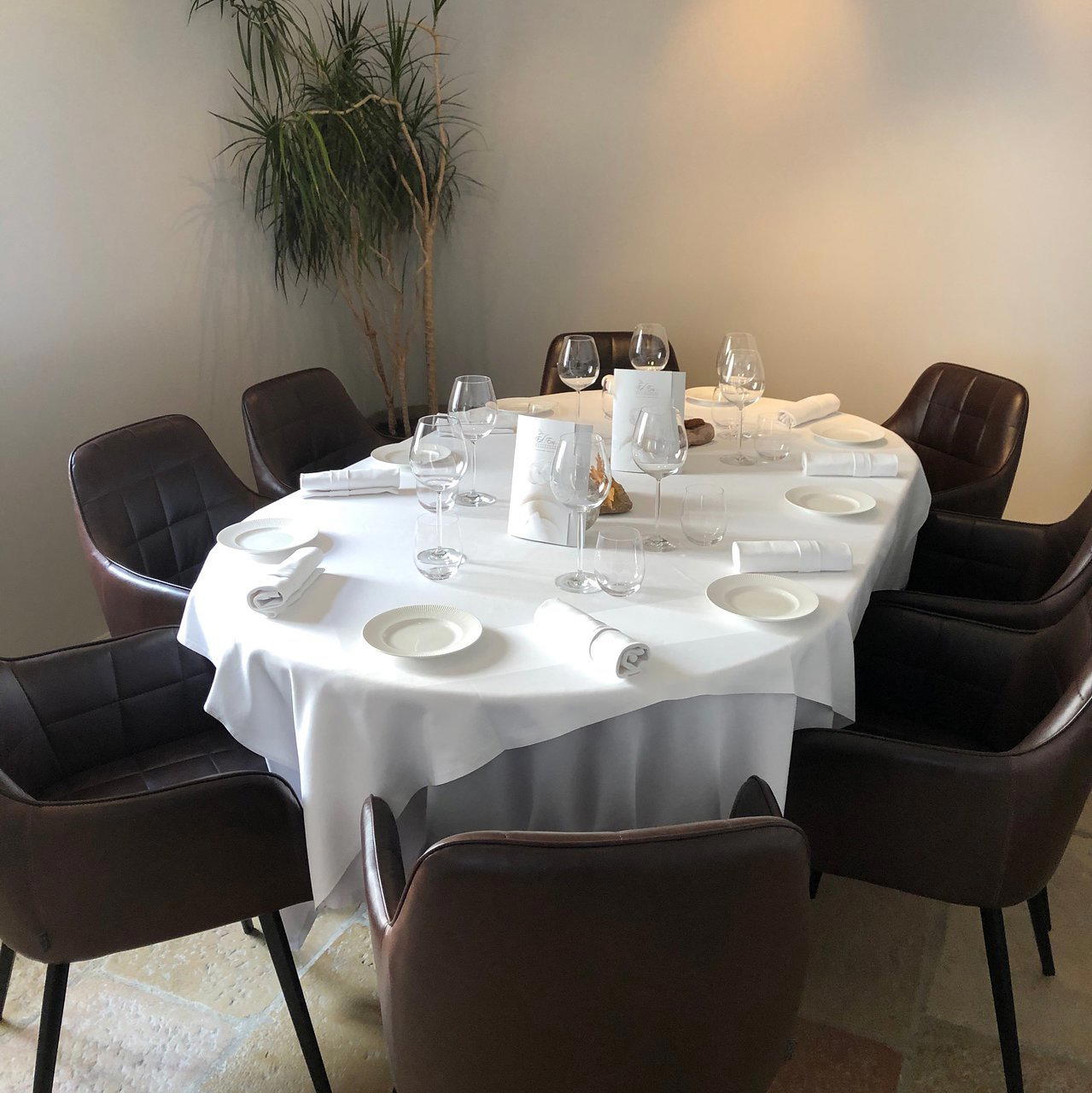
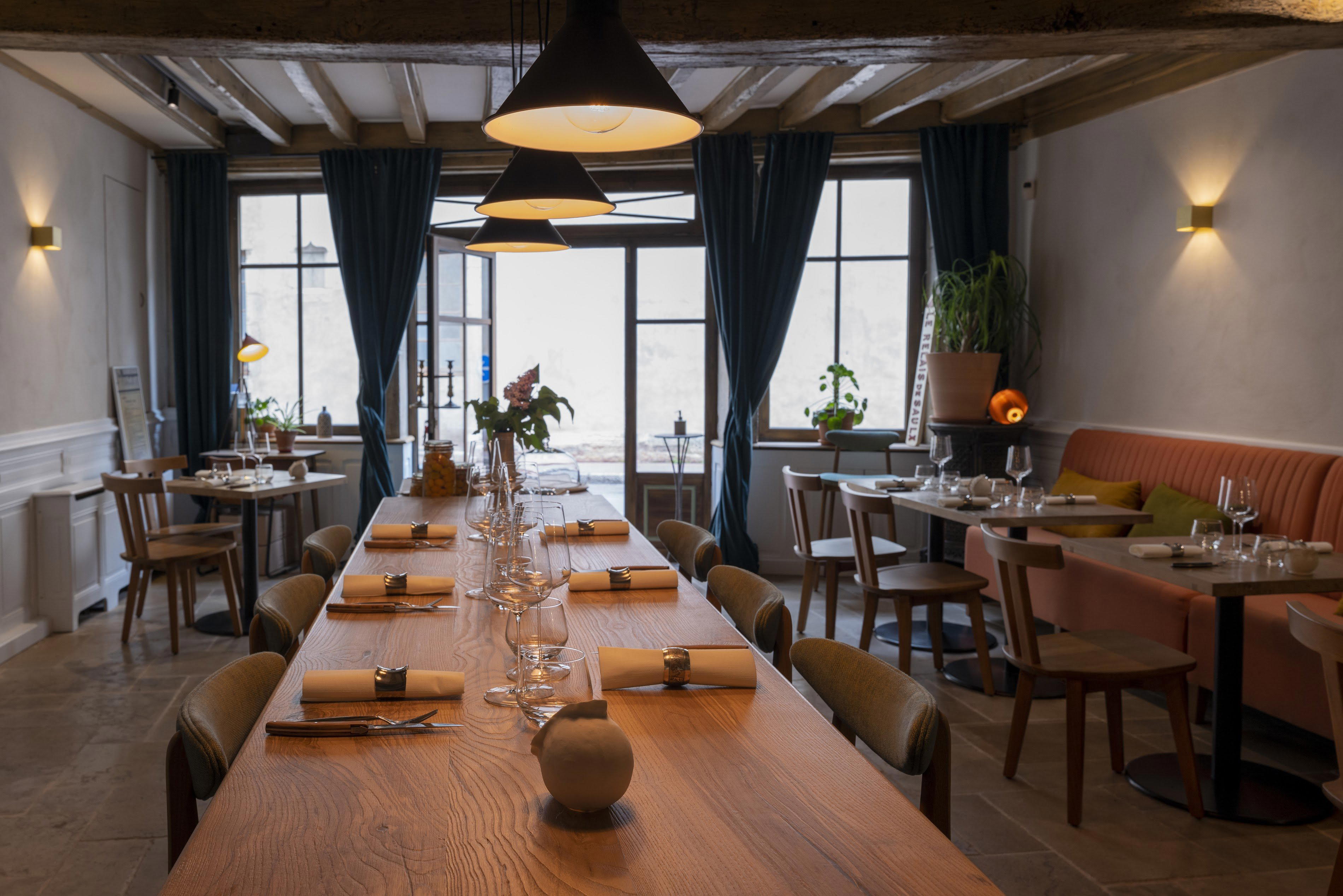
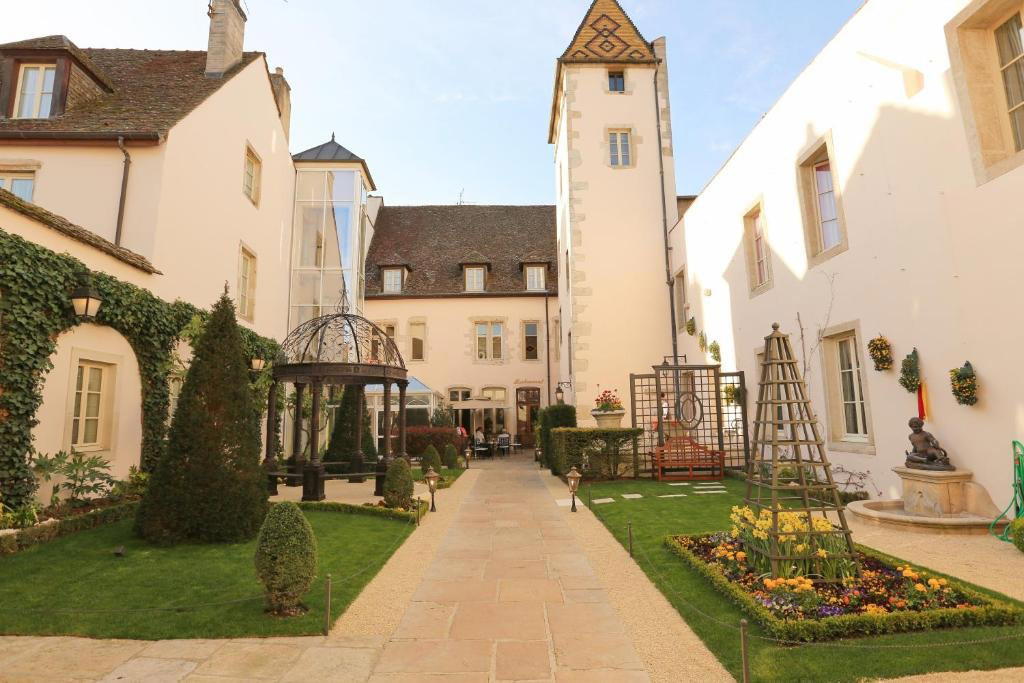
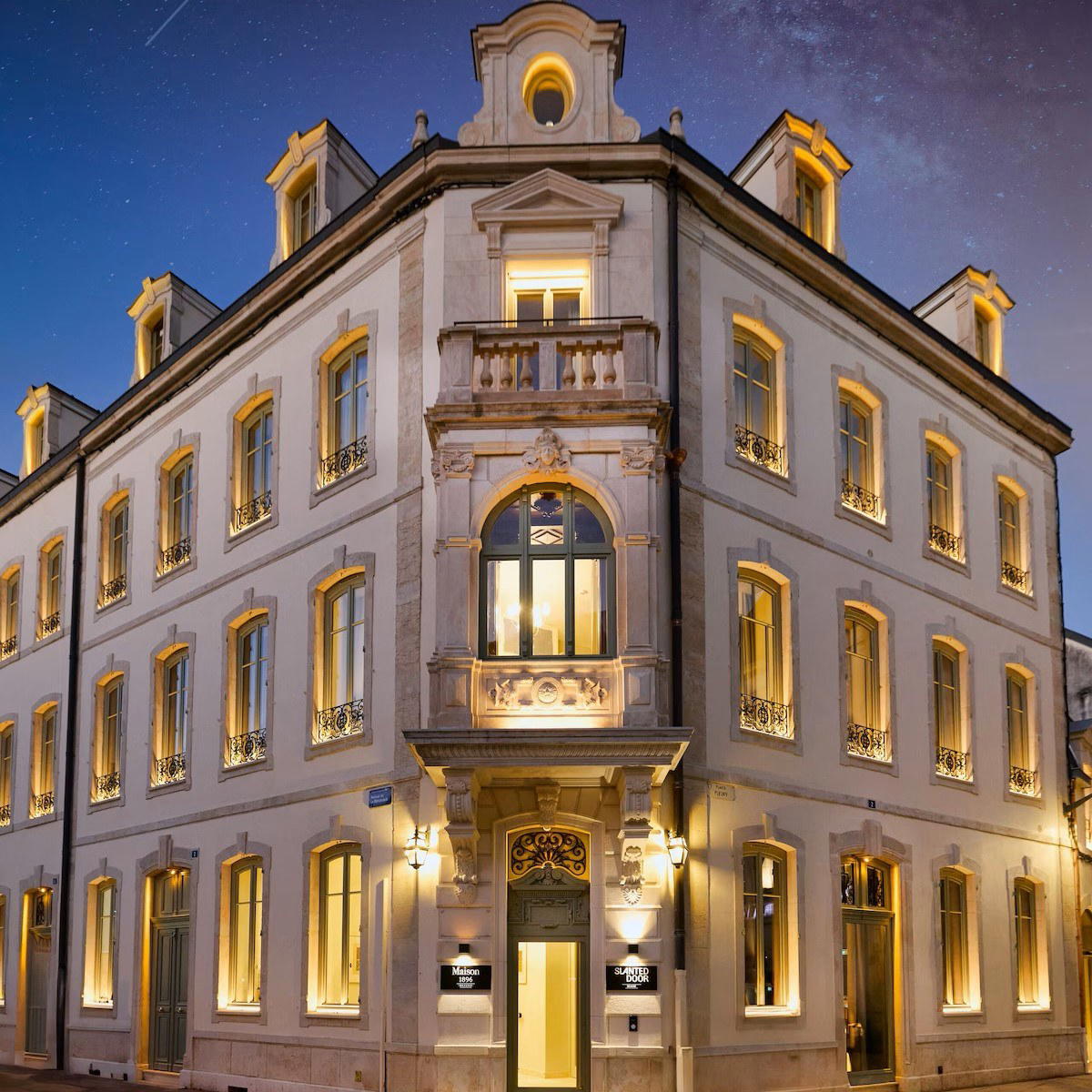
Traditional Burgundian winery with a newly renovated tasting room designed for optimal wine appreciation, set within historic vineyard grounds spanning from Chambolle-Musigny to Mercurey.