Domaine Chamonard

Falstaff Winery - Listed
Domaine Chamonard belongs to the old-vine, low-intervention side of Beaujolais, where Gamay is treated as a serious carrier of granite, schist, altitude, and farming choices. The family-run estate in Villié-Morgon works Morgon and Fleurie AOC fruit through manual organic farming, indigenous yeasts, old barrels, and bottling without filtration, giving the wines a direct line to place rather than cellar polish.

Domaine Chamonard is presented here through the facts available: an artisanal Beaujolais estate in Villié-Morgon focused on expressive, precise natural Gamay, with a traditional cellar and hands-on farming that emphasize authenticity and terroir.
The estate is best understood through that restrained frame. It should not be described through claims about specific parcels, vintages, visitor formats, production figures, services, or amenities. What can be said confidently is that Domaine Chamonard is rustic, classic, and intimate in Villié-Morgon, with its identity tied to natural Gamay and a cellar culture that values place over polish.
Natural Gamay with a traditional cellar context
Domaine Chamonard’s appeal is direct: expressive, precise natural Gamay from an artisanal Beaujolais estate. Rather than leaning on spectacle, the domaine’s character is described through hands-on farming, a traditional cellar, and an emphasis on authenticity and terroir. Those points give enough shape to the experience without needing to embellish it. The wine identity is rooted in Gamay, the Beaujolais setting, and a way of working that is presented as close to the land and cellar rather than filtered through a highly polished hospitality concept.
That makes the estate useful for travellers who want a grounded Beaujolais stop in Villié-Morgon. The draw is not a confirmed restaurant-style service format, a published tasting menu, or a visitor-centre experience. It is the quieter profile of a producer framed around Gamay, farming, cellar tradition, and a sense of place. For that reason, Domaine Chamonard reads best as a wine address where the interest is in the domaine’s character itself: rustic, classic, intimate, and connected to the natural Beaujolais conversation through its focus on expressive and precise Gamay.
The reliable takeaway is broader but still meaningful: Domaine Chamonard represents a natural Beaujolais approach in a rustic, classic setting. That statement is intentionally limited, but it is not thin. It identifies the estate’s core vocabulary, natural Gamay, artisanal work, traditional cellar practice, authenticity, and terroir, and keeps the page anchored to what can be said with confidence.
Natural Beaujolais without the caricature
The confirmed description points to expressive, precise natural Gamay, hands-on farming, and a traditional cellar oriented around authenticity and terroir. That combination is enough to distinguish the domaine without turning it into a caricature of natural wine. The emphasis is not on novelty for its own sake, but on a classic, artisanal profile where the farming, the cellar, and the place remain central.
That does not require overstating what is known. The estate should therefore be presented with restraint: a serious, artisanal Beaujolais address in Villié-Morgon rather than a page built around unsupported technical claims. This restraint is useful for readers as well as for accuracy. It separates the confirmed identity of Domaine Chamonard from assumptions that often attach themselves to small estates, natural wine producers, or well-regarded Beaujolais names.
The price level is listed as $$, which places Domaine Chamonard in that guide bracket. Beyond that bracket, the page should avoid implying particular prices, tasting conditions, bottle availability, or purchasing options. The clearer editorial choice is to let the listed level sit alongside the broader description: a rustic, classic, intimate Beaujolais estate centered on natural Gamay and terroir-led winemaking.
How to place it within a Villié-Morgon wine itinerary
Domaine Chamonard is best framed as a quiet, rustic, classic Beaujolais estate for travellers interested in natural Gamay and terroir-focused winemaking. The profile suggests an intimate, hands-on domaine rather than a polished hospitality venue, so it suits visitors who value producer character and cellar tradition. It should be approached, in the guide’s language, as a place whose appeal comes from its identity and working style rather than from a catalogue of visitor amenities.
Within Villié-Morgon, the useful approach is to keep the focus on Domaine Chamonard’s identity rather than adding unsupported details about services, food, tasting formats, or amenities. Other dining, lodging, bars, and experiences in Villié-Morgon can be considered separately as needed. Here, the important context is narrower and more precise: Domaine Chamonard belongs on the map as an artisanal Beaujolais estate associated with expressive natural Gamay, hands-on farming, a traditional cellar, authenticity, and terroir.
Travellers mapping a wider wine route can compare Domaine Chamonard with other winery visits, while keeping the focus here on this Villié-Morgon estate and its identity: expressive natural Gamay, hands-on farming, a traditional cellar, and an authentic, terroir-led style. That comparison should remain general unless further confirmed details are available. As written, the strongest and most accurate way to place Domaine Chamonard is as a restrained, characterful Beaujolais reference point: not overexplained, not overpackaged, and not dependent on claims beyond the facts already present.
Frequently asked questions
What kind of setting is Domaine Chamonard?
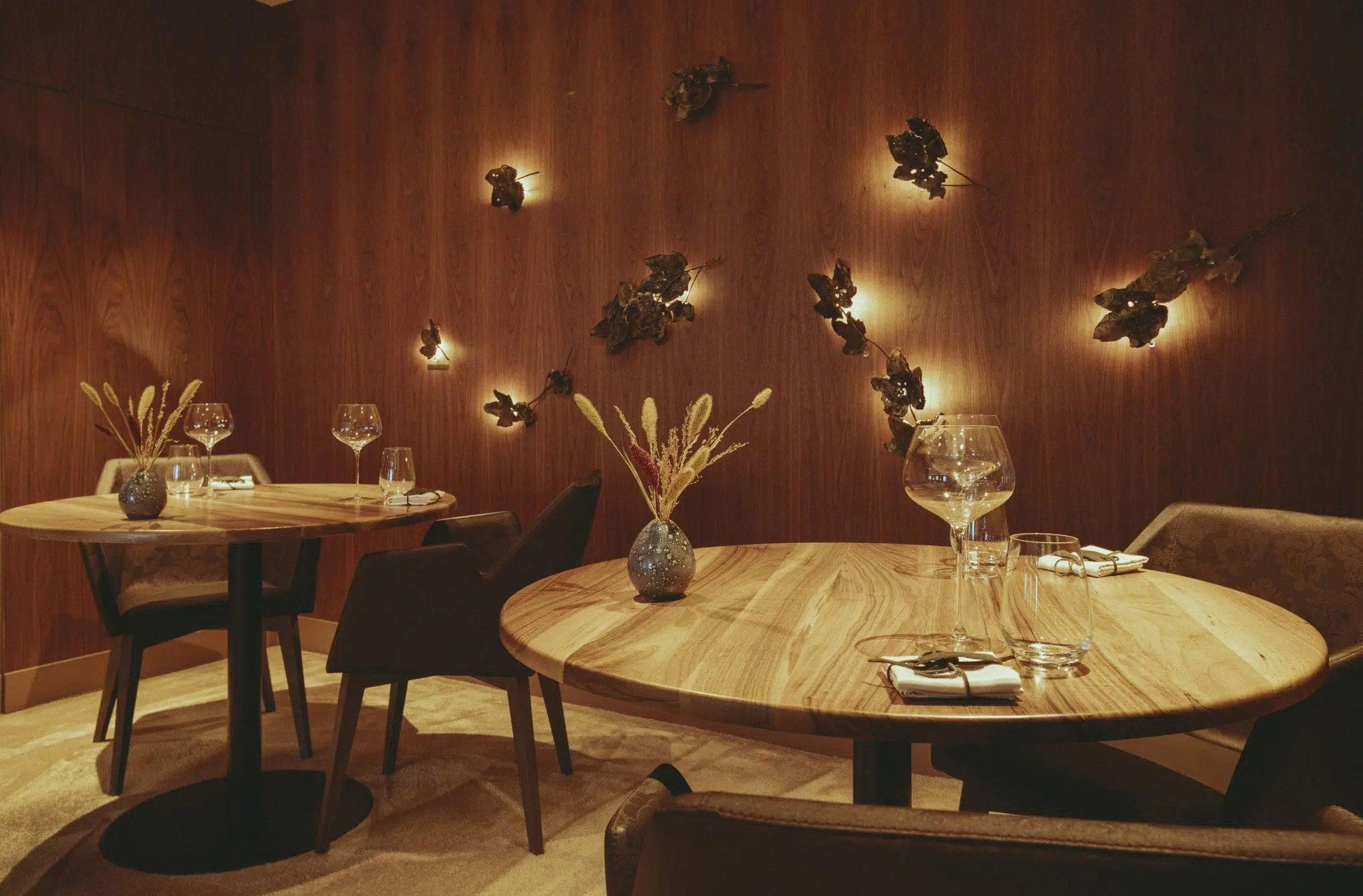
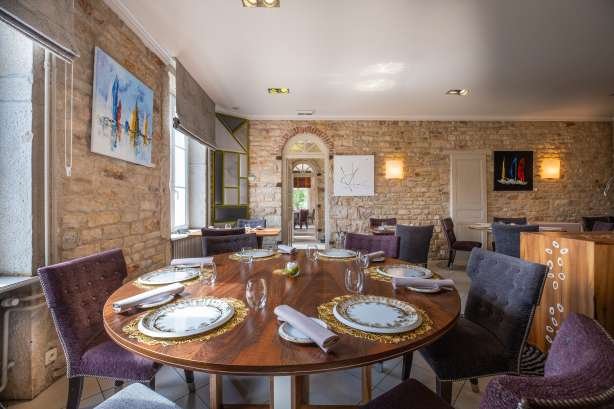
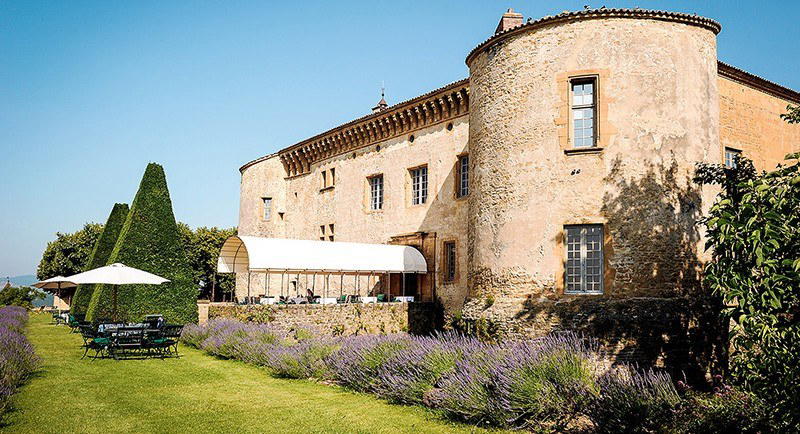
Domaine Chamonard is an artisanal Beaujolais estate in Villié-Morgon. The setting is rustic, classic, intimate, and centered on a traditional cellar rather than polished visitor-center design.
What's the cost level for Domaine Chamonard?
Pricing at Domaine Chamonard is listed as $$.
What's Domaine Chamonard's location?
Domaine Chamonard is located in Villié-Morgon.
What's the defining thing about Domaine Chamonard?
The estate’s clearest calling card is expressive, precise natural Gamay, with hands-on farming and a traditional cellar emphasizing authenticity and terroir.
Do I need a reservation for Domaine Chamonard?
Check directly with Domaine Chamonard before planning a visit.
What's the best use case for Domaine Chamonard?
It suits travellers looking for a quiet, terroir-focused Beaujolais estate in Villié-Morgon, especially those interested in natural Gamay and a rustic, hands-on cellar setting.
What should I know before visiting Domaine Chamonard?
Expect the profile of an artisanal Beaujolais estate in Villié-Morgon, focused on expressive natural Gamay, hands-on farming, authenticity, and terroir.
Recognition history
Dated appearances from independent guides and award organizations, with the underlying list record or original source where available.
Falstaff Winery - Listed
Falstaff
Enquire about visiting Domaine Chamonard or buying its wine
Visits to Domaine Chamonard are usually kept for the estate's regular buyers and the wine trade. Tell us when you would like to go and a little about how you buy, and we put the request to the estate and reply to you by email. For buying, we source directly from the producer or from a licensed seller we know and vouch for, and tell you the route before you pay.
Continue exploring
More in Villié-Morgon
Wineries in Villié-Morgon
All wineries in Villié-Morgon →
Bars in Villié-Morgon
Browse all →
Details
- Rustic
- Classic
- Intimate
- Solo Exploration
- Wine Education
- Romantic Getaway
- Organic
- Biodynamic
- Vineyard
- Gamay
- Still Red
Artisanal Beaujolais estate focused on expressive, precise natural Gamay, with a traditional cellar and hands-on farming that emphasize authenticity and terroir rather than polished visitor-center design.