Domaine de Rymska


A Michelin Plate-recognised address in the Burgundian countryside, Domaine de Rymska pairs a working farm estate with modern cuisine under Chef Derek Hanson. Rated 4.8/5 across more than 1,000 reviews, the property draws guests through its farm-to-table programme and deep rootedness in the Côte Chalonnaise landscape. Accessible by TGV to Le Creusot-Montchanin, it occupies a niche well apart from urban fine dining.
Pearl is the En Primeur Club membership app — saves, bookings, and concierge access live there. Same editors, same standards.
- Address
- 1, rue du Château de, La Fosse, 71490 Saint-Jean-de-Trézy, France
- Phone
- +33 3 85 90 01 01
- Website
- domaine-rymska.com
- Directions
- Get directions
 Saves & bookings on Pearl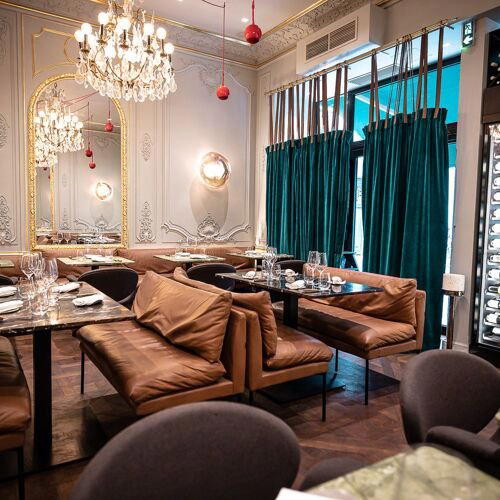
Where Burgundy's Agricultural Identity Meets the Dining Table
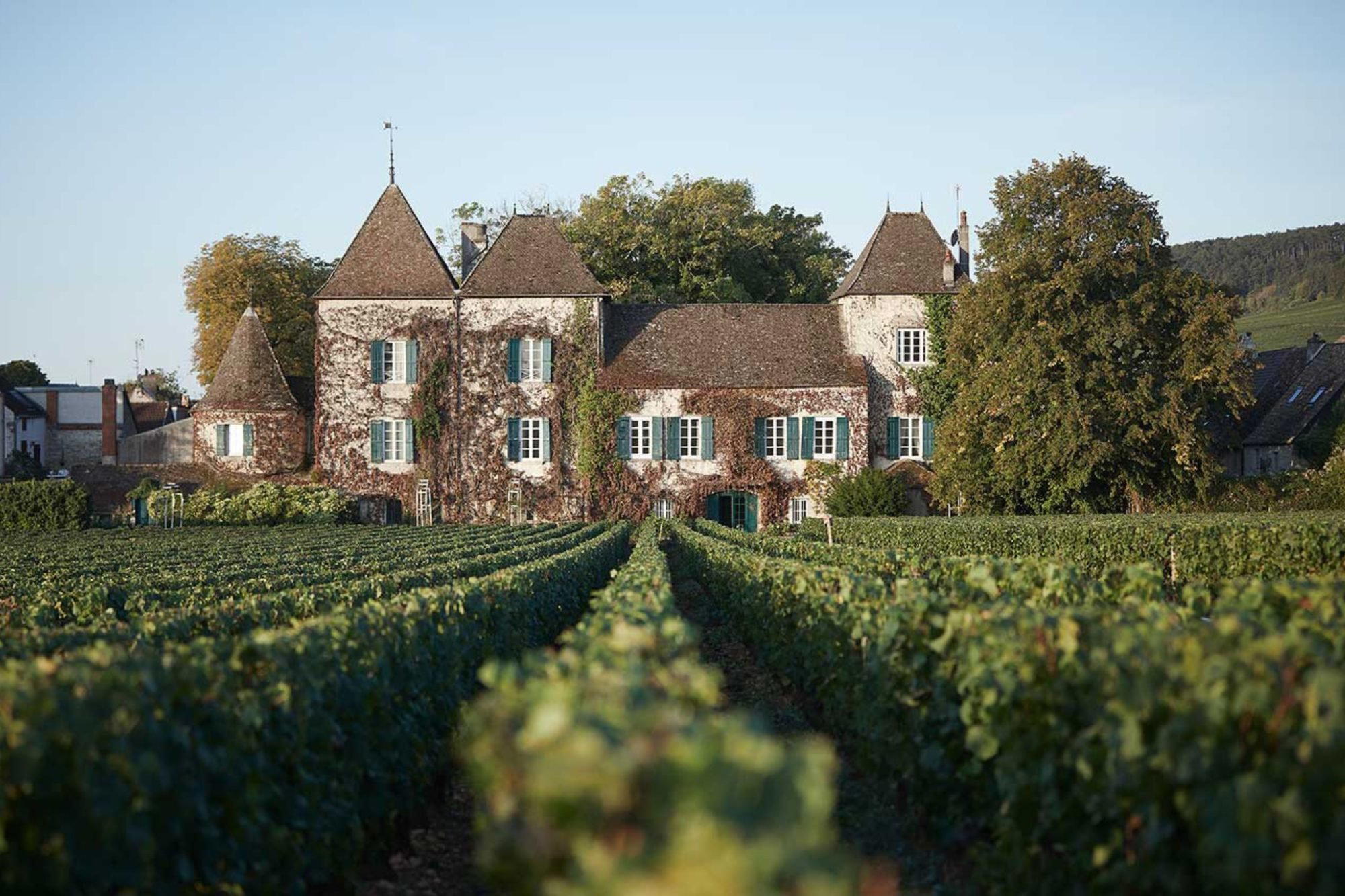
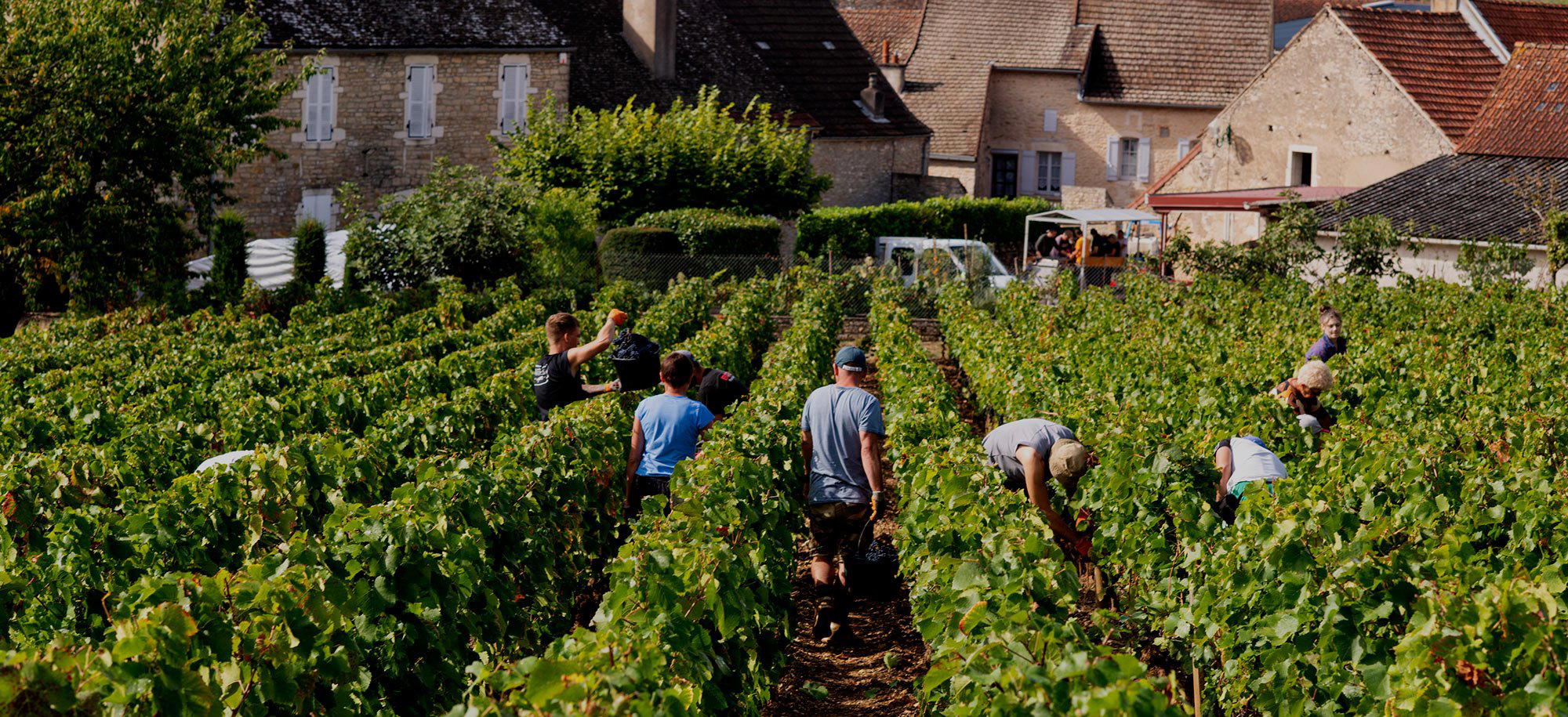
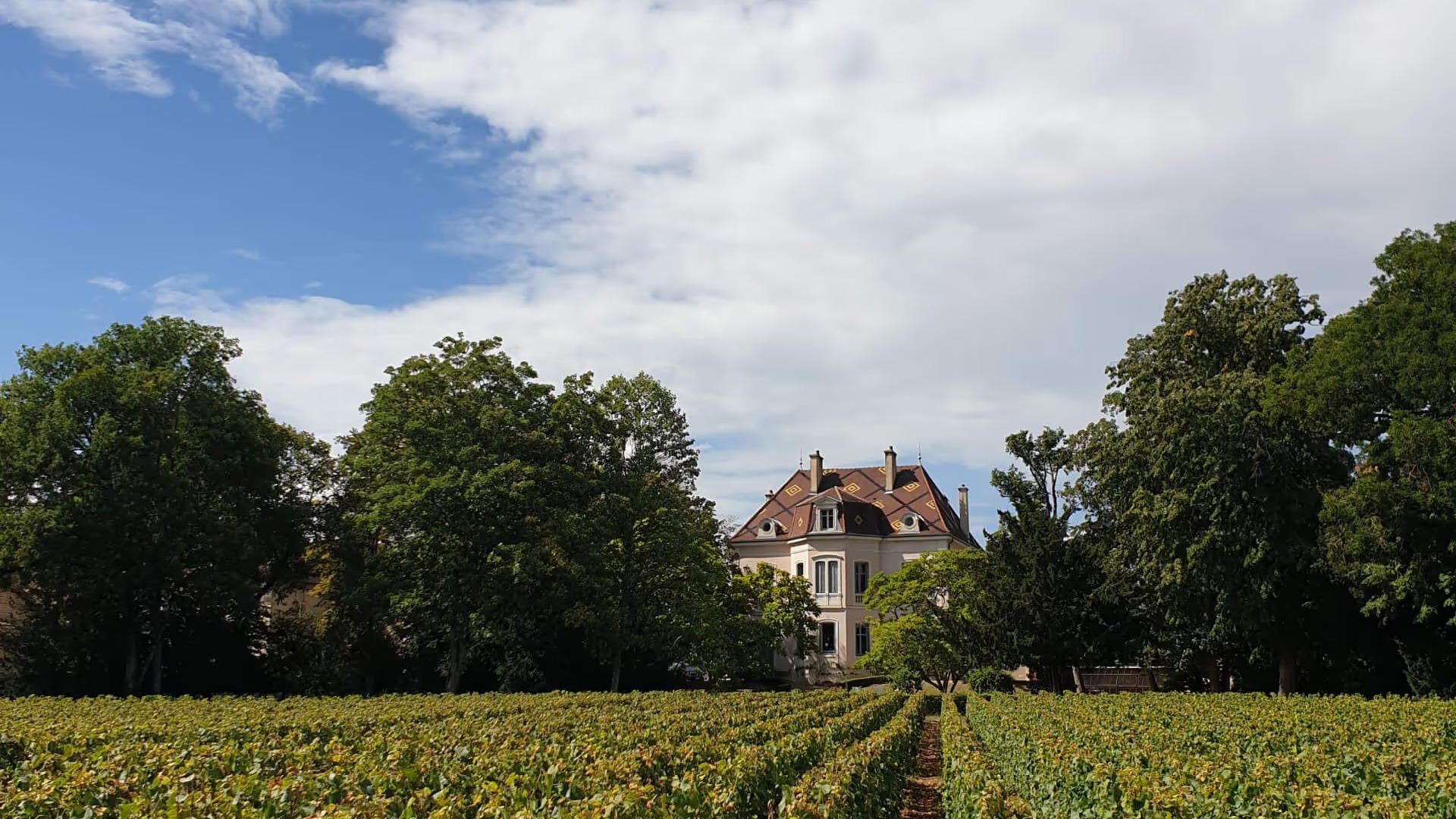
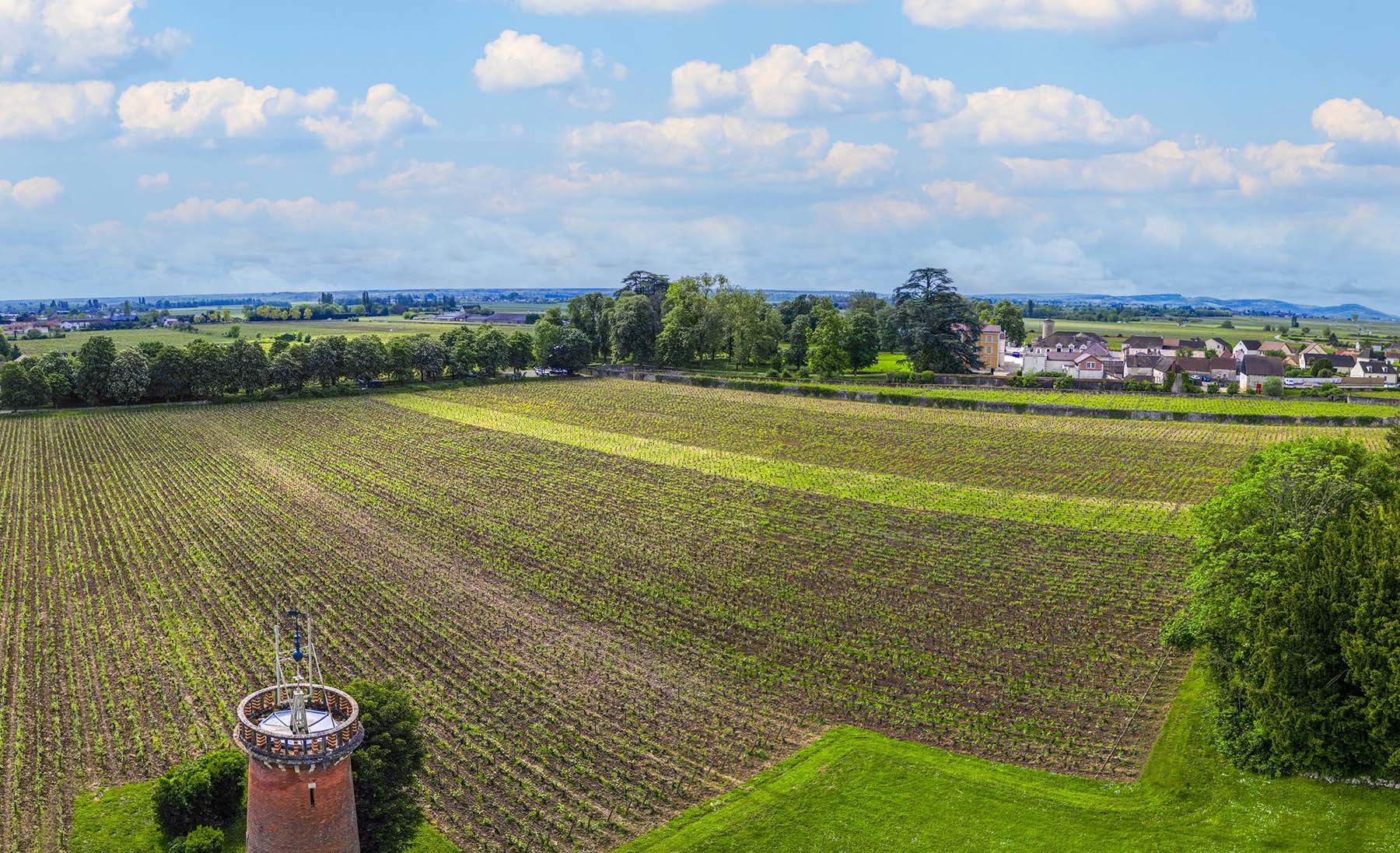
The Burgundian countryside south of Beaune operates on a different register from the region's celebrated wine villages. Here, between the Côte Chalonnaise and the broader Saône-et-Loire plateau, the dining proposition is not built around cellar prestige or a chef's urban reputation but around land. Domaine de Rymska, set within a château estate in the village of Saint-Jean-de-Trézy, belongs to a specific and growing category of French rural fine dining: properties where the farm is not a marketing concept but an operational reality, and where the kitchen's relationship with the surrounding terrain is direct and verifiable. It is recognized in the Michelin Guide, placing it within the broader ecosystem of noted French tables without claiming the starred tier occupied by three-star houses such as Alléno Paris au Pavillon Ledoyen or Mirazur in Menton. The Plate signals a kitchen cooking at a level of consistent quality and intention, without the full apparatus of a starred progression.
A Farm Estate as Context, Not Backdrop
The shift in French fine dining toward producer-led and estate-rooted formats has accelerated over the past decade. Where earlier generations of ambitious provincial cooking often looked to Paris or Lyon for stylistic direction, a younger cohort has oriented itself around local ecology and agricultural specificity. Domaine de Rymska fits within that movement. The farm experience is not peripheral to the dining offer; it is listed among the property's core highlights alongside the Burgundian countryside itself and the farm-to-table programme. That sequence matters: at estates where the farm is genuinely integrated, the sourcing is not a chef's procurement preference but a structural feature of how the property operates. Guests approaching the address on the Rue du Château de La Fosse arrive at something closer to an agricultural estate that happens to feed people well than a restaurant that has acquired a garden for atmosphere. This is a meaningful distinction, particularly for travellers comparing rural France's more theatrically designed countryside tables with addresses that have a longer, more embedded relationship with the land they sit on.
For reference and contrast, estates and regional houses operating in similarly grounded traditions elsewhere in France include Bras in Laguiole, which has built its entire identity around the Aubrac plateau, and Troisgros in Ouches, where relocation to the countryside was itself an editorial statement about the relationship between kitchen and terroir. Domaine de Rymska operates at a different price tier and recognition level than those houses, but the underlying positioning logic is comparable.
Chef Derek Hanson and the Shape of Modern Rural Cuisine
The editorial angle most relevant to understanding what the restaurant represents is the kind of chef drawn to a working farm property in southern Burgundy and what that choice implies about the cooking. Chef Derek Hanson leads the kitchen here, and the placement of a named chef at a Michelin Plate-recognised farm estate in this region fits a legible pattern in contemporary French gastronomy: trained cooks who have absorbed classical or contemporary fine dining technique and then applied it in a setting where the ingredient supply is immediate and the audience is partly estate visitors, partly destination diners.
That convergence, technique meeting direct sourcing within a rural property format, is what produces a cuisine type the Michelin inspectors have been noting with increasing frequency across provincial France. It is a different discipline from urban fine dining. The constraints are tighter in some respects: a farm-to-table programme means the kitchen's repertoire is shaped by what the estate produces in a given season, and the absence of a large metropolitan supply network requires the kind of improvisational skill that urban kitchens rarely need. The Michelin recognition indicates that the kitchen is meeting that challenge at a recognised standard. For context on the broader range of modern cuisine operating at high levels across France, it is worth examining what houses such as Flocons de Sel in Megève, Assiette Champenoise in Reims, or Au Crocodile in Strasbourg demonstrate about regional fine dining with serious Michelin credentials in France's non-Parisian cities and countryside.
Reaching Domaine de Rymska
The property sits at GPS coordinates 46.8395, 4.5737, accessible by car via the A6 autoroute. For those travelling without a car, the TGV station at Le Creusot-Montchanin is approximately 10 kilometres away, with a short onward transfer. Lyon-Saint Exupéry international airport, the nearest major air hub, is approximately 180 kilometres distant. The estate's pricing at the €€€ tier places it below the €€€€ level of three-star Paris houses and in the mid-range of serious French provincial fine dining, consistent with a Michelin Plate address in a rural setting. Booking ahead is advisable, particularly for visits during spring and autumn.
Comparable Venues
Comparable venues nearby, for context on price, style, and recognition.
| Venue | Cuisine | Price | Awards | Notes |
|---|---|---|---|---|
| Domaine de RymskaThis venue — the venue you are viewing | French Farm-to-Table Fine Dining | $$$$ | Michelin Plate | Not listed |
| Le Relais de Saulx | Modern French Bistro | $$$$ | Michelin Plate | Beaune town centre |
| L'Expression | Modern French Wood-Fired Bistro | $$$$ | Michelin Plate | centre-ville |
| Castel de Très Girard | Modern Burgundian Fine Dining | $$$$ | Michelin Plate | Morey-Saint-Denis |
| Celest | Modern French Fine Dining | $$$$ | Michelin Plate | Quartier Voltaire Part-Dieu |
| Le Restaurant 1451 | Modern French Terroir Fine Dining | $$$$ | Michelin Plate | Renaison |
Recognition history
Dated appearances from independent guides and award organizations, with the underlying list record or original source where available.
Michelin Plate
Michelin
Relais Chateaux Award
Relais Chateaux
Michelin Plate
Michelin
Relais Chateaux Award
Relais Chateaux
Michelin Plate
Michelin
Continue exploring
More in Saint-Jean-de-Trézy
Restaurants in Saint-Jean-de-Trézy
Browse all →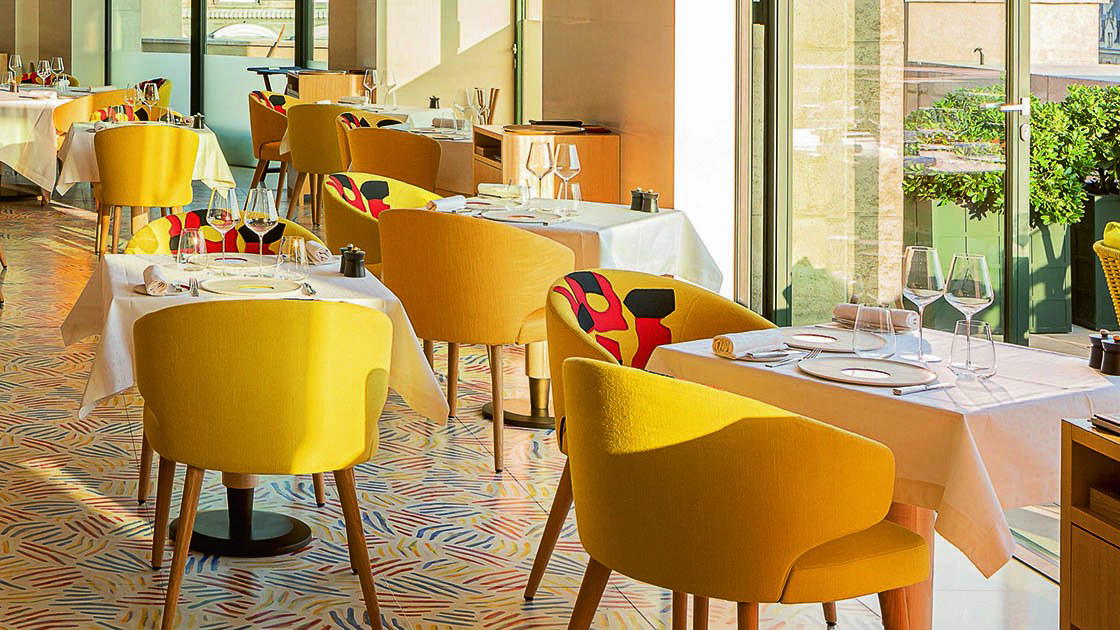
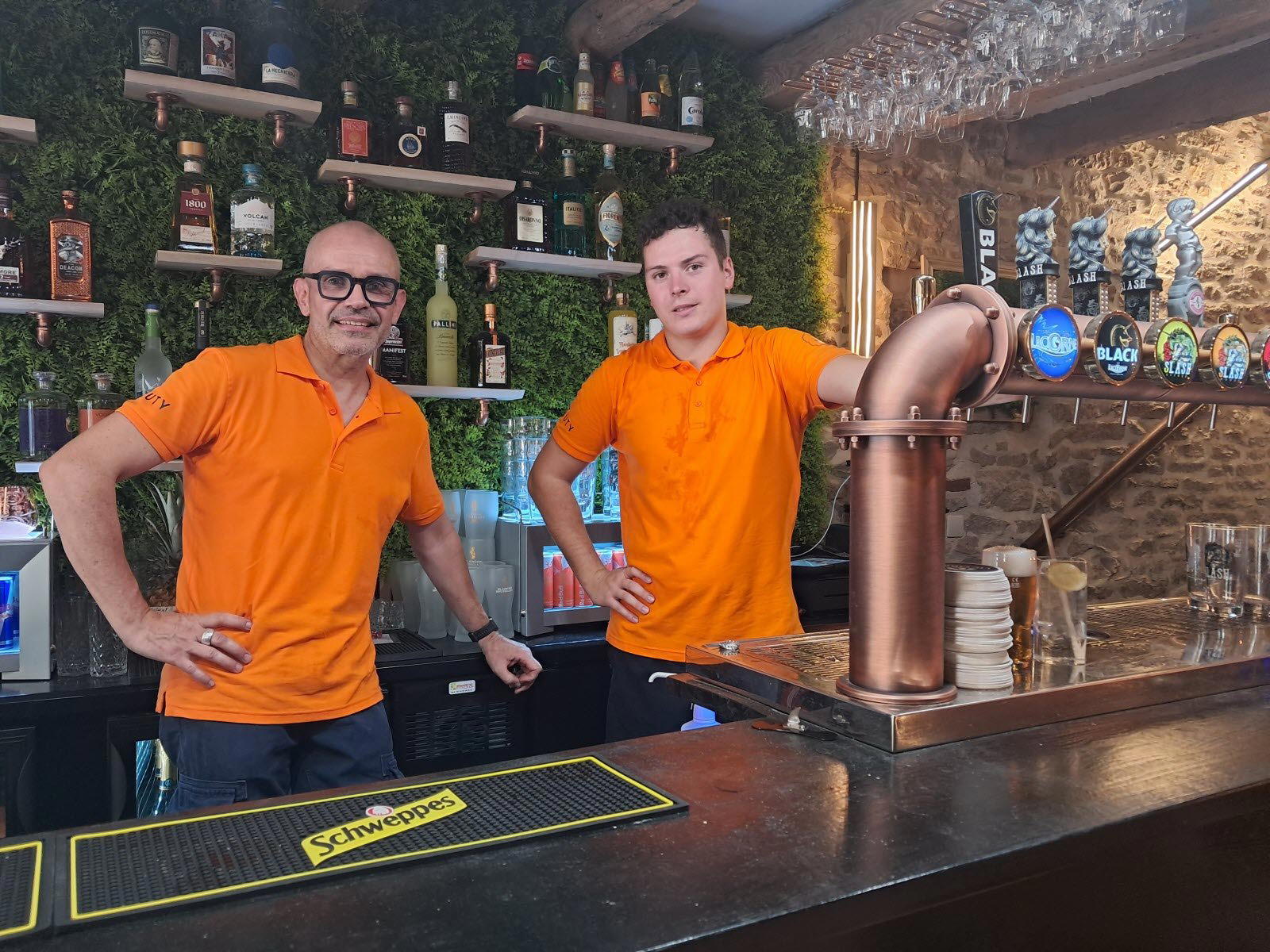
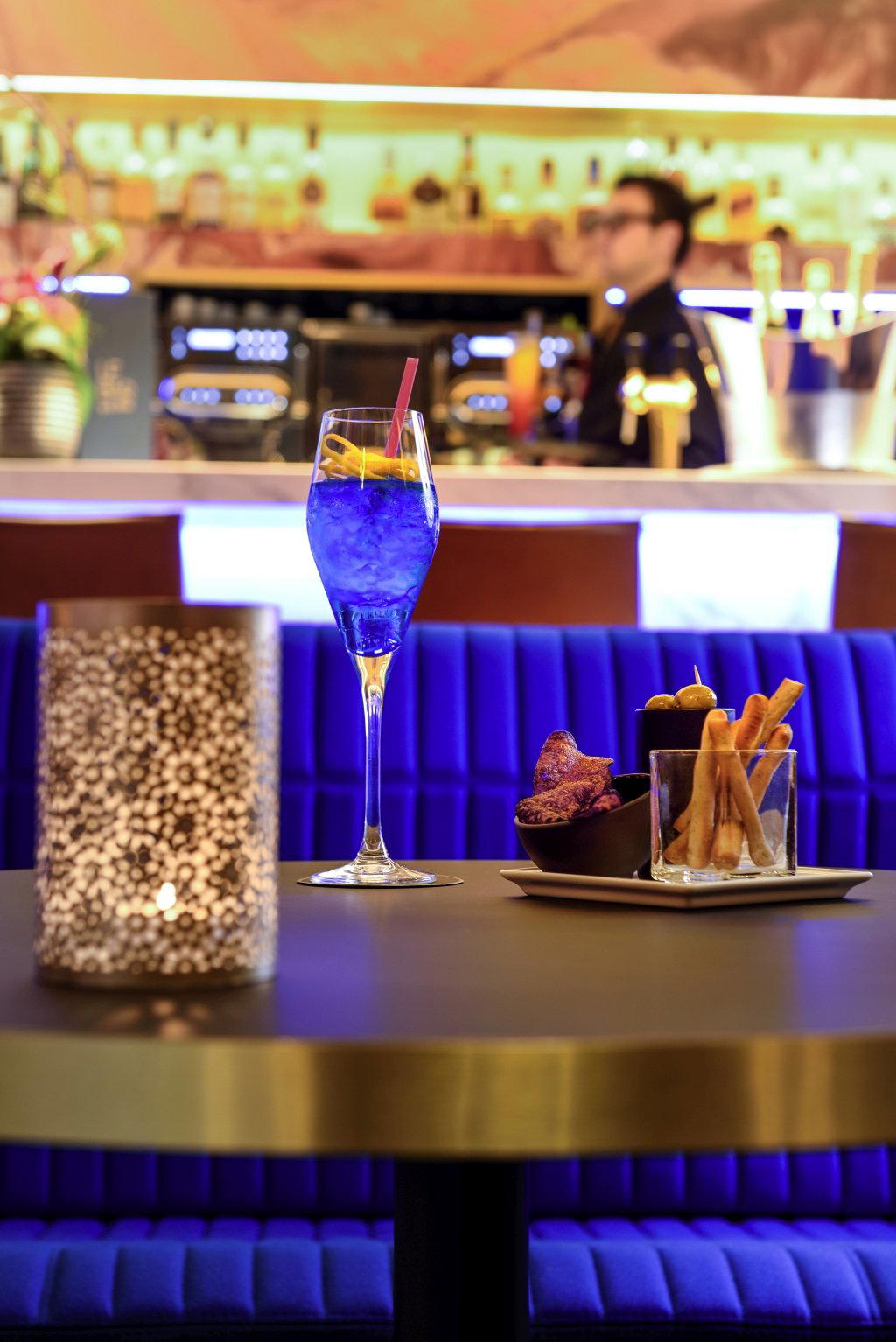
Bars in Saint-Jean-de-Trézy
Browse all →
Hotels in Saint-Jean-de-Trézy
Browse all →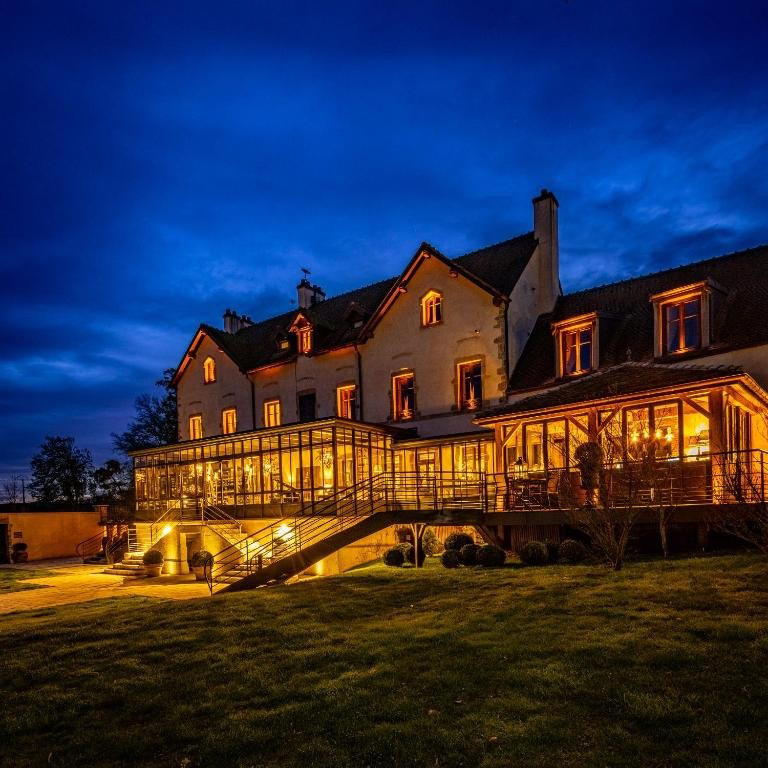
At a Glance
- Romantic
- Elegant
- Rustic
- Cozy
- Scenic
- Intimate
- Sophisticated
- Date Night
- Special Occasion
- Celebration
- Garden
- Terrace
- Historic Building
- Hotel Restaurant
- Extensive Wine List
- Farm To Table
- Local Sourcing
- Garden
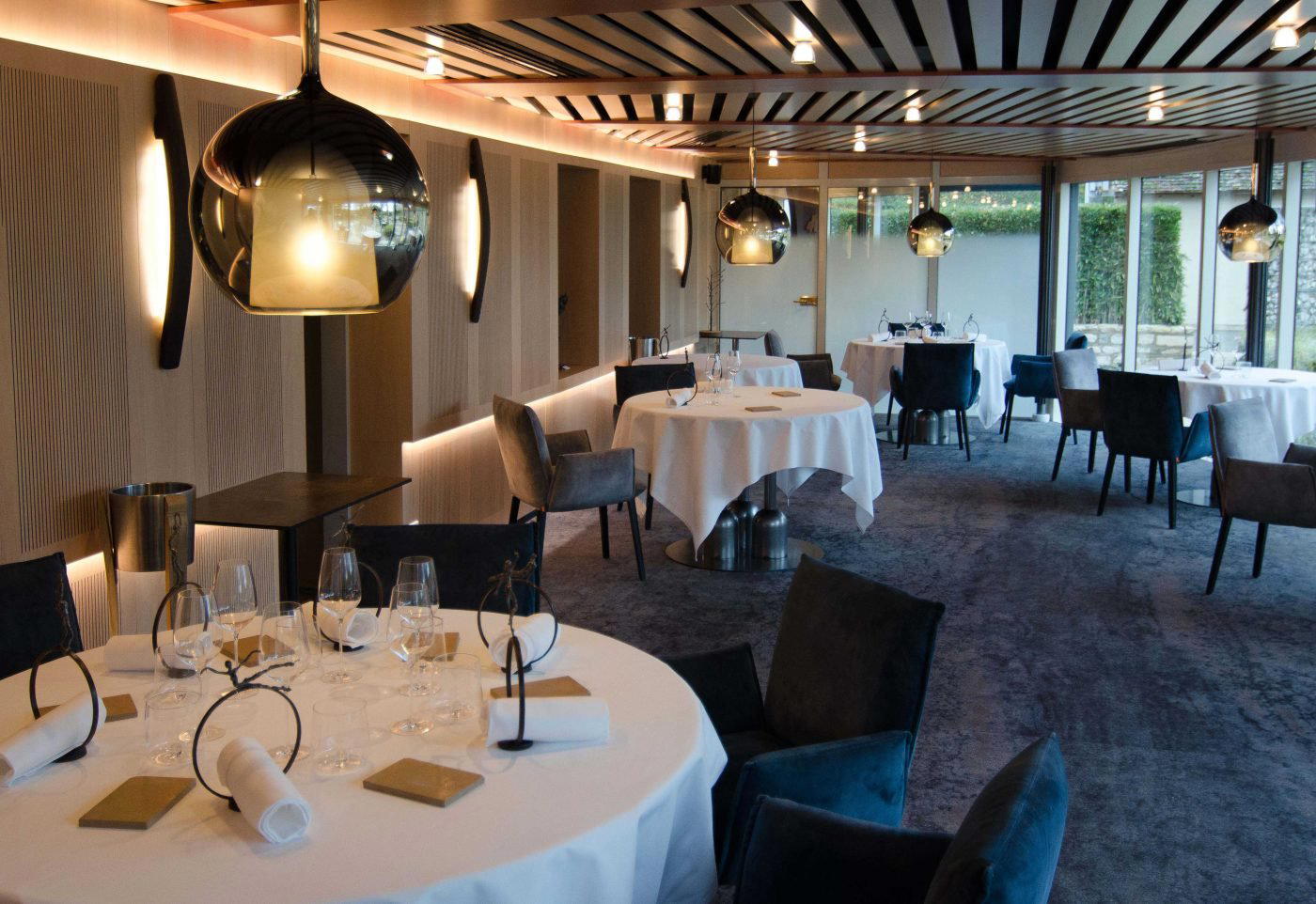
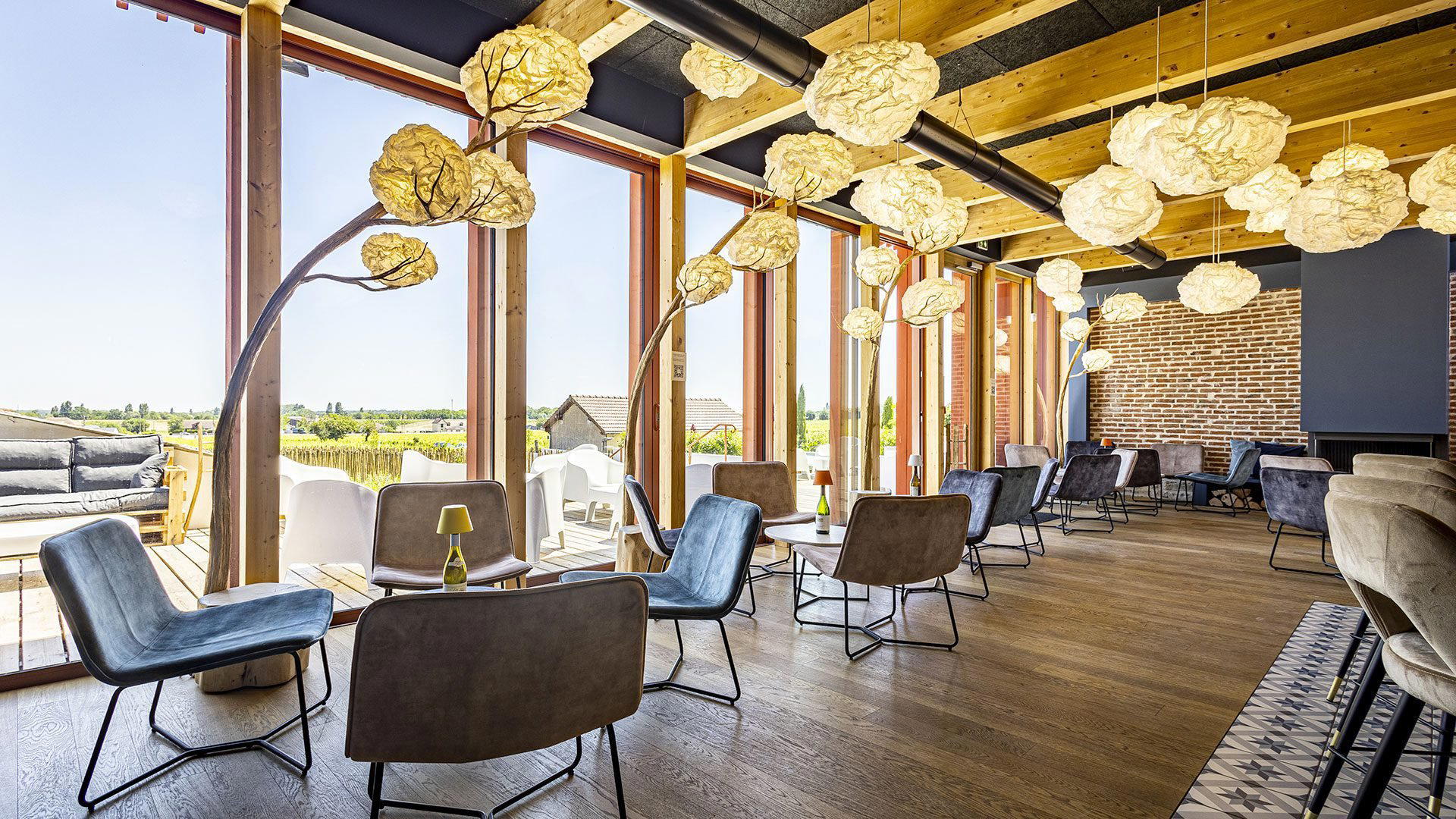
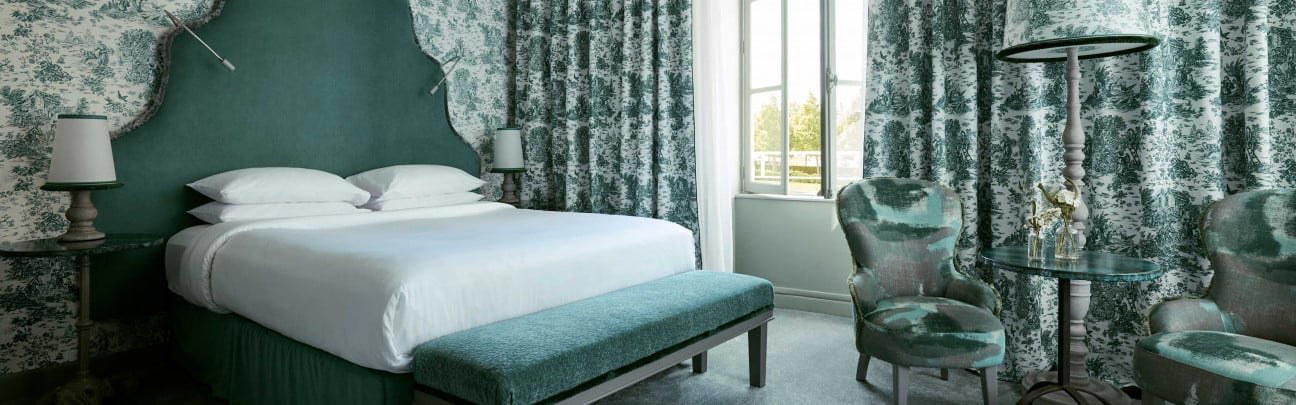
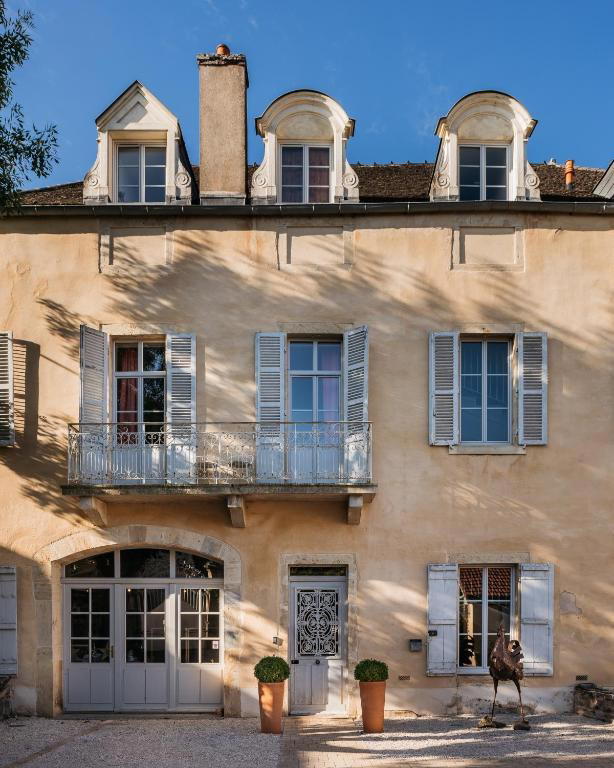
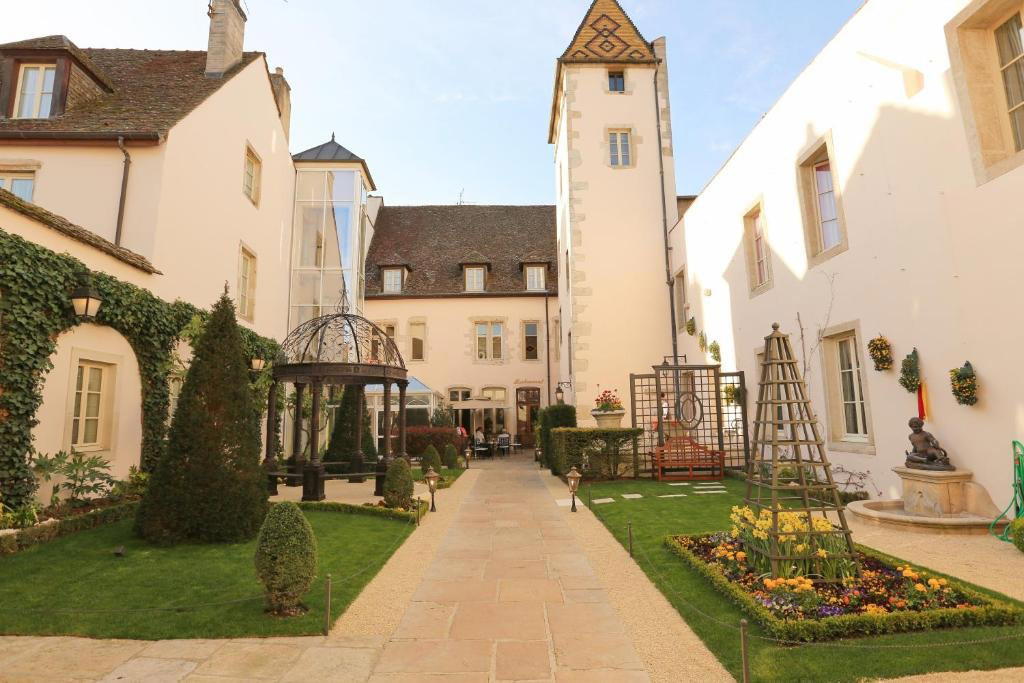
Warm and cozy with exposed stone walls, wooden beams, open fireplace, and terrace overlooking aromatic plants and gardens.