Deanston
Deanston distillery sits in a converted cotton mill on the River Teith in Perthshire. The site draws visitors seeking single malt Scotch whisky shaped by its Highland water source and unhurried production approach. It occupies a distinct position among Scottish distilleries that prioritise character over output volume.
Pearl is the En Primeur Club membership app — saves, bookings, and concierge access live there. Same editors, same standards.
- Address
- Near Doune, Perthshire, FK16 6AG
- Website
- deanstonmalt.com
- Directions
- Get directions
 Saves & bookings on Pearl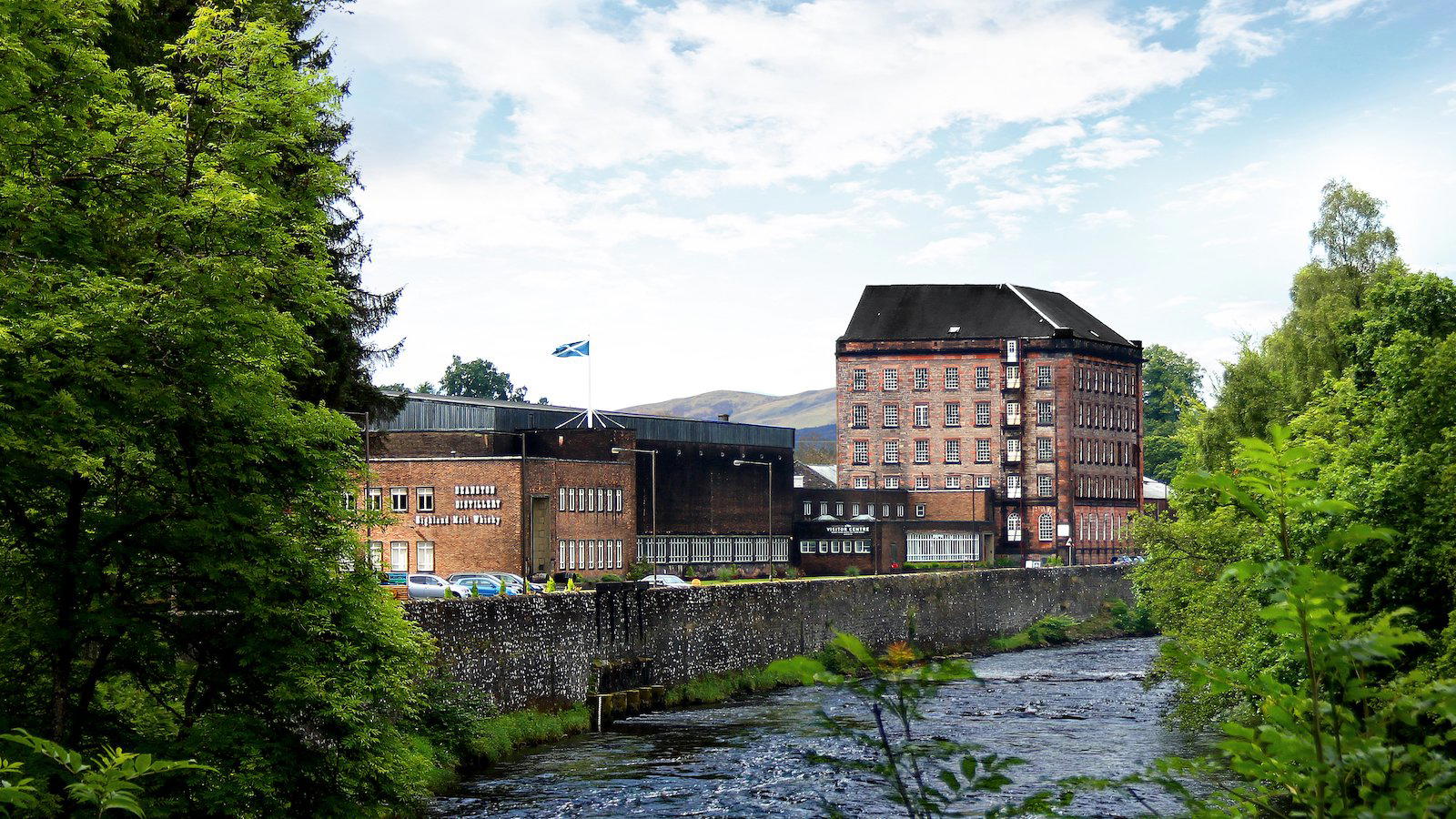
A Cotton Mill on the Teith, Now Running on Highland Water
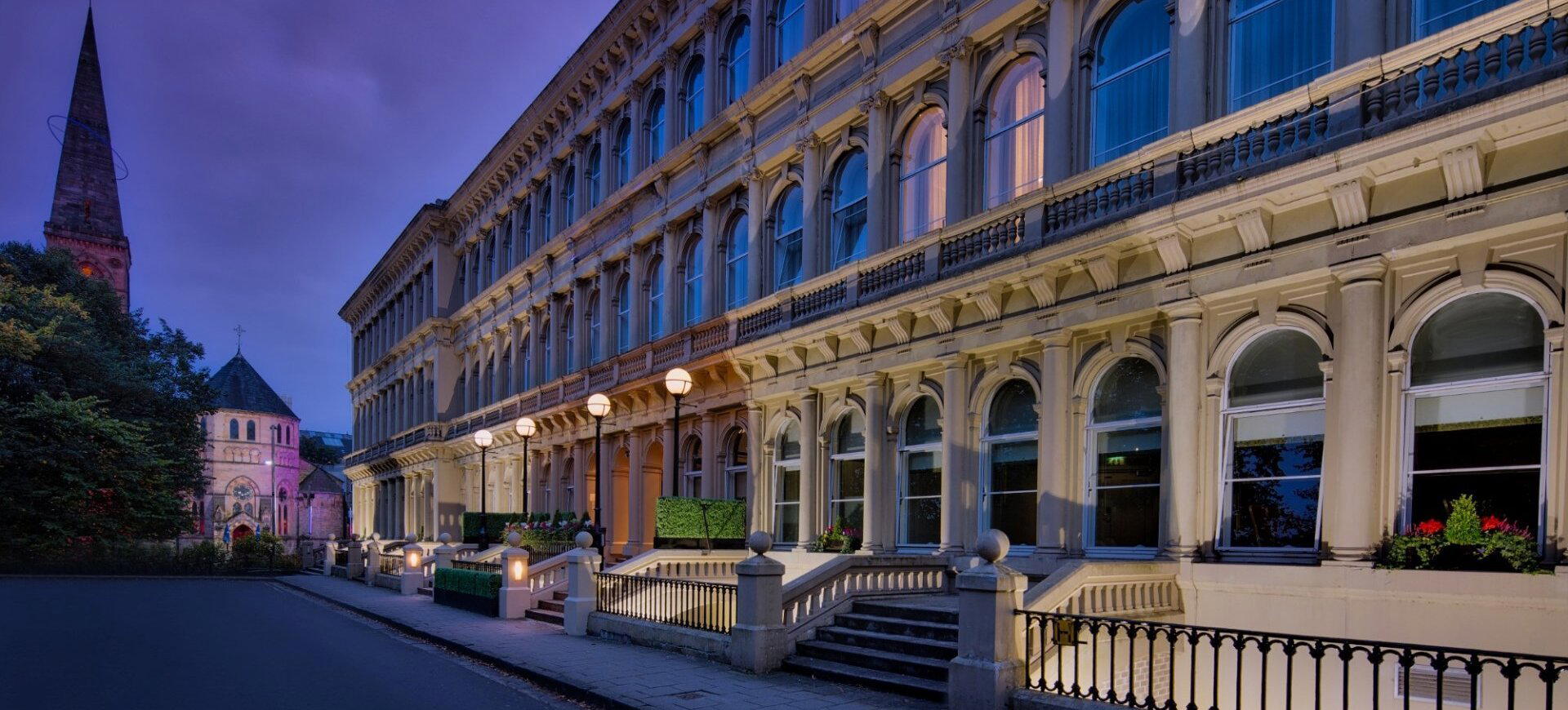
The River Teith moves quickly through the lowland fringe of the Scottish Highlands before it reaches the old cotton mill at Deanston, near Doune in Perthshire. The building itself, a late eighteenth-century industrial structure, carries weight in the way that repurposed functional architecture tends to: thick stone walls, vaulted ceilings designed for looms, and a relationship with the river that was always about power before it was about whisky. That water still does the work here, supplying the distillery and generating hydroelectric energy from the Teith's flow. The physical setting is not incidental. It shapes the conditions under which spirit is made and aged, and it places Deanston in a particular Scottish whisky tradition, one where environment and infrastructure are as much part of the product as grain or yeast.
For visitors arriving from Stirling or Perth, the mill sits roughly two miles from Doune along a single-track road that follows the river. There is no dramatic approach through branded gates or manicured grounds. The building announces itself as what it was and what it remains: a working site that has simply changed its output.
Where Deanston Sits in the Scottish Distillery Map
Scotland's whisky producing regions carry distinct reputations, and Deanston occupies a position that complicates easy categorisation. Geographically it falls at the southern edge of Highland whisky territory, close to the Highland Line, which means its character sits between the lighter lowland style and the fuller, sometimes richer profiles associated with central Highland distilleries.
That peer context matters. Distilleries across Scotland have been drawing sharper distinctions between high-volume blending operations and character-led single malt producers. Deanston belongs firmly in the latter group. For comparative context, other Scottish producers earning similar recognition include Aberlour in Aberlour, Balblair Distillery in Edderton, and Clynelish Distillery in Brora, each of which expresses a distinct regional character while operating at a scale and with an ethos that prioritises the spirit itself over marketing volume. Cardhu in Knockando and Glen Garioch Distillery in Oldmeldrum similarly represent this strand of Scottish production, where place legibility in the glass remains the organising principle.
Terroir in a Whisky Context: Water, Stone, and Air
Whisky producers resist the word terroir less than they once did. The concept, borrowed from wine, describes how geography, climate, and material environment leave traces in what ends up in the bottle. For Deanston, the argument has a practical foundation. The Teith drains a catchment that runs from the Highland watershed, carrying soft, low-mineral water that reaches the distillery without significant filtration intervention. Soft water has a specific effect in mashing and fermentation: it tends to allow the grain character to come through more cleanly, without the mineral interference that harder water sources introduce.
The warehouse environment matters too. Deanston's stone warehouses, housed in part within the original mill building, maintain temperatures that shift slowly with the seasons. The thick walls act as thermal regulators. Wood maturation is always a conversation between the spirit and its environment, and the cool, consistent conditions of a Perthshire mill create different extraction rates and oxidation dynamics than the warmer, more variable warehouses found at coastal or island distilleries. This is not theoretical. It is one reason why the house character at Deanston is described, across multiple reference sources, as clean, honeyed, and with a grassy, organic quality that points back to the unpeated barley and the slow, cool maturation environment.
Distilleries that prioritise terroir expression in this way include Ardnahoe in Port Askaig on Islay, where the Atlantic air and peat-saturated landscape enter the conversation, and Dornoch Distillery in Dornoch, which has drawn attention for its environmental and agricultural intentionality. Each represents a different geographic argument about place in whisky.
The Organic Dimension
Deanston has been recognised as an organic distillery, using organically grown barley in its production. In a Scottish whisky context this remains relatively uncommon. The majority of distilleries source from the commodity barley market, where agricultural practices are standardised and the grain is interchangeable. Organic sourcing introduces a different set of material conditions: specific varieties, specific farming regimes, and a supply chain that is more constrained and traceable. Whether that translates directly into a sensory difference in the glass is a question the industry debates, but as a production commitment it positions Deanston within a small cohort of Scottish producers for whom agricultural provenance is part of the product identity.
That cohort is growing slowly. InchDairnie Distillery in Glenrothes has been among the producers exploring grain provenance with similar seriousness, and Dunphail Distillery in Dunphail represents a newer generation of Scottish producers building an agricultural identity from the ground up. The broader pattern across Scottish whisky suggests that provenance transparency will become a more significant differentiator over the next decade.
Visiting Deanston: What the Site Offers
Deanston operates as an open distillery with visitor facilities, though visitors should check directly with the site for current touring schedules and access details before travelling. The mill building itself is worth visiting as architecture independent of the whisky. The vaulted malt floors, where barley was once dried and turned, are among the most visually distinctive spaces in Scottish distilling, and the scale of the industrial conversion gives the site a gravity that purpose-built distillery visitor centres rarely achieve.
Perthshire positions the distillery within easy reach of Stirling, roughly twelve miles to the south, and Perth to the east. For travellers building a Scottish distillery itinerary, Deanston pairs well with a western leg that might include Auchentoshan Distillery in Clydebank or, further south, Bladnoch Distillery in Bladnoch and Glen Scotia in Campbeltown, both of which represent Scotland's lowland and Campbeltown traditions respectively. For a complete picture of Scottish regional variation, see our full Deanston restaurants and experiences guide.
Continue exploring
More in Deanston
Wineries in Deanston
Browse all →
Bars in Deanston
Browse all →
Restaurants in Deanston
Browse all →
At a Glance
- Rustic
- Historic
- Scenic
- Wine Education
- Solo Exploration
- Historic Building
- Barrel Room
- Organic
- Highland
- Warehouse Tasting
Current opening hours
- Monday
- 10 AM–5 PM
- Tuesday
- 10 AM–5 PM
- Wednesday
- 10 AM–5 PM
- Thursday
- 10 AM–5 PM
- Friday
- 10 AM–5 PM
- Saturday
- 10 AM–5 PM
- Sunday
- 10 AM–5 PM
Hours can change for holidays and private events. Last verified .
Historic industrial setting with cool, even temperatures in former weaving rooms, offering a distinctive and atmospheric visitor experience.
Know Before You Go
- Getting there
- Near Doune, Perthshire, FK16 6AG