The Grandtully Hotel by Ballintaggart

1 Michelin Key · Mr & Mrs Smith Seal of Approval
An eight-room food-focused hotel in the Perthshire countryside, The Grandtully Hotel by Ballintaggart operates as the sister property to nearby Ballintaggart Farm. The rooms read as locally rooted without falling into tartan cliché, and the restaurant draws its menu from farmed and foraged ingredients at close range. Pricing is available on request.

Pearl is the En Primeur Club membership app — saves, bookings, and concierge access live there. Same editors, same standards.
- Address
- Grandtully, Strathtay, Pitlochry PH9 0PL
- Phone
- +44 1887 447000
- Website
- ballintaggart.com
- Directions
- Get directions
A Perthshire Template for Food-Led Rural Hospitality
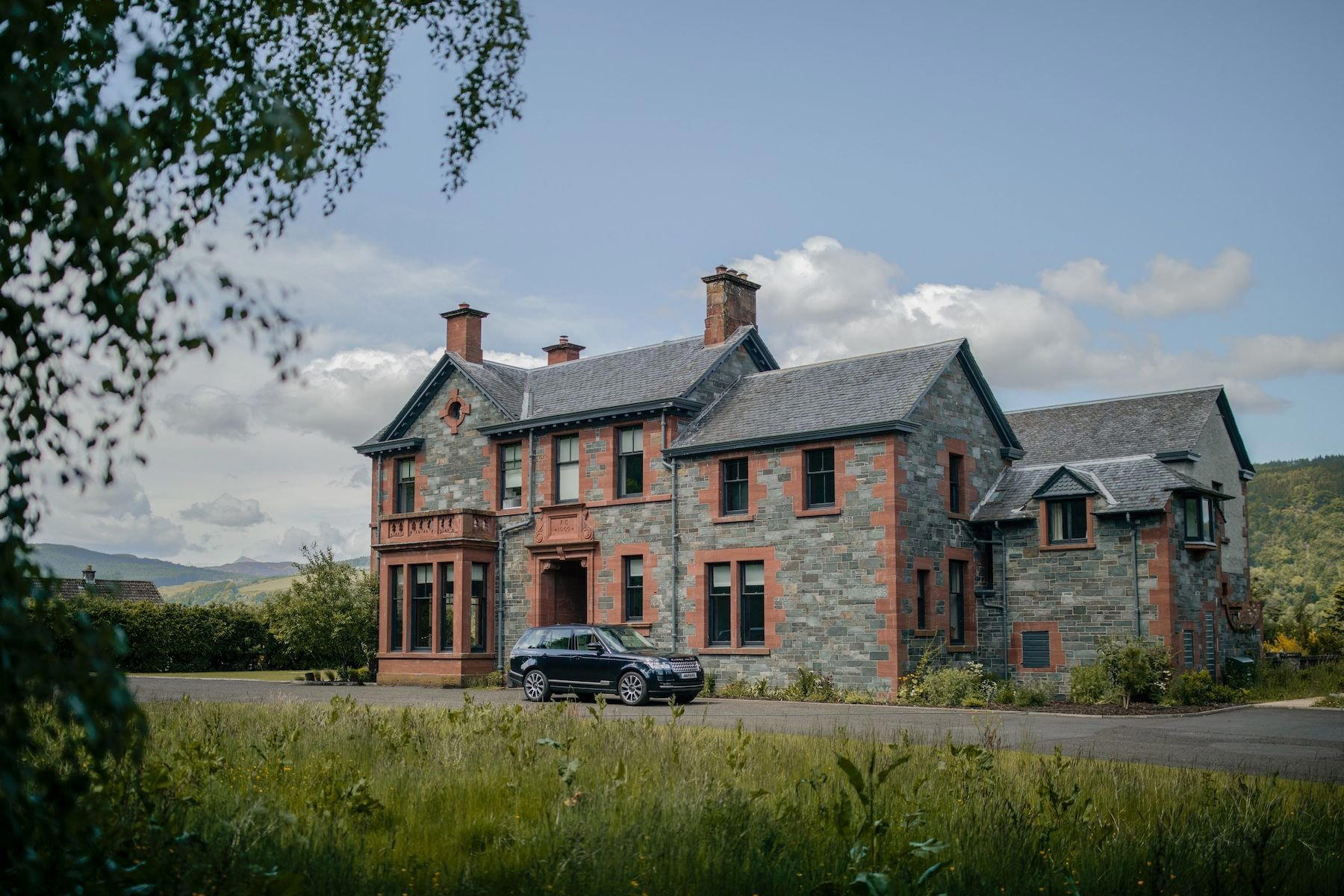
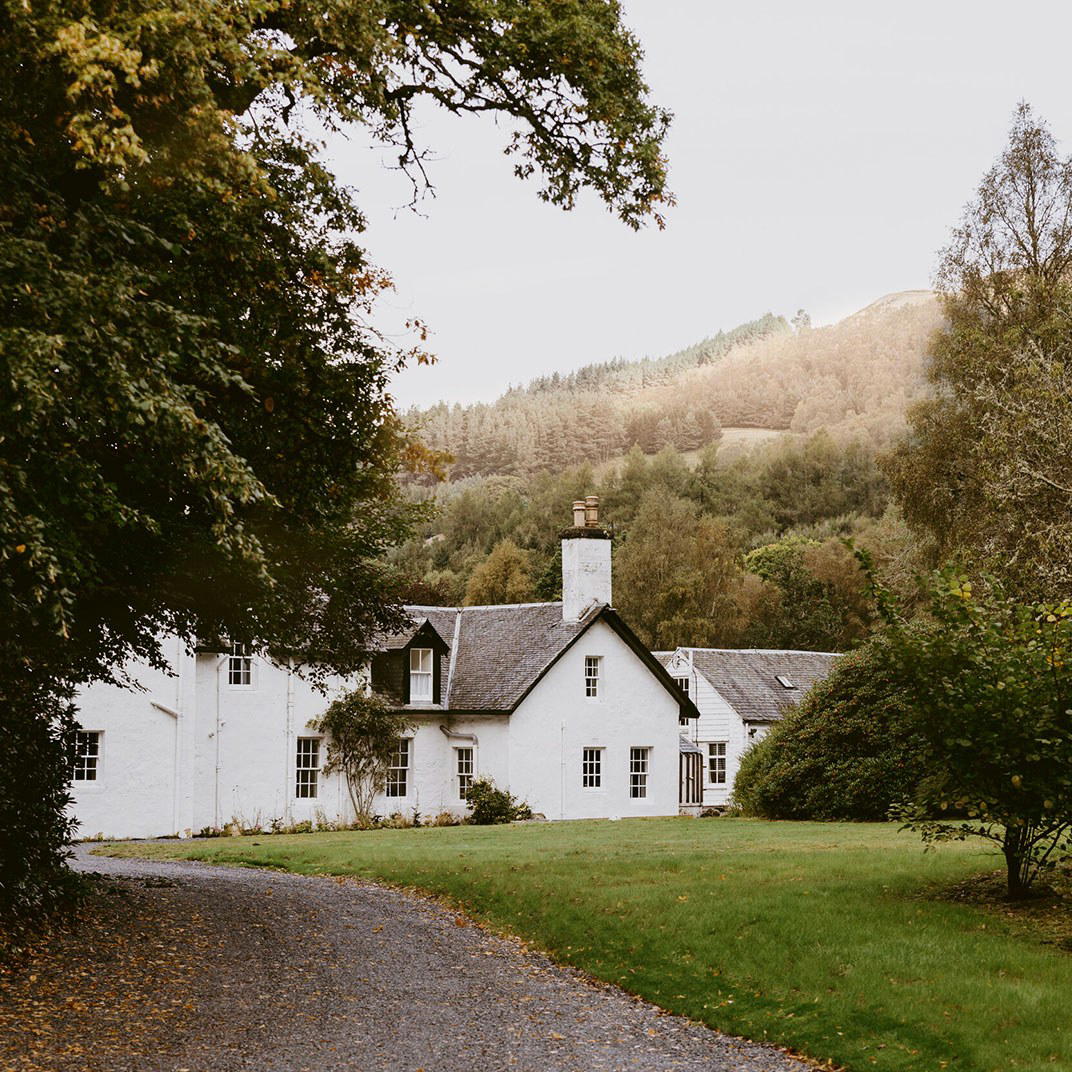
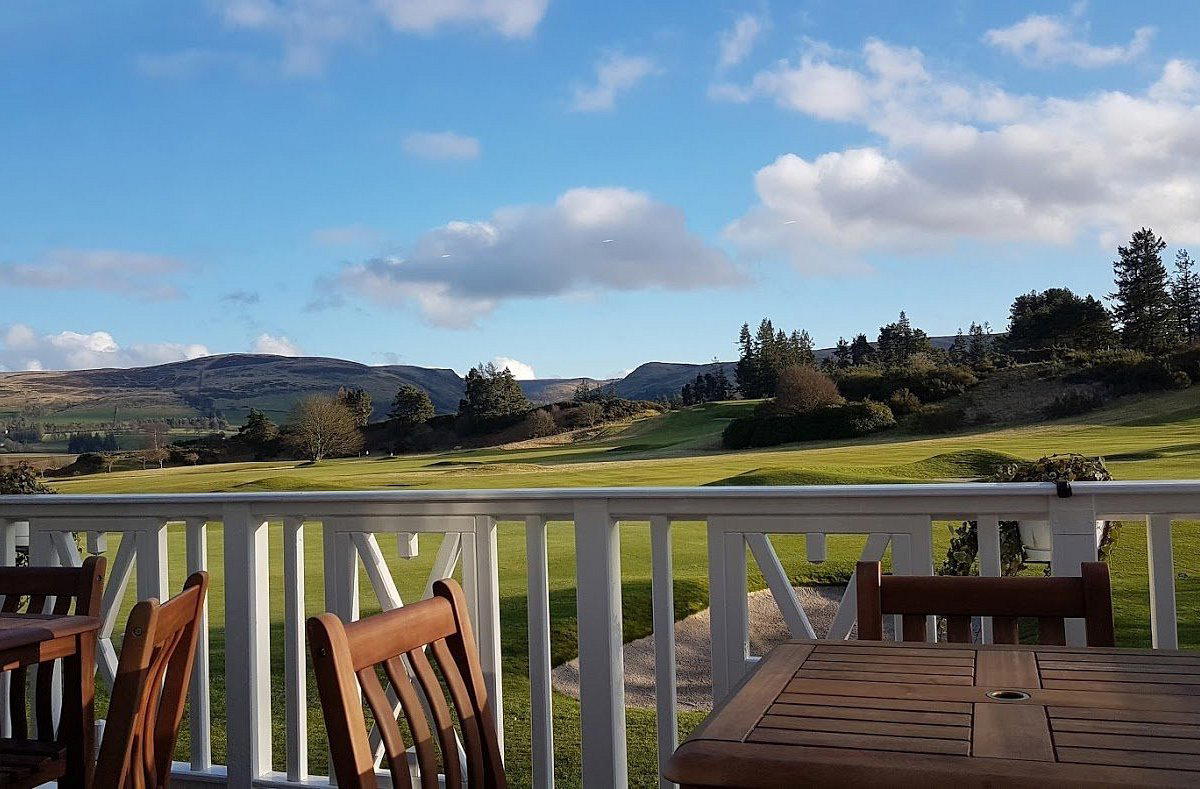
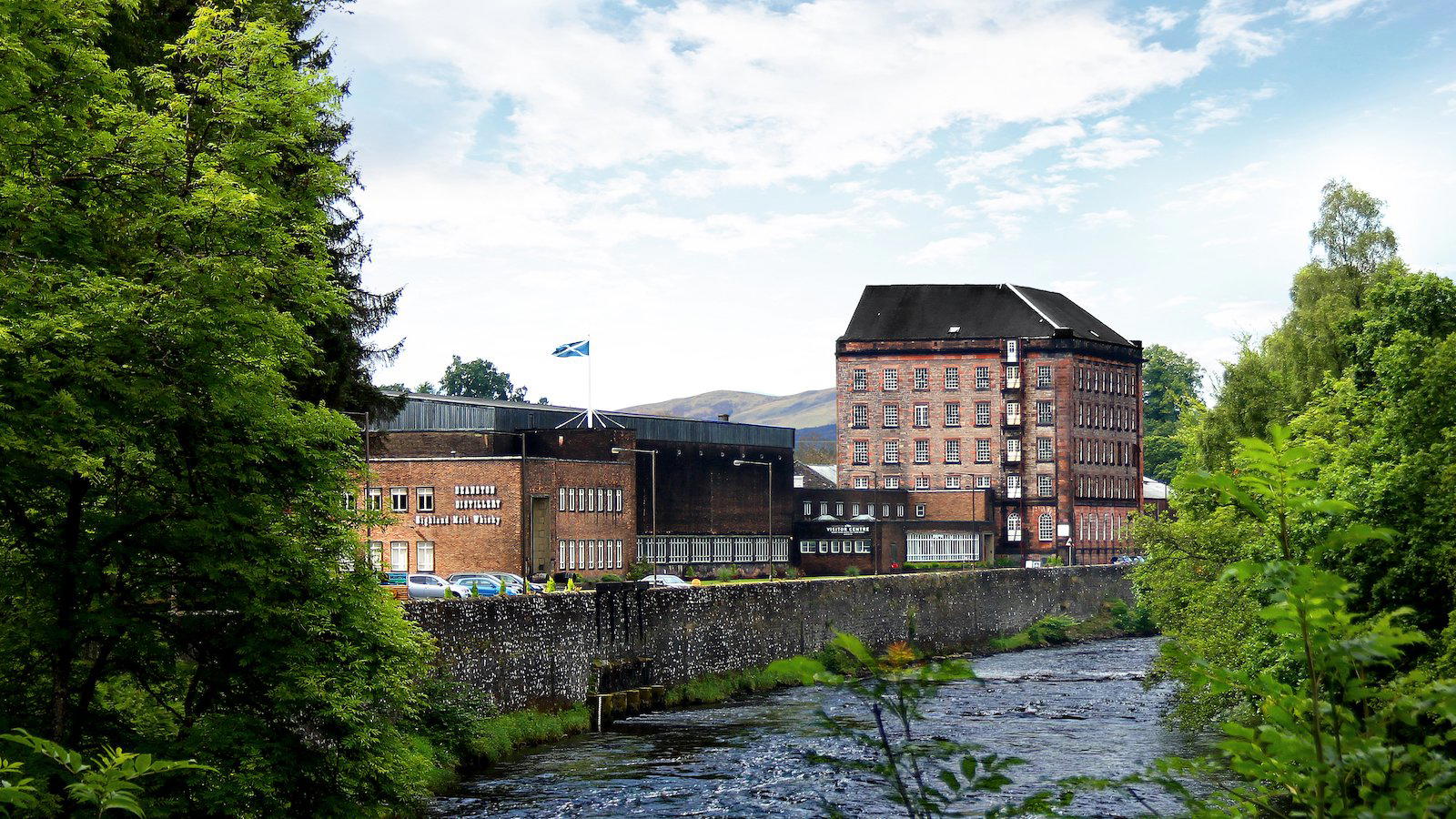
The road into Grandtully, along the River Tay through Strathtay, establishes something before you arrive: this is not a village engineered for tourism. The Perthshire countryside here is working farmland and river corridor, the kind of place where the landscape earns its keep. That context matters when assessing what the Grandtully Hotel by Ballintaggart is trying to do, because the property positions itself not as a retreat from the surrounding countryside but as a deliberate extension of it. Eight rooms, a farm connection, and a kitchen drawing ingredients from a short radius — the model is closer to the Italian agriturismo tradition than it is to the conventional Scottish country house hotel.
That distinction is increasingly relevant in British rural hospitality. Properties like The Newt in Somerset and Lime Wood in Lyndhurst have demonstrated that the farm-to-table estate model can hold its own against conventional luxury formats, provided the connection between land and plate is genuine rather than decorative. At Grandtully, the sister relationship with Ballintaggart Farm supplies that grounding — the hotel and the farm are not separate businesses sharing a logo, but operationally linked properties whose menus reflect what is actually being grown and foraged in the surrounding area.
The Design Logic: Local Without the Cliché
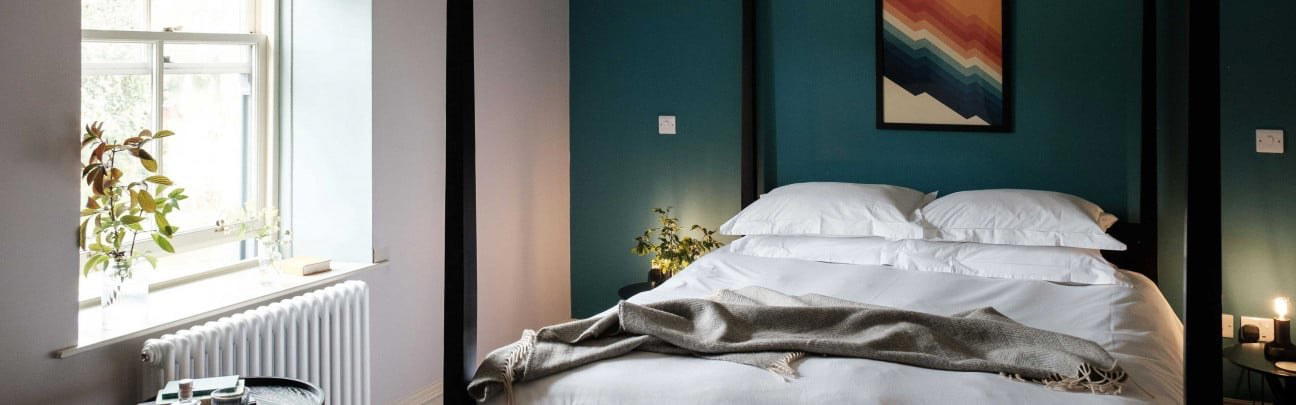
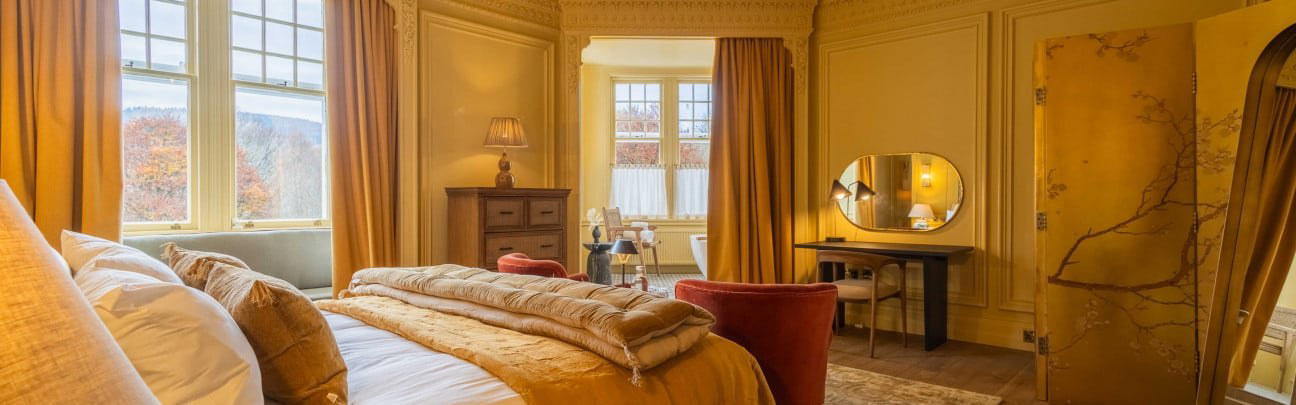
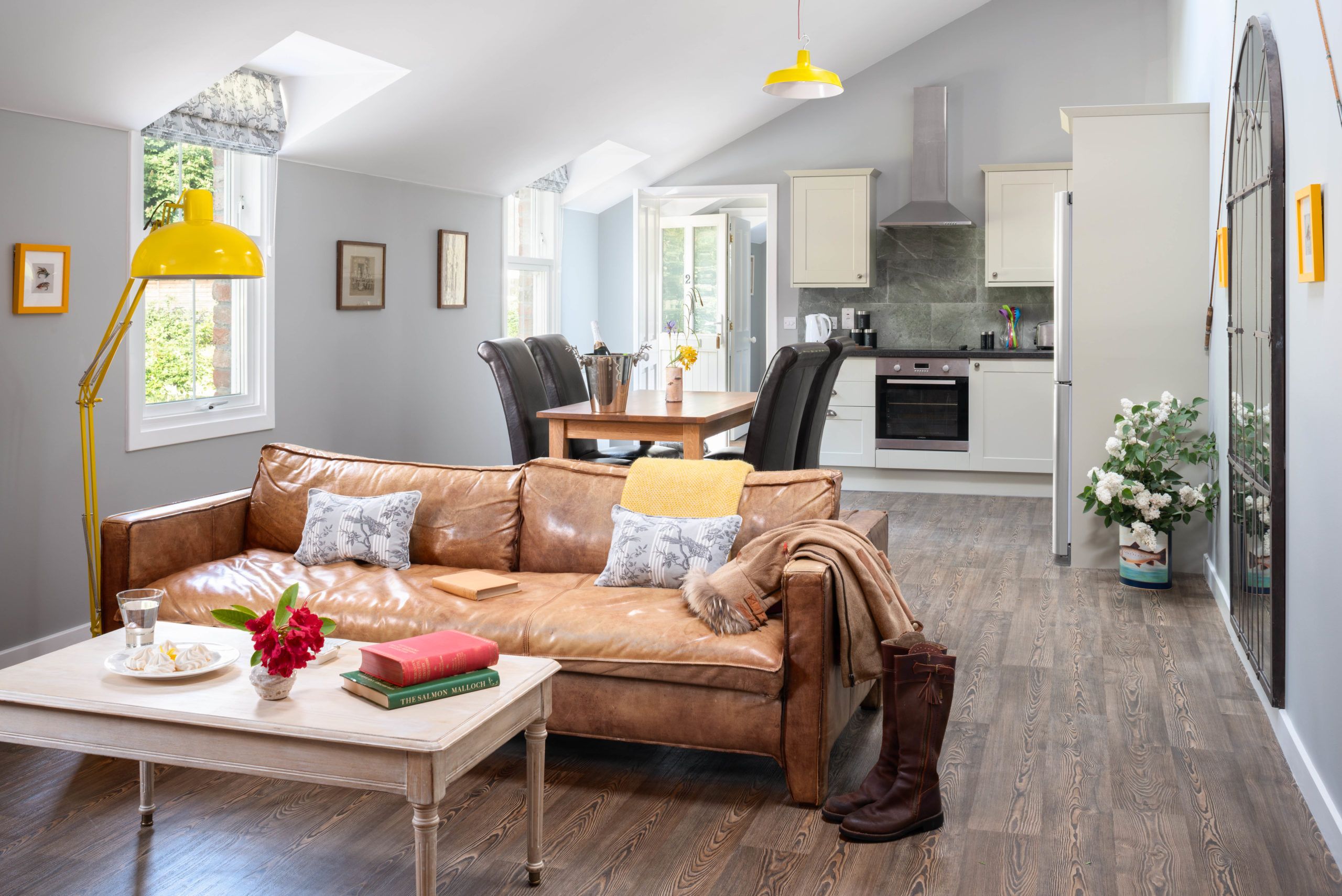
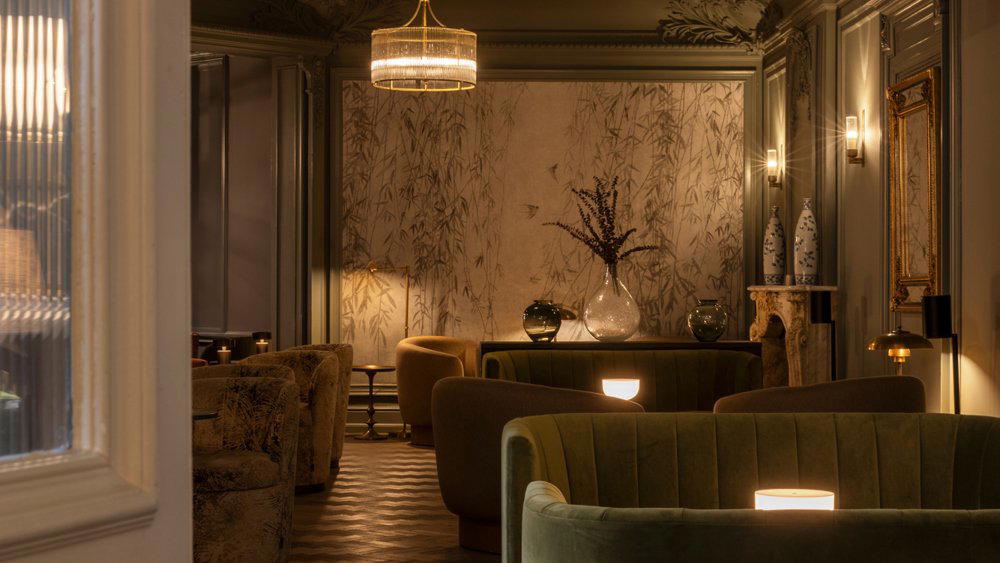
Small Scottish hotels occupy a wide spectrum. At one end, the full Highland kitsch treatment: tartan carpets, stag heads, reproduction antique furniture. At the other, a strand of properties that have absorbed contemporary design thinking while remaining genuinely rooted in their place. The Grandtully Hotel by Ballintaggart sits in the latter category. Its eight rooms are described as locally rooted and stylish while deliberately avoiding kitsch, a curatorial decision that requires more editorial discipline than it might appear. The temptation in a Perthshire setting to lean on shorthand signifiers of Scottishness is considerable, and the restraint with which the hotel navigates that temptation gives the rooms a specificity that outlasts novelty.
This approach has precedents in Scottish rural hospitality. Monachyle Mhor Hotel in Stirling operates on similar principles, design-conscious, food-led, small in scale. Langass Lodge in the Outer Hebrides pursues comparable local-rootedness in a more remote register. What connects these properties is a refusal to treat Scottish rural setting as purely aesthetic backdrop, instead treating place as operational context: what grows here, what the land produces, what the water contains. With only eight rooms, the Grandtully Hotel operates at a scale where that philosophy can be applied consistently across every guest interaction rather than diluted across a larger footprint. For further Scottish rural options nearby, Dun Aluinn in Aberfeldy is worth considering as a reference point in the same general area.
The Restaurant and Bar: Proximity as Programme
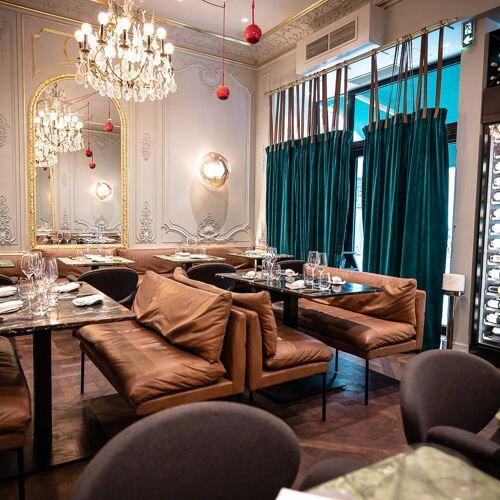
In the growing category of food-focused country hotels, the quality signal most worth examining is not the menu description but the supply chain behind it. Ultra-local sourcing from a sister farm is a structural commitment, not a marketing claim, it constrains the kitchen in ways that wholesale buying does not, and those constraints tend to produce more honest cooking. The Grandtully Hotel's restaurant operates within those constraints, with Ballintaggart Farm providing the ingredient foundation and foraged additions extending the local brief further.
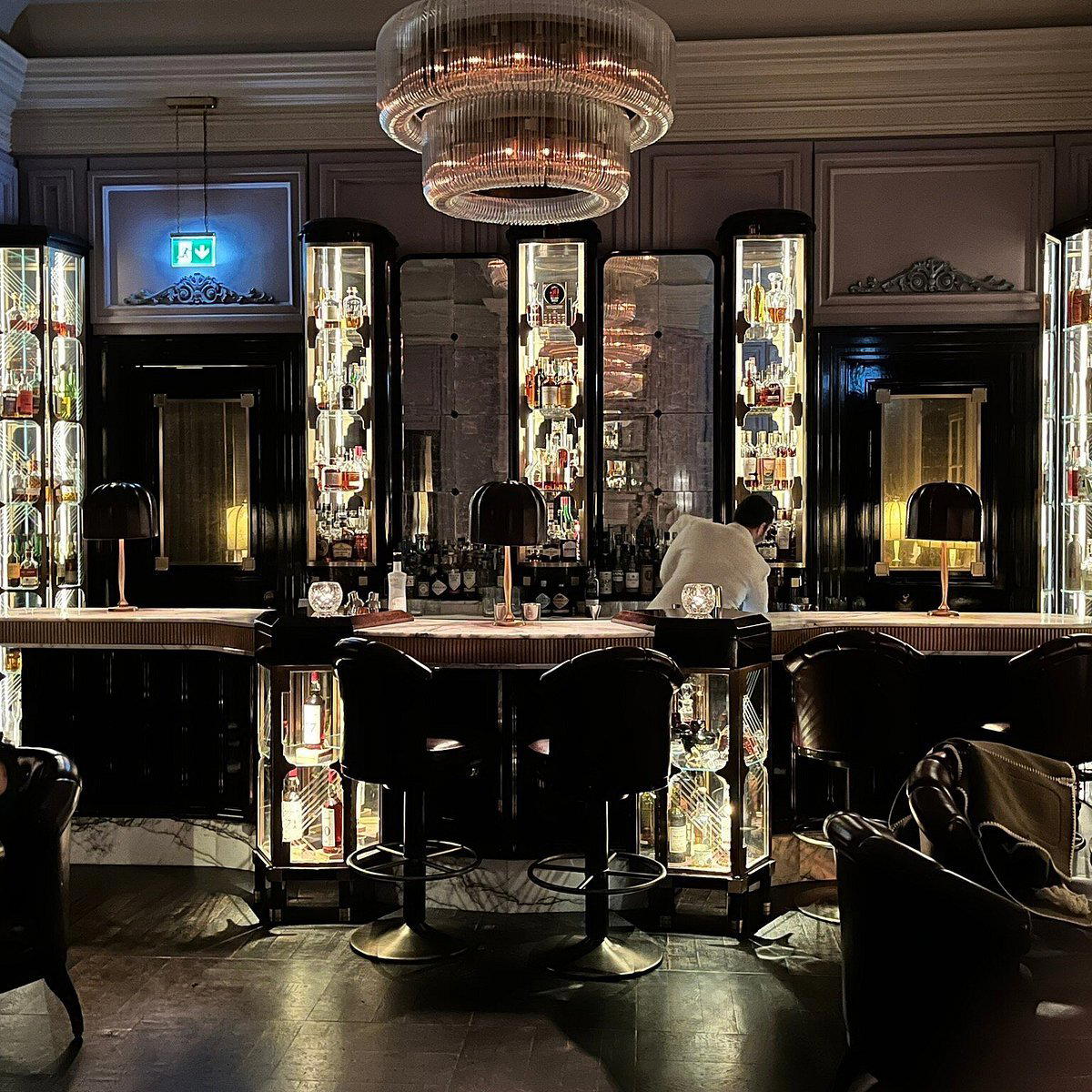
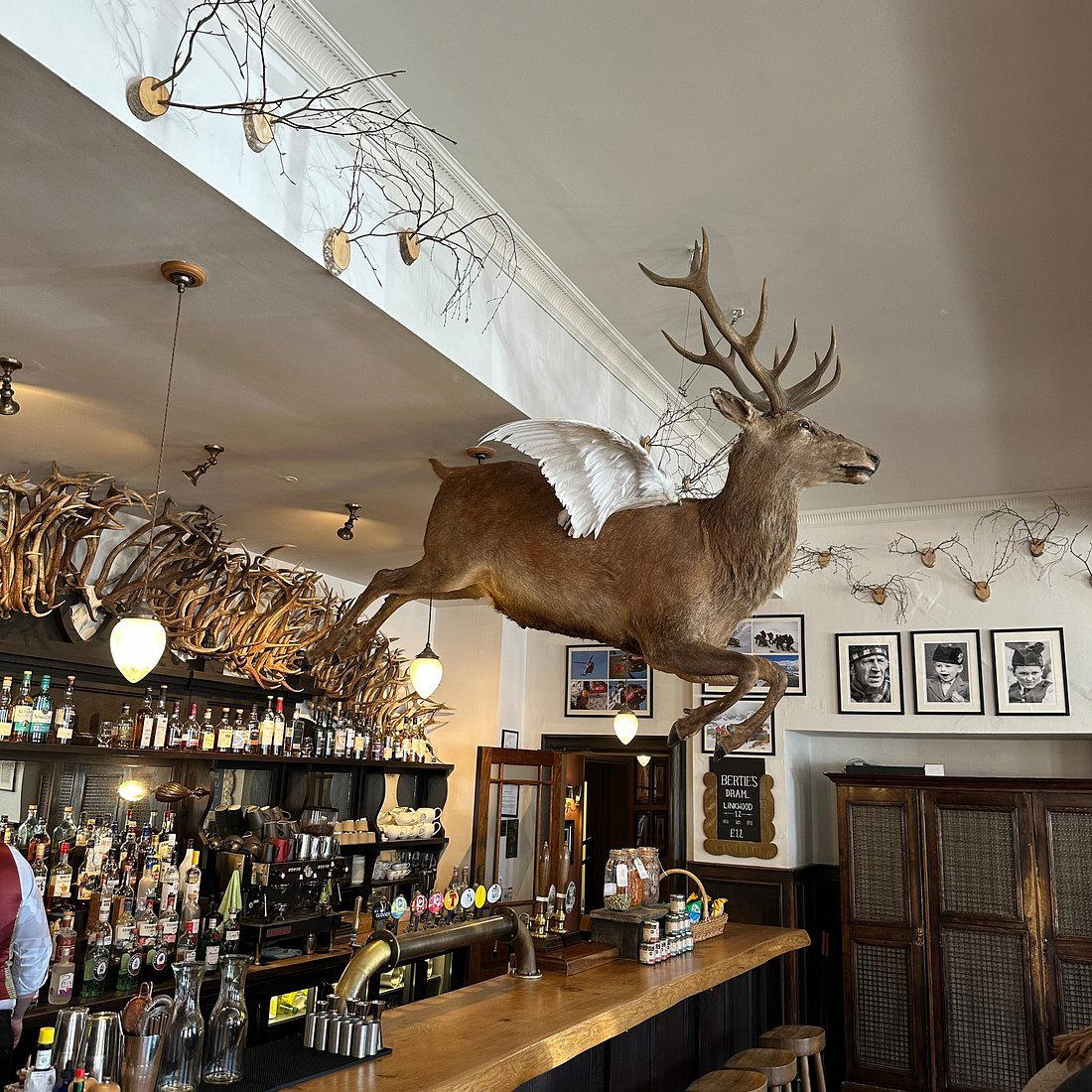
The bar applies the same geographic logic to drinks, leaning heavily on local spirits. Scotland's distilling geography has broadened significantly over the past decade: Perthshire and its surroundings now host several independent producers whose output has found its way into hotel bars willing to prioritise local over prestige-label. A bar programme structured around proximity, rather than conventional premium brand hierarchy, sits within a wider Scottish hospitality trend, one that Ardbeg House in Port Ellen pursues at the distillery-specific extreme and Burts Hotel in Melrose approaches from a different regional angle.
Getting There and Planning Your Stay
The hotel sits in Grandtully, Strathtay, near Pitlochry, placing it roughly ninety minutes by road from both Edinburgh and Glasgow, which makes it genuinely accessible from two of Scotland's major travel hubs without requiring the additional transit leg that more remote Highland properties demand. That positioning is practical for city-based travellers looking for a countryside stay without committing to a full Highland expedition. Malmaison Edinburgh or Glasgow Grosvenor Hotel function as logical city bookends for a trip structured around Grandtully as its rural centrepiece.
With eight rooms, availability is limited. Pricing is on request only, which signals that the hotel operates outside standard online booking aggregators and prefers direct or assisted enquiry, a pattern common among small food-focused rural properties that manage occupancy carefully rather than competing on rate-transparency platforms. Prospective guests should factor this into planning horizons: the combination of small capacity and a growing reputation for locally focused hospitality means the hotel is likely to operate with limited last-minute availability during peak Perthshire seasons, particularly summer and the autumn colour period. Our full Grandtully restaurants guide provides broader area context for those assembling a longer itinerary.
Where It Sits in the British Rural Hotel Conversation
Babington House in Somerset represents one end of that spectrum, polished, membership-oriented, destination-focused. Estelle Manor in North Leigh operates in a different register, larger-scale but similarly food-conscious. The Grandtully Hotel by Ballintaggart sits closer to the intimate, operationally integrated end: fewer rooms, tighter farm linkage, less infrastructure, more direct relationship between land and plate. Within Scotland specifically, that combination of small footprint and genuine agricultural connection is less common than the country house hotel format that dominates the category, Gleneagles in Auchterarder being the obvious flagship of that grander tradition. For travellers specifically seeking the food-led, farm-connected format rather than the grand estate experience, Grandtully represents a credible and less crowded alternative within the same geographic region.
Comparable Venues
Comparable venues nearby, for context on price, style, and recognition.
| Venue | Cuisine | Price | Awards | Notes |
|---|---|---|---|---|
| The Grandtully Hotel by BallintaggartThis venue — the venue you are viewing | Design-led Highland gastronomic hideaway with simple, locally-rooted aesthetic avoiding kitsch. | $100–200 | 1 Michelin Key · Mr & Mrs Smith Seal of Approval | Not listed |
| Farlam Hall Hotel & Restaurant | Quintessentially British country house hotel with relaxed luxury and historic charm. | $300–500 | 1 Michelin Key · Relais Chateaux Award | Hallbankgate |
| Penmaenuchaf | independent Victorian country house hotel | Not listed | 1 Michelin Key · Mr & Mrs Smith Seal of Approval | Penmaenpool |
| Glenmorangie House | Victorian mansion tastefully renovated with traditional architecture | $300–500 | 1 Michelin Key | Tain |
| Kinloch Lodge | Historic highland hunting lodge with family hospitality | Not listed | 1 Michelin Key | Sleat |
| Links House at Royal Dornoch | Luxury Scottish Highland boutique hotel spanning three individually decorated houses with heritage architecture dating to 1843, recently renovated in 2013. | $300–500 | 1 Michelin Key | Dornoch |
Recognition history
Dated appearances from independent guides and award organizations, with the underlying list record or original source where available.
Michelin 1 Key
Michelin
Mr & Mrs Smith Seal of Approval
Mr & Mrs Smith
Full recognition history (3 entries)
Michelin 1 Key
Michelin
Continue exploring
More in Grandtully
Hotels in Grandtully
Browse all →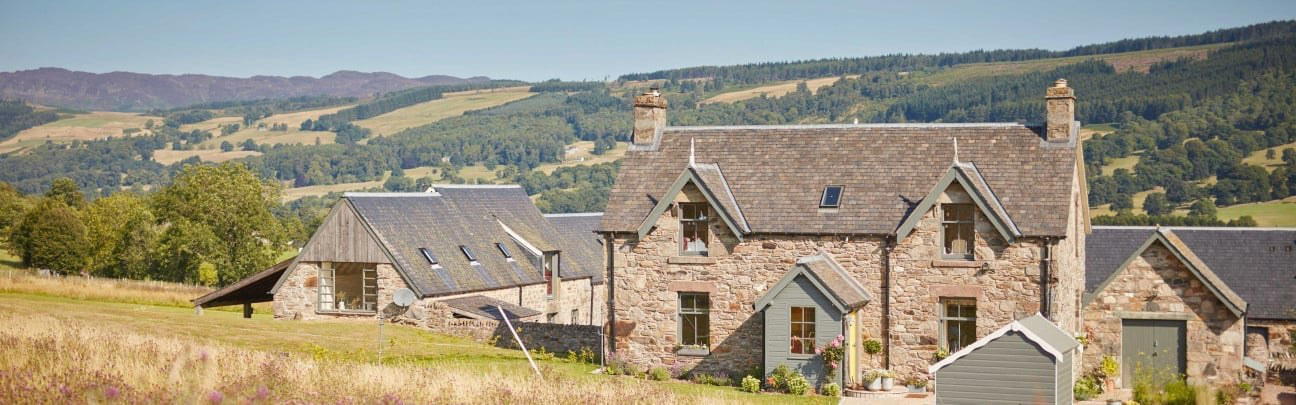
Bars in Grandtully
Browse all →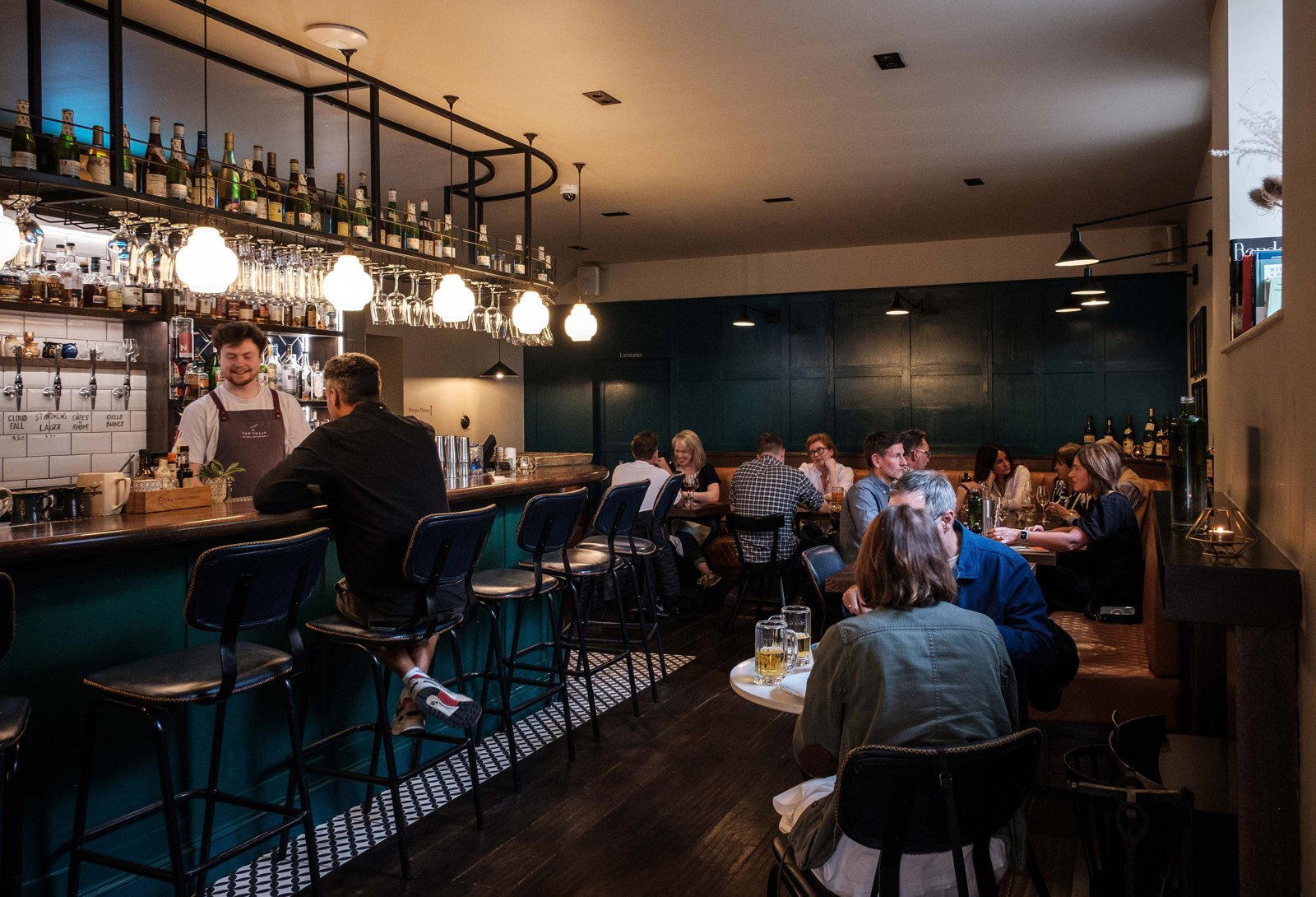
Restaurants in Grandtully
Browse all →
Wineries in Grandtully
Browse all →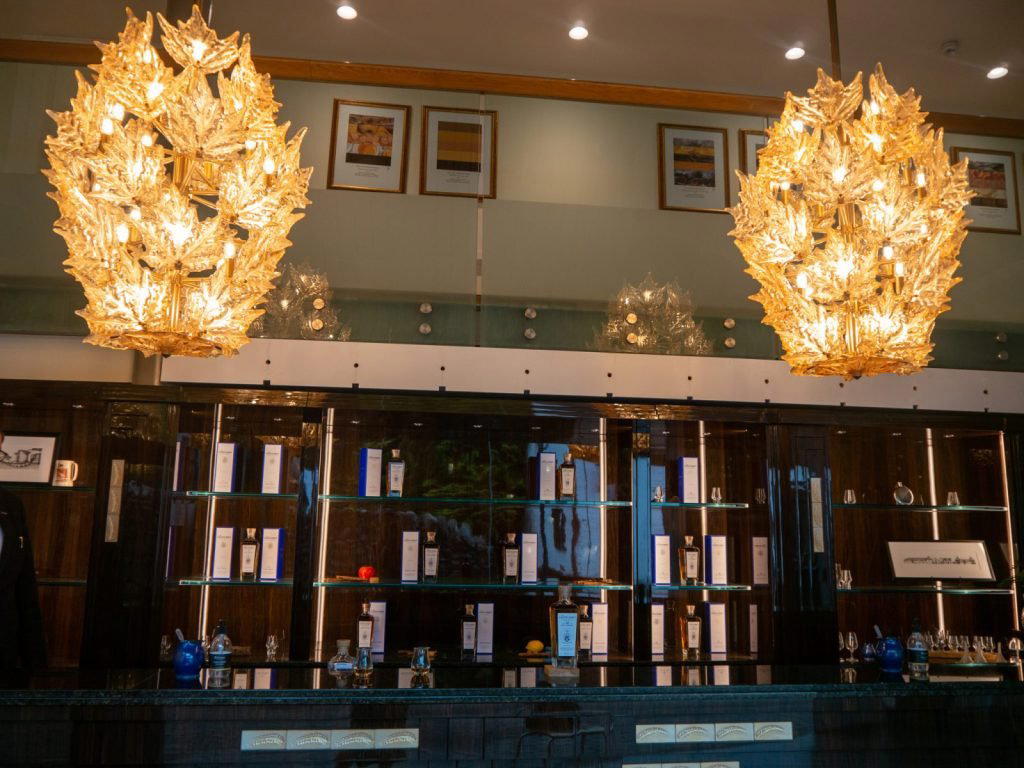
Details
- Romantic
- Scenic
- Cozy
- Elegant
- Romantic Getaway
- Weekend Escape
- Waterfront
- Terrace
- Garden
- Wi Fi
- Restaurant
- Bar
- Parking
- Tennis Court
- Waterfront
Bright, cosy, and comfortable with simple design-led style; smart and fun atmosphere with excellent service and a welcoming bar environment.