
Falstaff Winery - Listed
Cono Sur Winery frames Chilean wine through scale, technology, and vineyard-led sustainability rather than small-cellar nostalgia. Founded in 1993, it is tied to Pinot Noir, screwcap adoption, organic and sustainable farming, and a Colchagua Valley setting that gives the visit a production-minded view of modern Chilean wine.

Pearl is the En Primeur Club membership app — saves, bookings, and concierge access live there. Same editors, same standards.
- Address
- Santiago, Metropolitan Region of Santiago, Chile

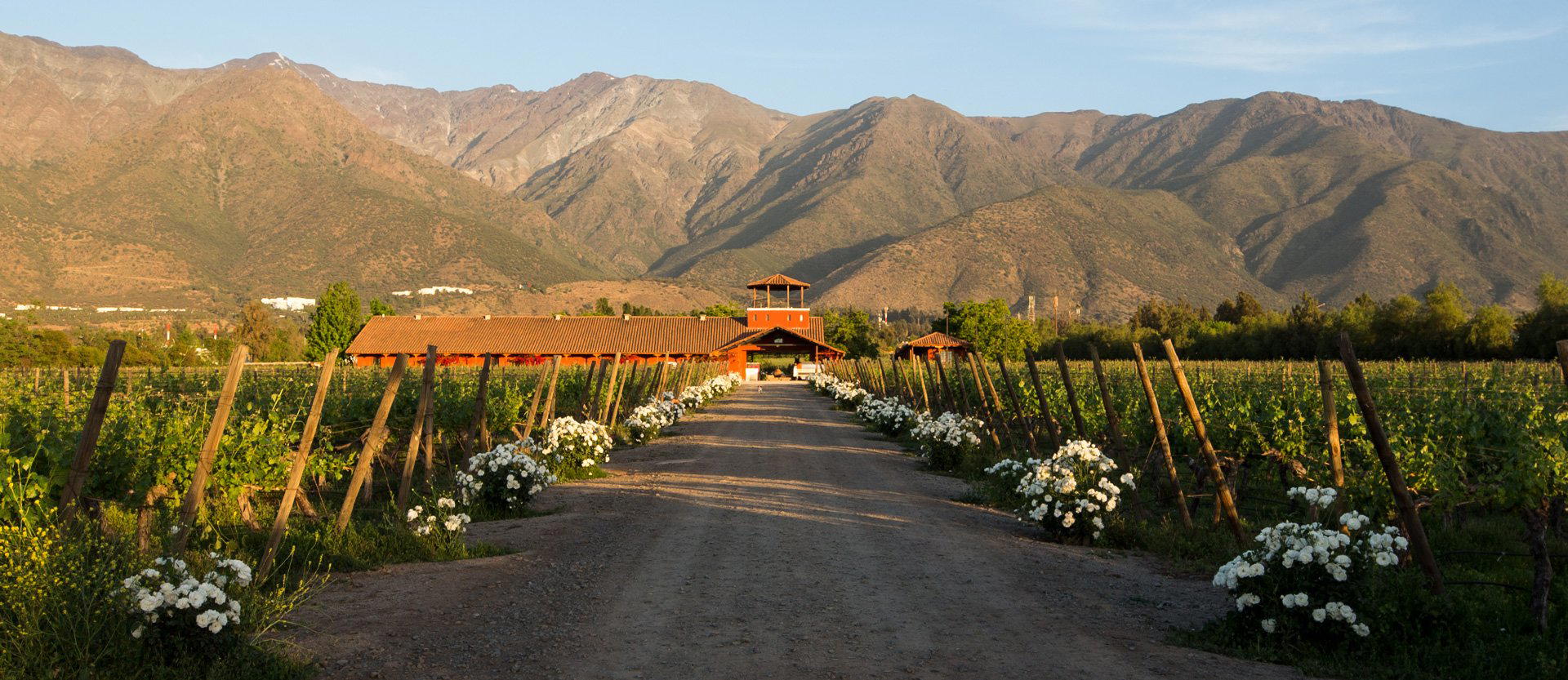
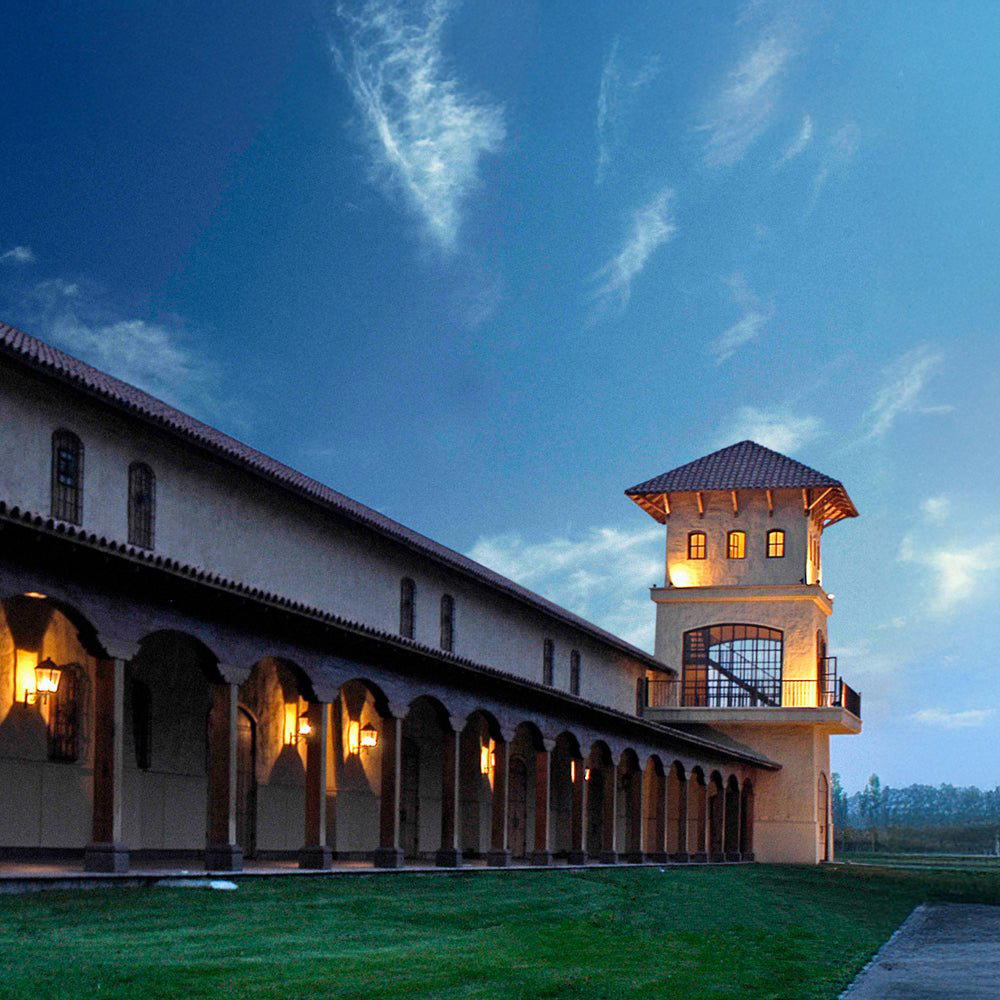
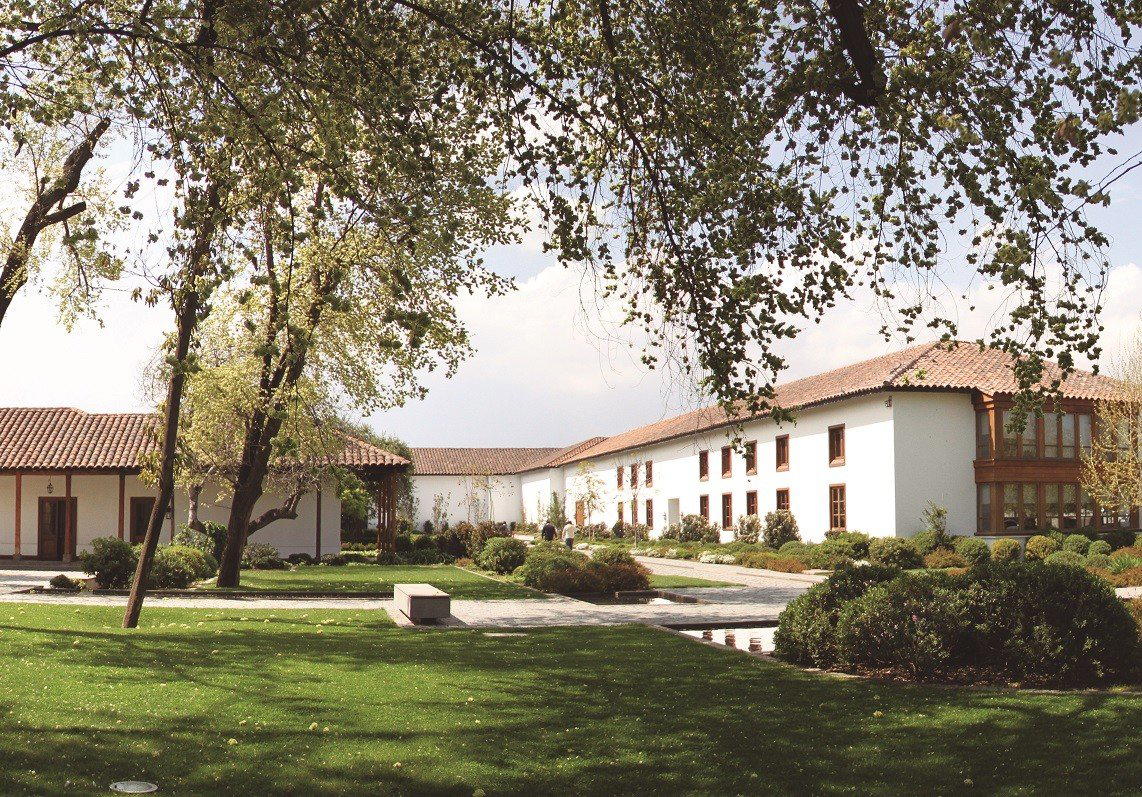
Cono Sur Winery in Santiago is best understood as a large, technologically advanced New World winery set among vineyards. The picture is of a clean, professional place where modern stainless-steel infrastructure, traditional barrel cellars, and a strong sustainability ethos shape the experience. Rather than reading as a small, improvised, or purely rustic stop, it is better framed as a contemporary winery environment whose appeal comes from scale, order, and the visible relationship between production and landscape.
What can be said with confidence is that Cono Sur Winery presents a modern winery setting in Santiago, with vineyard surroundings and a nature-connected but professional atmosphere. That combination is important: the venue is not defined only by machinery, tanks, and cellar spaces, nor only by pastoral vineyard views. Its character sits between those poles, giving visitors a sense of how a polished New World winery can feel both technically equipped and grounded in its setting.
Modern winery scale with vineyard surroundings
The defining impression is contrast: contemporary winery technology alongside more traditional cellar elements. Stainless-steel infrastructure points to a modern production environment, with clean lines, functional surfaces, and the kind of professional polish associated with a large winery operation. Barrel cellars add a more classic winery reference point, introducing the quieter, more atmospheric side of wine production. The surrounding vineyards keep the setting connected to the landscape rather than making it feel purely industrial.
That contrast is useful because it gives the place more than one register. On one hand, the stainless-steel side suggests efficiency, precision, and a winery built for contemporary production. On the other, the barrel-cellar element helps retain the familiar language of wine culture: wood, maturation, storage, and the sense that wine is not only manufactured but also held, observed, and shaped over time. The vineyards around it soften the impression further, reminding visitors that even a technologically advanced winery still begins with the land around it.
This makes Cono Sur Winery a useful option for travellers who want to understand a polished New World winery environment in Santiago without assuming a small, rustic, or restaurant-led format. It is best approached as a place where the winery itself is the central subject: the scale, the production setting, the cellar references, and the surrounding vines all work together to create the experience. Visitors looking for a romanticized countryside image should calibrate expectations, because the confirmed picture is more professional and contemporary than quaint.
Sustainability as part of the identity
A strong sustainability ethos is part of the description of Cono Sur Winery. The available information does not support specific claims about certifications, farming methods, carbon programs, or named environmental practices, so those details should not be treated as confirmed here. That distinction matters, because sustainability language can easily become too broad or too specific without evidence. In this case, the safe and accurate point is that sustainability belongs to the venue’s stated identity, not that any particular system or credential can be named from the information available.
What remains is still meaningful: the venue’s identity combines professional winery infrastructure with a nature-connected setting. For visitors comparing Santiago wine experiences, that balance between modern production and vineyard atmosphere is the clearest grounded way to frame Cono Sur Winery. The sustainability-minded positioning adds another layer to that frame, suggesting that the winery wants to be understood not only through scale and technology, but also through its relationship with the environment in which it operates.
In practical editorial terms, this means avoiding both overstatement and dismissal. Seen that way, it supports the broader impression of a winery whose modern infrastructure, vineyard surroundings, and environmental awareness all contribute to the same professional, nature-linked identity.
How to place it in a Santiago wine itinerary
For a Santiago itinerary, treat Cono Sur Winery as a modern winery reference point rather than relying on assumptions about specific tours, tasting formats, dining, or event services. Its appeal is the combination of vineyards, stainless-steel infrastructure, barrel cellars, and sustainability-minded positioning. Those are the confirmed pillars to build around, and they are enough to make it a clear fit for travellers interested in the contemporary Chilean winery setting rather than only in restaurants, bars, or city-based drinking plans.
Travellers can place it alongside other dining and drinking plans in Santiago in a general way, while keeping expectations focused on the confirmed character of the venue. Specific schedules, services, and booking requirements should be checked directly before planning a visit. That check is especially important because the core description here does not confirm visit formats, availability, or what is included once on site. The most reliable approach is to use the venue’s broad identity as a guide, then verify the practical details separately.
The smarter way to schedule the day is to treat wine as one strand of a broader Santiago trip. Pair winery time with other Santiago dining, hotel, bar, and cultural planning according to the details you confirm for your own dates. In that role, Cono Sur Winery works as a polished, vineyard-set counterpoint to the urban parts of an itinerary: a place to think about production, landscape, cellars, and sustainability-minded identity before returning to the rest of the city’s hospitality scene.
Recognition history
Dated appearances from independent guides and award organizations, with the underlying list record or original source where available.
Falstaff Winery - Listed
Falstaff
Continue exploring
More in Santiago
Wineries in Santiago
Browse all →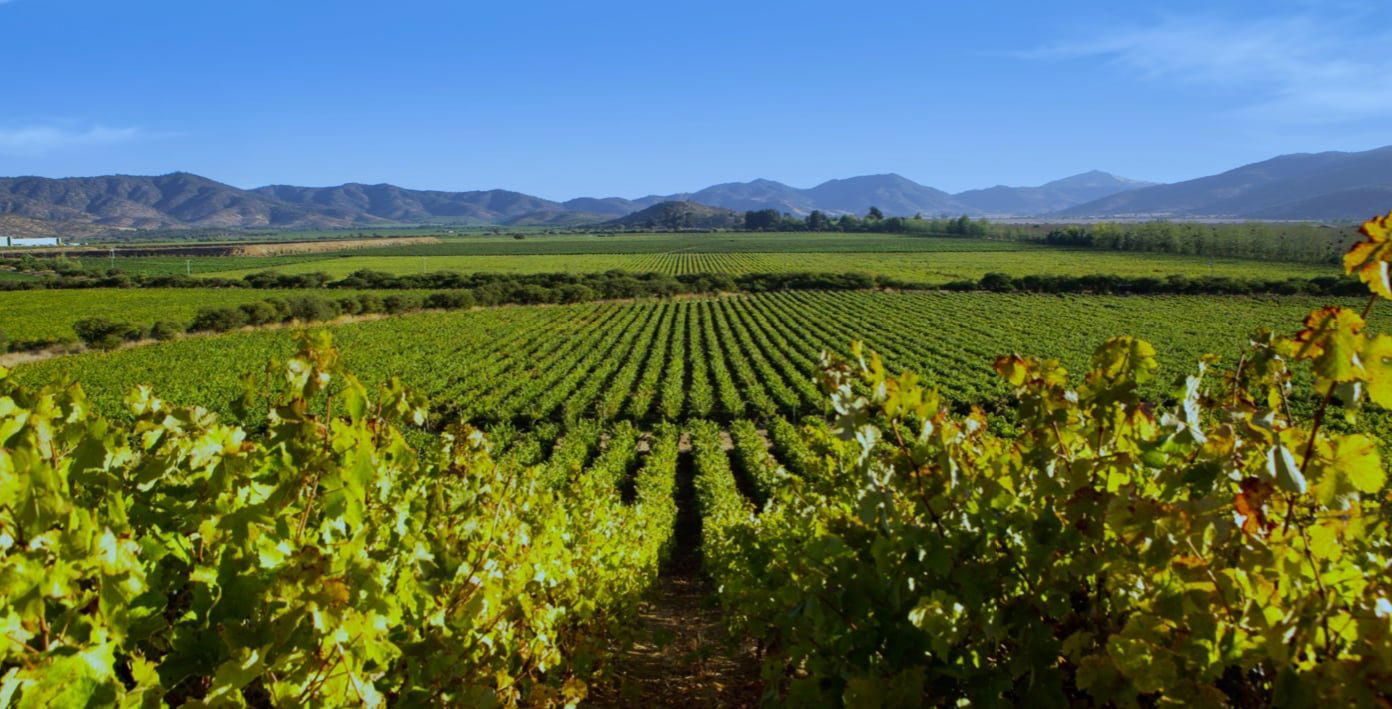
Bars in Santiago
Browse all →

Restaurants in Santiago
Browse all →






Details
- Modern
- Scenic
- Industrial
- Well Known
- Group Outing
- Wine Education
- Celebration
- Corporate Event
- Solo Exploration
- Vineyard Tour
- Estate Grounds
- Barrel Room
- Organic
- Sustainable
- Vineyard
- Pinot Noir
- Viognier
- Gewürztraminer
- Riesling
- Still Red
- Still White
- Still Rosé
- Sparkling
- Standard Tasting
- Vineyard Tour & Tasting
- Bike Tour & Tasting
Large, technologically advanced New World winery surrounded by vineyards, combining modern stainless-steel infrastructure with traditional barrel cellars and a strong sustainability ethos, giving visits a clean, professional yet nature-connected feel.