
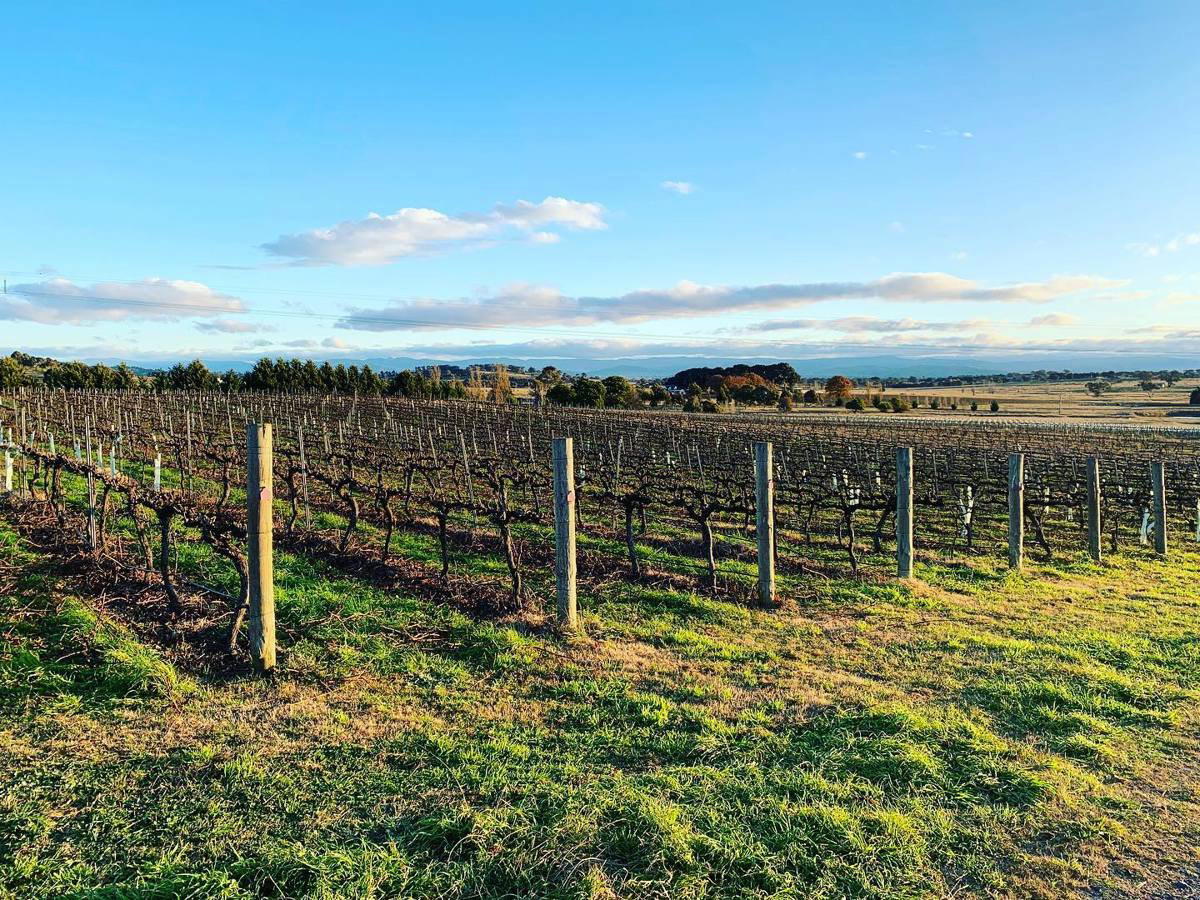
Clonakilla sits in the Murrumbateman sub-region north of Canberra, producing wines that have defined the Canberra District's reputation for cool-climate Shiraz Viognier..
Pearl is the En Primeur Club membership app — saves, bookings, and concierge access live there. Same editors, same standards.
- Address
- enter via, 3 Crisps Ln, Murrumbateman NSW 2582
- Phone
- +61 2 6227 5877
- Website
- clonakilla.com.au
- Directions
- Get directions
 Saves & bookings on Pearl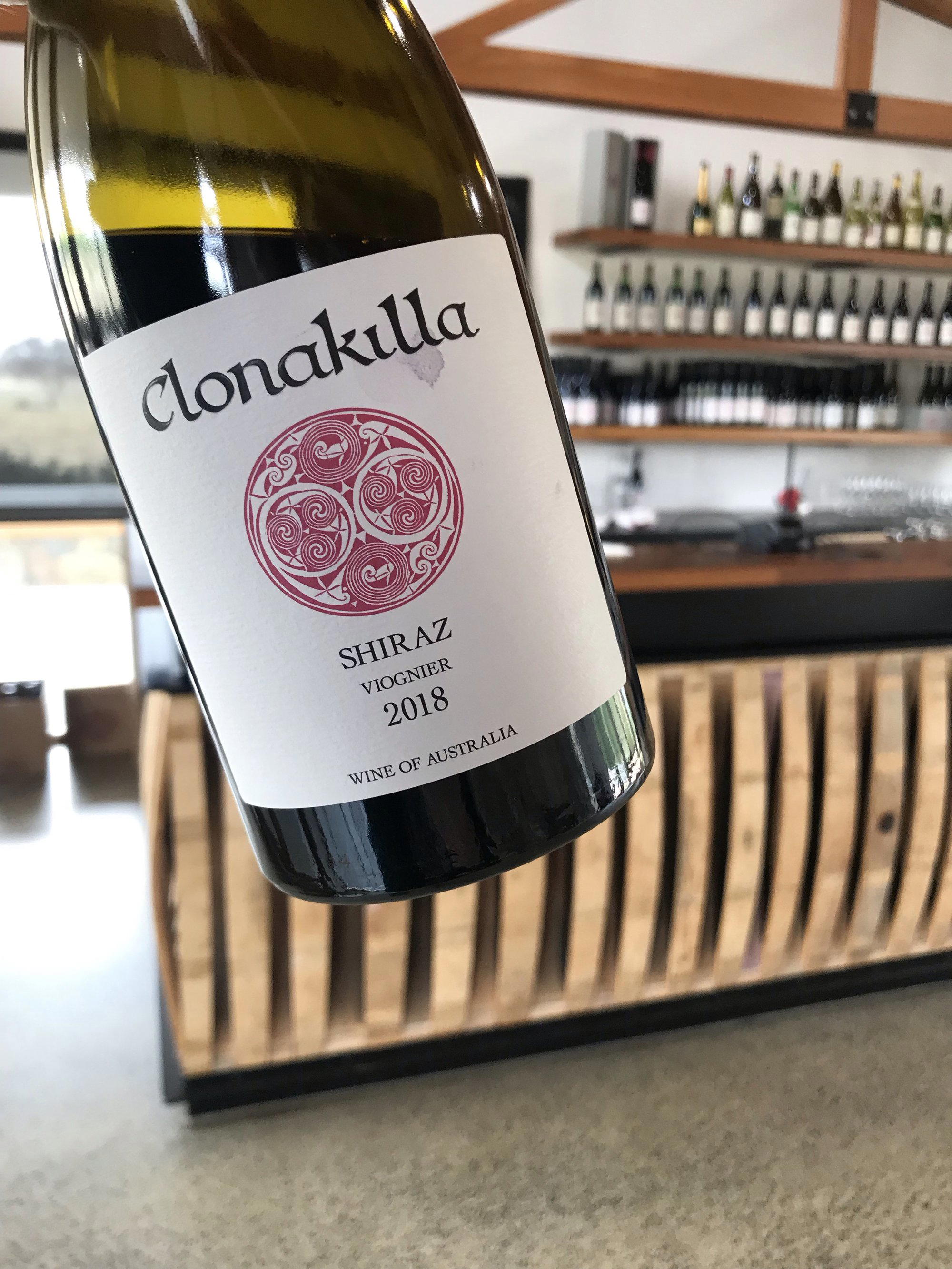
Where Granite Meets Altitude: The Canberra District in a Glass
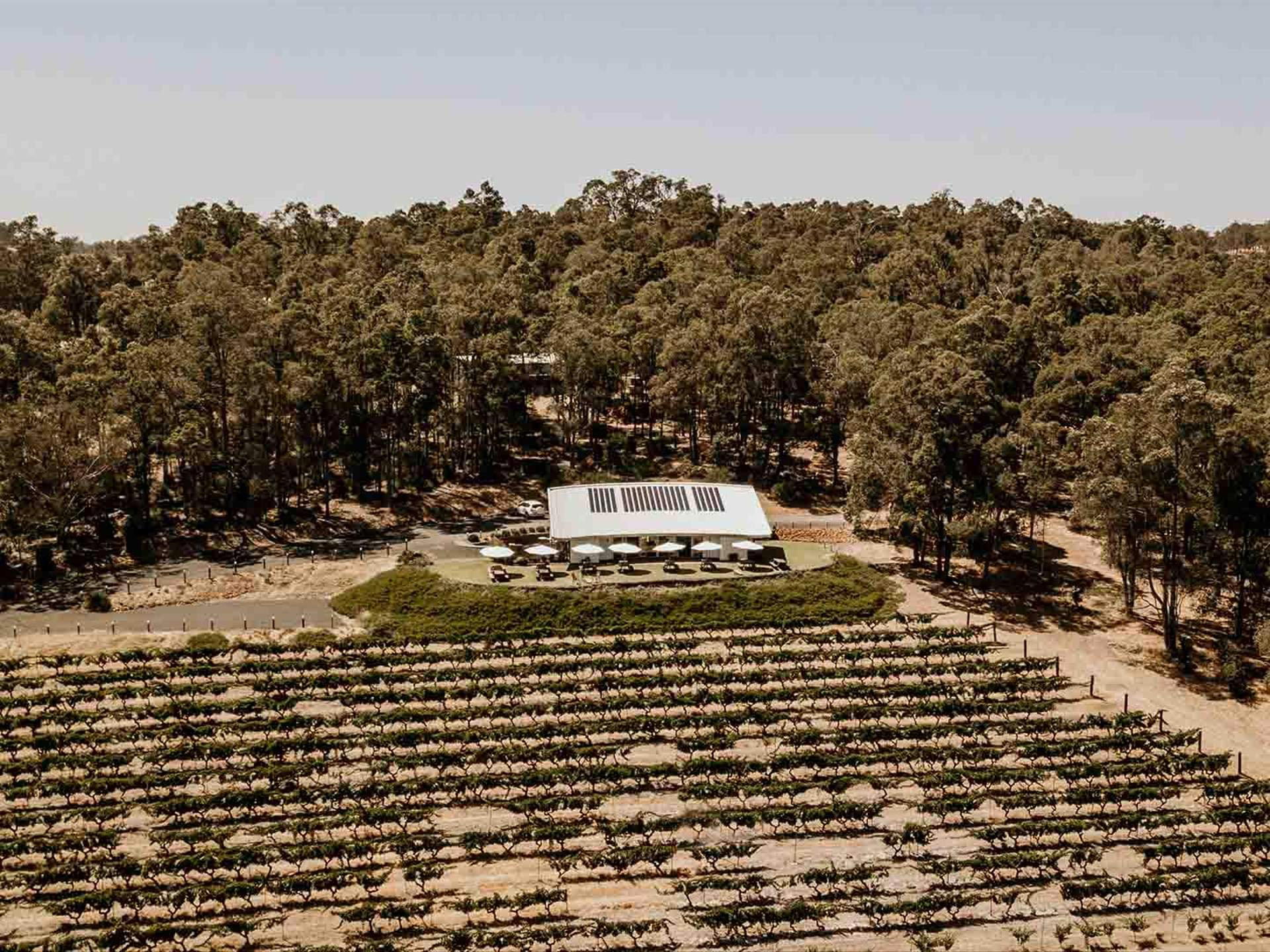
The road to Murrumbateman runs north from Canberra through open sheep country, the land flattening and then gently folding again as the township approaches. At around 600 metres above sea level, with granite-derived soils and diurnal temperature swings that regularly exceed 15 degrees Celsius during the growing season, this sub-region sits well outside the climatic comfort zones where most of Australia's fine wine has historically been made. That distance from convention is precisely the point. The Canberra District has spent four decades arguing, quietly and through the bottle, that cool-climate viticulture at elevation produces a different kind of argument for Australian wine — one built on tension, fragrance, and a slower accumulation of phenolic complexity rather than the fruit-forward generosity of warmer zones.
Clonakilla, addressed at 3 Crisps Lane in Murrumbateman, is the producer most associated with making that argument legible to a wider audience.
The Terroir Case: Granite, Altitude, and the Shiraz-Viognier Equation
The Canberra District's identity as a wine region is bound to a specific geological and climatic set of conditions that distinguish it sharply from the Barossa, McLaren Vale, or Hunter Valley. Granitic soils, which drain freely and force vine roots to descend, produce grapes with naturally lower sugar accumulation relative to flavour development — a characteristic that allows winemakers to pick with intensity in place while retaining acidity. The altitude amplifies this: cold nights preserve aromatic compounds that would otherwise volatilise in warmer climates, and the compressed growing window concentrates flavour without inflating alcohol.
The Rhône co-fermentation method, in which Shiraz and Viognier are fermented together rather than blended post-fermentation, arrived in the Canberra District partly through the influence of producers like Clonakilla at a time when the technique was barely practiced outside the northern Rhône itself. When Viognier is added at low percentages (typically 3–8 percent) and co-fermented, the aromatic lift and colour stabilisation it provides cannot be replicated by blending finished wines. The result is a structural and aromatic integration that has become the regional signature, placing Canberra's leading Shiraz Viognier in conversation with Côte-Rôtie rather than with Barossa Shiraz. For collectors accustomed to Australian red wine in its riper, more extracted register, this is a meaningful reorientation.
Comparative context matters here. Estates like Clarendon Hills in McLaren Vale and Henschke in the Eden Valley produce Shiraz of serious ambition, but from warmer sites and with stylistic priorities that lean toward density and age-worthiness through tannin structure. Clonakilla's expression works differently: the cool-climate fruit sits higher in the register, the Viognier co-ferment adds floral complexity at the leading, and the mid-palate has a transparency that granite soils tend to produce. Whether that constitutes a better or simply a different argument depends on the drinker, but the two positions are genuinely distinct.
The Murrumbateman Sub-Region and Its Peer Producers
The Canberra District is not a single-producer region, even if Clonakilla has attracted the most sustained international attention. Collector Wines, operating in the same sub-regional frame, has developed a strong following for its own interpretation of cool-climate reds and whites. The broader regional picture includes producers working with Riesling, Pinot Gris, and Chardonnay alongside the Rhône varieties, reflecting a viticulturally diverse approach to altitude and granite that doesn't reduce the Canberra District to a single-variety proposition.
For visitors based in Canberra, Murrumbateman sits roughly 40 kilometres north of the city centre, making it accessible as a day visit without requiring overnight accommodation in the region. The drive itself functions as a calibration: the gradual shift from suburban density to open farmland and the visible expansion of the sky as the altitude rises primes the eye and mood for what the wines are actually expressing. Our full Canberra restaurants guide covers where to eat before or after the visit, as the city's dining scene has matured considerably over the past decade and now supports serious pre- or post-cellar door meals.
Underground Spirits in Canberra itself offers a point of contrast for visitors interested in the wider craft production story emerging from the ACT and its surrounds, representing a different ambition within the same geographic and consumer ecosystem.
Across Australia's fine wine producers, the cohort holding this recognition includes estates whose wines have demonstrated consistent performance across vintages, serious critical engagement, and a defined regional or stylistic identity that positions them within an international reference frame. Clonakilla's inclusion signals that its Shiraz Viognier in particular, and the estate's broader portfolio, is being evaluated against peers like Bass Phillip in Gippsland, another cool-climate specialist working at the outer edge of what Australian viticulture can produce, rather than against the broader commercial market.
For collectors building Australian wine programs, this tier functions as a shorthand for wines that will reward a decade or more of cellaring and that have a demonstrable track record of critical recognition.
Australian Fine Wine in a Broader Frame
Clonakilla's position within Australian wine is clearer when mapped against the wider geography of serious Australian production. The Barossa's Penfolds and the Henschke estate in Eden Valley have defined one axis of Australian fine wine for international collectors: concentrated, age-worthy reds from warm to moderate climates with deep cellar track records. The cool-climate counter-argument has been assembled more slowly, by producers in Gippsland, the Adelaide Hills, Tasmania, and the Canberra District working from a different climatic premise entirely.
Internationally, the Canberra District competes for collector attention against producers in established cool-climate frames: the northern Rhône, parts of Burgundy, and the more serious end of New Zealand's Central Otago. The Shiraz Viognier co-ferment is the most direct point of contact with the Rhône, and it is on that comparison that Clonakilla's international reputation has been built. Producers like Bird in Hand in Adelaide Hills and Brokenwood in Hunter Valley represent adjacent points in the Australian fine wine ecosystem, each working from distinct regional premises. Further afield, Angove Family Winemakers in Renmark, Brown Brothers in King Valley, and Blue Pyrenees Estate in Pyrenees all occupy positions in the broader Australian production story, though from warmer or more diverse regional contexts than Murrumbateman's single-minded cool-climate focus.
Planning a Visit
Clonakilla is located at 3 Crisps Lane, Murrumbateman NSW 2582, accessible by road from Canberra via the Barton Highway. Visitors should confirm cellar door hours and any tasting or appointment requirements directly with the estate before making the drive, as premium producers at this tier often operate structured visits rather than open walk-in formats. Allocating half a day from Canberra comfortably covers the drive, a tasting session, and the return, with time to stop at other Murrumbateman producers if the sub-region is the focus of the visit. Cellar door availability for the top-tier wines can be constrained given the estate's allocation model, so confirming what is being poured before visiting avoids disappointment.
For those assembling a broader picture of premium Australian craft production alongside fine wine, Archie Rose Distilling Co in Sydney and Bundaberg Rum Distillery in Bundaberg represent the serious end of Australian distilling, sitting in a different product category but reflecting the same pattern of regional specificity and production discipline that defines estates like Clonakilla at the top of their category. International collectors contextualising Australian fine wine within a global framework might also reference Aberlour in Aberlour or Accendo Cellars in St. Helena as parallel examples of terroir-driven production operating at the upper end of their respective categories.
Recognition history
Dated appearances from independent guides and award organizations, with the underlying list record or original source where available.
Falstaff Winery - Listed
Falstaff
Continue exploring
More in Canberra
Wineries in Canberra
Browse all →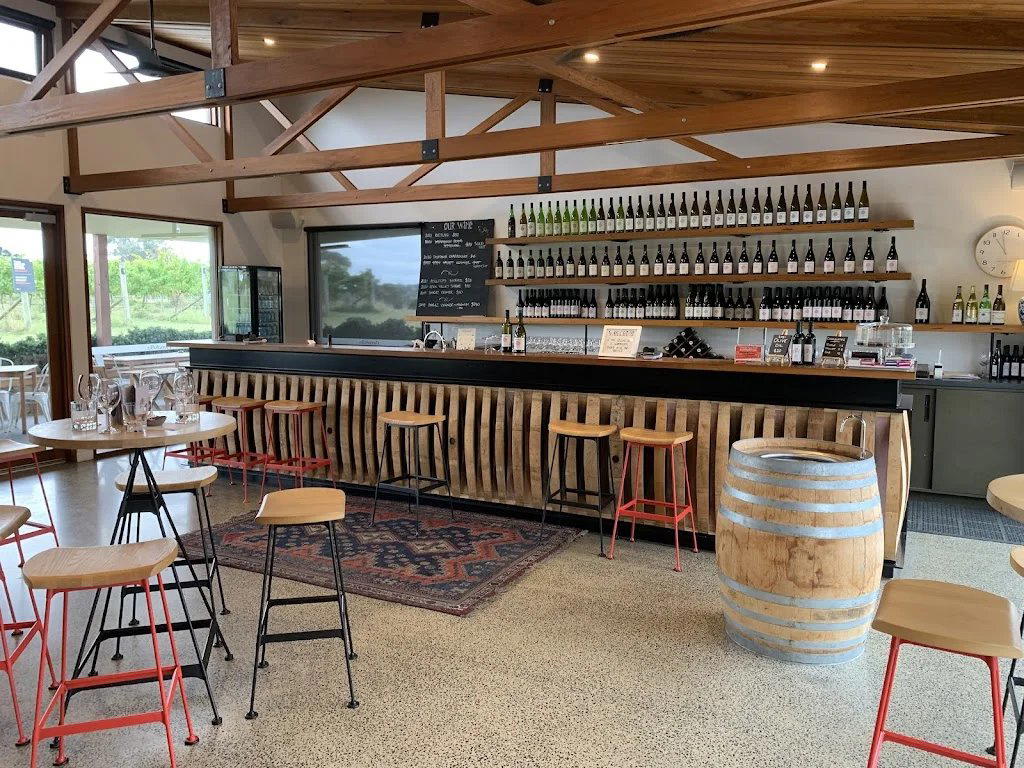

Bars in Canberra
Browse all →
Restaurants in Canberra
Browse all →



At a Glance
- Elegant
- Rustic
- Scenic
- Intimate
- Sophisticated
- Wine Education
- Special Occasion
- Estate Grounds
- Vineyard Tour
- Vineyard
- Canberra District
- Shiraz
- Viognier
- Riesling
- Semillon
- Sauvignon Blanc
- Cabernet Sauvignon
- Cabernet Franc
- Merlot
- Still Red
- Still White
- Cellar Door Tasting
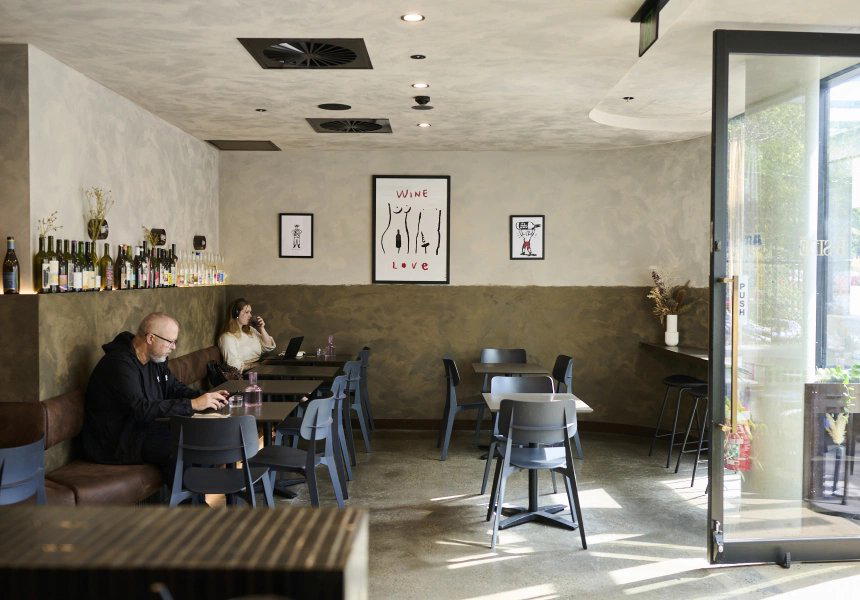
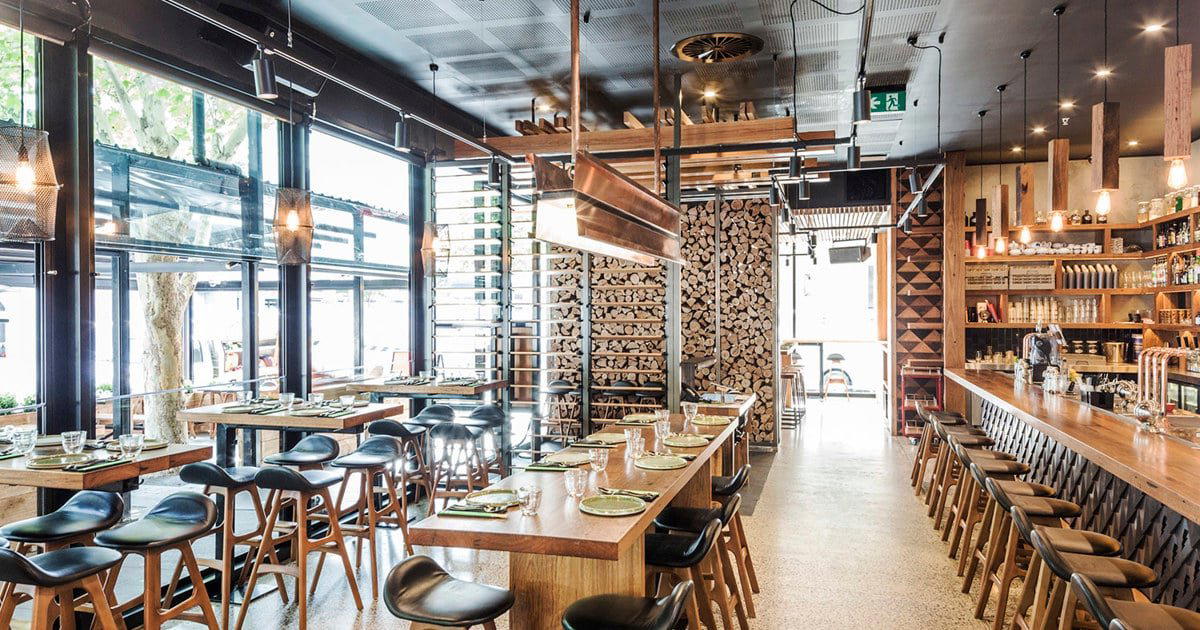
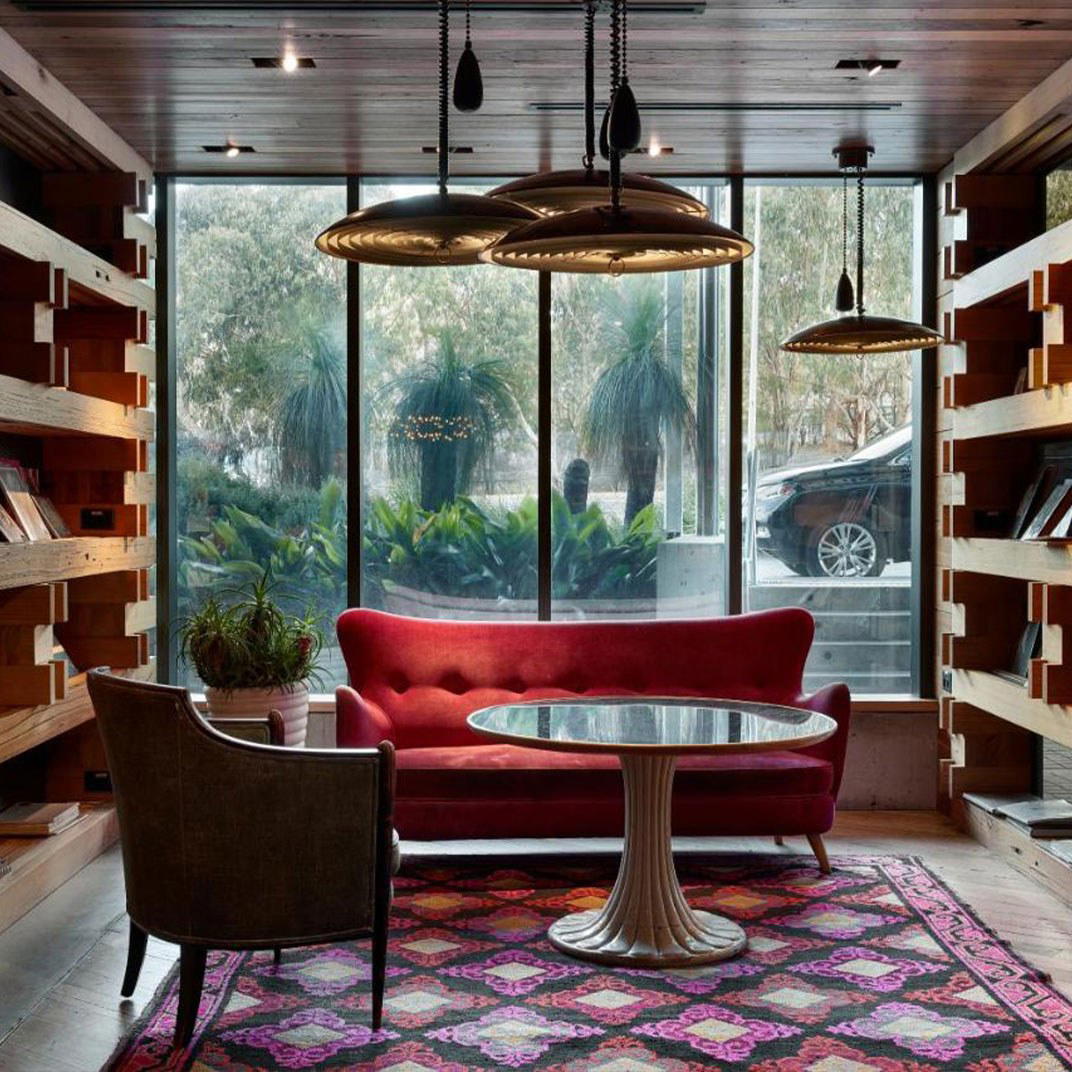
Cozy and refined with local stone walls, reclaimed timbers, deconstructed wine barrels, a large fireplace, and vineyard views from the tasting bar.
Know Before You Go
- Getting there
- enter via, 3 Crisps Ln, Murrumbateman NSW 2582