Champagne Tarlant

Champagne Tarlant is a family-run grower Champagne estate in Oeuilly Epernay, rooted in Vallée de la Marne vineyards and a Brut Nature style that puts soil, acidity, and ripeness under close scrutiny. The draw is the estate format: cellar, barrel room, vineyard context, and a 12-generation Champagne lineage tied to sustainable farming and small-scale production.
Pearl is the En Primeur Club membership app — saves, bookings, and concierge access live there. Same editors, same standards.
- Address
- Oeuilly Épernay, Grand Est, Frankreich
- Directions
- Get directions
 Saves & bookings on Pearl
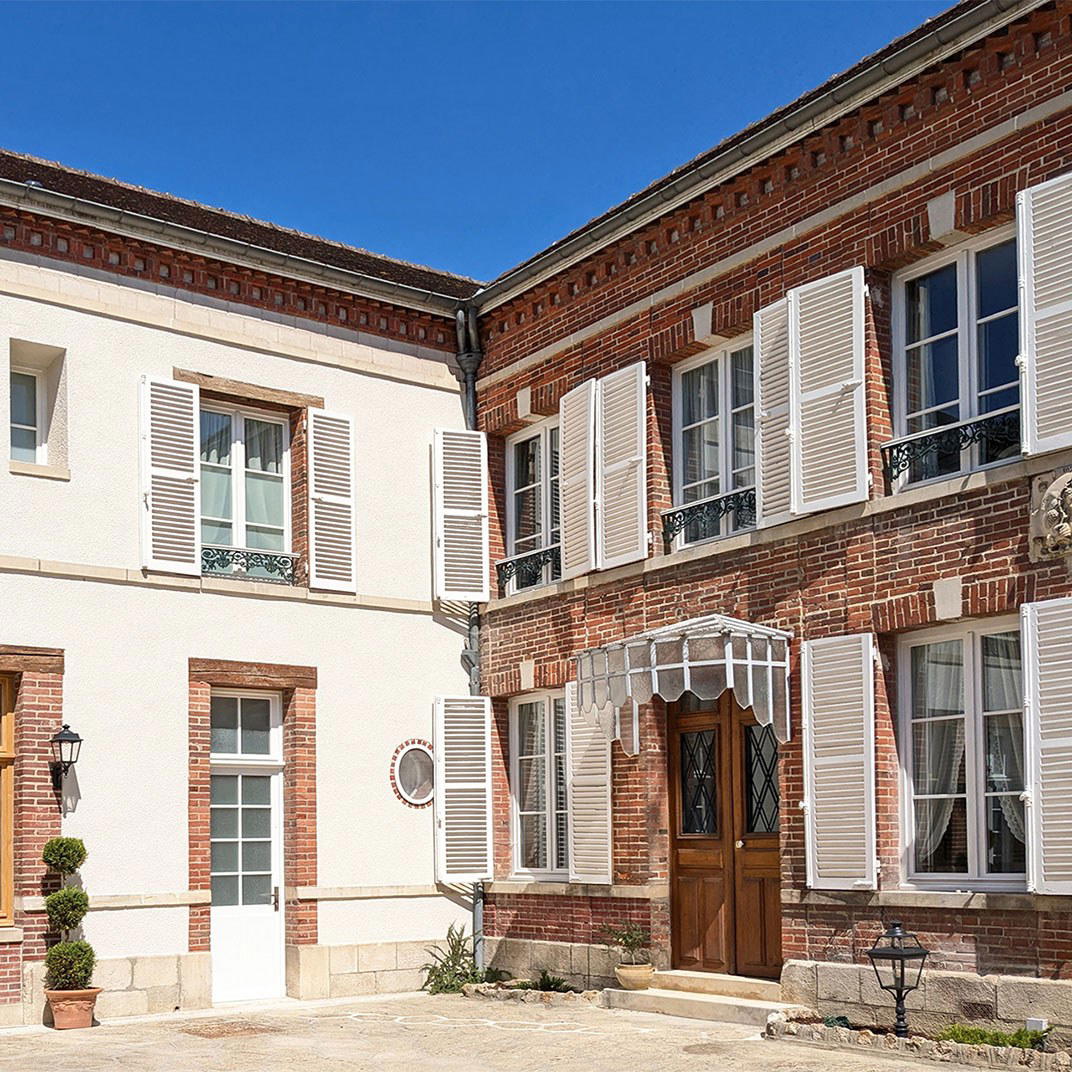
Approaching Champagne Tarlant means entering Champagne at grower-estate scale: a family-run house in Oeuilly Epernay, set among traditional cellars and Marne Valley vineyards. The appeal is not grand spectacle or a staged brand encounter, but a cozy, informative look at Champagne craftsmanship, with tastings that frame the estate’s classic, scenic, rustic, and elegant character. Here, the setting matters as much as the pour: cellars, vineyard context, and family identity shape the visit.
For a wider read on the area, start with Our full Oeuilly Epernay wineries guide, then cross-reference the city through Our full Oeuilly Epernay restaurants guide, Our full Oeuilly Epernay hotels guide, Our full Oeuilly Epernay bars guide, and Our full Oeuilly Epernay experiences guide. These companion pages help place the estate within a fuller itinerary, especially if you want to balance a Champagne tasting with where to eat, where to stay, and how much time to leave around the visit. Champagne Tarlant works well not as an isolated stop, but as part of a broader Oeuilly Epernay and Marne Valley rhythm.
Marne Valley Champagne at grower-estate scale
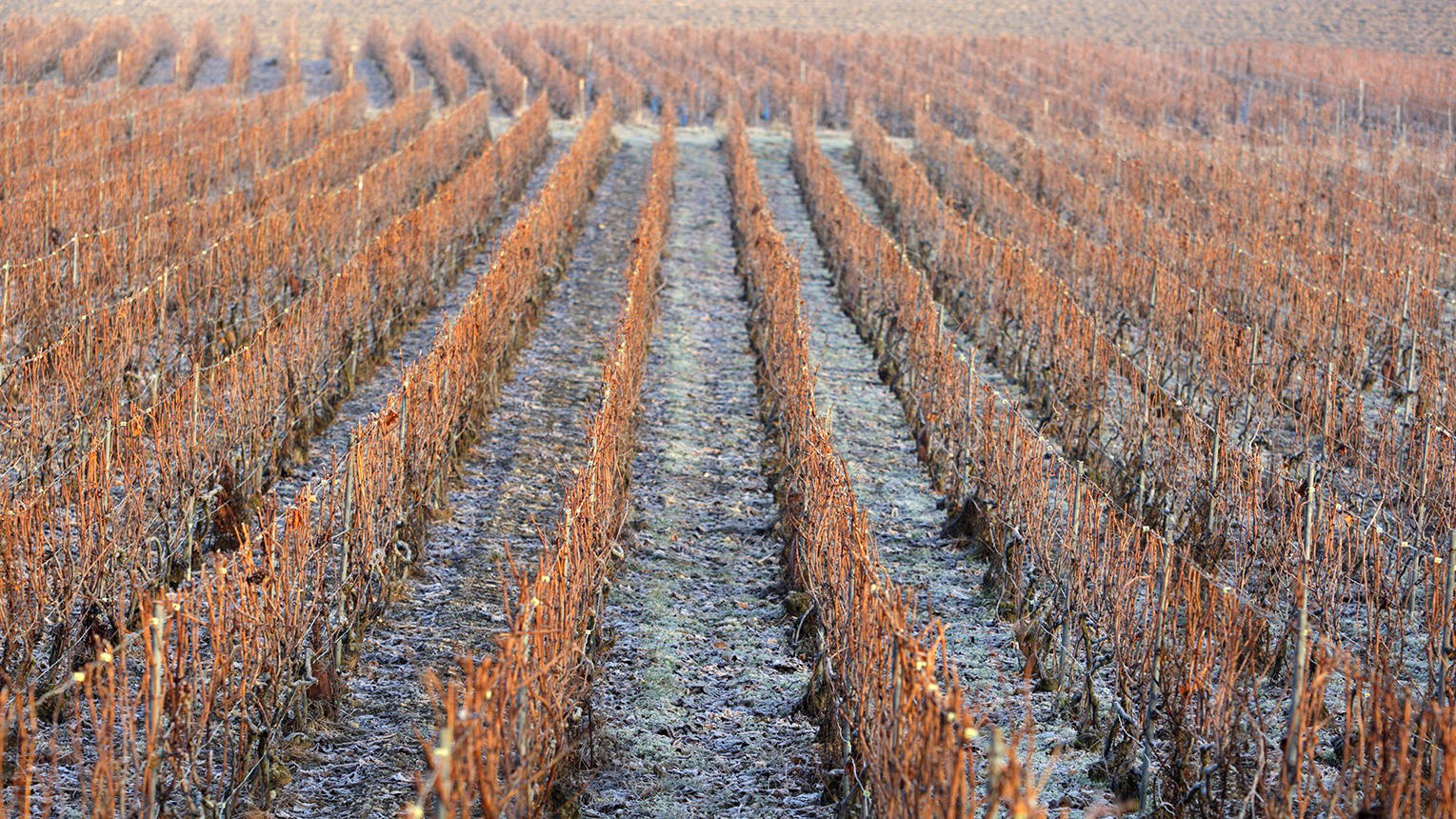
Champagne Tarlant is best understood as a family-run grower Champagne estate rather than a large, brand-led house. Its draw is the setting and format: traditional cellars, Marne Valley vineyard context, and tastings that connect the glass to a terroir-driven approach. Instead of scale, polish, or a corporate narrative, the visit offers a closer, more local understanding of how Champagne is made and presented at estate level.
The style feels classic but not static. The estate blends long-established Champagne craft with a modern focus on place, fitting visitors who want a grounded explanation of grower Champagne in Oeuilly Epernay. The classic side comes through in cellar tradition and Champagne know-how; the contemporary side lies in vineyard origin, family perspective, and the Marne Valley’s character. That balance is the point: rooted in Champagne history without becoming a museum piece.
Because the estate is framed through grower identity, it appeals to visitors who understand wine through origin and scale. The surrounding vineyards and cellar setting make the tasting feel tied to a real landscape rather than detached from it. That link between place, production, and glass gives the winery its weight within an Oeuilly Epernay wine route.
A tour format built around craft rather than spectacle
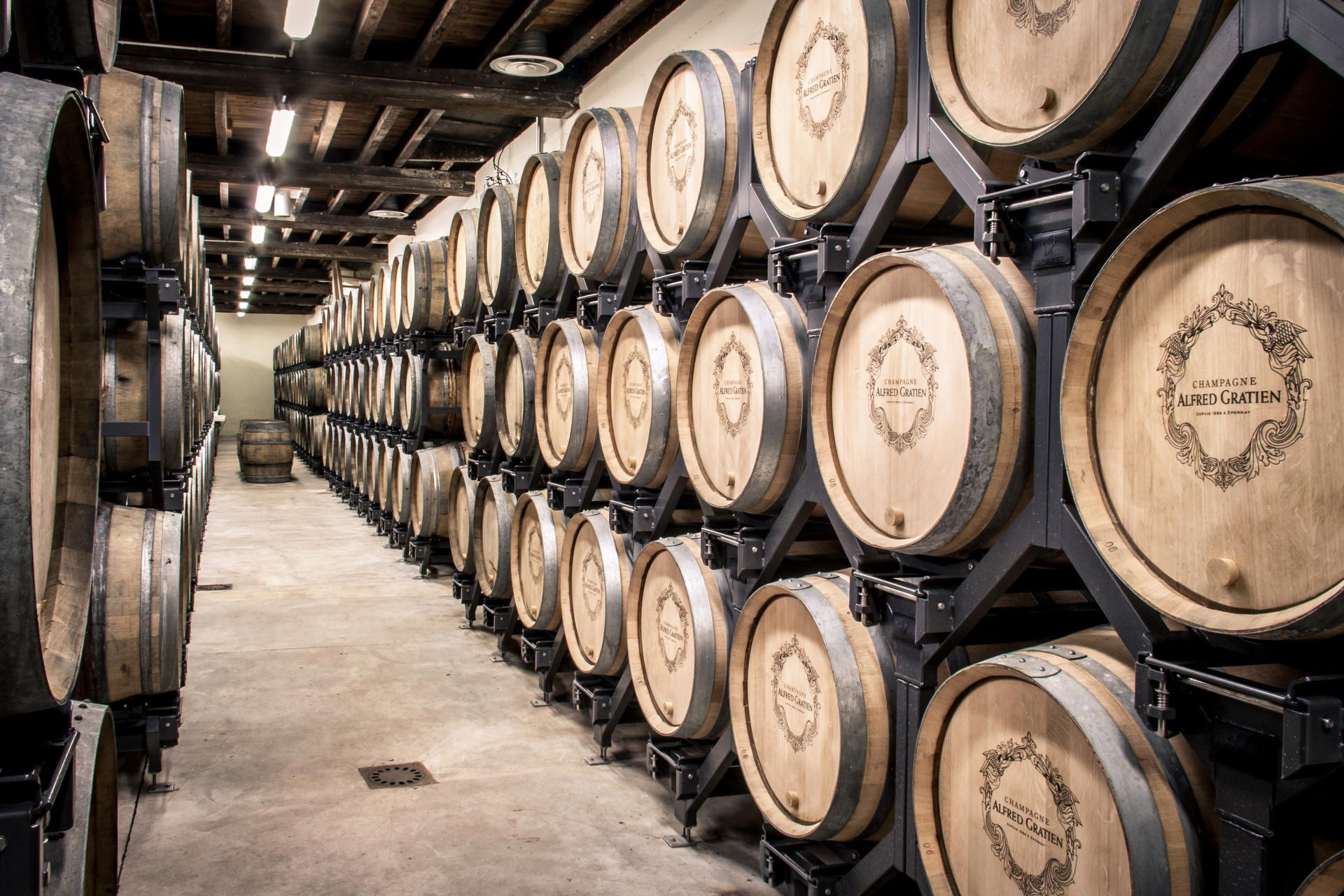
The experience is cozy and informative, with tours and tastings among traditional cellars and vineyards. It suits travelers who prefer context, conversation, and working-estate atmosphere over a polished visitor-center feel. The tone is not about size or theatrical staging, but about making craftsmanship legible in an intimate setting.
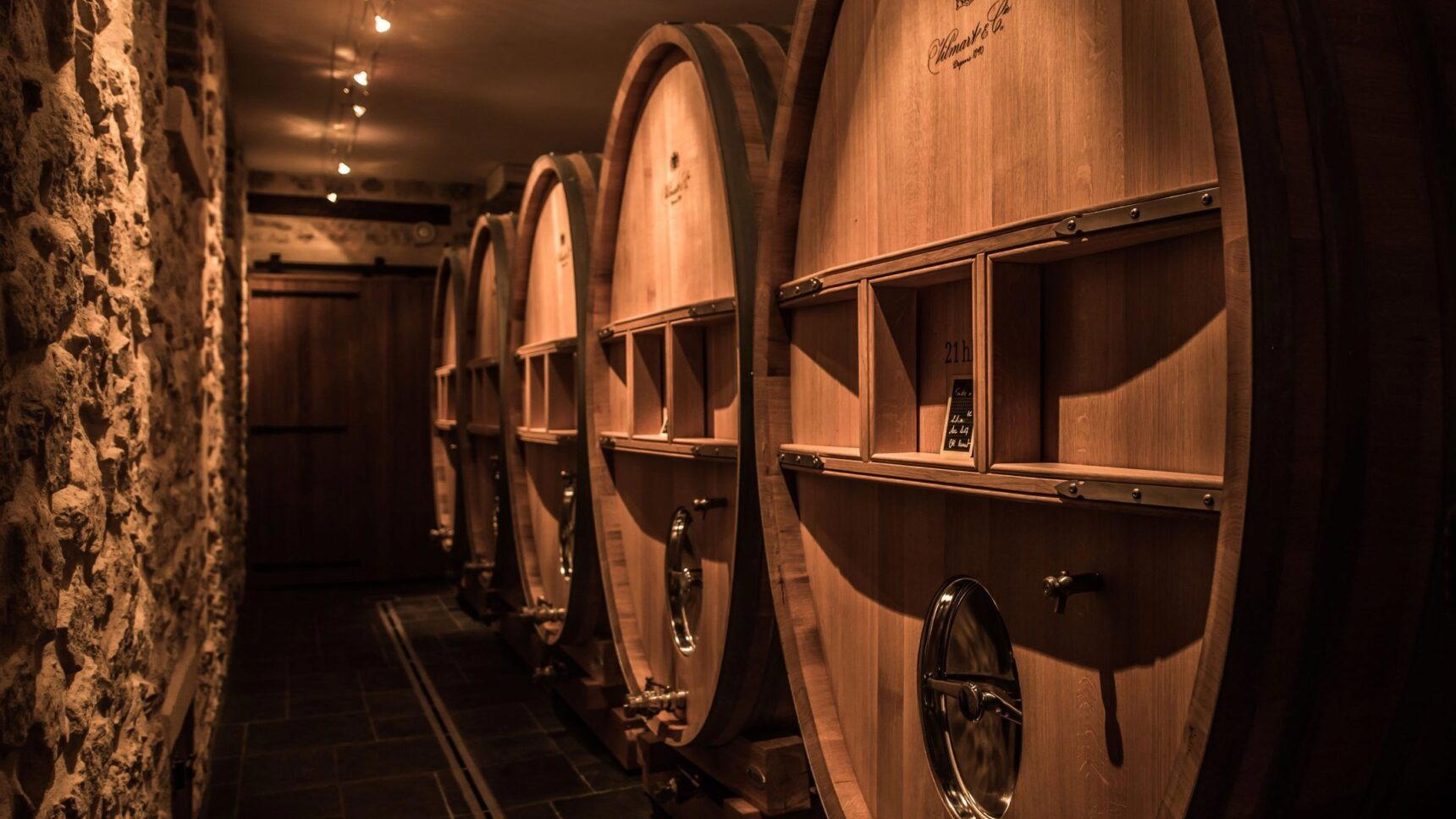
That cozy quality matters. In Champagne, some visits are memorable because they are grand; others because they are specific, tactile, and close to the source. The winery falls into the latter category. The traditional cellars provide atmosphere and anchor the explanation of craft. The vineyards provide scenery and reinforce the estate’s terroir-driven reading of Champagne. Together, they give the tasting more context than a simple sequence of glasses could.
Because only limited practical details are available here, confirm languages, booking rules, payment methods, tasting formats, and accessibility directly with the winery before planning a visit. This is especially important for tight schedules, since the value of this kind of estate visit depends on clear expectations. Confirming essentials in advance helps preserve the relaxed, informative feel that makes the address appealing.
Price is listed as $$$. The value proposition is the estate setting: family-run grower Champagne, cellar atmosphere, Marne Valley scenery, and an elegant but rustic sense of place. Rather than judging the visit only by quantity or formality, read the price category against the full context: encountering Champagne through a family-run estate, connecting tasting with cellars and vineyard surroundings, and experiencing a region that feels both refined and grounded.
How to place it within a wider French wine itinerary
Champagne itineraries often split between famous labels and grower addresses. The winery belongs in the grower-estate frame, built around family-run production, traditional cellars, tastings, and a terroir-driven reading of the Marne Valley. It is a useful counterpoint to more brand-forward Champagne stops, not because one type is better, but because they answer different questions. Large-name addresses explain Champagne through reputation and scale; a grower estate like this explains it through place, family, and direct cellar context.
For a broader route, use the winery as the Oeuilly Epernay reference point and compare other regional dining, hotel, bar, and experience options generically by schedule, distance, and desired level of visit detail. If the priority is a slower, contextual Champagne day, let the estate set the tone and avoid crowding the itinerary with too many competing stops. If the priority is comparison, place it alongside other regional experiences so differences in scale, atmosphere, and emphasis become clearer.
Within a French wine itinerary, the strongest reason to include the winery is how it sharpens the grower-estate perspective. It shows that Champagne is not only a famous category, but also a range of individual estates, cellars, vineyards, and family approaches. For visitors who want their tasting connected to where they are, that is the essential appeal.
Recognition history
Dated appearances from independent guides and award organizations, with the underlying list record or original source where available.
Falstaff Winery - 2 Stars
Falstaff
Continue exploring
More in Oeuilly Epernay
Wineries in Oeuilly Epernay
Browse all →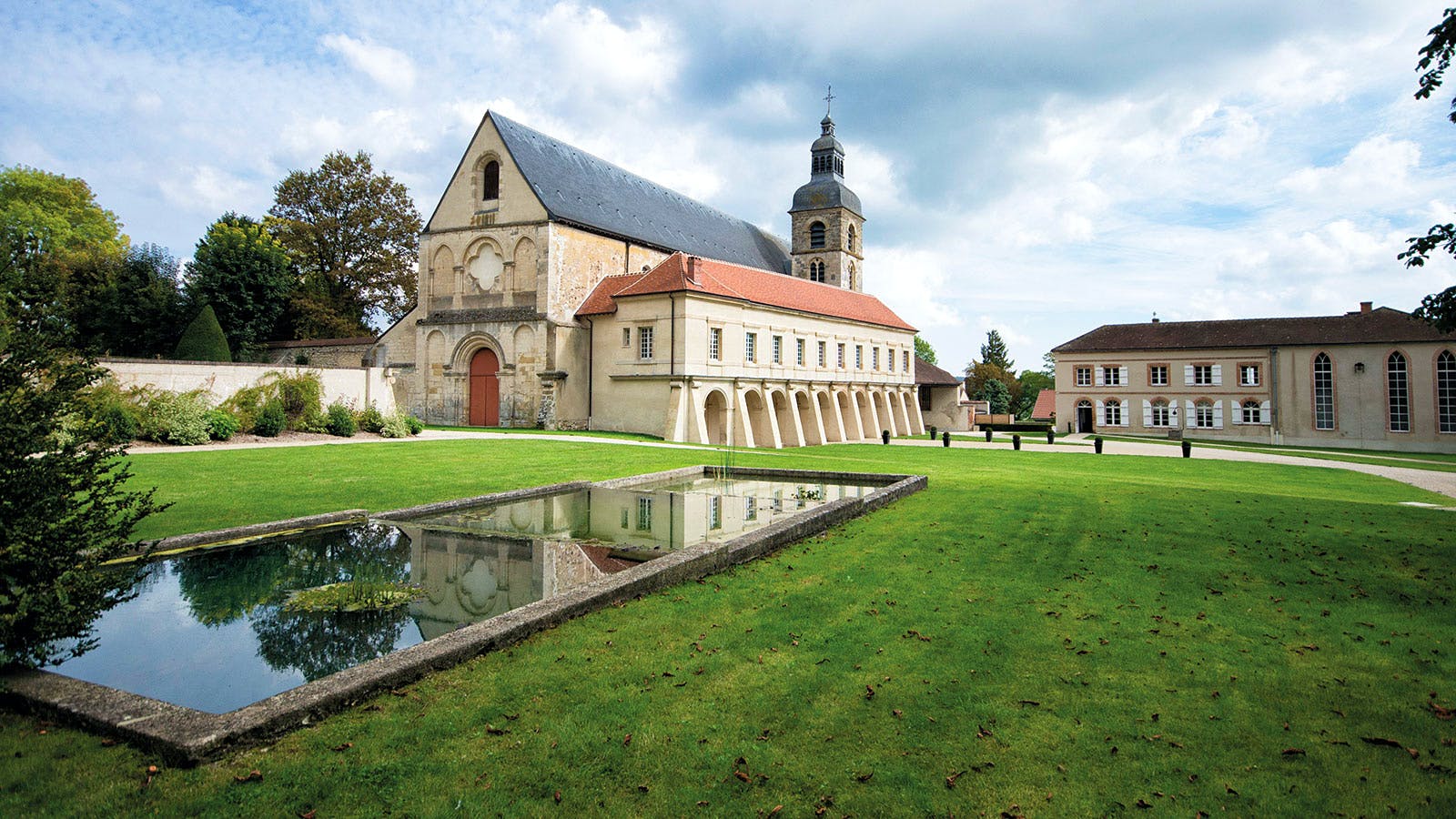
Bars in Oeuilly Epernay
Browse all →
Restaurants in Oeuilly Epernay
Browse all →
At a Glance
- Classic
- Scenic
- Rustic
- Elegant
- Intimate
- Wine Education
- Group Outing
- Romantic Getaway
- Special Occasion
- Solo Exploration
- Family
- Barrel Room
- Vineyard Tour
- Cave Tasting
- Estate Grounds
- Historic Building
- Private Tasting
- Sustainable
- Organic
- Vineyard
- Champagne AOC
- Pinot Noir
- Chardonnay
- Pinot Meunier
- Arbane
- Pinot Blanc
- Petit Meslier
- Sparkling
- Guided Tasting
- Cellar Tour With Tasting
- Vineyard Walk With Tasting
- Private Appointment Tasting
Family-run grower Champagne estate with a cozy, informative tour and tastings set among traditional cellars and Marne Valley vineyards, blending classic craftsmanship with a modern, terroir-driven approach.