
Falstaff Winery - 2 Stars
Champagne Palmer & Co gives Reims a polished, terroir-led Champagne experience built around Montagne de Reims fruit, long lees ageing, and a cooperative model dating to 1947. The house is strongest when read through its Chardonnay-led blends, reserve-wine depth, and cellar-focused tastings rather than as a dynasty-style grande maison narrative.

Pearl is the En Primeur Club membership app — saves, bookings, and concierge access live there. Same editors, same standards.
- Address
- 67 Rue Jacquart, 51100 Reims, France
- Phone
- +33 3 26 07 35 07
- Hours
- Mon–Thu 8:30 AM–12 PM, 1:30–5:30 PMFri 8:30 AM–12 PM, 1:30–4:30 PMSat–Sun Closed
- Website
- champagne-palmer.fr
- Directions
- Get directions
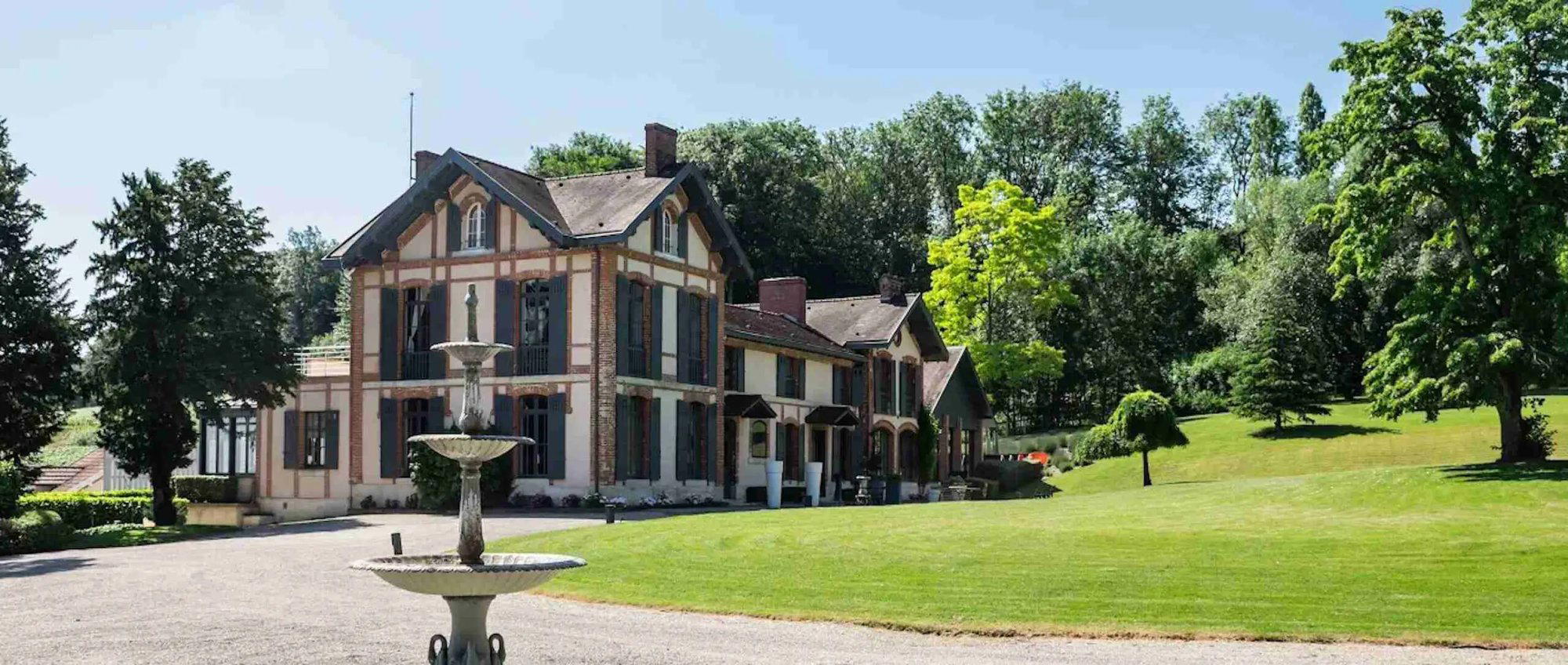
Reims Champagne houses often announce themselves through scale: chalk cellars, formal tasting rooms, and a polished hush around the glass. At Champagne Palmer & Co, that atmosphere is tied less to aristocratic lineage than to the collective logic of the Montagne de Reims. The experience is quiet, structured, and heritage-minded, with the cellar and the tasting format doing the interpretive work: how Chardonnay, Pinot Noir, Pinot Meunier, reserve wines, and time on lees can turn a broad grower network into a coherent house style.
That distinction matters in Champagne. The region is full of family names and luxury labels, but the cooperative tradition tells a different story about quality: not ownership of a single walled vineyard, but the ability to assemble parcels, crus, and vintages with discipline. Palmer & Co was founded in 1947 by seven growers with Grand Cru holdings, and that origin still shapes the house’s editorial interest. Today, the model extends across more than 300 partner growers and a vineyard base associated with Premier and Grand Cru fruit in the Montagne de Reims, including villages such as Mailly, Verzenay, Chigny, Trépail, and Villers-Marmery.
Montagne de Reims fruit, read through Chardonnay and reserve wine
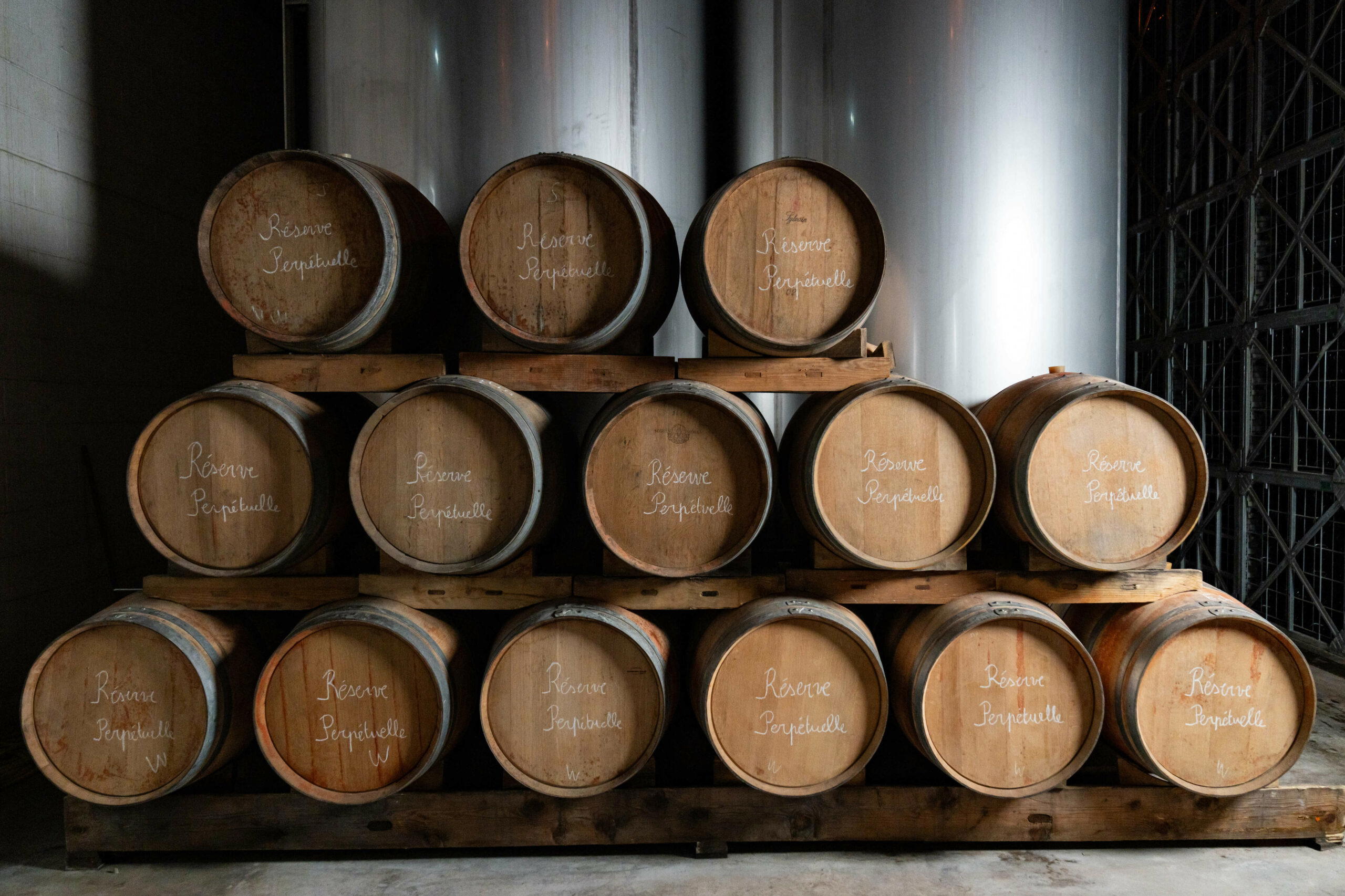
The house’s wines are a useful lens on Champagne’s blending culture because the identity is built from proportion rather than singularity. Brut Réserve, the central cuvée, is led by Chardonnay at 50–55%, with Pinot Noir at 35–40% and Pinot Meunier at 10–15%. A 35% reserve-wine component gives the non-vintage blend its mature register, while 3 to 4 years on lees puts it beyond the minimum ageing frame associated with much non-vintage Champagne. In practical drinking terms, that explains why the profile is less about sharp aperitif simplicity and more about breadth, nutty development, and citrus-led freshness.
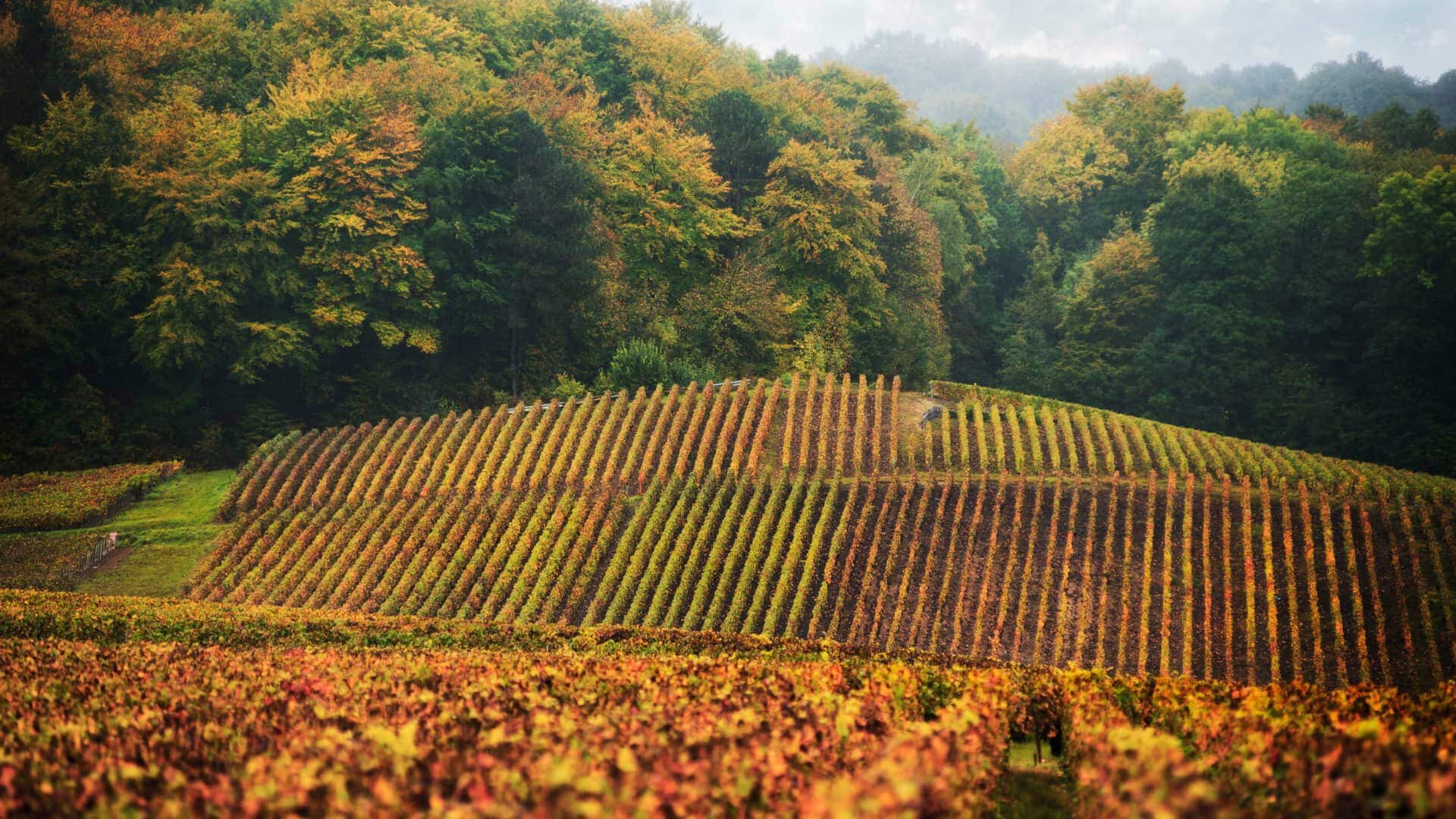
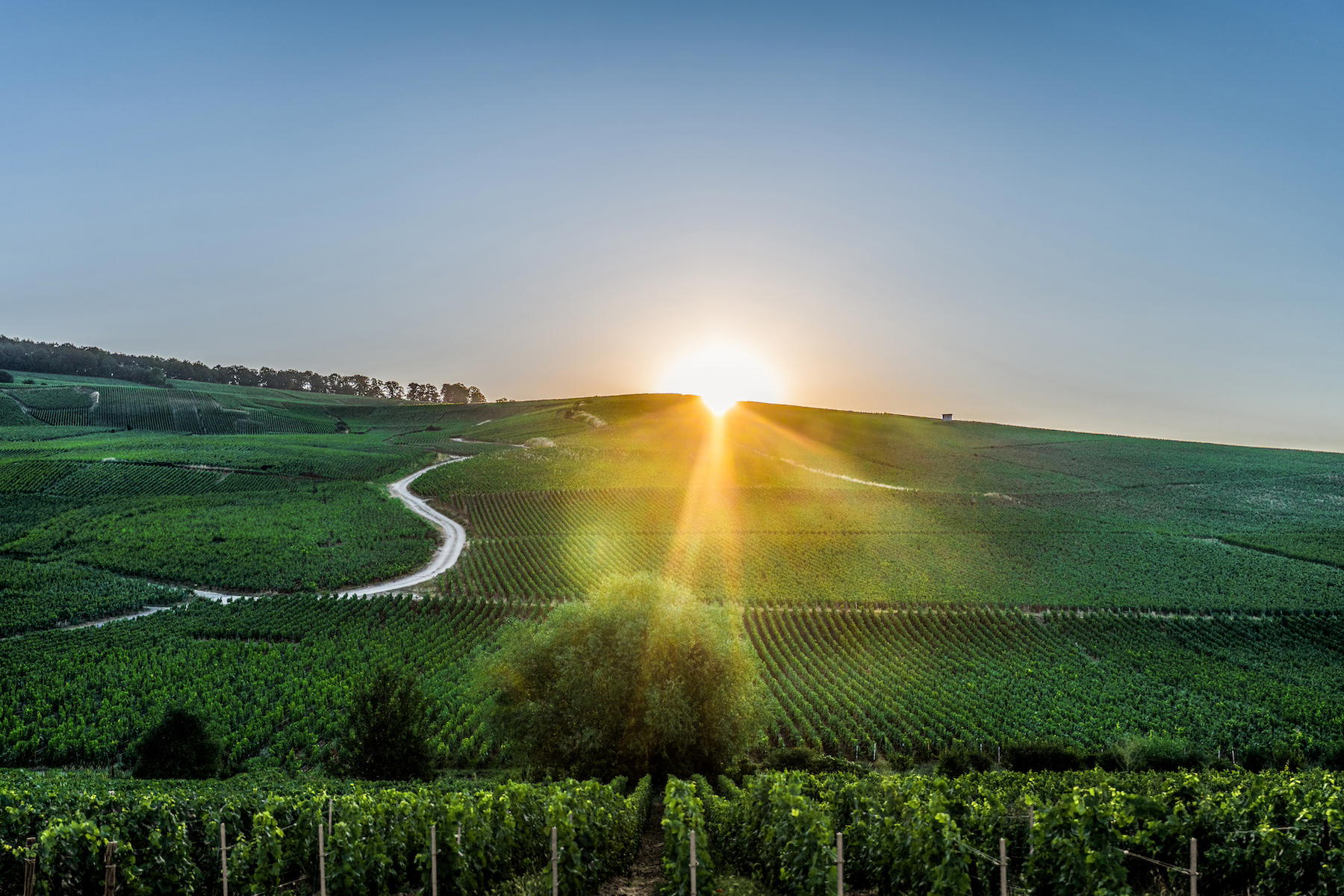
The terroir argument is clearest in the way the Montagne de Reims is used. Chalk soils and a cool northern climate are Champagne fundamentals, but Palmer’s sourcing emphasizes villages that can contribute structure, lift, and mineral tension across a blend. The result is not grower-Champagne minimalism; it is house-style Champagne with grower roots. That makes it especially relevant for drinkers who want to understand how the region’s famous consistency is made: through assemblage, reserve stocks, and patient ageing rather than a single vintage story.
Rosé adds a second technical point. The house uses a Solera-influenced reserve system for its rosé program, with Rosé Reserve listed at 42% Chardonnay, 49% Pinot Noir, 9% Pinot Meunier, and 10% solera red wine. Solera is more closely associated with Jerez than Reims, so its appearance here is not decorative; it is a structural tool for continuity and layered red-fruit character. Blanc de Blancs, by contrast, narrows the frame to 100% Chardonnay, while Amazone de Palmer moves into a more mature register with reserve wines aged for more than 10 years on lees. Those cuvées show the house’s range without turning the portfolio into a novelty exercise.
A cellar-led tasting house rather than a spectacle format
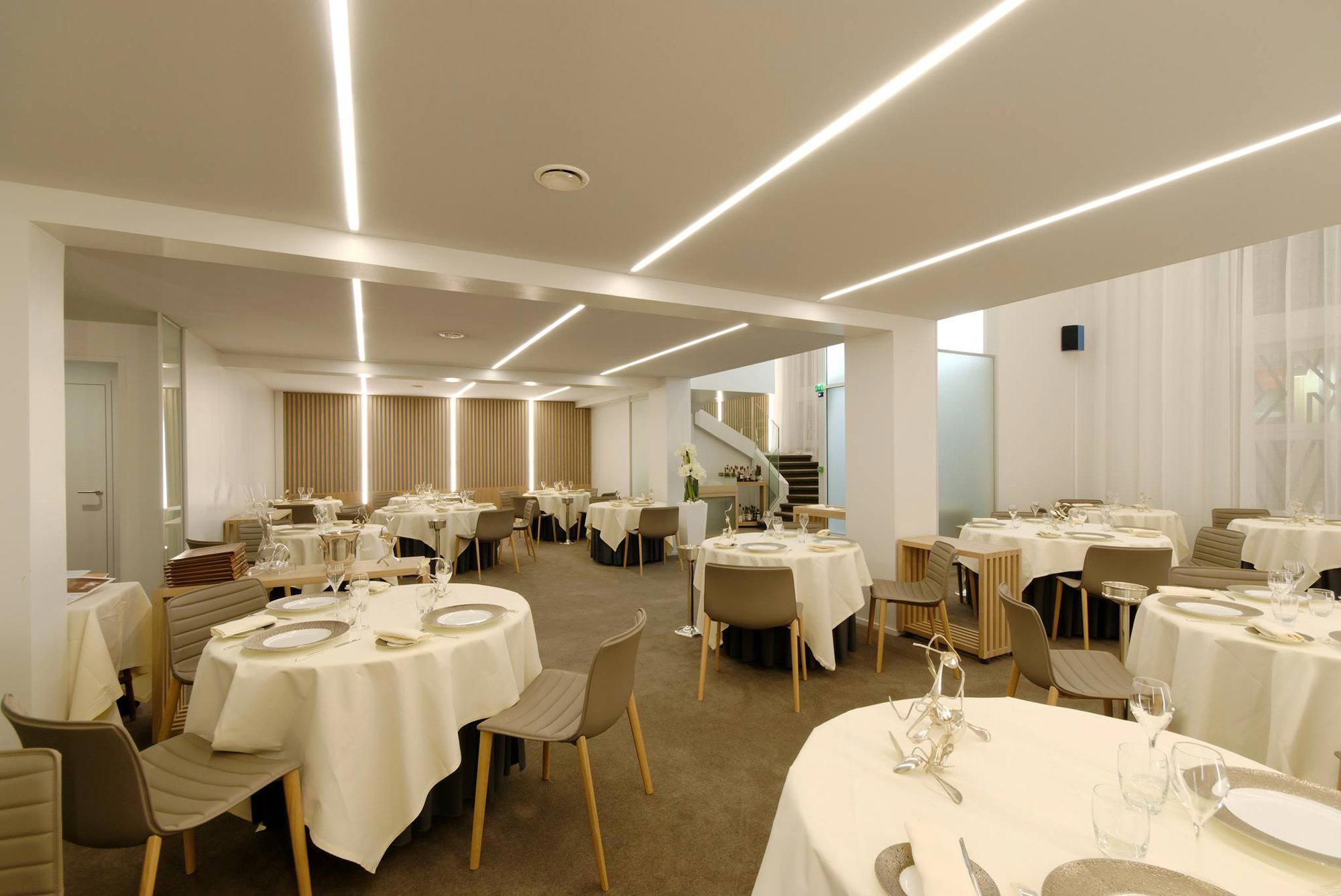
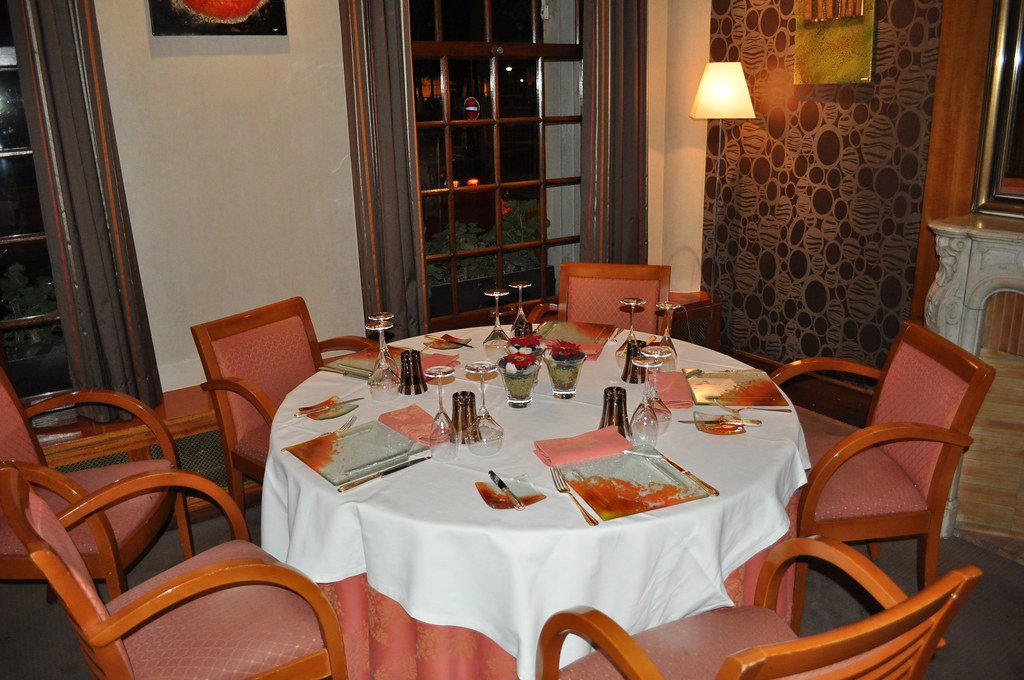
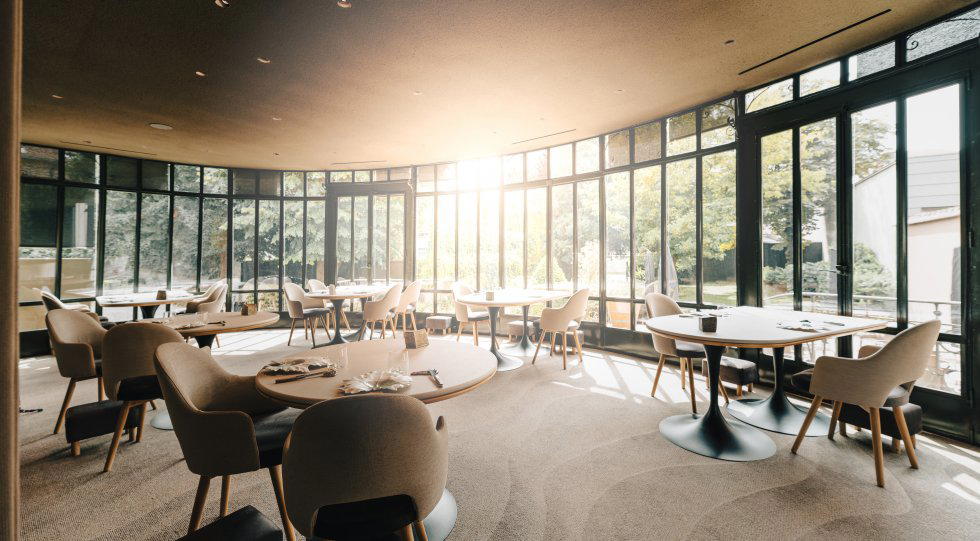
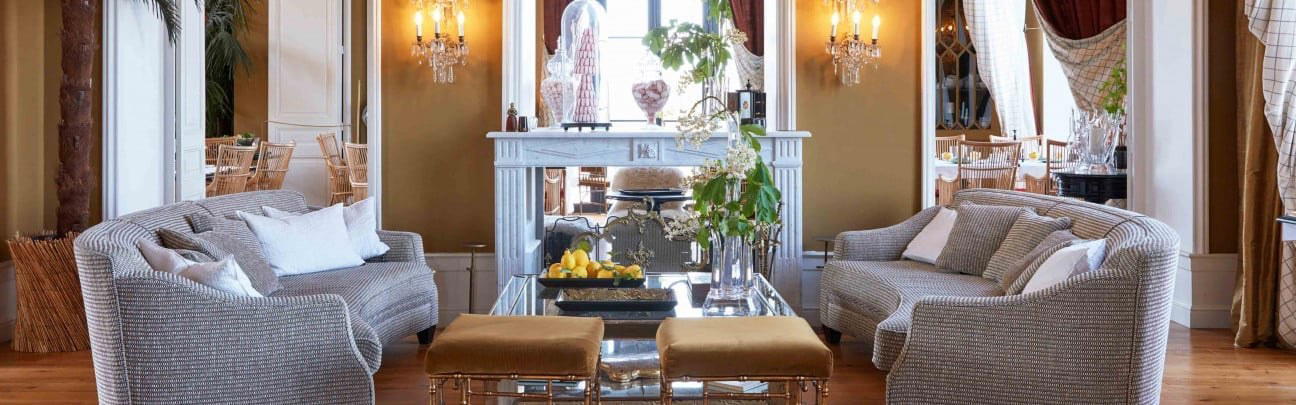
Hospitality in Reims can split between grand-brand performance and technical education. This address sits closer to the second camp. The tasting experience is built around guided formats, private tastings, pairing menus, exhibitions, and a cellar-focused reading of the house’s Champagne heritage. The room’s tone is refined and quiet, with the emphasis on cuvées and process rather than high-volume theatre. For groups, wine education, and special-occasion tastings, that controlled pace is an advantage.
The format also suits visitors trying to map Reims beyond restaurant reservations and cathedral photographs. A Champagne house visit here works as a bridge between the city and the surrounding crus: Reims as tasting base, Montagne de Reims as source. That same regional reading can be extended through Our full Reims wineries guide, while the surrounding trip can be rounded out through Our full Reims restaurants guide, Our full Reims hotels guide, Our full Reims bars guide, and Our full Reims experiences guide.
There is enough critical recognition to support the quality argument without overclaiming it. Brut Réserve has been rated 91 by Wine Enthusiast, 89 by Wine Spectator, and 89 by Wine Advocate, with SPW also listing a 94 score. Those numbers place attention on the wine rather than the mythology around it, which is where Palmer & Co is strongest: technical confidence, long ageing, and a cooperative structure that has managed to read as polished rather than anonymous.
How to place it in a wider Champagne itinerary
For a Reims wine itinerary, the house is best treated as a study in blend architecture. It pairs well conceptually with visits that show other expressions of Champagne production and hospitality, from Bruno Paillard and Champagne Barons de Rothschild to Champagne Boll & Cie, Champagne Castelnau, and Champagne Charles Lafitte. The useful contrast is not a ranking; it is the range of ways Reims presents Champagne, from cellar education to brand-led tasting rooms.
Visitors interested in the Montagne de Reims thread can also look toward A. Margaine in Villers-Marmery, which keeps the conversation close to the villages that shape this part of Champagne. For broader wine travel beyond the region, the same collection reaches into southern France at Abbaye de Fontfroide in Narbonne and Abbotts & Delaunay in Marseillette, then further afield with »der Steiner« Hans Steiner in Podersdorf am See and & Handwein in Mannheim.
The editorial case for Champagne Palmer & Co is specific: this is a Reims tasting address for understanding how cooperative scale, chalk-soil sourcing, reserve wines, and lees ageing can produce a refined house signature. Choose it for a measured, educational Champagne experience centered on terroir expression and blending discipline, not for nightlife energy or casual bar-style drinking.
Recognition history
Dated appearances from independent guides and award organizations, with the underlying list record or original source where available.
Falstaff Winery - 2 Stars
Falstaff
Continue exploring
More in Reims
Wineries in Reims
Browse all →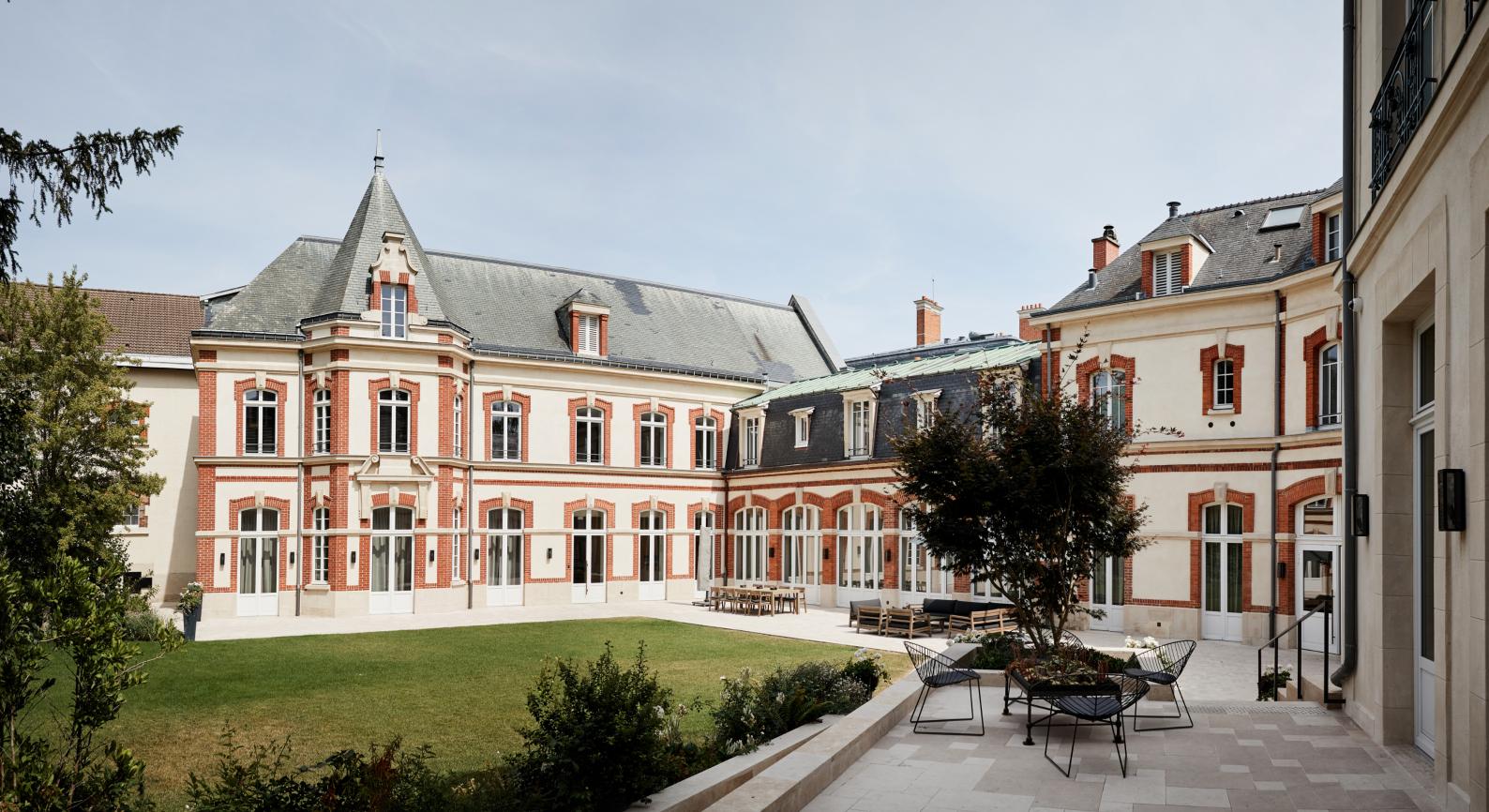
Bars in Reims
Browse all →
Restaurants in Reims
Browse all →
Details
- Elegant
- Sophisticated
- Classic
- Special Occasion
- Group Outing
- Wine Education
- Private Tasting
- Historic Building
- Design Destination
- Sustainable
- Chardonnay
- Pinot Noir
- Pinot Meunier
- Sparkling
- Guided Tasting
- Pairing Menu
- Private Tasting
- English
- Italian
Current opening hours
- Monday
- 8:30 AM–12 PM, 1:30–5:30 PM
- Tuesday
- 8:30 AM–12 PM, 1:30–5:30 PM
- Wednesday
- 8:30 AM–12 PM, 1:30–5:30 PM
- Thursday
- 8:30 AM–12 PM, 1:30–5:30 PM
- Friday
- 8:30 AM–12 PM, 1:30–4:30 PM
- Saturday
- Closed
- Sunday
- Closed
Hours can change for holidays and private events. Last verified .
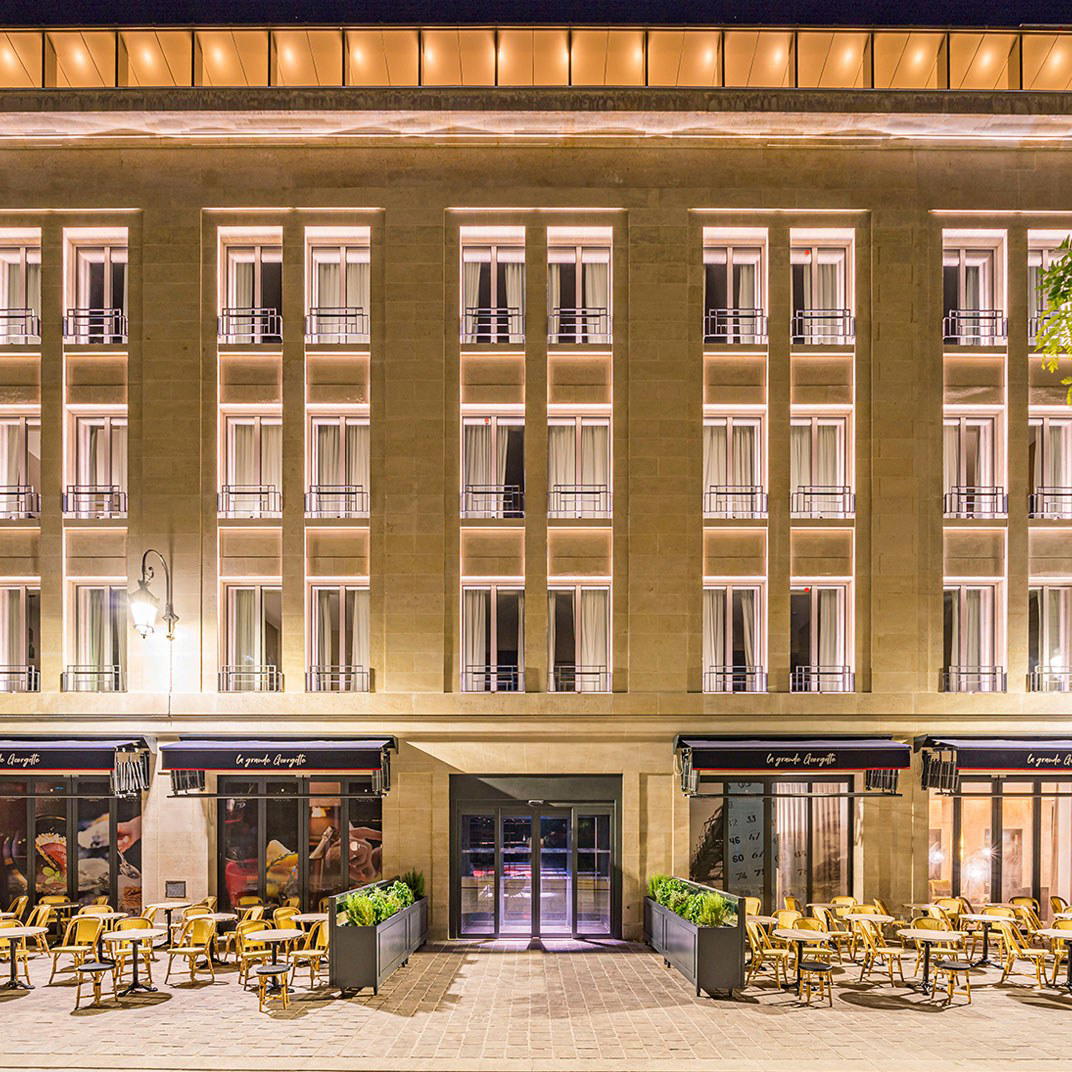
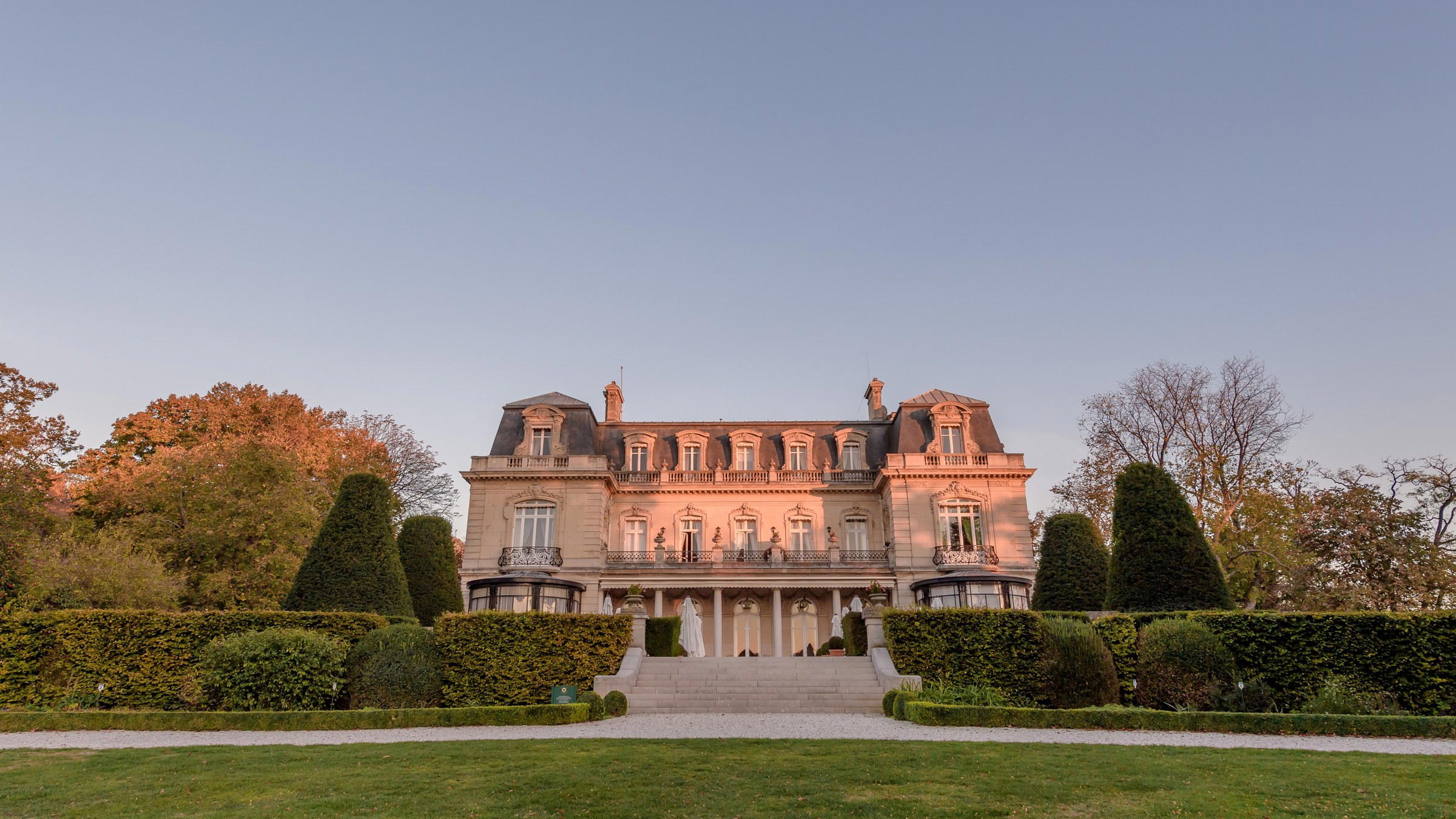
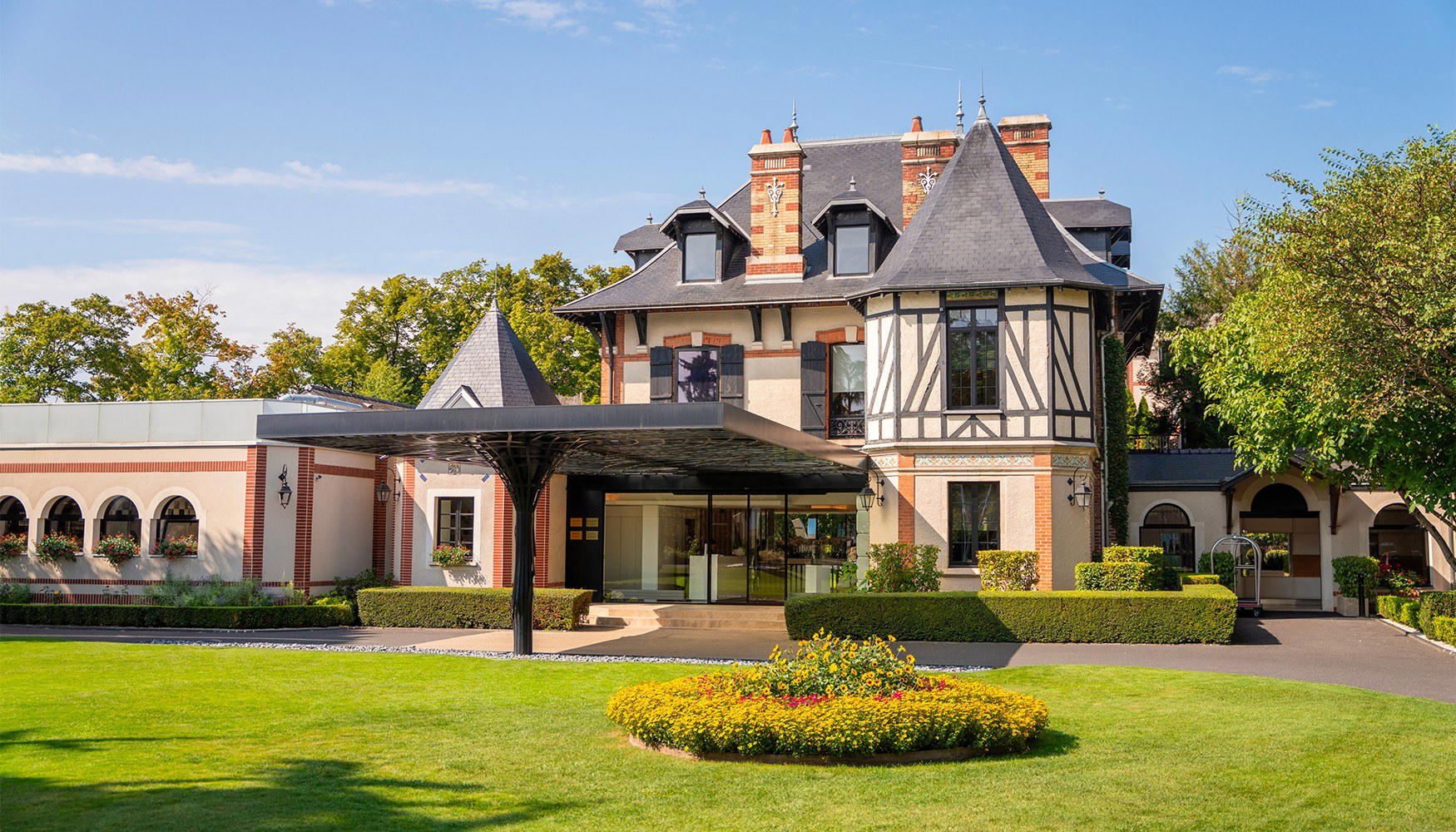
Elegant and refined, with a polished house-style atmosphere centered on Champagne heritage and tastings.