← Guides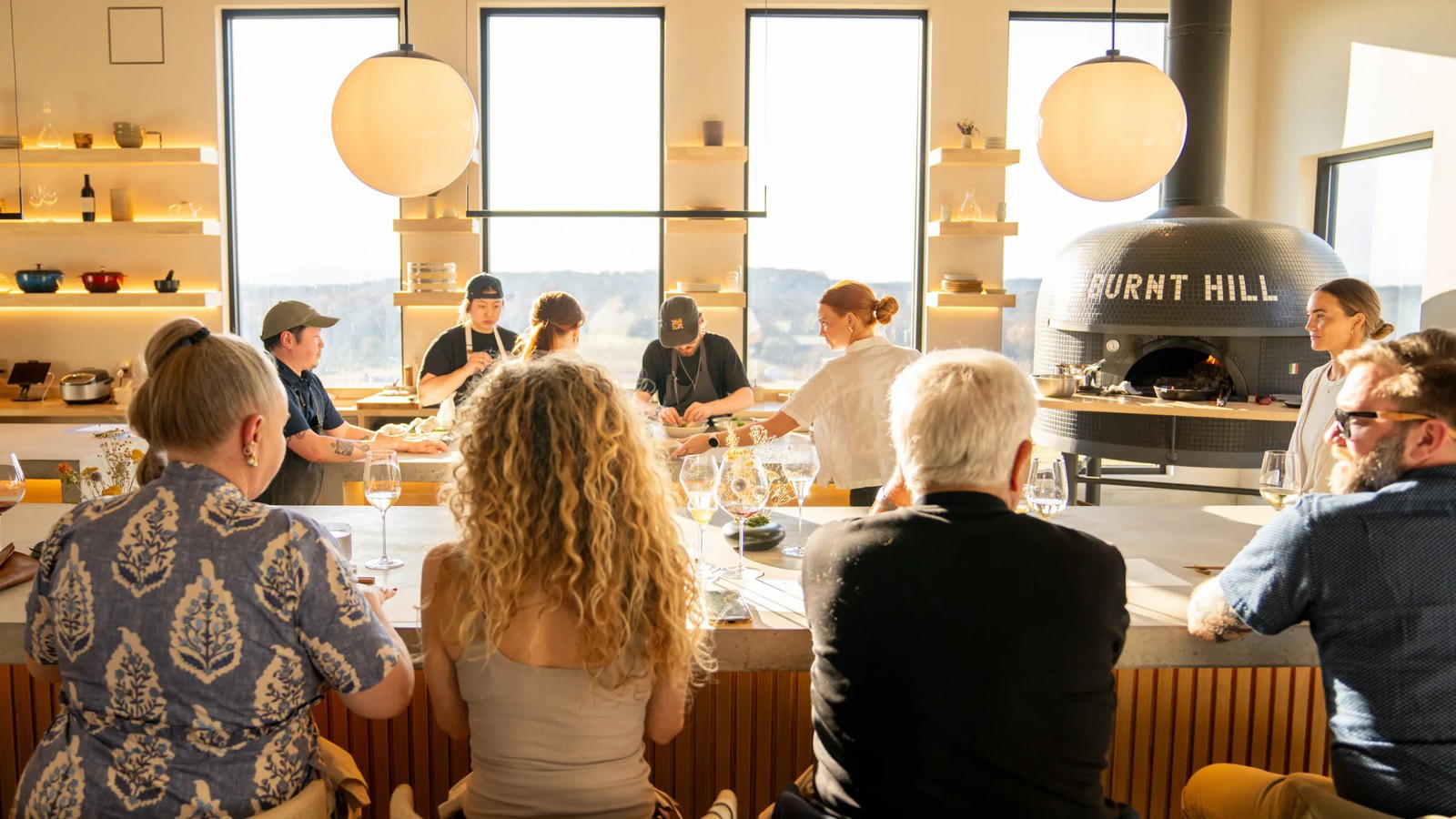
Burnt Hill Farm’s 12-seat Montgomery County counter pairs estate wines with Tae Strain’s Asian-leaning menu, and May booked in six minutes.
Burnt Hill Farm’s 12-seat Montgomery County counter pairs estate wines with Tae Strain’s Asian-leaning menu, and May booked in six minutes.
Golden-hour light catches the glassware at Burnt Hill Farm in Montgomery County, Maryland, as first weekend guests settle in for Tae Strain’s Asian-leaning seasonal courses, estate wines, and ingredients raised on the property.
For a wine-minded traveler, the draw is the integration: a destination winery, a low-intervention cellar, and a chef’s counter built for a full evening rather than a conventional tasting-room flight.
Reservations for May went live online in early April; the month booked in six minutes flat. The urgency fits the scale of the room and a dusk service designed for diners willing to drive up to an hour from D.C., Baltimore, and the surrounding suburbs.
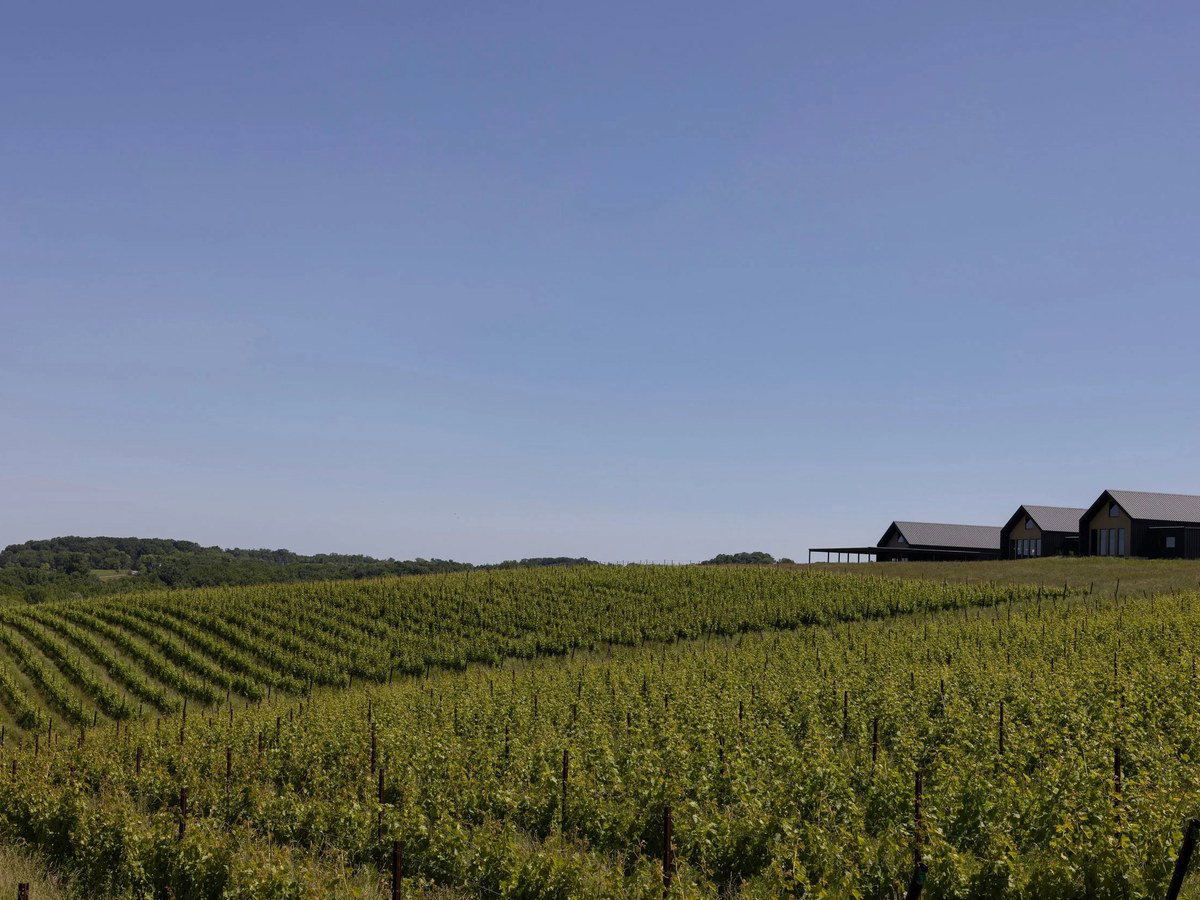
Open since summer 2025, the winery is the culmination of a decade-long vision from siblings Drew Baker, Lisa Hinton, and Ashli Johnson, also behind Old Westminster Winery. Their project gives Maryland wine country a more immersive stage for regenerative farming, serious estate pours, and a chef-led meal.
Each three-hour dinner begins with a glass of the vineyard’s sparkling Blanc de Blancs and pull-apart shokupan with umeboshi salt and whipped miso honey butter.
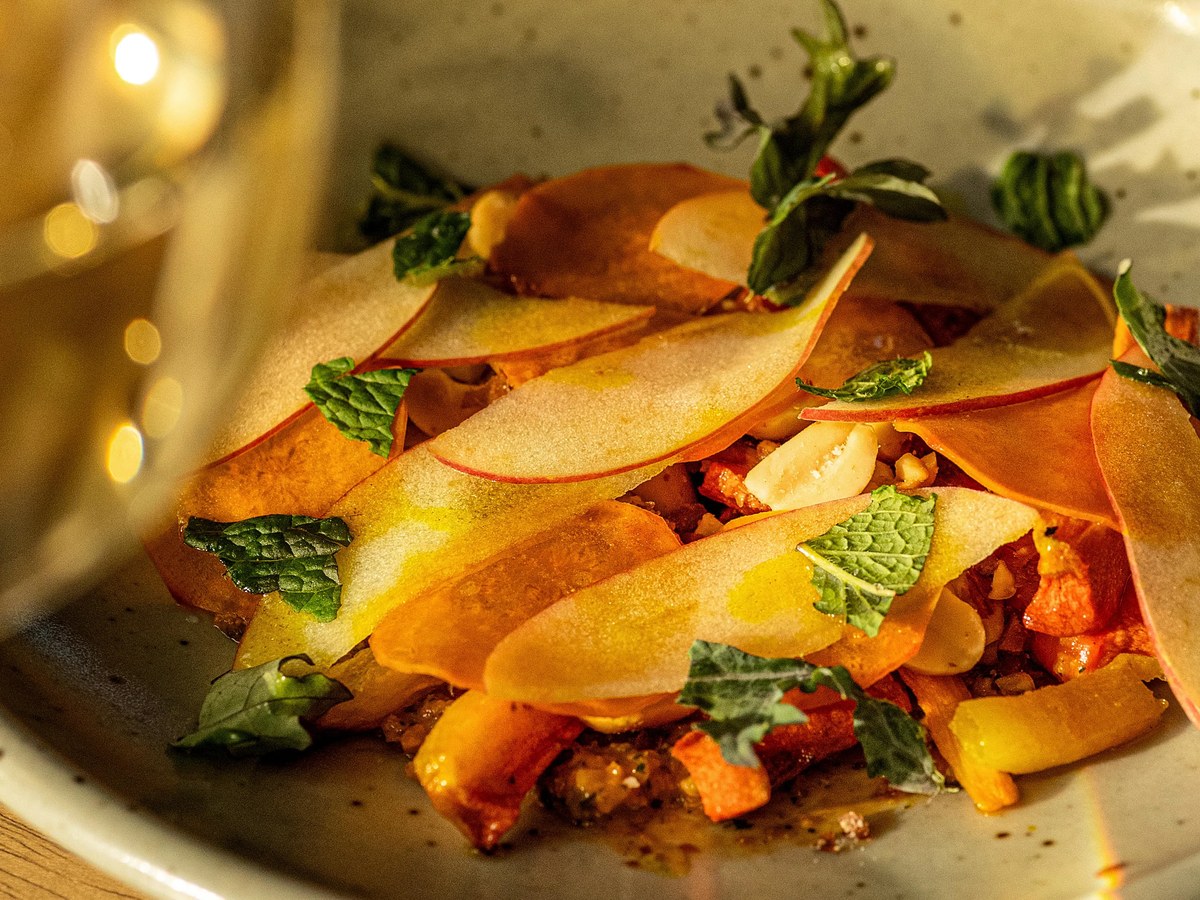
The seven- to nine-course sequence moves through vegetable, fish, and duck preparations that change with the season. Early dinners included roasted carrots with Virginia peanut sambal and curry oil; striped bass and vineyard mushrooms in a crab, wine, and butter sauce; and dry-aged duck with mandarinquats dusted in shiso salt.
The final savory course is a shared pork shoulder ssam board with house-made kimchi, chive crepes, fresh radish, and spicy-tangy sauces for lettuce-wrapped bites. Dessert brings the ggoma snowball layered with marshmallow fluff, citrus granita, fruit, and shortbread, followed by an eight-year-aged brandy fat-washed with honey sesame butter and a seasonal sweet such as sweet potato toffee cake with whipped cream and roasted soybean powder.
Heat, salinity, smoke, umami, fruit, and acidity all have a place at the table, giving the wines far more to answer than they would in isolation.
Strain arrives with a serious kitchen résumé: San Francisco’s Michelin-starred Progress, New York City’s Public hotel, and D.C.’s Momofuku. During the pandemic, he moved to a farm in his home state of Maryland and began a pop-up supper club centered on his own produce.

Born in Seoul, Korea, he builds the counter around mid-Atlantic seasons and the Asian flavor profiles and ingredients that have shaped his cooking throughout his career.
Ashli Johnson plays a central role in the dining room, welcoming guests, pouring wine, and sharing details such as decanters made from historical glass excavated from the grounds and the wines’ time in ashwood tanks.
The 117-acre property grows native American and European grape varieties for its wine program and also keeps six beehives, a small fruit orchard, a tiny mushroom farm, and wandering Mangalitsa pigs, often called the “wagyu” of pork.

Those holdings move directly into Strain’s menus. The farm is not decorative provenance; it is the pantry.
Weekend visitors can taste the broader kitchen outside the counter format from 11 a.m. to 7 p.m. in the lounge and tasting room, with à la carte dishes including sourdough focaccia with sesame-honey butter, pizza topped with smoked mozzarella and Mangalitsa sausage, and rotating roasted vegetables from the farm.
June seatings take place at 5:30 p.m. on Fridays, Saturdays, and Sundays. Access opens to Burnt Hill newsletter subscribers through a private Tock link at 7 p.m. on Monday, May 4.

The tasting menu starts at $250, with pricing changing according to the rotating ingredients of the hyper-seasonal menu.
Get the App
Take the shortlist into the En Primeur Club app for concierge access, saved places, and the next step after discovery.
Get Exclusive AccessMore from the editors