
Falstaff Winery - 1 Stars
Champagne Esterlin gives Épernay’s Champagne circuit a cooperative counterpoint, with grower-member scale, Chardonnay-led wines and a tasting-room format built around explanation rather than ceremony. Its Avenue de Champagne address places it in the city’s main wine corridor, while its non-malolactic approach keeps the editorial focus on freshness, acidity and terroir expression.

Pearl is the En Primeur Club membership app — saves, bookings, and concierge access live there. Same editors, same standards.
- Address
- 25 Av. de Champagne, 51200 Épernay, France
- Hours
- Mon 2–5 PMTue–Wed 9 AM–12:30 PM, 2–5 PMThu 9 AM–12:30 PM, 2–5:30 PMFri–Sat 10:30 AM–8 PMSun 10:30 AM–7 PM
- Website
- champagne-esterlin.com
- Directions
- Get directions
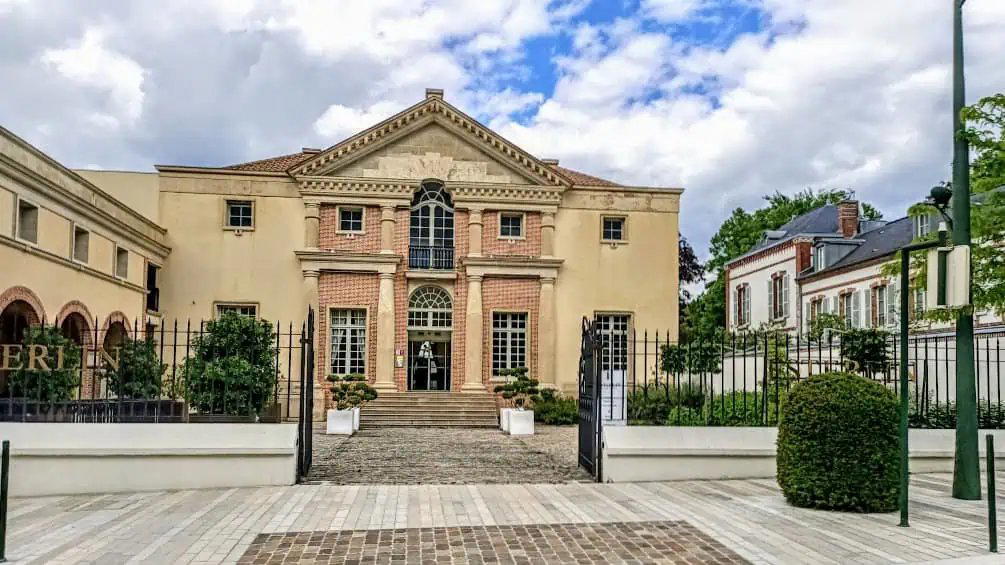
Avenue de Champagne has a particular theatre: visitors moving between Champagne houses with the quiet concentration of people trying to understand why one chalk slope tastes different from another. In that setting, Champagne Esterlin offers a focused stop in Épernay: a cooperative Champagne house tasting room built around guided, commented tastings in a relaxed but professional setting. It sits naturally within the rhythm of the avenue, where the pleasure is not only in tasting Champagne but in paying attention to the explanations that make each glass more legible.
The appeal here is not an elaborate restaurant-style offer or a long list of public accolades. It is a Champagne tasting experience centered on education, terroir and the house’s distinctive non-malolactic style. For visitors building a wine-focused day in Épernay, Champagne Esterlin is best understood as a place to slow down, taste with commentary and ask practical questions about how style and terroir show in the glass. That makes it especially useful for guests who prefer a tasting with clear guidance rather than a quick pour without much context.
A cooperative reading of Champagne terroir
Champagne Esterlin is presented as a cooperative Champagne house, which gives the visit a different tone from a purely individual-estate narrative. The tasting-room experience is grounded in explanation rather than spectacle, with terroir and house style forming the core of the conversation. The cooperative identity matters because it encourages visitors to think beyond a single romantic image of Champagne and toward the broader relationship between growers, place and the finished wine.
The house’s distinctive non-malolactic style is a key part of the educational framing. In broad terms, discussing that choice can help visitors think about freshness, acidity and structure rather than treating Champagne only as a celebratory drink. The useful point for guests is simple: the tasting is designed to connect what is in the glass with winemaking decisions and the character of place. When that connection is made well, a tasting becomes less about memorizing terms and more about noticing texture, balance and the impression a style leaves.
Because the information for Champagne Esterlin is focused, visitors should avoid assuming details that are not stated here, such as a specific grape breakdown, vineyard count, cellar capacity, sustainability certification or award history. The clearest reason to visit is the guided, commented tasting format in Épernay and the chance to learn about terroir and non-malolactic Champagne style in a professional but relaxed setting. In other words, the recommendation rests on the nature of the experience itself, not on unsupported embellishment.
What the tasting format teaches
The tasting room is relaxed in tone, but the format is educational. Guided, commented tastings are the central experience, so the visit is well suited to guests who want context with their Champagne rather than a purely self-directed glass. The commentary is the value: it gives shape to what might otherwise be a pleasant but less instructive stop, helping visitors follow why one Champagne feels brisker, firmer or more structured than another.
That focus can be useful on an Épernay itinerary. Visitors often compare several Champagne experiences in a single day, and Champagne Esterlin offers a clear angle: cooperative-house hospitality, commentary, terroir education and the house’s non-malolactic style. In a region where the options can blur together for first-time guests, that defined angle helps the stop occupy a specific place in the day.
The practical budget marker available for Champagne Esterlin is $40 per person.
For a wider Épernay itinerary, pair the visit with other dining, hotel or wine stops in the city generically, leaving enough time between appointments. Champagne Esterlin works well as one educational tasting-room stop within a broader Champagne-focused day. A little breathing room is useful, because the point of a commented tasting is to listen, taste carefully and leave with a clearer sense of what the house is trying to express.
Why it earns a place in an Épernay wine day
The strongest reason to include Champagne Esterlin is clarity. The description points to a cooperative Champagne house tasting room on Épernay’s Avenue de Champagne, with guided, commented tastings in a relaxed but professional setting. That is a direct and useful proposition for travelers who want to learn while they taste. It is also a manageable one: the visit can be understood without needing a long list of extra claims.
Its emphasis on education, terroir and non-malolactic style gives the visit a defined purpose. Rather than relying on claims about awards, production scale, named vineyards or special formats, the page can recommend Champagne Esterlin for what is actually known: a structured tasting-room experience in Épernay focused on how the house explains its Champagne. That restraint is part of the appeal, because it keeps expectations aligned with the information available.
For drinkers comparing Champagne experiences, the honest approach is to treat Champagne Esterlin as one Épernay tasting stop with a cooperative identity and an educational frame. Confirm current tasting availability and any practical details directly, then use the visit to sharpen your understanding of terroir, acidity and house style. Within a day on Avenue de Champagne, that kind of focused, explanatory stop can make the rest of the itinerary more rewarding too.
Recognition history
Dated appearances from independent guides and award organizations, with the underlying list record or original source where available.
Falstaff Winery - 1 Stars
Falstaff
Continue exploring
More in Épernay
Wineries in Épernay
Browse all →
Bars in Épernay
Browse all →
Restaurants in Épernay
Browse all →
Details
- Classic
- Well Known
- Elegant
- Lively
- Sophisticated
- Group Outing
- Celebration
- Wine Education
- Special Occasion
- Romantic Getaway
- Private Tasting
- Estate Grounds
- Sustainable
- Street Scene
- Chardonnay
- Pinot Noir
- Pinot Meunier
- Sparkling
- Standard Flight
- Blind Tasting
- Prestige Tasting
Current opening hours
- Monday
- 2–5 PM
- Tuesday
- 9 AM–12:30 PM, 2–5 PM
- Wednesday
- 9 AM–12:30 PM, 2–5 PM
- Thursday
- 9 AM–12:30 PM, 2–5:30 PM
- Friday
- 10:30 AM–8 PM
- Saturday
- 10:30 AM–8 PM
- Sunday
- 10:30 AM–7 PM
Hours can change for holidays and private events. Last verified .
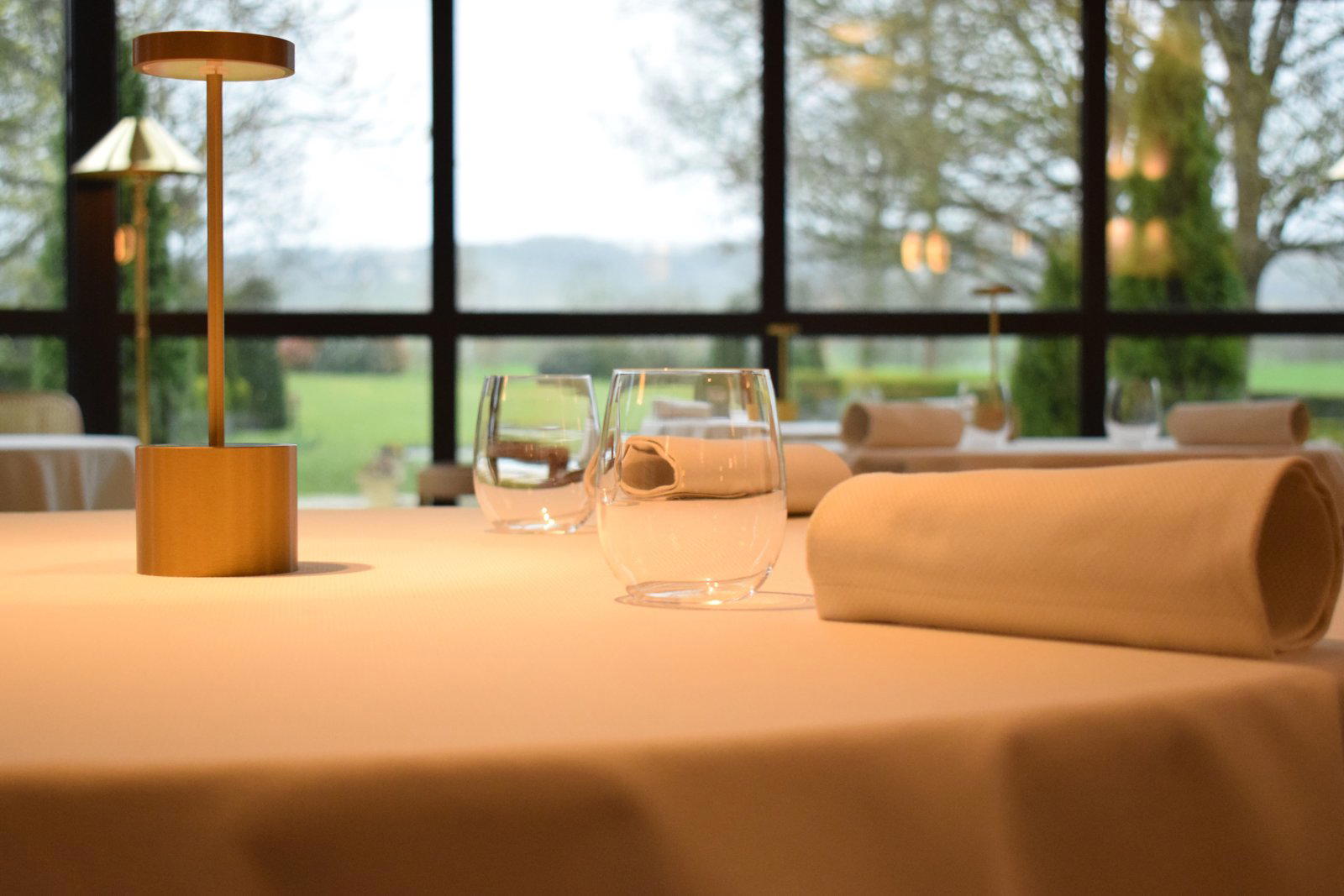
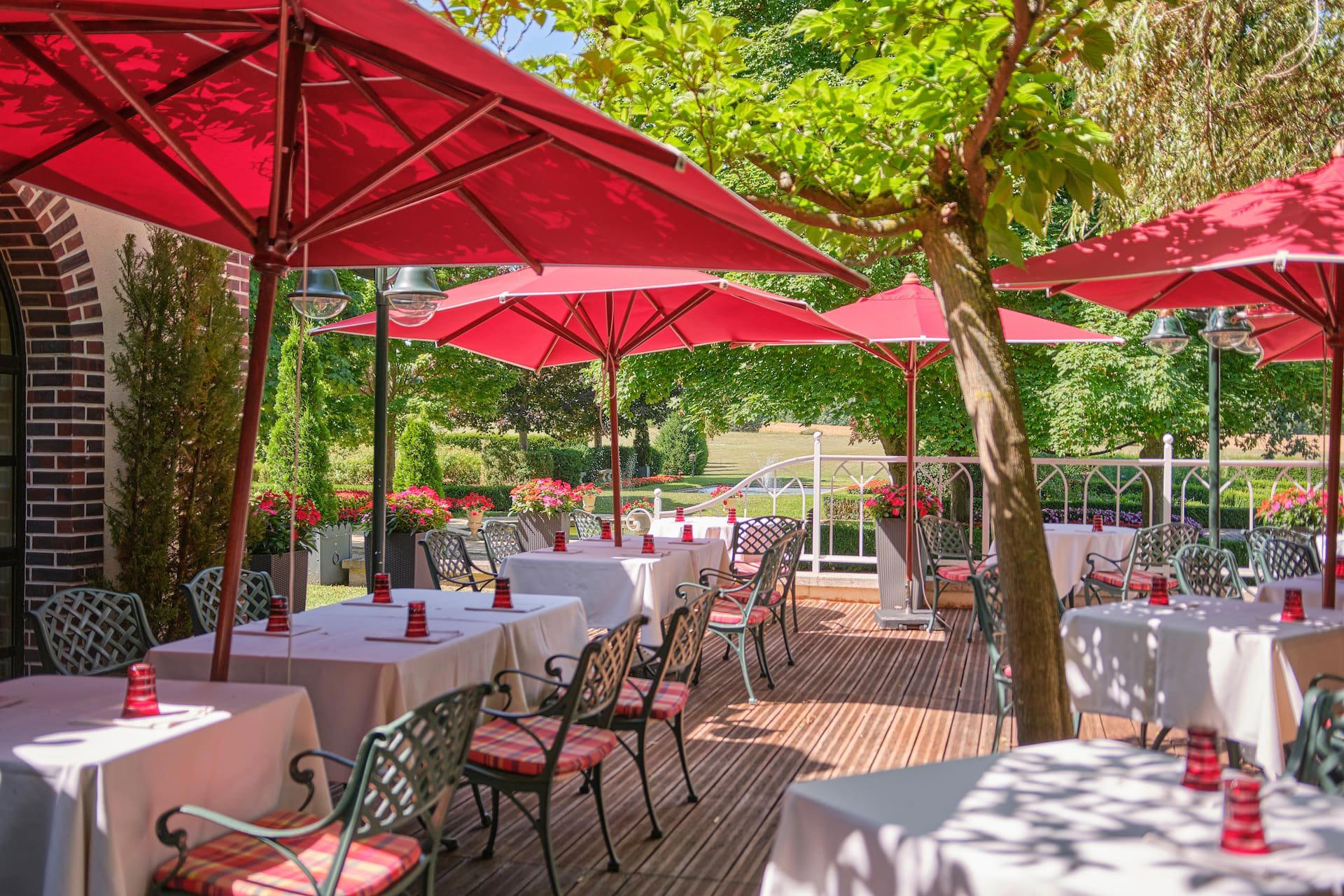
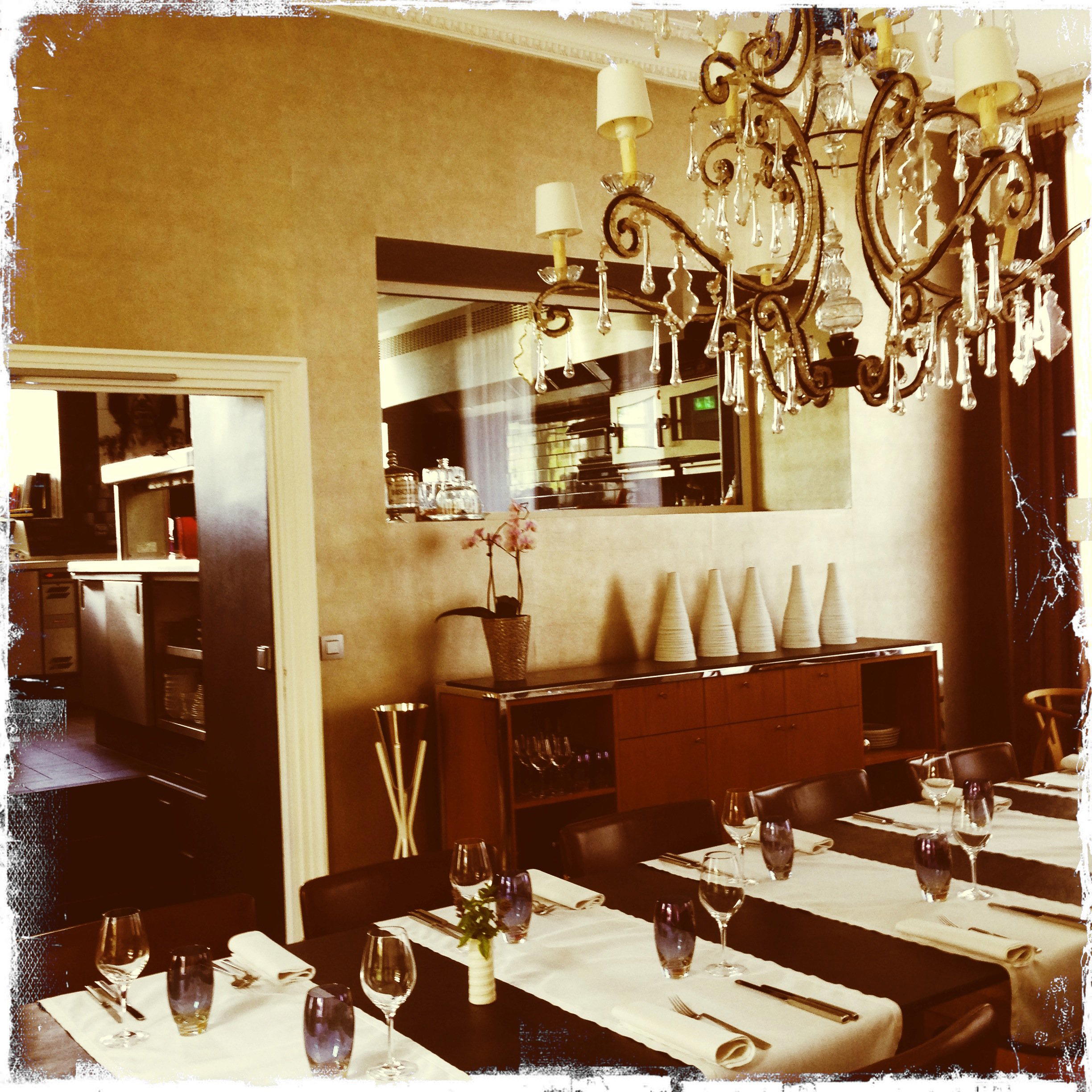
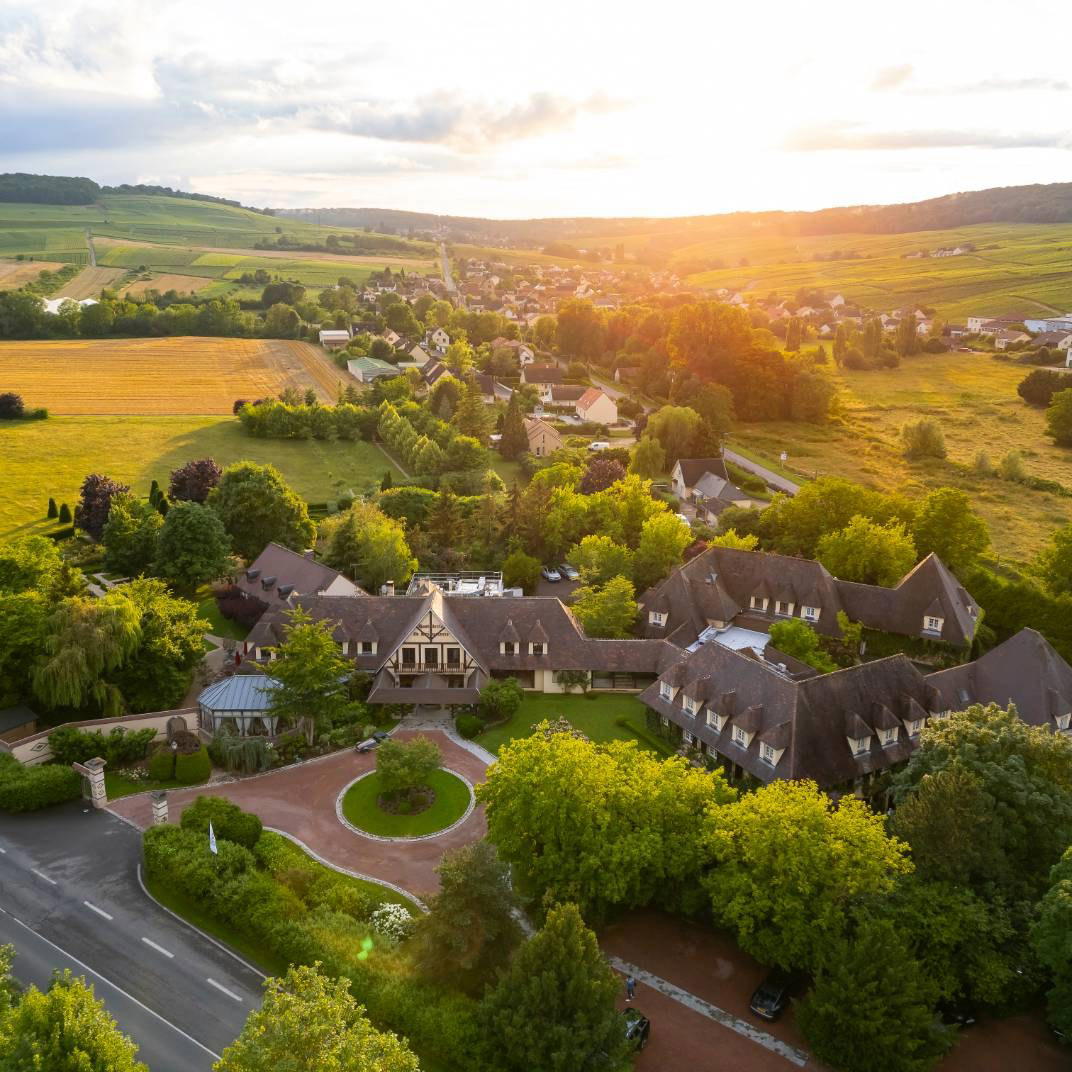
Cooperative Champagne house tasting room on Épernay’s well-known Avenue de Champagne, offering guided, commented tastings in a relaxed but professional setting focused on education, terroir and the house’s distinctive non-malolactic style.