Champagne Autréau de Champillon

Champagne Autréau de Champillon belongs to the grower-estate side of Champagne: family-rooted, vineyard-led, and more concerned with Premier Cru and Grand Cru expression than brand theatre. Its 33.50 hectares across Champillon, Dizy, Hautvillers and another site give the range a clear terroir frame, with sustainable certification and Guide Hachette 2026 recognition adding useful context.
Pearl is the En Primeur Club membership app — saves, bookings, and concierge access live there. Same editors, same standards.
- Address
- Champillon, Grand Est, Frankreich
- Directions
- Get directions
 Saves & bookings on Pearl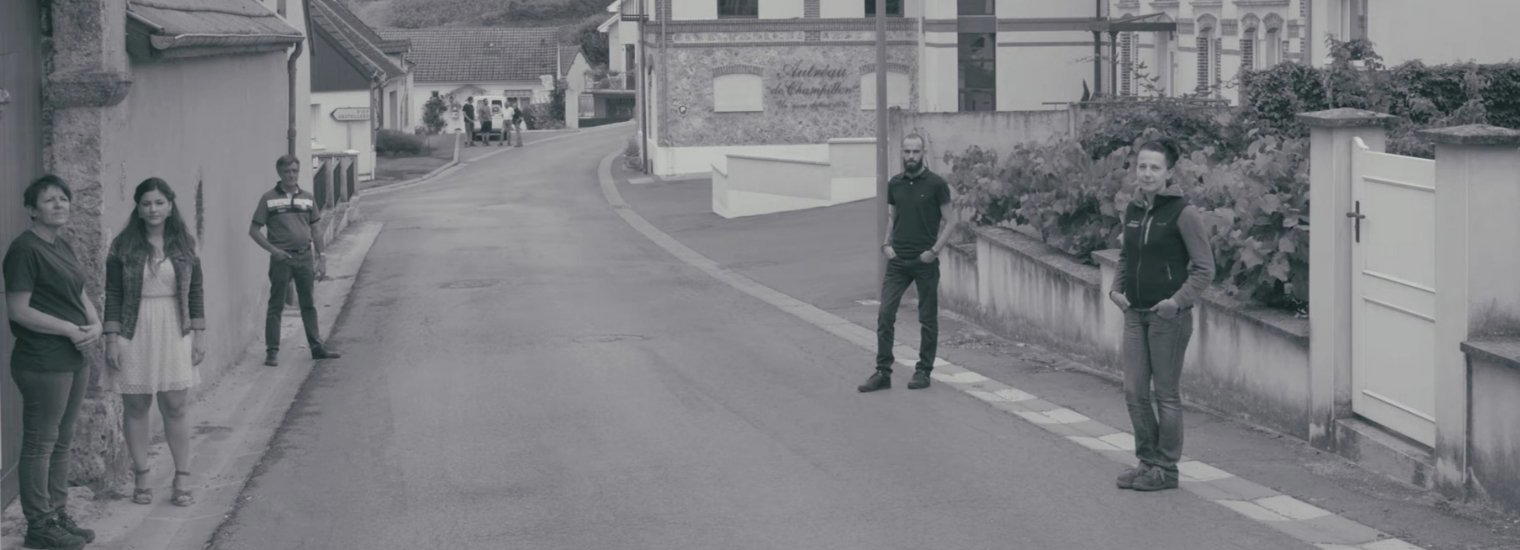
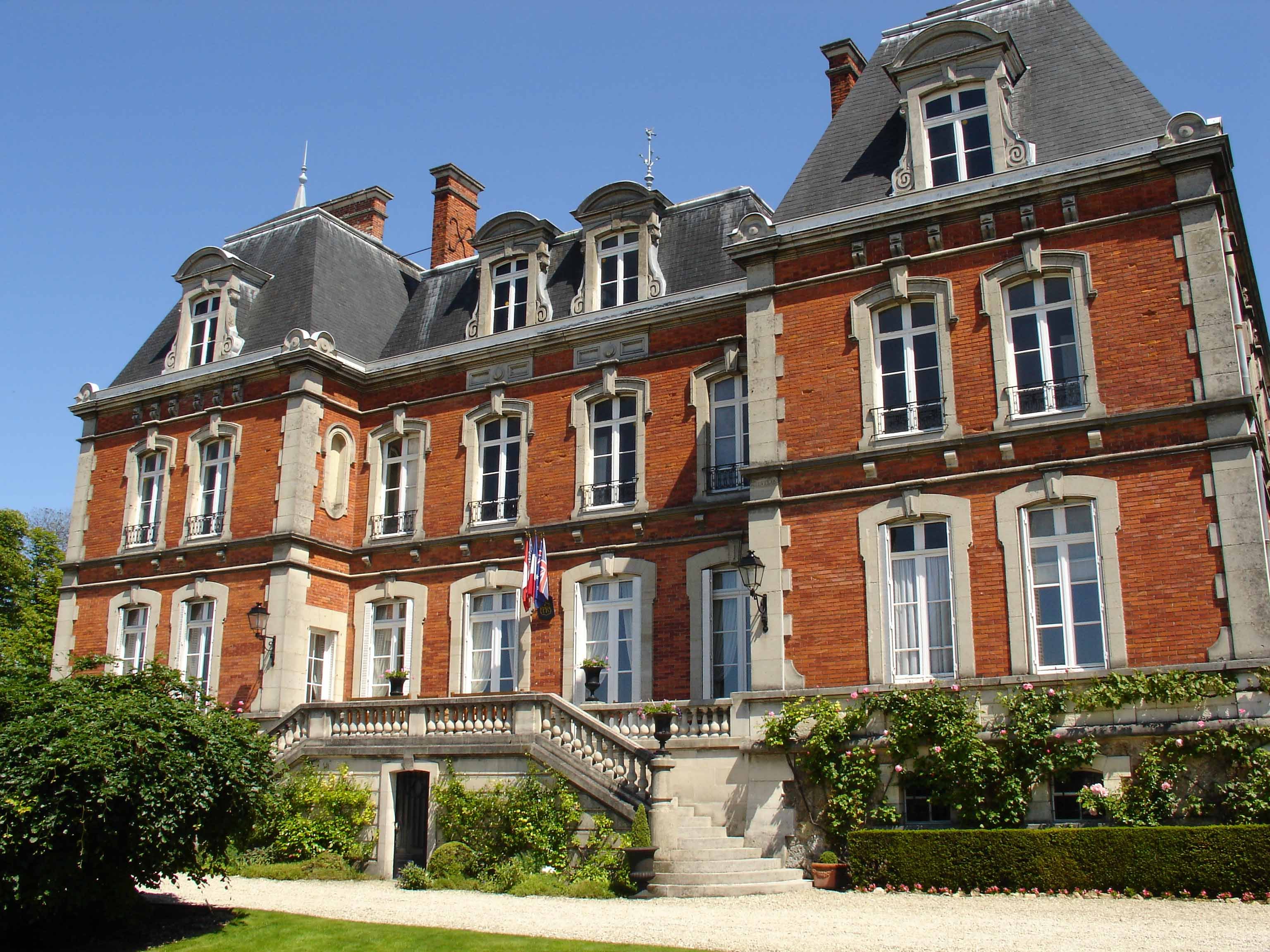
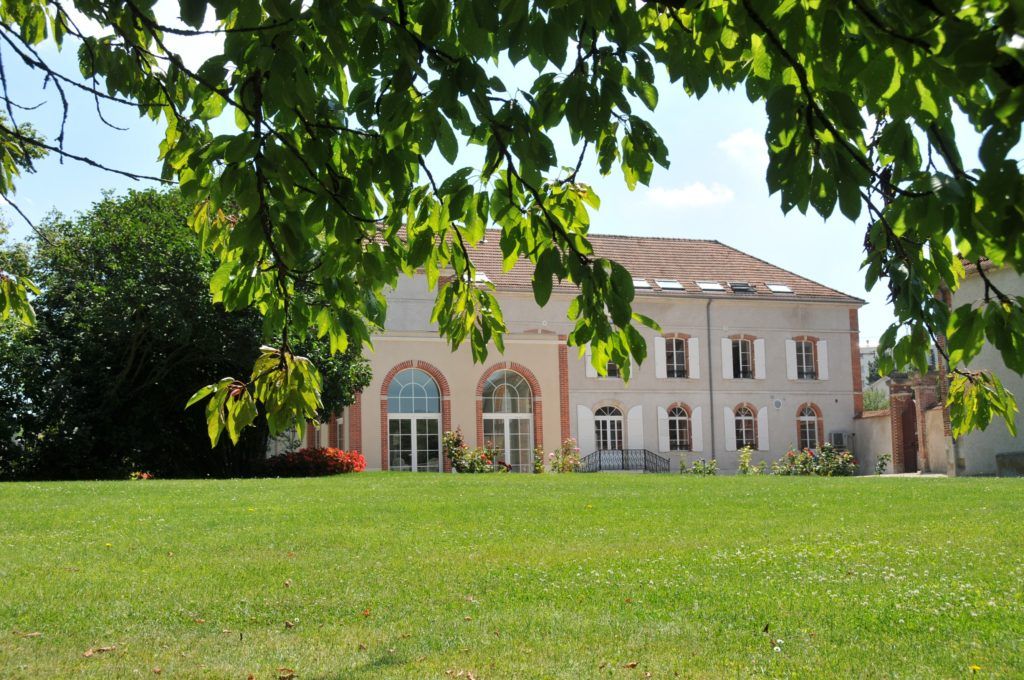
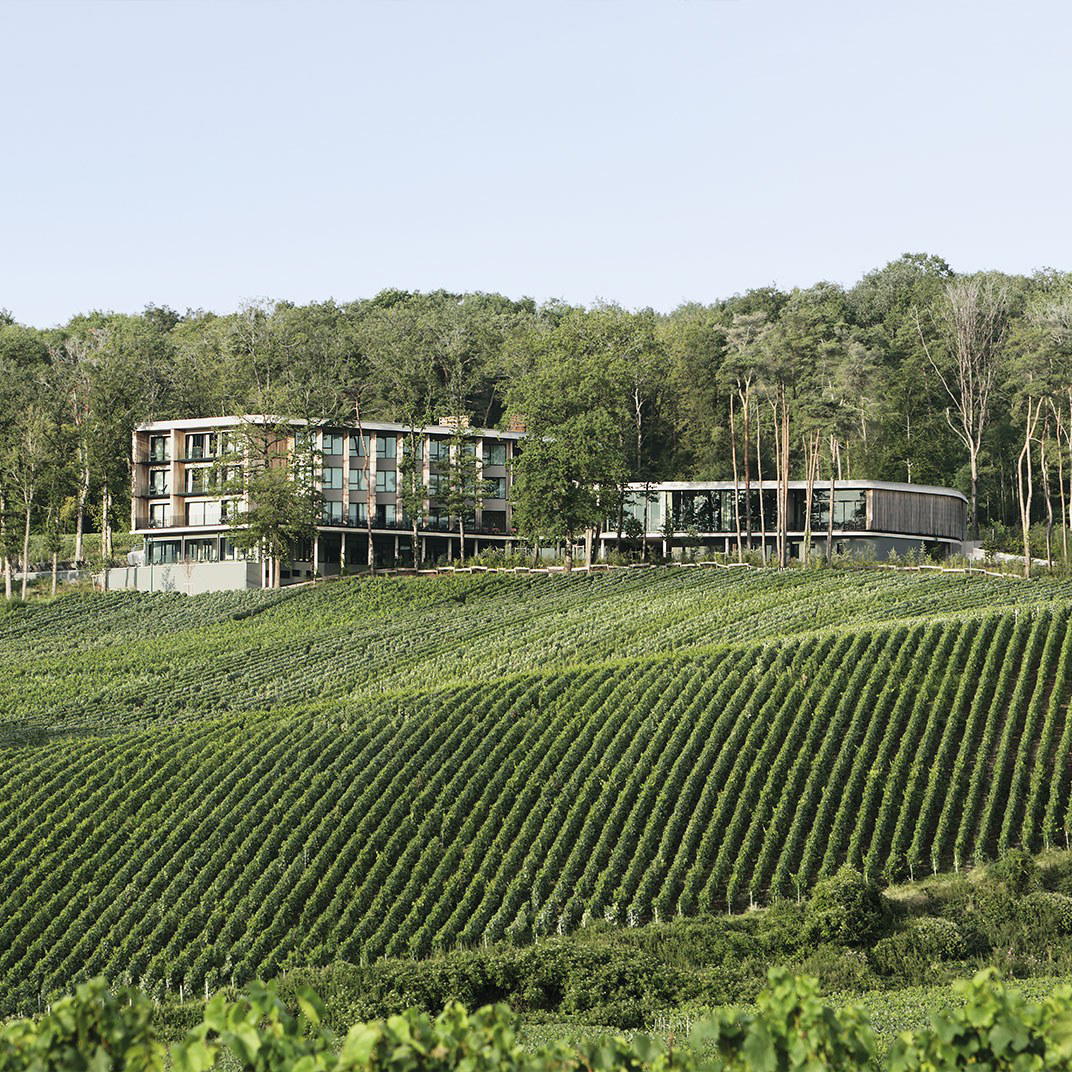
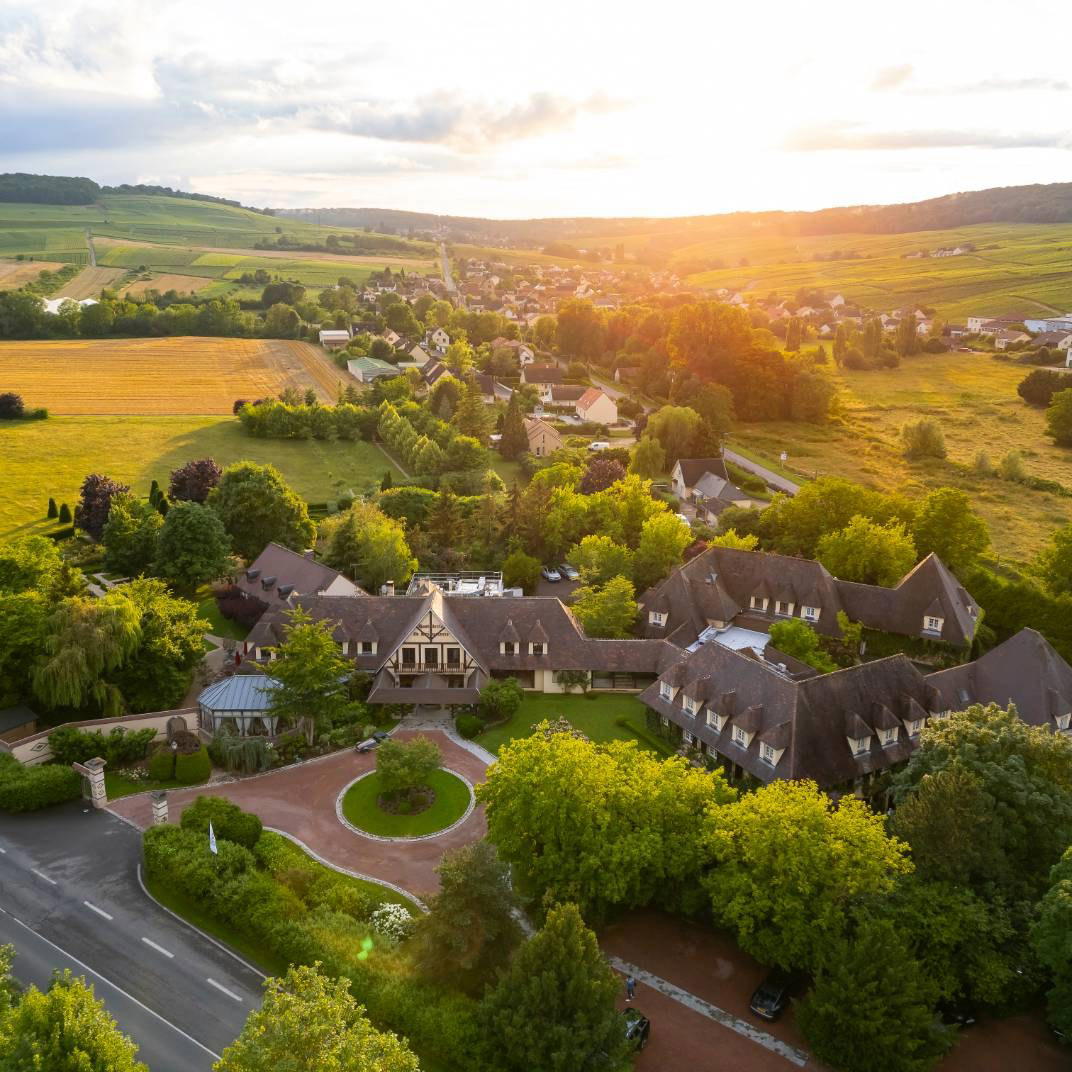
Approaching Champillon, Champagne feels less like a label than a working agricultural zone: slopes above Épernay, village cellars, chalk-country light, and vineyards that make the region’s reputation visible before a cork is pulled. Champagne Autréau de Champillon sits inside that grower-house tradition, where the point is not spectacle but the translation of place into sparkling wine. The estate’s setting, on hillside vineyards overlooking Épernay, gives the visit a clear regional argument: this is Champagne read through family holdings, cru identity, and the discipline of long production memory.
Champillon terroir, read through Premier Cru and Grand Cru wines
The useful way to understand this house is through land first. The estate works 33.50 hectares across Champillon, Dizy, Hautvillers and another site, a broad enough base to support both consistency and cru-specific emphasis. Clay, limestone and marl form the viticultural grammar here, with Chardonnay, Pinot Noir and Pinot Meunier providing the core vocabulary. In Champagne, that trio matters because the region’s identity is rarely about single-variety purity alone; it is about how blending manages acidity, fruit weight, structure and reserve depth across cool growing conditions.
That makes the portfolio more instructive than a simple tasting lineup. Brut Premier Cru, Extra-Brut Premier Cru and Rosé Brut Premier Cru point to the house’s work in the Premier Cru register, while Réserve Brut Grand Cru and Brut Blanc de Blancs Grand Cru move the conversation toward grander village material and Chardonnay expression. The Brut Premier Cru blend is given as 40% Pinot Noir, 40% Pinot Meunier and 20% Chardonnay, a composition that keeps the wine inside Champagne’s classic mixed-varietal idiom rather than a narrow stylistic lane.
The production signals reinforce the terroir case. Stainless steel fermentation is used to retain freshness, while traditional-method secondary fermentation in bottle keeps the wines within Champagne’s defining technical frame. Lees ageing of at least 36 months gives the range a longer maturation baseline than entry-level non-vintage Champagne, and some cuvées use oak barrel work. That combination, steel for line and oak for selected depth, reflects the contemporary grower problem in miniature: keeping place legible without letting cellar technique dominate it.
A family grower house with scale, history and environmental credentials
Champagne’s grower category often gets romanticized as tiny and local, but Autréau complicates that shorthand. The family presence in Champillon dates to 1670, while the move from grape supplier to Champagne producer came in 1953 under Gérard Autréau. Today the estate produces more than 800,000 bottles a year and exports across five continents, putting it in a larger family-owned grower category rather than the micro-cellar bracket. That scale matters: it suggests availability and range while retaining an estate-led identity.
Recognition is not absent. Réserve Brut Grand Cru received two stars from Guide Hachette 2026, while Extra-Brut Premier Cru received one star in the same guide. Mundus Vini has also awarded the Brut Rosé Premier Cru a Gold Medal and Brut Premier Cru a Silver Medal. These are not substitutes for tasting judgment, but they do provide external checks on a house whose profile is built more around continuity, cru sourcing and production discipline than around luxury-house mythology.
Sustainability is part of the present-tense story rather than a decorative add-on. The estate is certified High Environmental Value Level 3 and Sustainable Viticulture in Champagne, and it works within the Magister Network, a monitoring framework designed to limit treatment interventions and encourage environmentally minded vineyard practice. In a marginal climate region where ripeness, disease pressure and changing weather patterns all matter, those details carry practical weight.
How to place it within a Champillon wine itinerary
The experience suits travellers who want a Champagne visit anchored in vineyard education and estate context rather than hotel-lobby polish. The format includes standard and private tastings, with French and English available, and the tone is quiet, historic and family-estate in character. It is also better suited to adults focused on wine study, celebration or a small group outing than to a casual stop built around food pairings or outdoor lounging.
For city planning around the visit, the broader helps frame Champillon beyond a single cellar: see our full Champillon wineries guide, plus our full Champillon restaurants guide, our full Champillon hotels guide, our full Champillon bars guide and our full Champillon experiences guide. Nearby wine research can extend through Champagne Carbon, while a wider French and European cellar map includes A. Margaine in Villers-Marmery, Agrapart & Fils in Avize, Abbaye de Fontfroide in Narbonne, Abbotts & Delaunay in Marseillette, Advini in Saint Felix De Lodez, Alain Brumont in Castelnau Riviere Basse, Alain Gras in Saint-Romain, »der Steiner« Hans Steiner in Podersdorf am See and & Handwein in Mannheim.
The editorial reason to prioritize Champagne Autréau de Champillon is clear: it offers a readable intersection of Champillon hillside terroir, multigenerational production, Premier Cru and Grand Cru range, and sustainability credentials. In a region often split between grand marque performance and small-grower intimacy, this house occupies the middle ground with enough scale to be legible and enough vineyard identity to remain specific.
Recognition history
Dated appearances from independent guides and award organizations, with the underlying list record or original source where available.
Falstaff Winery - 1 Stars
Falstaff
Continue exploring
More in Champillon
Wineries in Champillon
Browse all →
Bars in Champillon
Browse all →
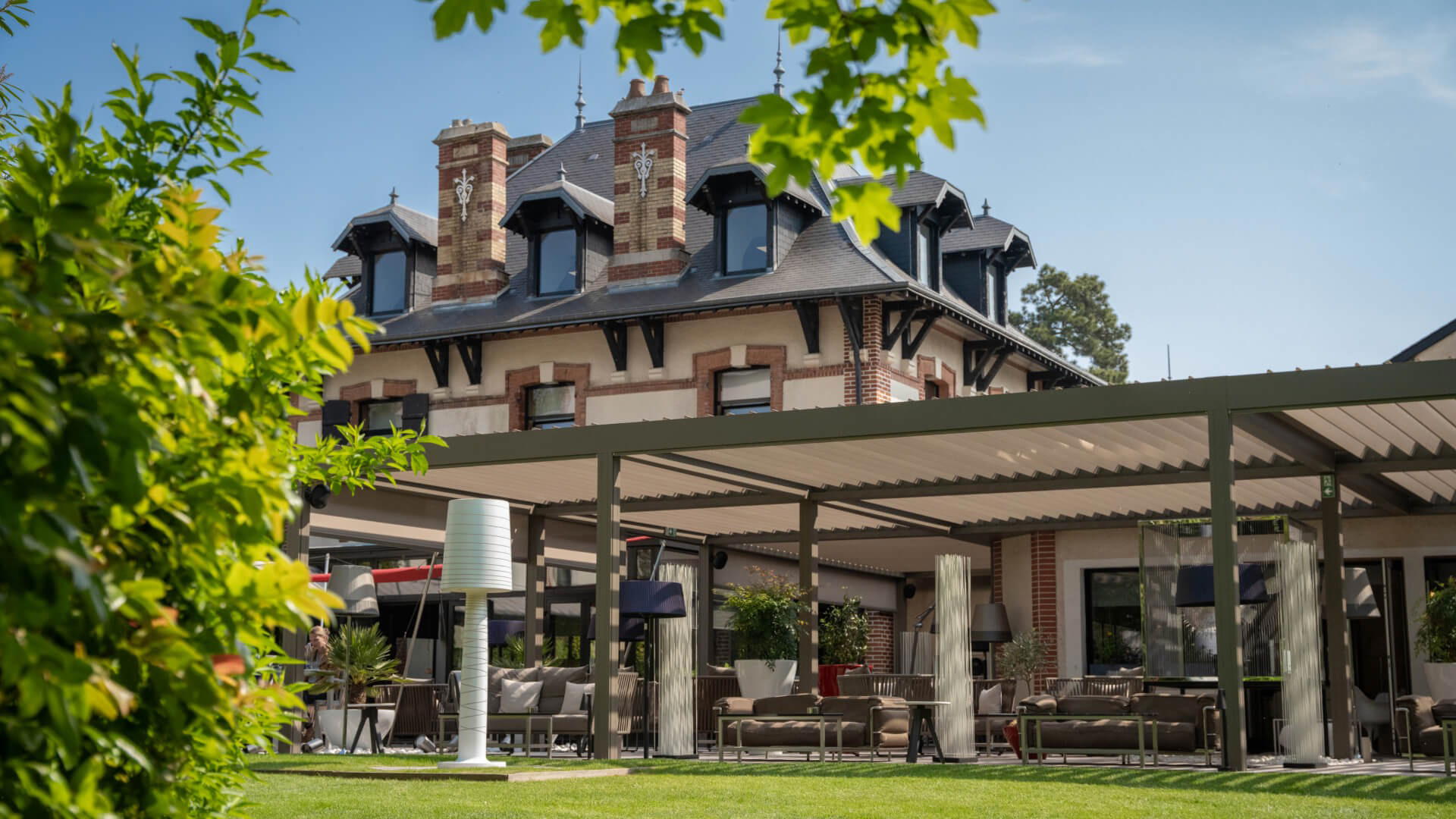
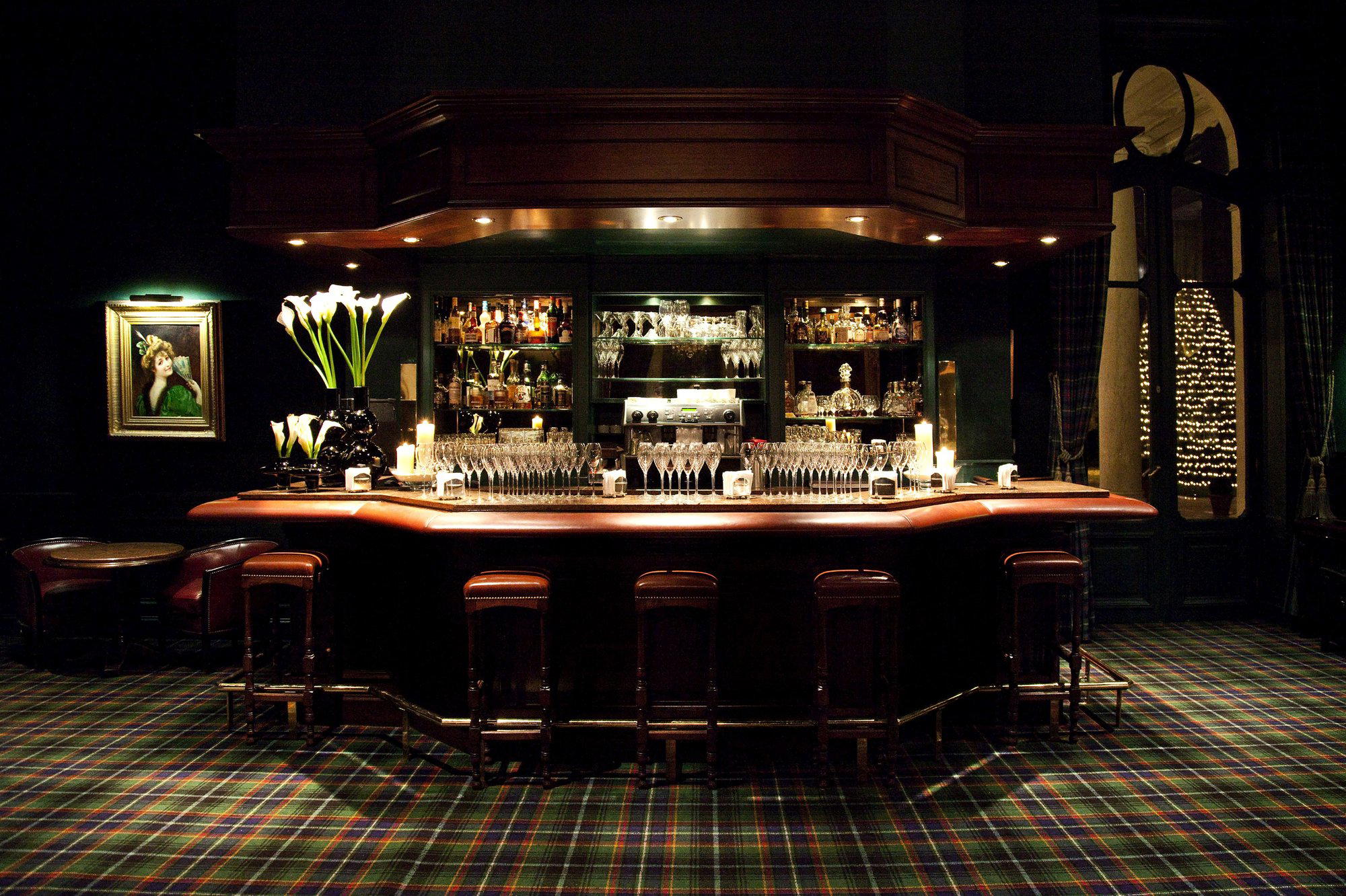
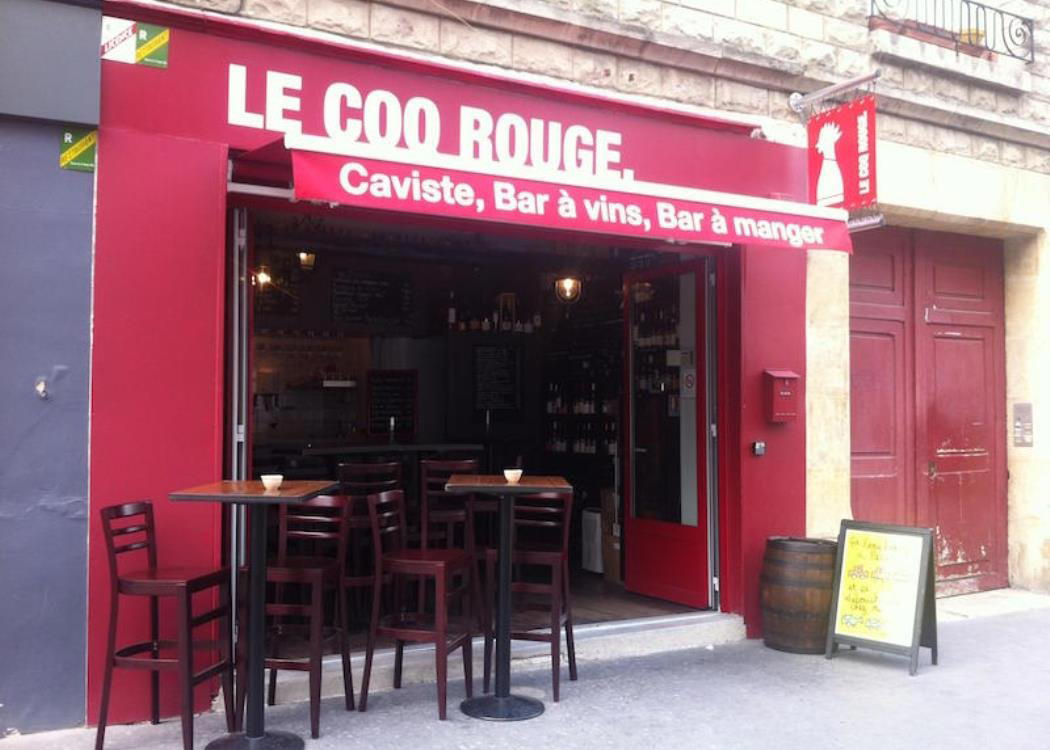
Restaurants in Champillon
Browse all →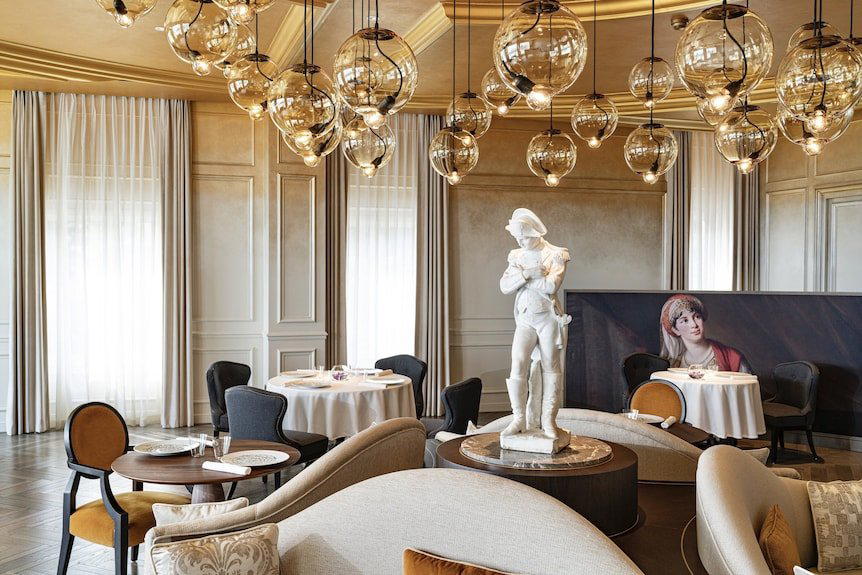
At a Glance
- Classic
- Scenic
- Historic
- Elegant
- Group Outing
- Celebration
- Special Occasion
- Wine Education
- Romantic Getaway
- Estate Grounds
- Historic Building
- Private Tasting
- Sustainable
- Vineyard
- Champagne AOC
- Chardonnay
- Pinot Noir
- Pinot Meunier
- Sparkling
- Standard Tasting
- Private Tasting
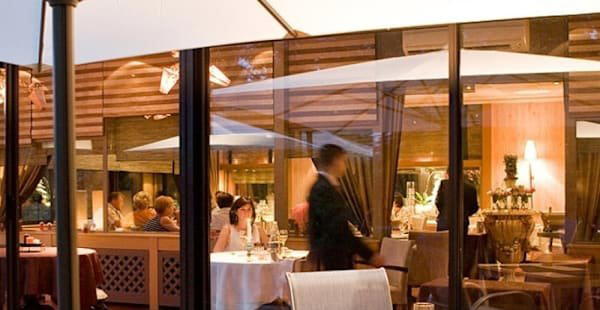
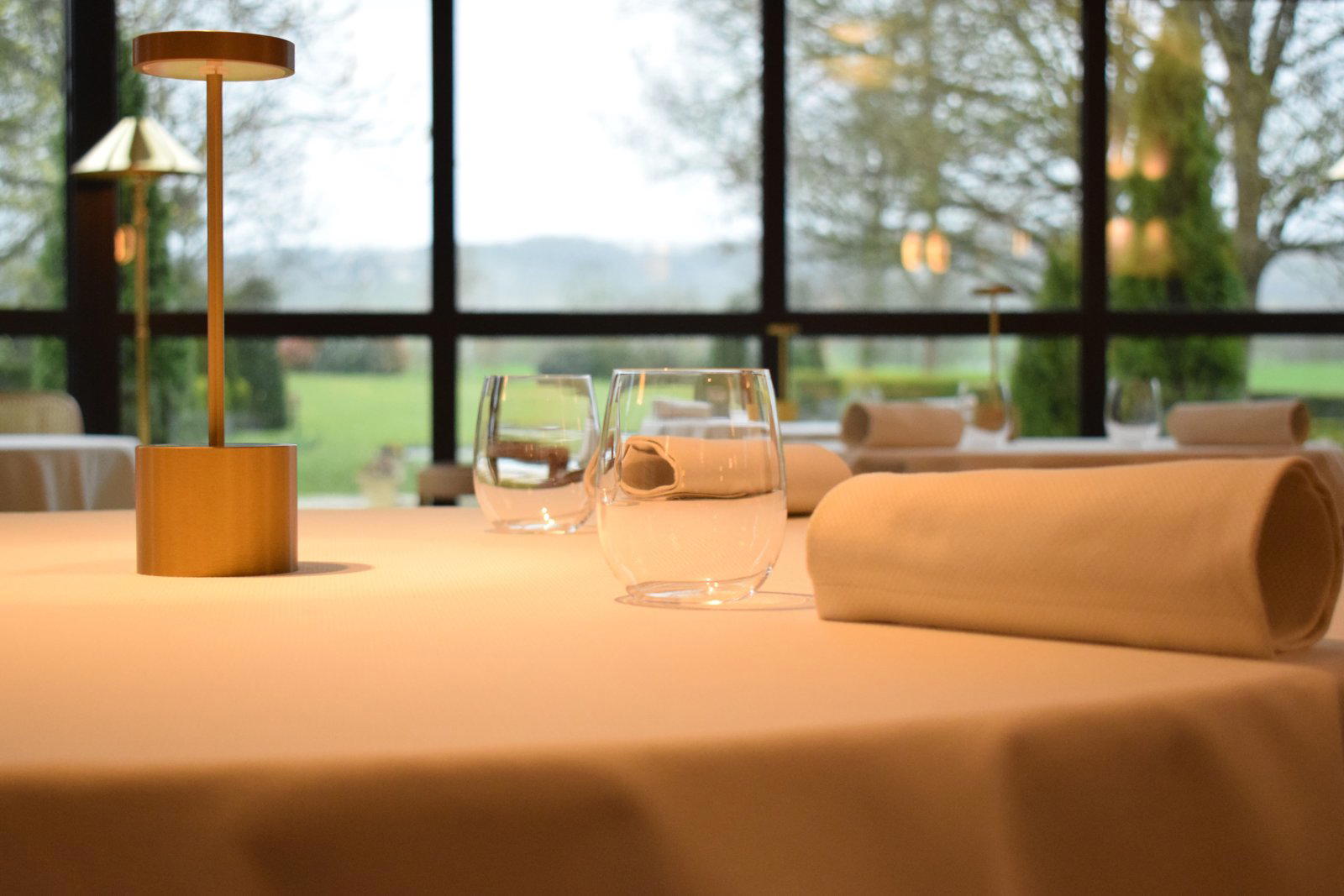
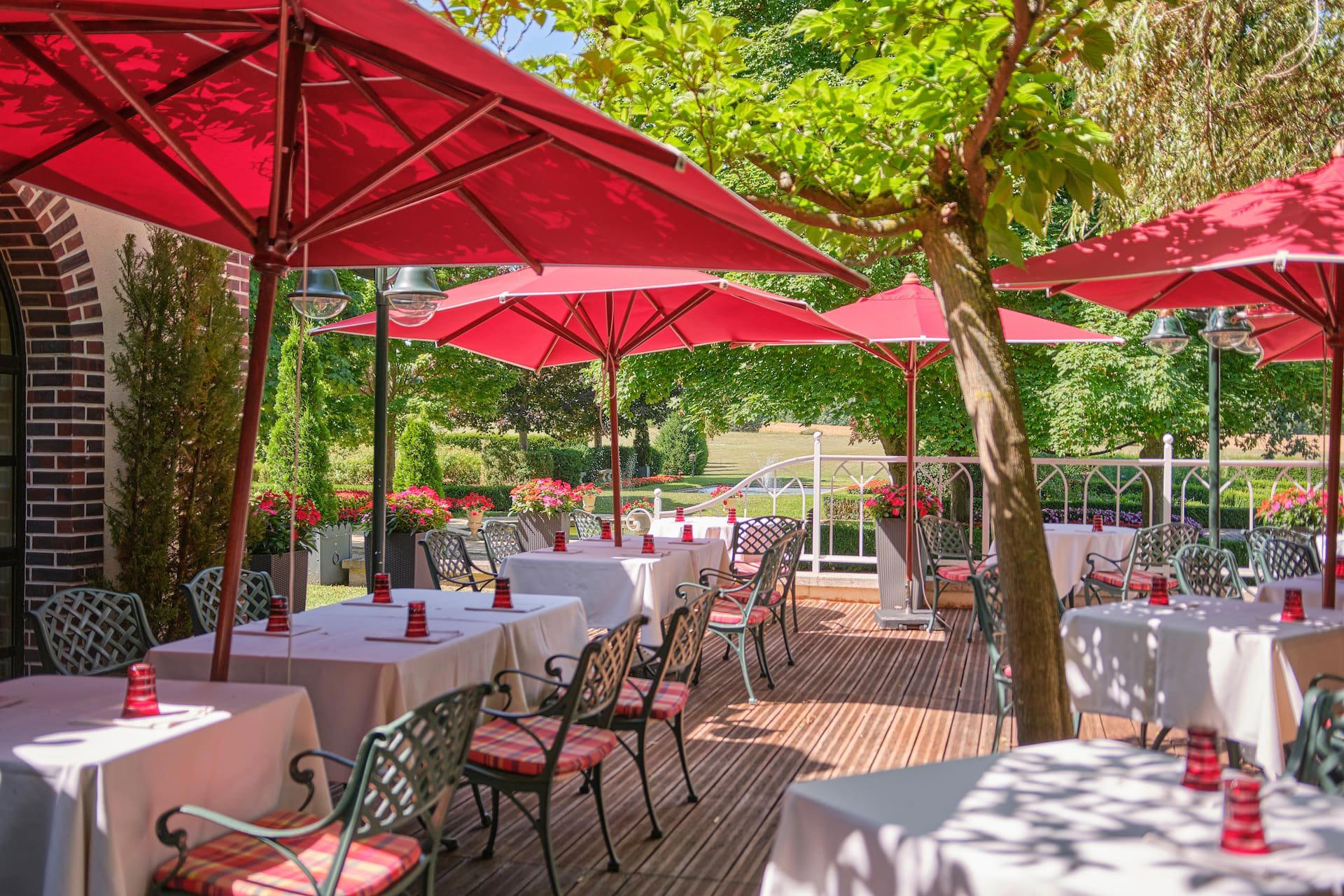
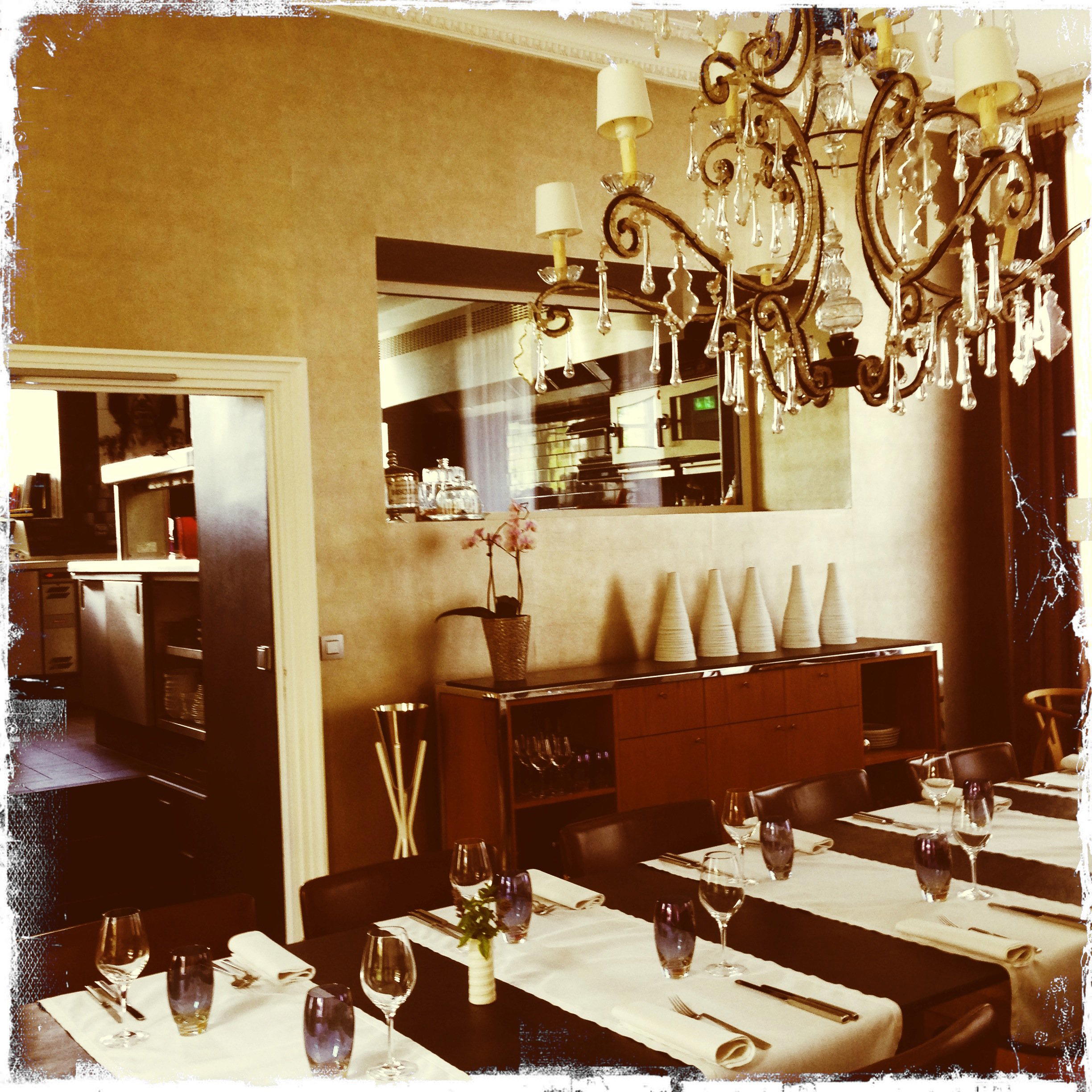
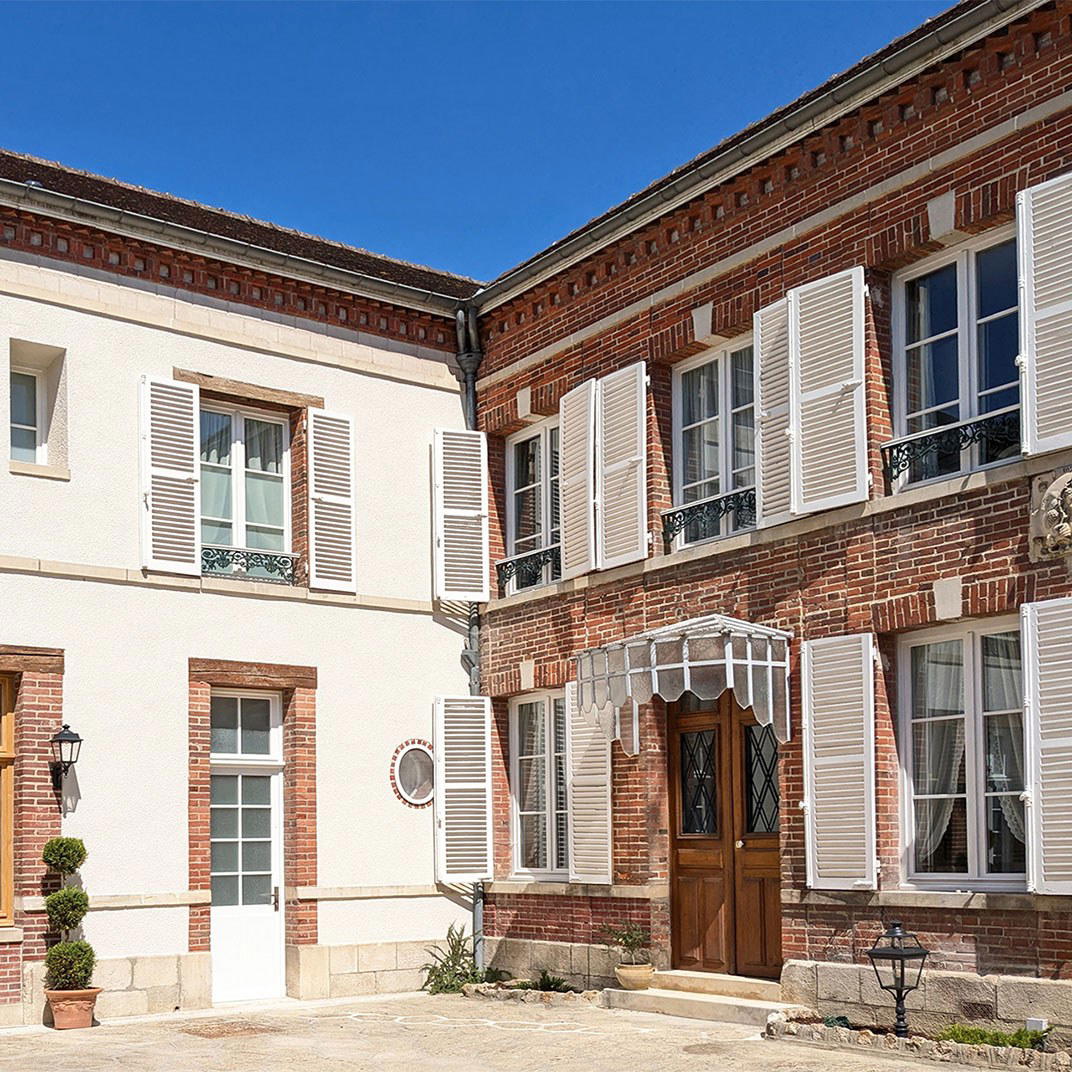
Historic grower Champagne house on the hills above Épernay, combining a classic family-estate feel with a modern, quality-focused image; the atmosphere is welcoming and artisanal rather than corporate, rooted in generations of tradition yet oriented toward contemporary sustainable viticulture.