Cerrino

Falstaff Winery - Listed
Cerrino is a small family-run winery in Trezzo Tinella, set in the Langa hills with a focus on Nebbiolo, Barbera and Moscato. The draw is the land-first Piedmont format: Barbaresco DOCG, still reds and whites, private tastings by appointment, and an agriturismo-style mood rather than polished cellar-door theatre.

Pearl is the En Primeur Club membership app — saves, bookings, and concierge access live there. Same editors, same standards.
- Address
- Trezzo Tinella, Piedmont, Italien
- Directions
- Get directions
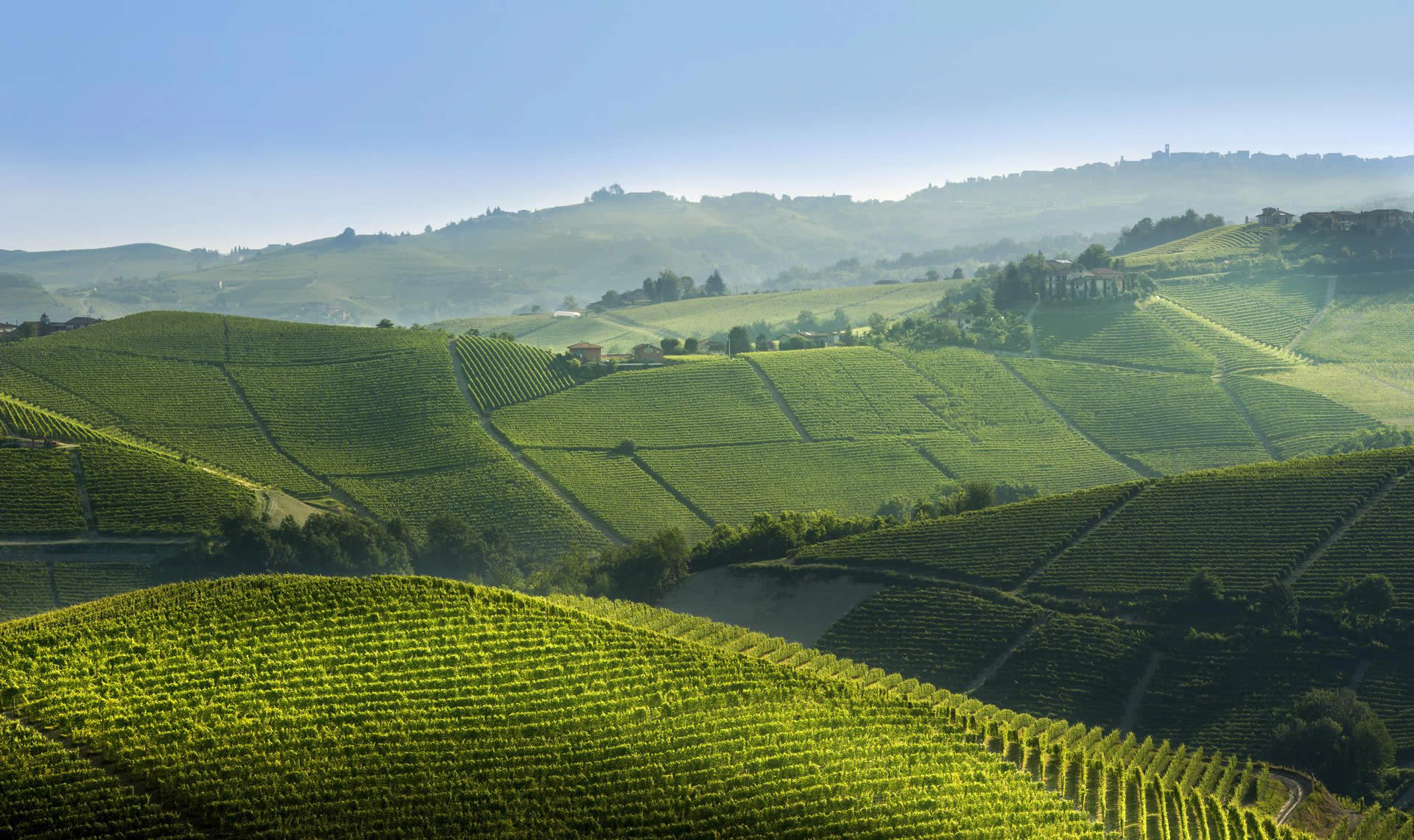
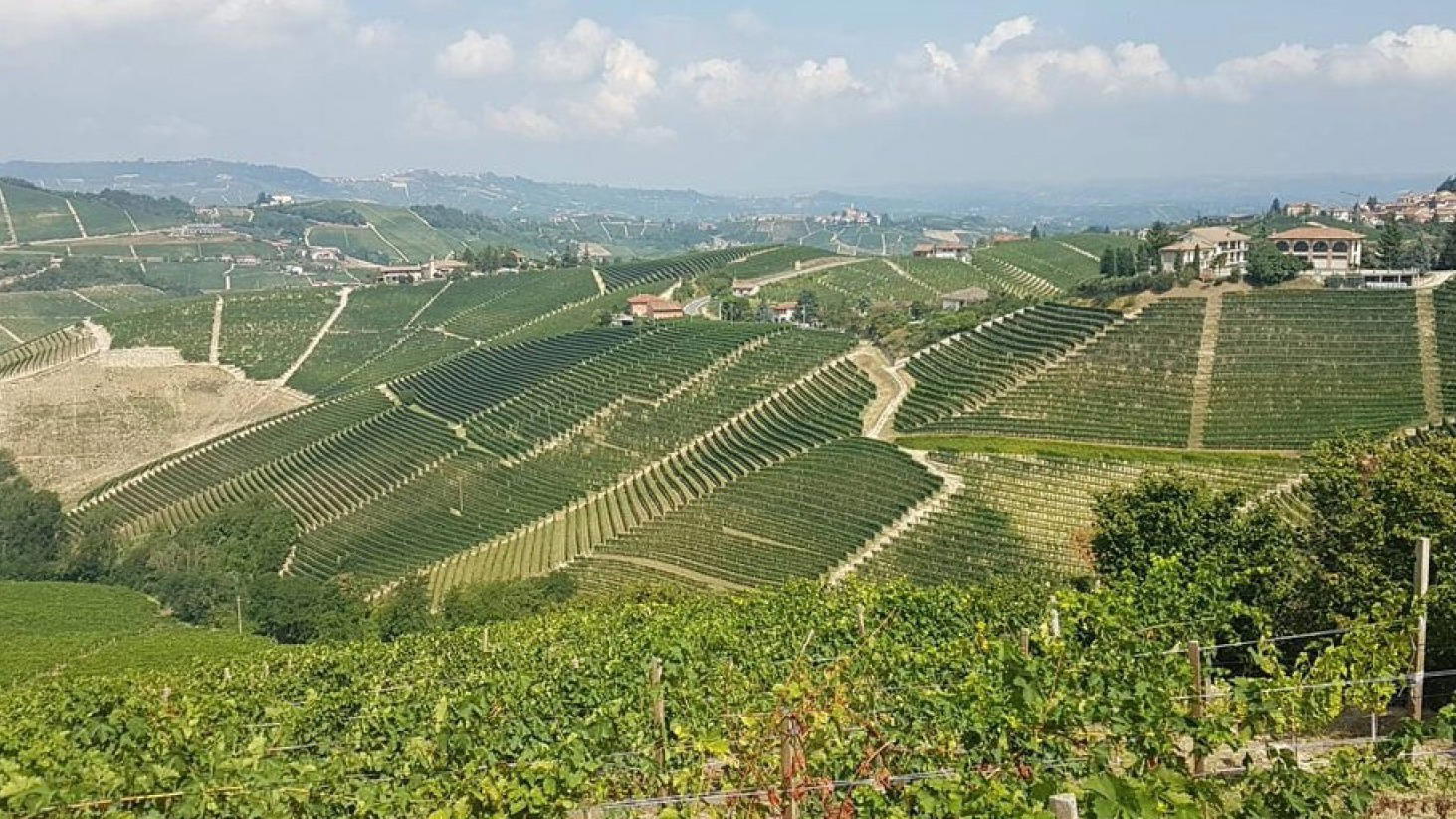
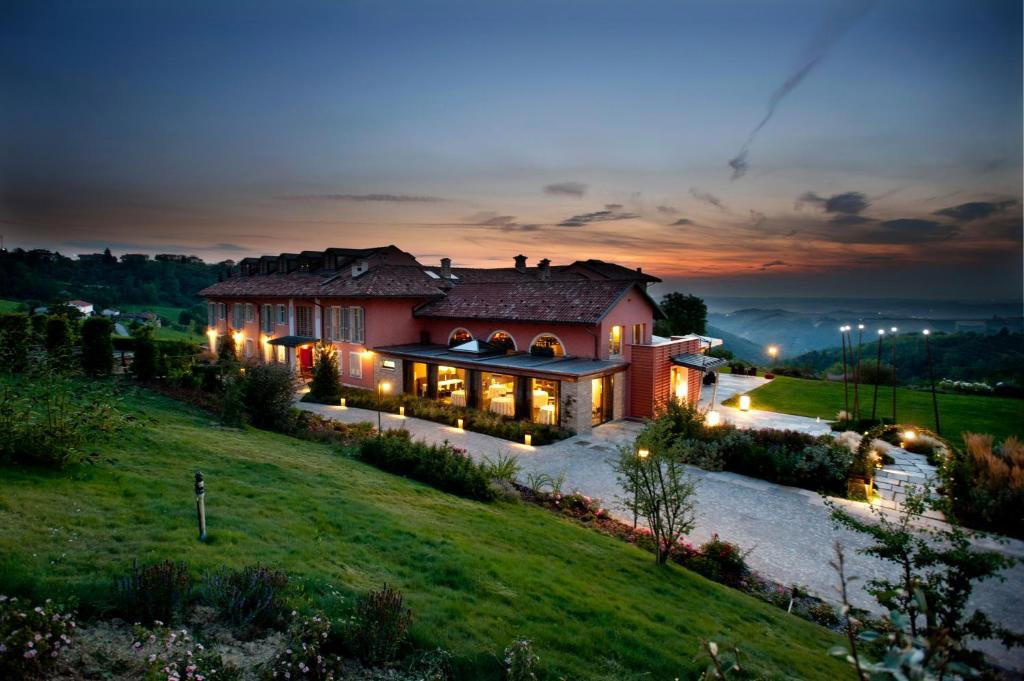
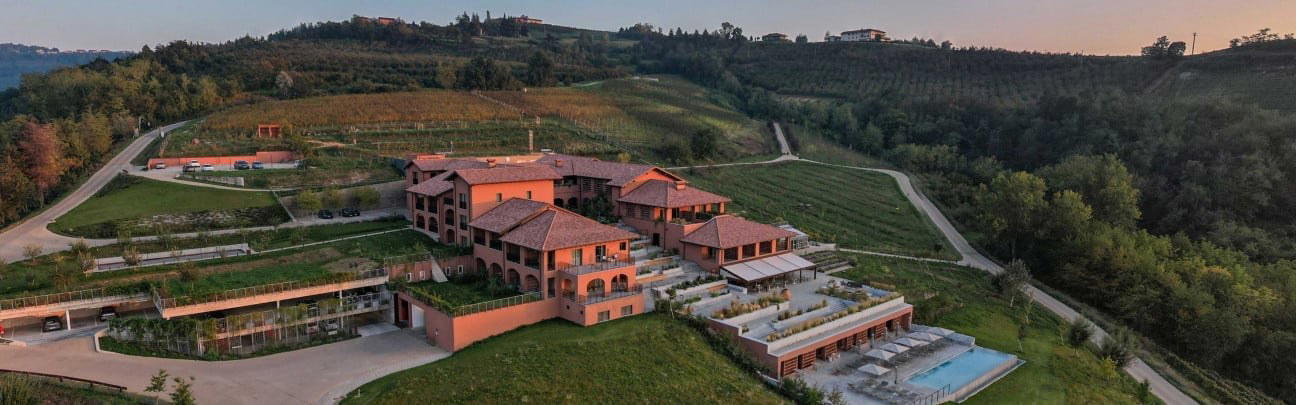
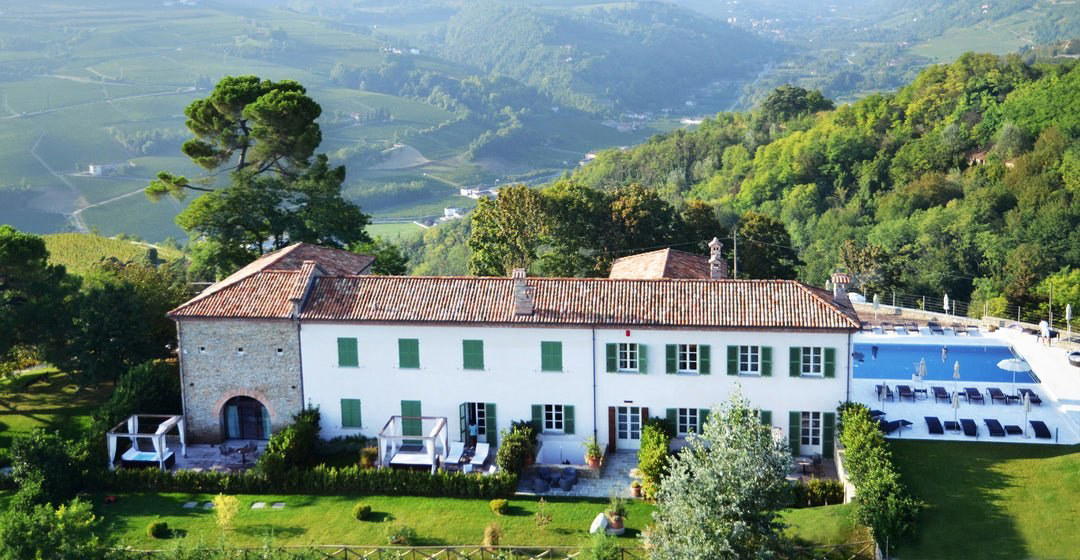
The approach to wine in Trezzo Tinella is not built around spectacle. Hills, vineyard rows, hazelnut trees and quiet farm buildings define the rhythm, and Cerrino belongs to that slower Langa register. The estate works from a 17-hectare farm in Cappelletto, with vineyards facing south and south-east, a practical detail that matters in Nebbiolo country: exposure and slope help determine ripening, structure and the balance between perfume and tannin.
In Piedmont, serious wine travel often splits between grand-name cellar visits and smaller family estates where the point is proximity to the land rather than a choreographed tasting room. Cerrino sits in the latter category. It is small-scale, family-run and tied to direct-to-public hospitality, with private tastings and a quiet, rural atmosphere. That makes it a useful counterweight to the more formal end of Langhe wine tourism, especially for travellers who want to understand how Barbaresco territory reads at farm level.
South-facing Langa vineyards and a Nebbiolo-led cellar
The strongest argument for paying attention here is terroir expression rather than branding. The farm combines vineyards and hazelnut trees, a classic Piedmont agricultural mix that keeps the estate rooted in the wider food-and-wine economy of the hills. Its wine focus runs through Nebbiolo, Barbera and Moscato, with still red and still white production. The headline appellation is Barbaresco DOCG, and the broader portfolio also reaches into the Langhe vocabulary that gives local producers room to work beyond a single denomination.
Barbaresco is often discussed through communes, crus and cellar reputations, but the agricultural mechanics remain basic: Nebbiolo needs time, exposure and restraint in the vineyard. Trezzo Tinella’s cool-slope context gives that conversation a different texture from the warmer, more intensively visited parts of the region. Cerrino’s south and south-east exposures place the estate inside that classic equation of light, gradient and long ripening, which is why the visit makes sense for travellers who care less about label theatre and more about how place shows up in the glass.
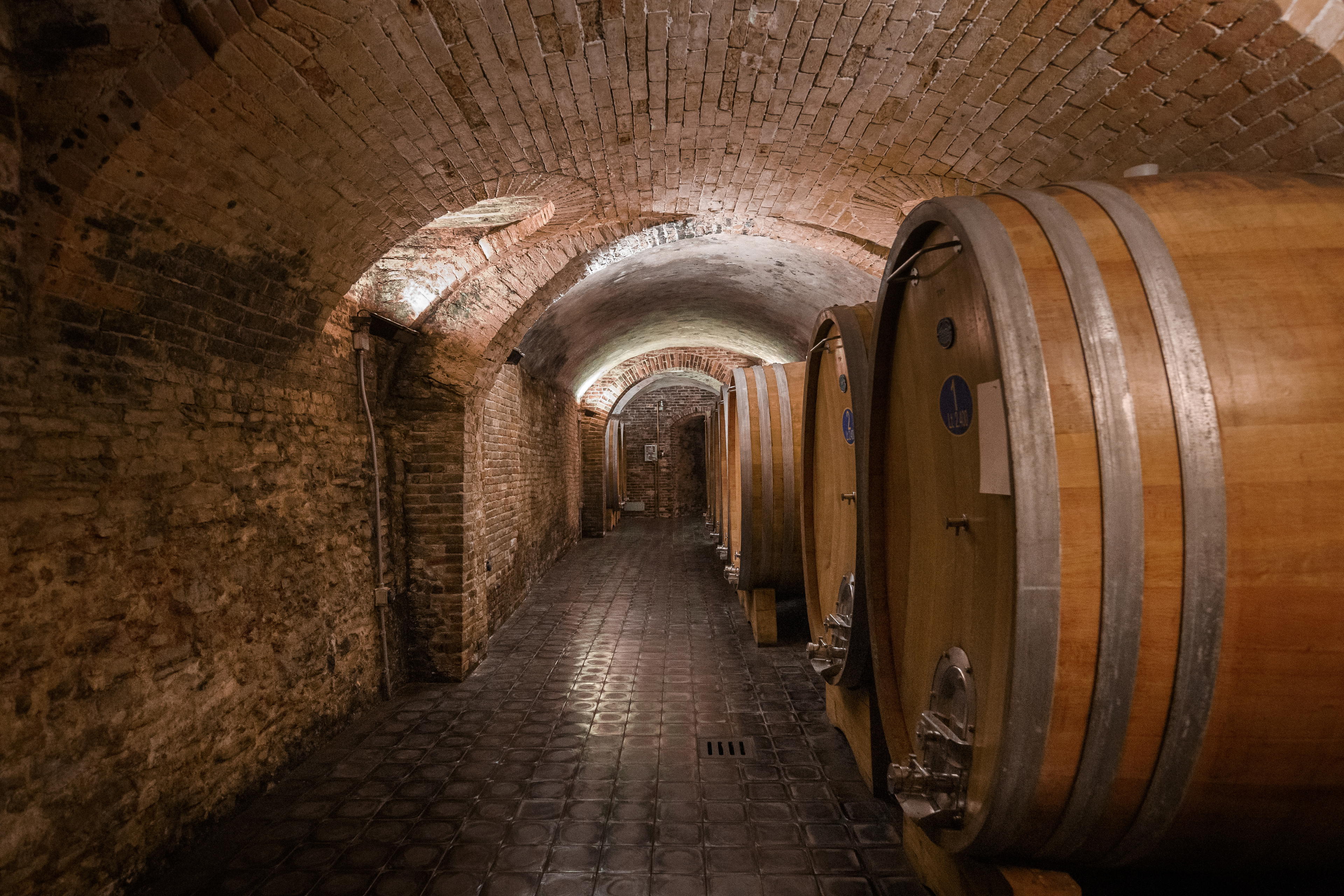
The winery opened in 2000, recent by the standards of Piedmont’s older family names, but its format is not a modern lifestyle overlay. The better reading is a compact Langa estate working within established regional denominations while keeping hospitality intimate. In a region where Nebbiolo can become abstract quickly, a smaller appointment-led tasting can be the clearer educational choice: fewer distractions, more attention to the relationship between vineyard position, grape variety and finished wine.
An agriturismo-style visit, not a polished tasting circuit
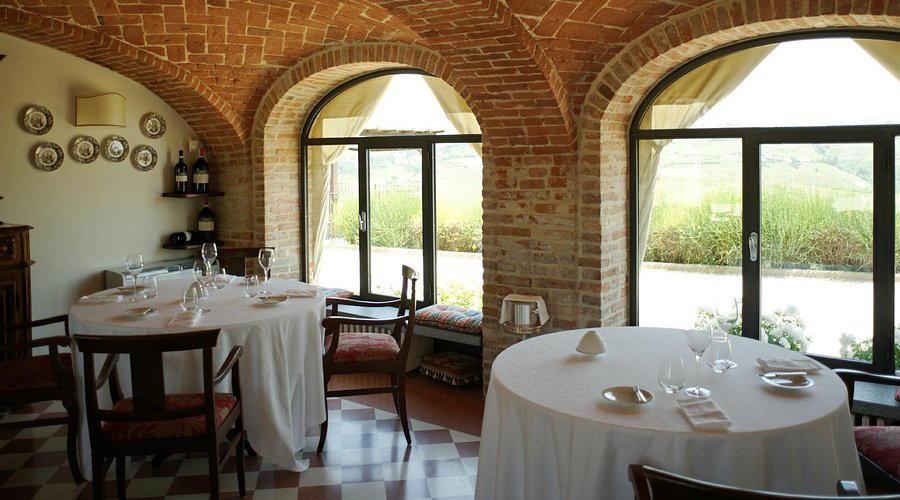
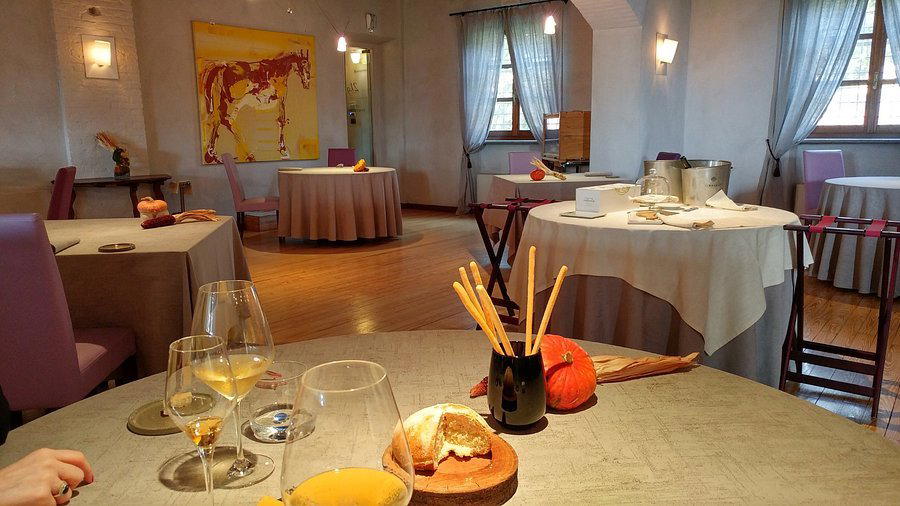
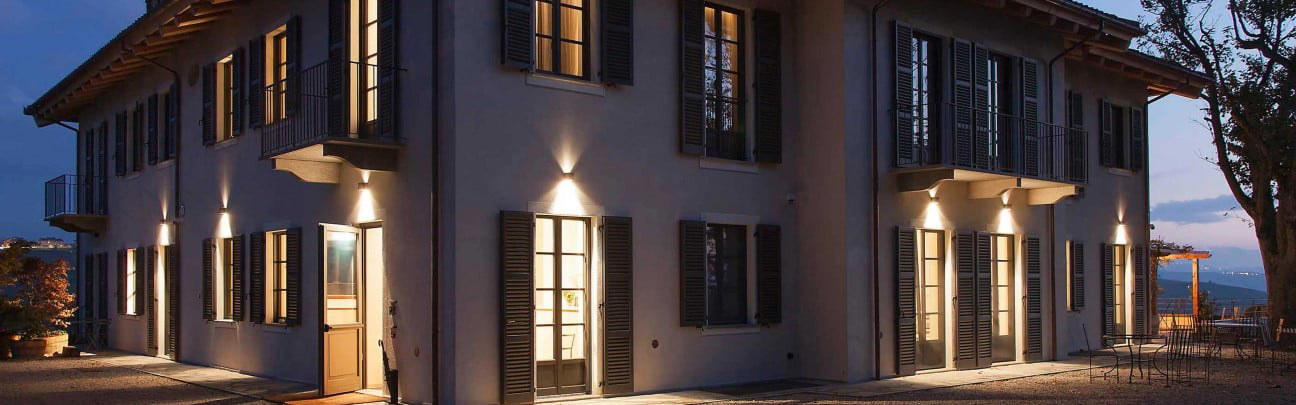
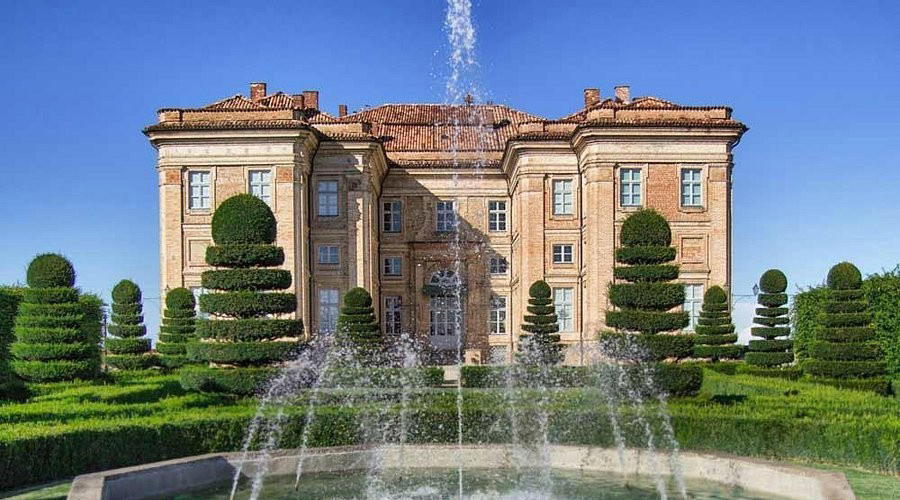
The atmosphere is described by quietness rather than performance. Cerrino is casual, rural and intimate, with estate grounds and a historic-building setting forming part of the experience. The format is appointment only, and the tasting offer includes wine tasting and private tasting rather than a high-volume public bar. That matters for expectations: this is not the stop for large groups, children, dogs or a food-pairing program. It is better suited to solo exploration, wine education or a special-occasion visit where the value lies in focused conversation and a direct encounter with a working winery.
There is a practical editorial point here. In the Langhe, the quality of a winery visit is not measured only by bottle prestige; it is also shaped by scale. A small-capacity estate can offer a clearer sense of production choices, while a large destination winery may deliver broader infrastructure. Cerrino’s price level sits at $$, and its allocation status is open, so the experience reads as accessible within a premium region rather than collector-only. The absence of a wine club and shipping offer also reinforces the on-site nature of the visit: this is a place to understand locally, not a brand built around remote allocation mechanics.
Dress can stay casual, in keeping with the farm setting. The planning burden is simple but real: appointments are the operating assumption, and the quiet format means the visit should be treated as a scheduled tasting rather than a spontaneous drop-in between larger cellar stops. For broader trip planning, pair the winery with the town’s other editorial rails rather than treating it as an isolated address: see Our full Trezzo Tinella wineries guide, then round out meals, stays, drinks and activities through Our full Trezzo Tinella restaurants guide, Our full Trezzo Tinella hotels guide, Our full Trezzo Tinella bars guide and Our full Trezzo Tinella experiences guide.
Where Cerrino fits in a Piedmont wine itinerary
Cerrino’s appeal is narrow in the right way. It is for travellers who want Barbaresco-country context without reducing the Langhe to trophy labels. The estate’s sustainable production philosophy, small production scale and family-run setting put emphasis on farming continuity, not dramatic reinvention. The standout feature is the combination of Barbaresco and Barolo-linked production with agriturismo-style hospitality in the hills of Trezzo Tinella, a format that rewards attention to place.
Within an Italy-wide winery itinerary, this is the kind of stop that should be read alongside other small producers rather than against urban tasting rooms or large architectural estates. Nearby editorial planning can include Mèttola, while wider Italian wine references include 3GP SRL in Treviso, 47 Anno Domini in Trebaseleghe, A Mano Wine in Noci, a6mani in Fragagnano, Abbadia Ardenga in Torrenieri, Abbazia di Crapolla in Neapel, Abbazia Monte Oliveto in Asciano, »der Steiner« Hans Steiner in Podersdorf am See and & Handwein in Mannheim.
The editorial verdict is direct: choose Cerrino for a grounded Langa visit where vineyard exposure, small scale and Nebbiolo-led production carry the experience. Travellers seeking a full hospitality complex, large-group infrastructure or food-led programming should look elsewhere. Travellers who want the quiet grammar of Barbaresco territory, explained through a family-run estate in Trezzo Tinella, are in the right lane.
Recognition history
Dated appearances from independent guides and award organizations, with the underlying list record or original source where available.
Falstaff Winery - Listed
Falstaff
Continue exploring
More in Trezzo Tinella
Wineries in Trezzo Tinella
Browse all →
Bars in Trezzo Tinella
Browse all →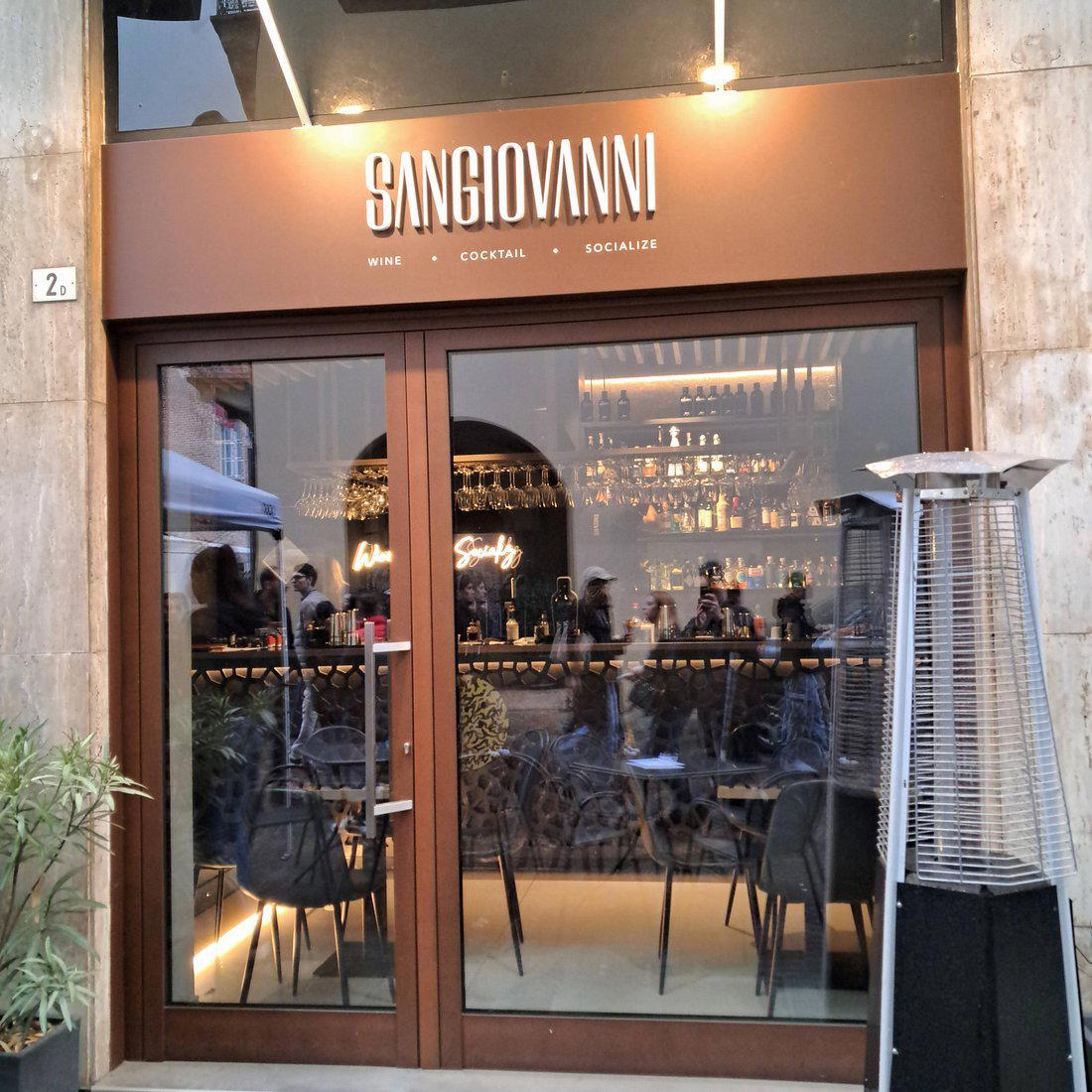
Restaurants in Trezzo Tinella
Browse all →
Details
- Quiet
- Classic
- Scenic
- Rustic
- Intimate
- Solo Exploration
- Wine Education
- Special Occasion
- Estate Grounds
- Historic Building
- Private Tasting
- Vineyard
- Mountain
- Nebbiolo
- Barbera
- Moscato
- Still Red
- Still White
- Wine Tasting
- Private Tasting
A family-run winery set in the quiet, scenic hills of the Langa, with a rural, classic atmosphere tied to direct-to-public sales and agriturismo-style hospitality.