Castello Romitorio

Falstaff Winery - 4 Stars
Castello Romitorio is a Montalcino winery shaped by Brunello di Montalcino DOCG, Sangiovese, contemporary art, and a restored 12th-century fortress. Its hillside vineyards sit at 200–400 meters, with guided and private tastings that frame the estate through history, cellar work, and the Chia family’s art-forward approach to wine.

Pearl is the En Primeur Club membership app, where members save venues, book tables and use the concierge.
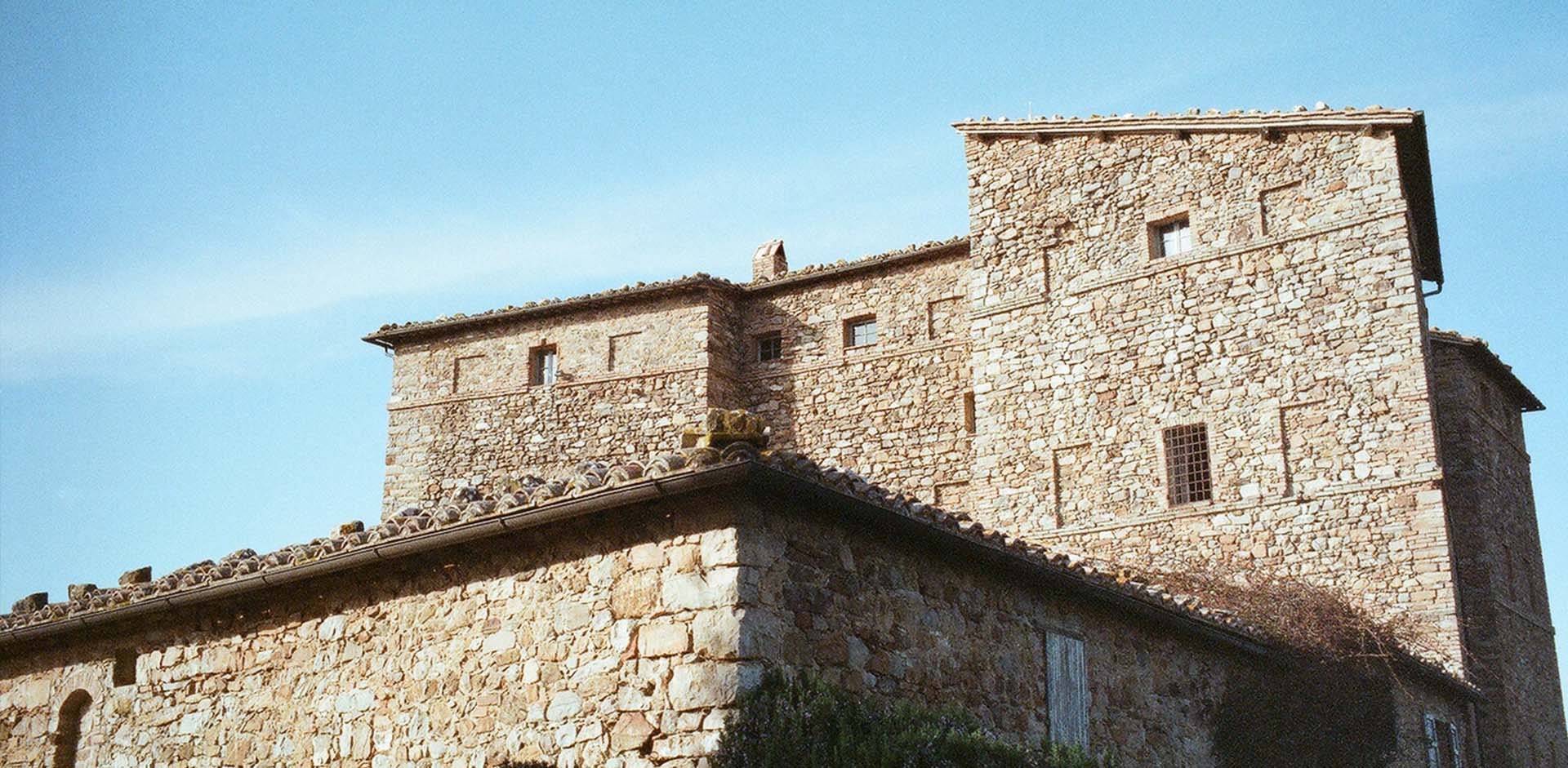
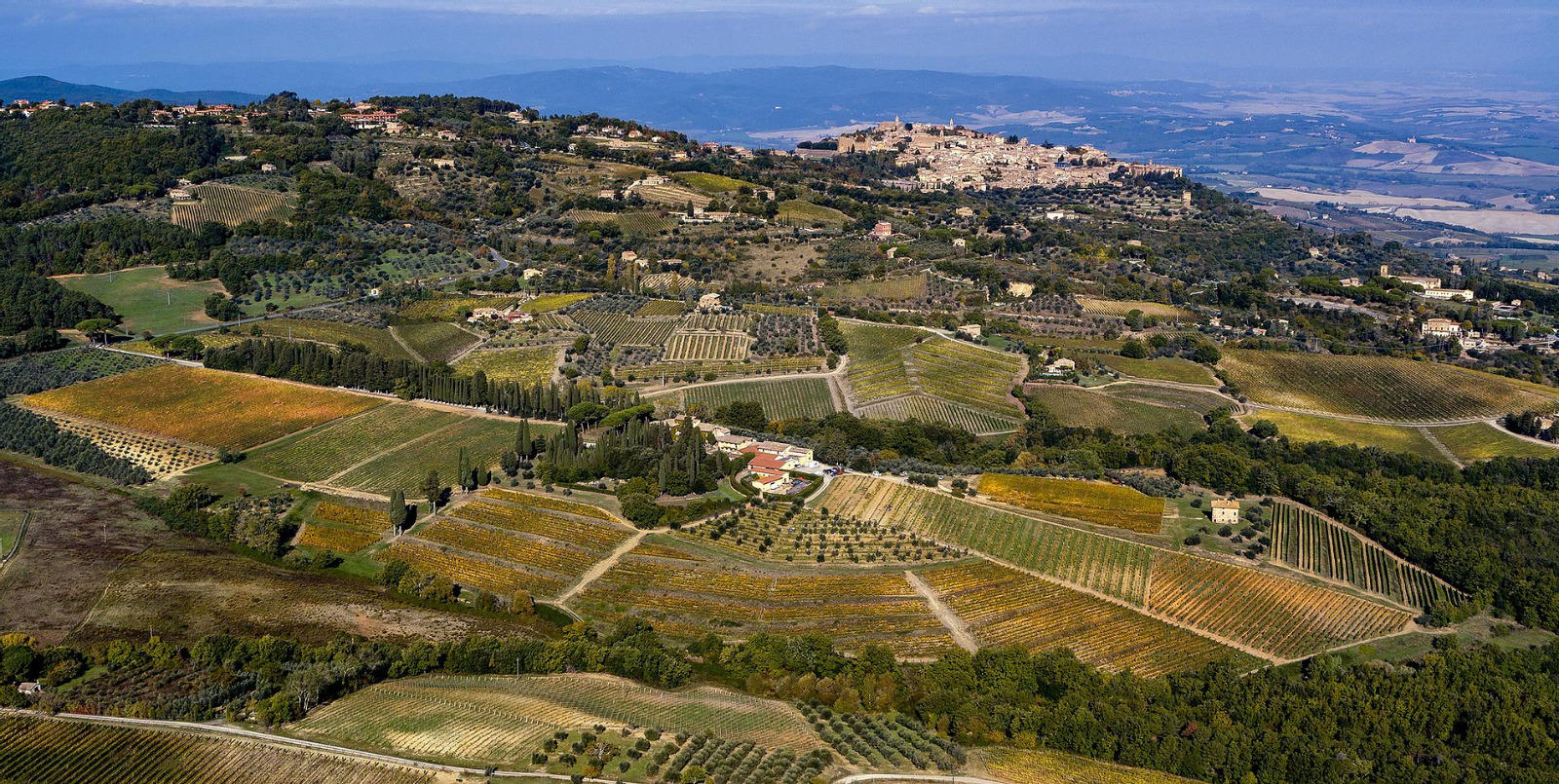
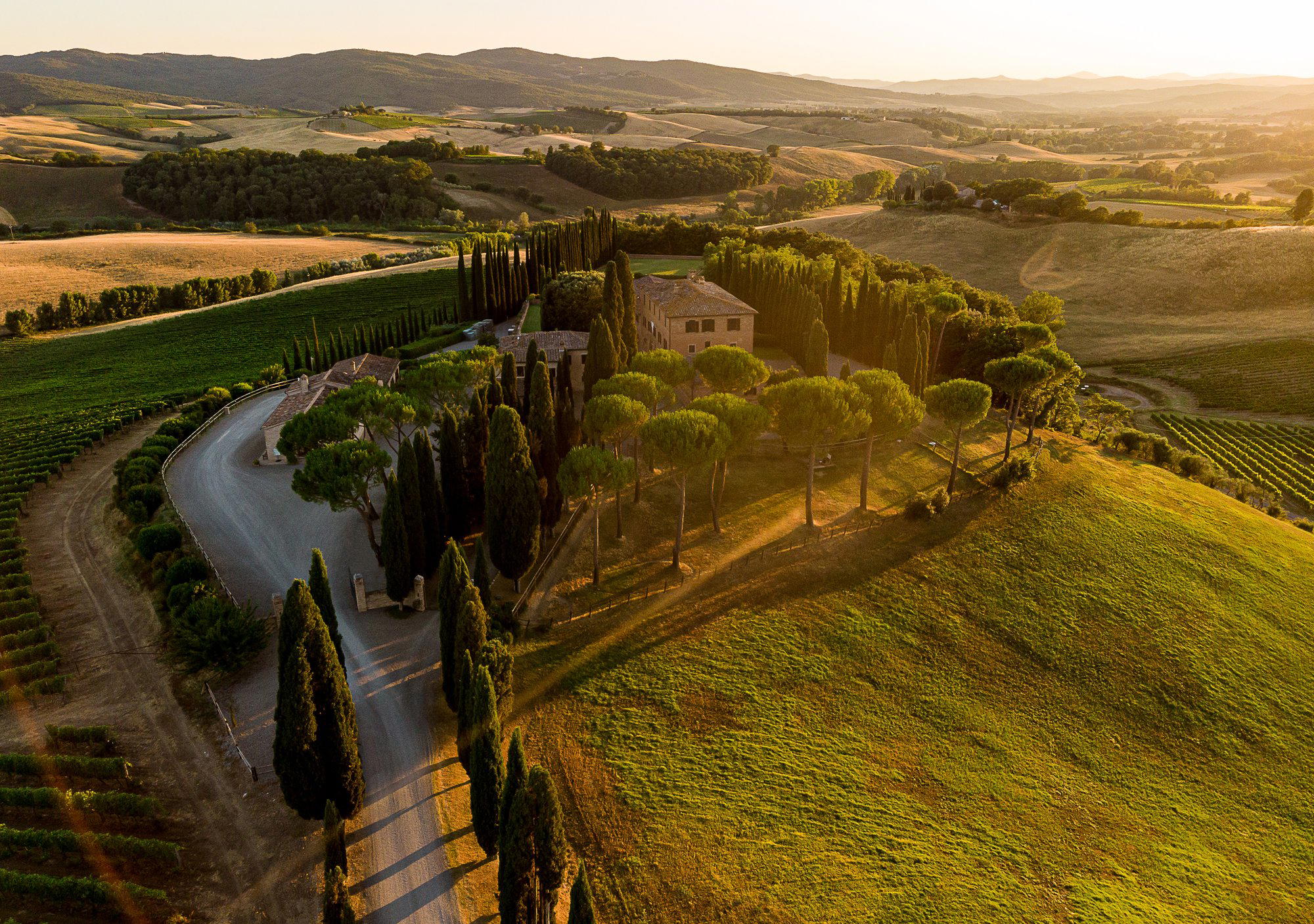
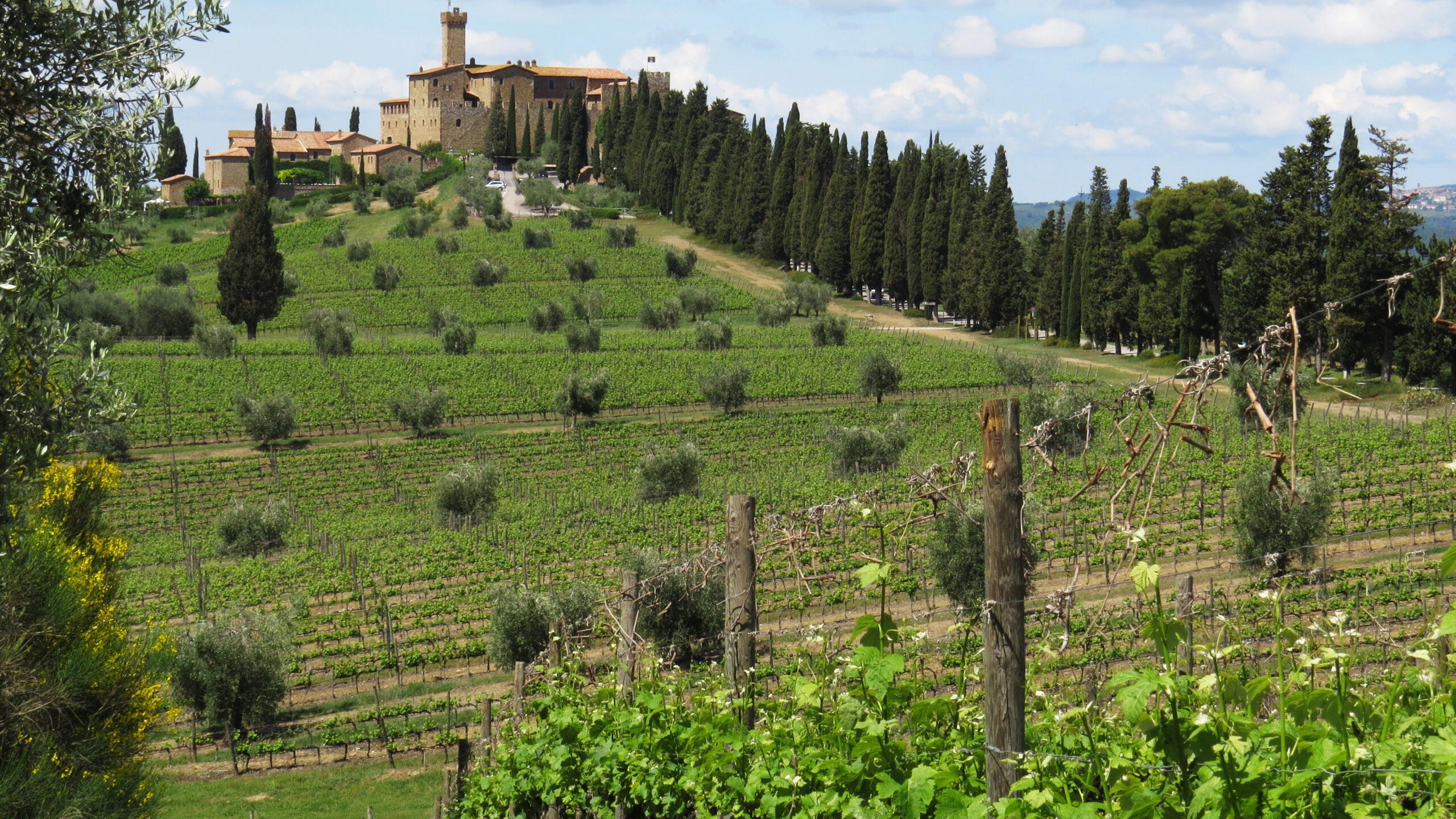
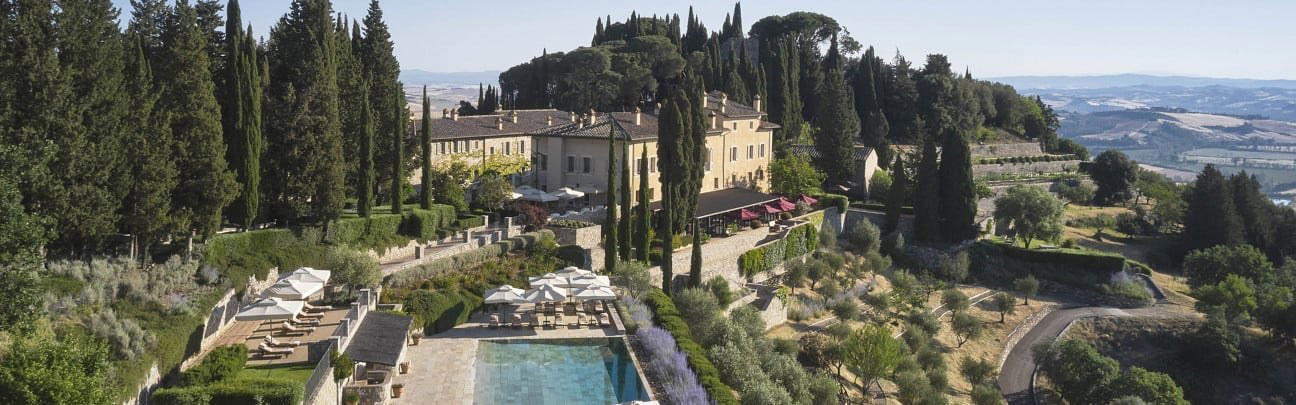
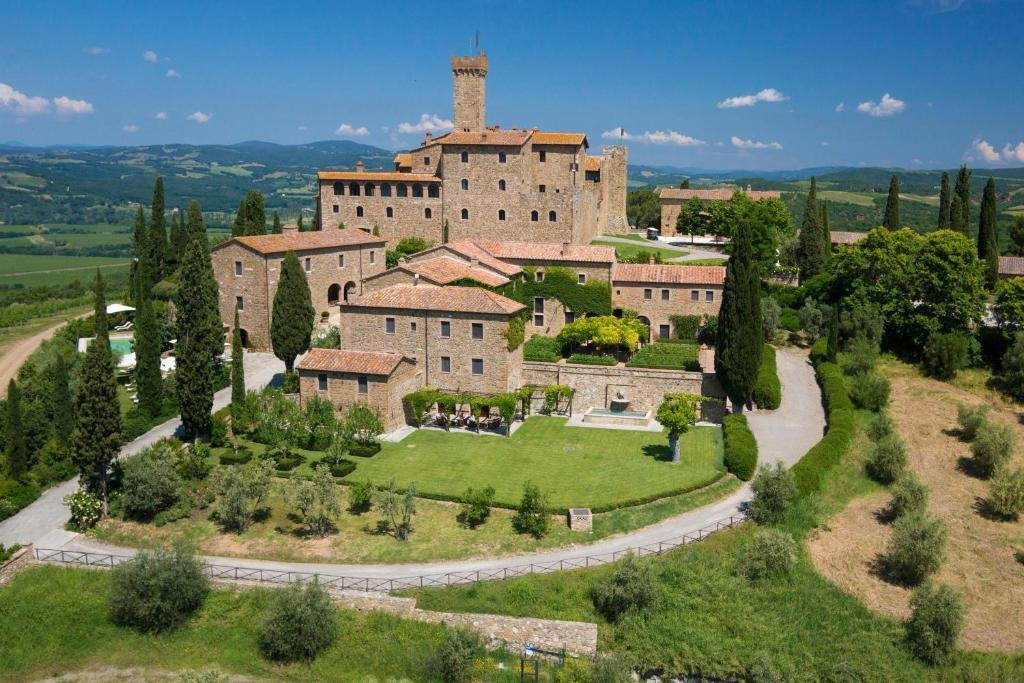
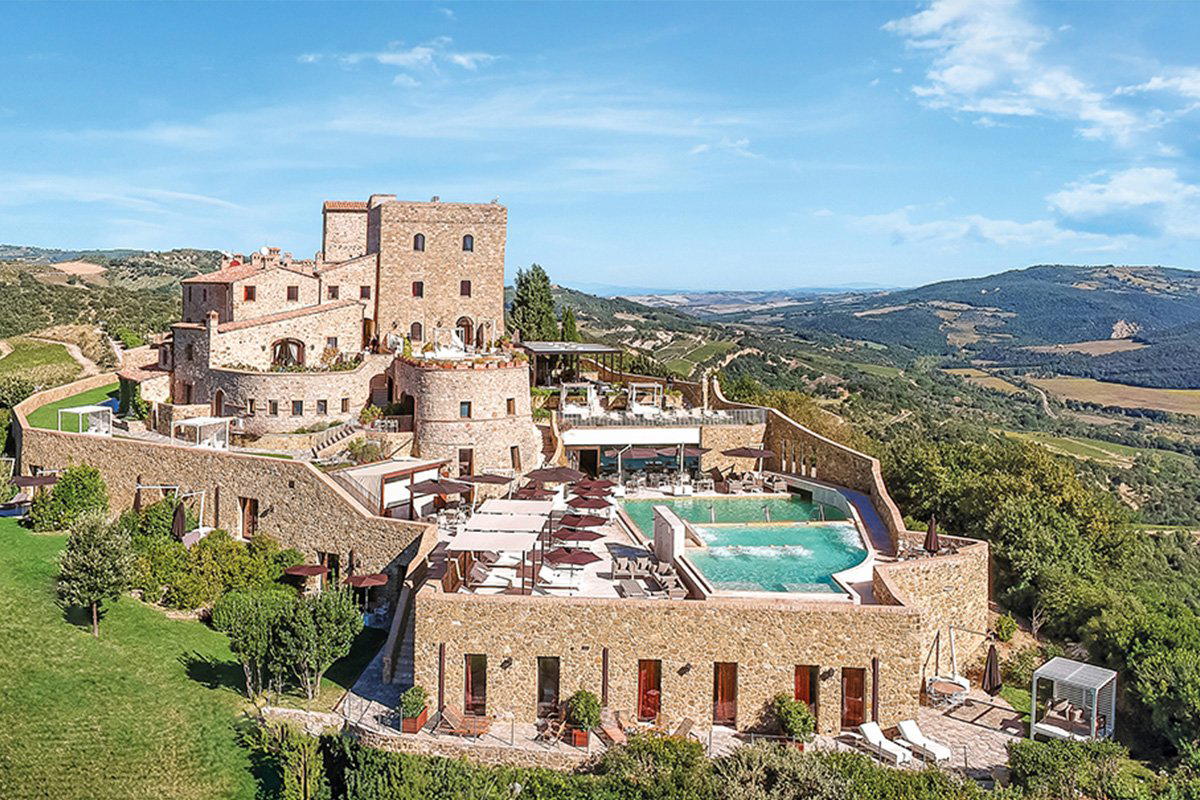
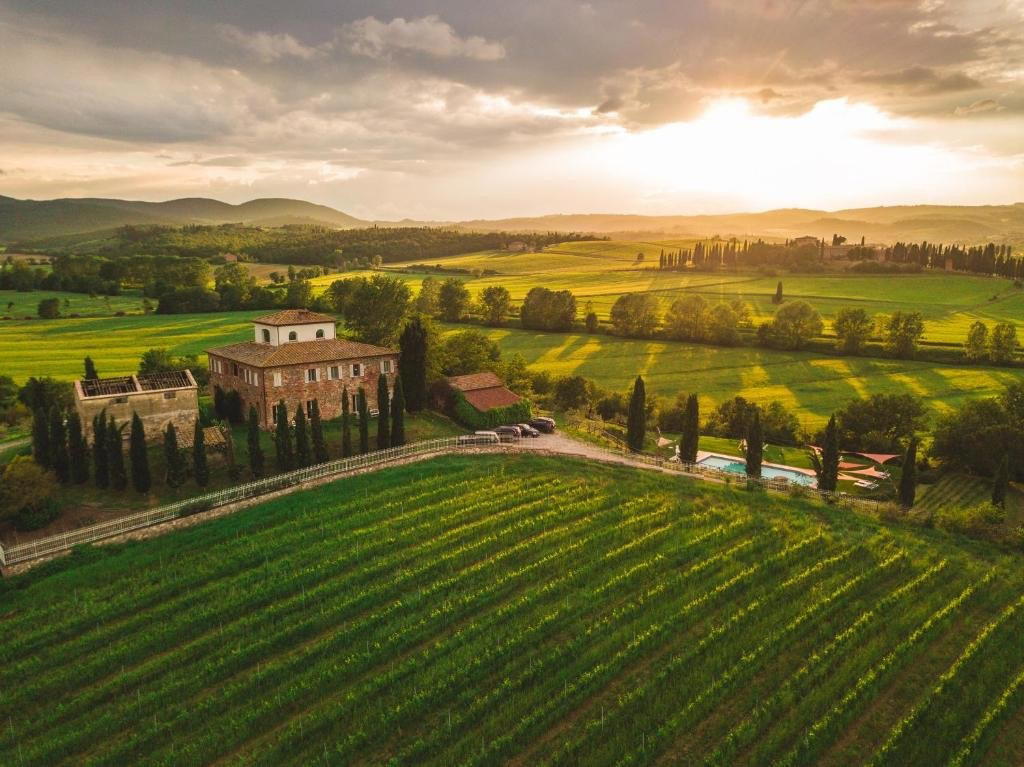
The approach to wine in Montalcino often begins with stone, altitude, and Sangiovese before it reaches the glass. At Castello Romitorio, that sequence is unusually literal: a restored 12th-century fortress, hillside vineyards between 200 and 400 meters, and a cellar culture built around Brunello di Montalcino DOCG. The atmosphere is quiet and composed rather than theatrical, with the historic building and vineyard setting doing much of the work before any tasting begins.
Montalcino’s winery circuit can split into two broad modes: estates that lean on cellar orthodoxy, and estates that use place as a larger cultural argument. Castello Romitorio belongs to the latter camp. Its public identity turns on wine, art, nature, terroir, tradition, and research, a formulation that could sound decorative elsewhere but has structural weight here because the estate’s modern chapter began with artist Sandro Chia’s restoration of the property in 1984. The point is not an artist’s side project; it is a Brunello estate where visual culture and Sangiovese have been made to share the same frame.
Art, altitude, and Sangiovese define the tasting frame
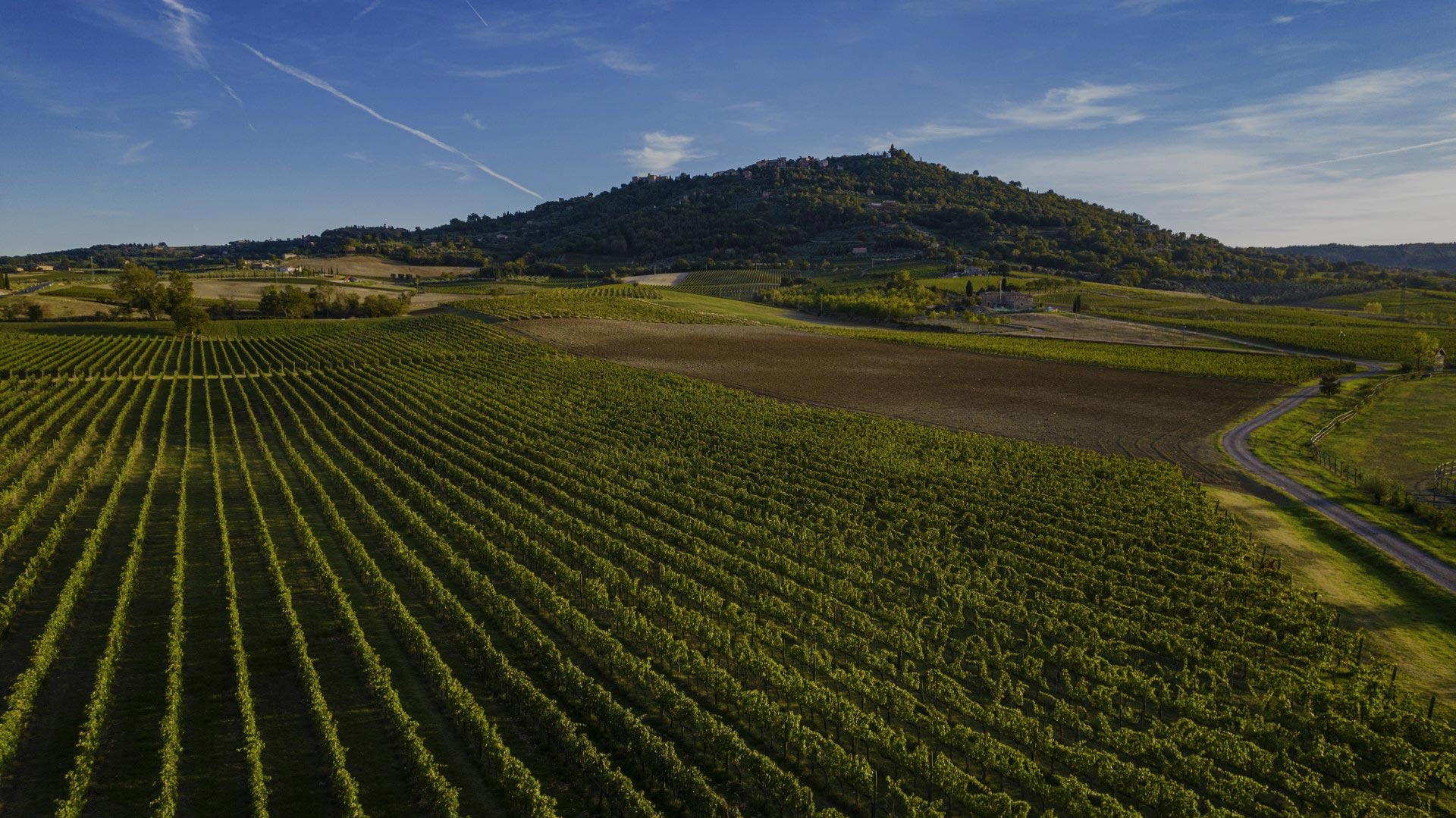
Brunello di Montalcino is not a casual appellation to understand quickly. Its grammar is Sangiovese, long aging, site specificity, and the patience of producers who can explain why one hill performs differently from another. Castello Romitorio gives that conversation a strong physical setting. The vineyards’ 200–400 meter altitude matters in a region where exposure, air movement, and soil variation shape ripeness and structure. The estate’s focus sits on still red wines, with Sangiovese as the stated varietal anchor and Brunello di Montalcino DOCG as the appellation center.
The contemporary story is also unusually coherent by Montalcino standards. Sandro Chia acquired the abandoned castle in 1984, restored it, and used it as both home and studio while the estate developed its Brunello program. Since 2006, Filippo Chia has led the next phase, with the winery’s art-forward identity carried into a more technical period of vineyard and cellar attention. That generational continuity gives the estate a clearer voice than many properties that trade on scenery alone.
The winemaking lens is disciplined rather than nostalgic. Sustainable production is part of the stated philosophy, and the estate is organized around guided and private tasting formats rather than a loose drop-in model. For visitors, that changes the experience: the emphasis falls on interpretation, cellar context, and the relationship between the historic site and the wines, not on a quick tasting-room pour.
A Brunello estate with a research-minded cellar culture
Strongest way to read Castello Romitorio is through the tension in its own vocabulary: tradition and research. Montalcino has plenty of tradition; research is where serious estates separate themselves from postcard agriculture. Here, the production narrative points to sustained attention to vineyard altitude, Sangiovese, and cellar choices that support Brunello’s long-form structure. The estate’s historic shell may draw the camera, but the serious content is in how the property frames Sangiovese as an ongoing study rather than a fixed inheritance.
That matters because Brunello buyers and travelers are often looking for different things. Collectors tend to ask about appellation, aging, vintage variation, and producer style. Travelers often begin with the building, the view, or the romance of Tuscany. A strong Montalcino visit has to satisfy both without flattening the wine into scenery. Castello Romitorio’s format is well suited to that balance: a quiet, small-capacity atmosphere, cellar-led context, and enough historic architecture to make the estate legible even to visitors who are still learning the denomination.
Filippo Chia’s role as winemaker gives the estate’s current chapter a personal center, but the more useful editorial point is broader: Montalcino’s serious producers now compete on clarity of philosophy as much as on cellar prestige. An art-led estate can easily become a lifestyle label. This one is more convincing because the art element is tied to the property’s modern origin, while the vineyard and appellation work keep the conversation grounded in Brunello.
How to place it within a Montalcino wine itinerary
Castello Romitorio suits travelers who want a composed winery visit with architecture, cellar context, and a strong sense of estate identity. It is less suited to anyone trying to stack quick tastings across the day. The format rewards slower pacing: one focused appointment, time to absorb the building and vineyard setting, then a meal or another cultural stop in Montalcino rather than a rushed sequence of pours.
For broader planning, keep the winery within a wider Montalcino structure rather than treating it as a standalone stop. EP Club’s city guides are useful for building the rest of the day around wine: Our full Montalcino wineries guide for cellar visits, Our full Montalcino restaurants guide for lunch or dinner, Our full Montalcino hotels guide for where to stay, Our full Montalcino bars guide for after-dinner drinking, and Our full Montalcino experiences guide for non-winery context.
Readers mapping a deeper wine route can also use nearby producer pages as reference points without turning the day into a checklist: Aglieta Roberto, Agostina Pieri, Agricola Poggio Rubino, Aisna, and Altesino. For a wider European wine map beyond Tuscany, compare regional formats through 3GP SRL in Treviso, 47 Anno Domini in Trebaseleghe, A Mano Wine in Noci, »der Steiner« Hans Steiner in Podersdorf am See, and & Handwein in Mannheim.
The editorial case for Castello Romitorio is not that it offers a generic Tuscan castle tasting. It is that Montalcino’s Brunello tradition is presented here through a specific modern history: restoration in 1984, a family-led second chapter from 2006, high-altitude Sangiovese vineyards, and a tasting culture shaped by art without letting art replace the wine. For visitors who want Brunello with intellectual architecture around it, that combination has real weight.
Recognition history
Dated appearances from independent guides and award organizations, with the underlying list record or original source where available.
Falstaff Winery - 4 Stars
Falstaff
Continue exploring
More in Montalcino
Wineries in Montalcino
All wineries in Montalcino →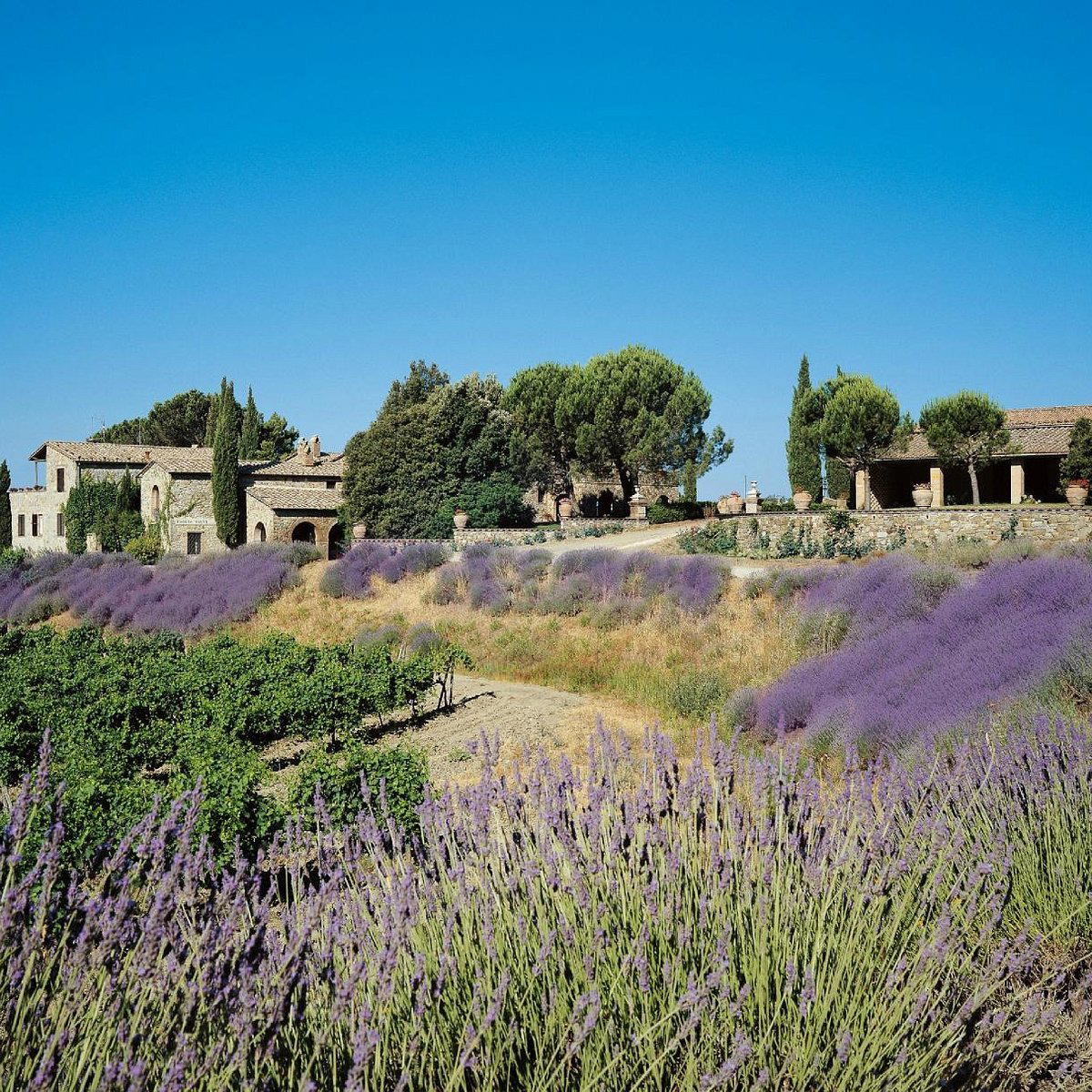
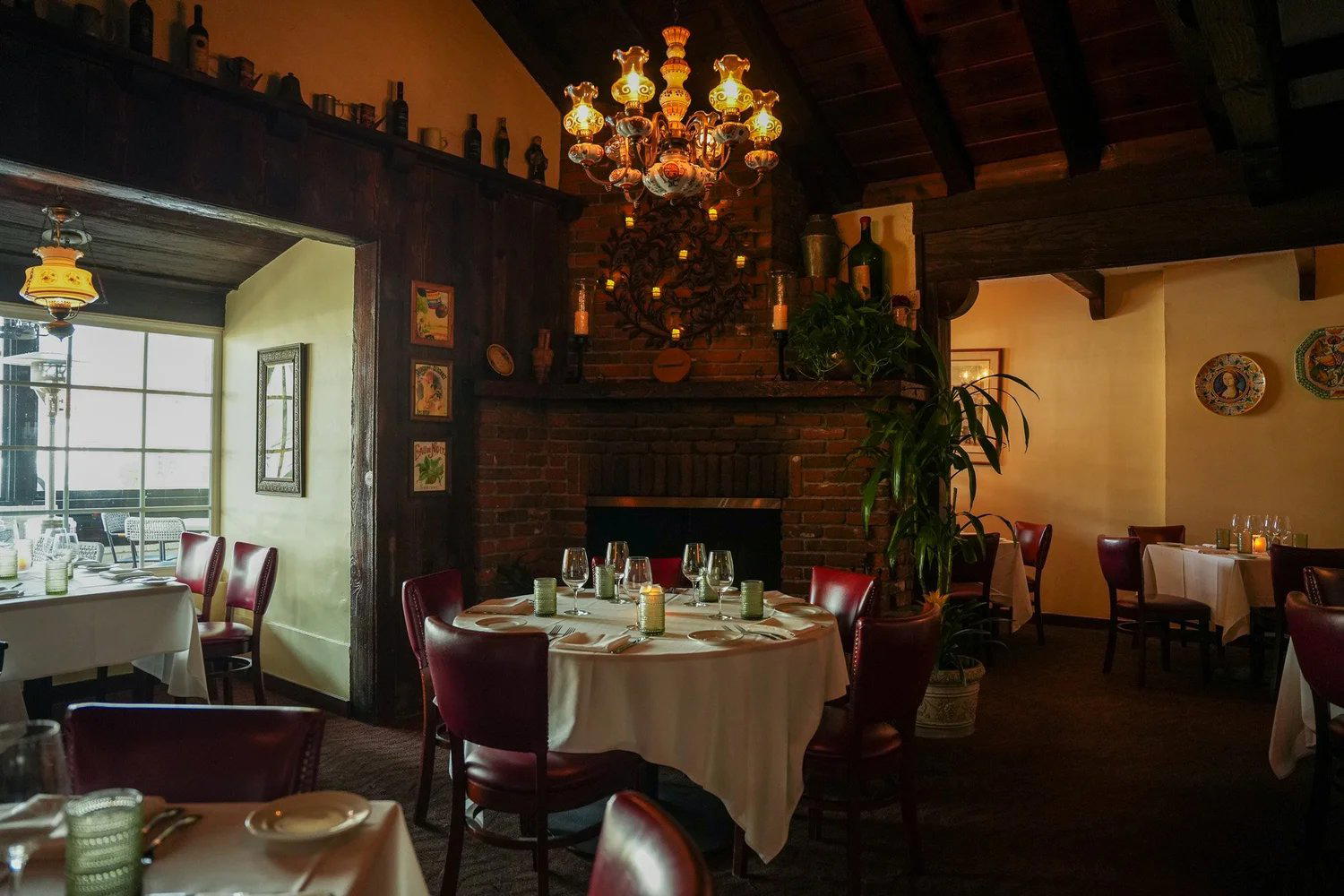
Bars in Montalcino
All bars in Montalcino →

Restaurants in Montalcino
All restaurants in Montalcino →
Details
- Scenic
- Classic
- Elegant
- Sophisticated
- Wine Education
- Special Occasion
- Group Outing
- Vineyard Tour
- Historic Building
- Private Tasting
- Sustainable
- Mountain
- Vineyard
- Sangiovese
- Still Red
- Guided Tasting
- Private Tasting
Current opening hours
- Monday
- 8 AM–5 PM
- Tuesday
- 8 AM–5 PM
- Wednesday
- 8 AM–5 PM
- Thursday
- 8 AM–5 PM
- Friday
- 8 AM–4 PM
- Saturday
- Closed
- Sunday
- Closed
Hours can change for holidays and private events. Hours as of .
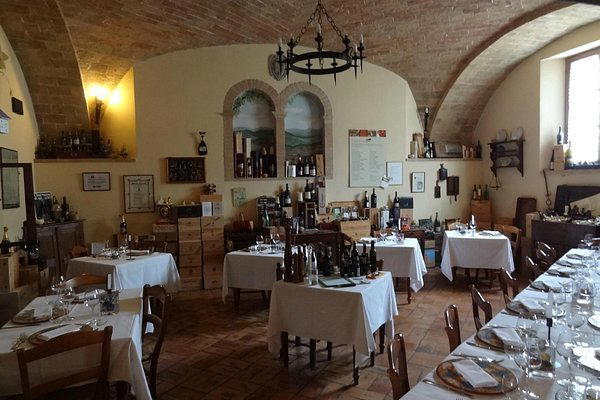
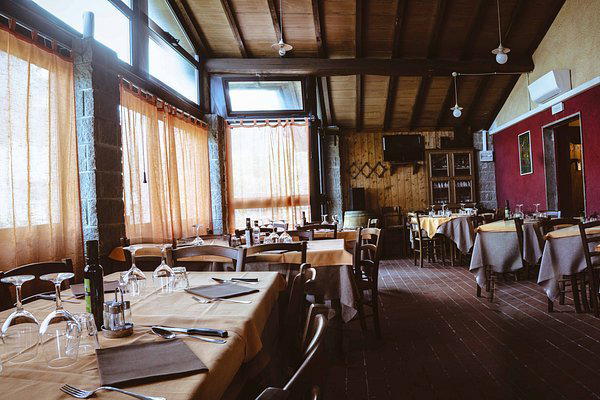
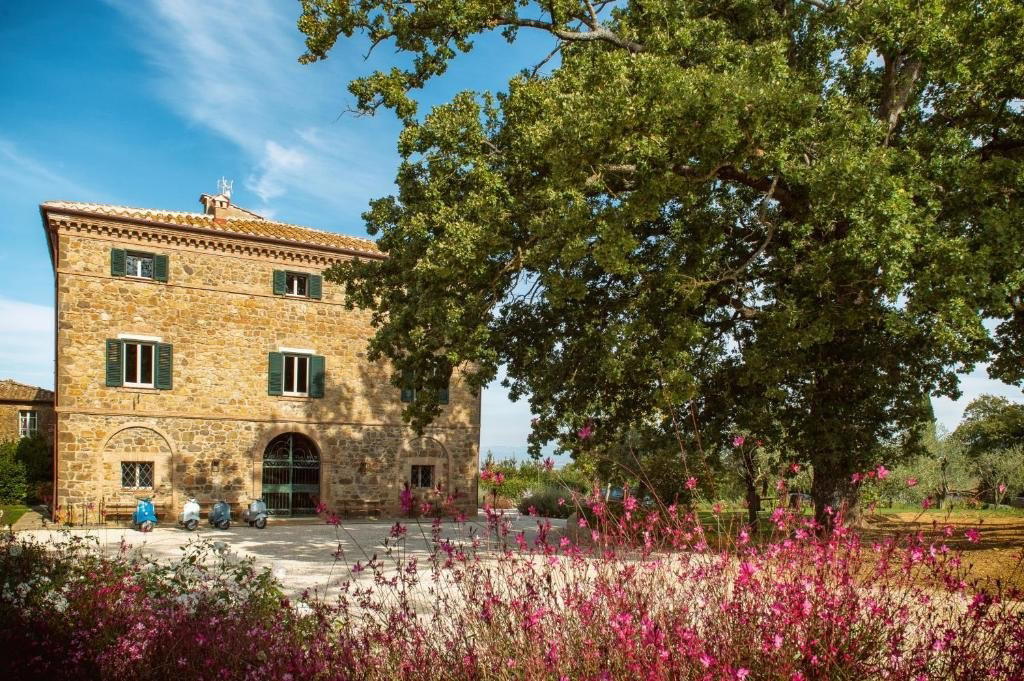
A refined, art-forward winery atmosphere centered on wine and art, nature and terroir, with a strong sense of tradition and research.