Cascina Bongiovanni

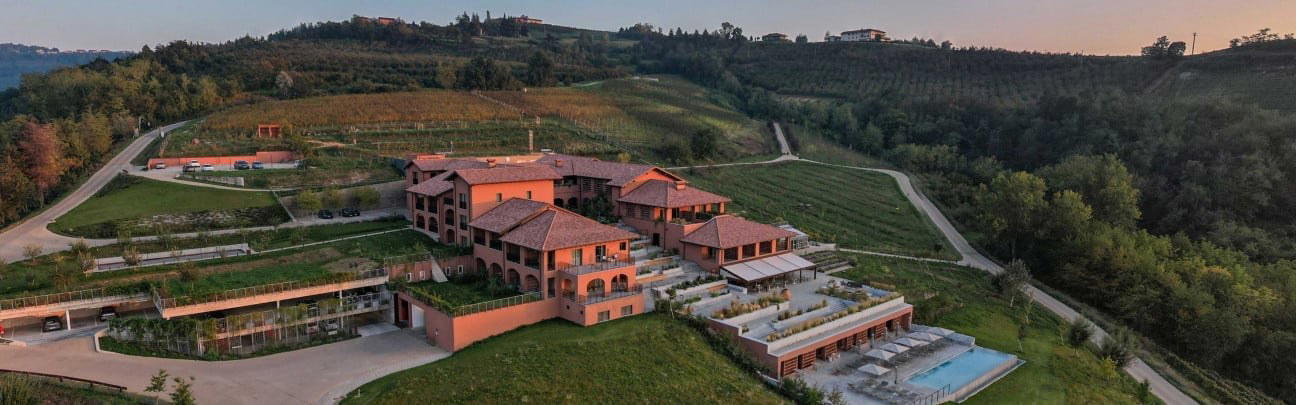
Cascina Bongiovanni is a small family-run Barolo estate in Castiglione Falletto, working Nebbiolo, Barbera, Dolcetto, Arneis and Cabernet Sauvignon across the Langhe. The appeal is quiet and terroir-led: vineyard views, guided tastings, sustainable hands-on farming and a production scale of roughly 35,000–40,000 bottles a year.
Pearl is the En Primeur Club membership app — saves, bookings, and concierge access live there. Same editors, same standards.
- Address
- Castiglione Falletto, Piedmont, Italien
- Directions
- Get directions
 Saves & bookings on Pearl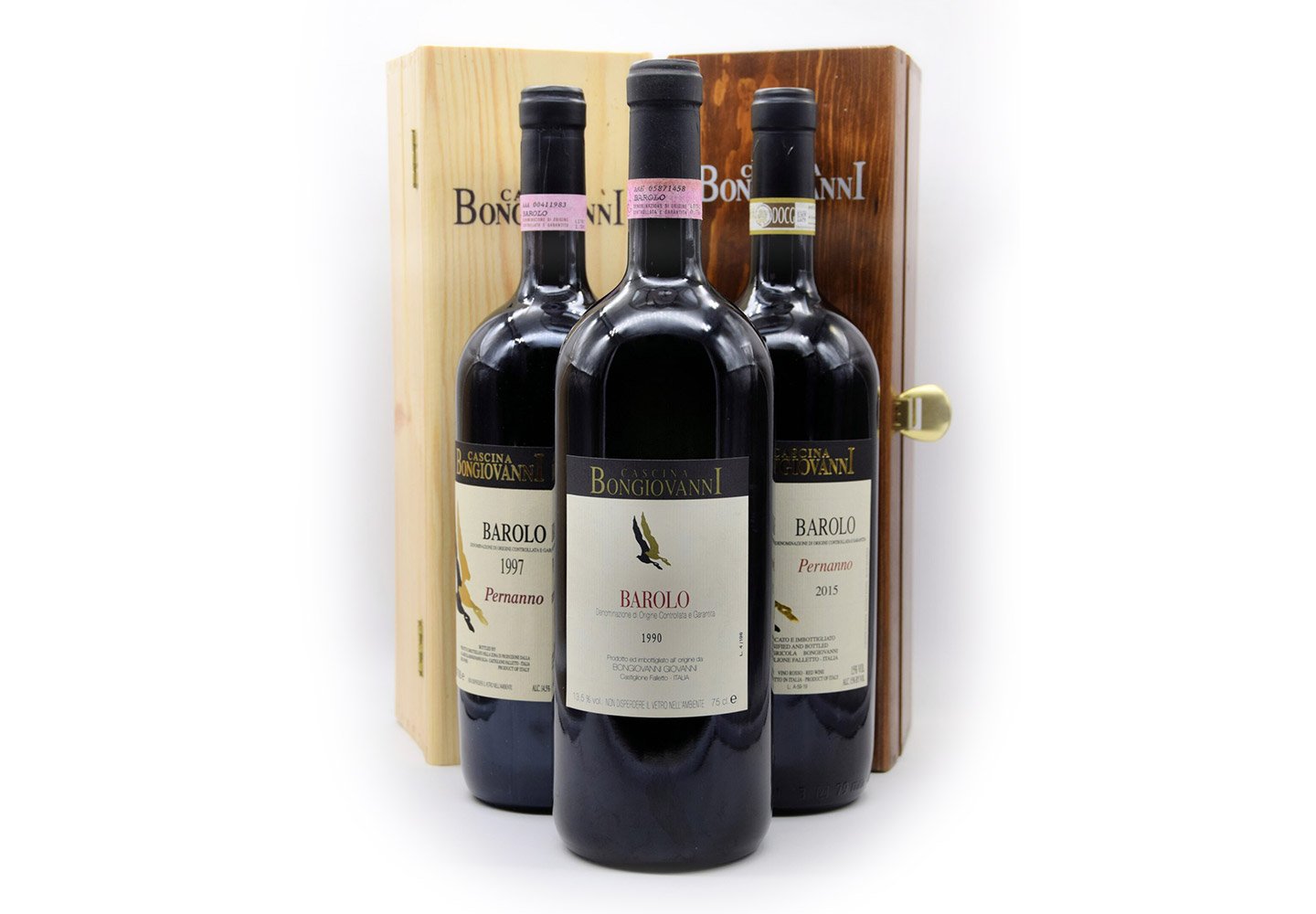
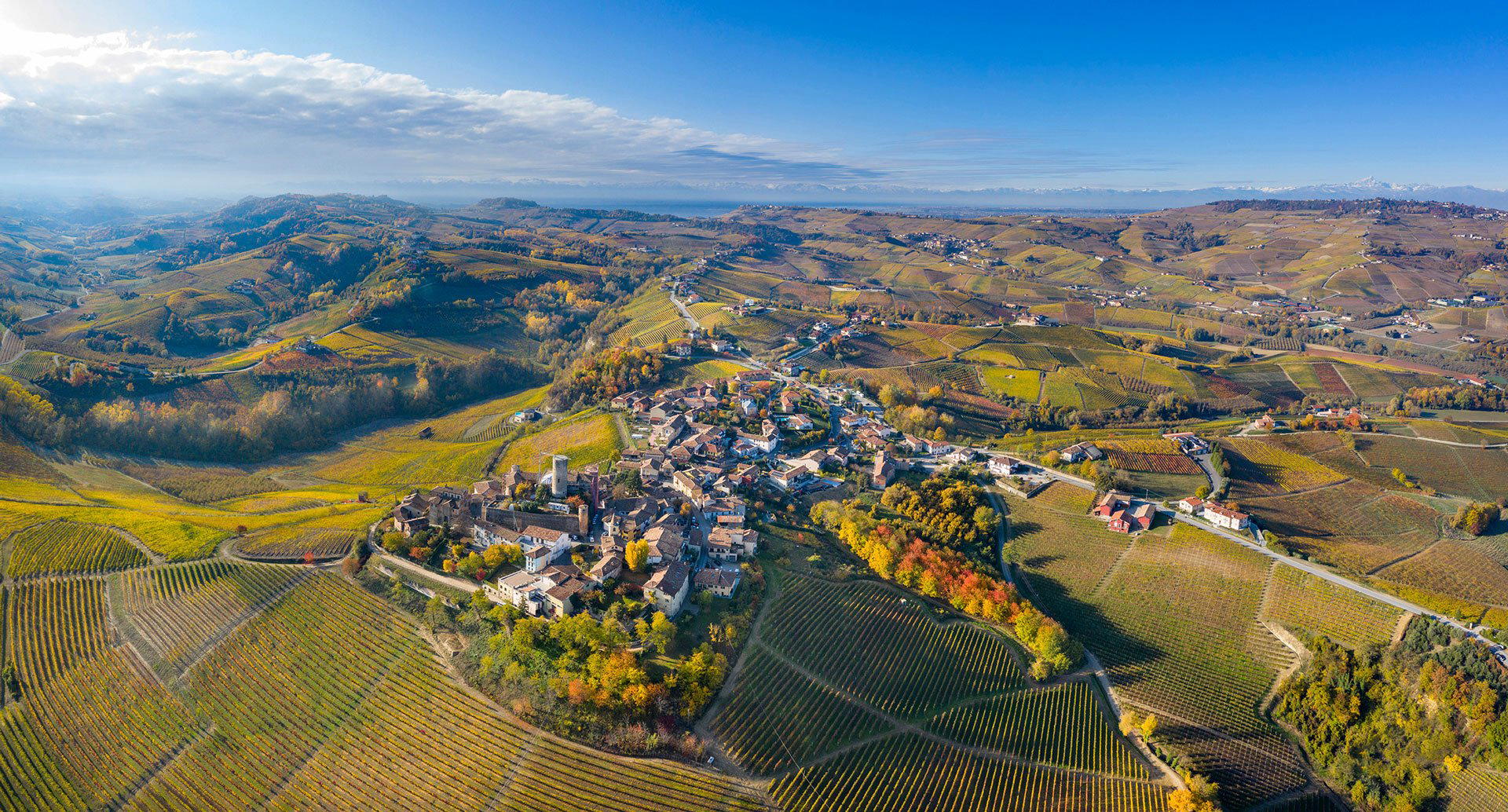
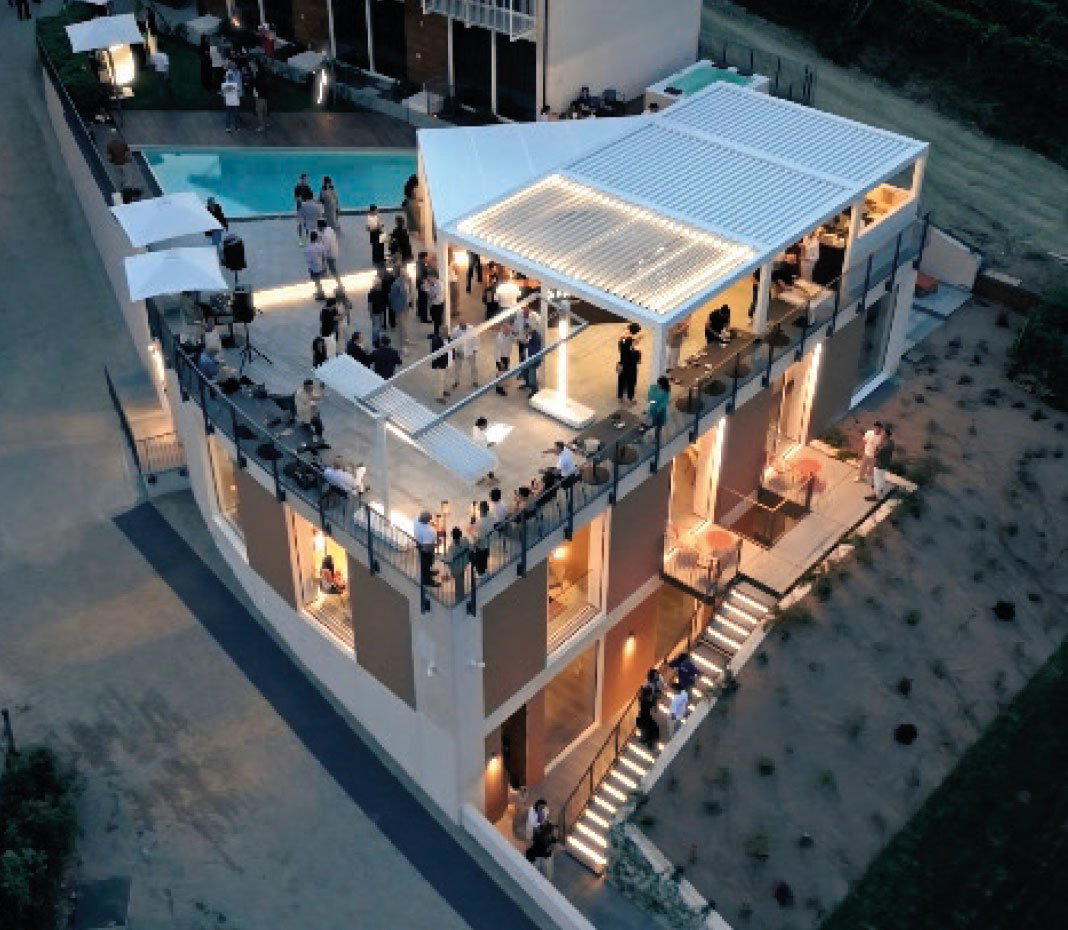
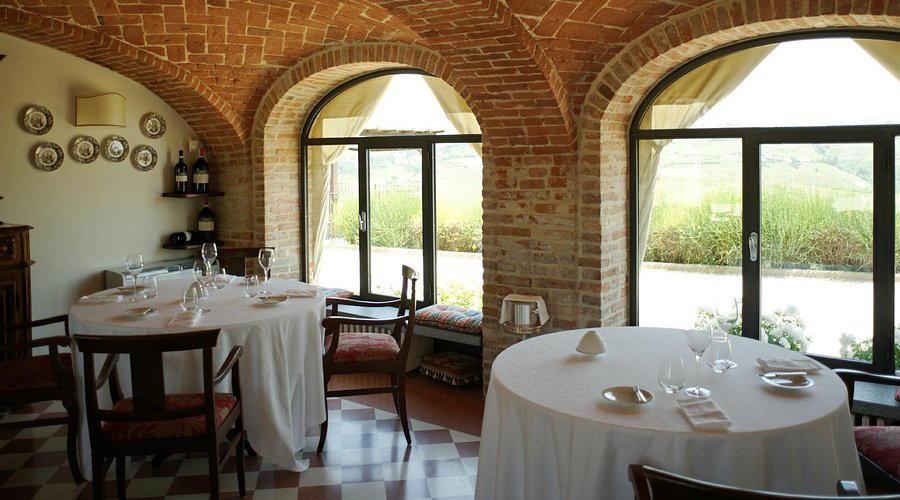
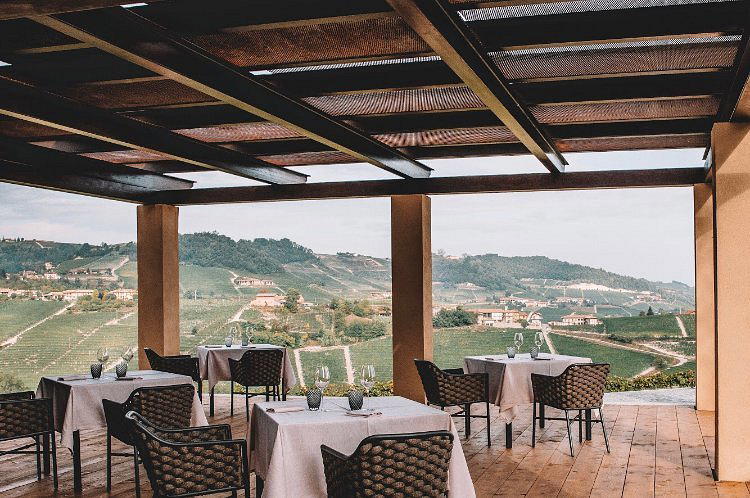
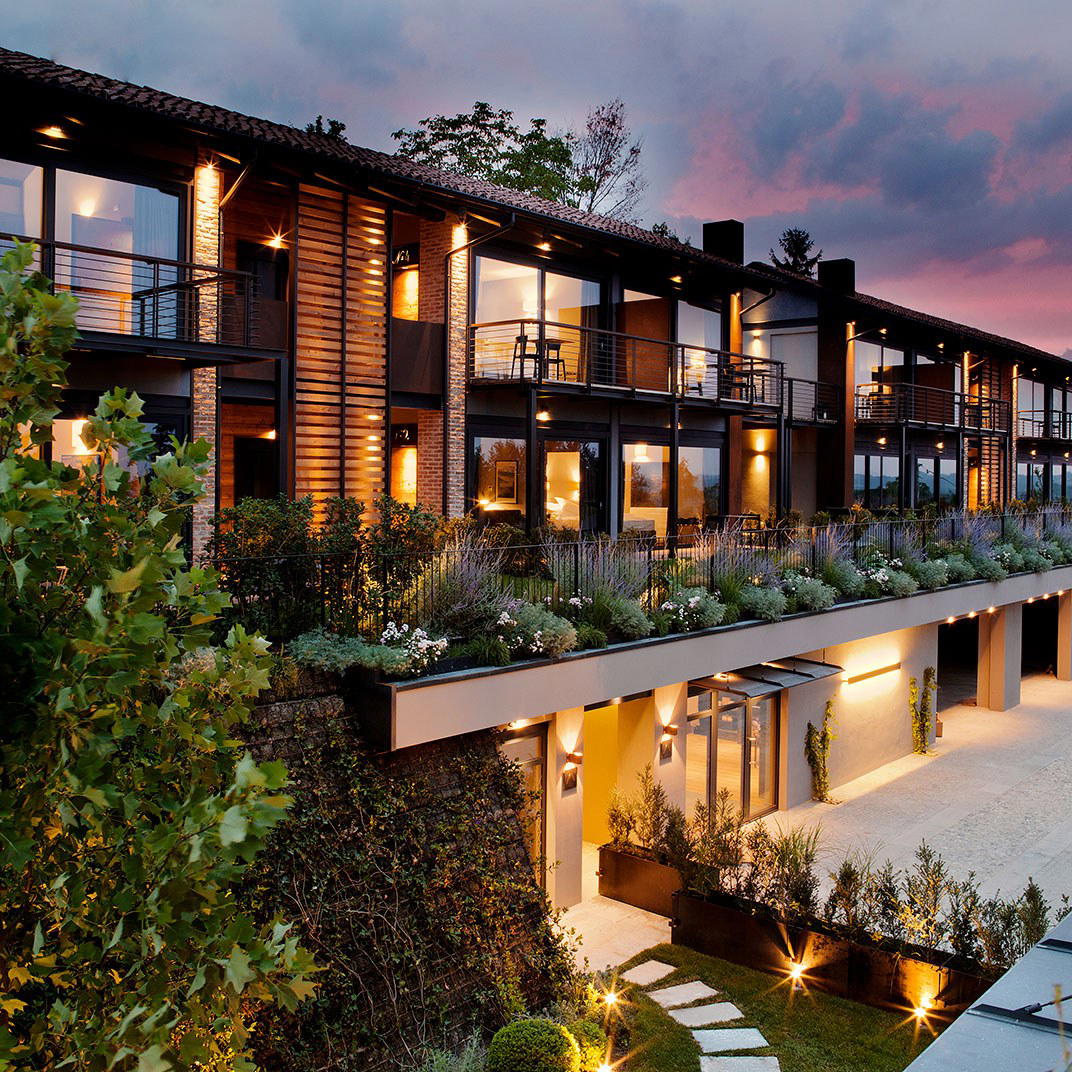
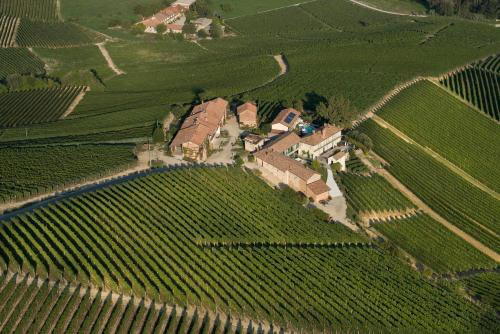
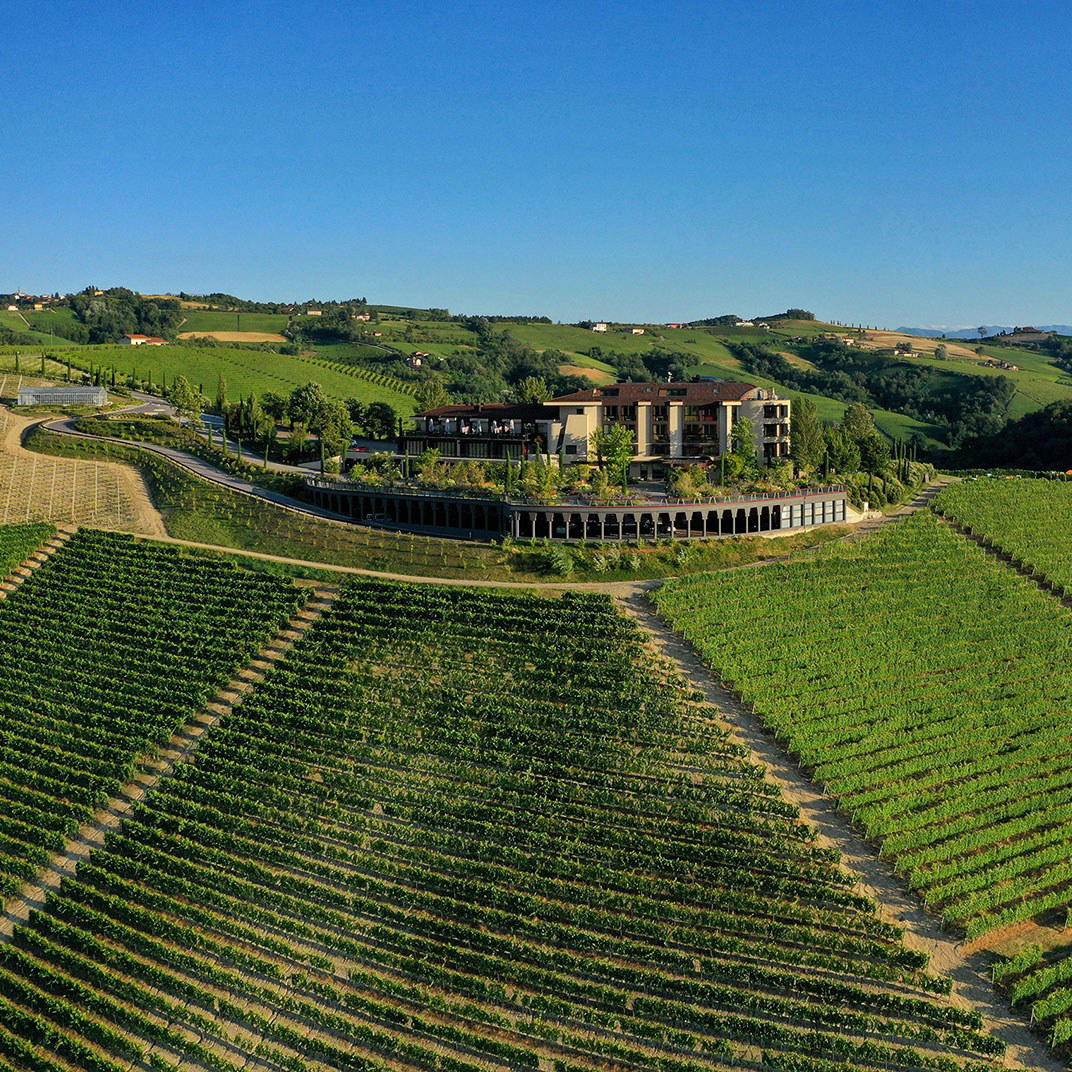
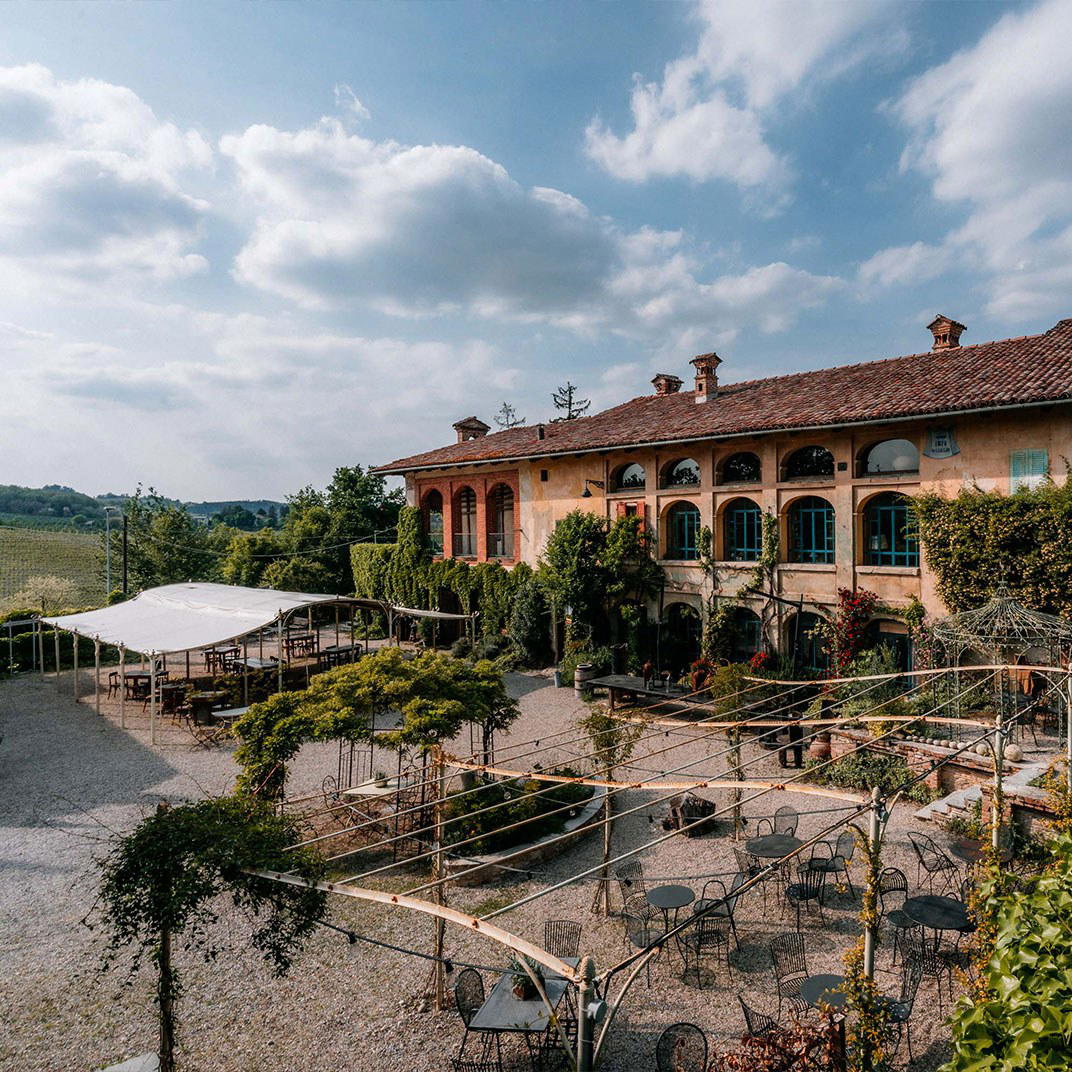
Approach Castiglione Falletto and the Langhe announces itself in broad rural gradients: vine rows, hill contours and the quiet rhythm of wine country. Cascina Bongiovanni belongs to the family-run side of that scene, where the appeal is less about spectacle than a rural estate atmosphere with vineyard views, simple interiors and a close connection to the land. The first impression is therefore one of proportion: the landscape does much of the work, and the estate’s role is to keep the focus close to the vines, the hills and the slower pace that gives this part of the Langhe its particular pull.
The picture here is intentionally modest: Cascina Bongiovanni is best understood as a rustic, scenic and intimate Langhe estate in Castiglione Falletto. Its character is grounded in attentive, hands-on viticulture and a balance between tradition and modern winemaking science, rather than in any confirmed award hook, chef-led format or luxury hospitality claim. That restraint is part of the point. It positions the estate as a place to read through atmosphere and context, not through a list of embellished credentials.
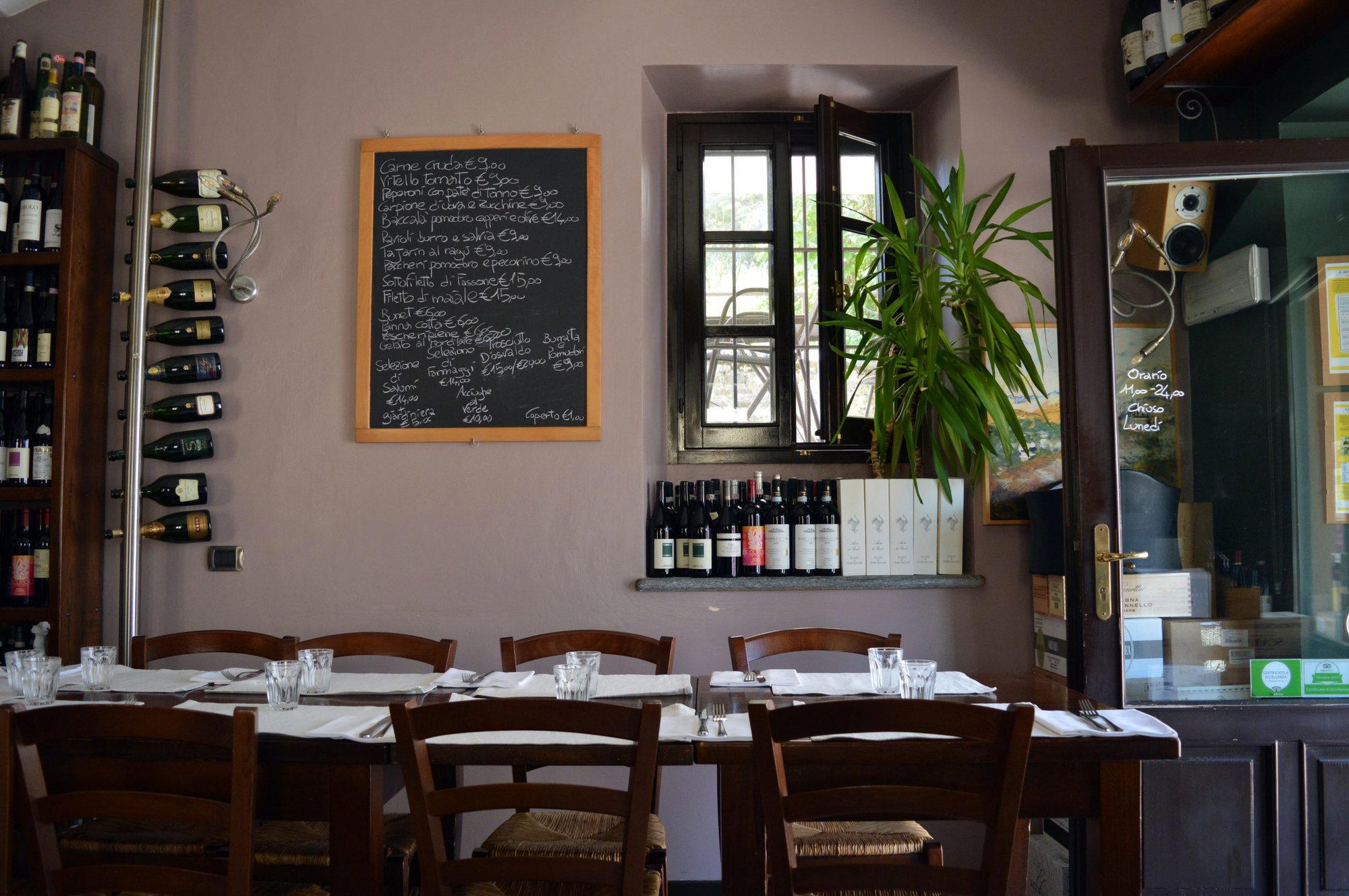
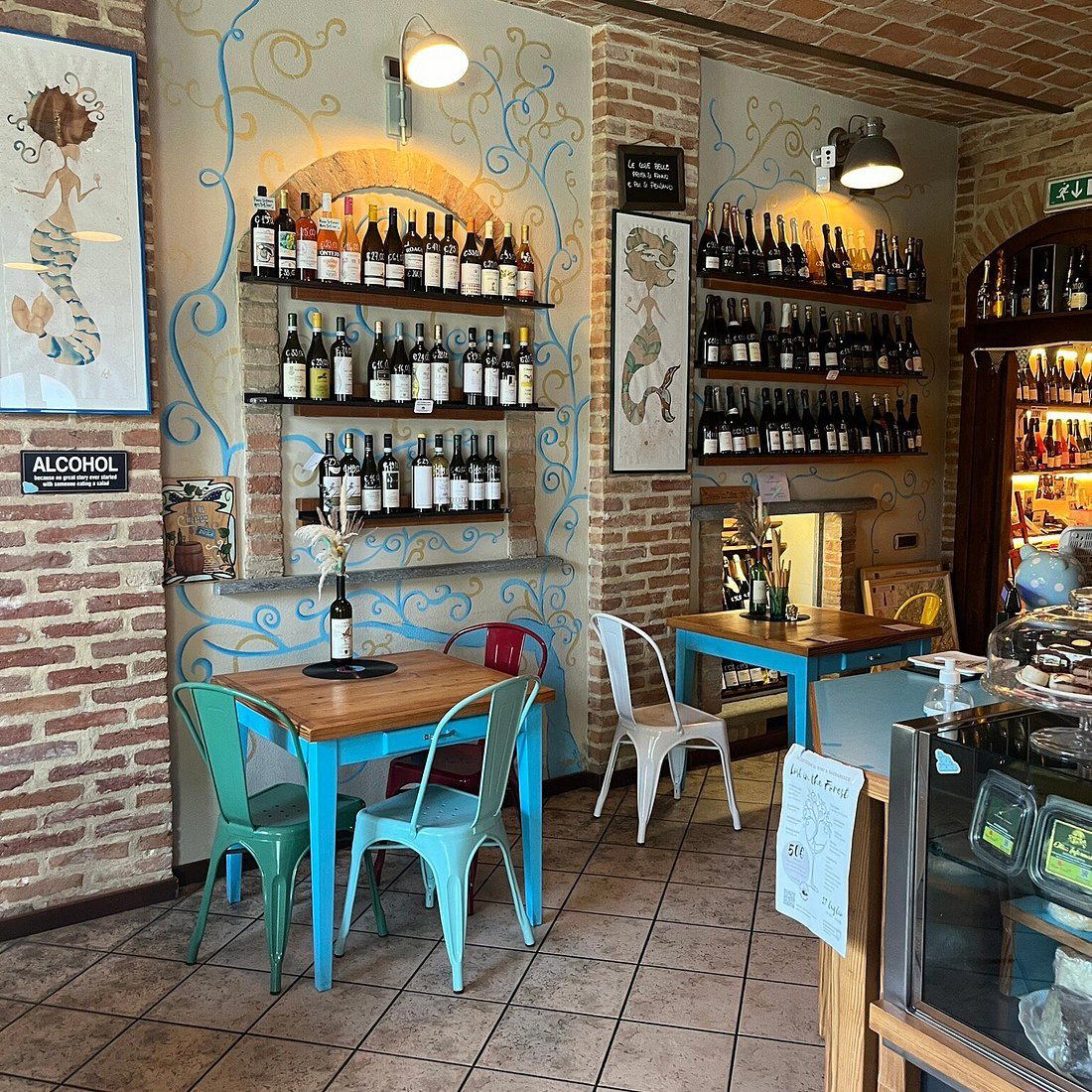
The strongest reason to consider Cascina Bongiovanni is the setting. It offers the feel of a family-run Langhe estate, with vineyard views and simple rural interiors that suit travellers looking for a classic, hidden-gem mood rather than a highly polished venue. In this sense, the experience is likely to be most rewarding for visitors who respond to quiet rural texture: the sightlines across cultivated hills, the unforced interior simplicity and the sense that wine here remains connected to place before presentation.
Estate’s stated identity balances tradition with modern winemaking science. That makes the visit feel rooted in the landscape without presenting the place as frozen in the past. The tone is romantic, rustic and intimate, with the emphasis on the estate atmosphere and the vineyard context. The useful reading is not nostalgia for its own sake, but continuity: a respect for older Langhe rhythms alongside a more contemporary awareness of how careful viticulture and winemaking discipline shape the final impression.
For readers mapping Castiglione Falletto more broadly, the village rewards side-by-side thinking across local wine and dining options. Keep comparisons general: the value is in understanding how different places in and around Castiglione Falletto express the Langhe landscape, not in relying on claims about specific neighbouring venues. The winery fits into that map as the quieter, estate-led kind of stop, where the setting and the family-run mood carry the experience.
A quiet rural setting with vineyard context
The winery is best framed as a scenic estate stop rather than a venue defined by a confirmed menu format, service style or published accolade. The information supports a low-key, family-run atmosphere with vineyard views and simple interiors. That framing matters because it sets expectations in the right place: visitors should be looking for rural character, landscape continuity and a direct estate feeling, rather than the choreography of a more formal hospitality address.
Because the confirmed details are limited, it is better not to assume specific tour formats, languages, booking rules, parking arrangements, food pairings, bottle production, grape varieties or opening hours. Travellers should check directly with the estate for current practical details before planning a visit. This is especially important in wine country, where the pleasure of a stop depends as much on timing, access and fit as it does on the romance of the setting.
The strongest audience is the traveller who wants a grounded Langhe estate atmosphere in Castiglione Falletto: rustic, classic, intimate and scenic. It should appeal most to visitors who value vineyard context and a hands-on viticultural approach over a high-energy or heavily produced hospitality experience. If the ideal day is measured by quiet views, a sense of place and a restrained rural mood, the estate’s profile reads clearly.
How to place it in a Castiglione Falletto itinerary
For a Castiglione Falletto itinerary, the winery works well as a calm point in the day: arrive with time to take in the vineyard views and the rural setting, then leave room for other unnamed dining or wine stops in Castiglione Falletto if your schedule allows. It is the kind of address that makes most sense when the day is not overpacked, because its appeal lies in atmosphere as much as in any single practical function.
For broader trip planning, EP Club’s city guides are better used as scaffolding around the wine day: Our full Castiglione Falletto wineries guide, Our full Castiglione Falletto restaurants guide, Our full Castiglione Falletto hotels guide, Our full Castiglione Falletto bars guide and Our full Castiglione Falletto experiences guide keep the logistics from overpowering the purpose of the trip. Used this way, planning supports the experience without turning the Langhe into a checklist.
Langhe travel also benefits from looking beyond a single stop. For contrast in scale, region and hospitality style, compare the winery with other unnamed estates and dining rooms in the wider region, while keeping the focus here on its strengths: a family-run Langhe atmosphere, vineyard views, simple rural interiors and a tradition-minded but modern approach to viticulture. That is the clearest way to understand the estate: not as an all-purpose destination, but as a quiet rural expression of Castiglione Falletto’s wine-country character.
Recognition history
Dated appearances from independent guides and award organizations, with the underlying list record or original source where available.
Falstaff Winery - Listed
Falstaff
Continue exploring
More in Castiglione Falletto
Wineries in Castiglione Falletto
Browse all →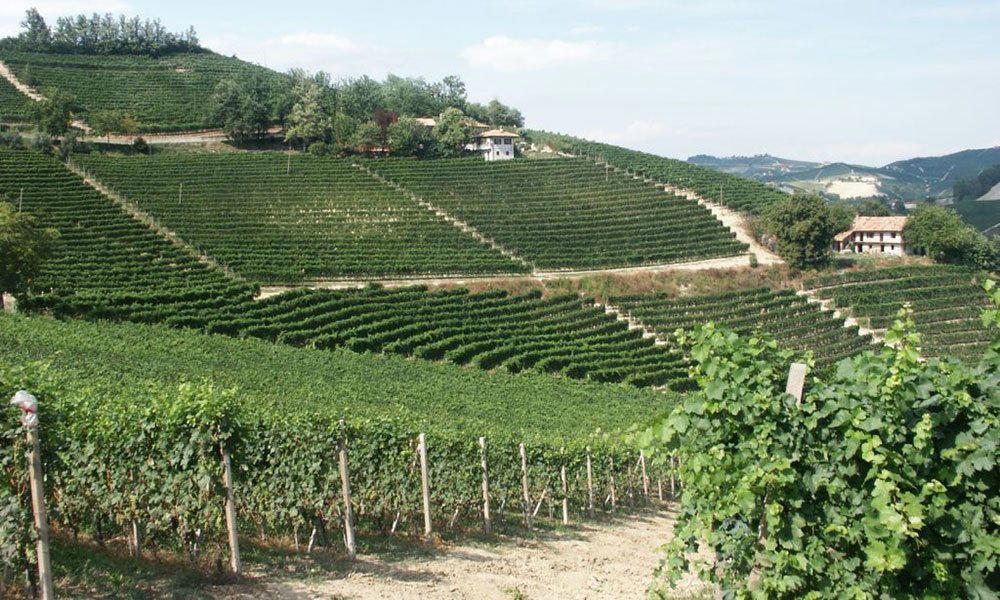
Bars in Castiglione Falletto
Browse all →
Restaurants in Castiglione Falletto
Browse all →
At a Glance
- Rustic
- Scenic
- Classic
- Intimate
- Romantic
- Romantic Getaway
- Group Outing
- Wine Education
- Special Occasion
- Solo Exploration
- Vineyard Tour
- Estate Grounds
- Panoramic View
- Private Tasting
- Sustainable
- Vineyard
- Mountain
- Garden
- Barolo DOCG
- Nebbiolo
- Barbera
- Dolcetto
- Arneis
- Cabernet Sauvignon
- Still Red
- Still White
- Guided Tasting
- Tour And Tasting
- Private Booking
Family-run Langhe estate atmosphere with vineyard views, simple rural interiors and a focus on attentive, hands-on viticulture that balances tradition and modern winemaking science.