
Falstaff Winery - Listed
Casa Marín sits in Lo Abarca, one of Chile's most climatically extreme wine zones, where proximity to the Pacific shapes cool-climate varieties with unusual tension and salinity.. For those tracing the country's coastal frontier, it belongs on the itinerary.

Pearl is the En Primeur Club membership app — saves, bookings, and concierge access live there. Same editors, same standards.
- Address
- Camino Lo Abarca s/n, Cartagena, Valparaíso
- Phone
- +56 9 8777 6786
- Website
- casamarin.cl
- Directions
- Get directions
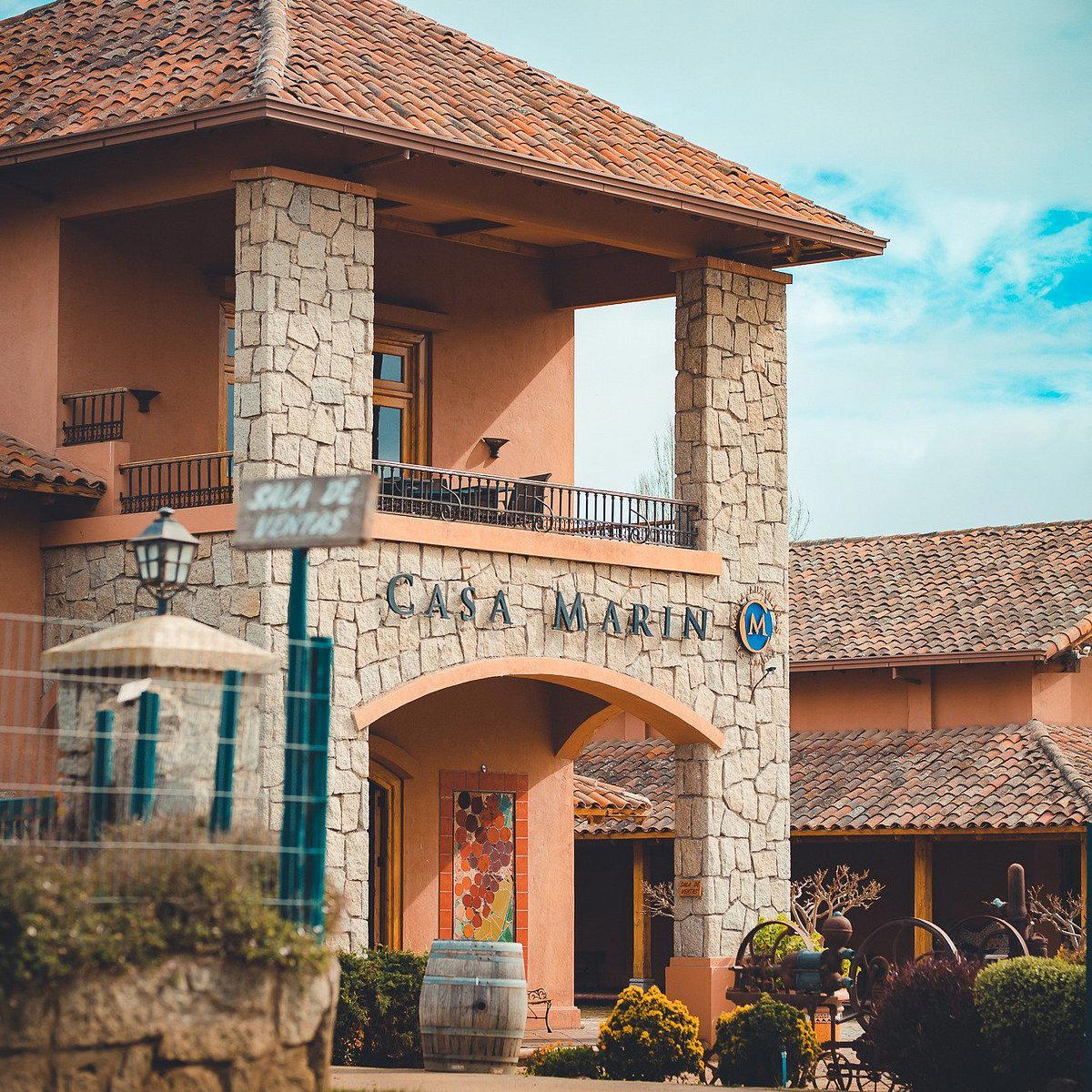
Where the Pacific Dictates the Wine
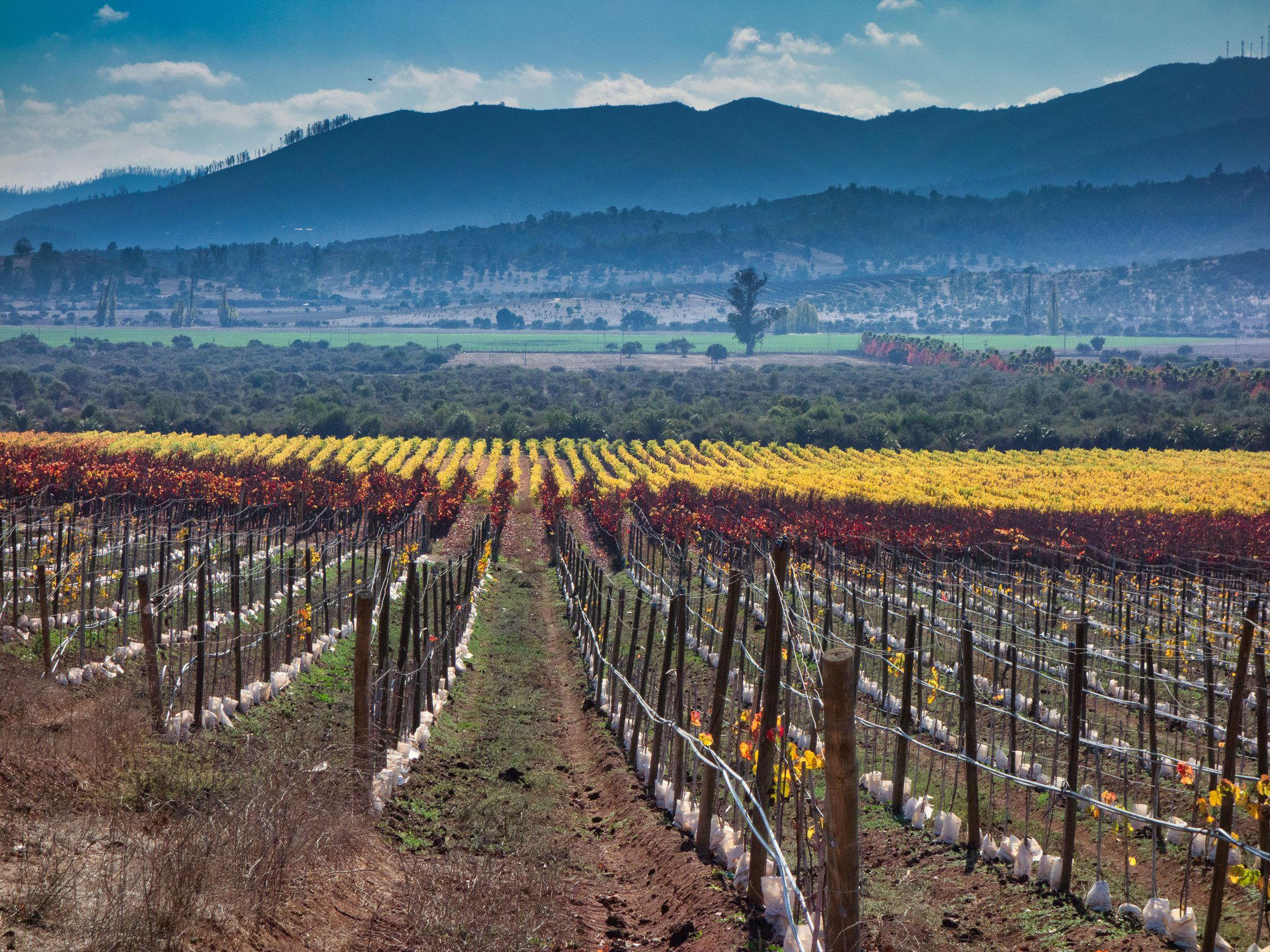
The road into Lo Abarca runs through dry coastal hills before dropping toward a valley where afternoon fog rolls in from the ocean with enough regularity to function almost as a second irrigation system. This is San Antonio Valley territory, one of the coldest and windiest wine zones in Chile, sitting closer to the sea than almost any other producing region in the country. The vines here do not ripen early. They do not yield easily. What they produce, when the conditions align, carries a mineral sharpness and a structural tension that warm-inland Chilean wine rarely replicates.
Casa Marín occupies this terrain at Camino Lo Abarca s/n, in the Cartagena commune of Valparaíso Region.
The Coastal Argument in Chilean Wine
Chile's wine identity was built inland: the Central Valley, its heat, its irrigation canals, its Cabernet Sauvignon. That image dominated export markets for decades. The reorientation toward coastal zones began seriously in the 1990s and early 2000s, when producers started reading the Pacific's influence as a competitive asset rather than a logistical difficulty. San Antonio Valley and Leyda, the sub-valleys closest to the ocean within the broader Aconcagua Coast appellation, became the testing ground for this argument.
The thermal amplitude in these zones is substantial. Daytime temperatures during the growing season can reach moderate warmth, but nights drop sharply as marine air moves inland after sunset. The result for the vine is a slow, extended ripening period that preserves acidity and allows aromatic complexity to develop without the sugar accumulation that shortens hang time in warmer sites. Sauvignon Blanc and Pinot Noir became the flagship varieties for producers who committed to this logic, and both remain the reference points against which coastal Chilean wine is evaluated internationally.
Casa Marín sits within this argument as one of the producers whose presence in Lo Abarca helped establish the zone's credibility. Comparing it against peers who operate from warmer, better-resourced inland appellations — including Viña De Martino in Isla de Maipo and Viña MontGras in Palmilla — shows how differentiated the coastal proposition is. The same Chilean sun, very different wines.
Terroir as the Central Variable
San Antonio's soils are predominantly clay-loam over decomposed granite, with significant variation across slopes and aspects. The granite subsoil, common to sites that produce wines with strong mineral signatures elsewhere in the world, contributes to drainage and root penetration depth. Combined with the marine influence above ground, the environment creates conditions where variety expression tilts toward restraint rather than opulence.
This is not a region for producers seeking high-alcohol, fruit-forward profiles. The climate resists that outcome. What emerges instead tends to be wines with pronounced freshness, firm acidity, and a saline or chalky quality on the finish that distinguishes them from interior Chilean production. Among Sauvignon Blanc producers operating across Chile, the difference between a coastal Lo Abarca expression and something from a warmer valley, including producers such as Viña Casa Silva in San Fernando or Viña Undurraga in Talagante, can be read directly in the wine's structural profile.
Awards at this tier reward exactness: wines that communicate their origin clearly, vintage after vintage, rather than wines that impress once and drift. The recognition functions as a signal about production discipline as much as it does about individual bottles.
Reading Casa Marín Against the Chilean Wine Map
Chilean wine at the premium tier has diversified significantly over the past two decades. The country now produces credible expressions from north to south: from the Elqui and Limarí valleys, where producers such as Viña Falernia in Vicuña work with high-altitude conditions that are equally demanding in a different register, down through the Central Valley and into the cooler southern zones. Viña Seña in Panquehue and Viña Ventisquero in Santiago represent different parts of this spectrum, each with a distinct argument about where Chilean wine's premium identity should be anchored.
Casa Marín's position within this map is specific: it is coastal, cool-climate, and focused on varieties that thrive under maritime influence. In international markets where buyers increasingly seek appellation specificity rather than generic Chilean wine, Lo Abarca provenance carries weight that broader regional labeling cannot replicate.
For comparison purposes, producers elsewhere in Chile working in the spirits or fortified categories, such as Pisco Alto del Carmen Distillery in Huasco or Atacamasour Distillery in San Pedro de Atacama, operate under entirely different climatic logic. Even within viticulture, the contrast between the arid north and the coastal Valparaíso Region makes Chile's internal diversity difficult to overstate.
Planning a Visit
Lo Abarca is not a conventional wine tourism destination in the way that some Central Valley properties are. The address at Camino Lo Abarca s/n, Cartagena, places the winery in a rural coastal commune roughly 90 kilometres from Santiago, making it accessible as a day trip from the capital or as part of a longer circuit that includes Valparaíso and the Casablanca Valley. The Valparaíso Region's coastal route offers context for understanding why this zone attracted serious wine production in the first place: the landscape is austere, the wind is constant, and the proximity to the Pacific is physically apparent in a way that inland Chilean wineries cannot communicate.
Those building a broader Chilean wine itinerary can complement a visit to Casa Marín with stops at El Gobernador (Miguel Torres Chile) in Curicó, Viña Valdivieso in Lontué, or Viña Santa Rita in Buin, each of which operates within a different appellation logic and offers a contrasting reference point. See our full Lo Abarca restaurants guide for further context on what the area offers beyond the winery itself.
At-a-Glance Comparison
Comparable venues nearby, for context on price, style, and recognition.
| Venue | Cuisine | Price | Awards | Notes |
|---|---|---|---|---|
| Casa MarínThis venue — the venue you are viewing | Sauvignon Blanc, Pinot Noir | Not listed | Falstaff Winery - Listed | Not listed |
| Pisco Horcón Quemado | Winery | Not listed | Not listed | Combarbalá |
| Pisco Alto del Carmen Distillery | Muscat, Muscat of Alexandria | Not listed | Not listed | Huasco Valley |
| Hanaq Pacha Distillery | Winery | Not listed | Not listed | Coquimbo |
| Viña MontGras | Cabernet Sauvignon, Carmenère | $30–50 | Not listed | Palmilla |
| Viña Casa Silva | Carmenere, Cabernet Sauvignon | Not listed | Falstaff Winery - Listed | Angostura, San Fernando |
Recognition history
Dated appearances from independent guides and award organizations, with the underlying list record or original source where available.
Falstaff Winery - Listed
Falstaff
Continue exploring
More in Lo Abarca
Wineries in Lo Abarca
Browse all →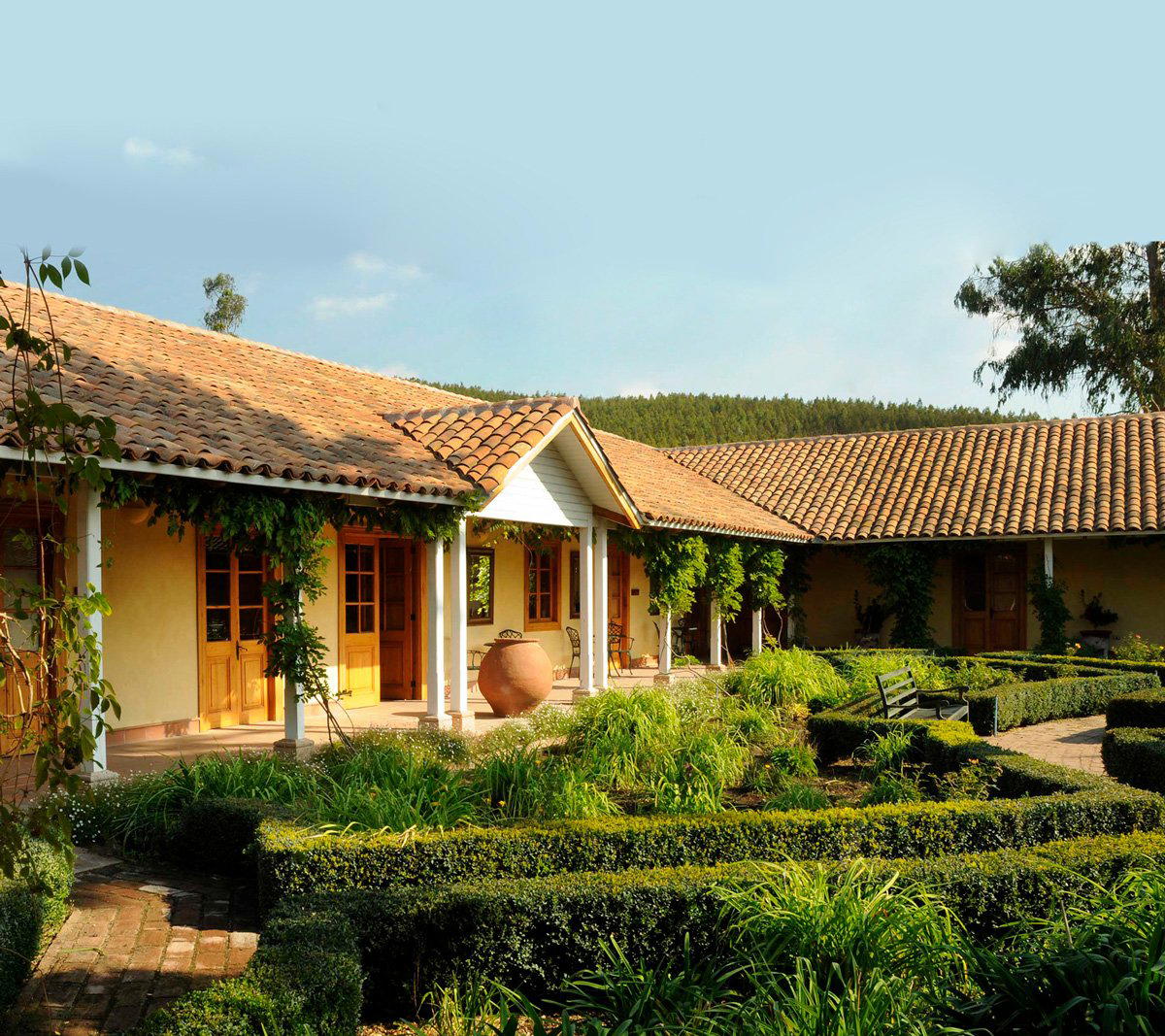
Bars in Lo Abarca
Browse all →
Restaurants in Lo Abarca
Browse all →

Hotels in Lo Abarca
Browse all →
Details
- Scenic
- Elegant
- Rustic
- Intimate
- Sophisticated
- Wine Education
- Special Occasion
- Solo Exploration
- Vineyard Tour
- Estate Grounds
- Panoramic View
- Picnic Area
- Sustainable
- Vineyard
- Mountain
- Waterfront
- Sauvignon Blanc
- Pinot Noir
- Sauvignon Gris
- Syrah
- Riesling
- Gewürztraminer
- Garnacha
- Still White
- Still Red
- Still Rosé
- Sparkling
- Guided Tasting
- Cellar Tasting
- Spanish
- English
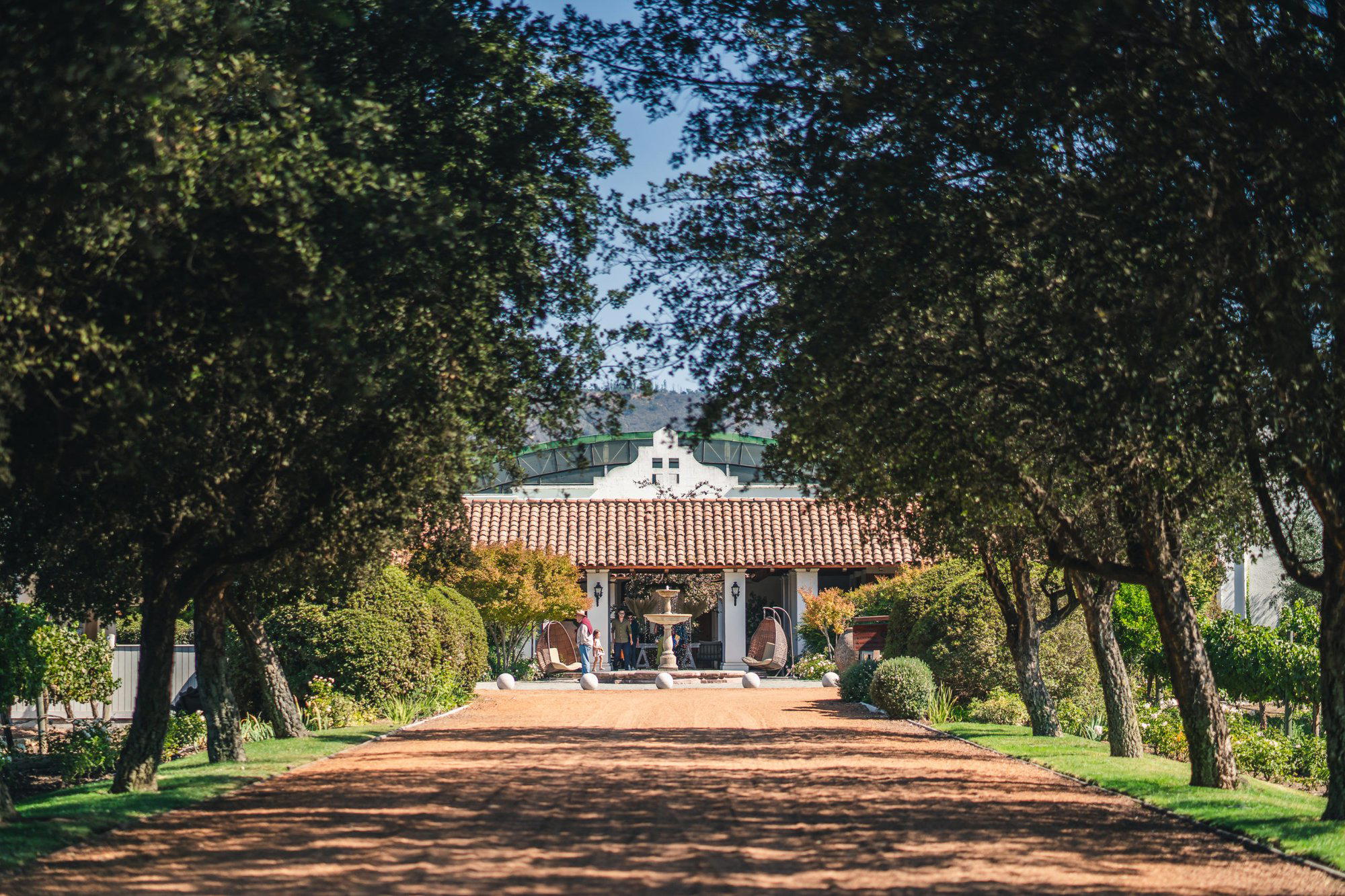
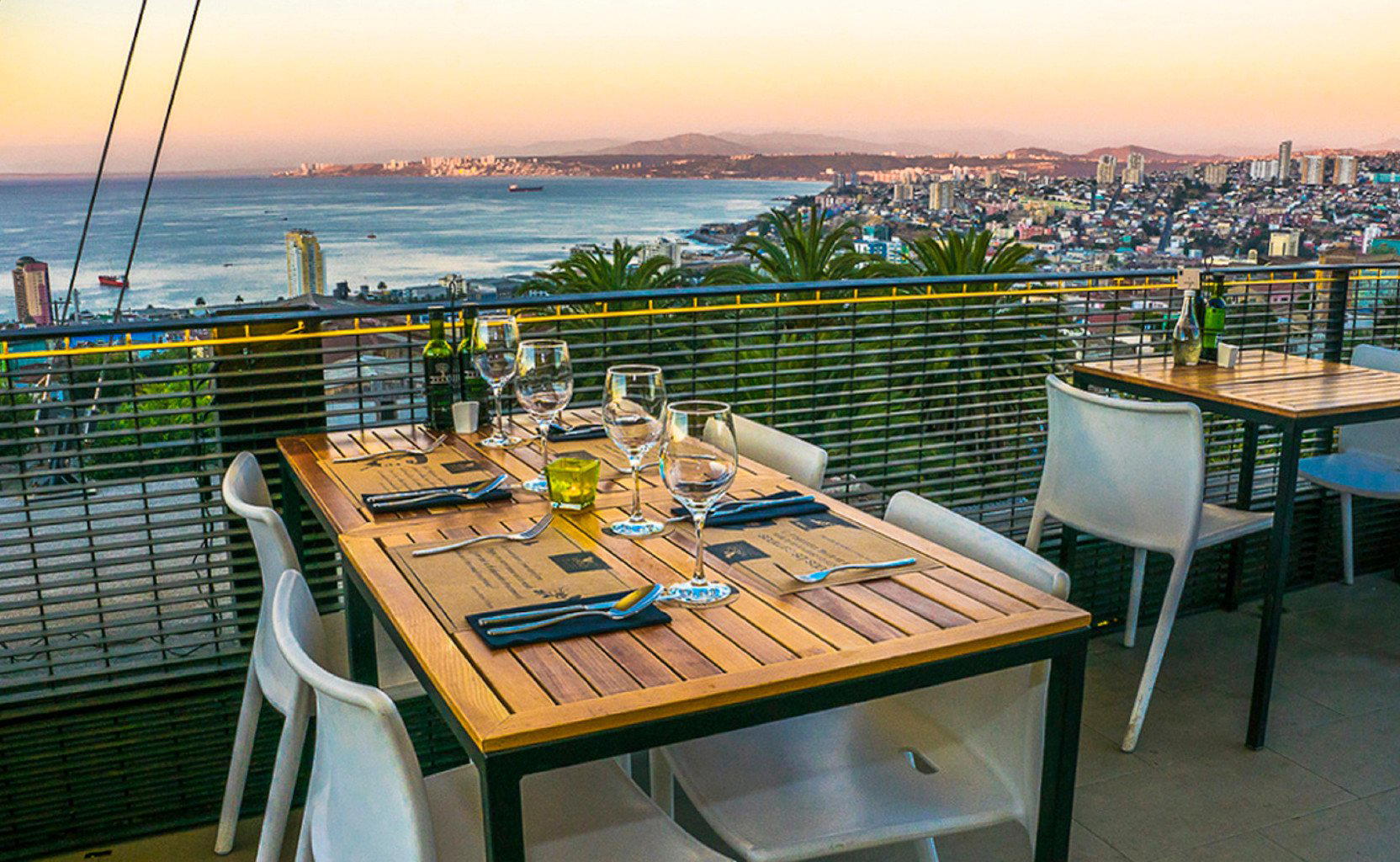
Colonial-style facility with Chilean clay tiles and mosaics, offering a tranquil, elegant atmosphere amidst hillside vineyards with ocean-influenced cool microclimate.