Casa al Vento

Falstaff Winery - Listed
Casa al Vento suits travellers who want Chianti Classico to feel inseparable from the place around it: vineyards, restored rural architecture, quiet hills, and a hospitality format built around wine, wellness, and Tuscan food. Its estate scale is modest, with 8.5 hectares of vines and about 25,000 bottles a year, giving the experience a small-production lens rather than a grand-cellar spectacle.

Pearl is the En Primeur Club membership app — saves, bookings, and concierge access live there. Same editors, same standards.
- Address
- Gaiole in Chianti, Tuscany, Italien
- Directions
- Get directions
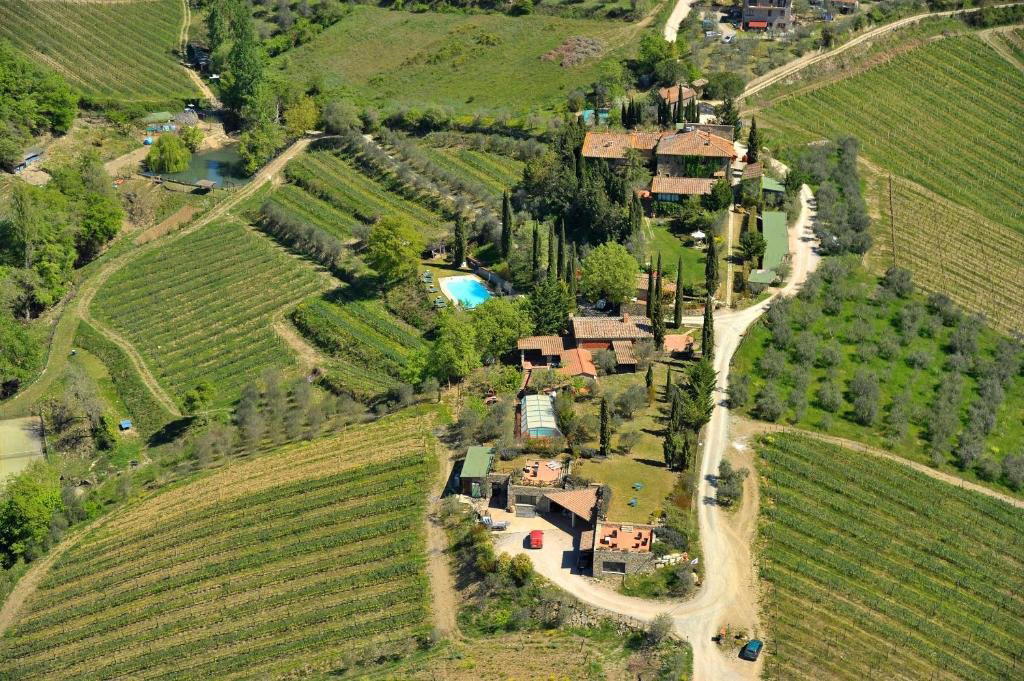
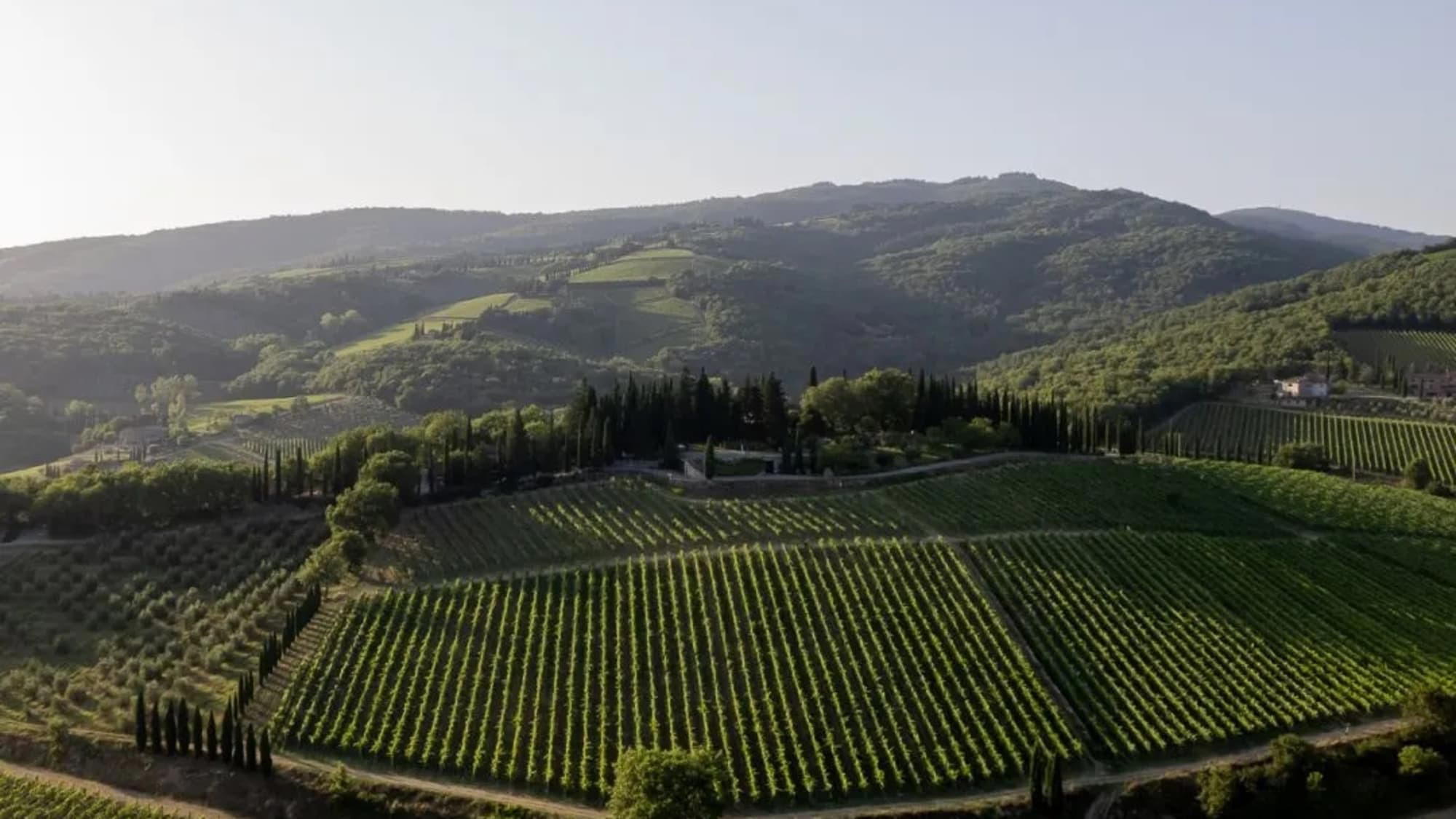
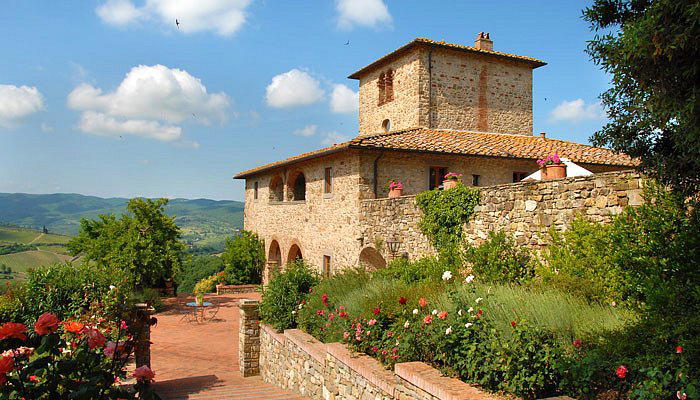
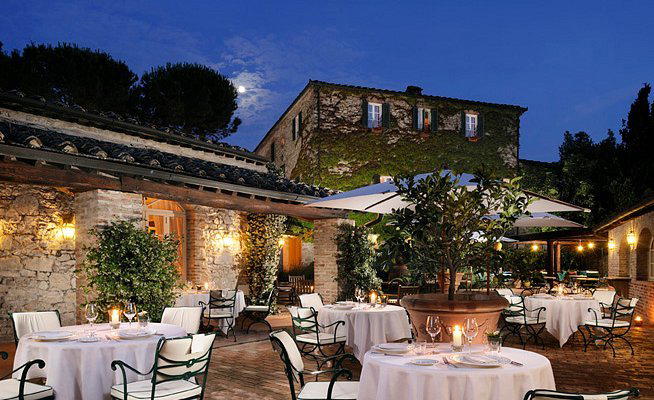
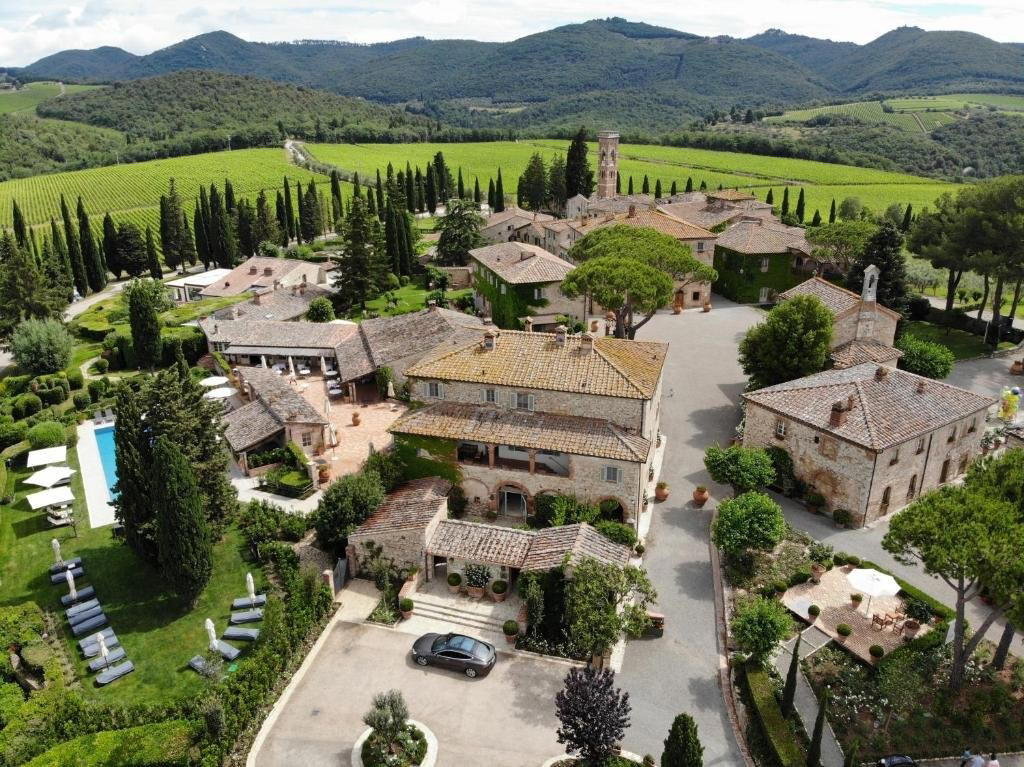
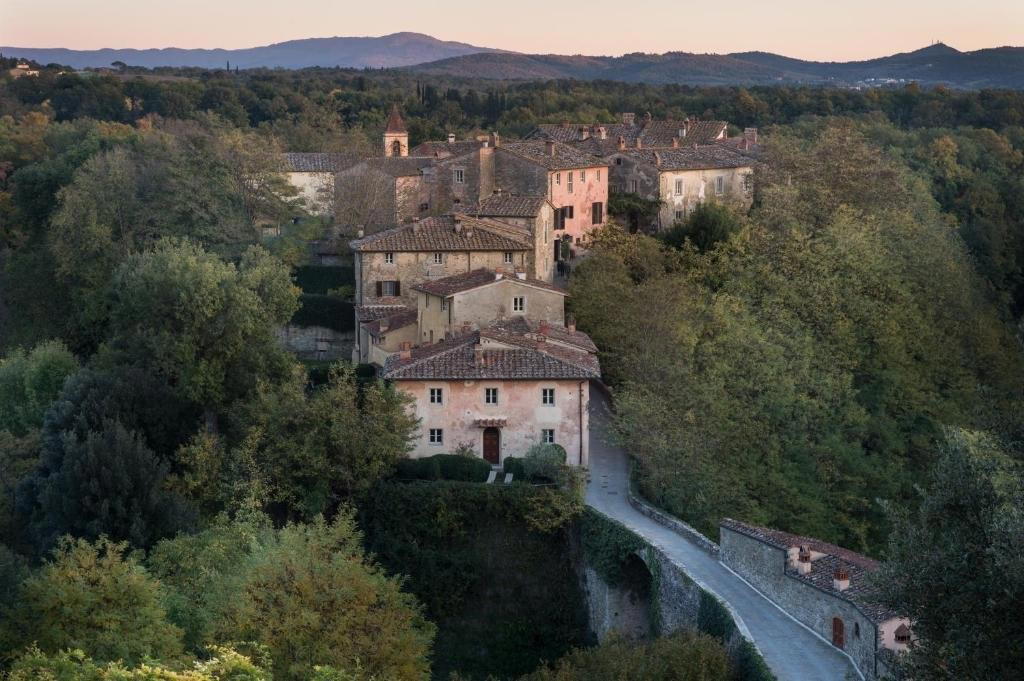
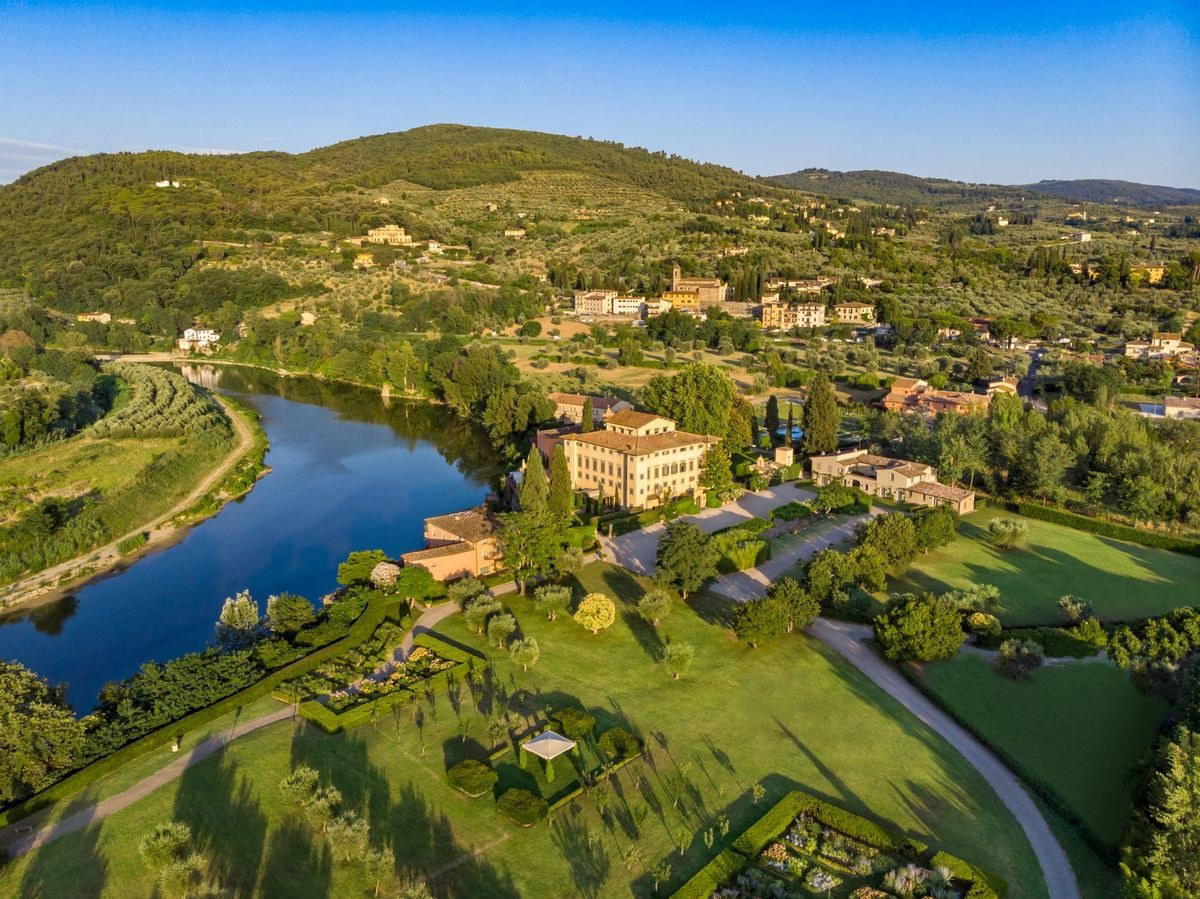
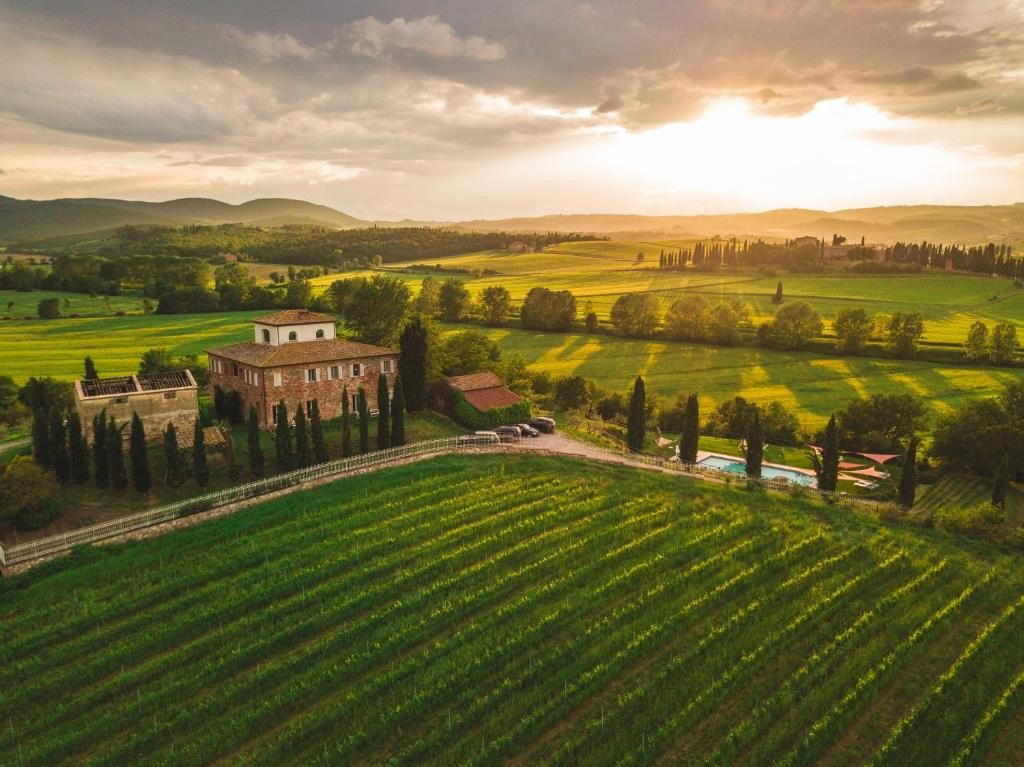
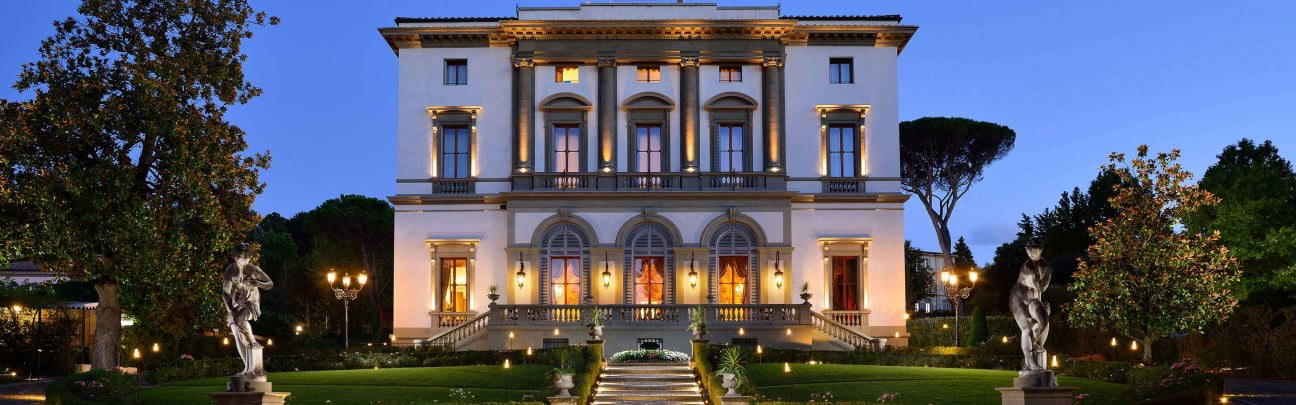
Approaching wine country around Gaiole in Chianti, the first impression is not monumentality but contour: hill lines, stone, cypress, woodland, and vineyard parcels cut into the Tuscan slope. Casa al Vento belongs to that quieter register of Chianti hospitality, where the wine is not presented as a separate tasting-room performance but folded into the rhythm of a restored rural hamlet. The setting is elegant without the hotel-theatre gloss that can flatten Tuscan estates into postcard sameness; the point here is proximity to the land, not spectacle.
That matters in Gaiole, one of the historic Chianti Classico communes, because Sangiovese reads place with unusual clarity. The broader tradition is often discussed through labels and classifications, but on the ground it is more tactile: limestone-rich albarese, friable galestro, warm summers, cooler hill nights, and farming decisions that determine whether the grape feels hard-edged or composed. Casa al Vento gives that context a hospitality frame, with vines, olive trees, woods, cellar activity, food, and wellness operating as parts of the same estate experience.
Sangiovese, galestro and the Gaiole habit of restraint
Chianti Classico has never been a single flavour profile, and Gaiole’s contribution to the conversation often comes through structure rather than softness. The soils commonly associated with this part of the zone, galestro and albarese, favour drainage and tension, useful qualities for Sangiovese when ripeness needs to be balanced by line. Casa al Vento works from 8.5 hectares of vineyards and focuses its estate wines on 100% Sangiovese, a choice that places the land and vintage conditions in direct view rather than smoothing them through a broad blend.
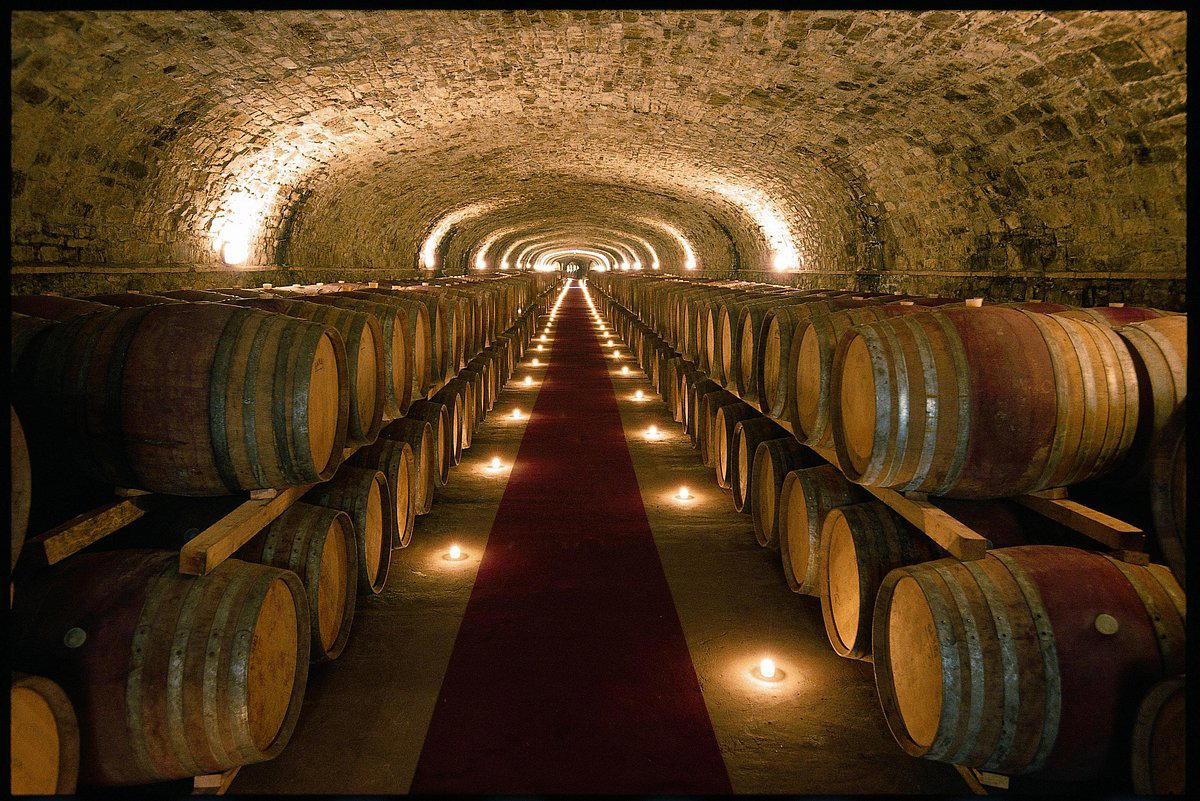
The cellar detail reinforces that approach. The Aria Chianti Classico is vinified on the skins for 25 to 30 days, then aged for 12 months in barriques and a further 6 months in bottle before release. Those numbers matter because they point to a style that gives Sangiovese time to gather colour, tannin, and oak-framed structure without turning the wine into a caricature of international polish. Annual production is about 25,000 bottles, small enough to keep the estate in the low-volume category within a region where visitor demand can sometimes outrun agricultural scale.
The portfolio is concise rather than encyclopaedic: Aria Chianti Classico and Foho Riserva form the core. That kind of narrow range can be more revealing than a long tasting flight, particularly in Chianti Classico, where the difference between a standard bottling and a Riserva is not simply status but ageing logic, tannin management, and patience. For travellers trying to understand Gaiole through wine rather than through scenery alone, a shorter estate line-up can make the argument cleaner.
A restored hamlet format, not a stand-alone cellar stop
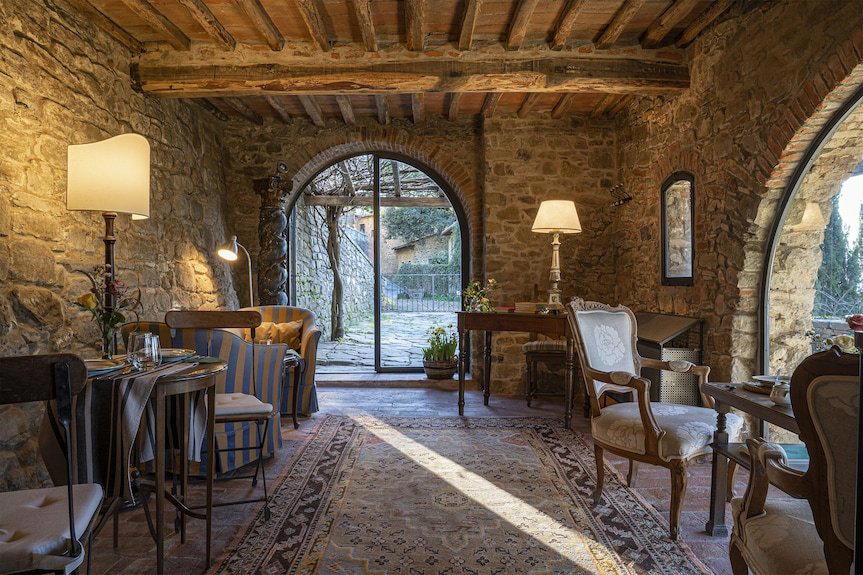
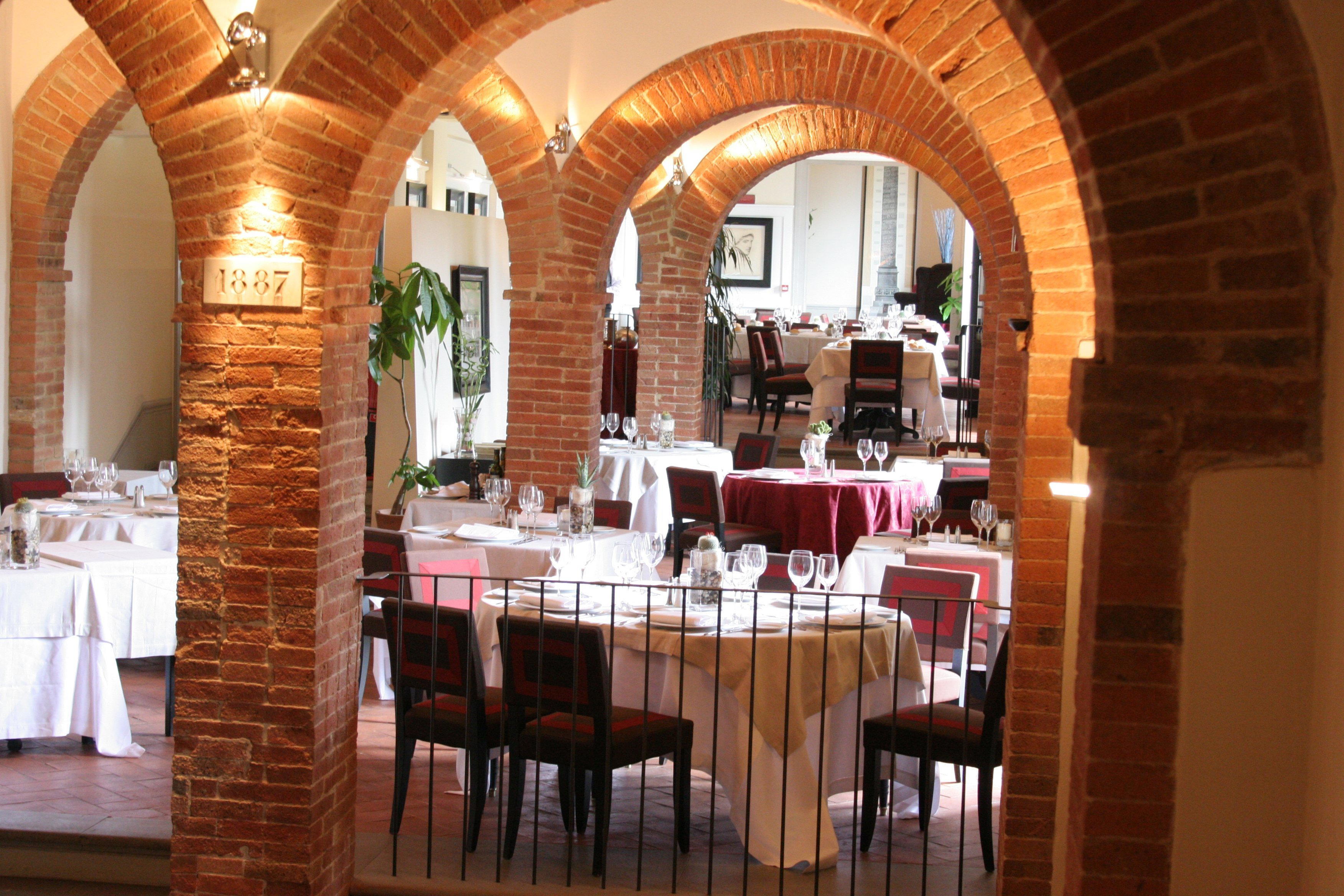
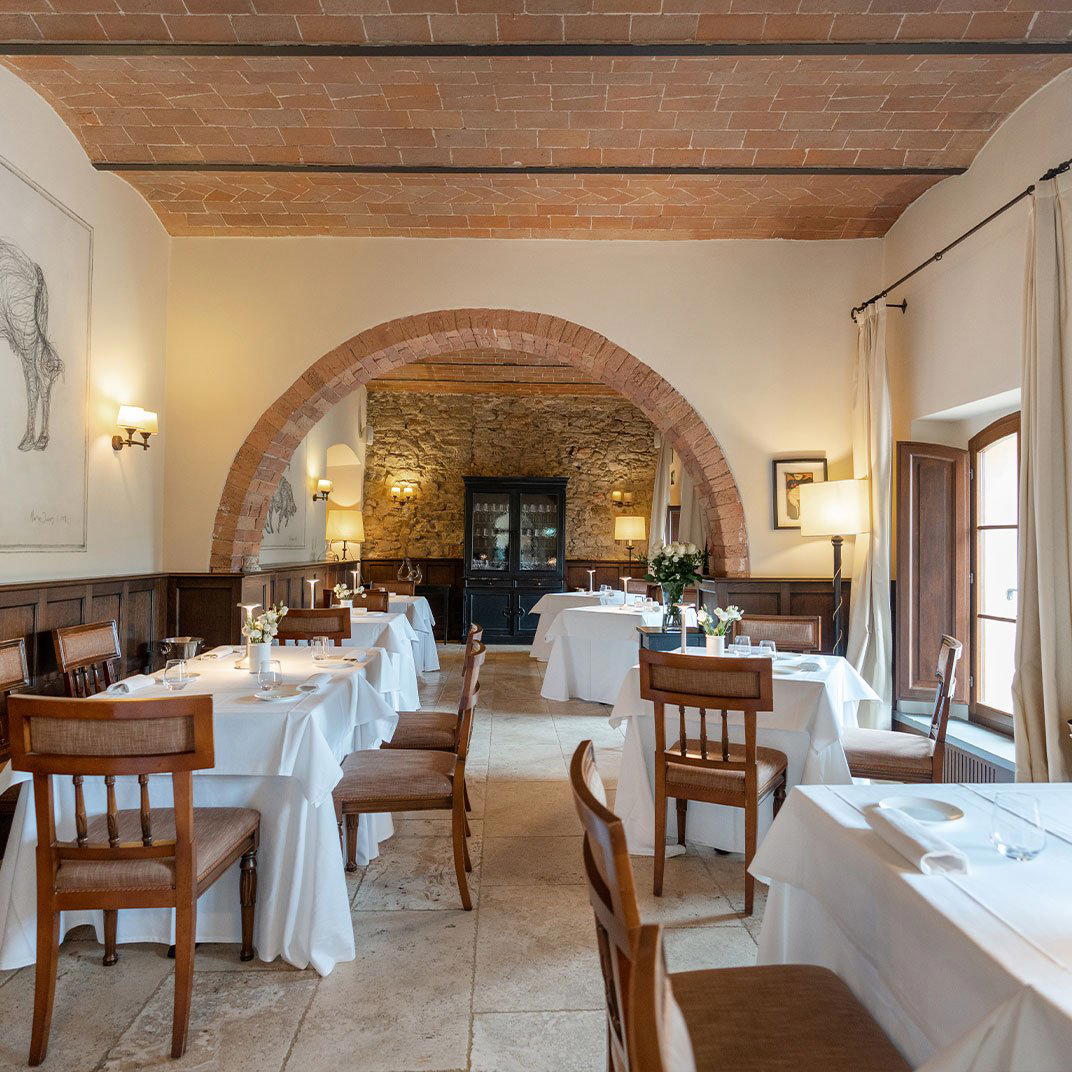
Estate’s hospitality identity comes from its borgo structure. Established in 1990 through the restoration of historic rural buildings, Casa al Vento has the feel of a place designed for staying with the landscape rather than passing through it. That makes it different from the quick tasting-room model common in major wine regions. The cellar, restaurant, rooms, outdoor spaces, and wellness component are part of a single Tuscan grammar, and the wine is the thread connecting them.
This is where the property’s vinotherapy angle is more than a spa accessory. In a region where grape culture can become decorative language, using the estate’s own wine materials in wellness treatments ties the agricultural identity back into the guest experience. The same is true of the restaurant format, which centres Tuscan cooking as a natural counterpart to Sangiovese rather than as a fine-dining detour. The better way to read this estate is not as a restaurant, hotel, or winery in isolation, but as a rural Chianti format built around the daily presence of vines.
Recognition has come from outside wine criticism as well: the property was featured on the Italian television programme “4 Hotel,” a hospitality signal rather than a formal wine award. That distinction is useful. Casa al Vento is not being positioned here as a trophy-label pilgrimage; it is more persuasive as a calm, design-conscious base for understanding how Gaiole’s wine culture, hill agriculture, and rural restoration overlap.
How to place it within a Gaiole wine itinerary
Gaiole rewards slower routing. The commune has enough cellar history and rural hospitality to fill several days, but the mistake is to treat every stop as interchangeable. Casa al Vento works especially well for travellers who want the estate itself to carry part of the day: tasting, food, hillside quiet, and a sense of how a small-production Sangiovese property fits into a restored Tuscan hamlet.
For broader planning across the area, use Our full Gaiole in Chianti wineries guide alongside the city guides for restaurants, hotels, bars, and experiences. Nearby Gaiole wine addresses worth mapping into a wider route include Badia a Coltibuono, Barone Ricasoli (Brolio), Bertinga, Borratella, and Capannelle.
Travellers extending the wine map beyond Tuscany can keep perspective by looking at how regional identity changes elsewhere: 3GP SRL in Treviso, 47 Anno Domini in Trebaseleghe, A Mano Wine in Noci, »der Steiner« Hans Steiner in Podersdorf am See, and & Handwein in Mannheim. Casa al Vento’s appeal is narrower and more grounded: Sangiovese, Gaiole soils, restored rural architecture, and a tempo that favours staying long enough for the landscape to explain the wine.
Recognition history
Dated appearances from independent guides and award organizations, with the underlying list record or original source where available.
Falstaff Winery - Listed
Falstaff
Continue exploring
More in Gaiole in Chianti
Wineries in Gaiole in Chianti
Browse all →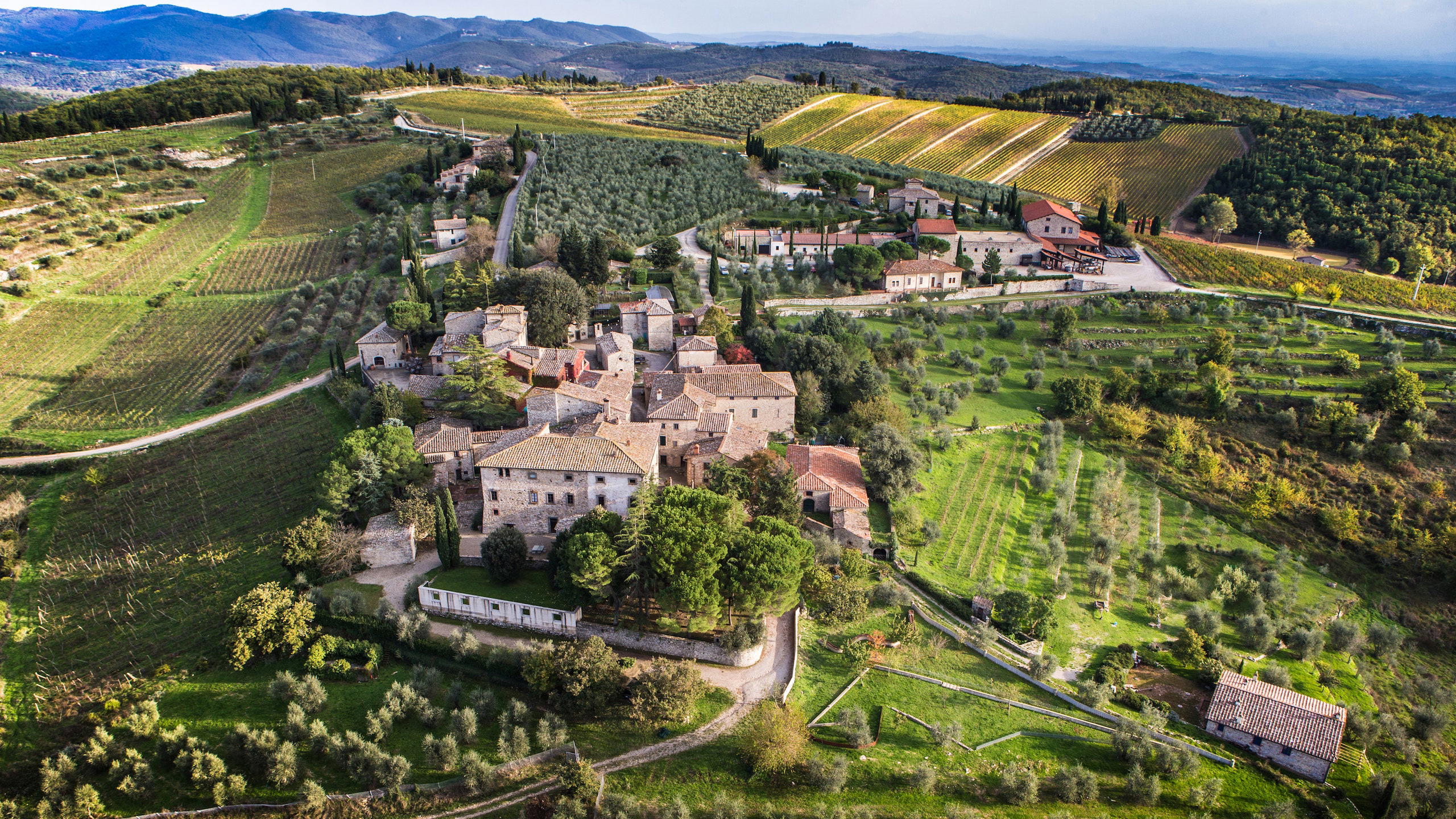
Bars in Gaiole in Chianti
Browse all →
Restaurants in Gaiole in Chianti
Browse all →
Details
- Scenic
- Quiet
- Rustic
- Elegant
- Romantic
- Intimate
- Romantic Getaway
- Special Occasion
- Wine Education
- Family
- Group Outing
- Vineyard Tour
- Estate Grounds
- Garden
- Panoramic View
- Historic Building
- Private Tasting
- Organic
- Sustainable
- Vineyard
- Mountain
- Sangiovese
- Merlot
- Still Red
- Still White
- Sparkling
- Guided Tasting
- Wine And Food Tasting
- English
- Italian
An elegant, tranquil Tuscan setting with panoramic vineyard and hill views, blending restored rural charm with modern comfort and a wellness-oriented atmosphere.