De Grendel Wine Estate
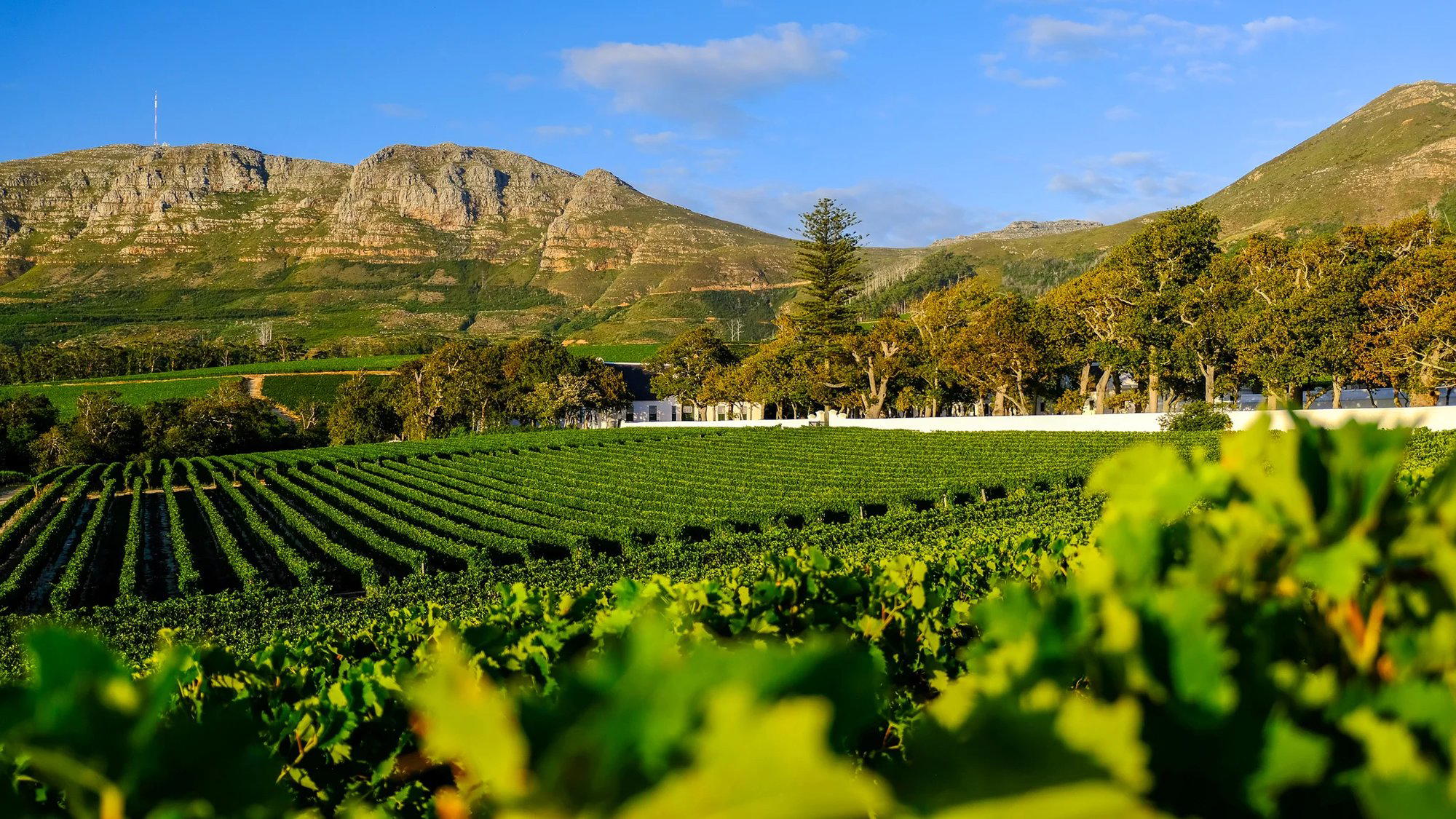
De Grendel Wine Estate occupies the Plattekloof Road corridor north of Cape Town's city bowl, a position that sets it apart from the Constantia and Stellenbosch clusters that dominate most premium Cape wine itineraries.

Pearl is the En Primeur Club membership app — saves, bookings, and concierge access live there. Same editors, same standards.
- Address
- De Grendel Wine Estate and Restaurant, Plattekloof Road, Panorama, Cape Town, 7500
- Phone
- +27 21 558 6280
- Website
- degrendel.co.za
- Directions
- Get directions
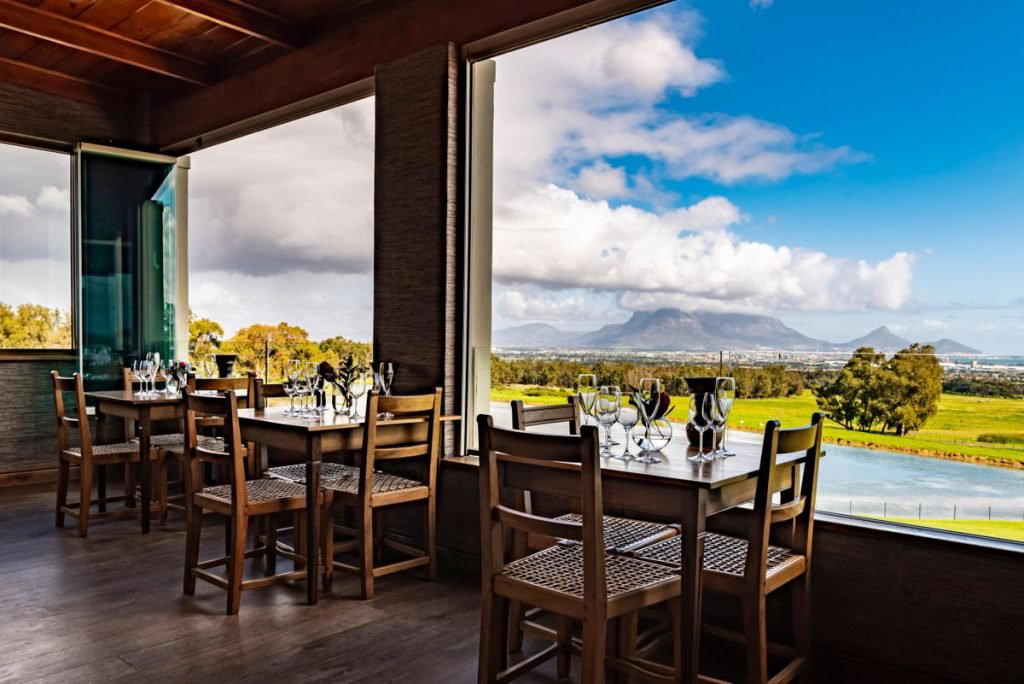
A Northern Approach to Cape Wine Country
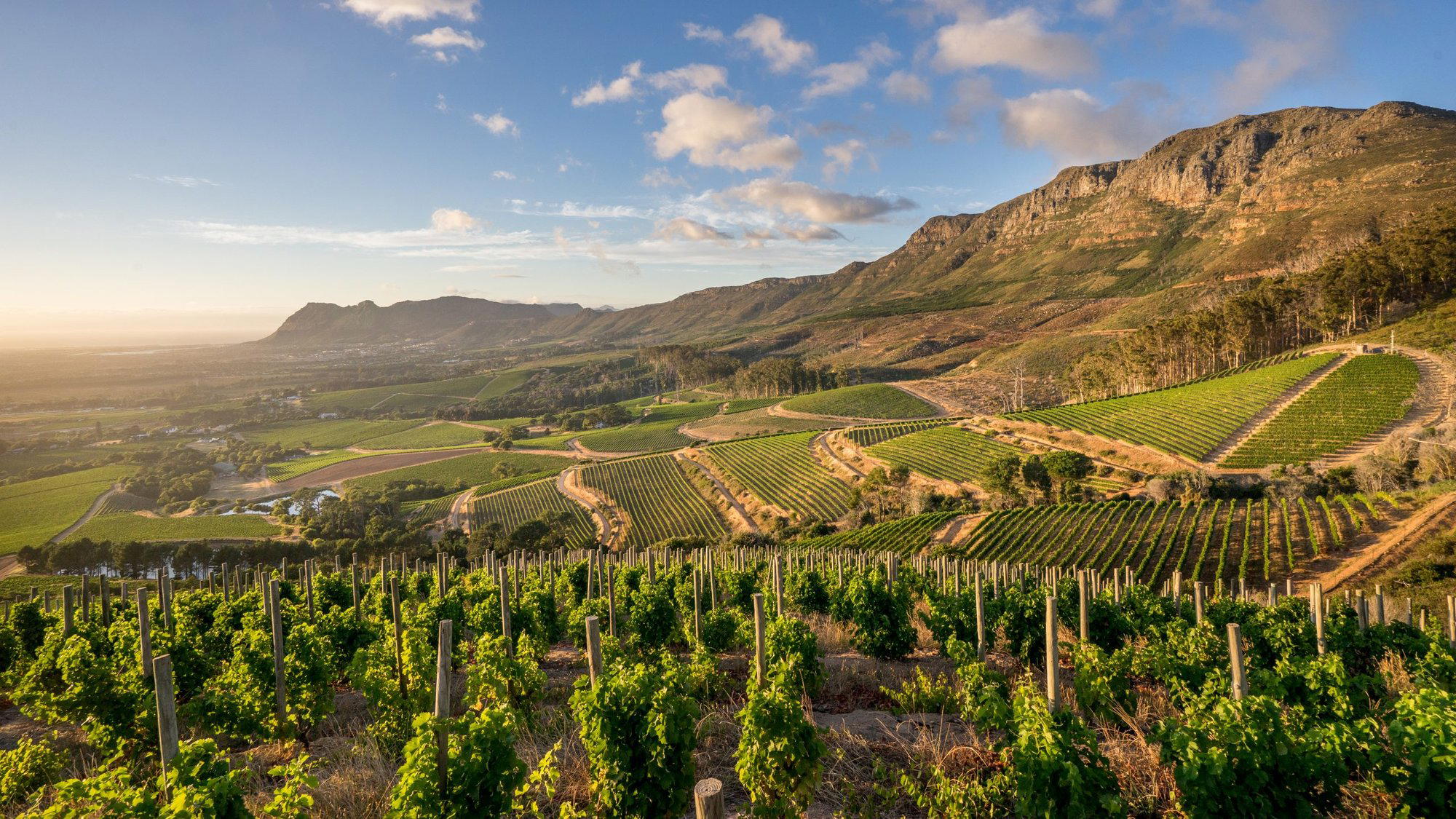
Most Cape Town wine itineraries follow a well-worn southern arc: down through Constantia, out toward Stellenbosch, or east into Franschhoek. De Grendel sits on a different axis entirely. The estate occupies Plattekloof Road in the Panorama district, which puts it within easy reach of the city centre while sitting at an elevation that shapes its growing conditions in ways that distinguish it from the warmer valley floors its better-publicised neighbours occupy. Approaching from Cape Town, the transition from suburb to working estate happens quickly — the mountain backdrop and vine rows arrive before you've fully left the metropolitan sprawl, which is either a convenience or a mild disorientation depending on your expectations of wine-country theatre.
That geographic position is not incidental to what De Grendel produces. The cooler air that moves across the higher ground here influences the pace of ripening, a factor that has implications well beyond harvest — it sets the parameters for how the cellar team can approach barrel ageing and blending decisions downstream.
After Harvest: What the Cellar Does With the Vintage
The South African wine industry has spent two decades arguing about where its identity sits on the spectrum between Old World restraint and New World fruit-forwardness. That debate plays out most visibly in the cellar, where decisions about oak selection, barrel size, ageing duration, and blending ratios determine whether a wine arrives at the table as a document of its site or as a product of a winemaker's stylistic position. At De Grendel, the cooler Plattekloof elevation feeds grapes with longer hang time and more measured sugar accumulation, conditions that allow the cellar to work with material that doesn't require aggressive intervention to preserve freshness.
The broader Cape wine context is useful here. Properties in the Constantia valley, among them Constantia Glen, Groot Constantia, Beau Constantia, and Buitenverwachting, have built reputations around the moderating influence of False Bay air. De Grendel operates from a different microclimate argument: altitude rather than maritime proximity. Both approaches produce wines capable of extended cellar ageing, but the flavour profiles and the blending possibilities they generate differ meaningfully.
Within the Cape's premium segment, winery restaurant combinations have become an important part of how estates communicate their identity beyond the bottle. Properties like Babylonstoren in Franschhoek and Vergelegen Wine Estate in Somerset West have shown how a well-run restaurant can anchor an estate's premium positioning. De Grendel participates in that model, pairing its cellar programme with an estate restaurant that places the wines in a food context.
The Estate Restaurant and the Argument for Food Pairing
Estate restaurants in South Africa operate in a distinct register from their urban counterparts. The expectation is not chef-driven fine dining with a wine list appended; it is, at its better end, a format where the wine programme sets the terms and the kitchen builds around it. That inversion, cellar first, kitchen second, produces a different hospitality logic, one where the meal functions as an extended tasting with culinary punctuation rather than a dining experience with wine support.
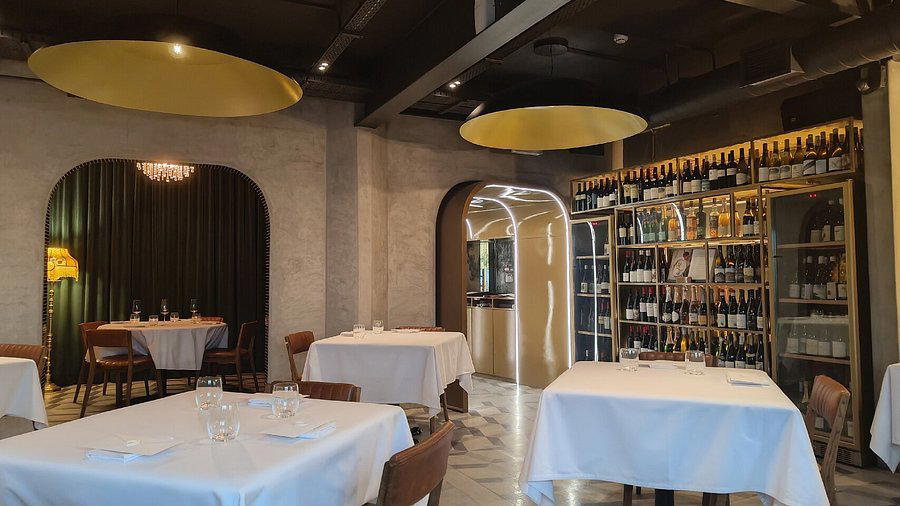
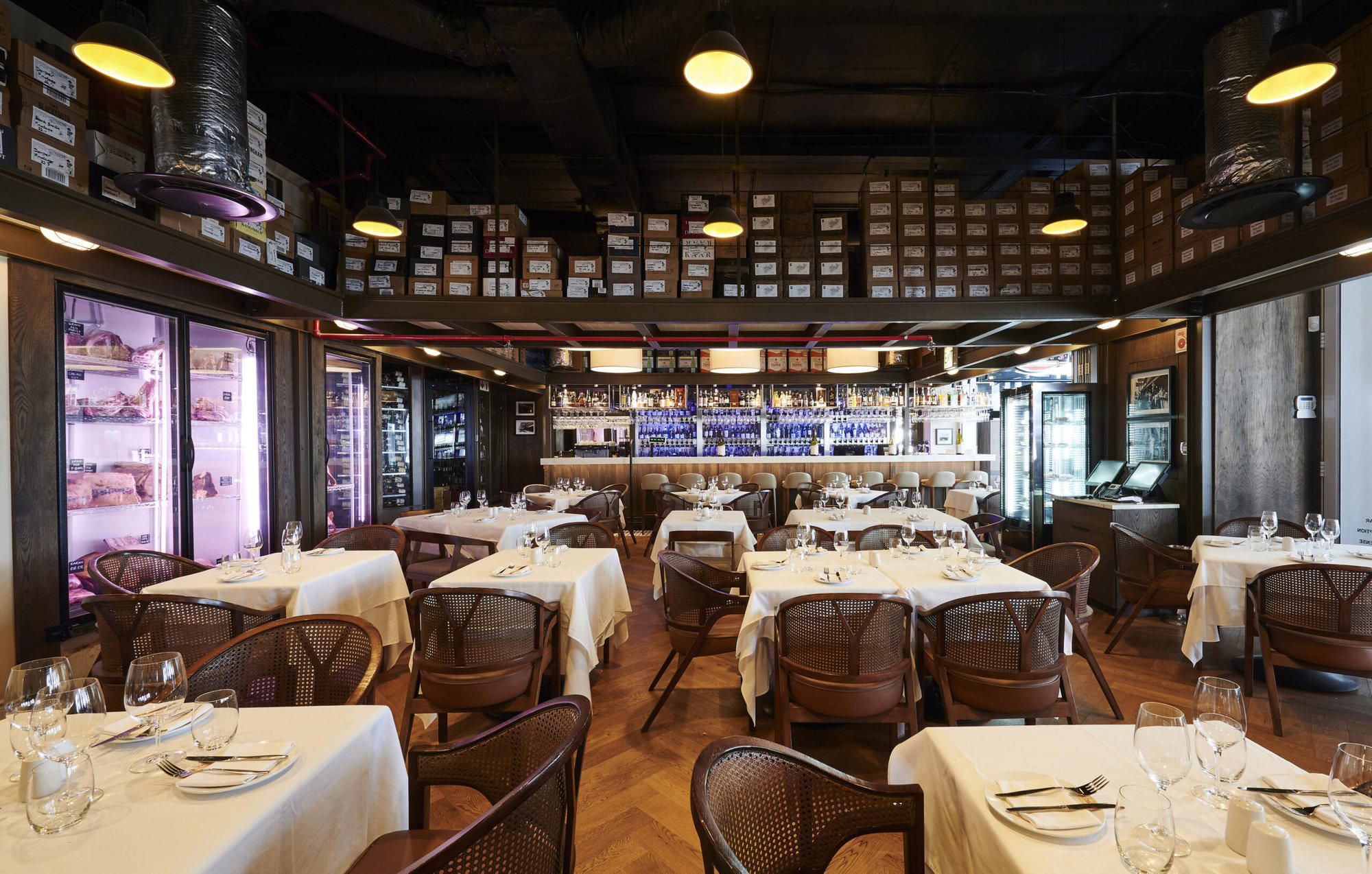
De Grendel's restaurant sits within this tradition, using the estate setting and proximity to the cellar to frame how its wines are experienced. The format suits visitors who are less interested in ticking off a sequence of courses and more interested in understanding what a specific piece of ground produces across a range of varieties and vintages.
For those planning a broader Cape wine day, De Grendel's Plattekloof address makes it a natural starting point before heading toward Constantia or, alternatively, a self-contained northside destination that doesn't require navigating the weekend traffic on the Stellenbosch and Franschhoek routes. Compared to the more densely clustered tasting rooms of the Winelands, the estate offers a less crowded environment, particularly during mid-week visits. Booking ahead for the restaurant is advisable; walk-in tasting may be available but is not guaranteed during peak season, which in Cape Town runs from December through February.
Where De Grendel Sits in the Cape Premium Tier
The Cape's premium wine segment is not monolithic. It includes estates with centuries of documented history, like Groot Constantia, whose Muscat de Frontignan was documented in European court records; newer design-led producers with limited allocations; and a middle tier of serious, award-recognised estates that produce across multiple varieties without the headline scarcity of cult bottlings.
Neethlingshof Estate in Stellenbosch, Creation Wines in Hermanus, and Val de Vie Estate in Paarl each operate in comparable frameworks: estate settings, restaurant components, and wine programmes that are assessed by critics and awards bodies on merit rather than heritage alone. Graham Beck Wines in Robertson offers another comparison point, particularly for understanding how South African producers have built international recognition through consistent range performance. For those interested in the distilling side of the Cape drinks industry, Cape of Storms Distilling Co. and Oude Molen Distillery in Grabouw represent adjacent categories worth including on a broader Western Cape drinks itinerary.
For context outside South Africa, the estate model De Grendel represents, cellar programme, restaurant, awards-recognised quality across a range, has parallels in how Napa producers like Accendo Cellars in St. Helena position themselves against peers, or how Scottish whisky estates such as Aberlour in Aberlour build identity through place and process rather than volume. The specific mechanisms differ, but the underlying logic of site-specific production with structured visitor experience connects across categories.
Planning a Visit
De Grendel Wine Estate sits at Plattekloof Road in Panorama, roughly 20 minutes north of the Cape Town CBD under normal traffic conditions, making it accessible from the city in a way that most Stellenbosch and Franschhoek estates are not on a busy summer weekend. The estate combines wine tasting with restaurant dining; visitors focused on the cellar programme should arrive with enough time to work through the range at a pace that allows the wines to open, rather than treating the tasting as a quick stop. Seasonal timing matters: summer (December to February) brings the largest crowds and the warmest conditions, while autumn (March to May) aligns visits with harvest and post-harvest cellar activity, when the conversations around blending and barrel selection are at their most immediate. Spring visits, from September through November, offer cooler temperatures and lighter visitor volumes. For a complete picture of Cape Town's wine, restaurant, and hospitality options, see our full Cape Town restaurants guide.
Comparable Options
Comparable venues nearby, for context on price, style, and recognition.
| Venue | Cuisine | Price | Awards | Notes |
|---|---|---|---|---|
| De Grendel Wine EstateThis venue — the venue you are viewing | Sauvignon Blanc, Cabernet | Not listed | Not listed | Not listed |
| Groot Constantia | Constantia | $10–20 | Falstaff Winery - Listed | Not listed |
| Steenberg Vineyards | Sauvignon Blanc, Semillon | $30–50 | Falstaff Winery - Listed | Constantia Valley |
| Constantia Glen | Sauvignon Blanc, Sémillon | $20–30 | Falstaff Winery - Listed | Constantia |
Continue exploring
More in Cape Town
Wineries in Cape Town
Browse all →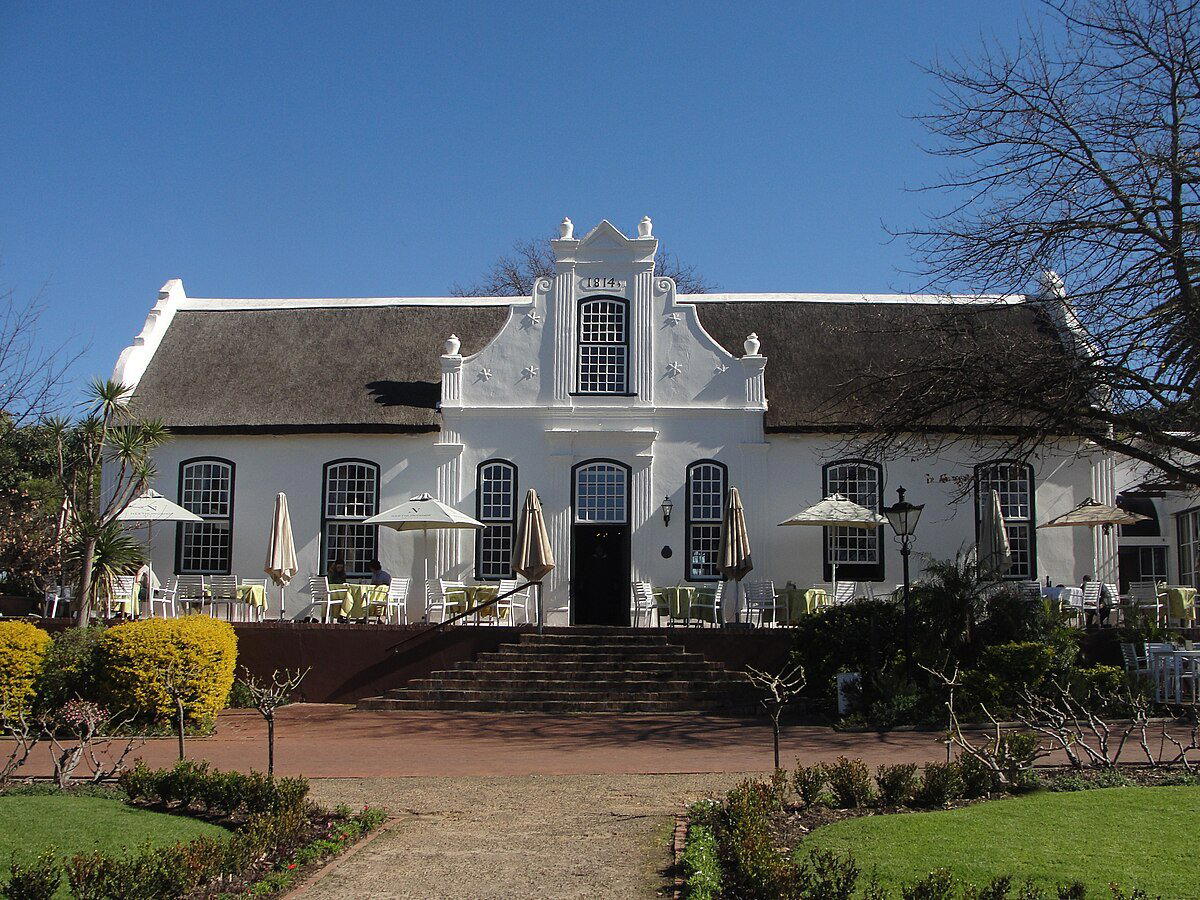
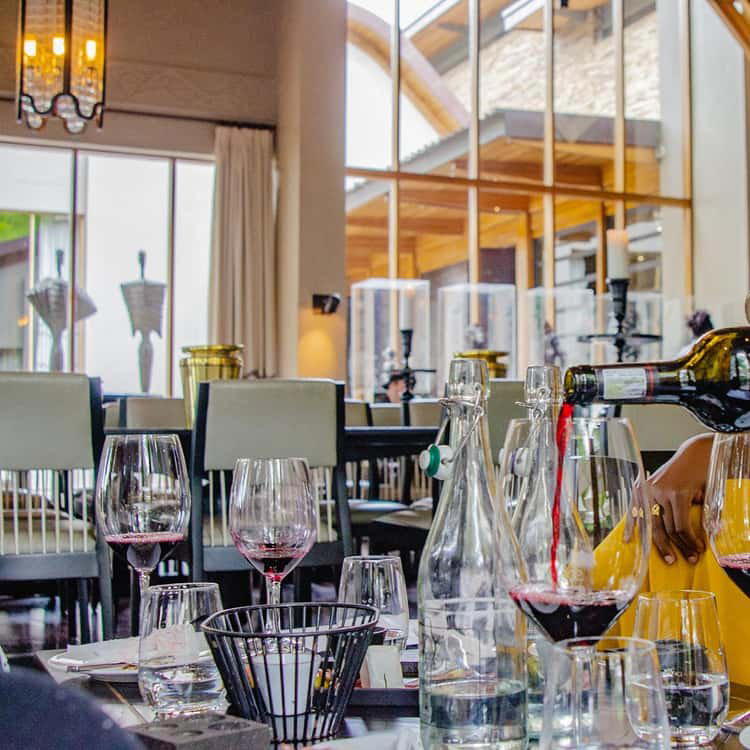
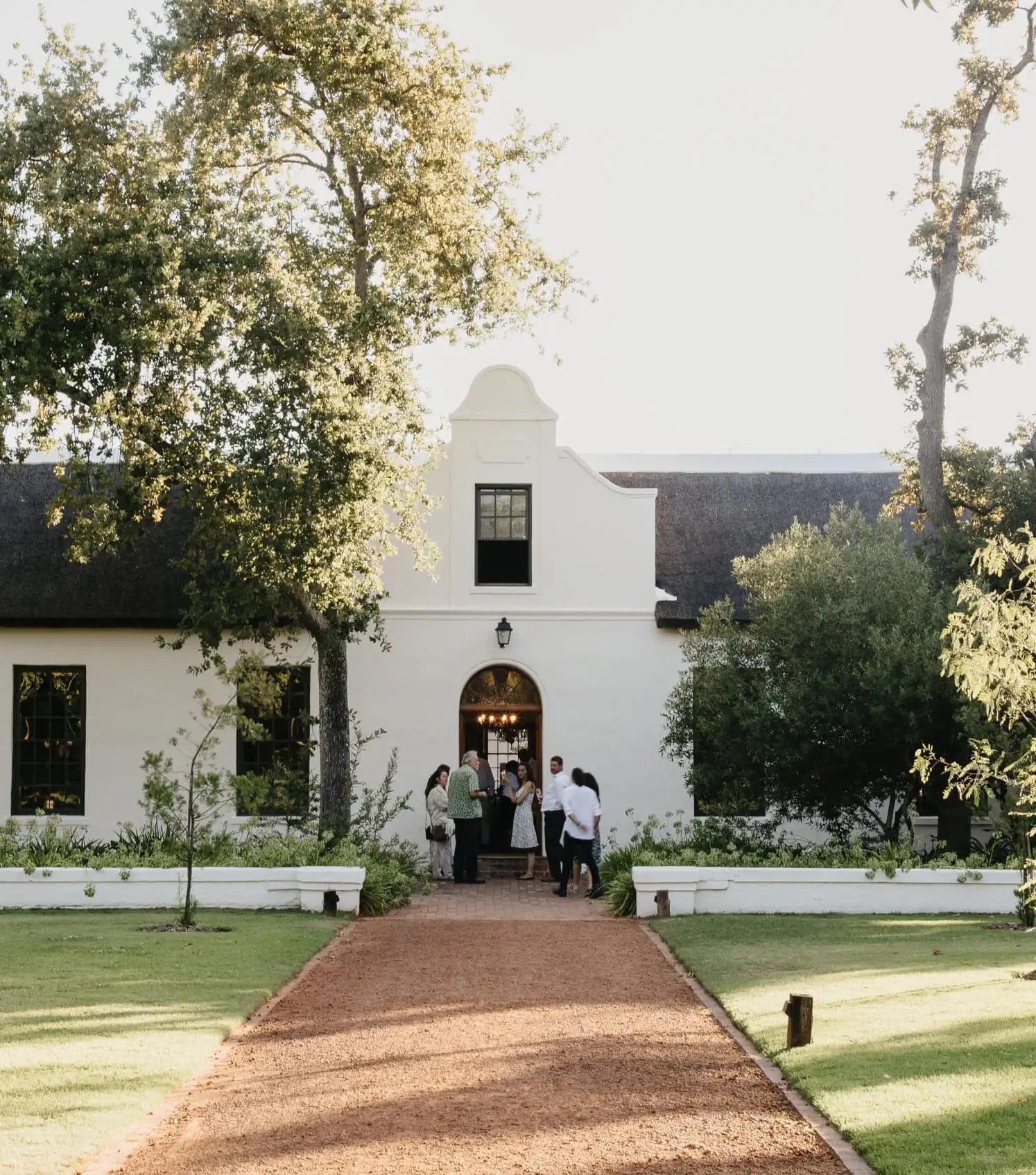
Bars in Cape Town
Browse all →
Restaurants in Cape Town
Browse all →
Details
- Scenic
- Elegant
- Rustic
- Sophisticated
- Romantic Getaway
- Group Outing
- Celebration
- Wine Education
- Vineyard Tour
- Estate Grounds
- Panoramic View
- Terrace
- Sustainable
- Mountain
- Vineyard
- Sauvignon Blanc
- Cabernet
- Merlot
- Pinotage
- Chardonnay
- Syrah
- Viognier
- Still Red
- Still White
- Flagship Tasting
- Premium Tasting
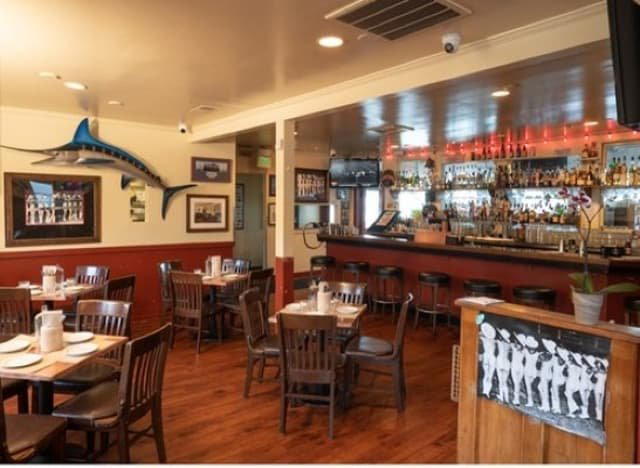
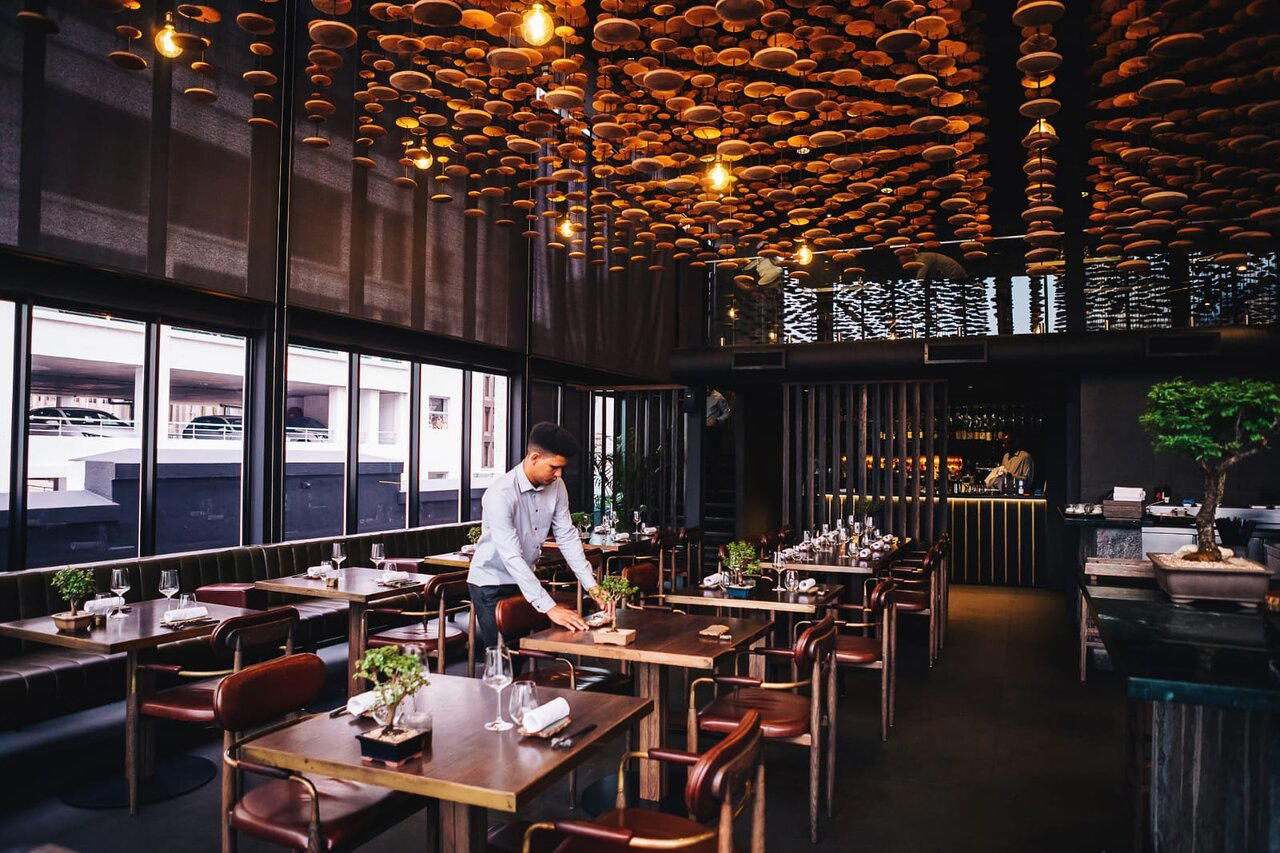
Relaxed yet upmarket atmosphere with natural light from large arched windows and verandah, complemented by peaceful fynbos surroundings and spectacular vistas.