Durbanville Hills

Falstaff Winery - Listed
Durbanville Hills sits in the Tygerberg Valley, one of Cape Town's most productive wine corridors, where Atlantic-cooled air shapes a style of winemaking distinct from the Constantia and Stellenbosch valleys.

Pearl is the En Primeur Club membership app — saves, bookings, and concierge access live there. Same editors, same standards.
- Address
- Tygerberg Valley Road, Cape Farms, Cape Town, Western Cape, South Africa
- Phone
- +27215581300
- Hours
- Mon 12–5 PMTue–Fri 11 AM–5 PMSat–Sun 11 AM–4:30 PM
- Website
- durbanvillehills.co.za
- Directions
- Get directions
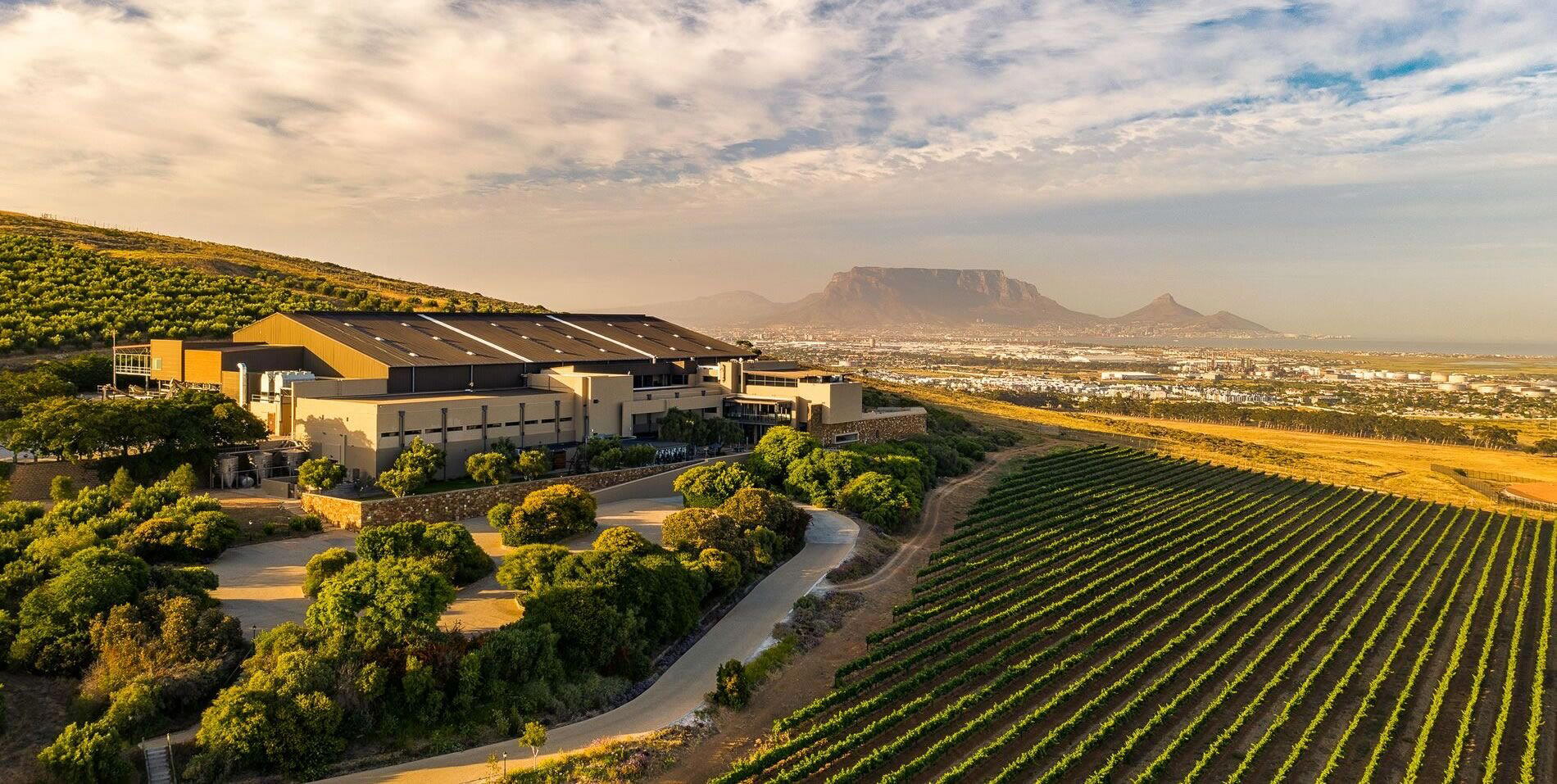
The Tygerberg Valley and Cape Town's Northern Wine Corridor
Cape Town's wine geography is commonly mapped through two dominant corridors: the cool, ocean-facing slopes of Constantia in the south, and the longer, more varied routes of Stellenbosch and Franschhoek to the east. The Tygerberg Valley, where Durbanville Hills occupies a position along Tygerberg Valley Road, represents a third arc that receives less editorial attention despite producing wines with a distinct climatic signature. The valley sits close enough to the Atlantic to benefit from consistent afternoon winds that slow ripening and hold acidity, conditions that favour the kind of restrained fruit profiles found in the estate's whites and cool-climate reds.
This northern positioning matters when reading Durbanville against its Cape Town peers. Estates in Constantia Glen, Groot Constantia, Beau Constantia, and Buitenverwachting draw on a heritage of colonial-era planting and a proximity to the Cape Peninsula that gives them a particular prestige narrative. Durbanville operates with a different claim: scale, cooperative-era depth, and a growing fine wine programme built on one of the Western Cape's more reliable climatic envelopes.
Approaching the Estate: What the Setting Communicates
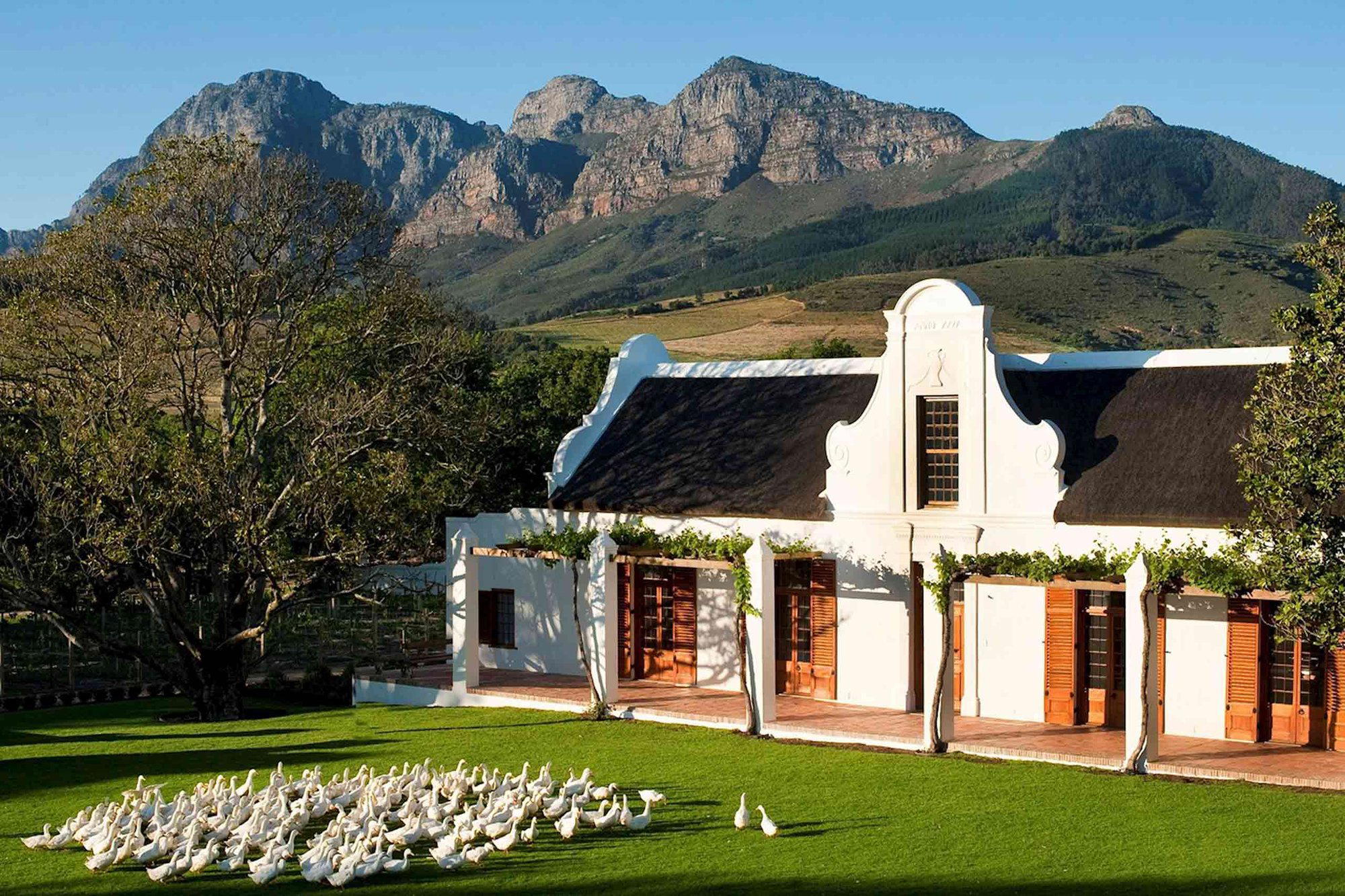
The drive along Tygerberg Valley Road offers an immediate read of the estate's scale. The vineyards spread across rolling terrain with views back toward Cape Town's northern suburbs, a landscape that reminds visitors they are closer to the urban edge than the remote farmstead settings of Babylonstoren in Franschhoek or Val de Vie Estate in Paarl. That proximity to the city is part of Durbanville's appeal as a half-day wine visit: accessible enough to reach without committing to a full Winelands itinerary, substantial enough to reward the trip on its own terms.
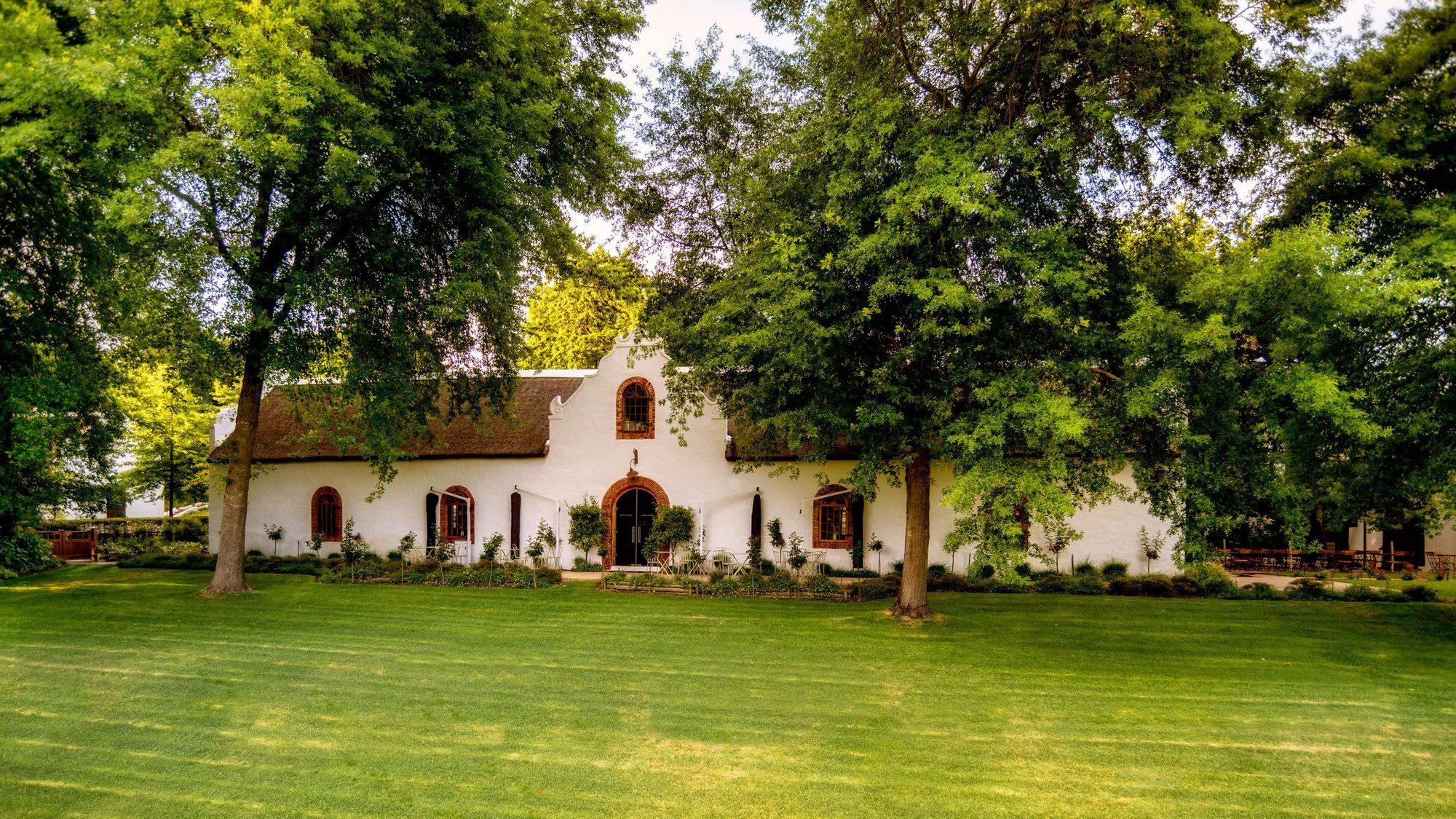
The cellar complex and tasting facility are set on refined ground, and the sight lines across the valley give context to the growing conditions that define this appellation. Durbanville's terroir argument is largely an atmospheric one: it is the wind, the aspect, and the proximity to the coast rather than any singular soil type that differentiates wines made here from those made in warmer inland districts. For visitors arriving from a day spent tasting in Constantia, the tonal difference across Durbanville's range is worth noting as evidence of how much microclimate shapes Cape wine identity.
The Wine Programme: Curation in a Prestige-Tier Estate
Durbanville Hills has built its reputation largely on Sauvignon Blanc, a grape that performs with particular precision in cool-climate Cape appellations, and on red blends that draw on the valley's slower ripening profile to deliver structure without excessive extraction.
The estate's position as one of the larger operations in the Durbanville appellation means its tasting programme covers significant breadth. For visitors whose frame of reference is the small-lot, allocation-driven model of a producer like Constantia Glen or the terroir-specific single-vineyard outputs emerging from estates like Neethlingshof Estate in Stellenbosch, Durbanville Hills represents a different model: a prestige-tier producer where volume and quality coexist, and where the wine list functions as an argument for the appellation as much as for any individual bottling.
That credential belongs to an assessment framework that evaluates wine quality, presentation, and hospitality together, so visitors arriving with that context can expect a curated tasting experience rather than a direct cellar-door transaction. How the estate structures its tasting tiers, and which wines from its portfolio are presented in a formal guided format versus an open self-directed tasting, shapes the overall experience considerably. Those details are best confirmed directly with the estate before visiting, as tasting formats across Cape wine estates have evolved noticeably in the post-pandemic period.
Durbanville in the Broader Cape Wine Context
Placing Durbanville Hills correctly within South Africa's wine map requires understanding where the appellation sits in the broader Cape geography. The Western Cape is a large and internally varied wine region. Robertson producers like Graham Beck Wines work with a warmer continental climate suited to Méthode Cap Classique and Shiraz. The Overberg producers around Hermanus, including Creation Wines, are building a case for South Africa's most southerly cool-climate viticulture. Durbanville sits between these poles, closer to Cape Town than almost any other quality appellation, and shaped by coastal influence in a way that gives its whites particular nerve.
That positioning has commercial logic as well as viticultural logic. Durbanville Hills is one of the most visited wine estates in the Cape Town metropolitan area precisely because it delivers a credible fine wine experience within a short drive of the city centre. For international visitors who have limited time and want to understand Cape wine without committing to a full Winelands day, the estate provides a condensed but substantive entry point. For those with more time, it serves as a useful calibration stop before heading to the more intensely toured routes of Franschhoek and Stellenbosch.
The estate also occupies a different competitive tier from the craft spirits producers that have emerged in the Western Cape over the past decade, operations like Cape of Storms Distilling Co. or Oude Molen Distillery in Grabouw. Where those producers represent the diversification of Cape agriculture into spirits, Durbanville Hills remains committed to the appellation wine model, with its identity rooted in what the Tygerberg Valley's specific climate delivers across a growing season.
Planning a Visit
Durbanville Hills is located on Tygerberg Valley Road in the Cape Farms area north of Cape Town. The estate is accessible by car and sits roughly within the northern suburban perimeter of the city, making it a practical first or last stop on a Cape Town wine day rather than a destination that requires building an itinerary around. Visitors planning around harvest timing, generally February to March in Durbanville's climate zone, may find the estate at its most active and the wines from the most recent vintage available for early assessment. For a broader orientation to Cape Town's wine and dining scene, see our full Cape Town restaurants guide. For those comparing international premium wine estate experiences, the model at estates like Accendo Cellars in St. Helena or Aberlour in Aberlour offers a useful frame for understanding how Durbanville Hills positions its prestige-tier hospitality against global benchmarks.
The Essentials
Comparable venues nearby, for context on price, style, and recognition.
| Venue | Cuisine | Price | Awards |
|---|---|---|---|
| Durbanville HillsThis venue — the venue you are viewing | Not listed | $30–50 | Falstaff Winery - Listed |
| Meerendal Wine Estate | Durbanville, Pinotage, Sauvignon Blanc | $20–30 | Not listed |
| Buitenverwachting | Constantia, Sauvignon Blanc, Chardonnay | Not listed | Falstaff Winery - Listed |
| Beau Constantia | Constantia, Viognier, Sauvignon Blanc | $20–30 | Not listed |
| Ibhu Indlovu Gin Distillery | Cape Town, Western Cape | Not listed | Not listed |
Recognition history
Dated appearances from independent guides and award organizations, with the underlying list record or original source where available.
Falstaff Winery - Listed
Falstaff
Continue exploring
More in Cape Town
Wineries in Cape Town
Browse all →
Bars in Cape Town
Browse all →
Restaurants in Cape Town
Browse all →
Details
- Scenic
- Elegant
- Sophisticated
- Modern
- Romantic Getaway
- Celebration
- Special Occasion
- Group Outing
- Wine Education
- Estate Grounds
- Panoramic View
- Terrace
- Vineyard Tour
- Private Tasting
- Sustainable
- Mountain
- Vineyard
- Waterfront
- Sauvignon Blanc
- Chenin Blanc
- Chardonnay
- Cabernet Sauvignon
- Merlot
- Pinotage
- Shiraz
- Méthode Cap Classique
- Still White
- Still Red
- Sparkling
- Wine Tasting
- Chocolate And Wine Pairing
- Cheese And Charcuterie Pairing
- Biltong And Wine Pairing
Current opening hours
- Monday
- 12–5 PM
- Tuesday
- 11 AM–5 PM
- Wednesday
- 11 AM–5 PM
- Thursday
- 11 AM–5 PM
- Friday
- 11 AM–5 PM
- Saturday
- 11 AM–4:30 PM
- Sunday
- 11 AM–4:30 PM
Hours can change for holidays and private events. Last verified .
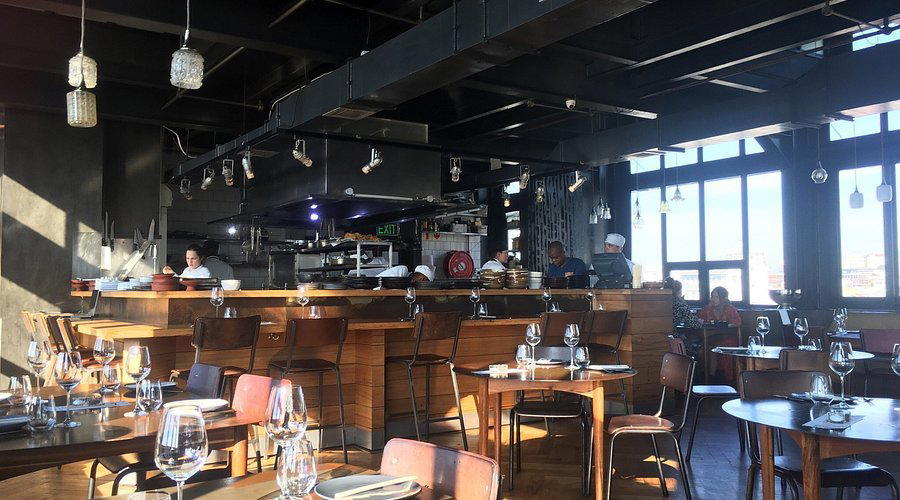
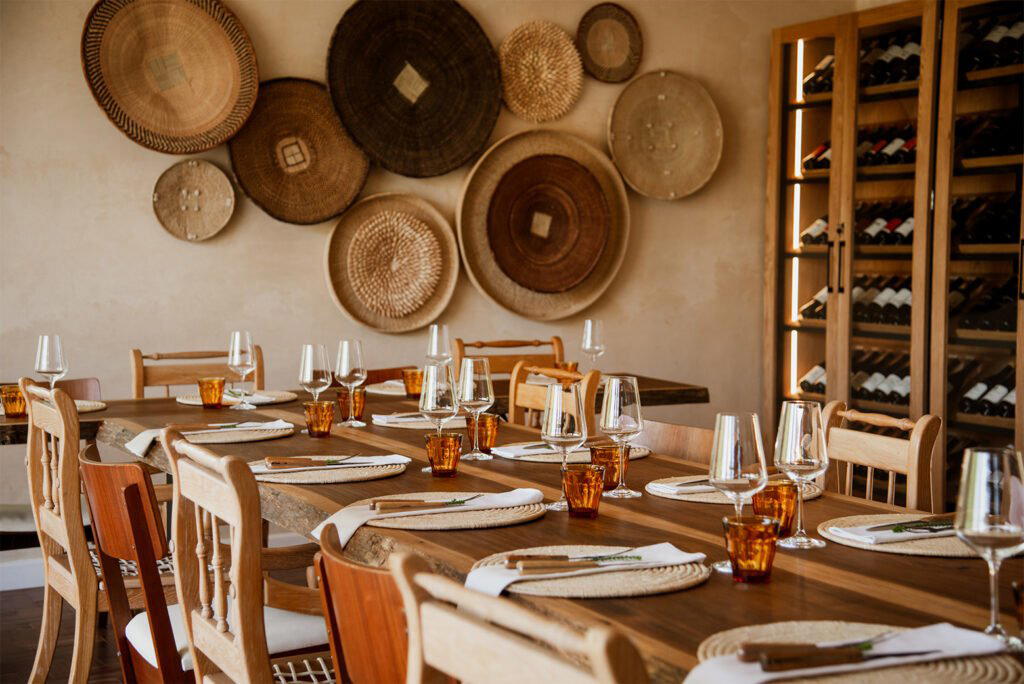
Modern, bright tasting room with chic contemporary seating and outdoor olive grove setting; some reviewers note the space can feel cold and impersonal, though the views and ambiance are generally praised as notable.