Meerendal Wine Estate
The estate operates within one of the Western Cape's cooler-climate wine corridors, where Atlantic breezes from the west shape the character of the fruit. For visitors making a day out of Cape Town's wine country, Meerendal offers a grounded alternative to the busier Stellenbosch and Constantia circuits.

Pearl is the En Primeur Club membership app — saves, bookings, and concierge access live there. Same editors, same standards.
- Address
- Vissershok Rd, Durbanville, Cape Town, 7550
- Phone
- +27 21 975 1655
- Website
- meerendal.co.za
- Directions
- Get directions
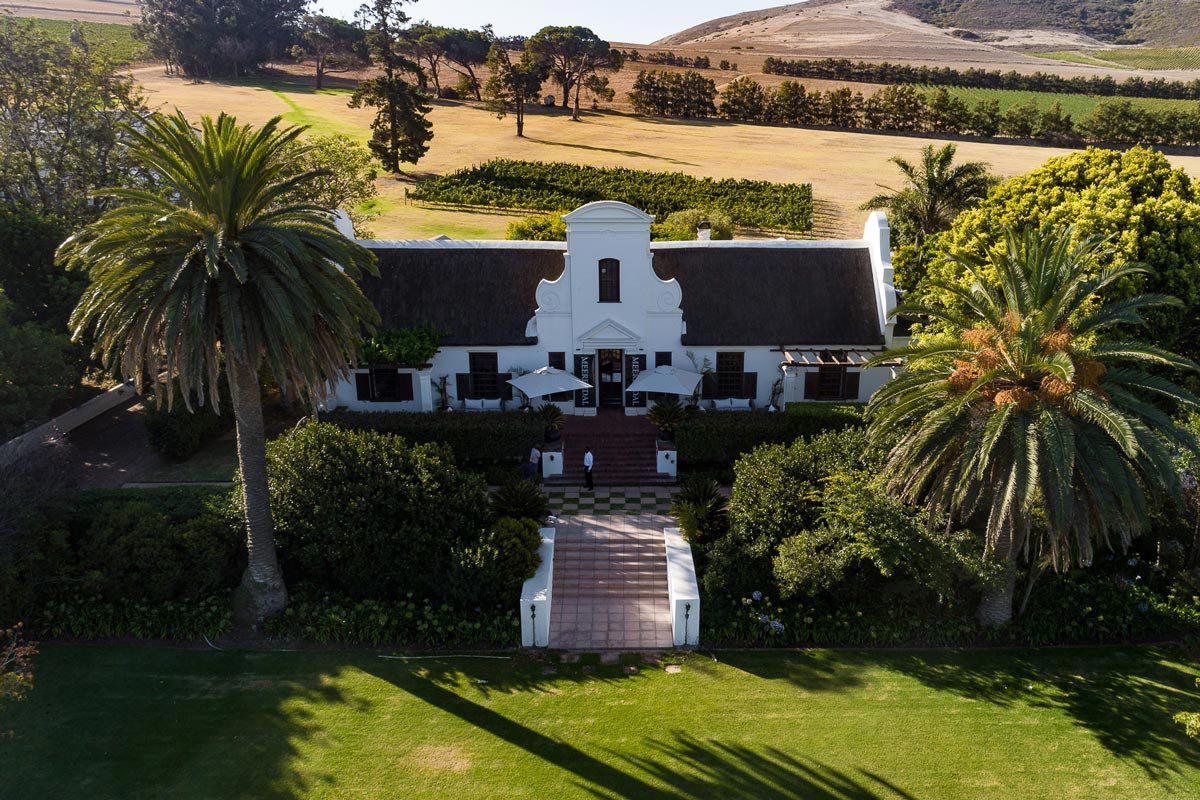
The tasting progression at a property like Meerendal typically mirrors the logic the winemaker applies to the growing season: whites first, where acidity and texture carry the early sequence, followed by reds that have had the benefit of that extended hang time. In cooler Cape appellations, this sequencing matters. The contrast between a Sauvignon Blanc with preserved green-fruit tension and a Shiraz or Pinotage shaped by slower ripening tells a coherent climatic story across a flight.
The Pearl system evaluates estates across multiple dimensions, and a 2 Star Prestige placement is a substantive credential that puts Meerendal in conversation with serious producers rather than simply tourist-oriented estates. For comparison, the broader Cape wine country includes distillery operations like Cape of Storms Distilling Co. and Oude Molen Distillery in Grabouw, which operate in adjacent but distinct production categories. Meerendal's recognition lands squarely in the wine column.
Placing Meerendal in the Cape Town Day-Trip Calculation
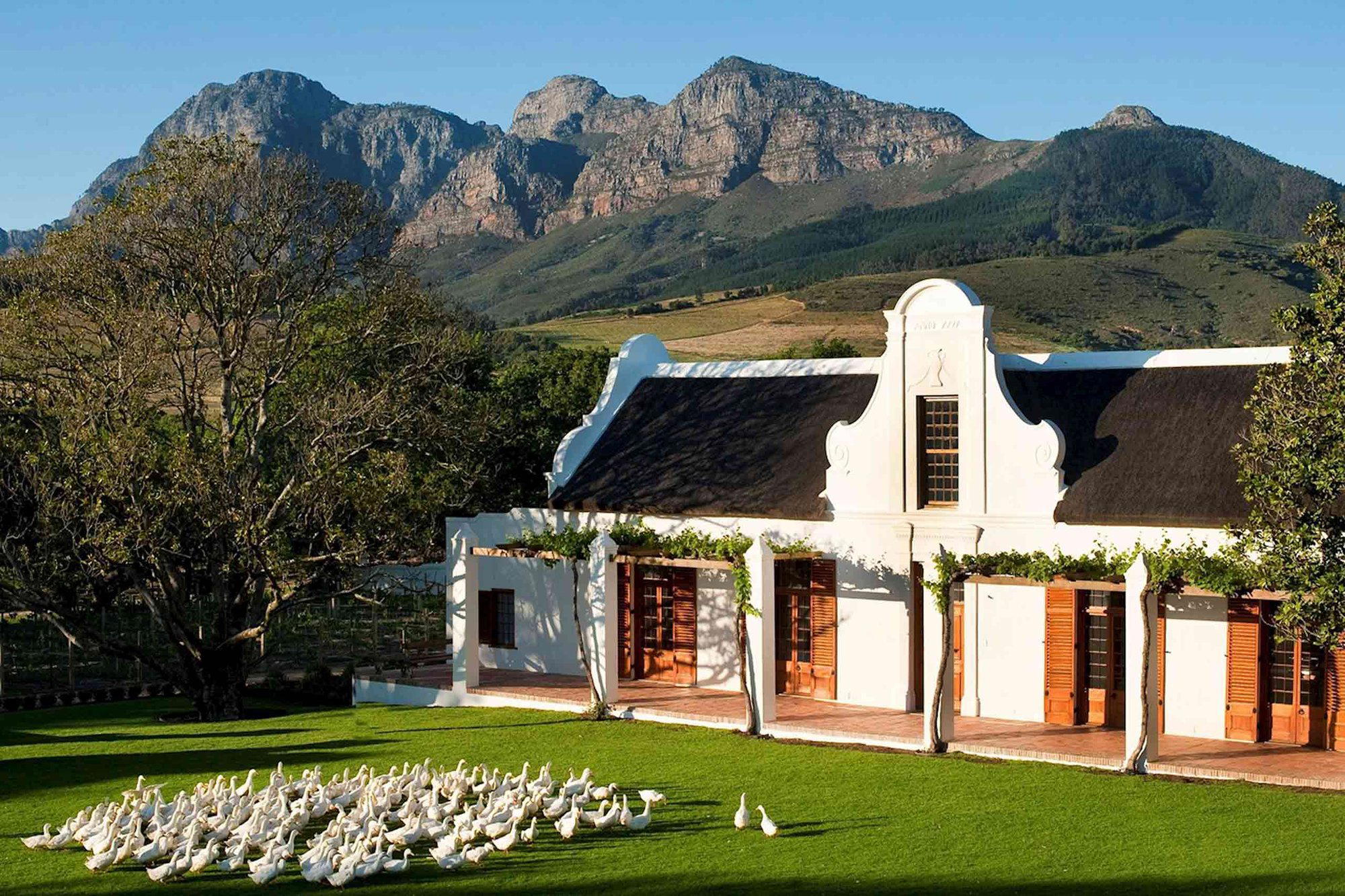
A full Cape Town wine day requires decisions. The Constantia Valley circuit can be done in a focused half-day given how closely the estates sit to each other, and it has the advantage of being the closest wine region to the city centre. The region is not set up for the kind of rapid estate-hopping that Stellenbosch facilitates. Those who want to sit with a producer's range in some depth, without the ambient noise of high-throughput tourism, find the region more comfortable. The estate reads as a working wine farm before it reads as a hospitality destination, which aligns with how cooler-climate wine regions across the world tend to present themselves: the quality is in the glass, not the decor.
For those building a wider Western Cape itinerary, the geography of South African wine offers real range. The Paarl region, anchored by estates like Val de Vie Estate in Paarl, operates at a warmer, richer end of the spectrum and makes sense as a contrasting stop for anyone mapping out stylistic variation across the Cape. The drive from Cape Town's Atlantic Seaboard takes approximately 25 to 30 minutes in normal traffic, making this a viable morning departure for a full-day estate visit. Spring through early autumn (September through March) represents the period of most activity at Cape wine estates generally, with harvest season (February to April, depending on variety) adding a working-cellar dimension to a visit that is not present at other times of year. Contact and booking details are best confirmed directly through the estate; current hours and tasting formats are not listed here, and visiting without prior confirmation is not recommended, particularly outside peak season. For a broader orientation to Cape Town's wine and dining scene, the full Cape Town restaurants guide covers the wider landscape across categories and neighbourhoods.
Cost Snapshot
Comparable venues nearby, for context on price, style, and recognition.
| Venue | Cuisine | Price | Awards | Notes |
|---|---|---|---|---|
| Meerendal Wine EstateThis venue — the venue you are viewing | Durbanville, Pinotage, Sauvignon Blanc | $20–30 | Not listed | Not listed |
| Constantia Glen | Constantia, Sauvignon Blanc, Sémillon | $20–30 | Falstaff Winery - Listed | Not listed |
| Beau Constantia | Constantia, Viognier, Sauvignon Blanc | $20–30 | Not listed | Not listed |
| Cape Point Vineyards | Noordhoek, Sauvignon Blanc, Semillon | $20–30 | Falstaff Winery - Listed | Not listed |
| Durbanville Hills | Not listed | $30–50 | Falstaff Winery - Listed | Durbanville, Sauvignon Blanc, Chenin Blanc |
Continue exploring
More in Cape Town
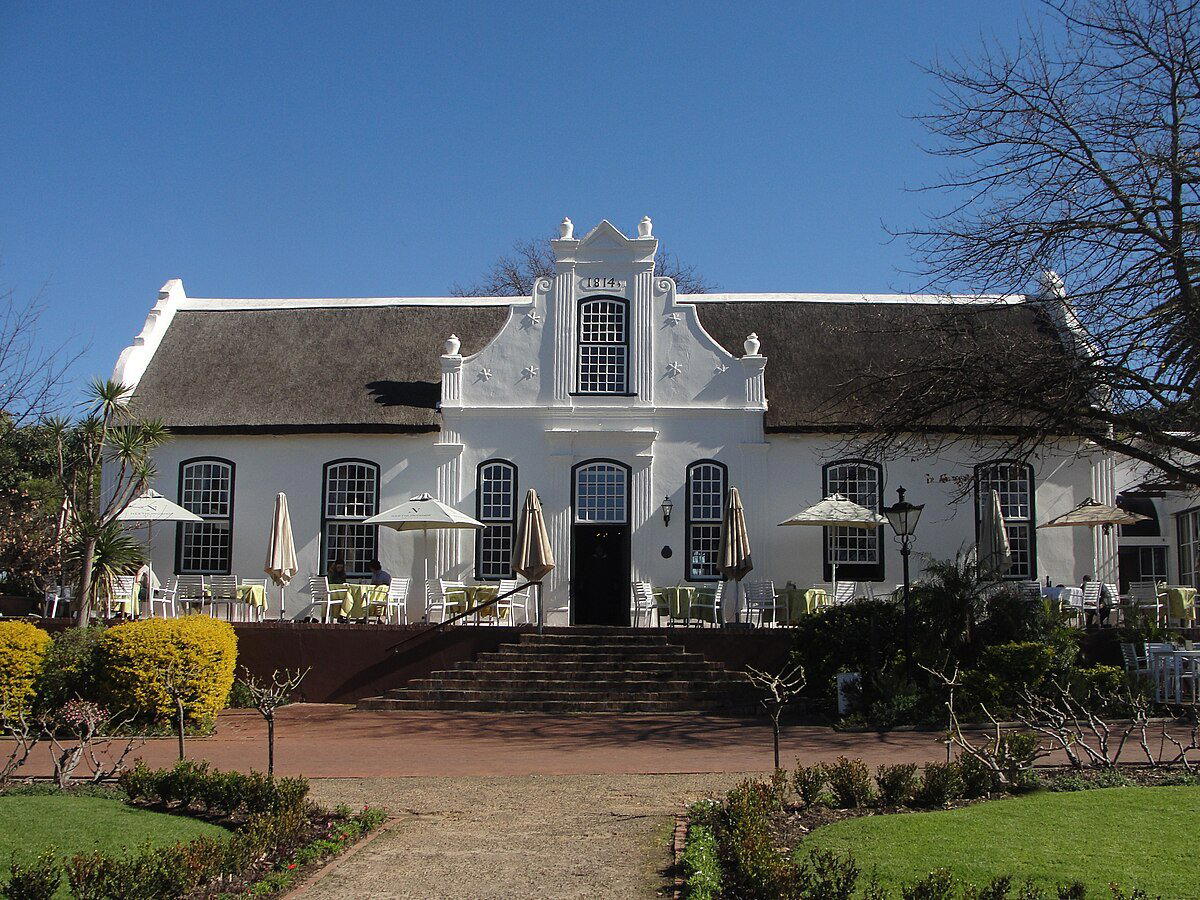
Wineries in Cape Town
Browse all →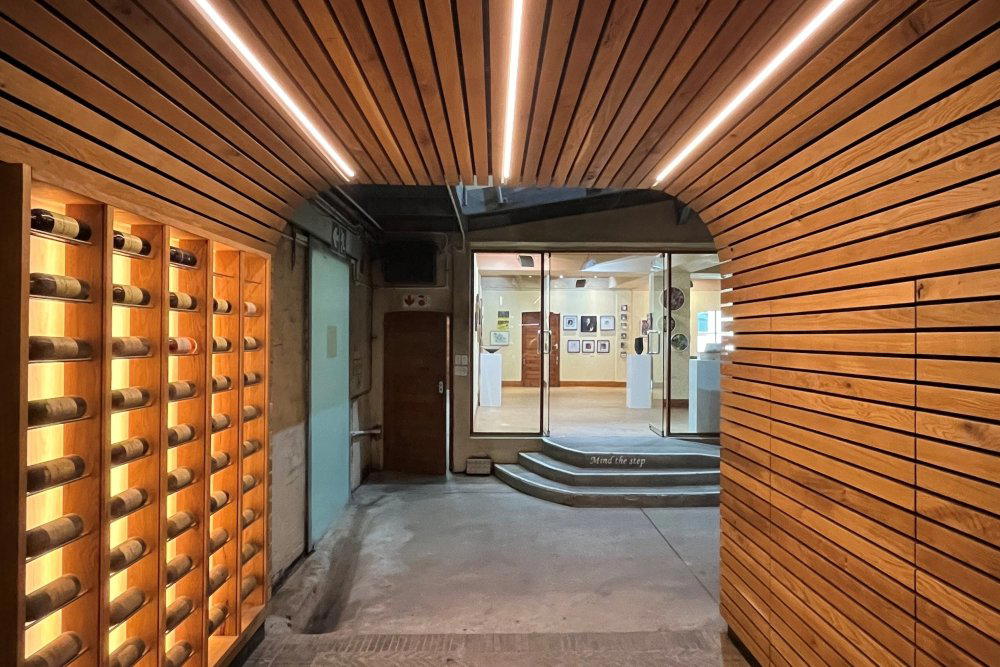
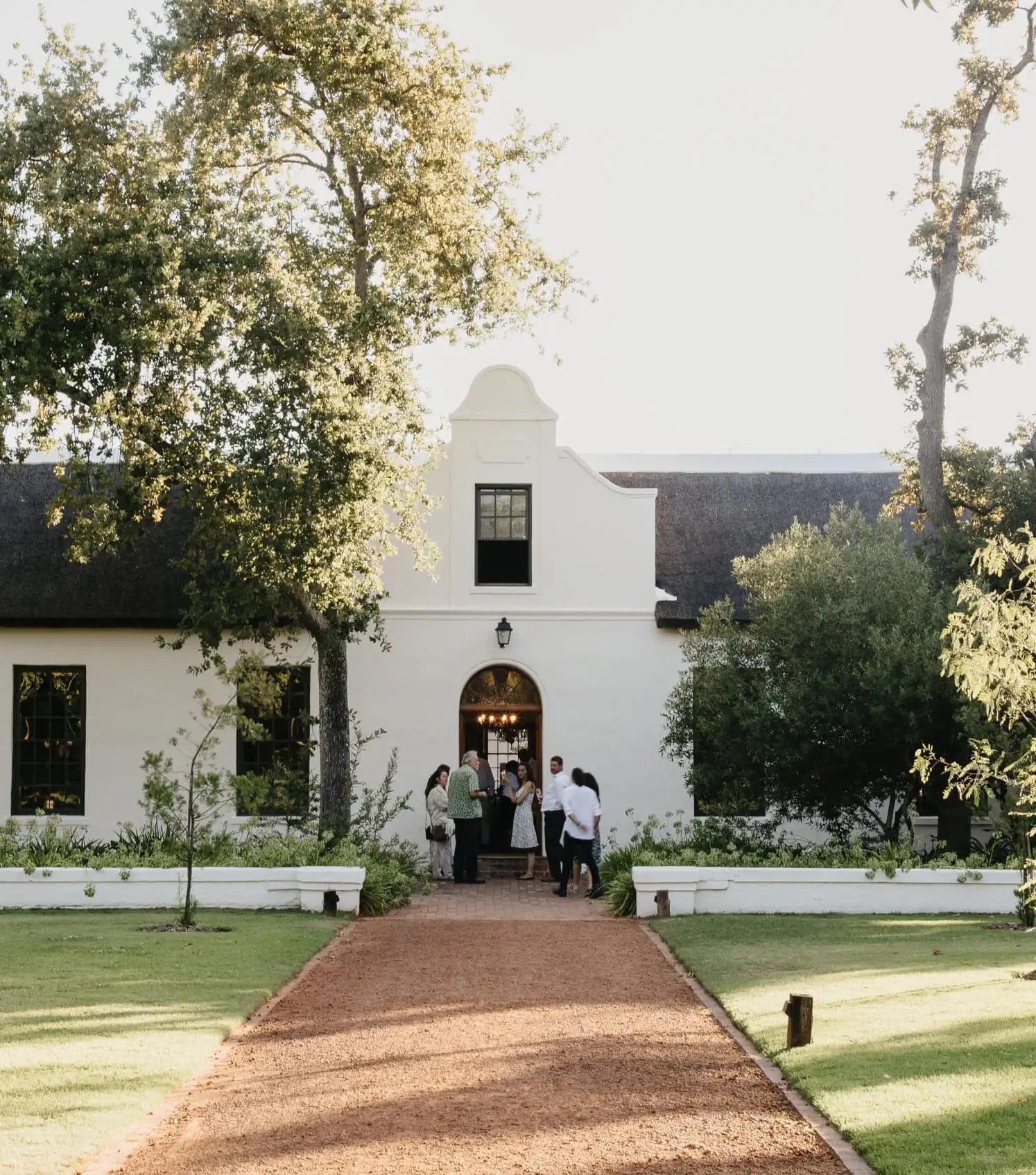
Bars in Cape Town
Browse all →
Restaurants in Cape Town
Browse all →
Details
- Scenic
- Rustic
- Elegant
- Family
- Group Outing
- Celebration
- Wine Education
- Vineyard Tour
- Estate Grounds
- Terrace
- Panoramic View
- Organic
- Mountain
- Vineyard
- Garden
- Pinotage
- Sauvignon Blanc
- Chardonnay
- Pinot Noir
- Cabernet Sauvignon
- Merlot
- Still Red
- Still White
- Sparkling
- Cellar Tasting
- Outdoor Tasting
- English
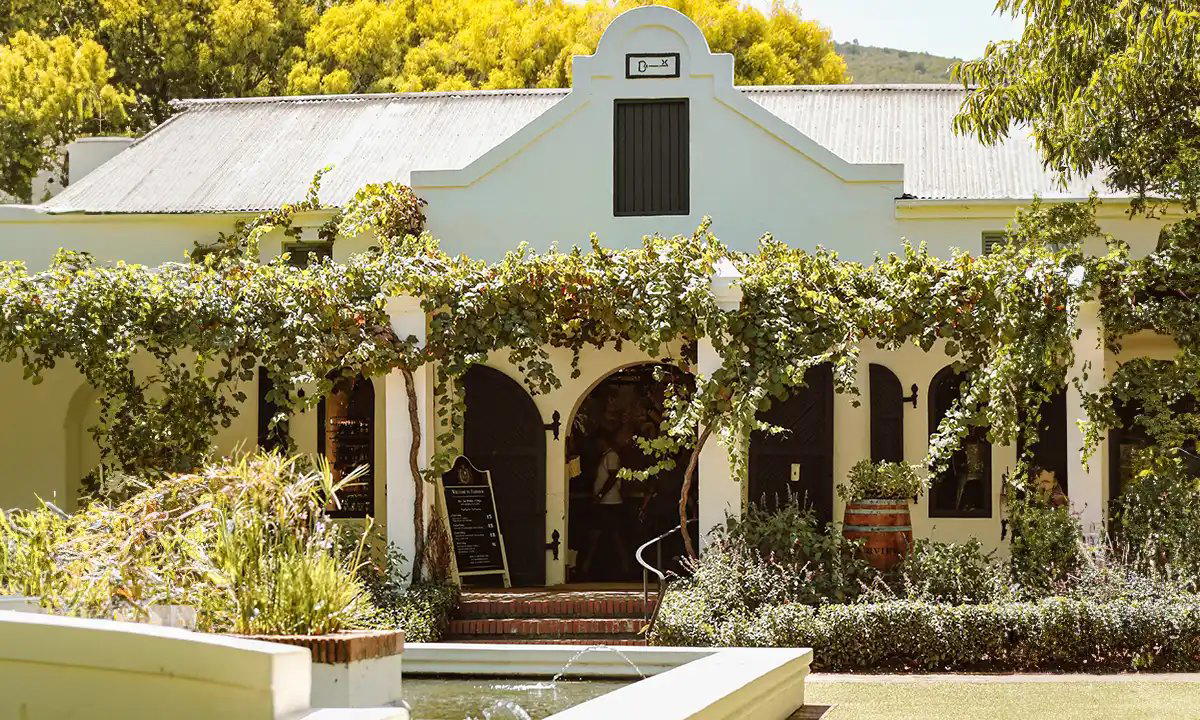
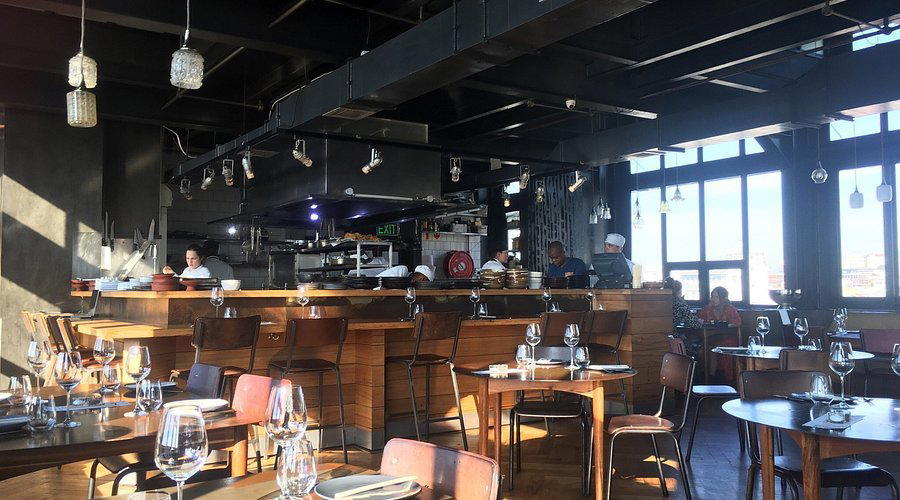
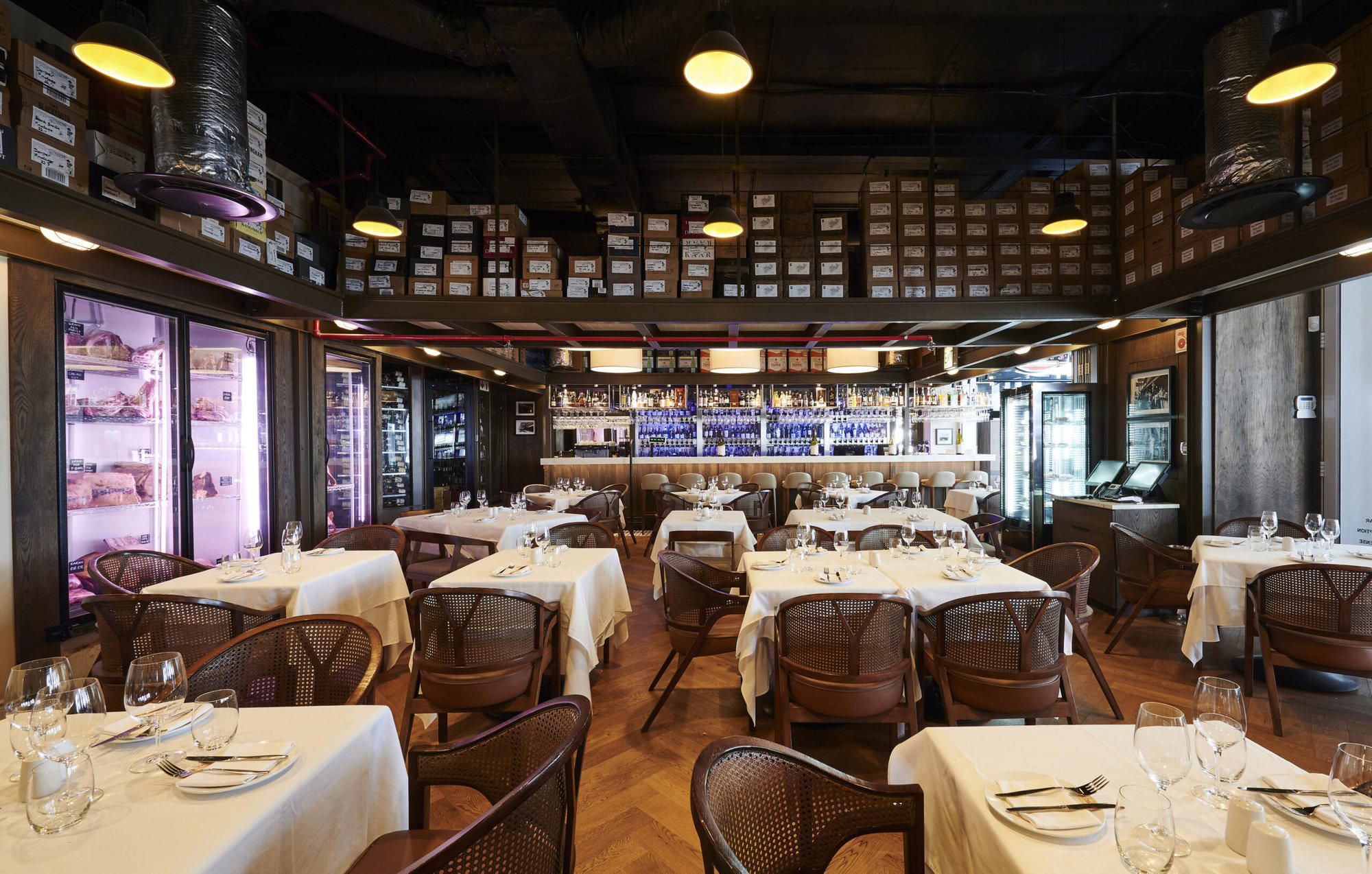
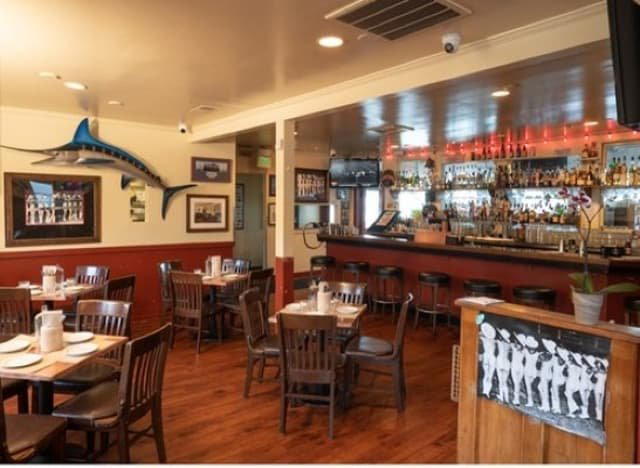
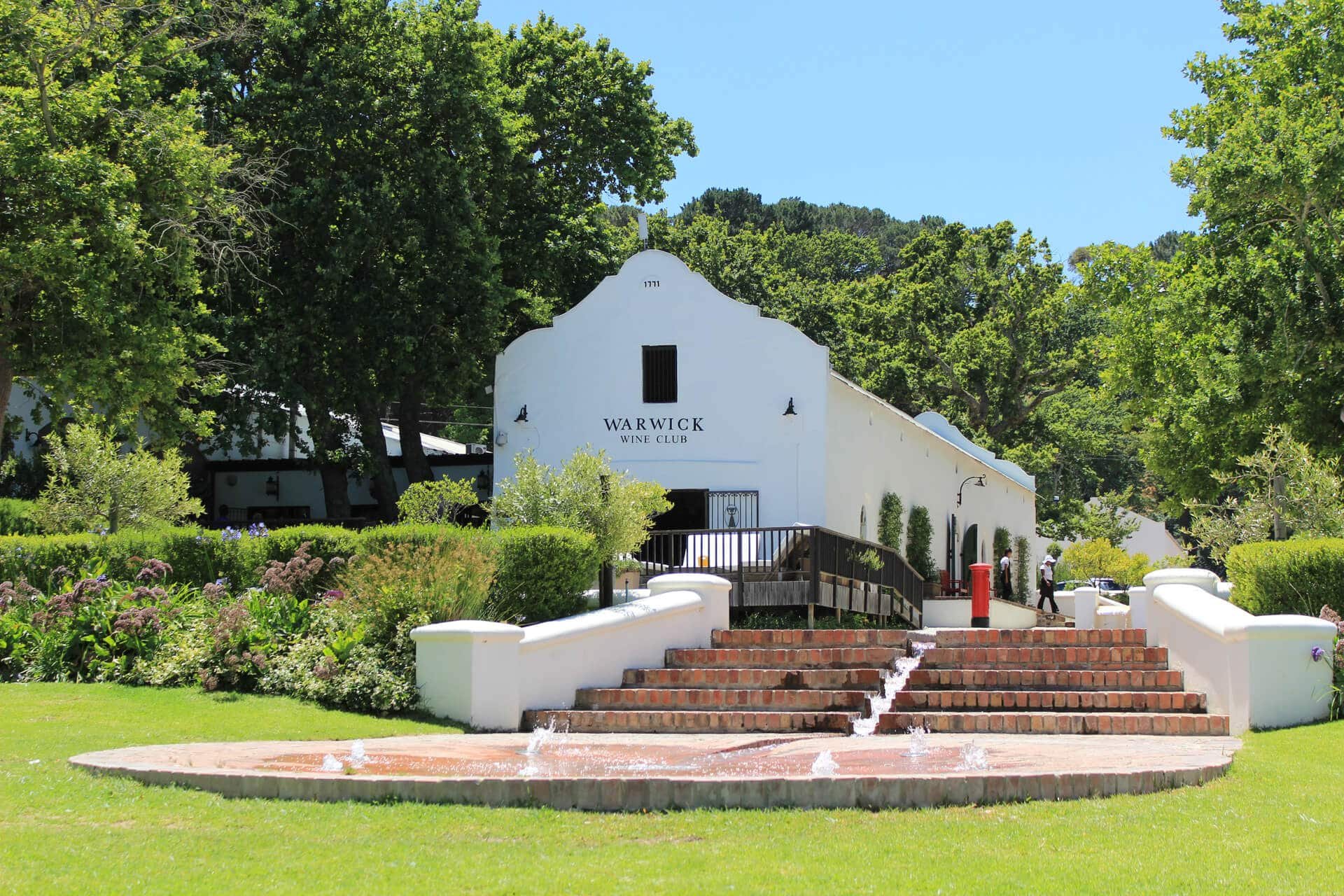
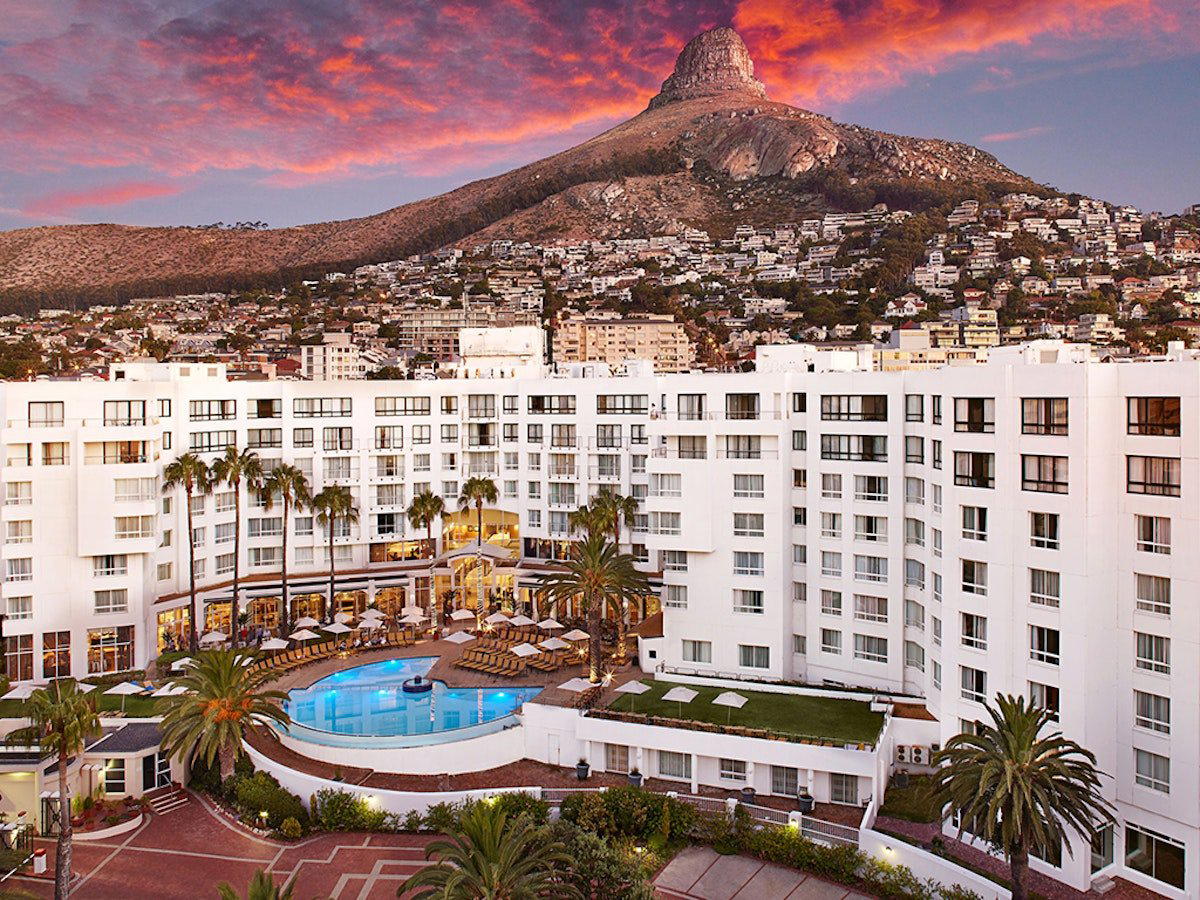
Cozy indoor tasting room with wooden furniture, colorful kelims, and lively family-friendly restaurants offering scenic outdoor seating, fireplaces, and beautiful hill surroundings.