Cantine Povero

Falstaff Winery - Listed
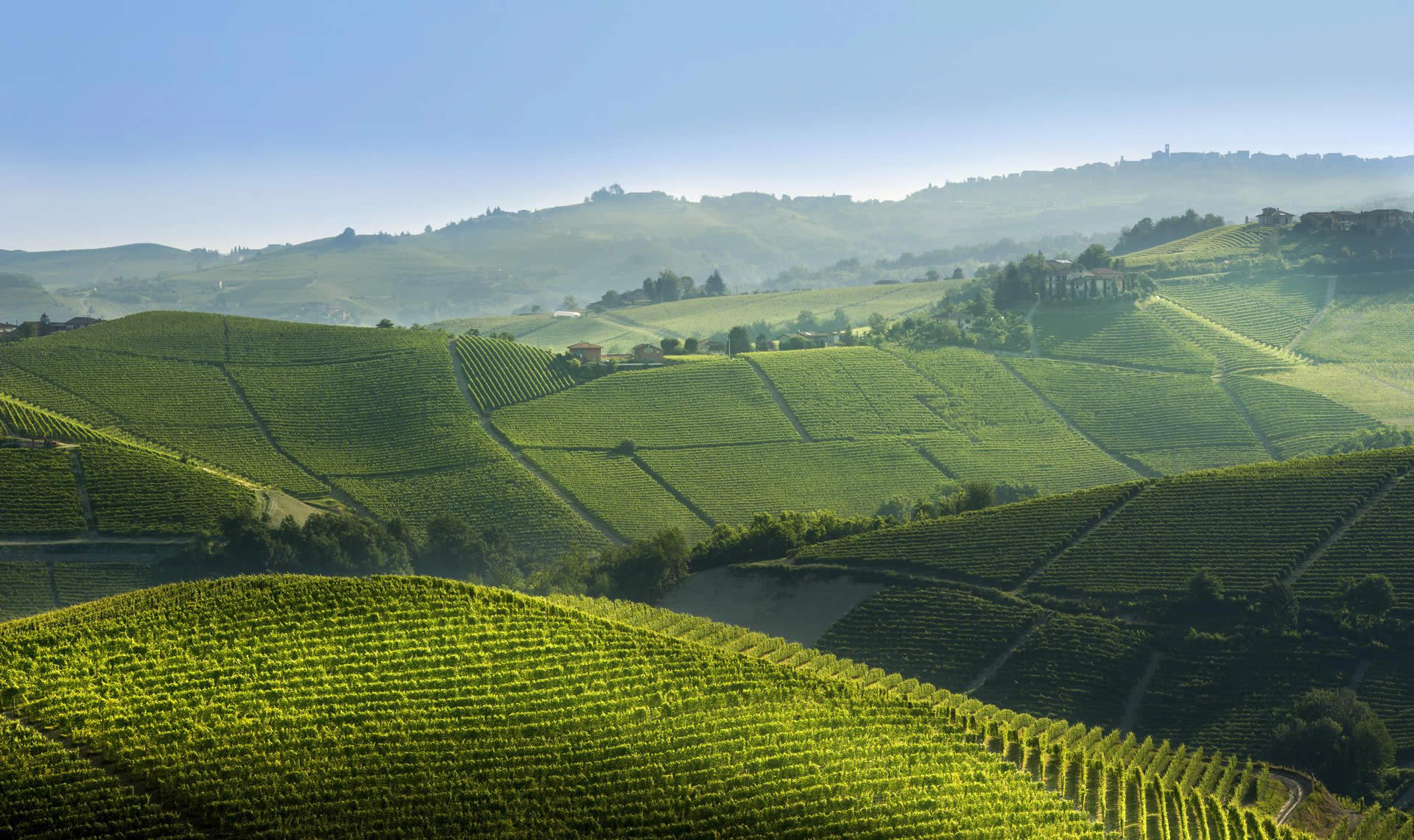
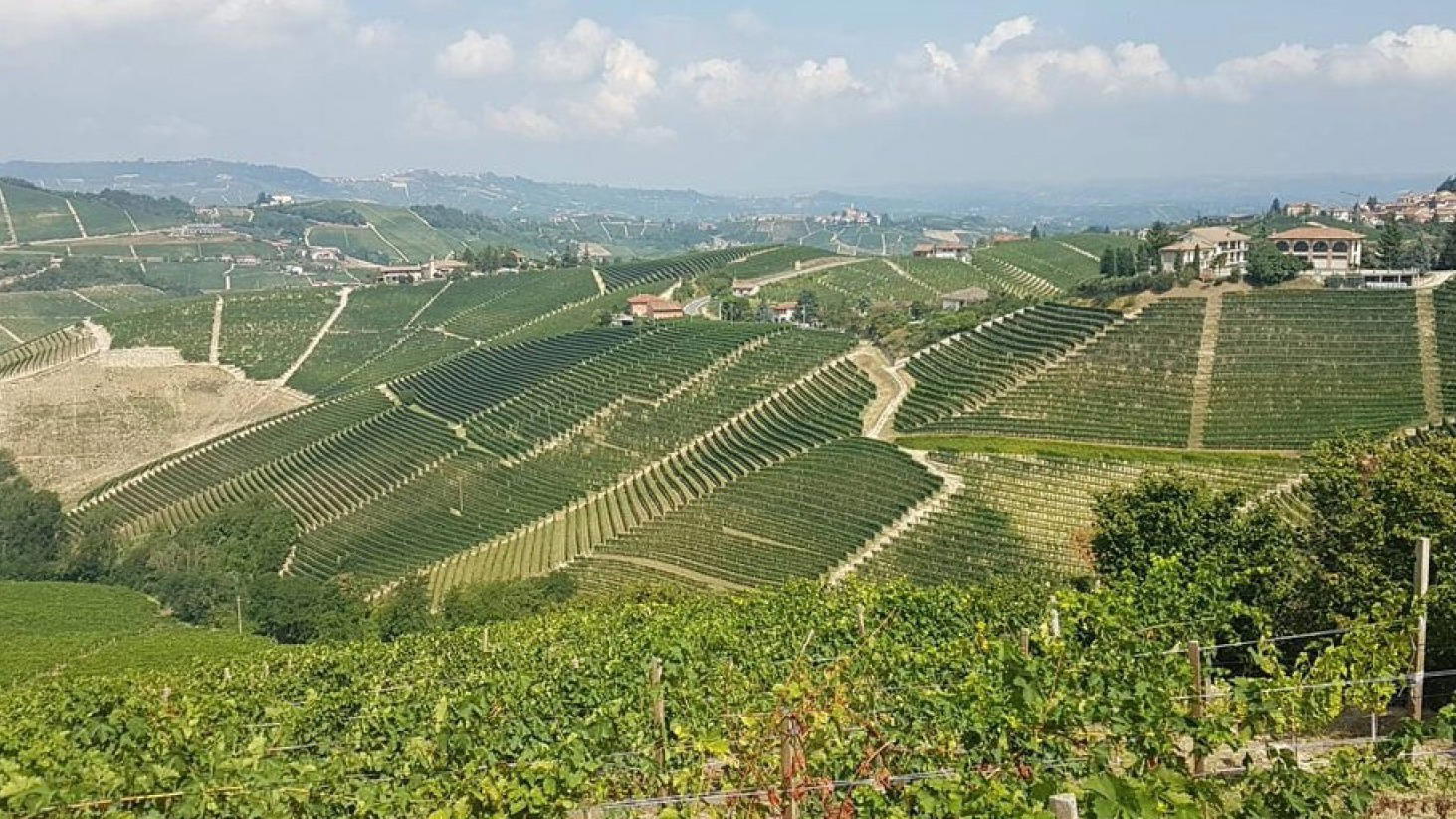
Cantine Povero is a family-run organic winery in Cisterna d’Asti, framed by the meeting point of Roero, Monferrato, and Langhe. The estate’s appeal lies in terroir range: Nebbiolo, Barbera, Arneis, Moscato, Croatina, Pinot Nero, and Chardonnay treated through a quiet, heritage-led lens rather than a spectacle-driven tasting format.

Pearl is the En Primeur Club membership app — saves, bookings, and concierge access live there. Same editors, same standards.
- Address
- Cisterna d'Asti, Piedmont, Italien
- Directions
- Get directions
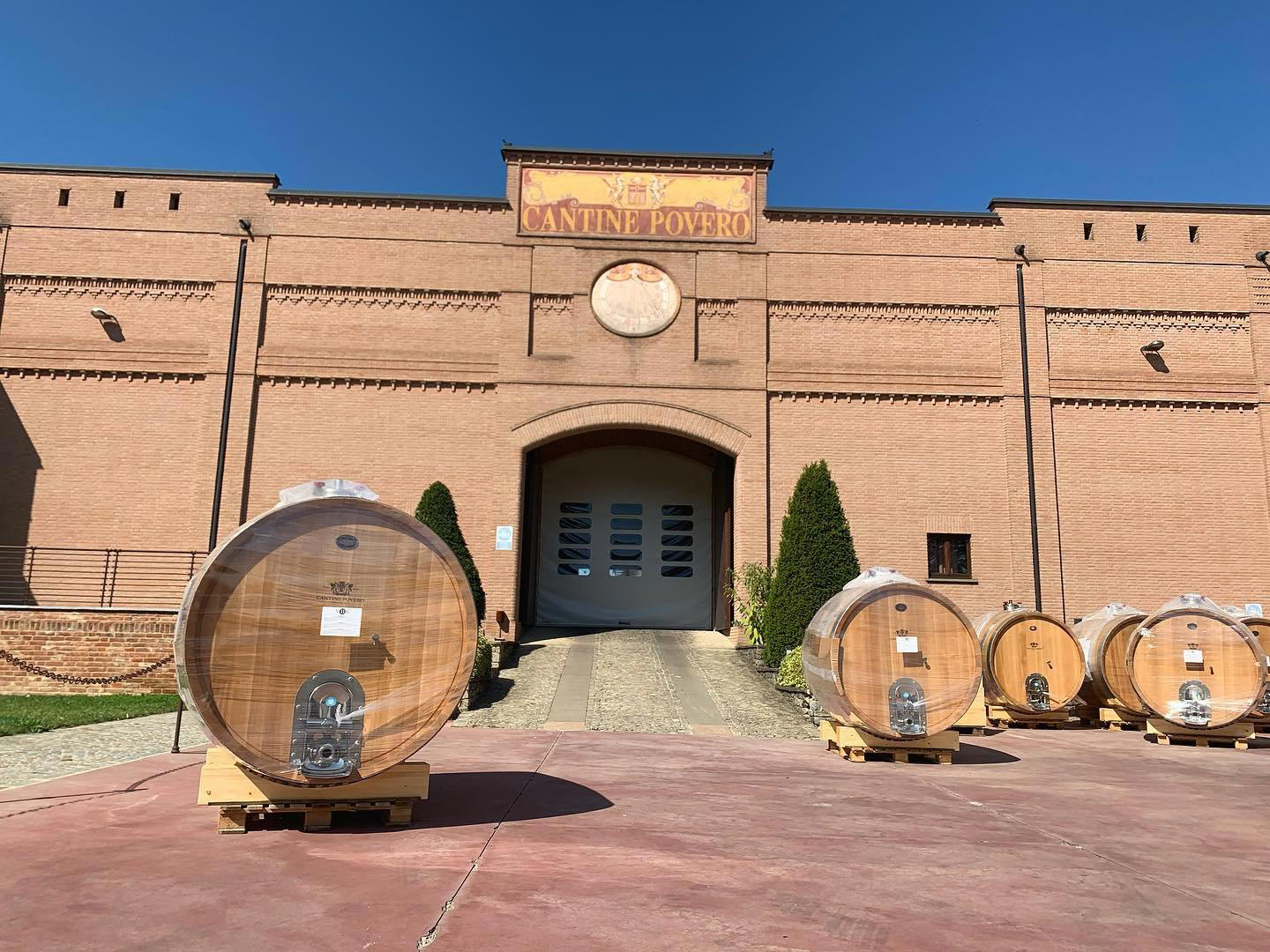
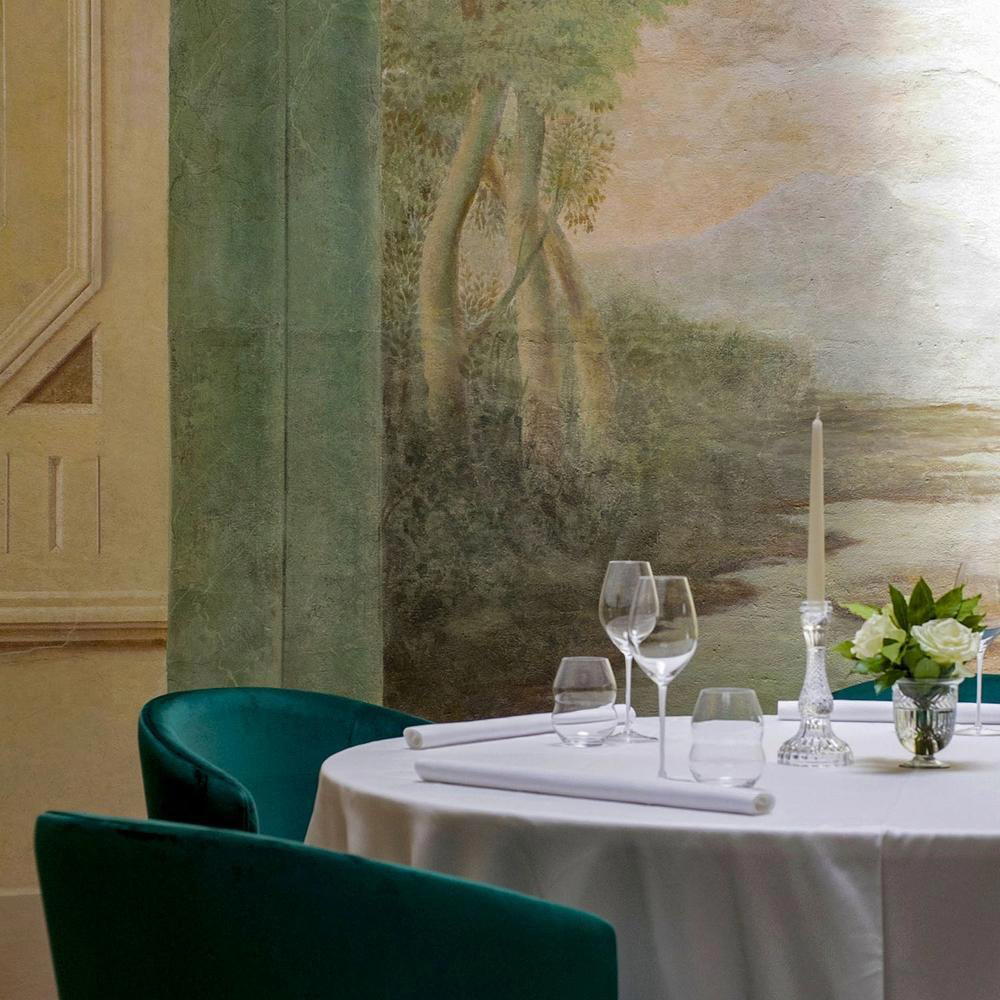
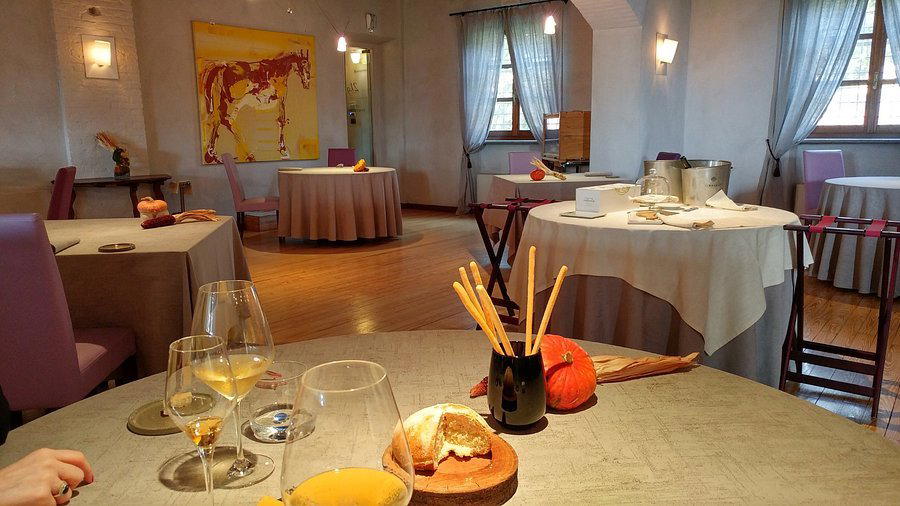
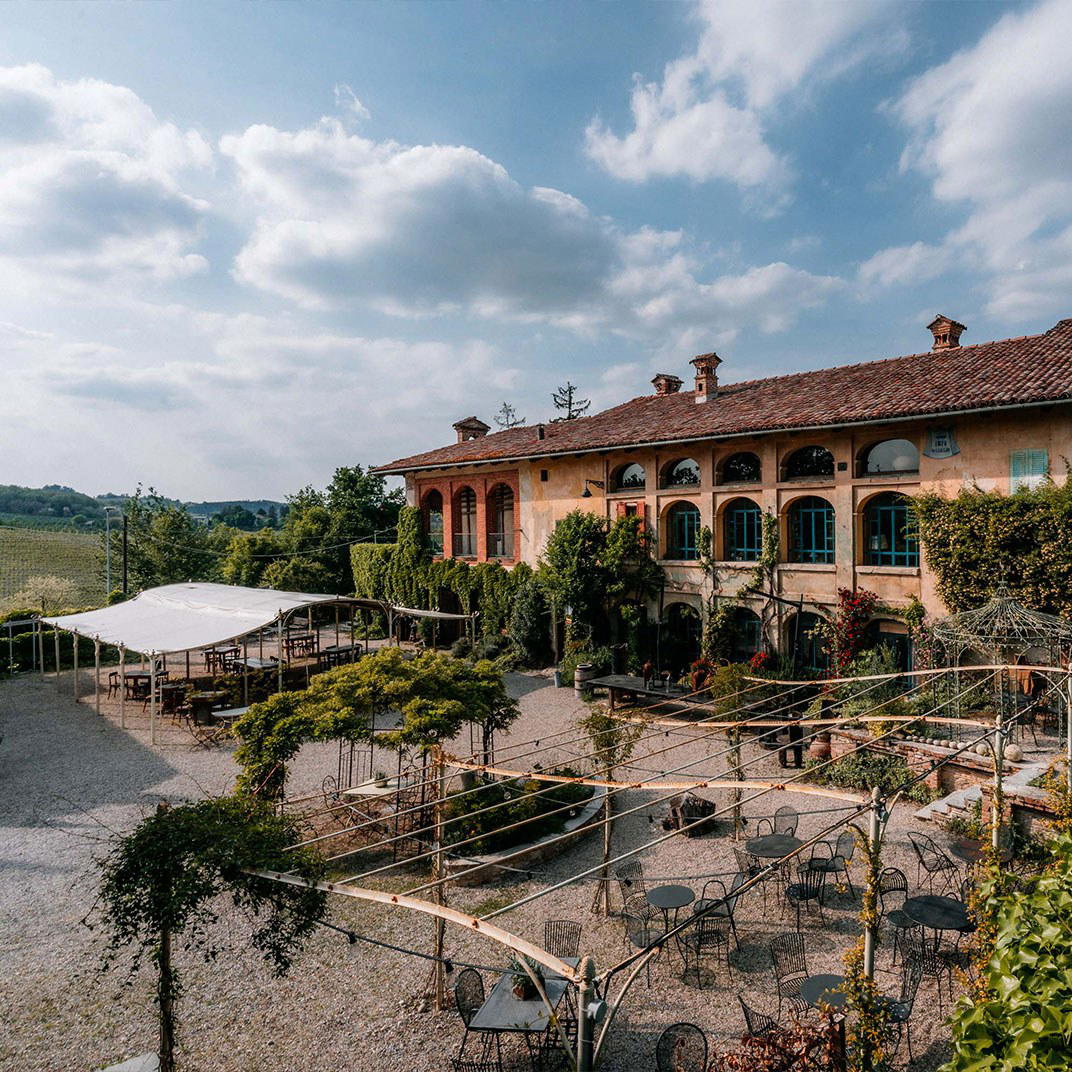
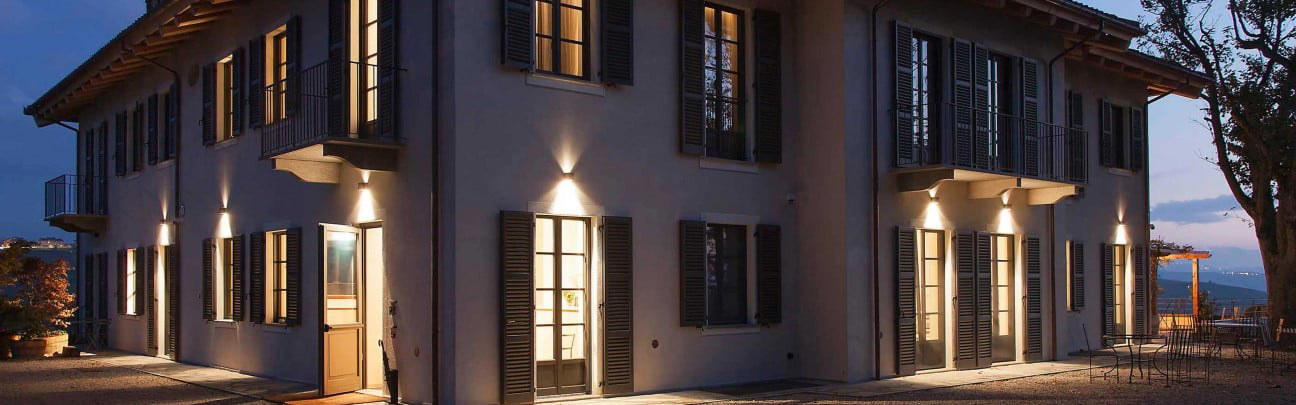
Cantine Povero in Cisterna D Asti is presented as a family-run winery with a heritage-focused, authentic atmosphere rooted in organic viticulture. The impression is rustic, classic, quiet, and cozy, with the visit framed around a multisensory path from vineyard to production rather than a generic tasting-room description. That combination gives the venue a clearly defined character: it is not being positioned through spectacle, novelty, or a long list of features, but through a more grounded sense of place, continuity, and agricultural context. For visitors, the appeal lies in approaching the winery as a setting where the vineyard, the work behind the wine, and the family-run identity form the main narrative.
A heritage-focused winery visit in Cisterna D Asti
The strongest confirmed reason to consider Cantine Povero is its sense of continuity: it is described as family-run, rooted in organic viticulture, and shaped by an authentic winery atmosphere. Rather than relying on claims about specific grapes, vintages, awards, or cellar details, the reliable picture is of a place where the land and production process are central to the experience. That matters because it sets expectations in a useful way. The visit is best understood as a heritage-focused winery stop, where the atmosphere itself carries much of the value. The rustic and classic tone suggests something quieter and more rooted than a polished, highly commercial tasting environment, while the family-run description reinforces the idea of a venue connected to its own ongoing history.
For travelers planning around Cisterna D Asti, that makes Cantine Povero a grounded stop for those who prefer a quiet, rustic winery setting. The available information supports a visit focused on atmosphere, heritage, organic viticulture, and the transition from vineyard to production. It is the kind of listing where restraint is important: the confirmed appeal is not a checklist of named wines or elaborate services, but the promise of a coherent winery experience shaped by place and practice. Visitors who are drawn to authenticity, calm surroundings, and a sense of agricultural continuity are the audience most clearly served by the description. The venue’s identity reads as one that rewards attention to setting and process, rather than a quick stop judged only by what is poured in the glass.
Organic viticulture as the core theme
The more accurate framing is simple: the venue’s identity is tied to organic viticulture and a family-run winery environment. This does not need embellishment to be meaningful. Organic viticulture, as presented here, functions as the central lens through which to understand the winery: it points toward the land, the vineyard, and the choices behind production. Paired with the family-run character, it gives Cantine Povero a profile that feels personal and heritage-minded without requiring unsupported detail. The language available is broad, but it is still useful, because it identifies the values that should guide expectations before arrival.
That restraint is useful for planning. Visitors should treat Cantine Povero as a cozy, classic winery experience in Cisterna D Asti and confirm any detailed questions directly with the venue before building an itinerary around particular wines, tour formats, or timing. The safest expectation is an experience centered on the winery’s atmosphere, its organic viticulture, and its connection between vineyard and production. Anyone looking for highly specific information should avoid assuming it from the general description alone. Instead, the confirmed profile should be used as a starting point: a family-run, heritage-focused setting where the appeal is the overall sense of authenticity and quiet continuity. In that way, the lack of unnecessary detail can actually help define the visit more clearly, keeping the focus on what is known rather than on claims that have not been established.
A quiet, multisensory vineyard-to-production experience
The experience is described as multisensory and connected to the path from vineyard to production. That supports a visit for travelers who want more than a purely transactional tasting, while avoiding unsupported specifics about capacity, reservations, private formats, or exact service structure. “Multisensory” is best read here as a signal that the visit involves the broader feeling of the winery environment: the vineyard context, the production narrative, and the atmosphere surrounding the experience. It suggests a movement through the place rather than a detached introduction to wine. Because the description links vineyard and production, the experience is most clearly framed as one that helps visitors understand wine through its setting and process, not only through the final product.
Pricing is listed at $27 per person. For the rest of a Cisterna D Asti itinerary, compare Cantine Povero with other local dining or winery options generically, and confirm current availability, timing, and visit details before going. In planning terms, Cantine Povero works well as a calm, classic winery stop for travelers who value atmosphere, organic viticulture, and a heritage-forward experience. The strongest reason to go is the coherent character already described: family-run, rustic, quiet, cozy, and oriented around the journey from vineyard to production in Cisterna D Asti.
Recognition history
Dated appearances from independent guides and award organizations, with the underlying list record or original source where available.
Falstaff Winery - Listed
Falstaff
Continue exploring
More in Cisterna D Asti
Wineries in Cisterna D Asti
Browse all →
Bars in Cisterna D Asti
Browse all →
Restaurants in Cisterna D Asti
Browse all →


Details
- Rustic
- Classic
- Quiet
- Cozy
- Wine Education
- Special Occasion
- Corporate Event
- Group Outing
- Vineyard Tour
- Estate Grounds
- Historic Building
- Private Tasting
- Organic
- Sustainable
- Vineyard
- Nebbiolo
- Barbera
- Arneis
- Moscato
- Croatina
- Pinot Nero
- Chardonnay
- Still Red
- Still White
- Sparkling
- Dessert
- Guided Tasting
- Tour And Tasting
- Italian
- English
- German
- Spanish
- French
Family-run winery with a heritage-focused, authentic atmosphere rooted in organic viticulture and a multisensory vineyard-to-production visit.