Canonica a Cerreto

Falstaff Winery - Listed
Canonica a Cerreto is a hilltop Chianti Classico estate in Castelnuovo Berardenga, shaped by old stone, vineyard exposure, and a long monastic-to-noble history. The interest here is terroir rather than spectacle: Sangiovese-led wines, limestone-clay soils, hand harvests, and a three-label tasting format that reads the southern Chianti hills through Annata, Riserva, and Gran Selezione.

Pearl is the En Primeur Club membership app — saves, bookings, and concierge access live there. Same editors, same standards.
- Address
- Castelnuovo Berardenga, Tuscany, Italien
- Directions
- Get directions
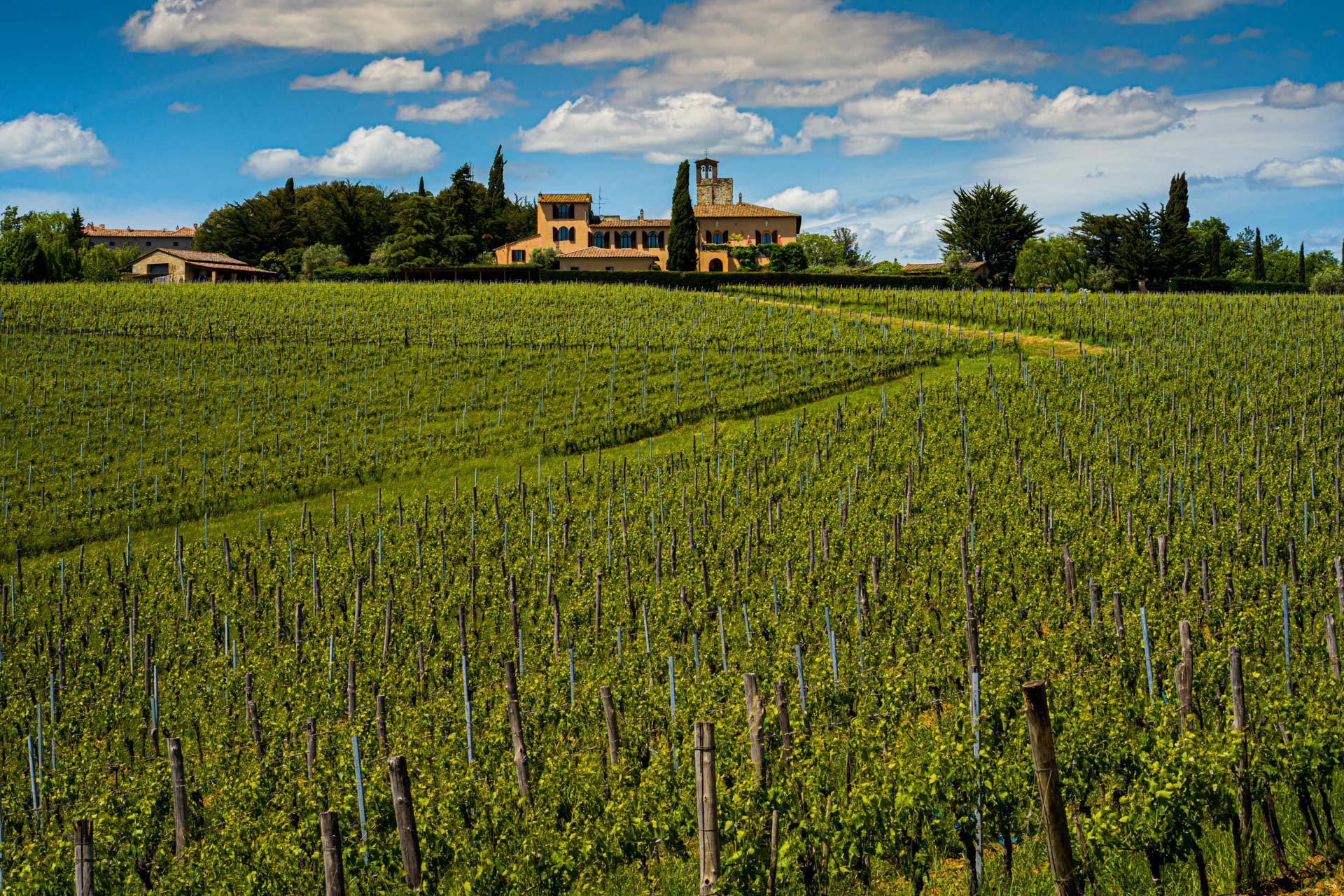
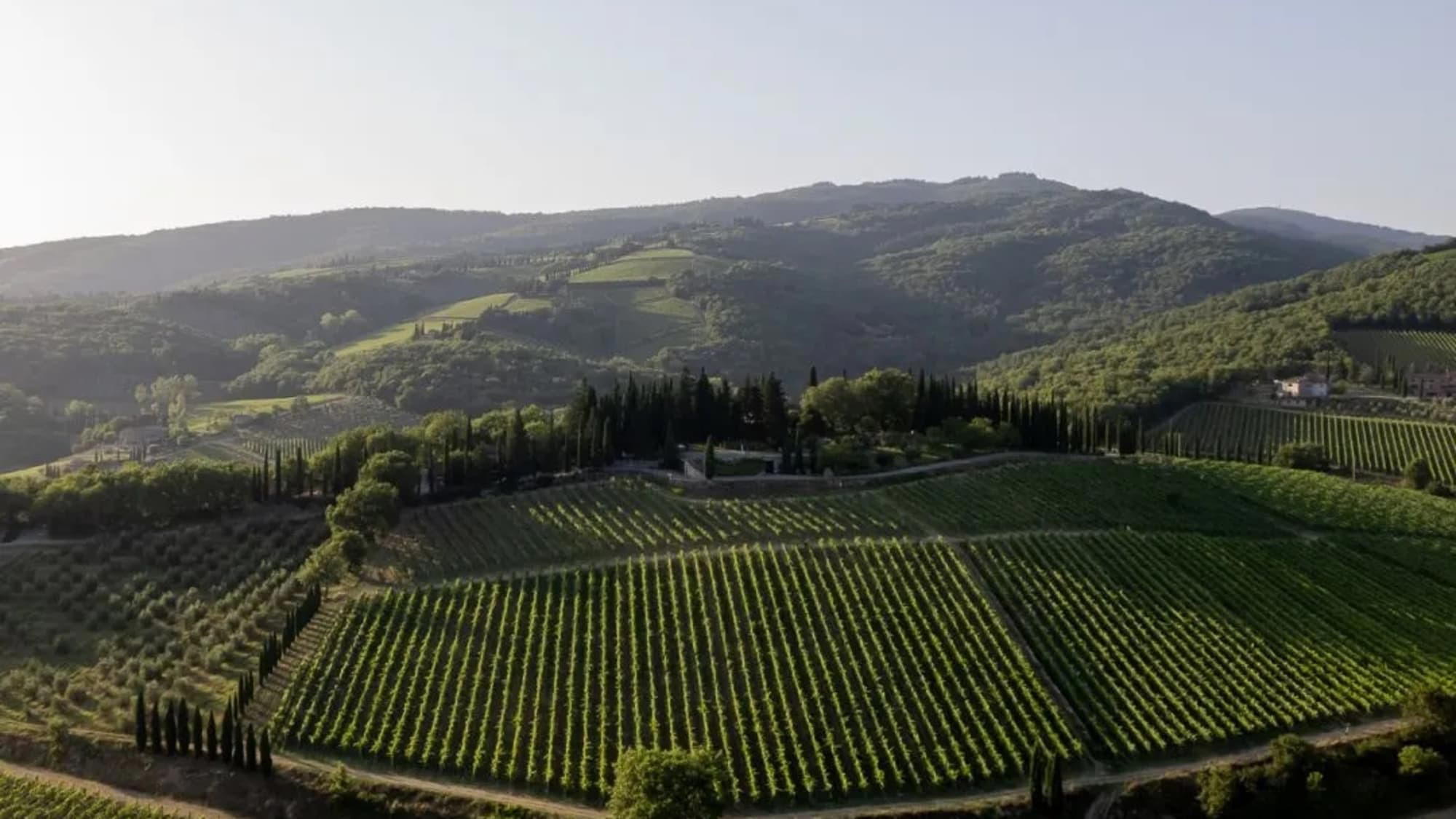
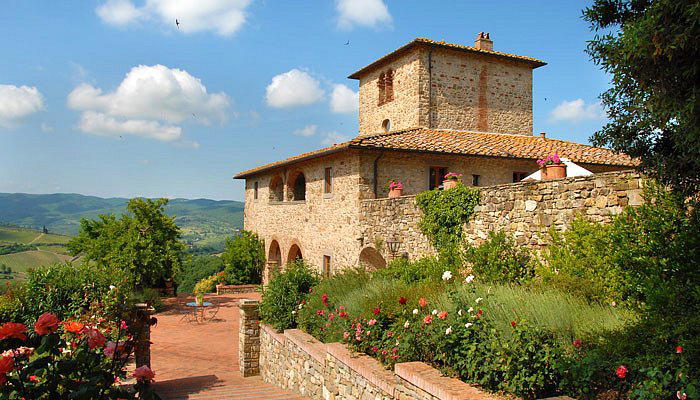
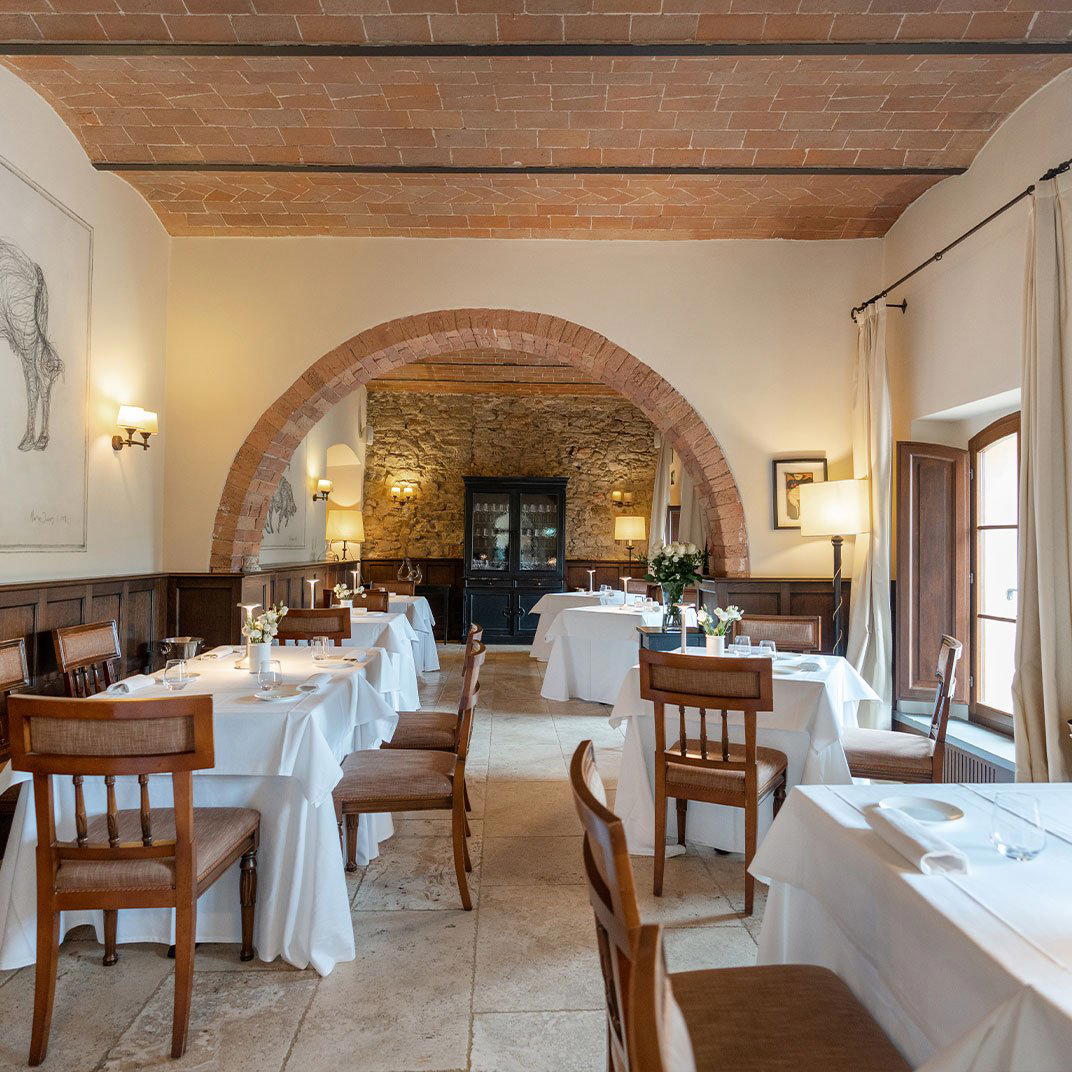
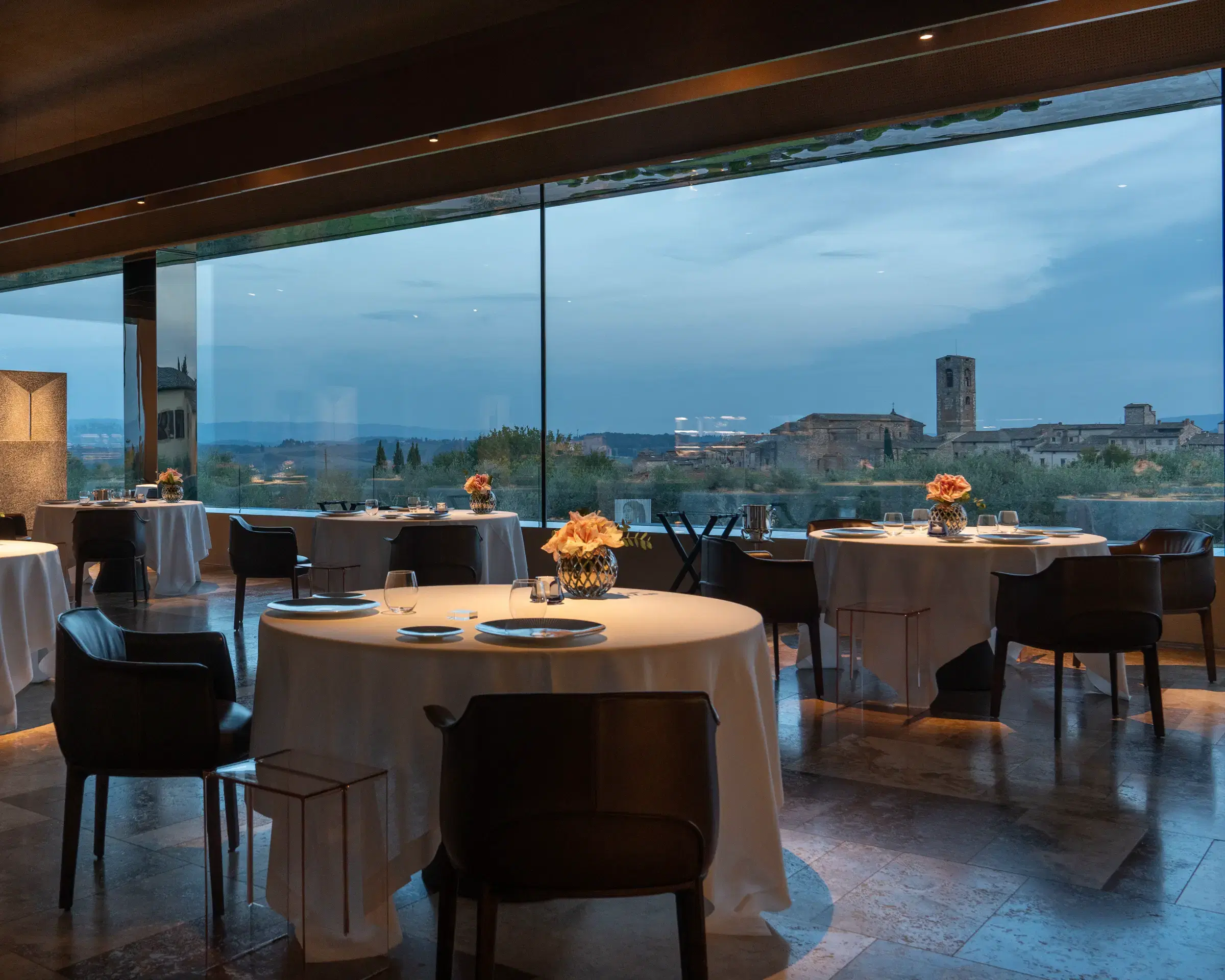
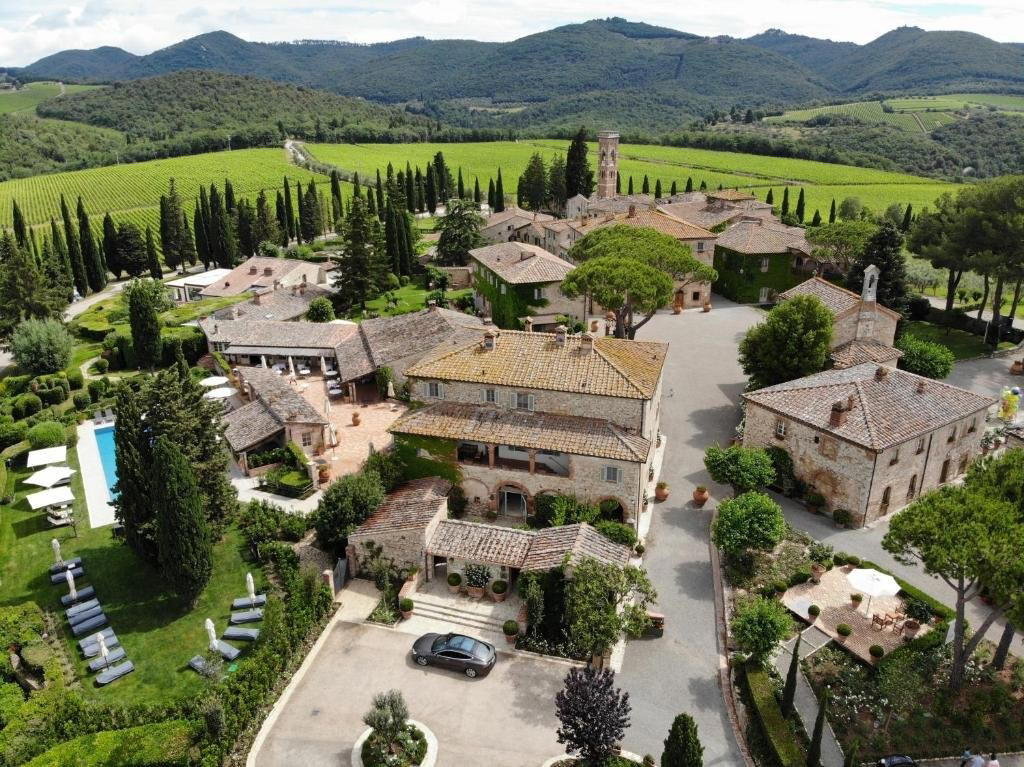
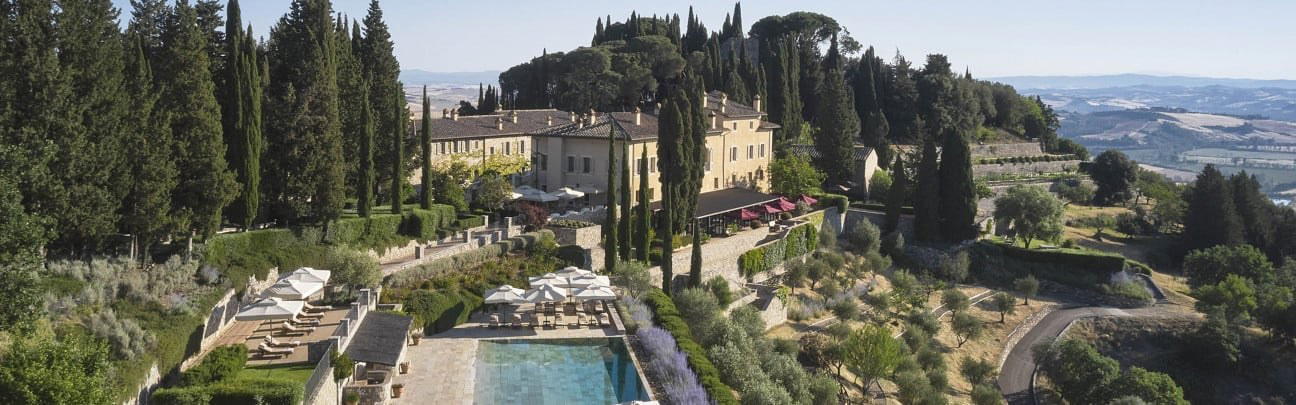
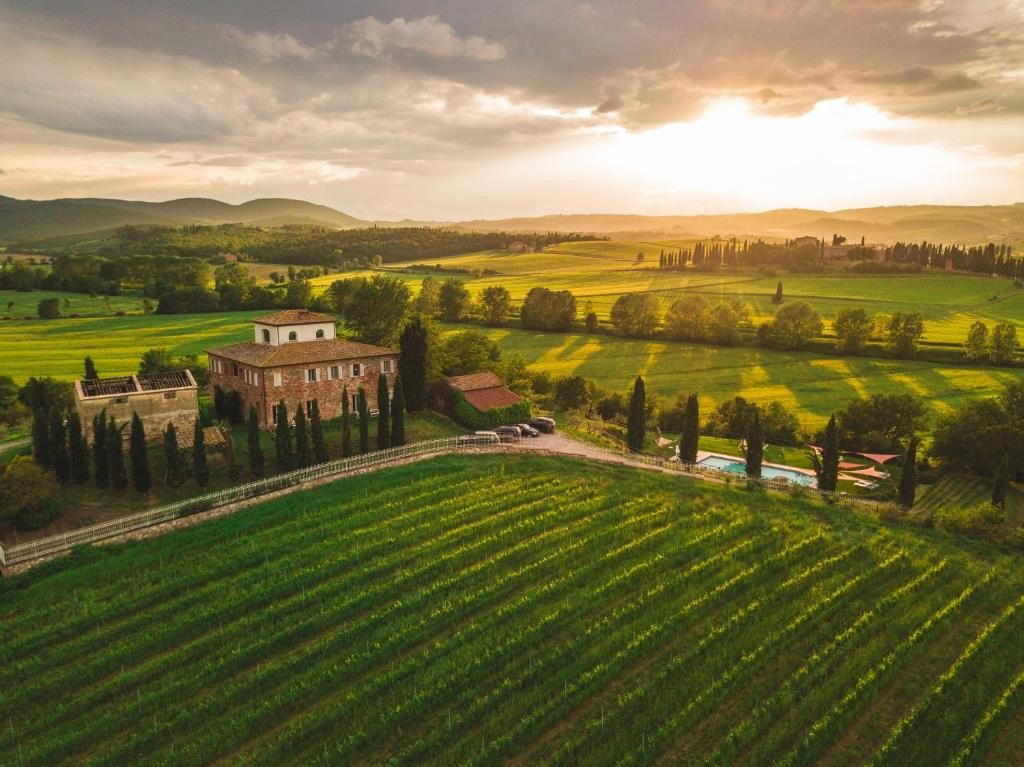
Approach Canonica a Cerreto for the view first: old walls, a hilltop position, and a sweep across vineyards, olive trees, Siena, and the Chianti hills. In southern Chianti Classico, this kind of altitude and exposure is not scenery added to the wine experience; it is the argument. The estate’s vineyards sit around 350 metres above sea level on limestone-clay soils with southern exposure, a combination that gives Sangiovese enough warmth to ripen while preserving the structure expected from this side of Tuscany.
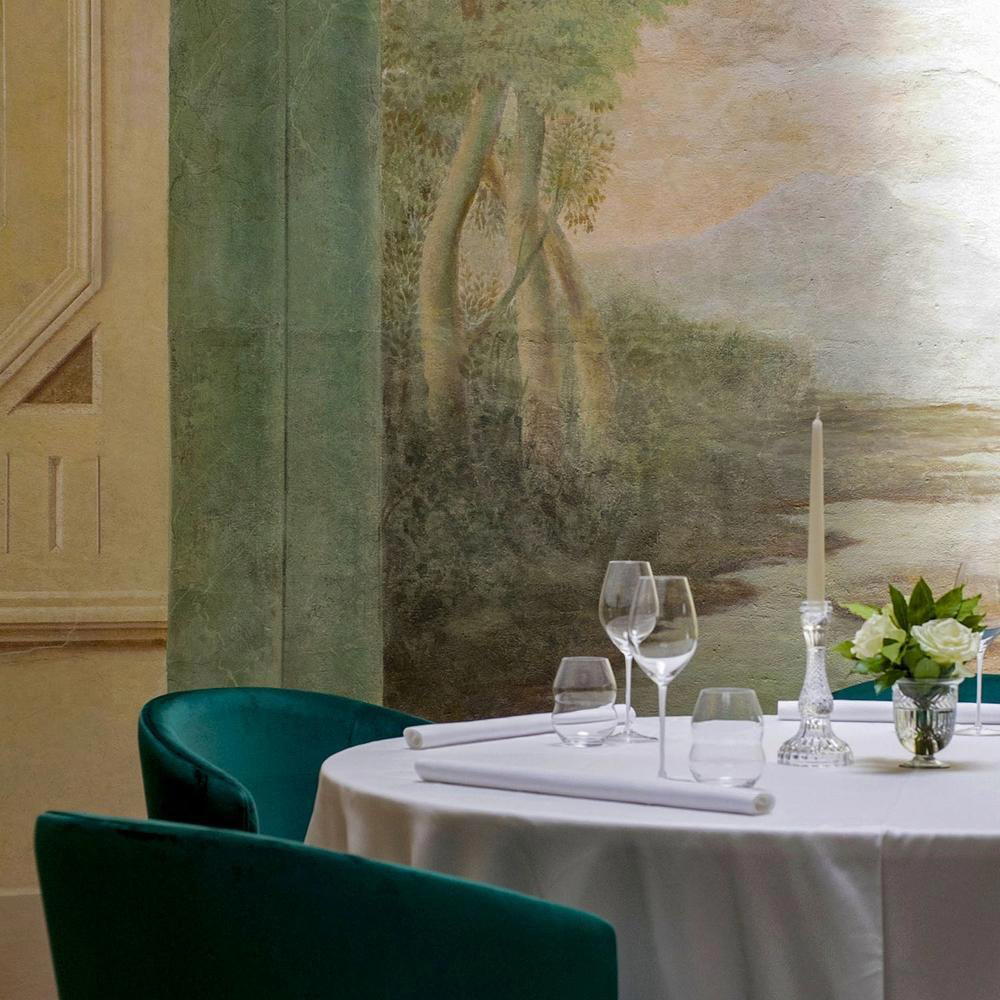
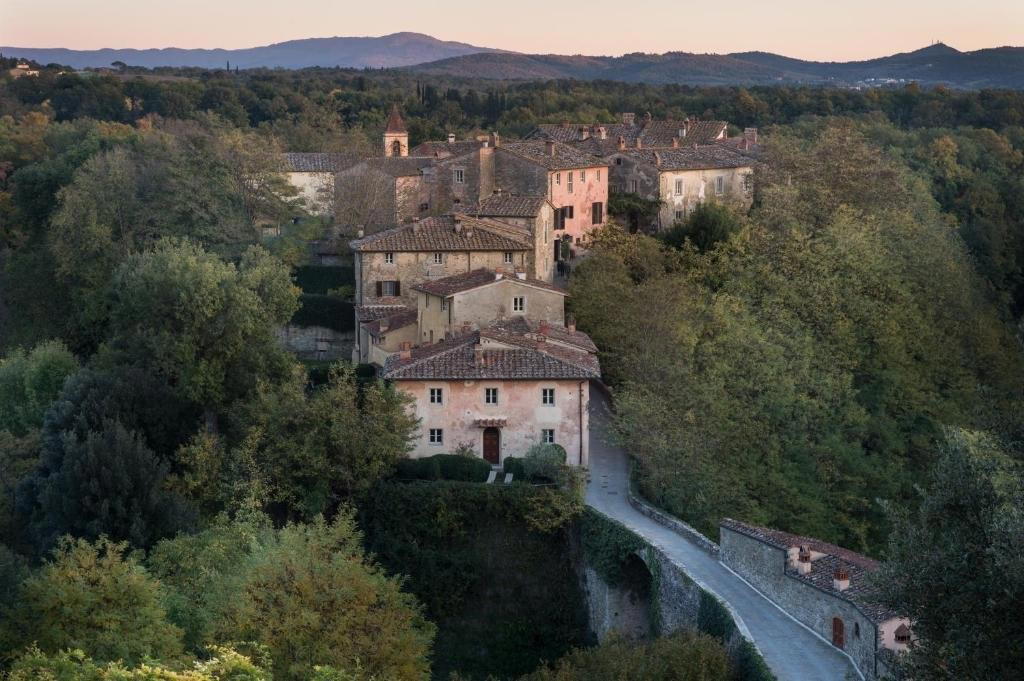
The deeper appeal is how much history is compressed into the site. The estate traces its origins to around 1000 AD, when canons from Siena’s cathedral commissioned an abbey on a hillside associated with turkey oak trees, the quercus cerris that gives Cerreto its name. Later layers brought noble ownership, Renaissance renovation, a return to clerical use, and a role as a summer villa for the Bishop of Siena. That chronology matters because Chianti Classico hospitality can often feel split between polished tasting rooms and old agricultural estates; here, the architecture keeps the visit anchored in a longer Tuscan story.
Southern Chianti Classico read through Sangiovese, clay, and altitude
The vineyard facts explain the house style more clearly than broad adjectives could. The estate covers 60 hectares, with 21 hectares of vines and 7 hectares of olive groves, the balance left to woods. Plantings are led by Sangiovese at 80 percent, with Cabernet Sauvignon and Merlot making up the remaining 20 percent. Vine density ranges from 5,000 to 6,600 plants per hectare, and the vines are spur-pruned. Those are not decorative details; they point to a producer working within the Chianti Classico grammar while allowing Bordeaux varieties a supporting role in structure and blend design.
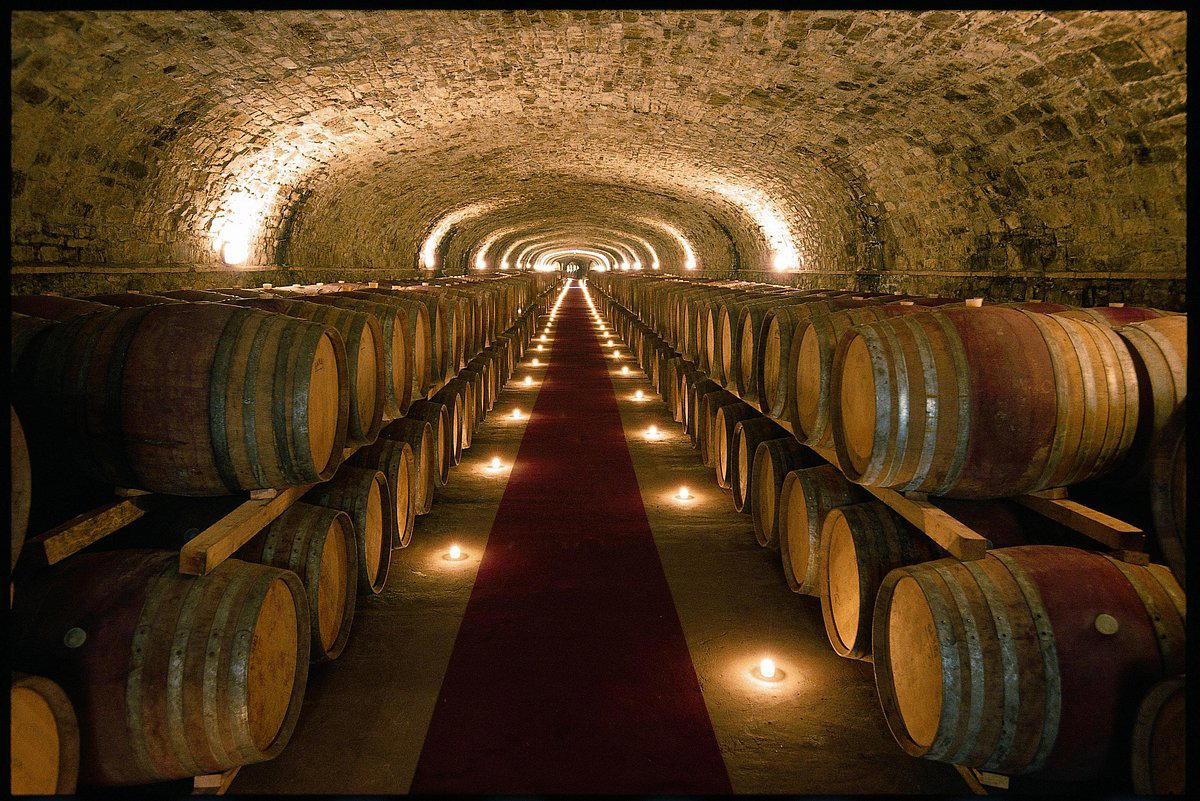
Production is estate-grown and hand-harvested, with ageing in oak barrels. Annual output is around 150,000 bottles, and Chianti Classico Annata and Riserva account for roughly 80 percent of that production. The rest includes Sandiavolo, a Toscana IGT built from Sangiovese, Cabernet Sauvignon, and Merlot in equal parts. For drinkers mapping the region, that division is useful: the estate is not a micro-production curiosity, but neither is it an anonymous volume label. It sits in the category where terroir, recognisable appellation structure, and visitor-facing hospitality all need to align.
The tasting line is organised around three labels: Chianti Classico DOCG La Canonica, Chianti Classico Riserva DOCG La Canonica, and Chianti Classico Gran Selezione DOCG Lady Anna La Canonica. That progression is a clean way to understand the estate’s hierarchy without turning the visit into a technical seminar. Annata shows the baseline Sangiovese-led interpretation; Riserva brings the more structured blend; Gran Selezione places the estate’s selection at the front of the conversation. The 2020 La Canonica Chianti Classico DOCG received 89 points from Falstaff in 2022, while other wines have drawn 94-to-96-point critic ratings from major wine publications, giving the estate a measurable recognition signal beyond local reputation.
A tasting room where the site does more than decorate the flight
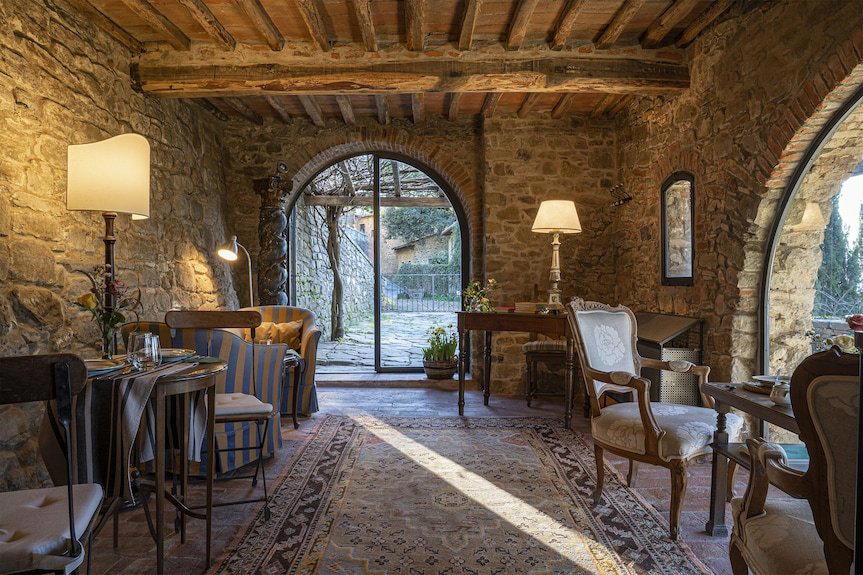
Many Tuscan tastings lean on the romance of place, then pour wines that is discussed anywhere. Canonica a Cerreto has the advantage of making the place legible. The thick historic walls, the broad vineyard amphitheatre, and the sightline toward Siena all reinforce the central point: this is a southern Chianti Classico address where landform, soil, and exposure are part of the tasting logic.
The current chapter began in February 2022, when the Rossetti family acquired the estate and commissioned a restyling of the wines and labels. That recent change gives the property a useful tension between inherited gravitas and contemporary positioning. The stronger editorial reading is not family biography, but continuity: a medieval religious site, later aristocratic and clerical residence, now presenting Chianti Classico through a modern hospitality lens while keeping Sangiovese as the principal language.
For a broader Castelnuovo Berardenga wine itinerary, keep Canonica a Cerreto within the area’s winery circuit rather than treating it as a standalone postcard stop. Nearby planning can also include Agricola Losi, Azienda Agricola Castello di Monastero, Bindi Sergardi, Boschetto Campacci, and Carpineta Fontalpino. For the wider area, use Our full Castelnuovo Berardenga wineries guide, then build the rest of the trip through Our full Castelnuovo Berardenga restaurants guide, Our full Castelnuovo Berardenga hotels guide, Our full Castelnuovo Berardenga bars guide, and Our full Castelnuovo Berardenga experiences guide.
Readers comparing Italian and European winery styles beyond Tuscany can also look at 3GP SRL in Treviso, 47 Anno Domini in Trebaseleghe, A Mano Wine in Noci, »der Steiner« Hans Steiner in Podersdorf am See, and & Handwein in Mannheim, though the Chianti Classico frame here remains distinctly Tuscan: old stone, Sangiovese, clay-limestone soils, and a visit paced by the hill rather than by theatre.
Recognition history
Dated appearances from independent guides and award organizations, with the underlying list record or original source where available.
Falstaff Winery - Listed
Falstaff
Continue exploring
More in Castelnuovo Berardenga
Wineries in Castelnuovo Berardenga
Browse all →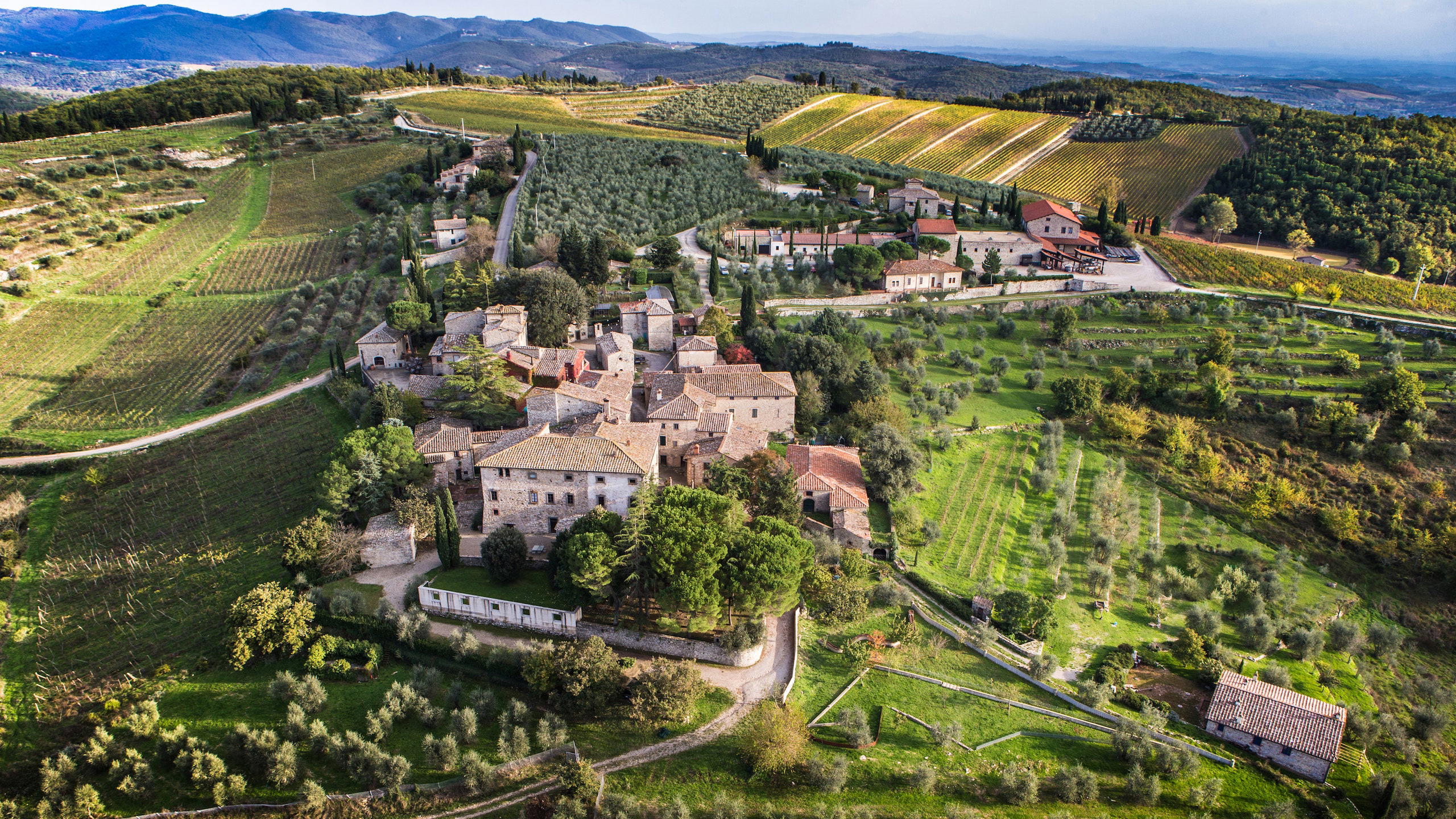
Bars in Castelnuovo Berardenga
Browse all →
Restaurants in Castelnuovo Berardenga
Browse all →
Details
- Scenic
- Quiet
- Historic
- Rustic
- Wine Education
- Solo Exploration
- Special Occasion
- Panoramic View
- Historic Building
- Estate Grounds
- Vineyard Tour
- Private Tasting
- Vineyard
- Mountain
- Sangiovese
- Cabernet Sauvignon
- Merlot
- Still Red
- Wine Experiences
- Cellar Visit
- Direct Sales
- English
- French
Historic, serene, and scenic, with thick old walls, a polished hilltop setting, and a 360° panoramic view over vineyards, olive trees, Siena, and the surrounding Chianti hills.